Spice, Herb, or Vegetable Beer: 10-Beer Comparison Flight and Style Guide
Spice, herb, or vegetable beer gives a culinary ingredient a meaningful role while preserving enough of the base beer to create structure. The category can be as delicate as lemongrass in wheat beer or as intense as coffee, cacao, vanilla, and chile in imperial stout.
The name is broad because the ingredient list is broad. What ties these beers together is intention: the addition should be identifiable, pleasant, and integrated—not merely listed on the label.
What belongs in the style
Spices include seeds, bark, roots, pods, and peppers. Herbs contribute leaves and flowers. The vegetable side can cover pumpkin, squash, beet, cucumber, tomato, and other produce when the result is not better described as a fruit or seasonal beer. Coffee and cacao are also commonly handled in this family.
Many standard styles already permit traditional seasoning. Coriander and orange peel in witbier, for example, are part of that established identity. A beer enters specialty territory when the ingredient treatment or combination becomes a defining feature beyond the base style’s normal range.
Aroma, flavor, and mouthfeel
Successful examples often use aroma first. Citrus peel, flowers, tea, and fresh herbs can suggest sweetness without adding much residual sugar. Roots and bark create deeper, drier spice. Vanilla rounds edges and increases the impression of body, while chile brings both flavor and physical heat.
Intensity should match the beer underneath. A pilsner offers little cover for rough extraction; stout can absorb much more. Stronger is not automatically better. If the first ingredient named is all a drinker can perceive, the addition has probably stopped supporting the beer.
Brewing considerations
Boiling extracts and sanitizes but can drive off delicate aromas. Late-kettle additions integrate well, fermentation additions can transform, and post-fermentation tinctures offer dosing control. Vegetables bring water, starch, and possible microbes, so preparation and cold-side sanitation deserve careful attention.
Build slowly. It is easy to add more tincture, tea, or concentrated extract at packaging; it is nearly impossible to remove an excessive dose. Bench trials make that final decision far more reliable.
Ten Spice, Herb, or Vegetable Beer references and comparisons
Three dark beers anchor cocoa, coffee and botanical additions. Key Lime Pie and Cherry Chocolate retain their fruit-and-flavor overlaps. Three traditional Witbiers and plain Gose preserve their established identities as spice-integration controls; SeaQuench is the citrus-and-salt hybrid comparison. This is not a claim that all ten are strict BJCP 30A entries.
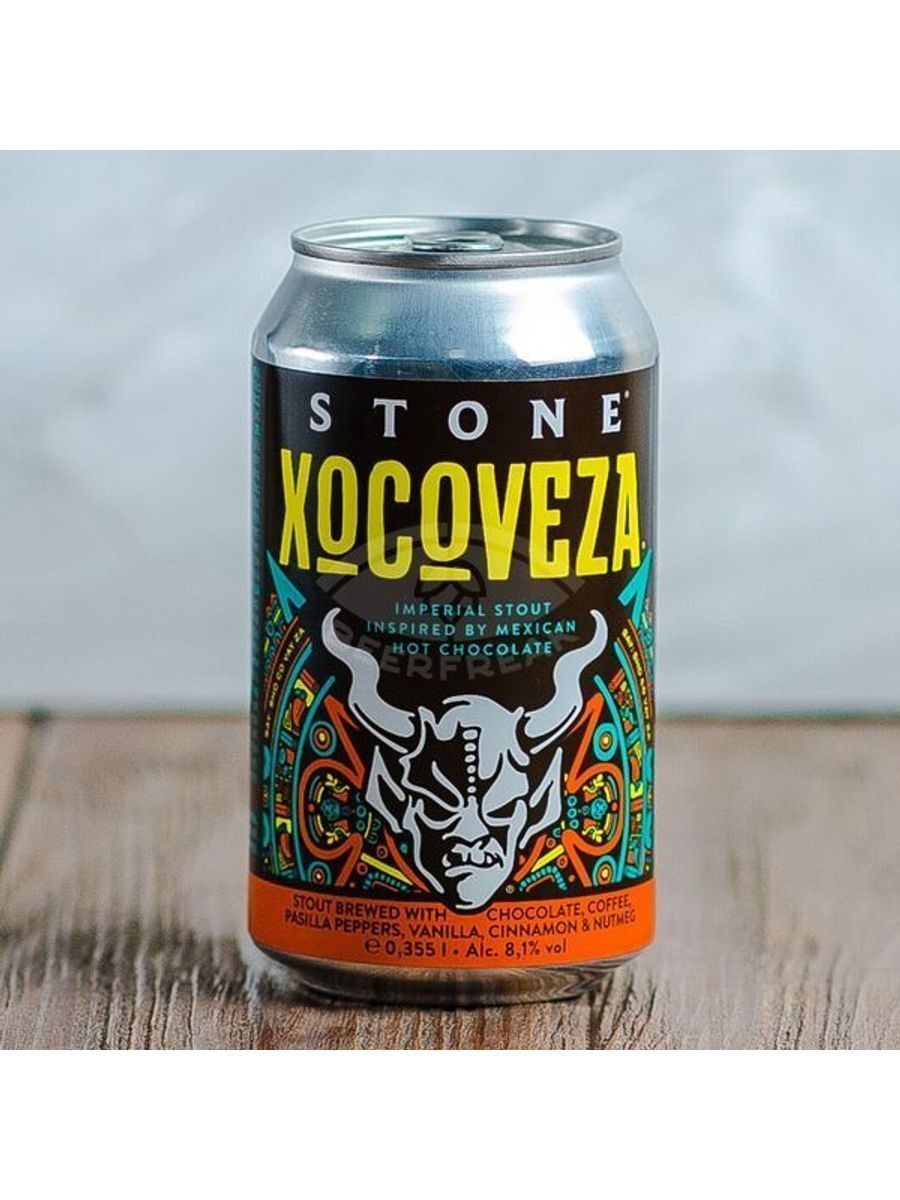
Stone Xocoveza
Brewed by Stone Brewing
Chocolate, coffee, spice and gentle chile heat.
BAR NOTES
Stone lists standard Xocoveza at 8.1 percent alcohol and fifty IBU. Cocoa, coffee, pasilla peppers, vanilla, cinnamon, nutmeg and lactose create its Mexican-hot-chocolate concept; it is distinct from the separate Tres Leches variation.
Xocoveza demonstrates several botanical ingredients over