
Specialty Fruit Beer: 10-Beer Comparison Flight and Style Guide
Specialty fruit beer combines fruit with another defining feature that cannot be ignored. Wild fermentation, barrel aging, salt, unusual grain, smoked malt, specialty sugar, or a hybrid base can all provide the second half of the beer’s identity.
The category is broad, but it is not random. A specialty fruit beer should explain itself in the glass: the fruit is recognizable, the specialty element is meaningful, and the base supports both.
Specialty fruit beer at a glance
| Fruit | Any fruit or fruit combination |
|---|---|
| Second defining feature | Wild culture, wood, salt, smoke, unusual fermentable, or style hybrid |
| Base beer | Recognizable or purpose-built for the combination |
| Sweetness and acidity | Variable; should fit the declared concept |
| Alcohol | Determined by the complete recipe |
What makes it different from ordinary fruit beer
Raspberry added to a clean wheat ale is fruit beer. Raspberry fermented in a native-culture farmhouse ale and matured in oak is specialty fruit beer because the culture and vessel fundamentally change the result. Lime in a lager may be fruit beer; lime in a hybrid of gose, kölsch, and Berliner Weisse adds salt, coriander, acidity, and a multi-style base.
The specialty element must remain perceptible. If barrel aging contributes no aroma, structure, or fermentation effect, it does not define the beer. If wild culture erases the fruit, the recipe has lost the promised balance.
Fruit, fermentation, and stability
Mixed cultures can consume fruit sugar and carbohydrates for months, developing acidity and new aroma long after a clean fermentation would be complete. Wood introduces oxygen and resident organisms. Salt and acid change the way sweetness and bitterness are perceived.
Those interactions make stability harder to predict. Brewers must track gravity, acidity, sensory development, carbonation, and package pressure. Pasteurization, filtration, cold storage, or continued bottle conditioning may each be appropriate depending on the intended beer.
Ten Specialty Fruit Beer references and comparisons
Two lime-and-salt Goses, five American mixed or spontaneous fruit beers, two Belgian fruit lambics and a cherry-chocolate red variation compare meaningful specialty treatments. Established Fruit Lambic and Wild Specialty identities are preserved, rather than every beer being relabeled BJCP 29C. The selected 2020 Boysenberry bottle and retailer-listed 2023 lambic photos are stated honestly; their inclusion does not promise current local stock.
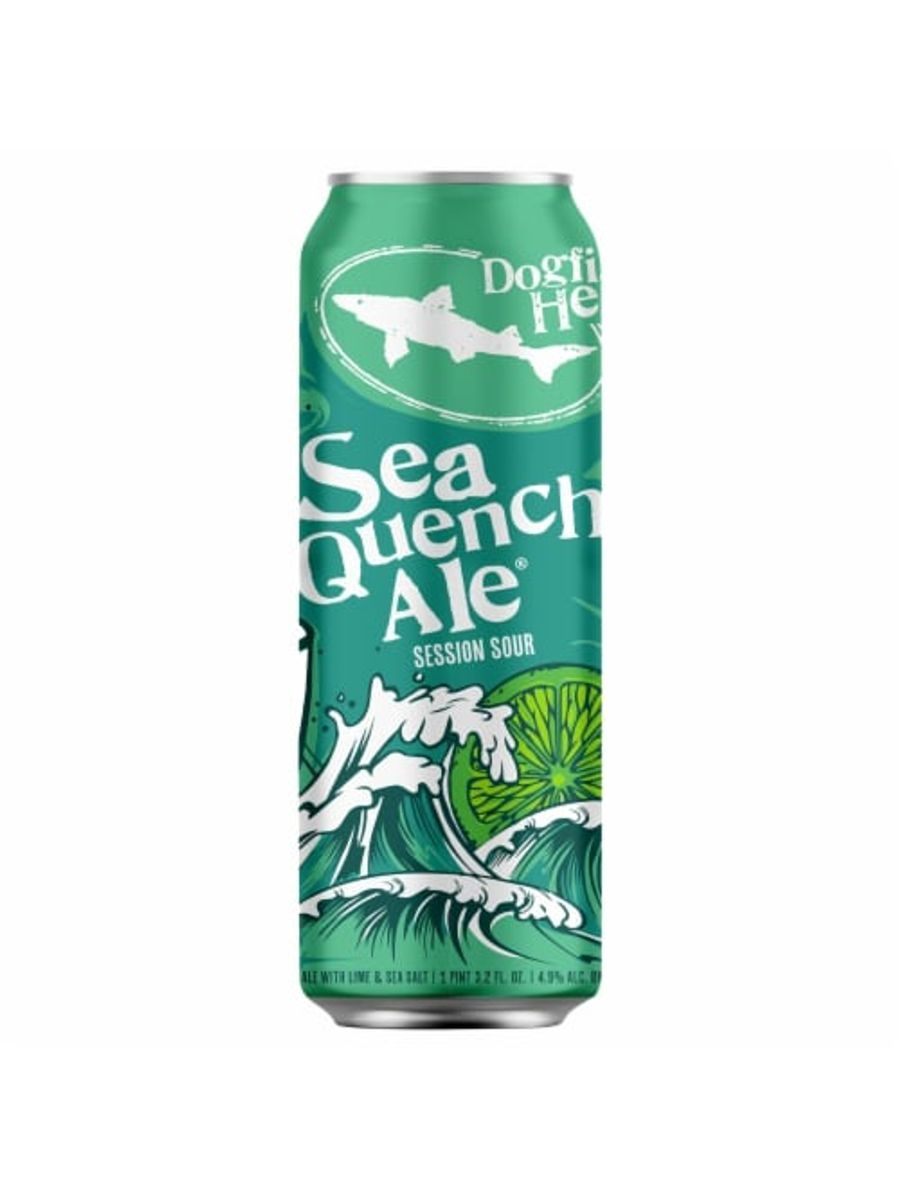
SeaQuench Ale
Brewed by Dogfish Head Craft Brewery
Bright lime and salt meet a crisp blended sour foundation.