Belgian Tripel: Golden, Spicy, and Deceptively Strong
Belgian tripel is a strong golden ale with pale malt, orchard fruit, peppery spice, firm bitterness, and very high carbonation. Its light color and dry finish can conceal alcohol that commonly reaches 8–10%.
Tripel is not a sweet, heavy beer in pale clothing. The style depends on a fermentable wort, healthy yeast, and enough hops and carbonation to keep strength bright.
At a glance
- OG: 1.075–1.085
- FG: 1.008–1.014
- IBU: 20–40
- SRM: 4.5–7
- ABV: 7.5–9.5%
What tripel tastes like
Expect pear, apple, light banana, citrus, white pepper, flowers, pale bread, and herbal hops. Alcohol may add gentle perfume and warmth, but solvent heat is a fermentation fault rather than a mark of authenticity.
The palate should feel lighter than the gravity suggests. A dry finish, firm bitterness, and prickly carbonation keep fruit and alcohol from becoming syrupy.
Westmalle and the modern template
Westmalle’s strong pale ale established the modern tripel model and gave the style its best-known name. Its balance of Pilsner malt, sugar, expressive yeast, hops, and bottle conditioning remains the reference point.
Other breweries interpret tripel with more citrus, spice, malt roundness, or hop character. The family remains recognizable as long as strength is paired with a pale, dry, effervescent structure.
Sugar creates a lighter finish
Plain sugar or clear candi syrup raises original gravity without adding the dextrins that additional malt would bring. Once fermented, it contributes alcohol and carbon dioxide rather than residual sweetness.
Sugar cannot rescue poor fermentation. High-gravity wort needs sufficient oxygen, nutrients, and a large healthy pitch. Some brewers add sugar after fermentation begins to reduce initial stress on the yeast.
Managing fermentation
Start within the strain’s controlled range, then allow the temperature to rise as fermentation gains momentum. This encourages attenuation while limiting hot fusel alcohol and uncontrolled banana or bubblegum.
Do not package until gravity is stable. Tripel is often highly carbonated, so unfinished fermentation plus priming sugar can create dangerous bottle pressure.
Serving and pairing
Serve around 45–50°F in a tulip or chalice with plenty of headroom. Tripel works with mussels, roast chicken, creamy cheese, shellfish, pork, and mild curry. Use a modest pour and respect the hidden strength.
Commercial examples worth tasting
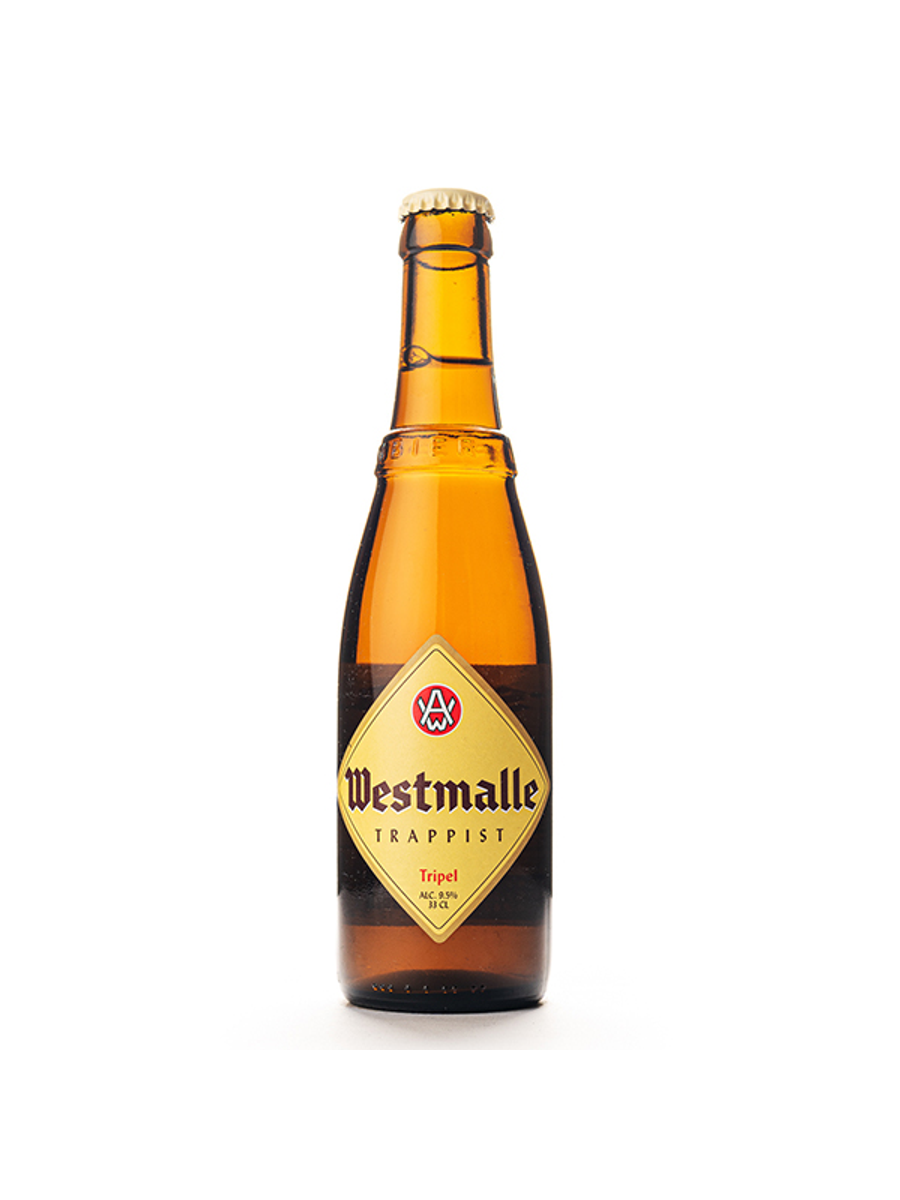
Westmalle Tripel
Brewed by Brouwerij der Trappisten van Westmalle
Pear, banana, pepper, honeyed malt, and a famously dry finish make this the foundational modern tripel.
BAR NOTES
Westmalle introduced the beer that became the template for modern tripel. Its achievement is not simply strength; it keeps pale malt, fruit, pepper, hops, alcohol, and carbonation in remarkably clean proportion.
Pour a modest serving into a chalice and let the beer warm slowly. It handles mussels, roast chicken, washed-rind cheese, and rich seafood dishes without losing its crisp edge.
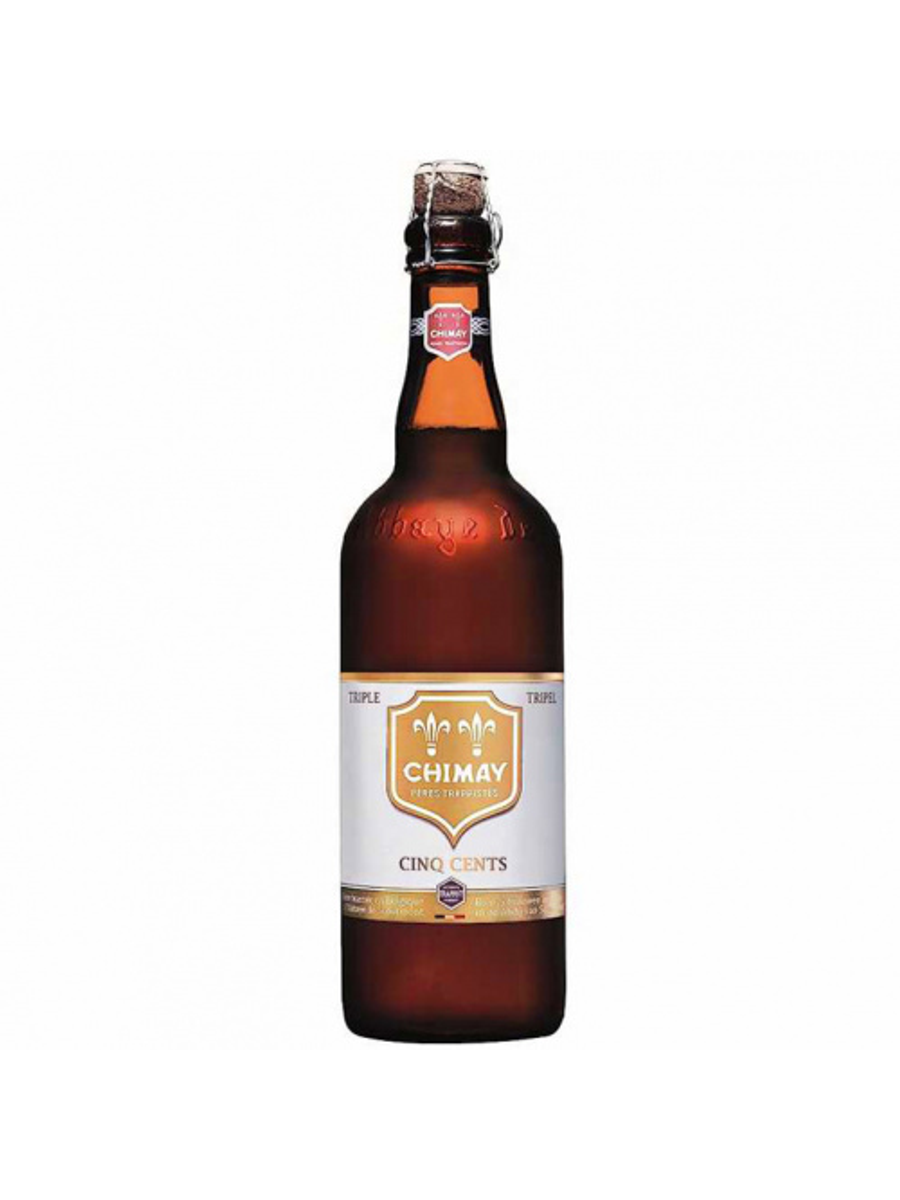
Chimay Cinq Cents White
Brewed by Bières de Chimay
Pear, citrus, white pepper, bread, and herbal hops give this tripel a bright, firmly structured finish.
BAR NOTES
Chimay White places hops and citrus closer to the front than many tripels. Its pale malt and orchard fruit remain present, but a firm herbal finish makes the beer particularly effective at the table.
Use a goblet with enough room for the persistent head. The bitterness and carbonation suit creamy cheese, fried seafood, roast poultry, or pork served with mustard.
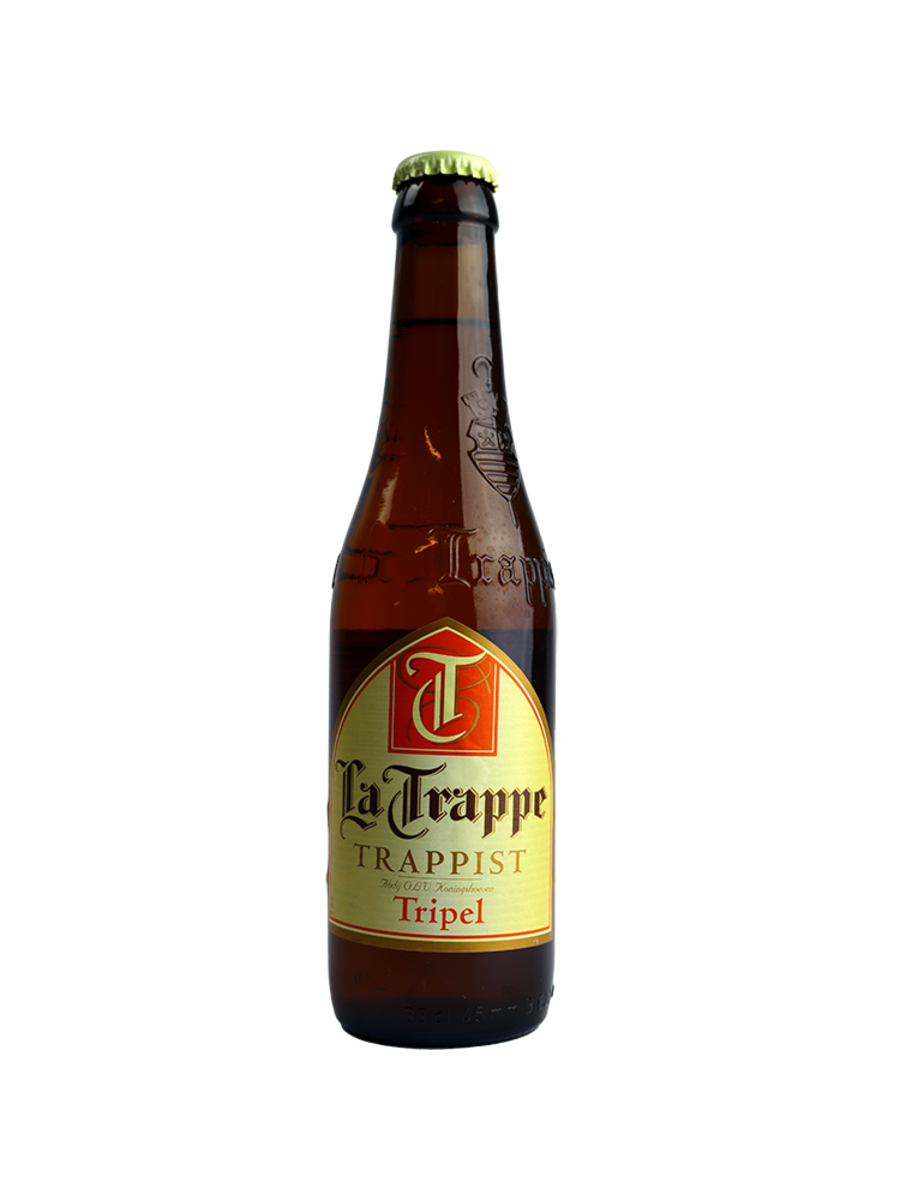
La Trappe Tripel
Brewed by Bierbrouwerij De Koningshoeven
Peach, pear, coriander, honeyed malt, and dry bitterness create a rounded but well-finished Dutch tripel.
BAR NOTES
La Trappe Tripel leans toward ripe yellow fruit and soft spice. The malt feels rounder than Westmalle’s, yet carbonation and bitterness keep the finish from becoming sticky.
Serve around 45–50°F in a tulip or chalice. Try it with roast pork, triple-cream cheese, shellfish, or a mildly spiced curry that echoes its fruit and coriander.
The bottom line
Tripel succeeds through contradiction: strong but not heavy, fruity but dry, pale but complex. Fermentation and carbonation carry as much responsibility as the grain bill.
Explore the Trappist and abbey ale family
From the dry, table-friendly single to the dark-fruit depth of a strong dark ale, these styles show how Belgian fermentation, thoughtful attenuation, and patient conditioning create strength without losing balance.