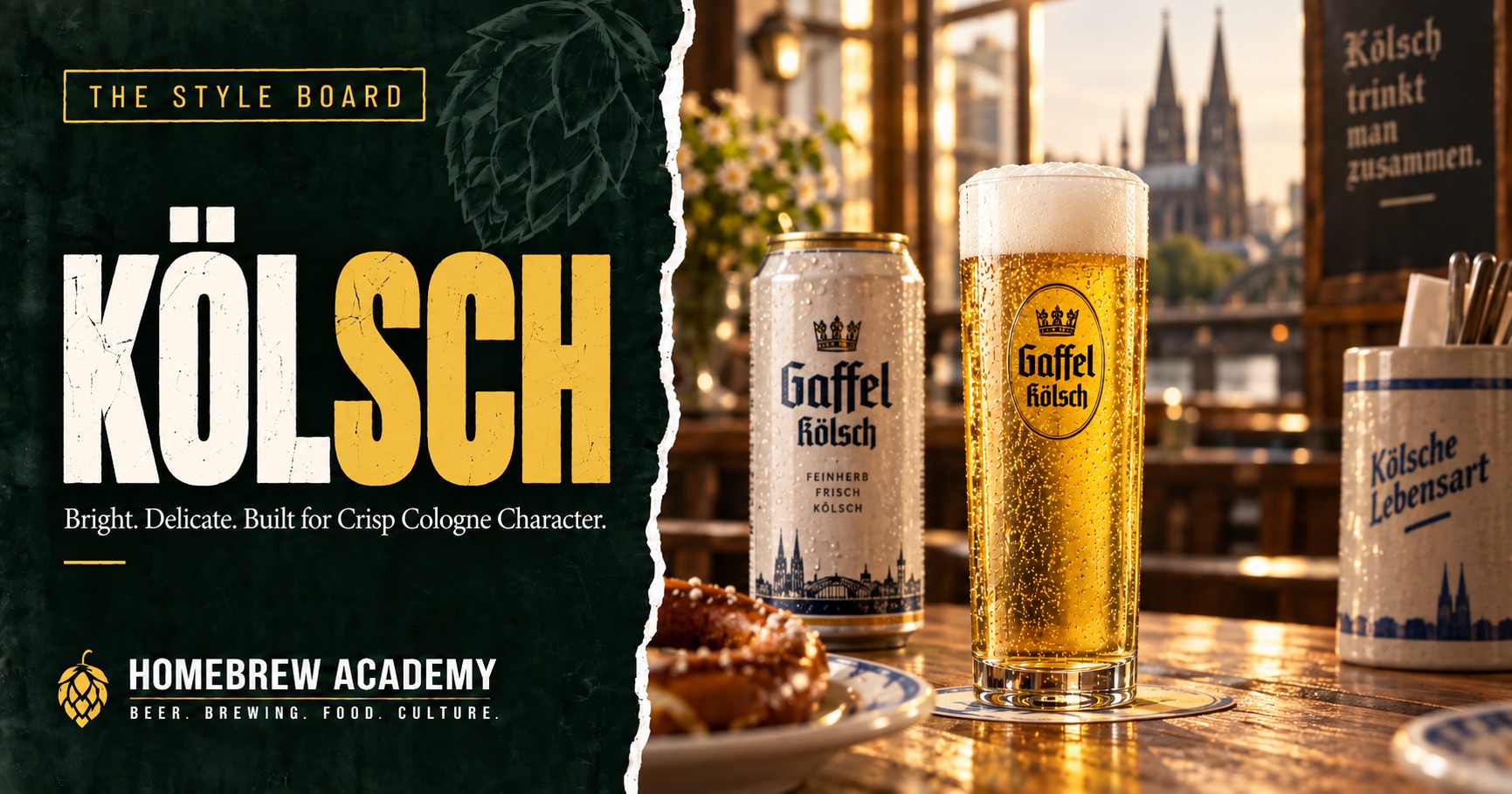
Kölsch: Flavor, History & Examples
Kölsch is a brilliant, pale German ale with delicate fruit, soft malt, restrained hops and a dry finish sharpened by cold conditioning.
It can resemble lager at first glance, but its identity rests on the subtle fermentation character that survives beneath all that polish.
The quick answer
Expect a pale yellow-to-gold beer with high clarity, a fine white head and a light, smooth body. Malt suggests grain, crackers or faint bread. Hops stay floral, spicy or herbal, while a restrained apple, pear or wine-like note may reveal the ale fermentation.
| Measure | BJCP range |
|---|---|
| Original gravity | 1.044–1.050 |
| Final gravity | 1.007–1.011 |
| Bitterness | 18–30 IBU |
| Color | 3.5–5 SRM |
| Alcohol | 4.4–5.2% |
What Kölsch tastes like
Balance is delicate rather than neutral. Malt and bitterness remain soft, the fruit character never becomes obvious or sweet, and the finish is highly attenuated. High carbonation gives the beer sparkle without turning it sharp.
Heavy banana, clove, caramel, aggressive hop aroma and obvious sulfur are out of place. Freshness is crucial because the aromas that distinguish Kölsch fade faster than the underlying pale malt and carbonation.
How Kölsch is brewed
A mostly Pilsner-malt grist creates the pale base, sometimes supported by a small portion of wheat or light malt for foam and texture. Traditional German hops supply modest bitterness and a fine floral, spicy or herbal accent.
The defining process is cool ale fermentation followed by cold conditioning. The yeast should contribute a trace of fruit without roughness, then lagering clarifies and smooths the beer. Fermenting too warm produces obvious esters; fermenting too cold can erase the style’s ale identity.
Cologne, the Kölsch Convention and service
Kölsch is inseparable from Cologne. The protected regional tradition is reinforced by the Kölsch Convention, while local brewhouses serve the beer in narrow 200-milliliter glasses called stangen. Servers replace empty glasses until the drinker signals that the session is over.
The small glass is practical as well as cultural: frequent pours keep a delicate beer cold, carbonated and fresh. Outside Cologne, many breweries make Kölsch-style ale, but the classic sensory target remains the pale, dry and gently fruity beer of the city.
Five useful reference beers
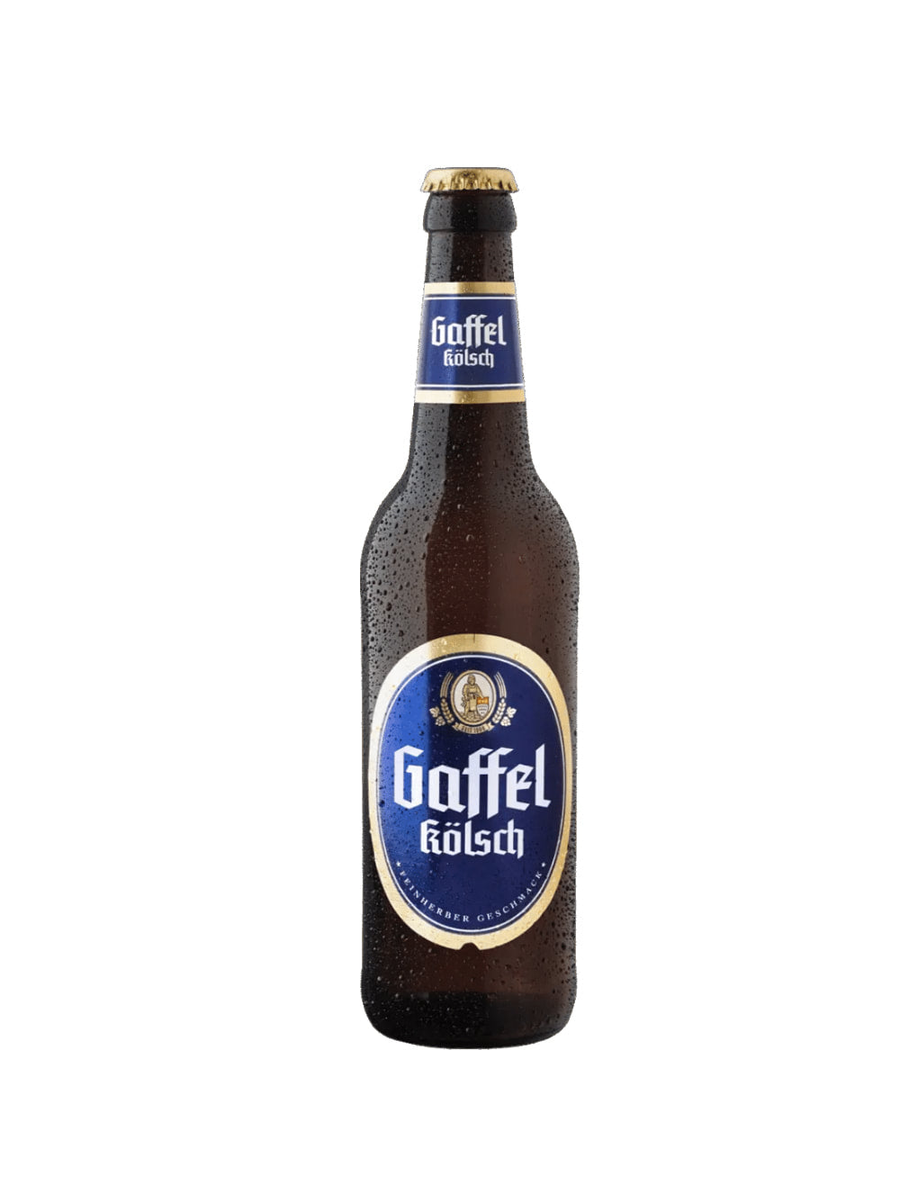
Gaffel Kölsch
Brewed by Privatbrauerei Gaffel Becker
Soft grain, light fruit, delicate herbal hops and a very dry, sparkling finish.
BAR NOTES
Gaffel is a direct Cologne benchmark with enough delicate fruit to signal ale fermentation while grain, herbs and carbonation keep the profile disciplined.
Serve it in a stange if available and replenish small pours often. The beer is most expressive when fresh, cool and lively rather than icy.
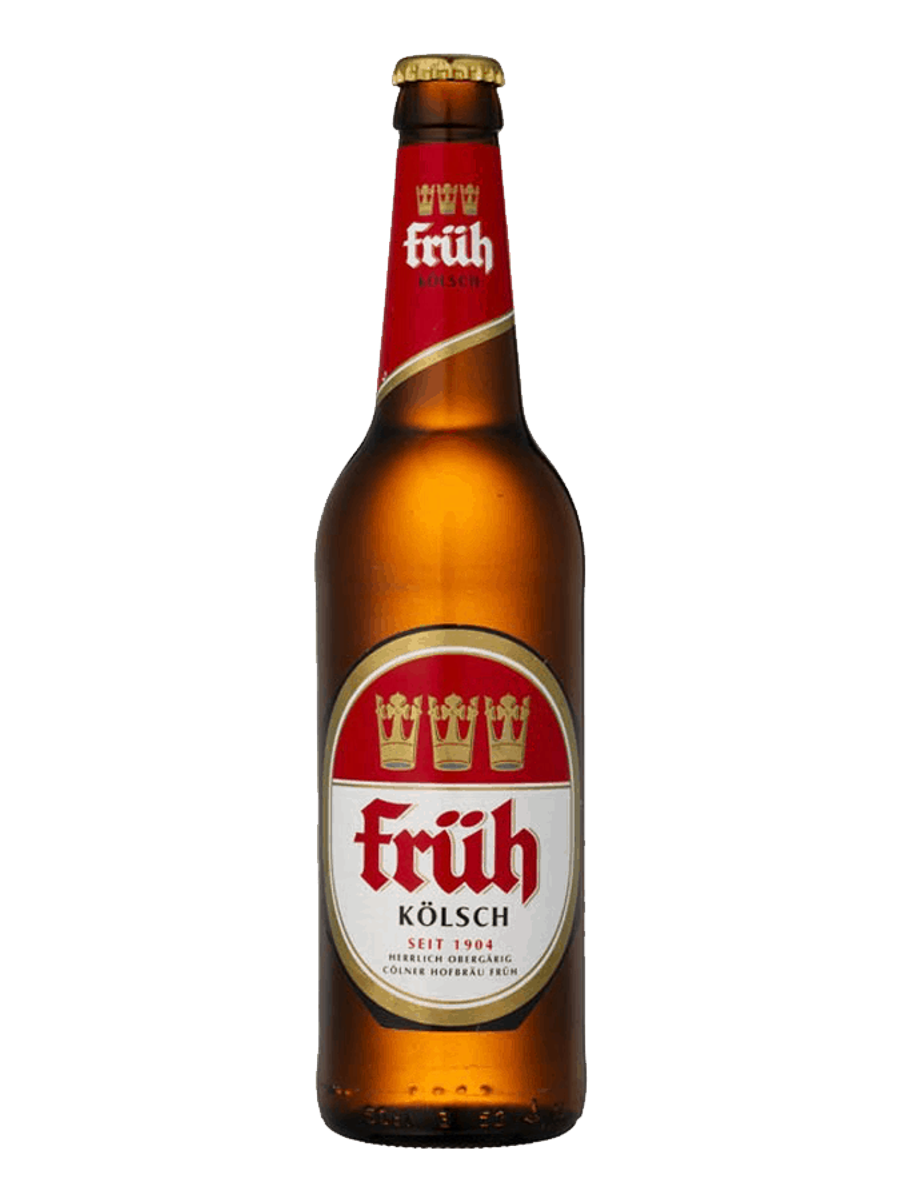
Früh Kölsch
Brewed by Cölner Hofbräu Früh
Pale grain, restrained apple-and-pear fruit, soft herbs and crisp carbonation finish clean.
BAR NOTES
Früh offers another classic Cologne reading, often perceived as soft and highly approachable. Its value is how naturally pale malt, faint fruit and a dry finish fit together.
Try it with schnitzel, bratwurst, potato pancakes or mild cheese. Its carbonation cuts fat while the quiet fruit stays compatible with delicate food.
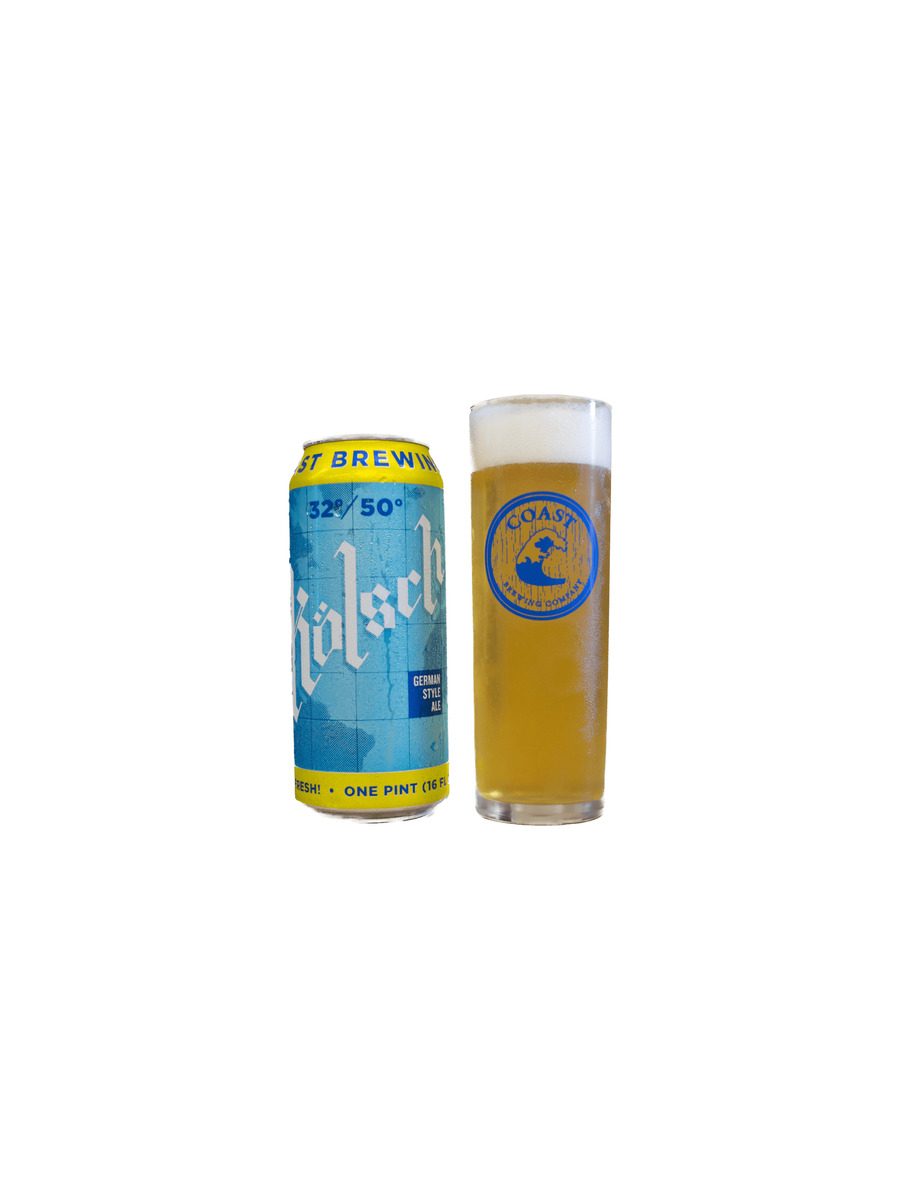
32°/50° Kölsch
Brewed by COAST Brewing Company
Pale grain, gentle fruit, floral hops and crisp carbonation make a delicate warm-weather ale.
BAR NOTES
COAST 32°/50° shows how an American brewery can translate the style without turning it into blonde ale. The profile remains pale, delicate and fermentation-led.
Compare it directly with Gaffel or Früh. The exercise reveals which character comes from shared style structure and which comes from a brewery’s yeast and hopping choices.
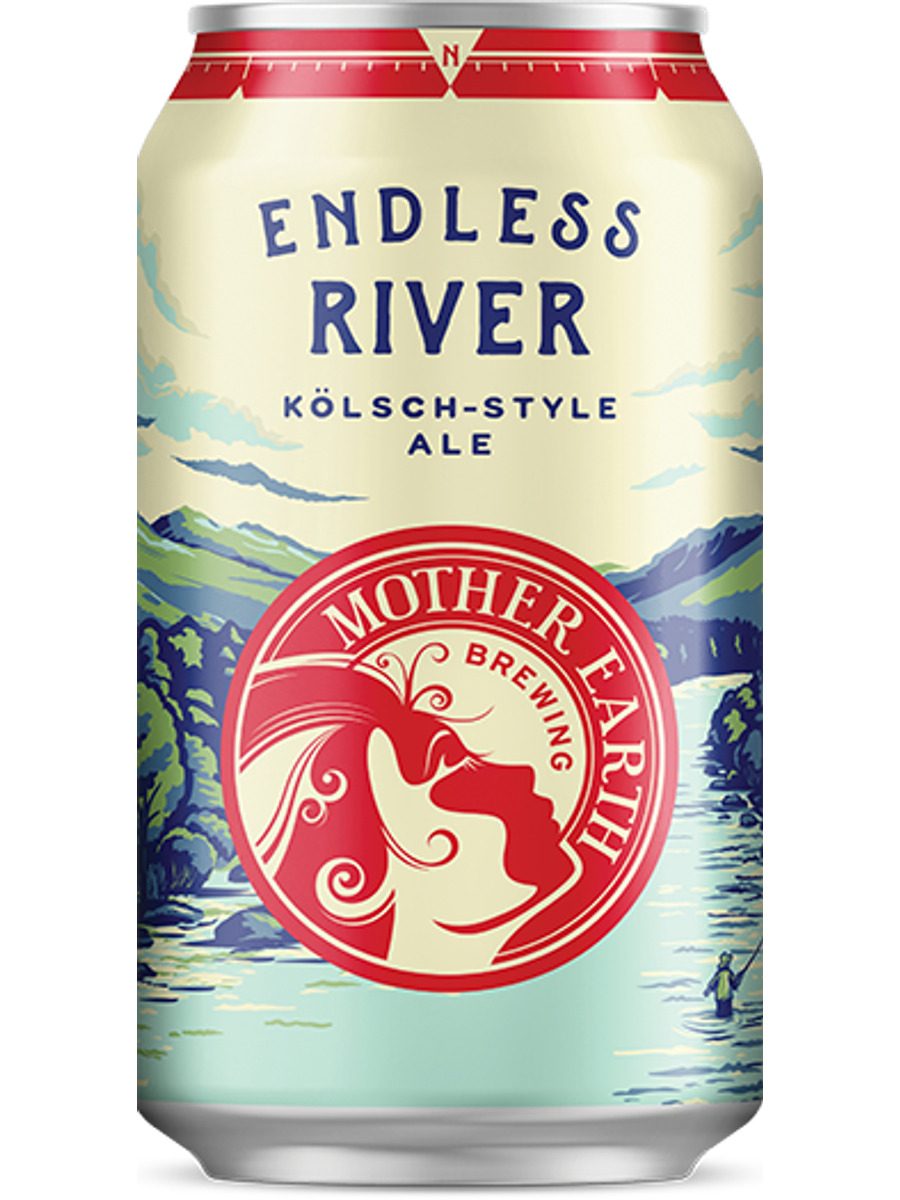
Endless River Kölsch
Brewed by Mother Earth Brewing
Soft grain and subtle fruit meet lager-like polish in a pale, understated ale.
BAR NOTES
Endless River emphasizes polish and restraint. Soft grain and quiet fruit arrive before a clean finish that makes the beer feel simpler than it is.
This is a helpful beer for studying attenuation. Nothing tastes harsh or aggressively bitter, yet the finish clears quickly and encourages another sip.
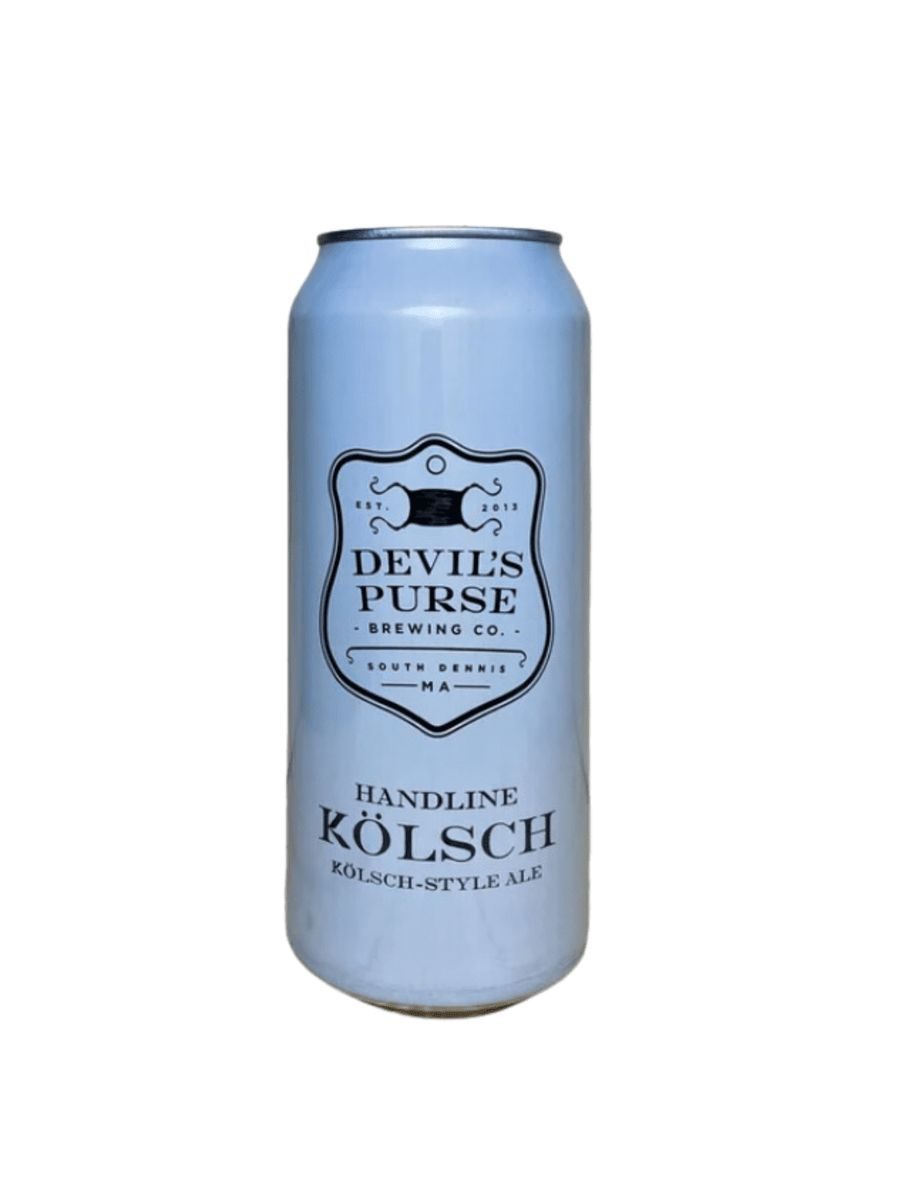
Handline Kölsch
Brewed by Devil’s Purse Brewing Co.
Crackery malt, lemon, floral hops and gentle fruit lead to a dry, refreshing finish.
BAR NOTES
Handline gives the style a coastal American accent through lemony brightness and floral hops, but its dry structure keeps it anchored to Kölsch rather than pale ale.
Pair it with fried seafood, roast chicken or fresh goat cheese. Citrus-like brightness lifts the food without requiring late-hop intensity.
Kölsch versus lager
Kölsch can be as clear and crisp as pale lager because it is cold-conditioned, but it is fermented with ale yeast. That small technical difference matters in the glass: a faint fruity or vinous thread should remain even when the finish is exceptionally clean.
Compared with German Pils, Kölsch is softer in bitterness and less hop-forward. Compared with Helles, it is drier, lighter and more likely to show delicate fermentation fruit.
KEEP THE FLIGHT GOING
Place Kölsch in its Cologne context, compare it with the cleanest pale lagers, then take its delicate fermentation profile into the brewhouse.