
Pale American Ale: 10-Beer Comparison Flight and Style Guide
Pale American ale is less a single flavor than a useful split in the road. Blonde ale keeps malt, hops and fermentation in quiet balance; American pale ale turns toward citrus, pine and a firmer bitter finish. Both are pale, clean and built for another glass, but they satisfy very different moods.
The category makes sense once you stop judging by color alone. Strength overlaps, ingredients often overlap and both can look bright gold to light amber. What changes is emphasis: blonde ale aims for harmony, while pale ale makes American hop character the center of attention.
Explore both companion guides: Blonde Ale and American Pale Ale. Each expands the tasting references, brewing approach and comparisons for its branch of BJCP Category 18.
Pale American beer at a glance
| Style | ABV | IBU | Color | Defining impression |
|---|---|---|---|---|
| Blonde Ale | 3.8–5.5% | 15–28 | 3–6 SRM | Soft malt, restrained hops and a clean, easy finish |
| American Pale Ale | 4.5–6.2% | 30–50 | 5–10 SRM | Citrus, pine or tropical hops over a supportive pale-malt base |
What connects the styles
Both styles depend on clean fermentation and fresh ingredients. Pale base malt supplies bread, cracker and light toast; specialty malt is normally supporting detail rather than the main event. American ale yeast is common because it ferments predictably and leaves the ingredient balance easy to read.
They also share a danger: there is nowhere to hide. Oxidation dulls hops, tired yeast adds fruit or butter, and a heavy hand with crystal malt turns a brisk pint sweet. These beers often look simple on paper because the brewer is expected to supply precision.
Blonde ale: balance first
A good blonde ale opens with light bread, grain or a suggestion of honey. Hop aroma can lean floral, herbal, citrusy or lightly fruity, but it should never make the drinker wonder whether an IPA arrived by mistake. Bitterness is low to moderate, body is soft but not heavy and the finish is clean enough to invite a second sip.
American pale ale: hops in focus
American pale ale uses a similar pale foundation, then gives the hops more room. Classic versions feature grapefruit, orange peel, flowers, resin and pine from Cascade-family varieties. Modern examples may bring mango, passion fruit, berry or white grape, yet the best versions preserve a clear malt line and a dry, decisive finish.
A ten-beer pale American ale tasting flight
This ten-beer route pairs five American blonde-and-golden references with five American Pale Ales. The two companion guides expand each branch into its own ten-beer flight with neighboring styles and guideline exceptions identified. Compare the softer malt-and-hop balance first, then move toward firmer bitterness and more expressive American hop aroma.
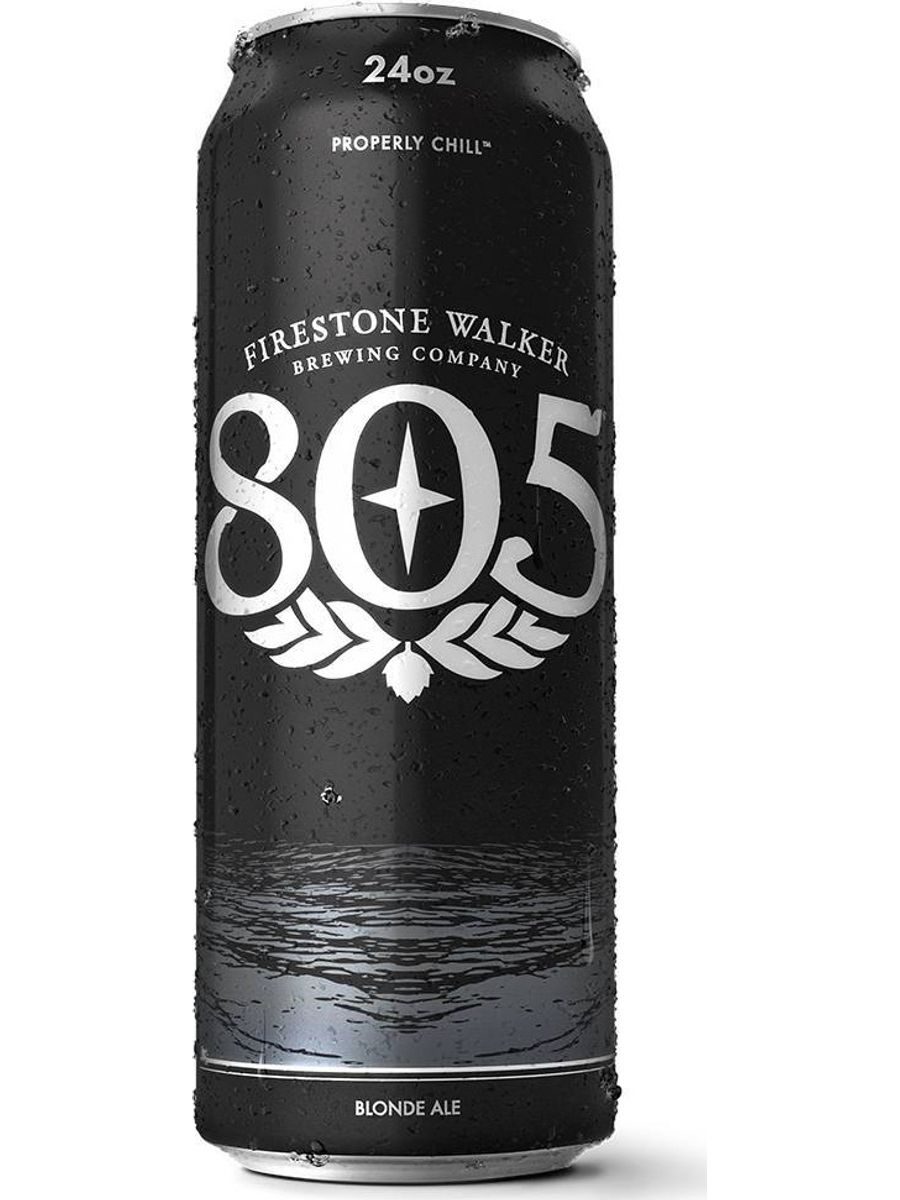
805 Original Blonde Ale
Brewed by Firestone Walker
Light malt and measured hops establish the softer side of the family.