Red IPA: 10-Beer Comparison Flight and Style Guide
Red IPA balances vivid American hops with caramel, toast and a copper-to-red malt base. The beer should taste richer than American IPA without losing a dry, bitter and highly aromatic finish.
Red IPA style profile
| Measure | Typical range |
|---|---|
| Original gravity | 1.056–1.070 |
| Final gravity | 1.008–1.016 |
| Bitterness | 40–70 IBU |
| Color | 11–19 SRM |
| Alcohol | 5.5–7.5% ABV |
What red ipa tastes like
Citrus, pine, resin, flowers or tropical fruit sit over caramel, bread crust and light toast. The red color comes from crystal and carefully selected darker malts rather than roast.
Bitterness is firm and body is medium. A small caramel impression can remain, but the beer should finish cleaner and drier than American amber ale.
How it differs from nearby styles
American amber ale is maltier and less hop-saturated. American IPA is paler and usually carries less caramel. Brown IPA moves further into nuts and cocoa.
Ten Red IPA references and comparisons
Four red-and-rye IPA references lead the flight: Fixed Gear, Ruthless Rye, the January 2026 Slopestyle edition and the selected 2026 Fallen Leaves release. A double-strength Brown IPA, two amber ales, one hoppy pale ale and two American IPAs supply six labeled contrasts. Seasonal release status and direct-shop availability remain explicit.
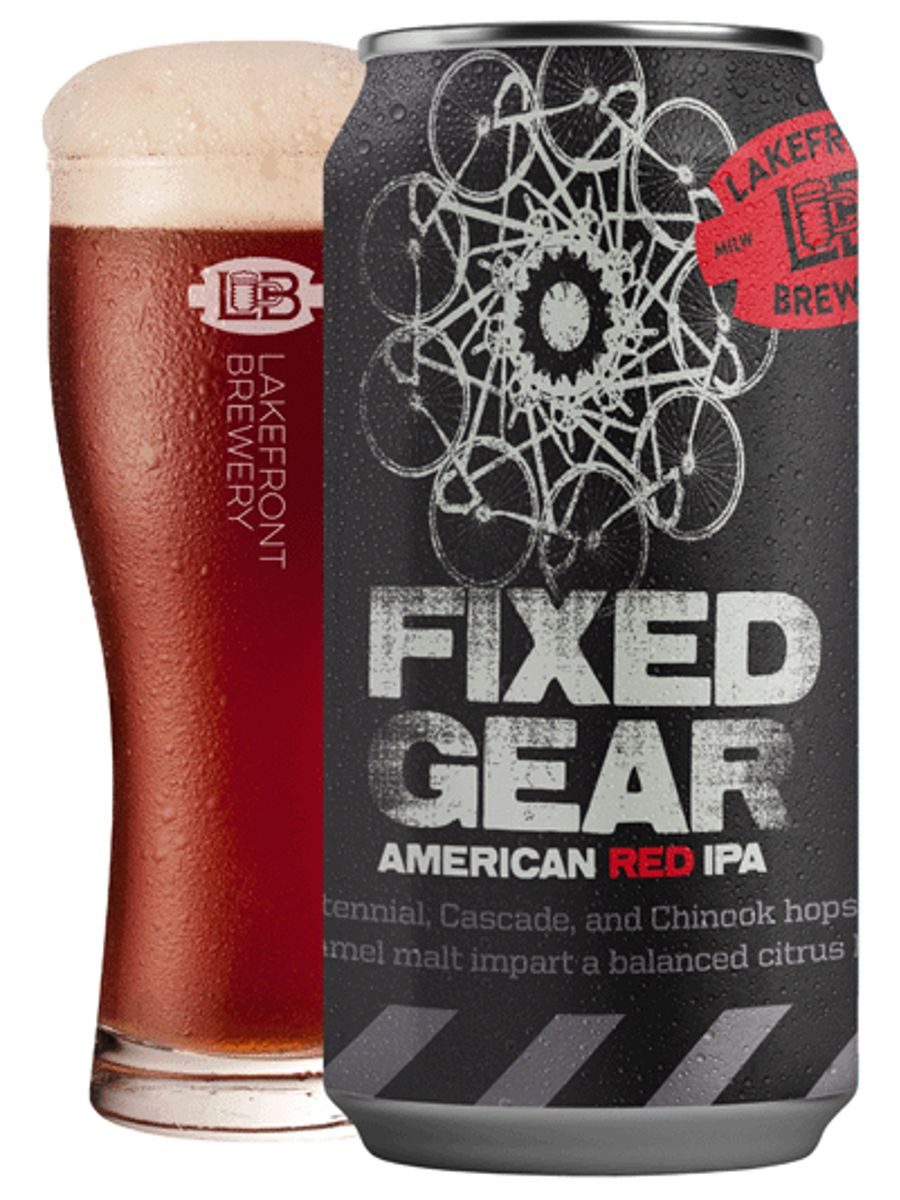
Fixed Gear
Brewed by Lakefront Brewery
Crimson caramel malt supports floral citrus and a firm finish.
BAR NOTES
Fixed Gear uses two-row pale, Crystal 60 and Belgian dark aromatic malt. Centennial, Cascade and Chinook dry hopping builds floral citrus over its crimson malt frame, while Wisconsin Magnum contributes to the bittering structure.
Its 6.1% ABV and 46 IBU fit standard Red IPA bands. Lakefront pairs the hop profile with tandoori chicken and vindaloo; taste how caramel and spice interact without confusing a red malt color with roasted stout flavor. amber malt recipe design keeps the finish hop-led.
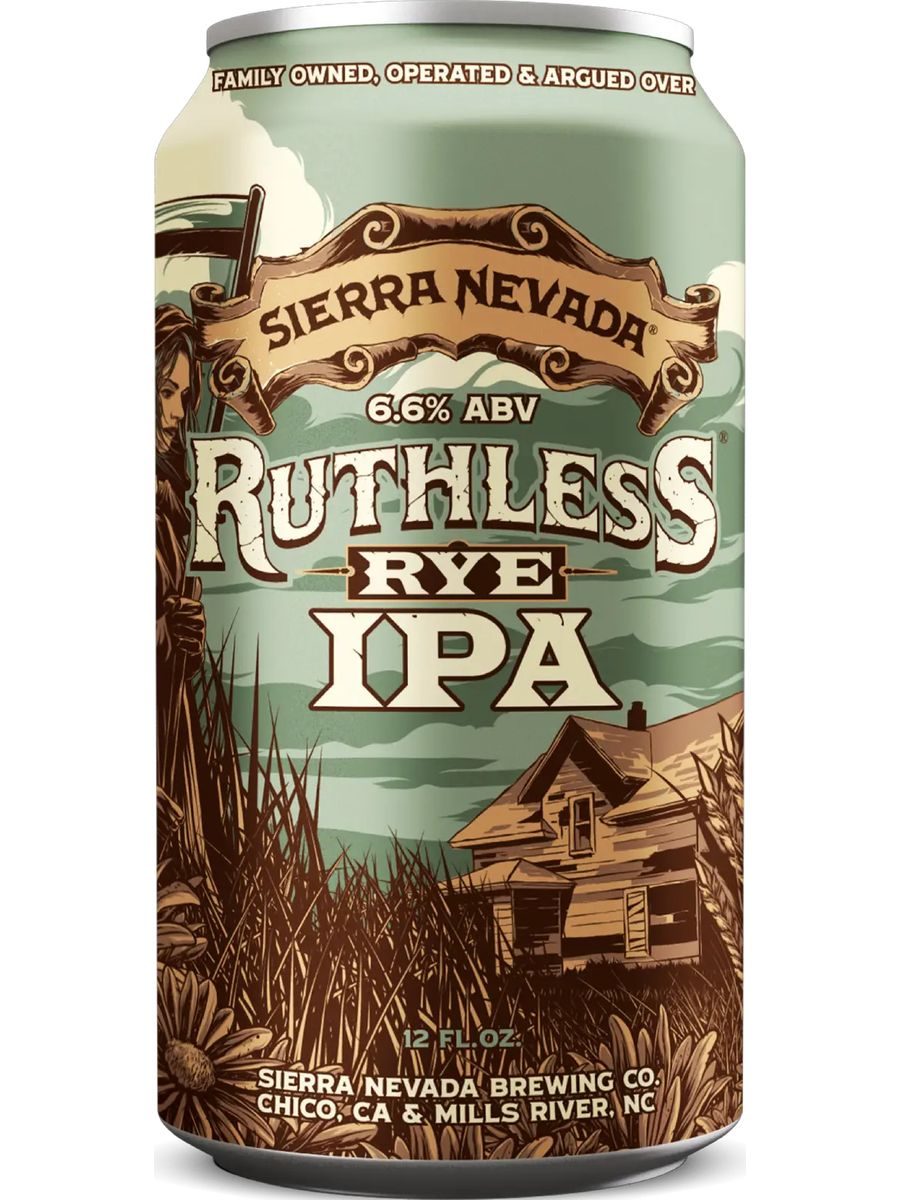
Ruthless Rye IPA
Brewed by Sierra Nevada Brewing Company
Peppery rye, caramel and bright citrus connect the red and rye branches.
BAR NOTES
Ruthless Rye’s current specification is 6.6% ABV and 58 IBU. Caramelized, chocolate, rye and two-row malt meet Chinook, Citra, CTZ, Ekuanot and El Dorado, adding grain spice beneath bright citrusy hops.
This is a crossover reference for both Red and Rye IPA, with availability described as limited rather than year-round. Compare the peppery grain impression with Fixed Gear’s dark caramel profile and Rustbucket’s lighter frame. Red IPA explains the malt-and-hop relationship.
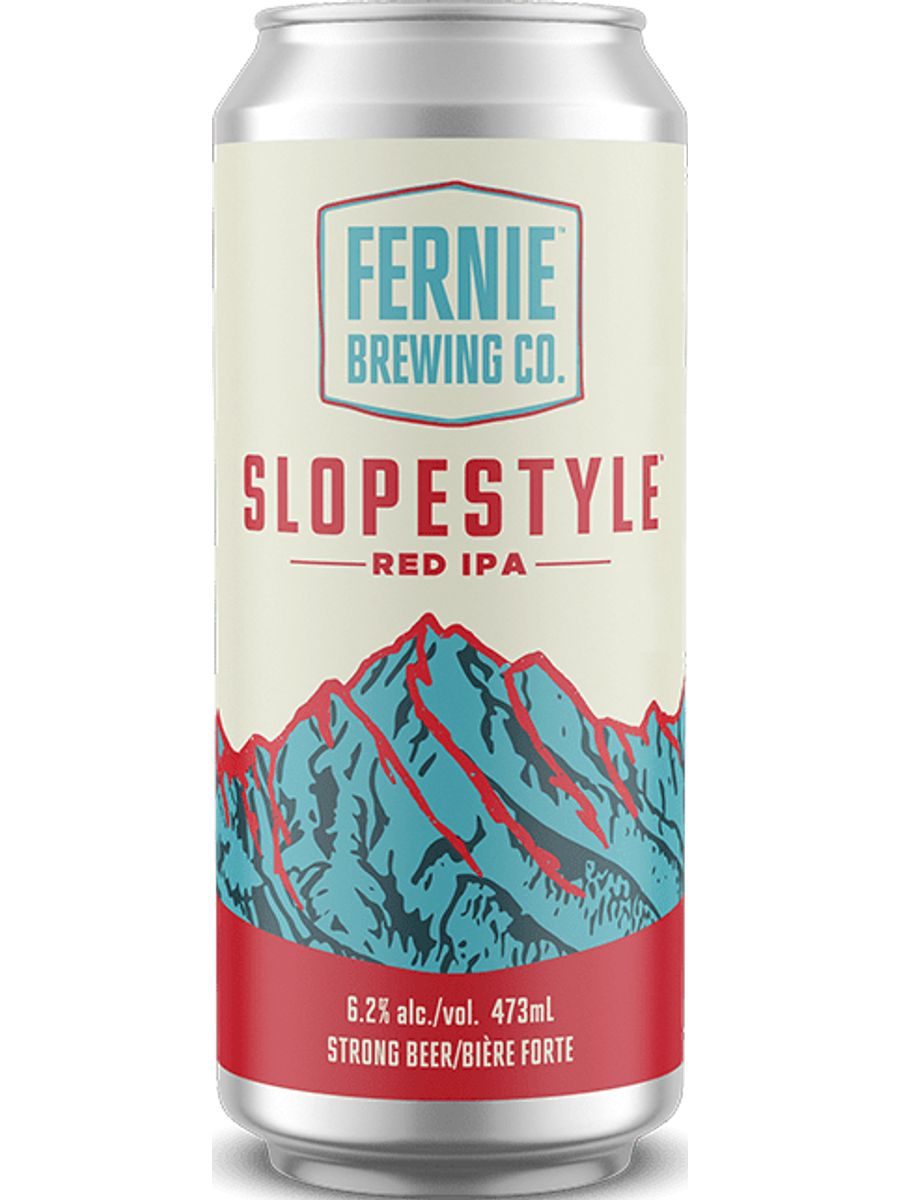
Slopestyle Red IPA — January 2026 release
Brewed by Fernie Brewing Company
Krush, Pahto and Vic Secret meet rye, crystal rye and Red X malt.
BAR NOTES
Fernie’s January 2026 IPA-series release uses Krush, Pahto and Vic Secret with Pilsen, rye, crystal rye, Red X and Carafa III. The brewery’s current brew sheet gives 6.2% ABV and 50 IBU.
Slopestyle is a limited red-and-rye crossover, not a permanent year-round release. Compare its light red appearance and dry finish with richer caramel-driven examples, paying attention to how rye texture differs from residual sweetness. American IPA recipe planning is one tool for controlling that finish.
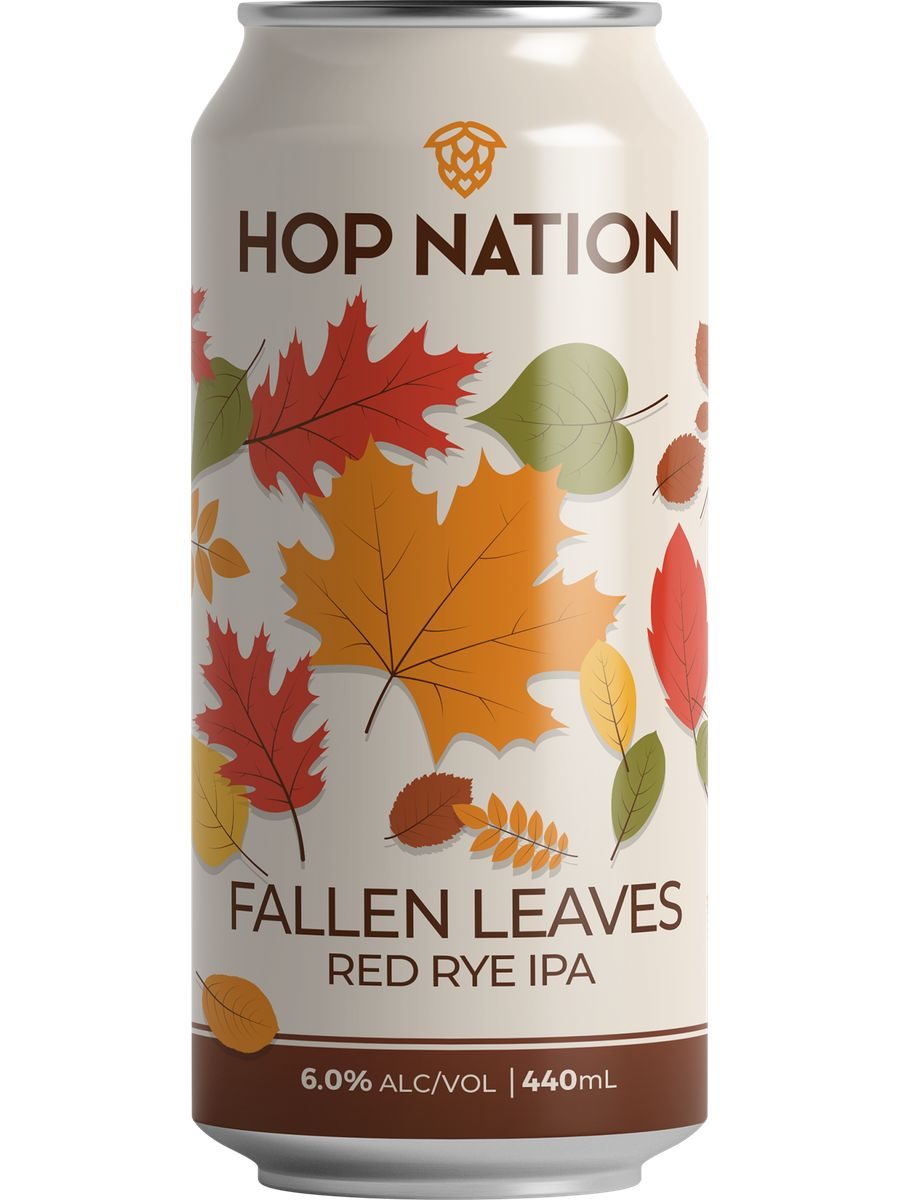
Fallen Leaves Red Rye IPA — 2026 release
Brewed by Hop Nation Brewery
Eclipse and Sabro Cryo frame rye, fig, toffee and orange peel.
BAR NOTES
This selected 2026 release uses malted rye with specialty malts to create burnt-fig, caramel, dried-fruit and orange-peel associations. Eclipse hops and Sabro Cryo bring pine and bright citrus to its 6.0% ABV frame.
Hop Nation’s shop currently marks the release unavailable, so it is an edition-specific comparison rather than a routine shopping recommendation. Taste the toasted and nutty grain alongside its hop aroma; fruit-like descriptions do not establish actual fruit additions. Brown IPA adds another grain-led comparison.
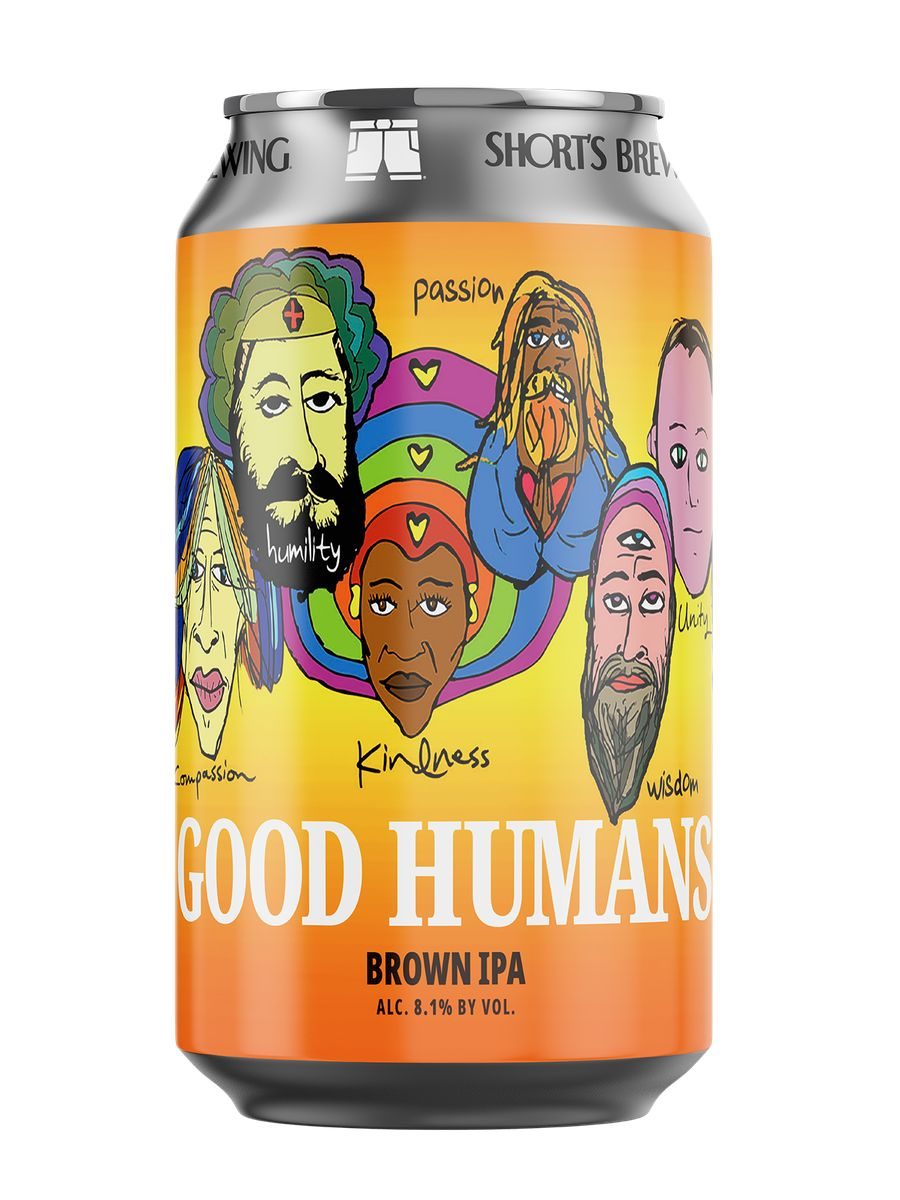
Good Humans
Brewed by Short’s Brewing Company
Caramel and toffee meet Simcoe and Golding at stronger brown-IPA strength.
BAR NOTES
Good Humans is currently labeled a dry-hopped Brown IPA at 8.1% ABV and 48 IBU. Short’s uses caramalt, Simcoe and Golding to connect caramel and toffee with a fragrant hop impression.
The current beer exceeds the standard Brown IPA alcohol band, so it is explicitly a stronger reference. Its origin story dates to a 2009 single batch and Seth Bernard’s napkin artwork; release availability remains limited. Brown IPA still needs a hop-led finish beneath its richer malt.
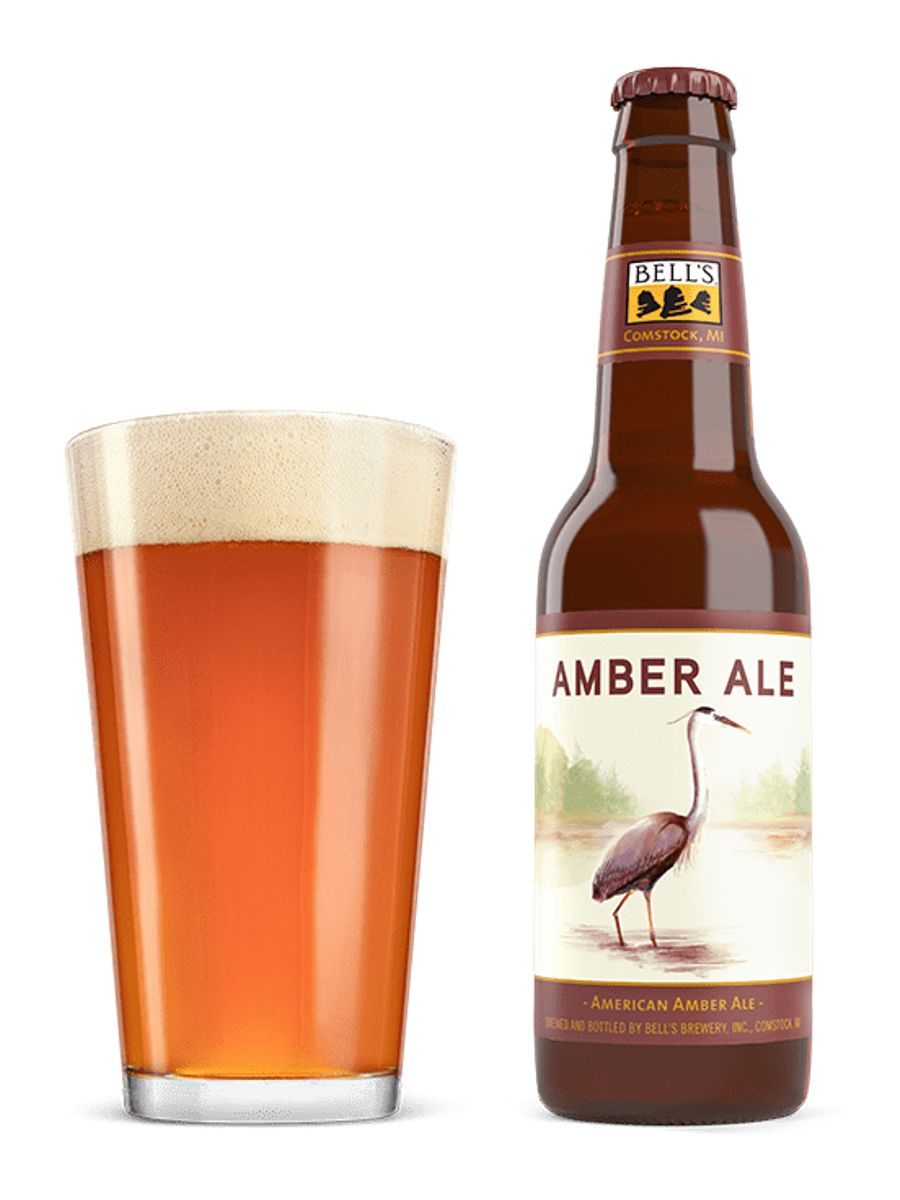
Bell’s Amber Ale
Brewed by Bell’s Brewery
Toasted malt meets herbal and citrus hop aroma in the Michigan reference.
BAR NOTES
Bell’s Amber is a useful first pour because its caramel and toasted malt remain visible beneath herbal and citrus hop aromas. The current year-round recipe is 5.8%, with a clean bitterness that gives the malt a defined finish.
Taste it beside a paler American ale before assuming amber means sweet. The difference lies in the caramel-and-toast center as much as color, while American Pale Ale offers a useful comparison for a more prominently aromatic hop balance. This beer is included as a neighboring-style control; its original style name remains intact rather than being recast as IPA.
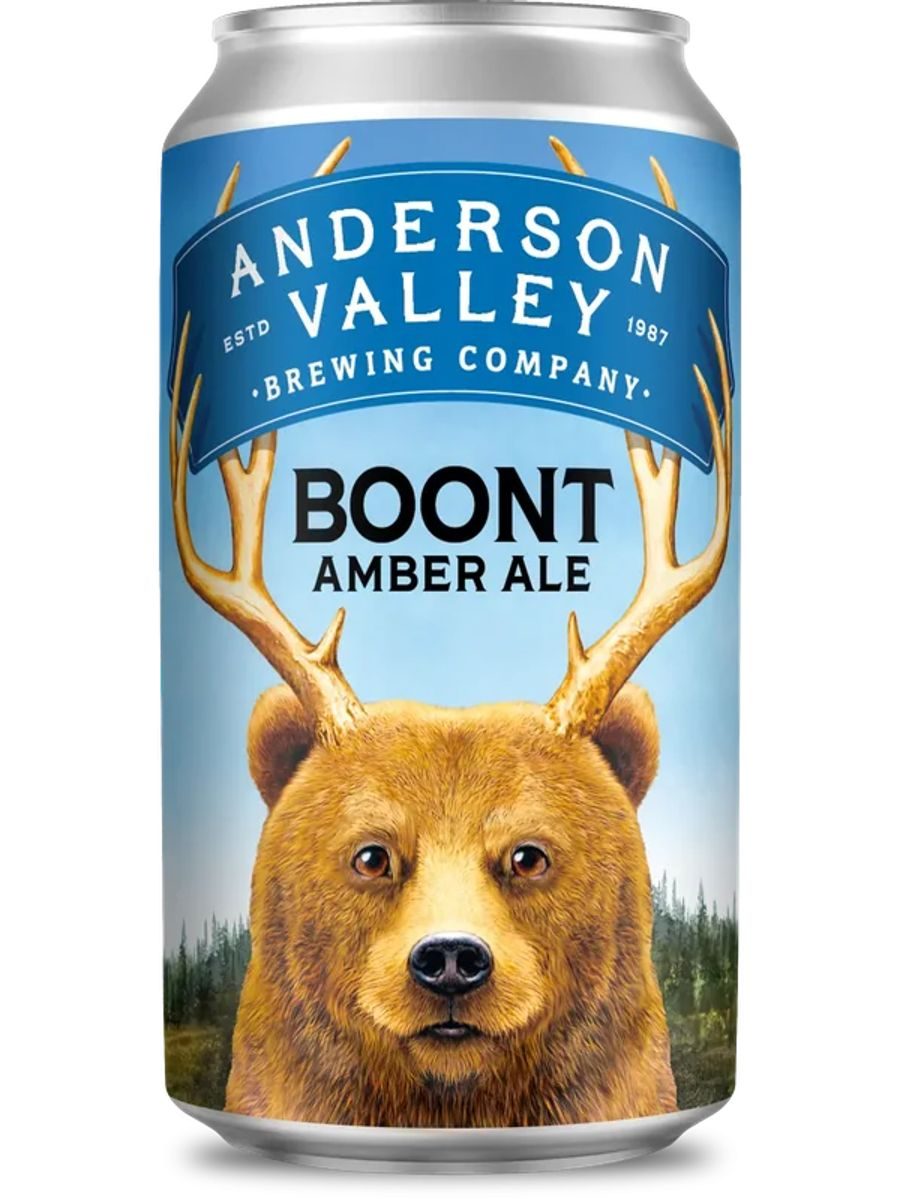
Boont Amber Ale
Brewed by Anderson Valley Brewing Company
Toffee, toasted grain and fruity esters emphasize the softer amber tradition.
BAR NOTES
Boont’s current recipe pairs pale two-row with two crystal-malt shades and Columbus, Bravo, Northern Brewer and Mt. Hood hops. Its 16 IBU sits below the usual American Amber range of 25–40, so this reference deliberately emphasizes softer balance.
Compare the finish with Bell’s rather than expecting equal hop intensity. Toast, toffee and a little fermentation fruit can feel rounded without becoming syrupy; the Beer Flavor Wheel helps keep sweetness, malt flavor and fruity aroma separate while tasting. This beer is included as a neighboring-style control; its original style name remains intact rather than being recast as IPA.
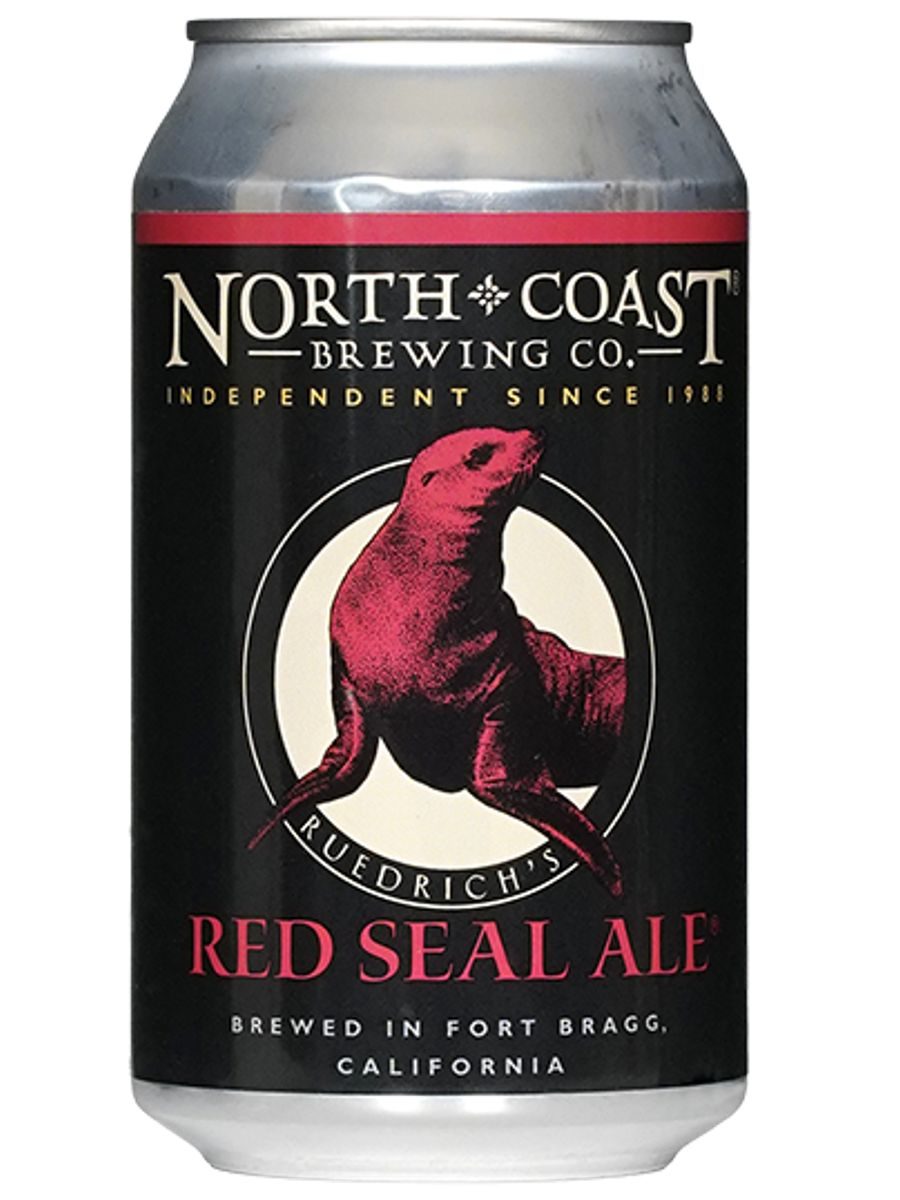
Red Seal Ale
Brewed by North Coast Brewing Company
Copper-red malt and a long spicy finish connect amber ale with pale ale.
BAR NOTES
North Coast calls Red Seal a copper-red Pale Ale while also listing American Amber Ale as its style. The current specifications are 5.4% and 42 IBU, slightly above the usual amber bitterness band and appropriate for this firmer crossover.
Use it to follow the border between caramel-led amber and hop-led pale ale. Its malt still has a substantial role, but the longer spicy finish makes the transition clear. The American Amber Ale recipe explains how to build that contrast deliberately. This beer is included as a neighboring-style control; its original style name remains intact rather than being recast as IPA.
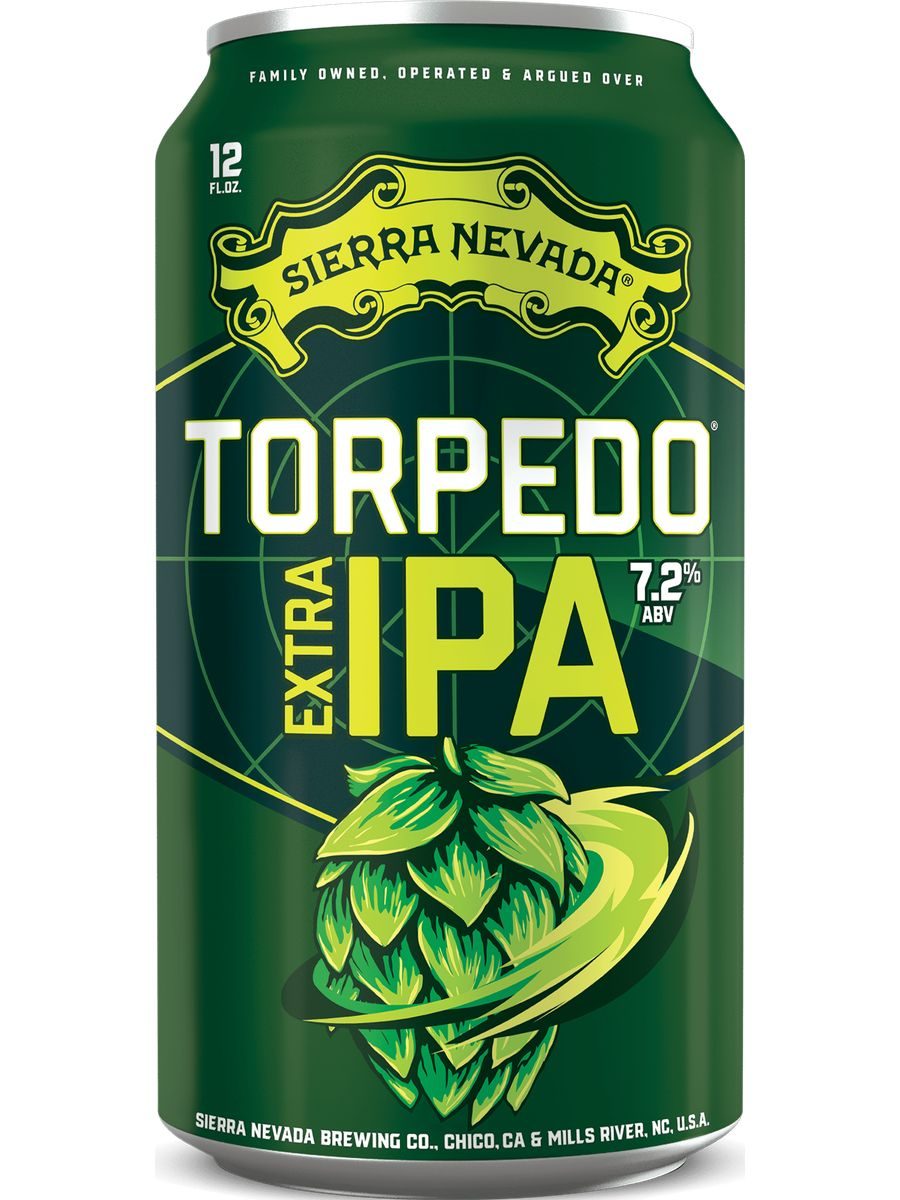
Torpedo Extra IPA
Brewed by Sierra Nevada Brewing Company
Citrus, tropical fruit and pine over a restrained caramel frame.
BAR NOTES
Torpedo uses Citra, Crystal and Magnum with two-row pale and caramelized malt. Sierra Nevada’s recirculating Hop Torpedo device increases hop aroma and flavor by moving beer through a packed charge of whole-cone hops.
Its caramel support makes it a particularly useful bridge into red and brown IPA. The malt remains subordinate to the hop-led finish; compare that relationship before deciding how much toast or chocolate a specialty version can carry. dry hopping changes aroma as well as intensity.
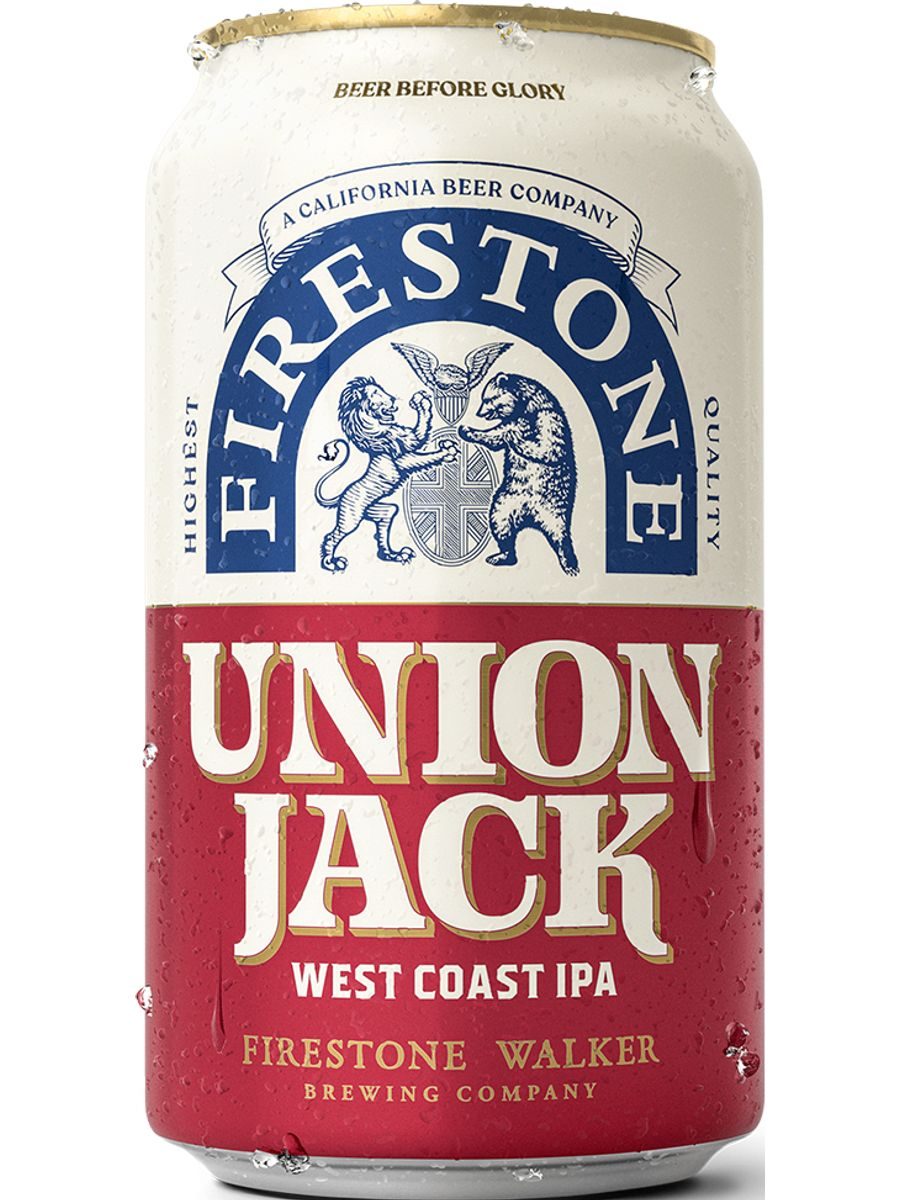
Union Jack
Brewed by Firestone Walker Brewing Company
Pine and citrus offer a firm, clean West Coast benchmark.
BAR NOTES
Union Jack is Firestone Walker’s original West Coast IPA, currently listed at 7.0% ABV and 70 IBU. Its featured hop profile includes Simcoe and Chinook, reinforcing pine, citrus and a firm finishing bitterness.
It works well as an unmodified control beside Wookey Jack from the same brewery. Compare how a clean IPA finish changes when midnight wheat, dark malt and rye enter the picture; bitterness should remain distinct from roast. Black IPA explores that challenge.
Building the recipe
Pale malt supplies the base, with medium crystal, Munich or small amounts of color malt building red hue and bread crust. Too much crystal creates sticky sweetness.
Classic citrus-and-pine hops fit naturally, while modern tropical varieties can work if malt remains clear. A clean yeast strain keeps the contrast sharp.
How to brew red ipa
- Build red color carefully: chase flavor first and SRM second.
- Preserve fermentability: caramel should not mean a high final gravity.
- Use enough bitterness: malt richness needs a firm counterweight.
- Dry hop for identity: the beer must smell like IPA before it tastes like amber.
- Package cold and clean: oxidation turns red IPA dull and sweet quickly.
Serving and food pairing
Serve around 44–48°F with grilled meat, pizza, barbecue, cheddar or roast vegetables.
Fresh cans are preferable to warm shelf stock. Hop fade leaves caramel exposed and changes the style’s intended balance.
Red IPA FAQ
Is Red IPA the same as India Red Ale?
The terms are often used interchangeably. Both describe a red or amber malt base with IPA-level hopping.
How does Red IPA stay red without tasting roasted?
Brewers combine crystal, Munich and small amounts of carefully chosen color malt while avoiding heavy black grain.
Can Red IPA be imperial strength?
Yes, though very strong versions may resemble imperial red ale or double IPA with a darker malt base.
Choose your next IPA direction
Start with American IPA, then follow hops into Belgian fermentation, dark malt, caramel-rich red and brown variants, spicy rye or wheat-and-citrus white IPA.