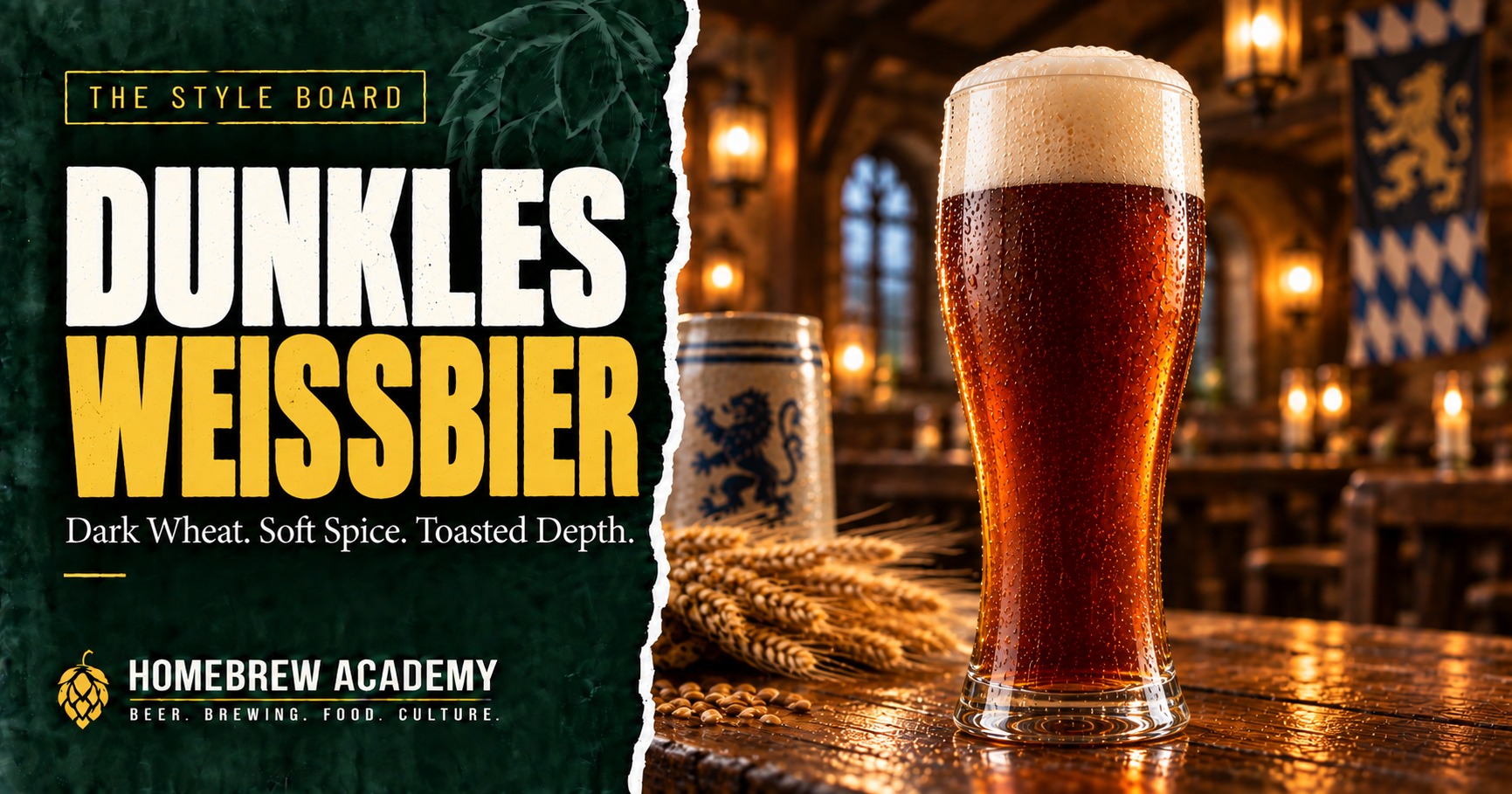
Dunkles Weissbier: Top 10 Current Beers and Style Guide
Dunkles Weissbier combines the banana, clove and fluffy wheat texture of Weissbier with toasted bread, caramel and deeper Bavarian malt.
It remains a refreshing wheat beer, not a roasty dark ale. Malt supports the yeast while high carbonation keeps the richer profile moving.
The quick answer
Expect light copper to dark mahogany color, natural haze and a thick off-white head. Banana and clove sit over bread crust, toast and restrained caramel, with little or no roast.
| Measure | BJCP range |
|---|---|
| Original gravity | 1.044–1.057 |
| Final gravity | 1.008–1.014 |
| Bitterness | 10–18 IBU |
| Color | 14–23 SRM |
| Alcohol | 4.3–5.6% |
What Dunkles Weissbier tastes like
Bready wheat and banana-clove fermentation remain central, but Munich or Vienna malt adds toast, nuts, caramel and optional light chocolate. Dark fruit can appear at low levels without making the beer heavy.
The body is medium-light to medium-full with a creamy start and lively finish. Burnt roast, aggressive coffee, sticky sweetness and muted carbonation pull the beer away from its purpose.
How Dunkles Weissbier is brewed
At least half the grist remains malted wheat. Munich or Vienna malt deepens the base, while small color-malt additions can adjust appearance without creating stout-like roast.
Traditional weizen yeast and careful temperature control maintain banana and clove within the richer malt profile. Natural carbonation is especially important because it prevents toasted malt from feeling dense.
The darker side of Bavaria’s wheat tradition
Dunkles Weissbier preserves the older visual character of Bavarian wheat beer before pale versions became dominant. It shares ingredients and service traditions with Weissbier while reflecting the region’s historic reliance on darker kilned malt.
Top 10 current Dunkles Weissbier references
These ten references span dark and amber German wheat beer. Ayinger Urweisse and Schneider Original are explicitly amber comparisons, while darker examples show how toast and bread crust fit around wheat-yeast fruit and spice. The editorial sequence does not imply a blind-tasting ranking.
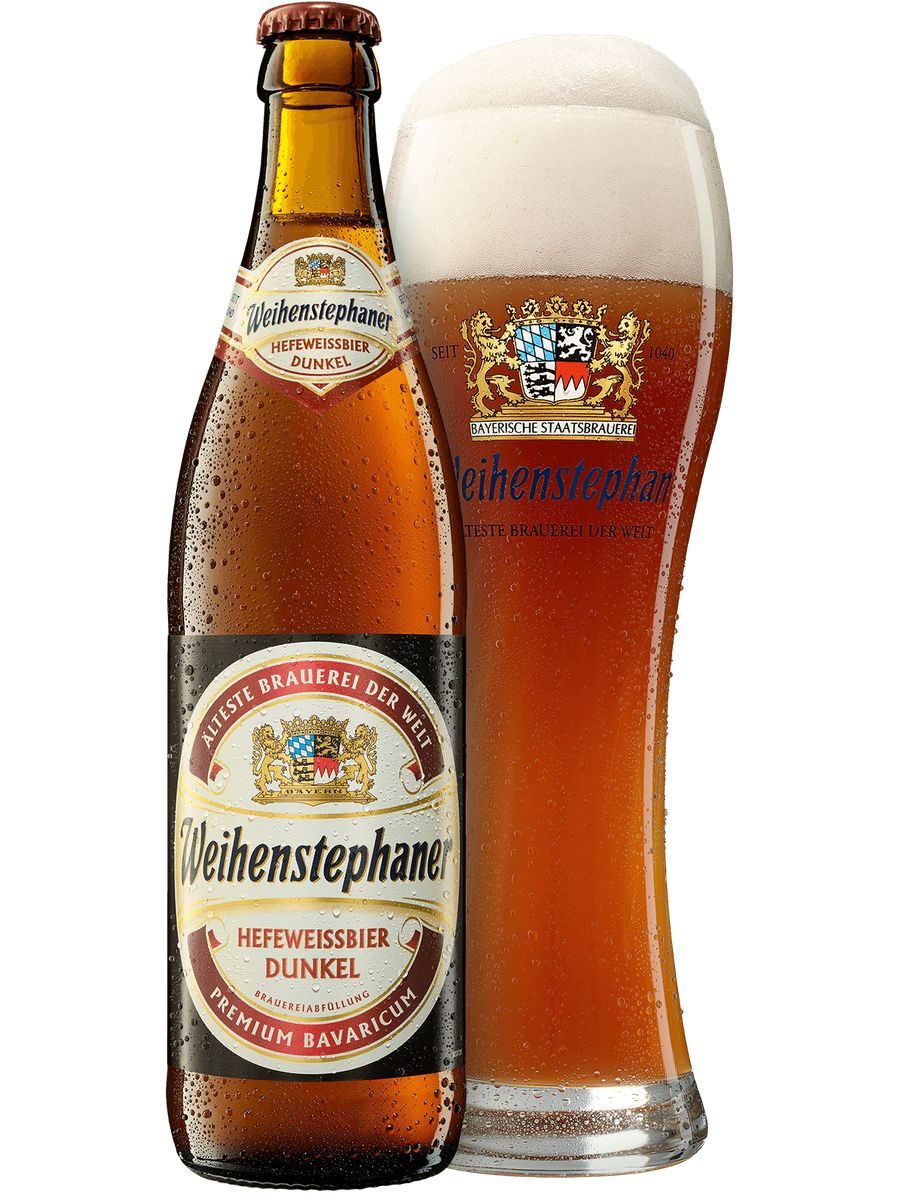
Weihenstephaner Hefeweissbier Dunkel
Brewed by Bayerische Staatsbrauerei Weihenstephan
Taste the pale and dark beers side by side at the same temperature.
BAR NOTES
The current brewery specification gives the dark wheat beer 5.3% alcohol and 14 IBU, with the same 12.7% original extract listed for its pale counterpart. This creates a helpful comparison without a large difference in strength.
Taste the pale and dark beers side by side at the same temperature. Track bread and caramel impressions separately from banana and clove; the Weissbier guide provides the pale baseline for identifying what the darker grain bill contributes.
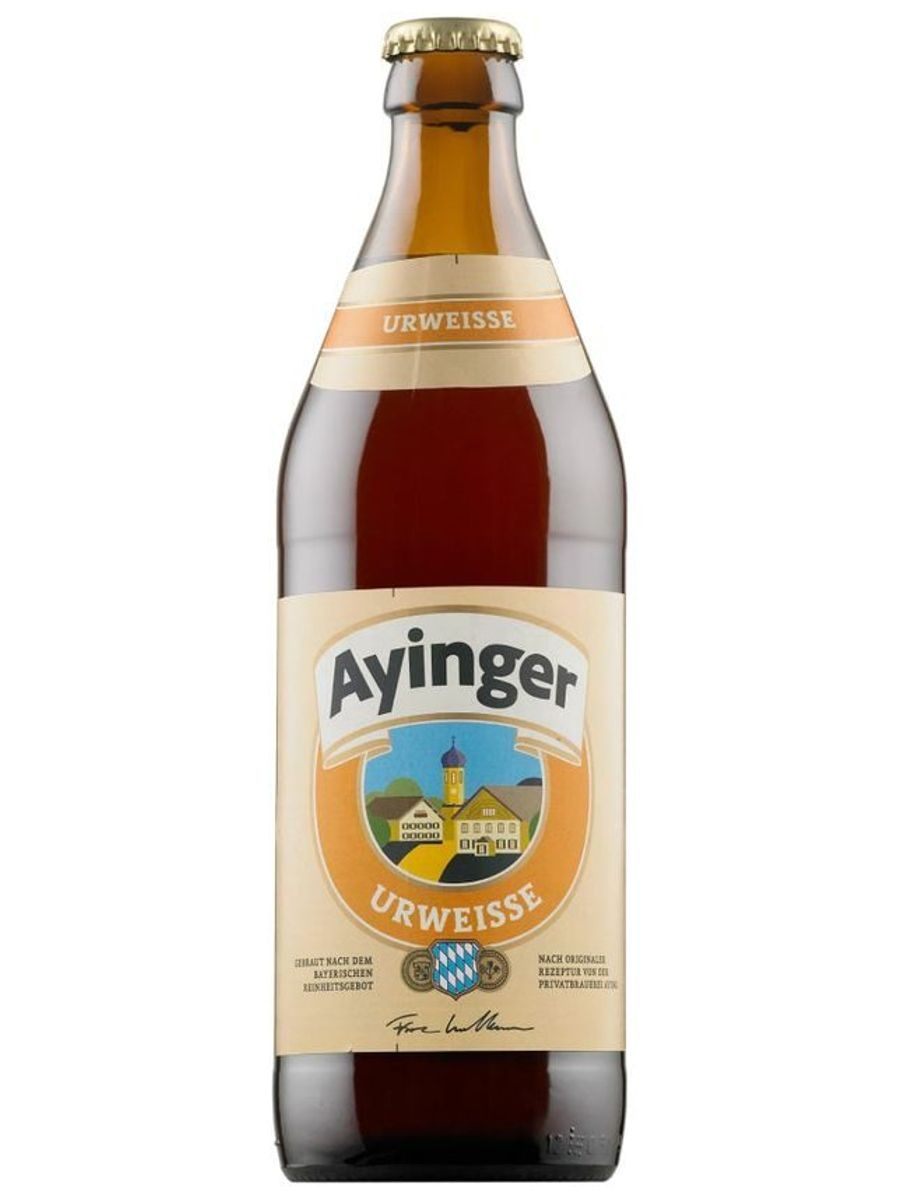
Ayinger Urweisse
Brewed by Ayinger
Use Urweisse to test the difference between color and roast.
BAR NOTES
Ayinger lists Urweisse at 5.8% alcohol and 13.3°P, describing dark wheat and barley malt and an amber appearance. Dunkles Weissbier does not require an opaque black pour; amber examples can express the darker malt tradition clearly.
Use Urweisse to test the difference between color and roast. Compare it with Munich Dunkel and decide whether the wheat beer’s fermentation fruit and spice remain evident beneath its malt character, instead of treating every amber beer as the same style.
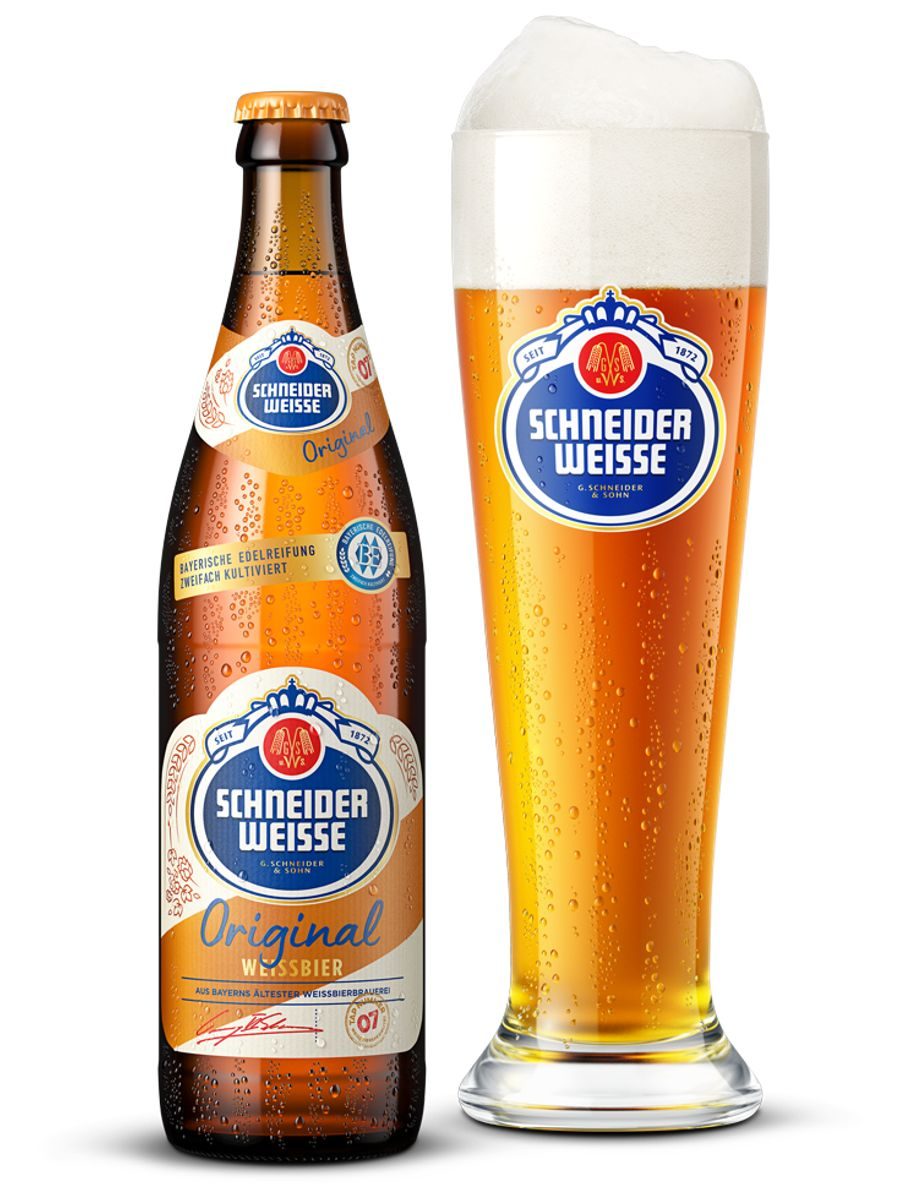
Schneider Weisse Original
Brewed by Schneider Weisse
Compare Original with Urweisse and describe the grain impressions in specific terms before considering strength.
BAR NOTES
Schneider’s current Original listing specifies 5.4% alcohol and 14 IBU, with open fermentation and bottle maturation. Its deep amber profile makes it a traditional maltier wheat comparison; it should not be described as a black or heavily roasted beer.
Compare Original with Urweisse and describe the grain impressions in specific terms before considering strength. The Dunkles Weissbier guide accommodates amber malt depth, while the Weizenbock guide shows how related yeast character changes when original gravity rises.
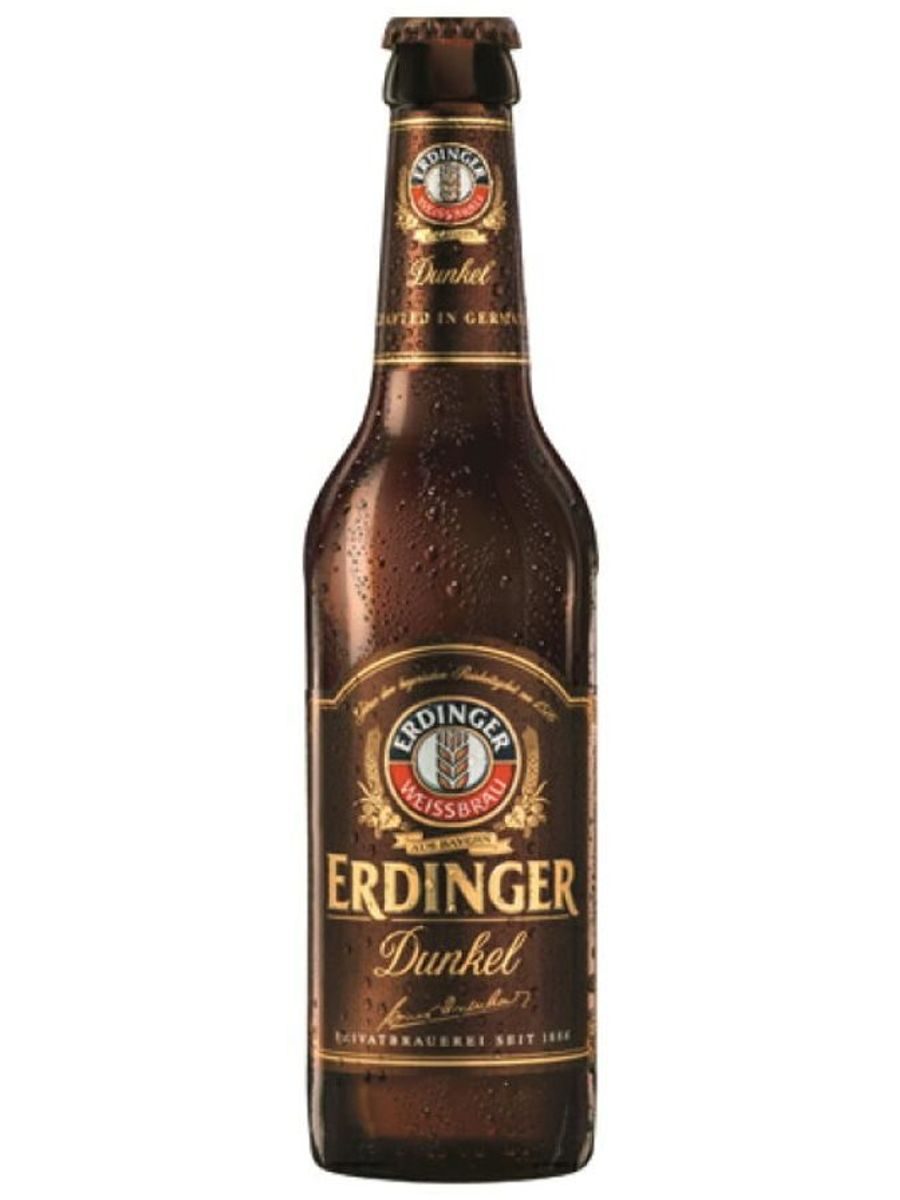
Erdinger Dunkel
Brewed by Erdinger Weissbräu
Try this alongside a small pour of Pikantus to compare regular and bock strength within one brewery.
BAR NOTES
Erdinger’s current dark-beer page identifies Dunkel as a wheat beer made with dark wheat and barley malts and top-fermenting yeast. Its 5.3% specification places it in the regular-strength dark wheat flight, separate from Pikantus.
Try this alongside a small pour of Pikantus to compare regular and bock strength within one brewery. Use the Weizenbock guide to assess added body and warmth without assuming that any dark wheat beer is automatically a Weizenbock.
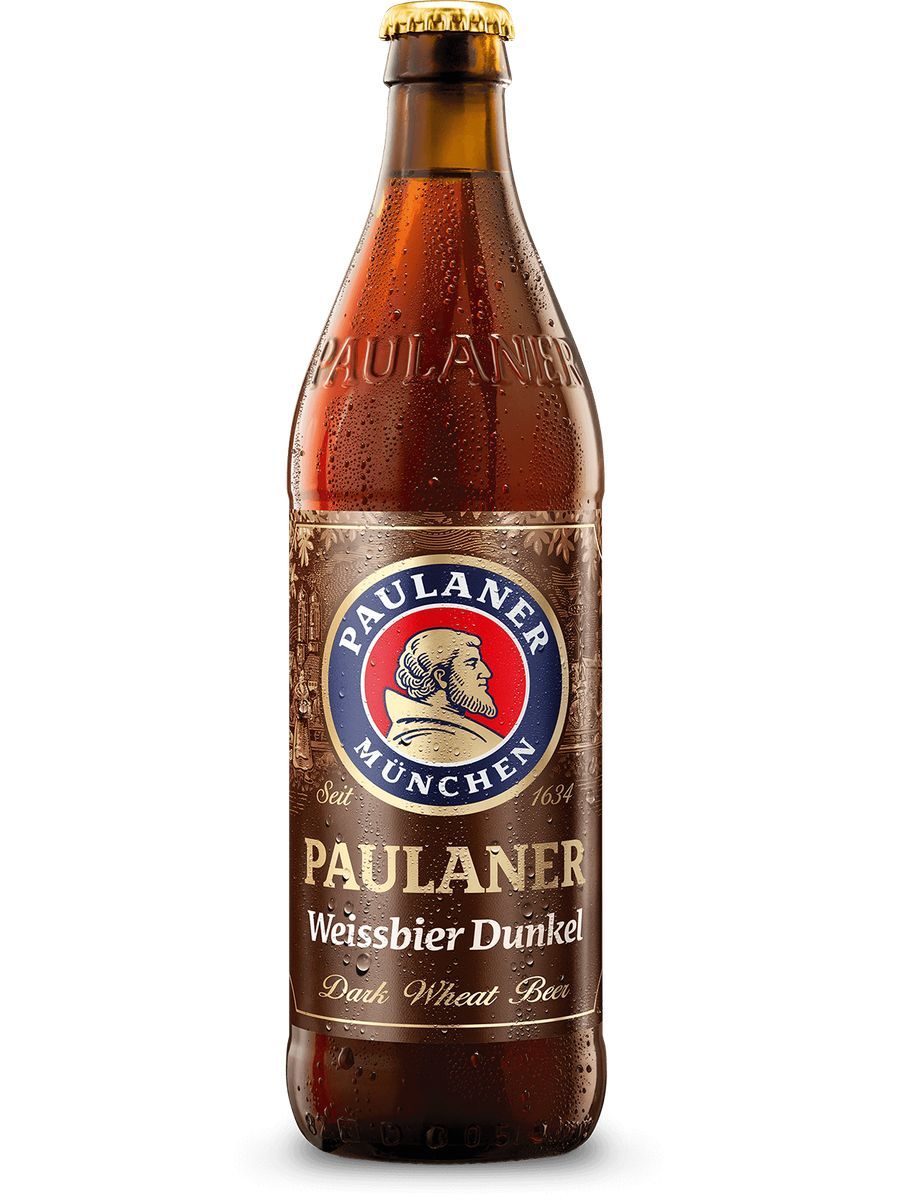
Paulaner Weissbier Dunkel
Brewed by Paulaner
Compare both Paulaner wheat beers with the same bread-based snack.
BAR NOTES
Paulaner’s current dark Weissbier page lists 5.3% alcohol and 12.3% original wort. Its discussion of darker malt makes it a useful companion to the pale Paulaner reference, while the similar strengths help keep the comparison focused.
Compare both Paulaner wheat beers with the same bread-based snack. Ask whether dark malt adds toast, caramel or a fuller impression; the German wheat-beer family maps that change onto the category rather than treating color as proof of higher alcohol.
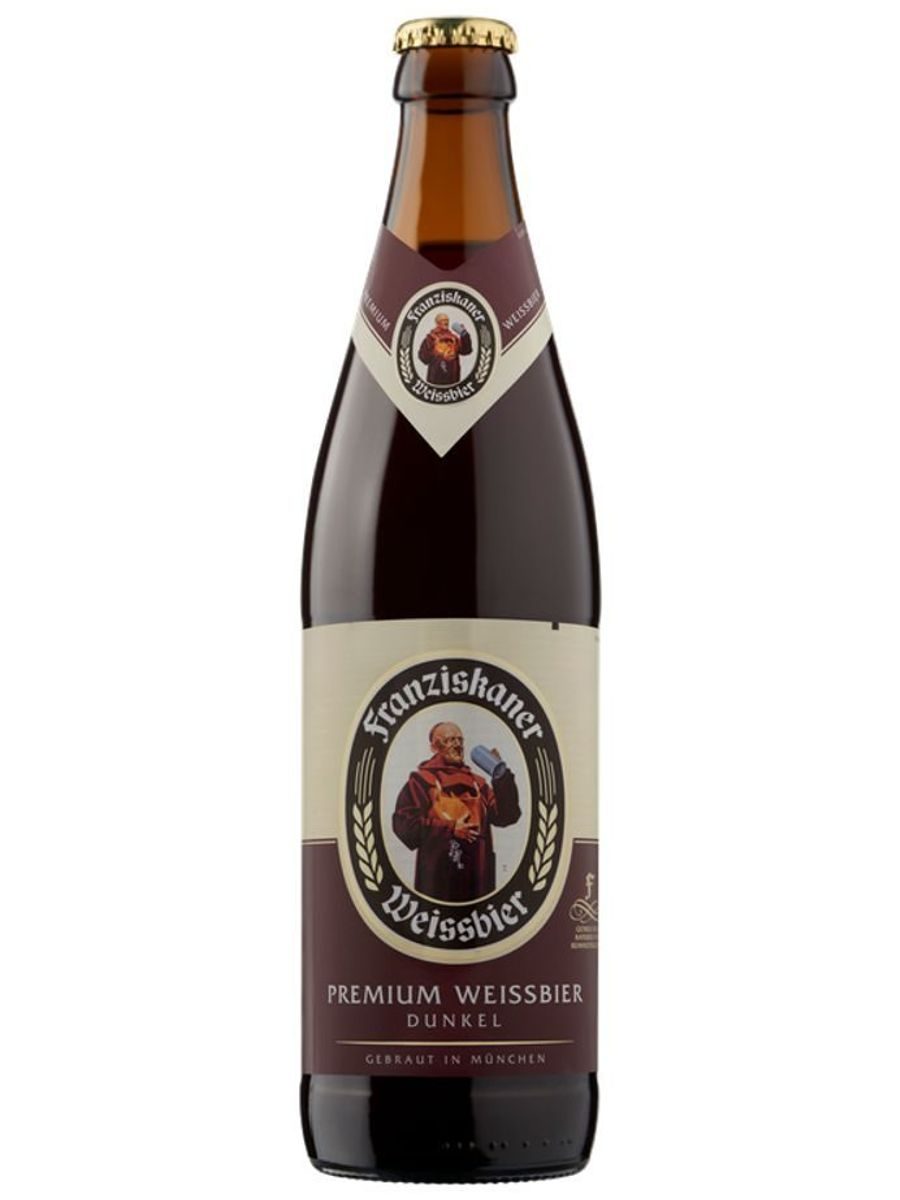
Franziskaner Hefe-Weissbier Dunkel
Brewed by Franziskaner
Assess the aroma before adding food, then try a small bite of roast meat.
BAR NOTES
Franziskaner’s current description emphasizes a dark amber, strongly cloudy wheat beer with a cream-colored head. The 5.0% reference keeps this comparison at everyday wheat-beer strength, where malt depth need not be accompanied by bock-level alcohol.
Assess the aroma before adding food, then try a small bite of roast meat. Notice whether malt seems more savory or sweetness more apparent; the Dunkles Weissbier guide explains why a smooth dark wheat beer should not rely on harsh burnt roast.
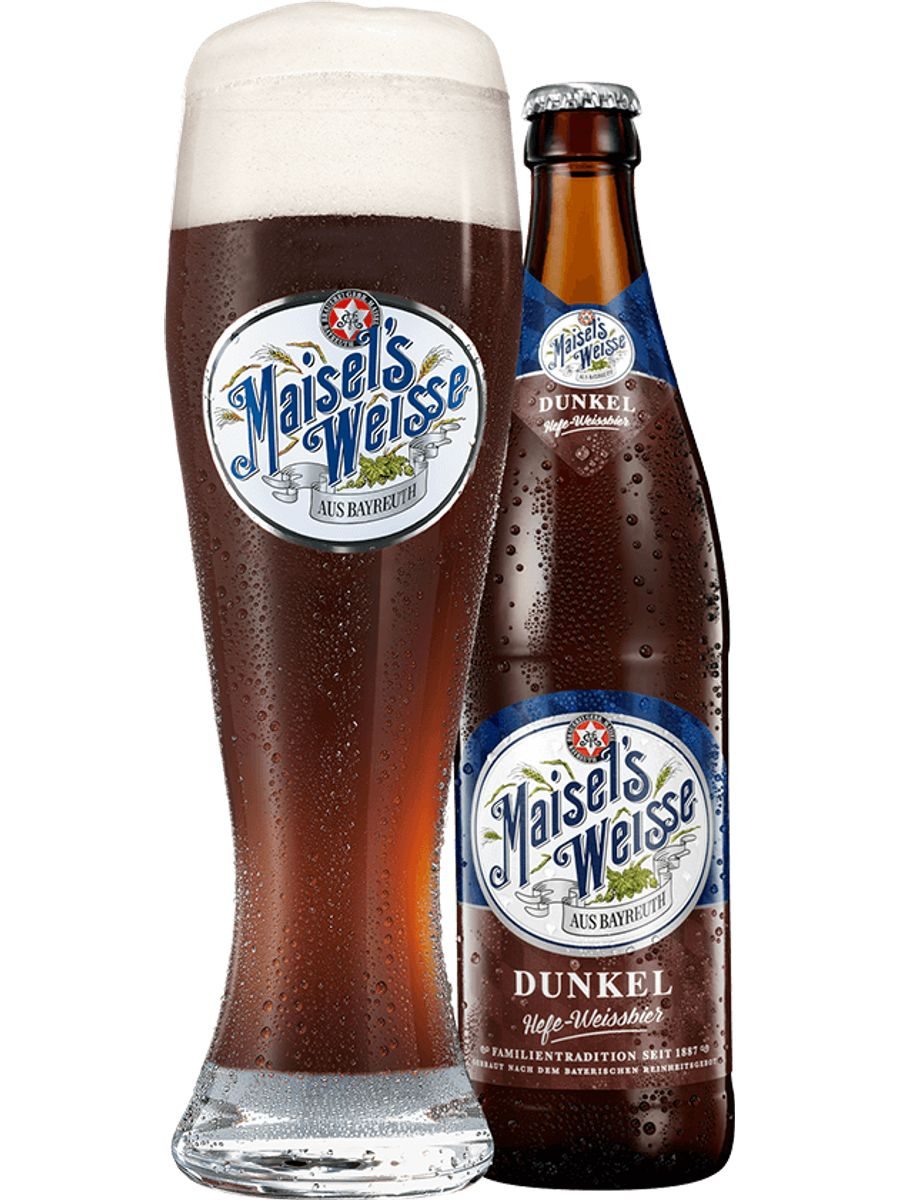
Maisel’s Weisse Dunkel
Brewed by Brauerei Gebr. Maisel
Pour Original and Dunkel together and rank their perceived sweetness only after tasting both finishes.
BAR NOTES
Maisel’s current Dunkel specification gives 5.1% alcohol and 12 IBU, matching the headline strength and bitterness of Original. The darker malt selection provides the key comparison variable, rather than a jump into strong-beer territory.
Pour Original and Dunkel together and rank their perceived sweetness only after tasting both finishes. Equal strength and bitterness do not guarantee identical balance; the Weissbier guide helps keep the pale version’s yeast-and-grain character in view.
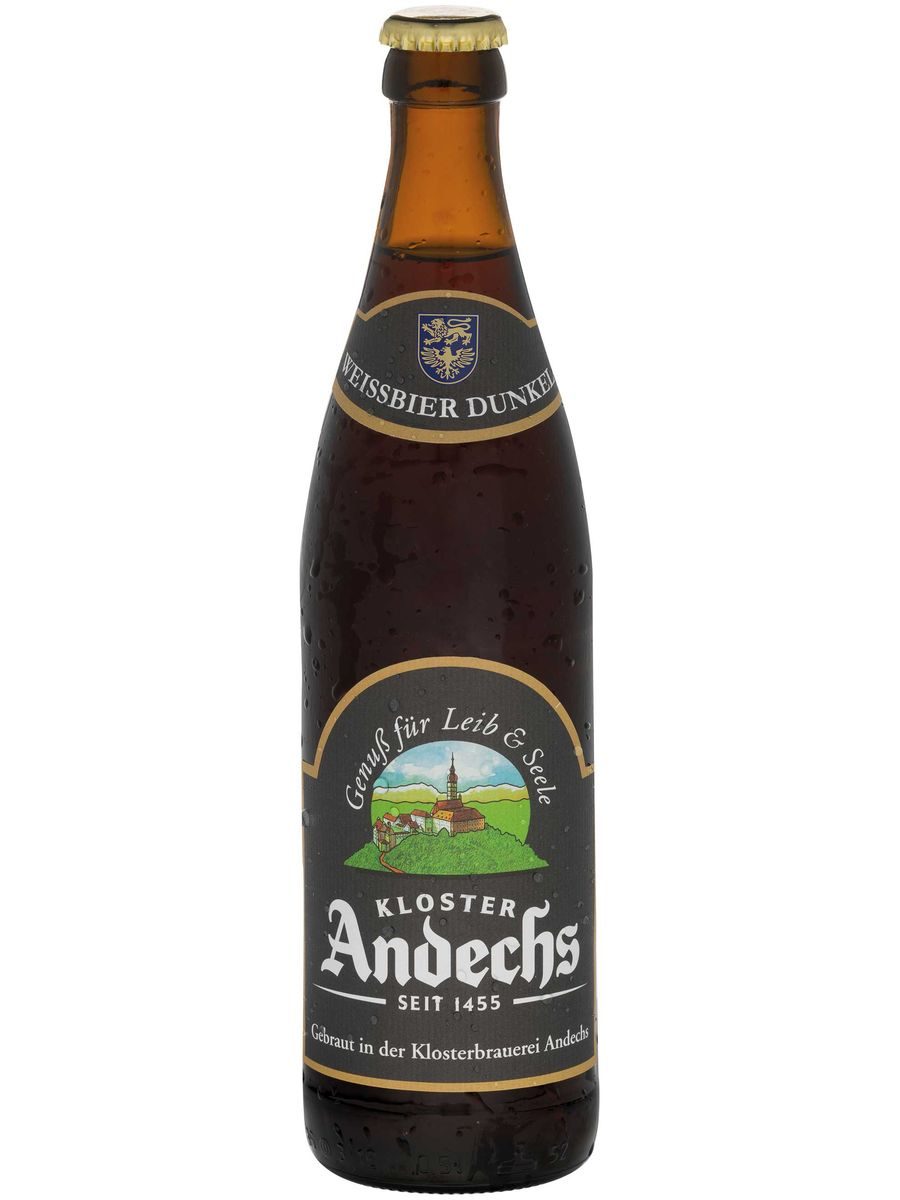
Andechser Weissbier Dunkel
Brewed by Klosterbrauerei Andechs
Taste both Andechs wheat beers at the suggested cool serving temperature, then let them warm slightly.
BAR NOTES
Andechs currently lists Weissbier Dunkel at 5.0% alcohol, 14.5 IBU and 12.7% original wort. That makes it slightly lower in strength than its pale Weissbier, a useful reminder that darker color does not imply more alcohol. Product photo: Kloster Andechs.
Taste both Andechs wheat beers at the suggested cool serving temperature, then let them warm slightly. Compare fruit and cocoa-like malt impressions in separate notes; the Dunkles Weissbier guide explains the dark wheat beer’s expected balance and texture.
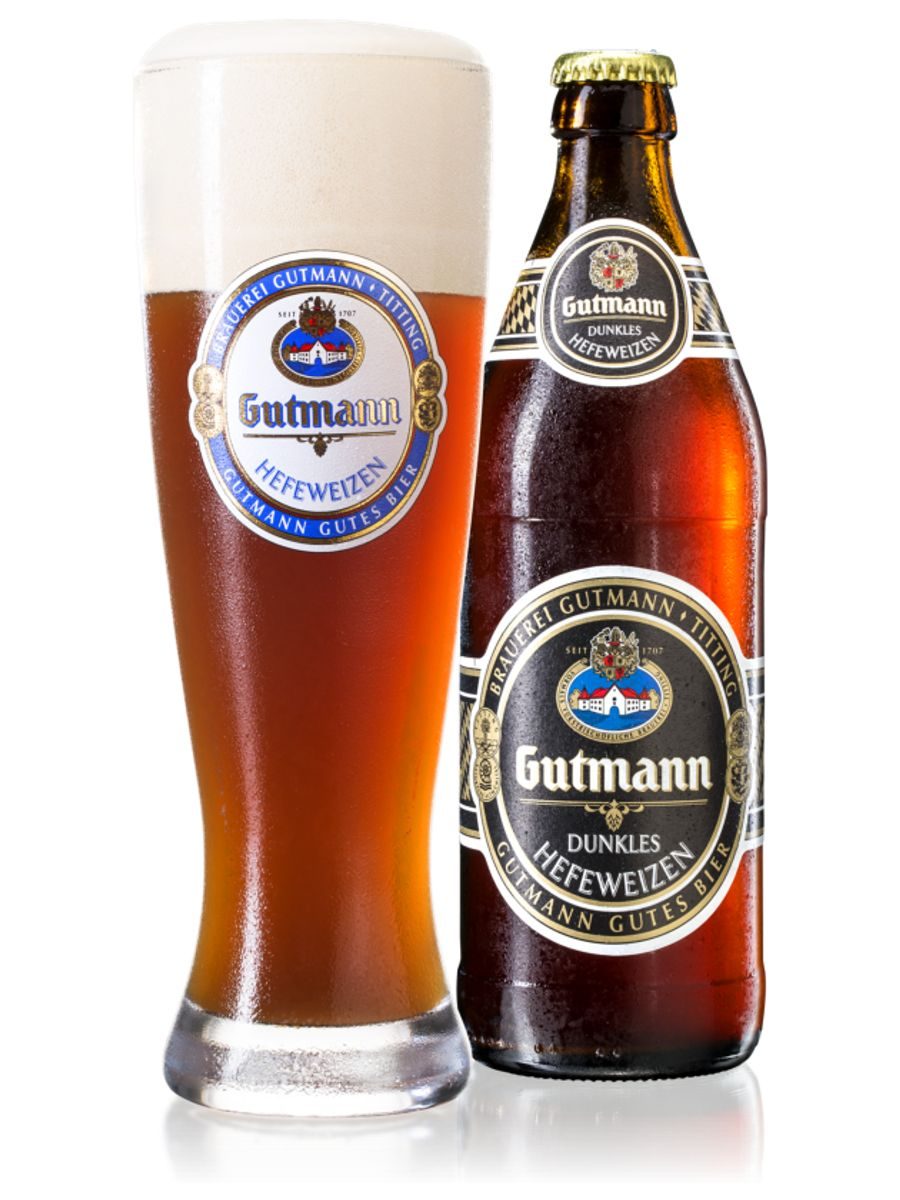
Gutmann Dunkles Hefeweizen
Brewed by Brauerei Gutmann
Compare this with Gutmann’s dark Weizenbock in two small portions.
BAR NOTES
Gutmann lists Dunkles Hefeweizen at 5.2% alcohol and recommends 7°C, with wheat, barley and roasted barley malt in the ingredient list. The brewery’s fresh-yeast emphasis applies to this dark wheat beer as well as its pale sibling.
Compare this with Gutmann’s dark Weizenbock in two small portions. Observe the difference in body and warmth without assuming all roasted-malt impressions intensify equally; the Weizenbock guide provides the framework for the stronger beer’s fermentation and malt balance.
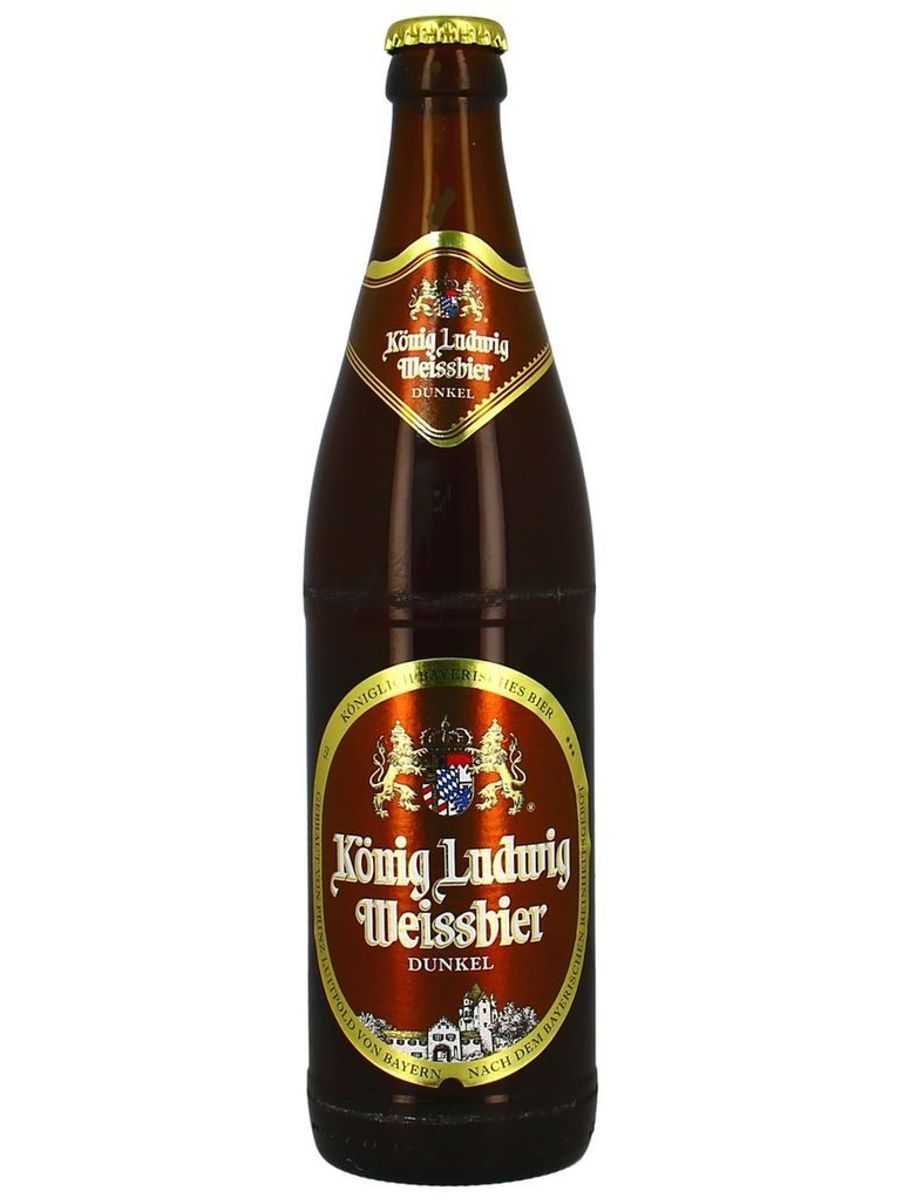
König Ludwig Weissbier Dunkel
Brewed by König Ludwig Schloßbrauerei
Check the complete label when shopping so the wheat beer is not replaced by the brewery’s dark lager.
BAR NOTES
The brand owner’s current description presents this as an amber, naturally cloudy wheat beer with yeast and roasted-malt aromas. The 5.5% packaged reference is a wheat product, distinct from the similarly named König Ludwig Dunkel lager.
Check the complete label when shopping so the wheat beer is not replaced by the brewery’s dark lager. Compare those two styles only deliberately, using Munich Dunkel to distinguish clean lager malt from the wheat beer’s fermentation character.
Dunkles Weissbier compared with nearby styles
Pale Weissbier is lighter and more fermentation-forward. Munich Dunkel is a clean lager without banana and clove. Weizenbock is stronger, fuller and more warming, while Dunkles Weissbier remains an everyday wheat beer.
Follow German wheat beer into darker malt
See how toast changes Weissbier before Weizenbock raises the strength and richness.