50 Discontinued Beers We Still Want Back in 2026
The most-missed discontinued beers are not always the “best” beers in a blind tasting. They are the bottles that carried a place, a moment, a brewing idea or an entire drinking ritual—and then disappeared.
This ranking covers beers whose regular production ended, exact recipes that were replaced, and line extensions that effectively vanished from U.S. shelves. A dusty retailer page or one-off revival does not make a beer current again.
The quick answer
Anchor Steam, Pete’s Wicked Ale and Henry Weinhard’s Private Reserve lead because their loss erased more than a single package. They represent California Common, first-wave craft brown ale and Pacific Northwest regional lager culture. The rest of the ranking moves from national failures such as Miller Fortune and Tequiza into cult craft retirements that still inspire clone recipes and angry comment sections.
What counts as discontinued?
For this list, the exact beer must be out of regular production or broad U.S. distribution. Brands that survive under a new recipe can still qualify when the original beer disappeared. Limited anniversary returns are treated as revivals, not proof of continuous production.
That distinction matters most for beers such as Anchor Steam, Heineken Dark, Michelob Light and Stone Sublimely Self-Righteous. Their names may still surface in news, overseas markets, old inventory or occasional releases, but none holds the dependable shelf position remembered by its fans.
50 discontinued beers we still want back in 2026
The ten beers whose loss changed the shelf
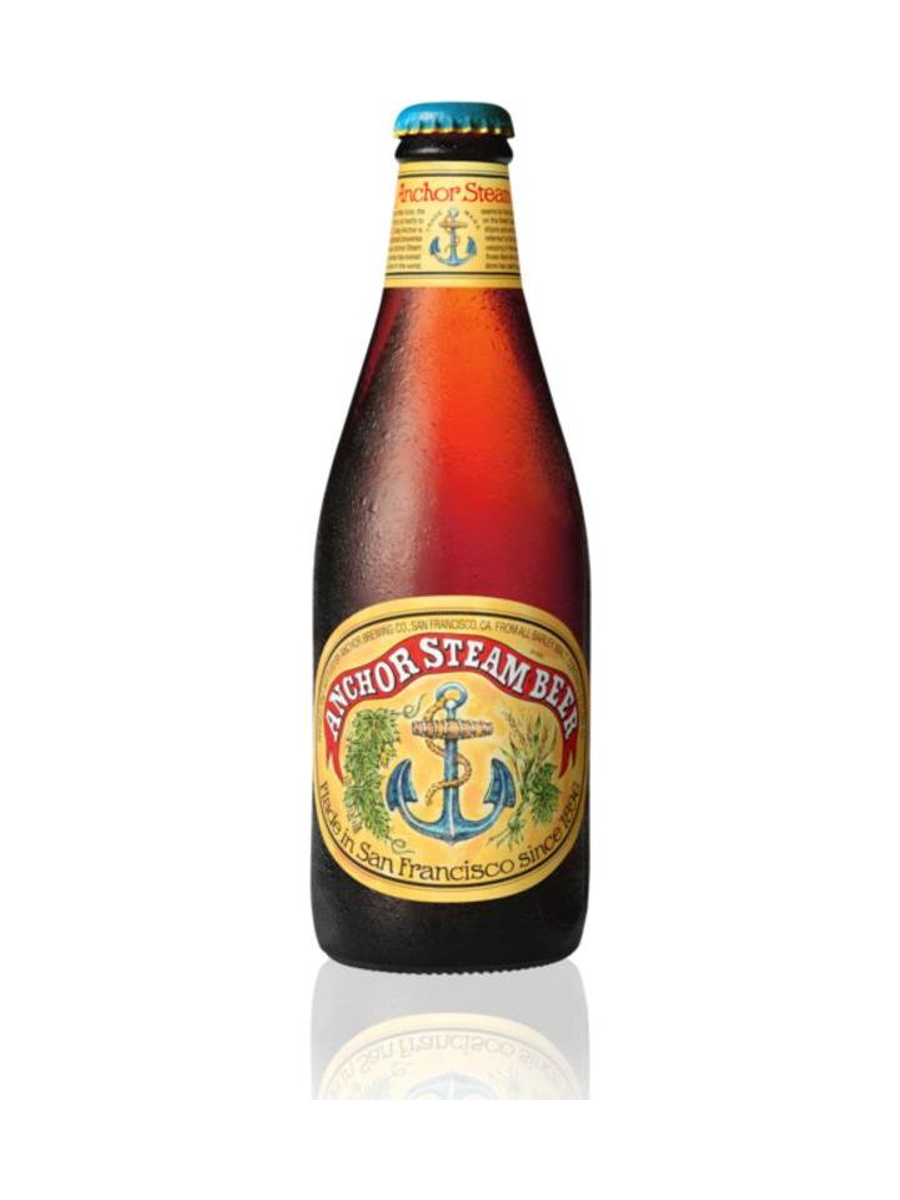
Anchor Steam Beer
Brewed by Anchor Brewing
The defining warm-fermented lager: toasted malt, woody hops and a distinctly San Francisco finish.
BAR NOTES
Anchor closed in 2023, leaving its flagship in limbo while a new owner works toward a revival. That story makes it a useful companion to our California Common beers, where the surviving style can be judged without nostalgia doing all the work.
What drinkers actually miss: toasted bread, caramel, light fruit and firm woody bitterness finish cleaner than the amber color suggests. It remains the clearest American example of a lager fermented warm enough to show ale-like character. A fresh revival would make the most sense beside a sourdough burger or grilled sausage, served without overthinking it.
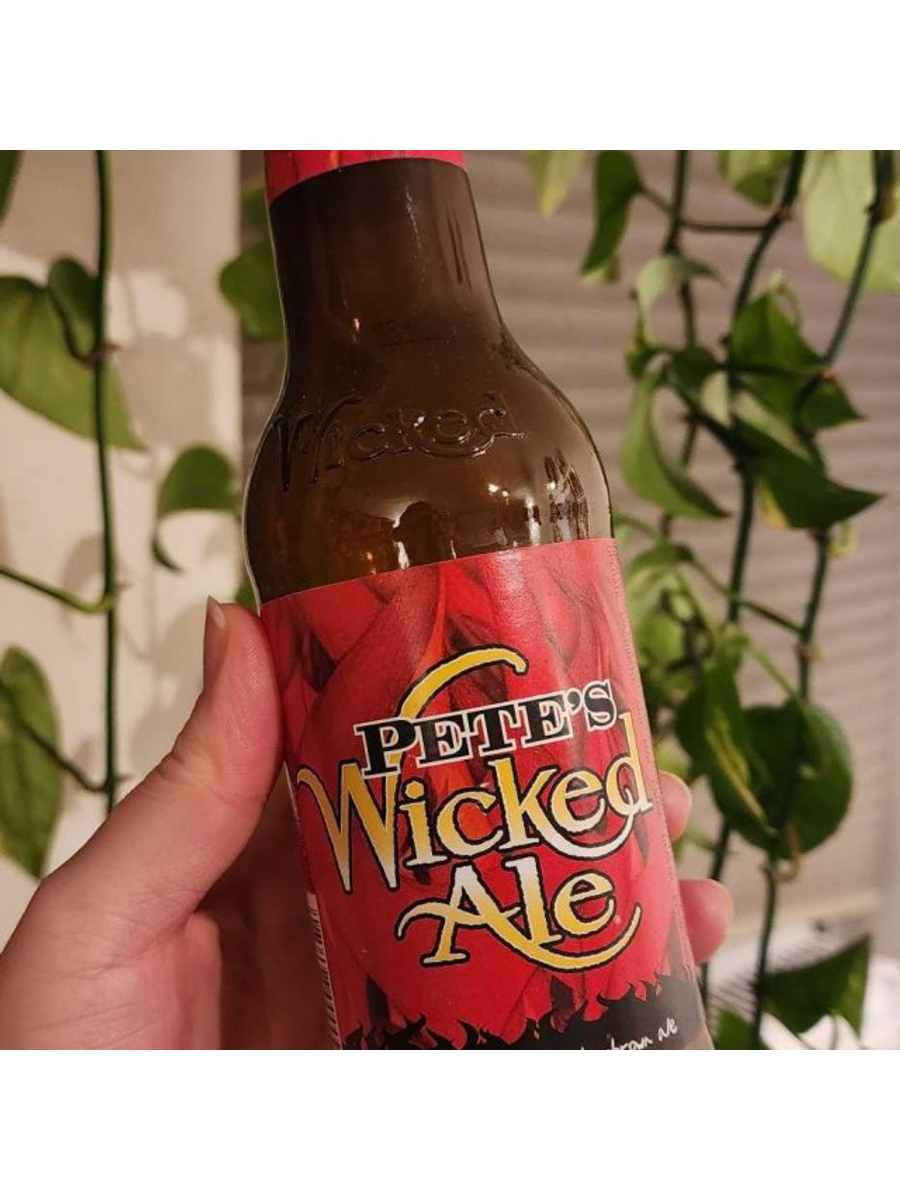
Pete’s Wicked Ale
Brewed by Pete’s Brewing Company
The brown ale that helped teach supermarket America that craft beer could be malty, hoppy and accessible.
BAR NOTES
Pete Slosberg’s flagship became an early craft-era phenomenon before changing ownership and disappearing from regular production. Its rise and fall also explains part of the landscape covered in our North American beer guide, especially the styles and regional habits that outlived the package.
The original appeal: caramel, toasted nuts, cocoa and a bright American hop edge keep the brown ale from feeling heavy. Try that profile with roast chicken, cheddar or mushroom pizza. Its loss explains why many drinkers still treat brown ale as a missing middle between pale ale and porter.
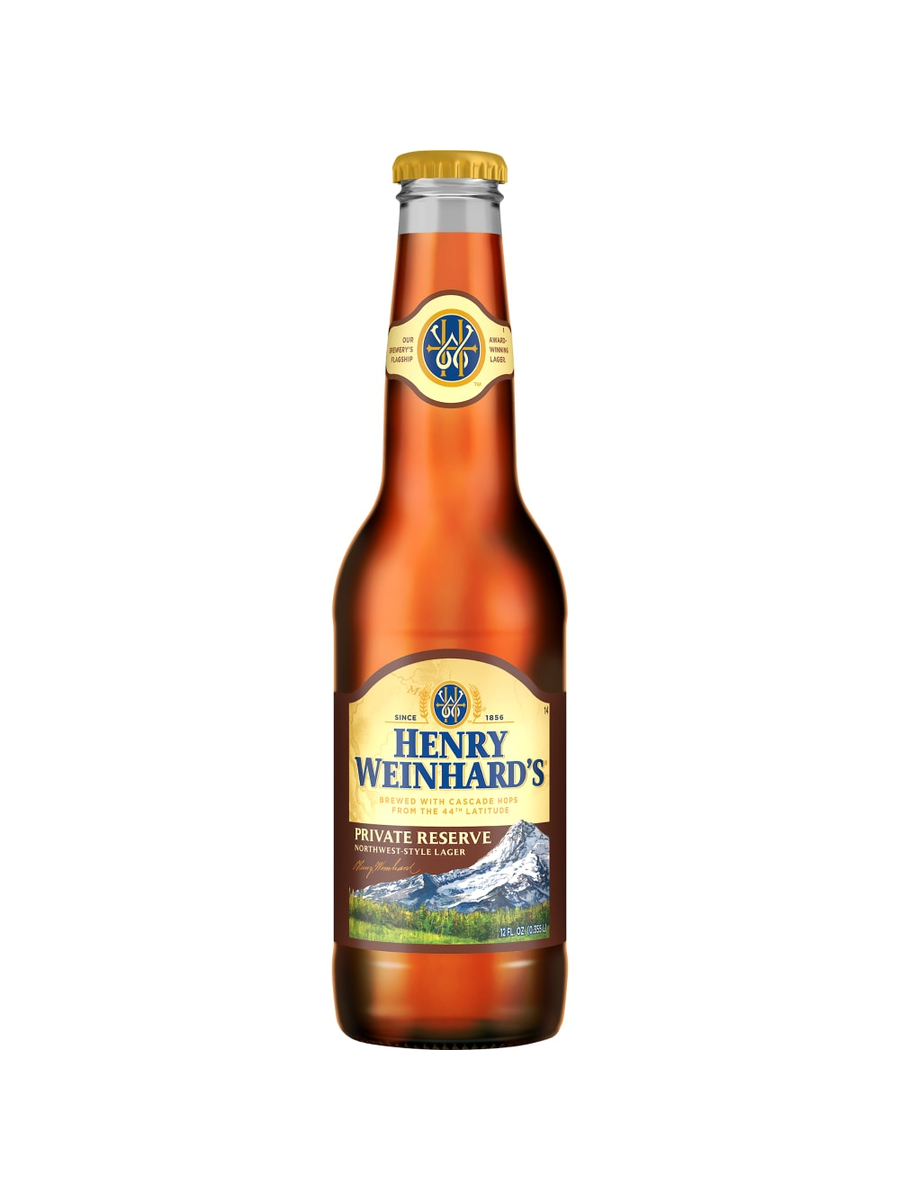
Henry Weinhard’s Private Reserve
Brewed by Blitz-Weinhard / Molson Coors
A smooth Pacific Northwest lager whose green bottle and regional loyalty outlasted the brewery that created it.
BAR NOTES
Molson Coors ended the brand in 2021 after decades of contract production had already separated it from Portland. For the larger style context, compare its place in beer history with the current bottles in our retro beer roundup.
Beyond the package: soft grain, faint sweetness and low bitterness made it an easy cooler beer with more regional identity than complexity. Private Reserve proves that a beer can be technically modest and still carry enormous local memory. The practical pairing is fried chicken, fish sandwiches or salty chips, not a precious tasting menu built around a dead brand.
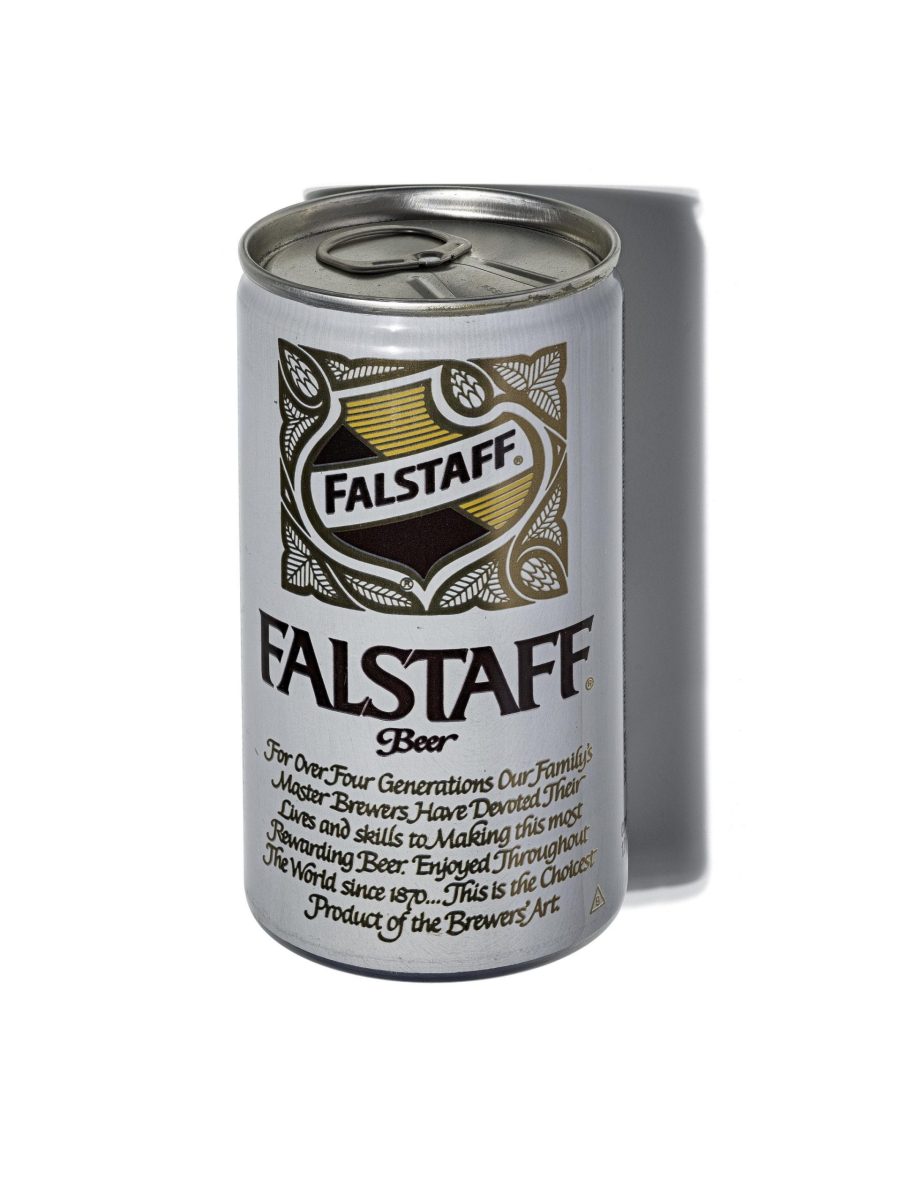
Falstaff Beer
Brewed by Falstaff Brewing Corporation
Once a national heavyweight, Falstaff survived mergers and brewery closures before the main label finally stopped.
BAR NOTES
Falstaff reached its peak in the 1960s, then consolidation and declining sales pushed the flagship out of production in 2005. The beer’s disappearance left a gap that becomes clearer after reading our best American lagers and seeing what the modern shelf kept instead.
In the glass: corn-like grain, mild bread, low hop bitterness and a dry finish placed it squarely in the classic American lager tradition. Pair it with hot dogs, peanuts or a thin tavern pizza. The shield label now represents the national brands that vanished during beer-industry consolidation.
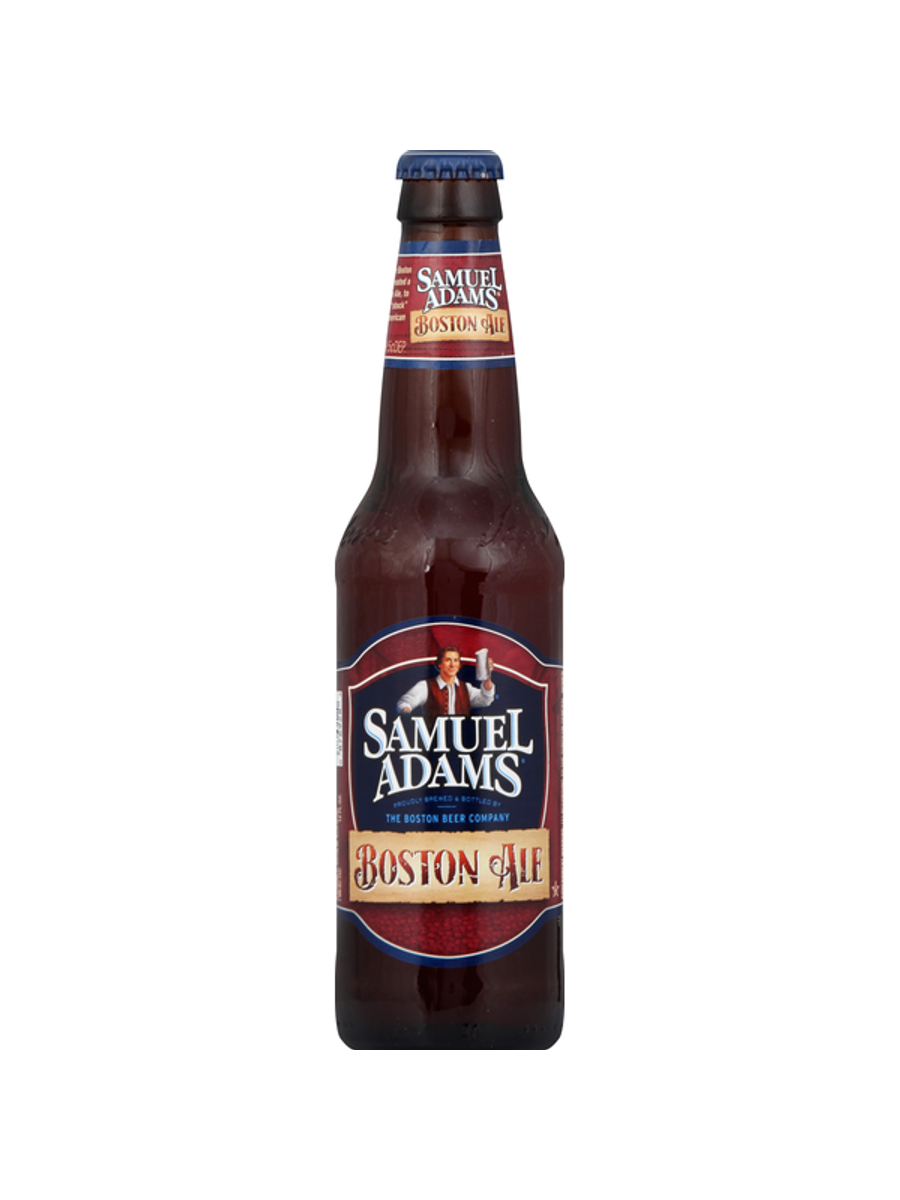
Samuel Adams Boston Ale
Brewed by Boston Beer Company
A fruity, earthy companion to Boston Lager that quietly carried the company’s ale side for decades.
BAR NOTES
Boston Ale spent years as a dependable second flagship before Boston Beer retired it from regular production. It belongs beside our classic American ales because the beer’s real importance was the lane it opened, not merely the label people remember.
Flavor is the reason the nostalgia holds up: toffee, orange peel, earthy hops and English-style fruit made it rounder and less polished than the brewery’s lager. Its absence leaves a gap for drinkers who want malt and fermentation character without stout strength. If it returned tomorrow, start with roast pork, aged cheddar or shepherd’s pie and skip the collector-bottle ceremony.
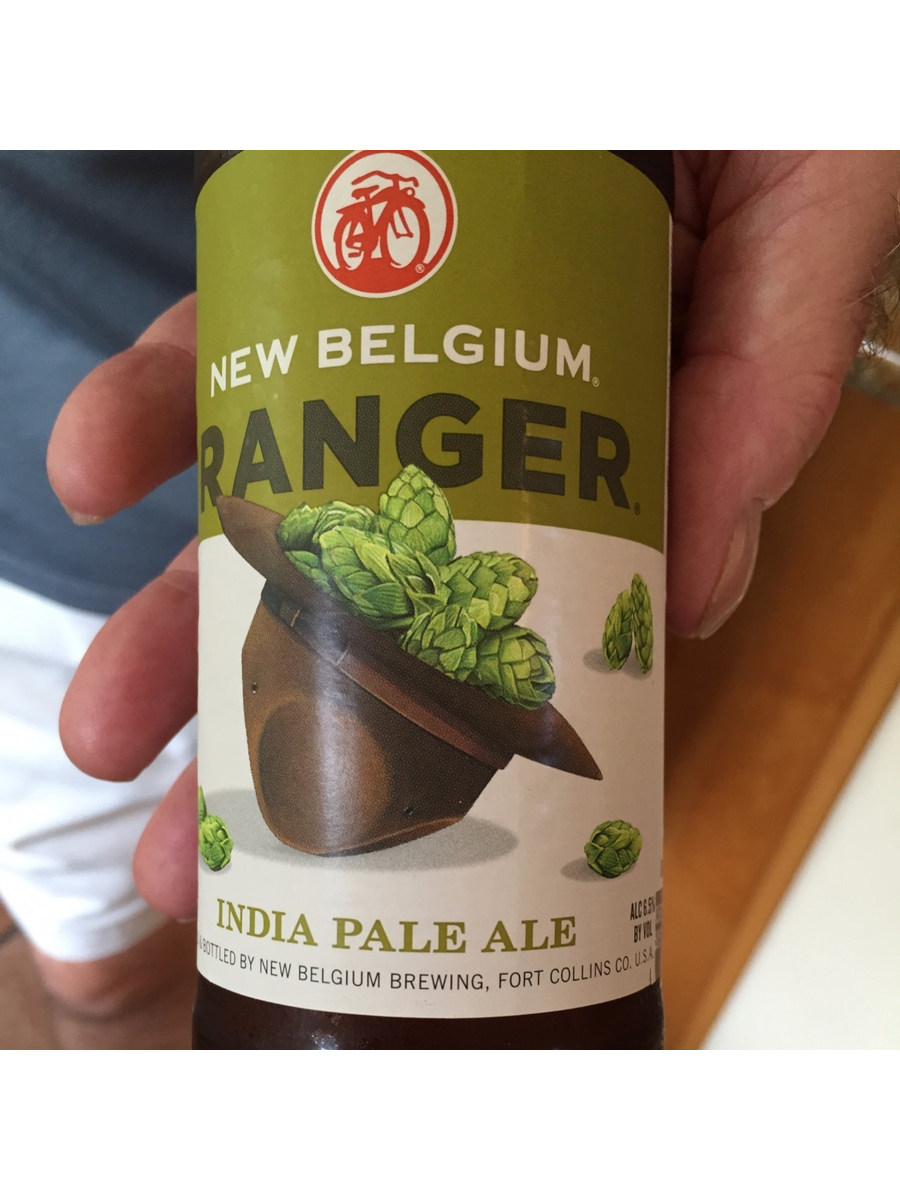
New Belgium Ranger IPA
Brewed by New Belgium Brewing
The direct, piney IPA that preceded Voodoo Ranger and represented New Belgium’s first serious national hop push.
BAR NOTES
Ranger helped New Belgium enter the IPA era, then yielded the shelf to the broader Voodoo Ranger family. That story makes it a useful companion to our old-school IPAs, where the surviving style can be judged without nostalgia doing all the work.
What drinkers actually miss: grapefruit, pine and resin rode over a firm pale-malt base with the bitterness expected before haze softened the category. It captures the short period when a clear, bitter flagship IPA still felt like the obvious future. A fresh revival would make the most sense beside spicy pizza, tacos or sharp cheddar, served without overthinking it.
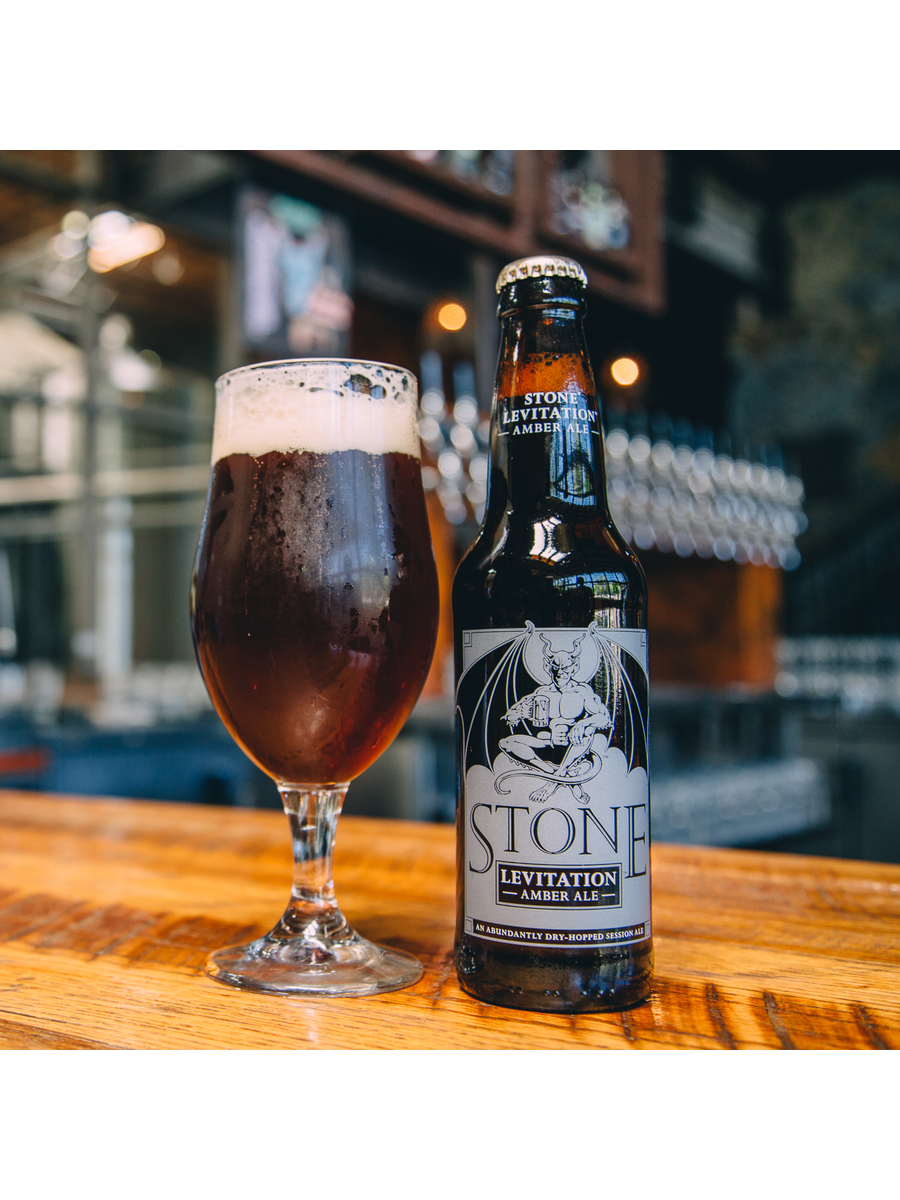
Stone Levitation Ale
Brewed by Stone Brewing
A low-alcohol amber with enough citrus and pine to taste unmistakably Stone without becoming a full IPA.
BAR NOTES
Stone retired Levitation as the market shifted away from hoppy amber ale and toward louder IPA branding. Its rise and fall also explains part of the landscape covered in our best amber ales, especially the styles and regional habits that outlived the package.
The original appeal: caramel toast, grapefruit zest and pine delivered real hop structure inside a genuinely session-strength frame. Try that profile with burgers, barbecue chicken or nachos. Levitation showed that session beer could mean flavor discipline rather than a thin version of something stronger.
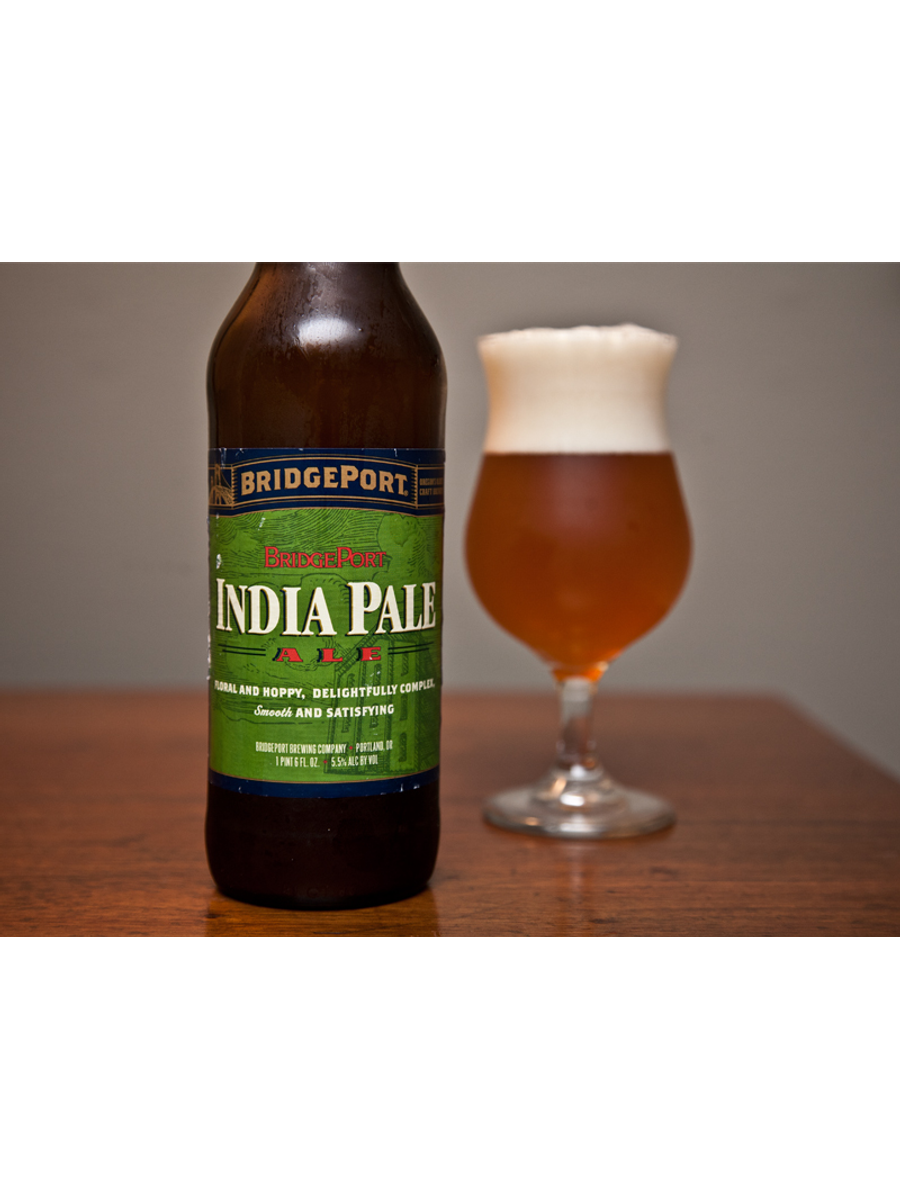
BridgePort IPA
Brewed by BridgePort Brewing Company
Bottle conditioning and citrus-pine hops made this one of the Pacific Northwest’s foundational packaged IPAs.
BAR NOTES
BridgePort closed in 2019, ending a flagship that had helped define Portland beer long before the city became a destination. For the larger style context, compare its place in beer history with the current bottles in our American pale ales.
Beyond the package: grapefruit, floral hops, biscuit and a softly yeasty bottle-conditioned texture made it more rounded than modern West Coast IPA. Its disappearance removed a living bridge between English pale ale technique and American hop confidence. The practical pairing is fish and chips, grilled salmon or a deli sandwich, not a precious tasting menu built around a dead brand.
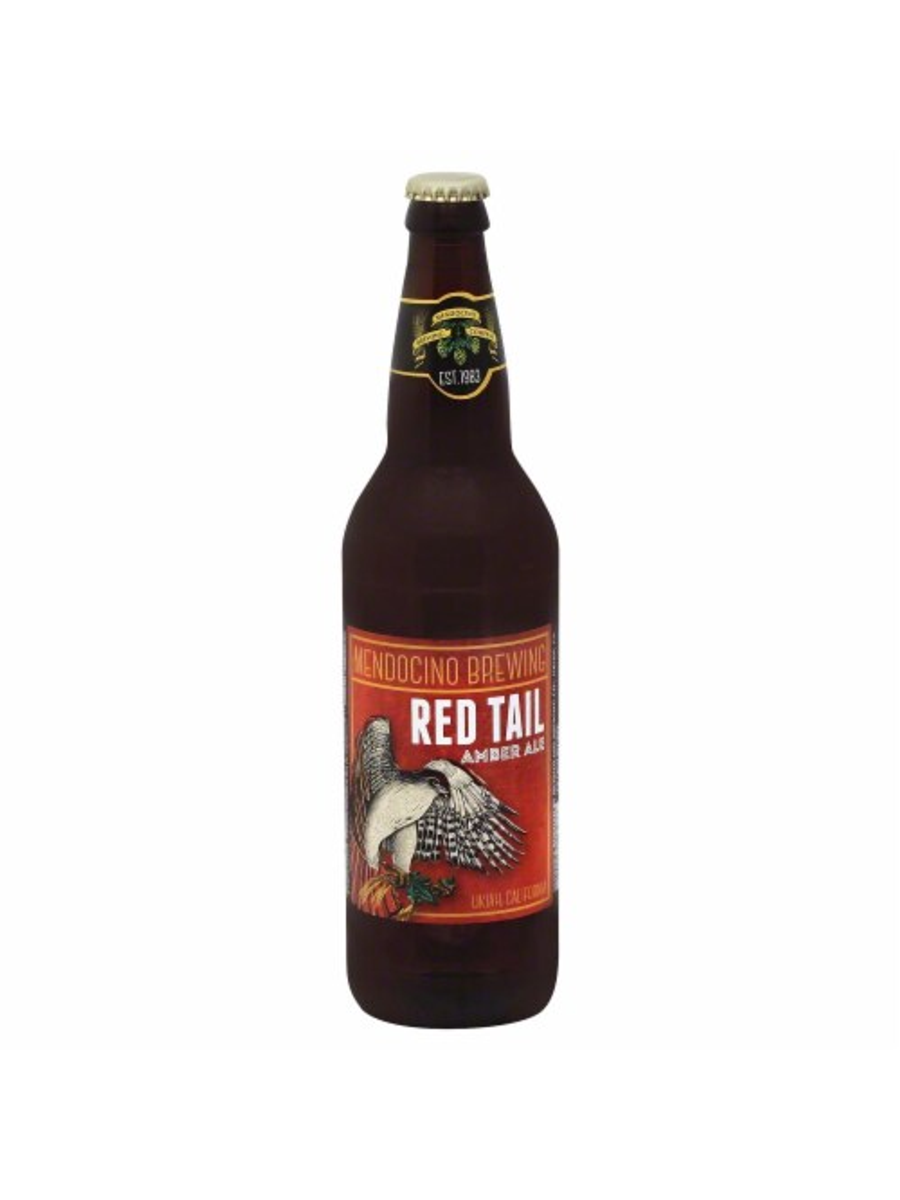
Mendocino Red Tail Ale
Brewed by Mendocino Brewing Company
A red-amber first-wave craft staple with caramel malt, earthy citrus hops and Northern California credibility.
BAR NOTES
Mendocino Brewing’s financial collapse ended Red Tail after decades as one of the earliest recognizable craft six-packs. The beer’s disappearance left a gap that becomes clearer after reading our best amber ales and seeing what the modern shelf kept instead.
In the glass: caramel, toasted bread, orange and restrained pine created a sturdy amber ale that drank bigger than its simple label suggested. Pair it with grilled ribs, meatloaf or smoked Gouda. Red Tail represents the independent regional breweries that built craft beer before national taproom culture arrived.
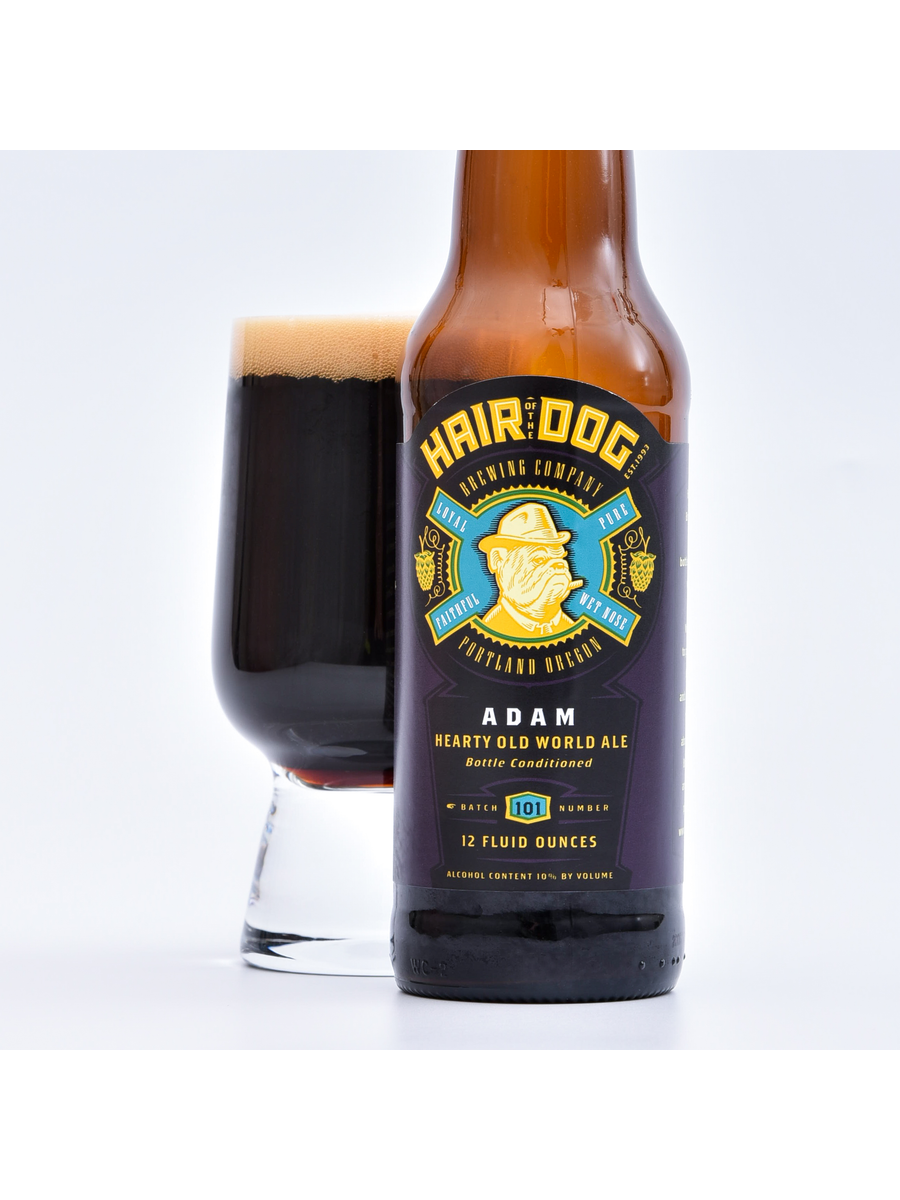
Hair of the Dog Adam
Brewed by Hair of the Dog Brewing Company
A smoky, dark, cellar-worthy strong ale that made an obscure German tradition feel completely original in Portland.
BAR NOTES
Hair of the Dog closed in 2022, turning remaining bottles of Adam into snapshots of a singular brewery. It belongs beside our American barleywine recipe because the beer’s real importance was the lane it opened, not merely the label people remember.
Flavor is the reason the nostalgia holds up: dark fruit, smoke, leather, chocolate and warming alcohol unfold slowly with oxidation becoming part of the experience. Adam mattered because it ignored easy categories and rewarded cellaring long before rare-bottle culture became routine. If it returned tomorrow, start with blue cheese, smoked beef or a quiet chair after dinner and skip the collector-bottle ceremony.
The macro experiments that vanished
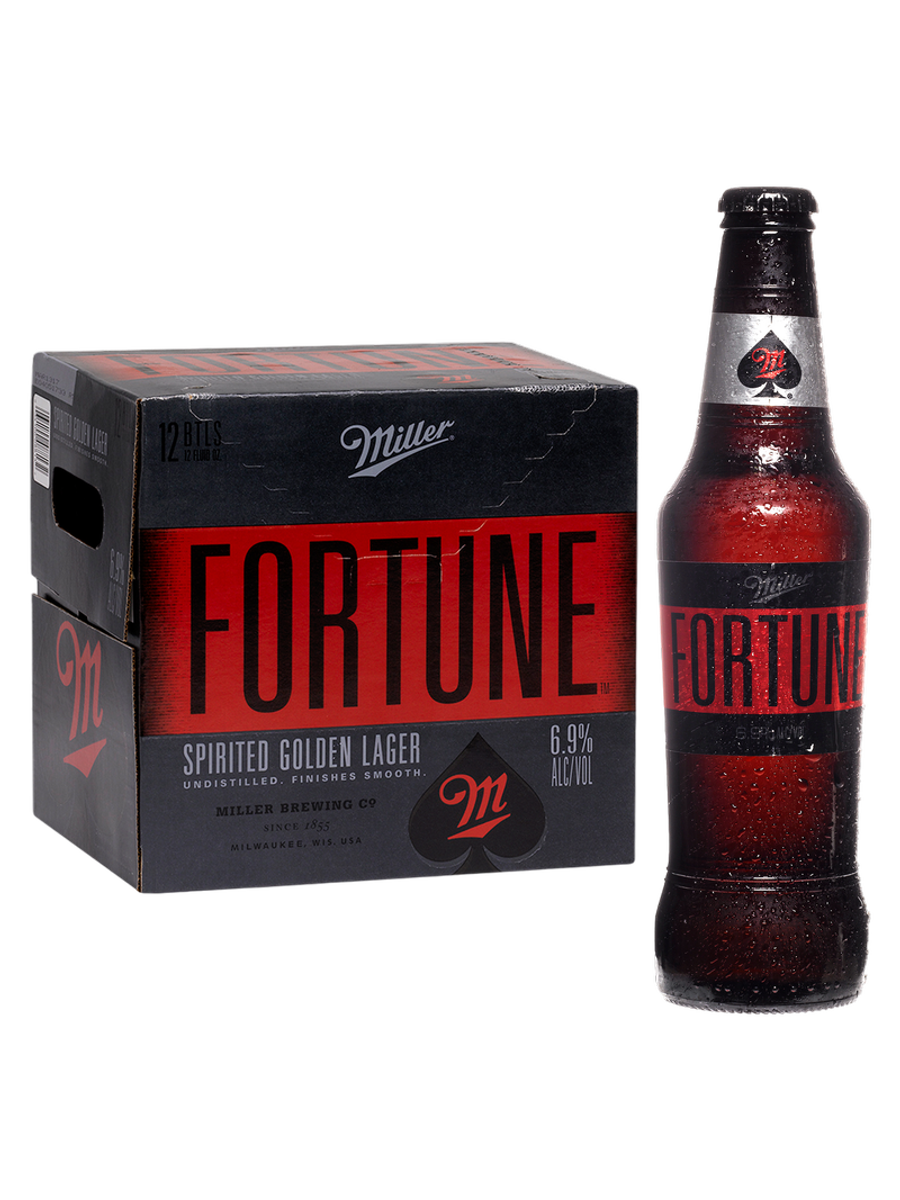
Miller Fortune
Brewed by Miller Brewing Company
A black-bottled high-ABV gamble designed to make mainstream lager feel more intense, premium and spirits-adjacent.
BAR NOTES
Miller launched Fortune with enormous marketing support, but the 2014 experiment disappeared when drinkers rejected its confused positioning. That story makes it a useful companion to our best American lagers, where the surviving style can be judged without nostalgia doing all the work.
What drinkers actually miss: sweet grain, mild fruit and warming alcohol finished smoother than the 6.9 percent label suggested but never found a clear occasion. Fortune is a perfect case study in how packaging and demographics cannot manufacture a lasting beer identity. A fresh revival would make the most sense beside pizza, wings or late-night burgers, served without overthinking it.
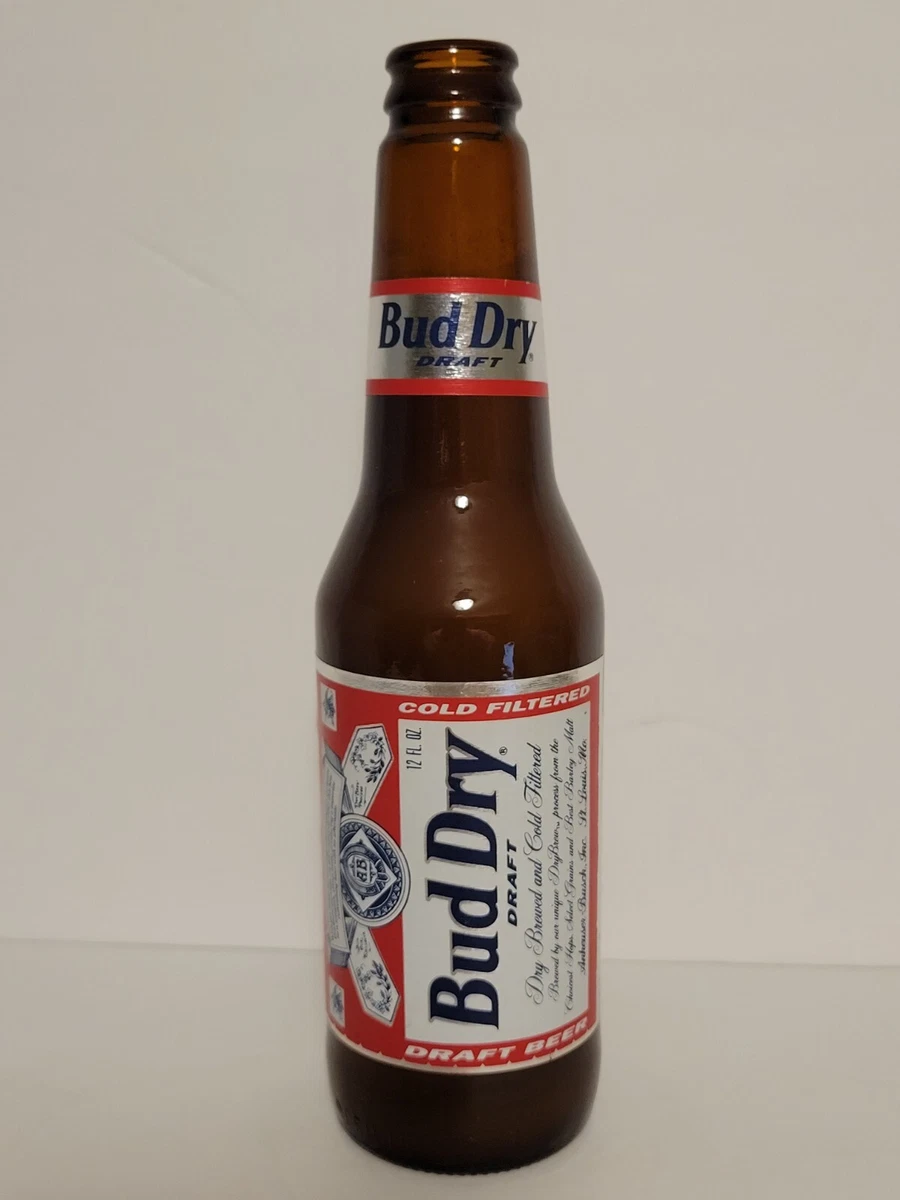
Bud Dry
Brewed by Anheuser-Busch
“Why ask why?” sold a deliberately dry lager during the brief American fascination with Japanese-inspired crispness.
BAR NOTES
Bud Dry arrived in 1990, rose quickly on clever advertising, and faded once the dry-beer trend stopped feeling new. Its rise and fall also explains part of the landscape covered in our retro beer roundup, especially the styles and regional habits that outlived the package.
The original appeal: light grain, high attenuation and restrained sweetness produced a sharper finish than standard Budweiser without adding much bitterness. Try that profile with sushi, fried appetizers or salty snack mix. Its short life shows how quickly a process trend can dominate national advertising and then vanish from the cooler.
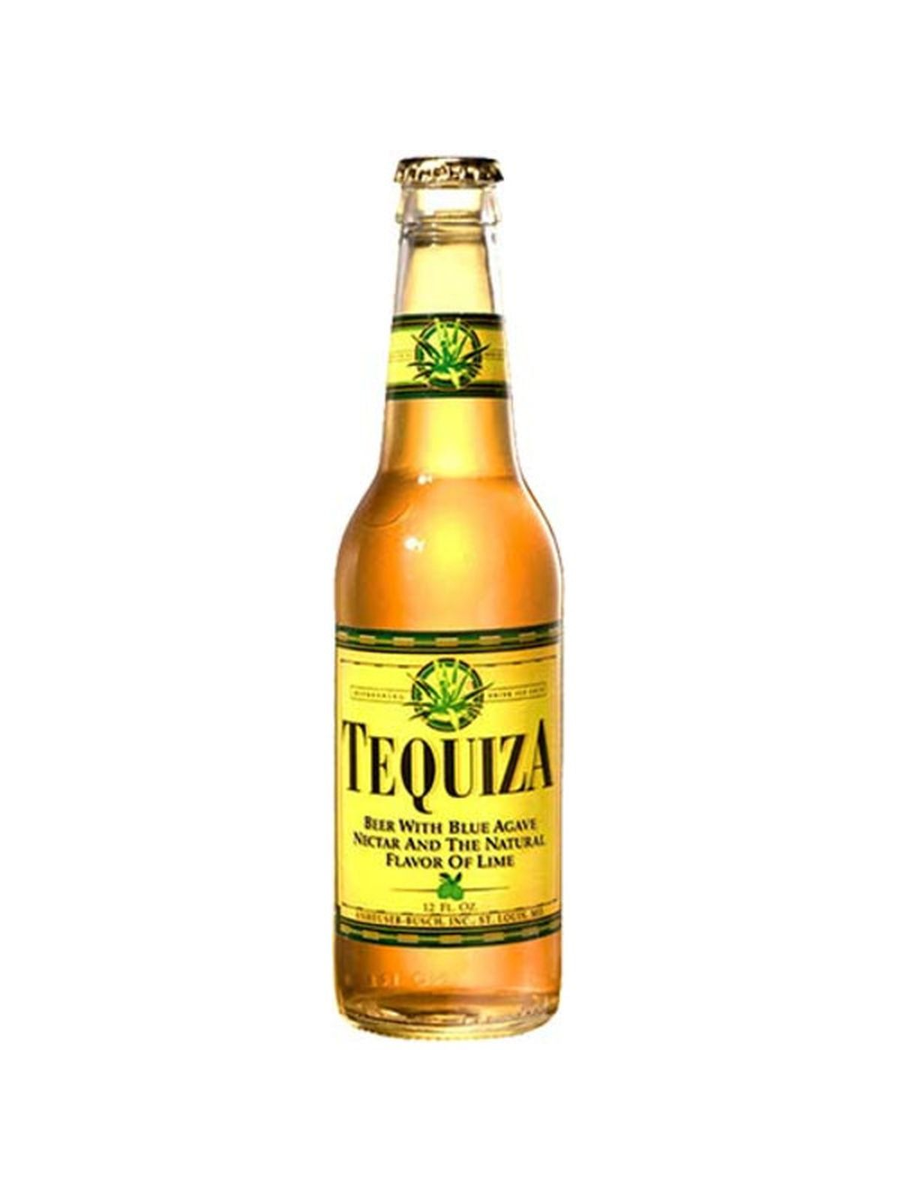
Tequiza
Brewed by Anheuser-Busch
Agave nectar and lime pushed pale lager toward the flavored-beer lane years before modern crossover drinks took over.
BAR NOTES
Tequiza debuted in the late 1990s as an answer to citrus-served imports, then disappeared after a short national run. For the larger style context, compare its place in beer history with the current bottles in our best American lagers.
Beyond the package: sweet grain, candied lime and mild agave made it more like a pre-mixed patio drink than a conventional Mexican lager. The idea looks less strange now that flavored malt beverages and canned cocktails own entire refrigerator doors. The practical pairing is fish tacos, chips and salsa or grilled shrimp, not a precious tasting menu built around a dead brand.
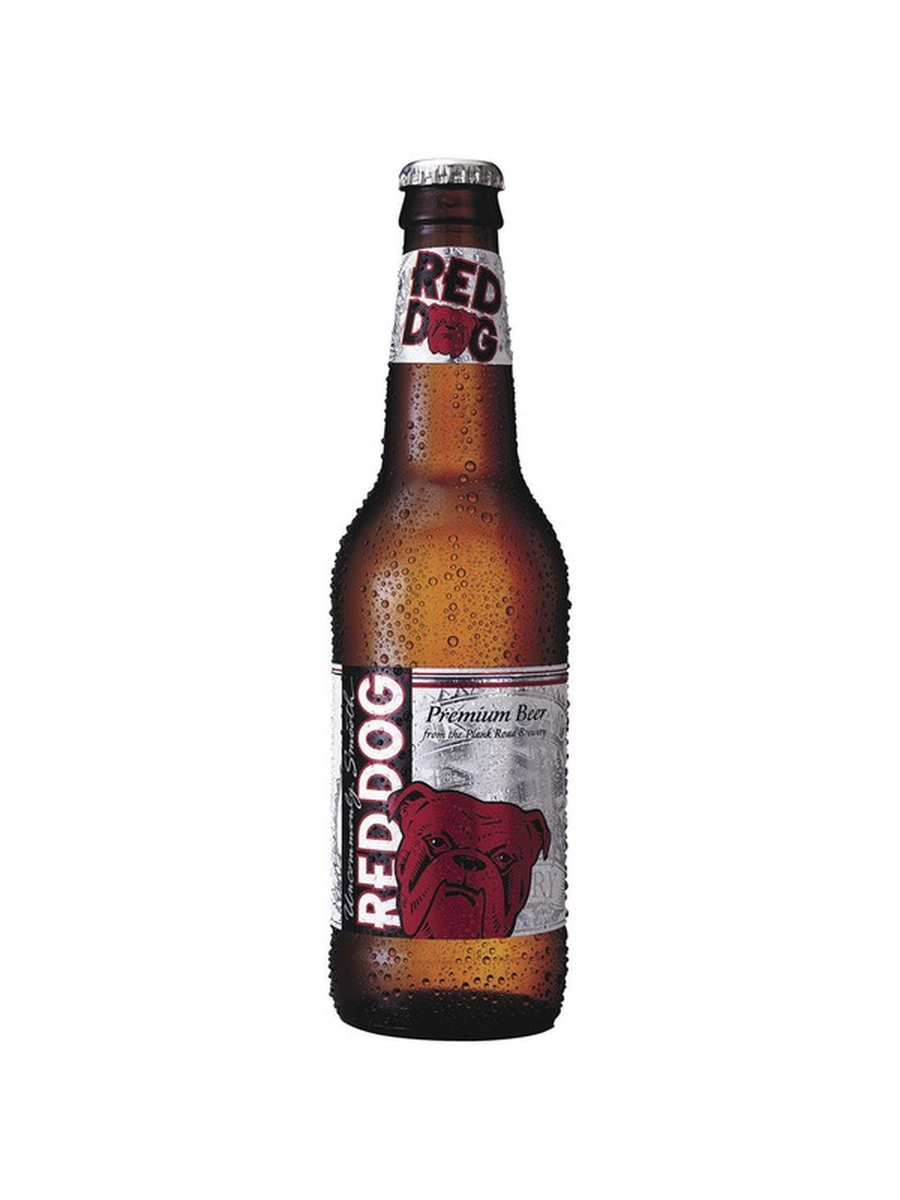
Red Dog
Brewed by Plank Road Brewery / Miller
An aggressive bulldog label and full-strength lager recipe made Red Dog a distinctly 1990s attempt at instant attitude.
BAR NOTES
Miller launched Red Dog nationally in 1994, but the brand slowly contracted until regular production effectively disappeared. The beer’s disappearance left a gap that becomes clearer after reading our best American lagers and seeing what the modern shelf kept instead.
In the glass: sweet cereal grain, modest hop bite and a fuller body than light lager made the beer straightforward even when the branding barked. Pair it with pepperoni pizza, chili dogs or backyard burgers. Red Dog survives in memory because the package had more personality than most value lagers surrounding it.
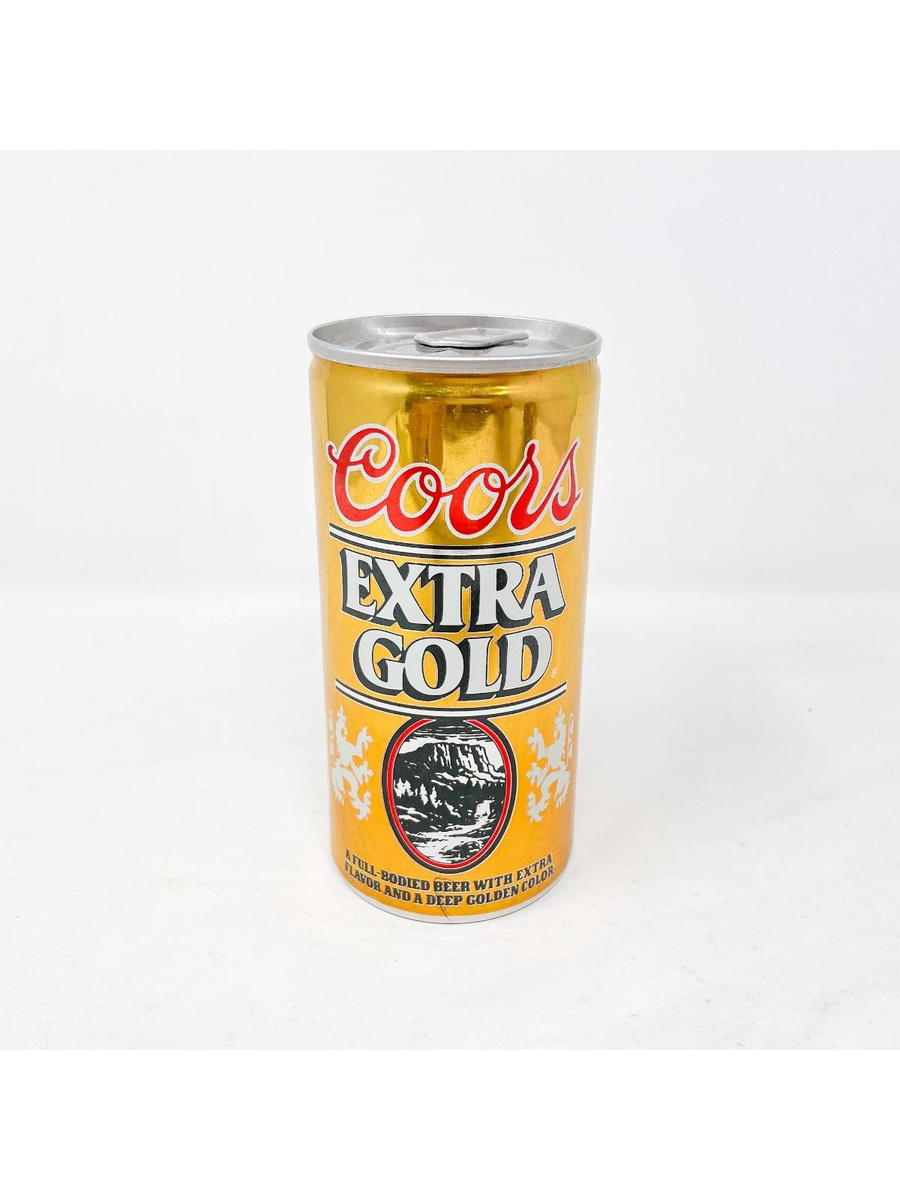
Coors Extra Gold
Brewed by Coors Brewing Company
A richer gold-label lager created to sit between Banquet tradition and the premium image national drinkers expected.
BAR NOTES
Extra Gold never built the cultural weight of Banquet or Coors Light and eventually vanished from the core portfolio. It belongs beside our retro beer roundup because the beer’s real importance was the lane it opened, not merely the label people remember.
Flavor is the reason the nostalgia holds up: grain sweetness, light caramel and restrained bitterness gave it more body than a light lager without becoming genuinely malty. Its disappearance simplified the Coors family but erased a useful middle lane between crisp and full-bodied. If it returned tomorrow, start with fried chicken, bratwurst or buttered popcorn and skip the collector-bottle ceremony.
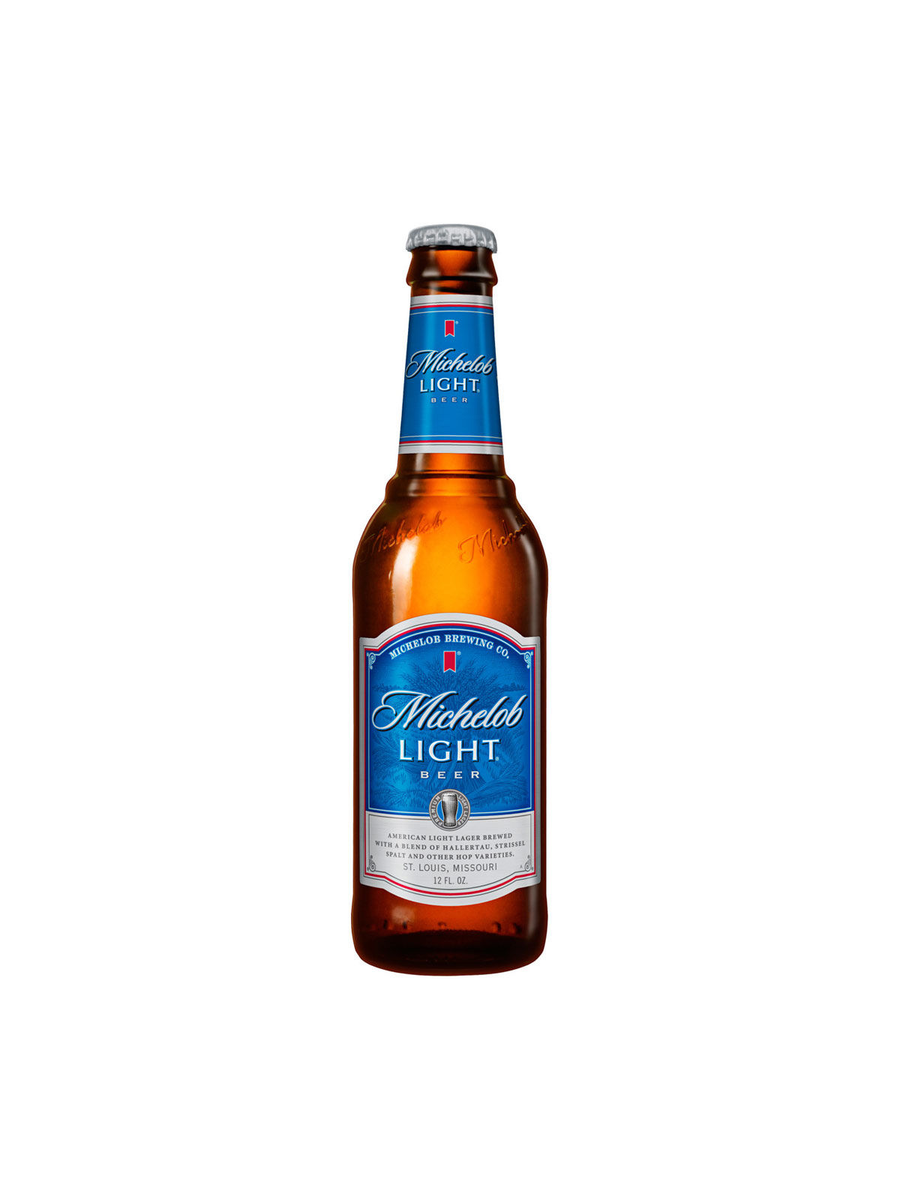
Michelob Light
Brewed by Anheuser-Busch
The older Michelob light beer carried more malt identity than Ultra but lost nearly all visibility to its fitness-minded successor.
BAR NOTES
Michelob Light moved from national staple to scattered residual distribution as Anheuser-Busch concentrated investment behind Ultra. That story makes it a useful companion to our best light beers, where the surviving style can be judged without nostalgia doing all the work.
What drinkers actually miss: soft bread, faint fruit and a cleaner but fuller finish separated it from the thinnest calorie-first light lagers. Its decline marks the moment “light” stopped being enough and needed a complete lifestyle identity attached. A fresh revival would make the most sense beside grilled chicken, pretzels or a turkey club, served without overthinking it.
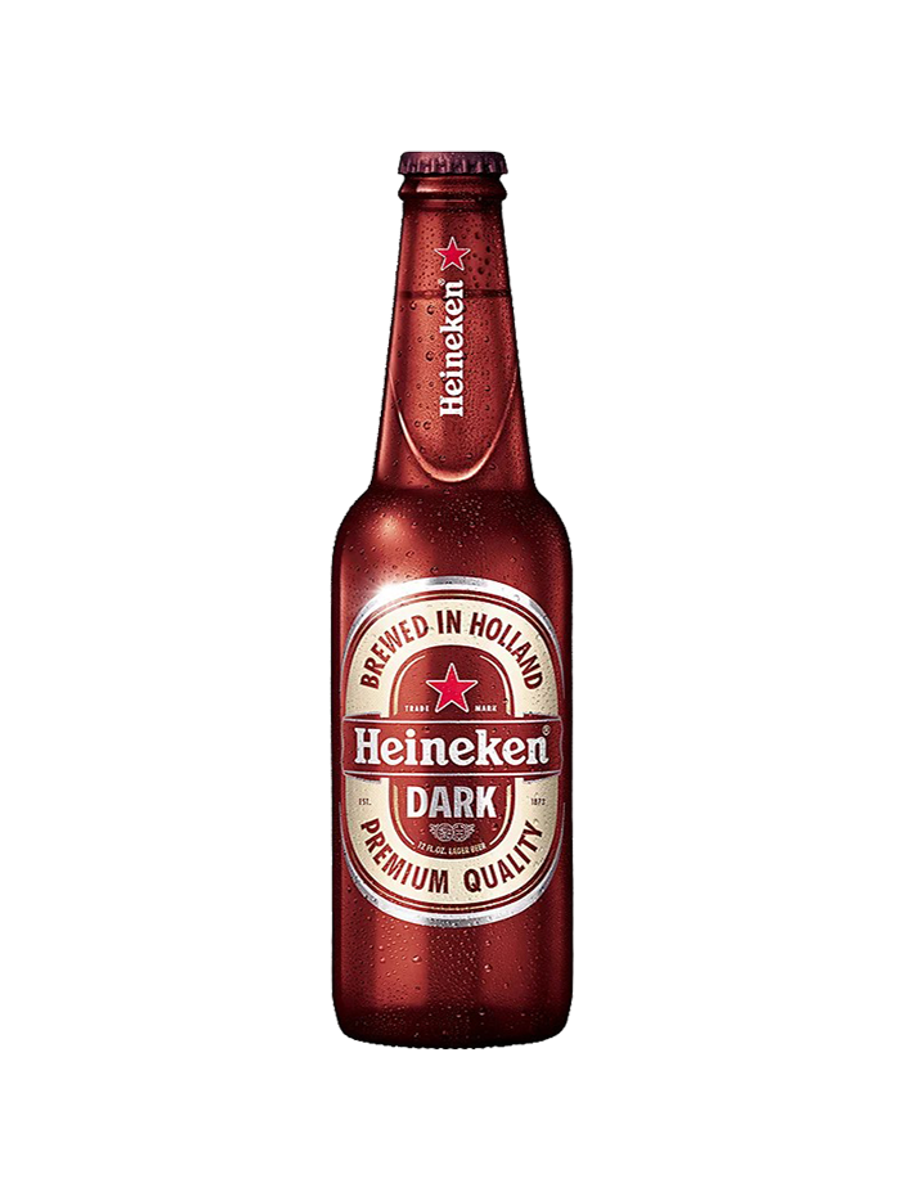
Heineken Dark
Brewed by Heineken
A toasted, caramel-led companion to green-bottle Heineken that disappeared from regular U.S. shelves despite loyal fans.
BAR NOTES
Heineken Dark lingered internationally and in occasional listings, but the American line effectively vanished from mainstream distribution. Its rise and fall also explains part of the landscape covered in our best dark lagers, especially the styles and regional habits that outlived the package.
The original appeal: toasted bread, caramel, mild roast and clean lager fermentation offered darkness without stout weight or ale fruit. Try that profile with roast chicken, sausages or Gouda. Its cult following proves import portfolios lose useful variety when one global pale lager carries the entire brand.
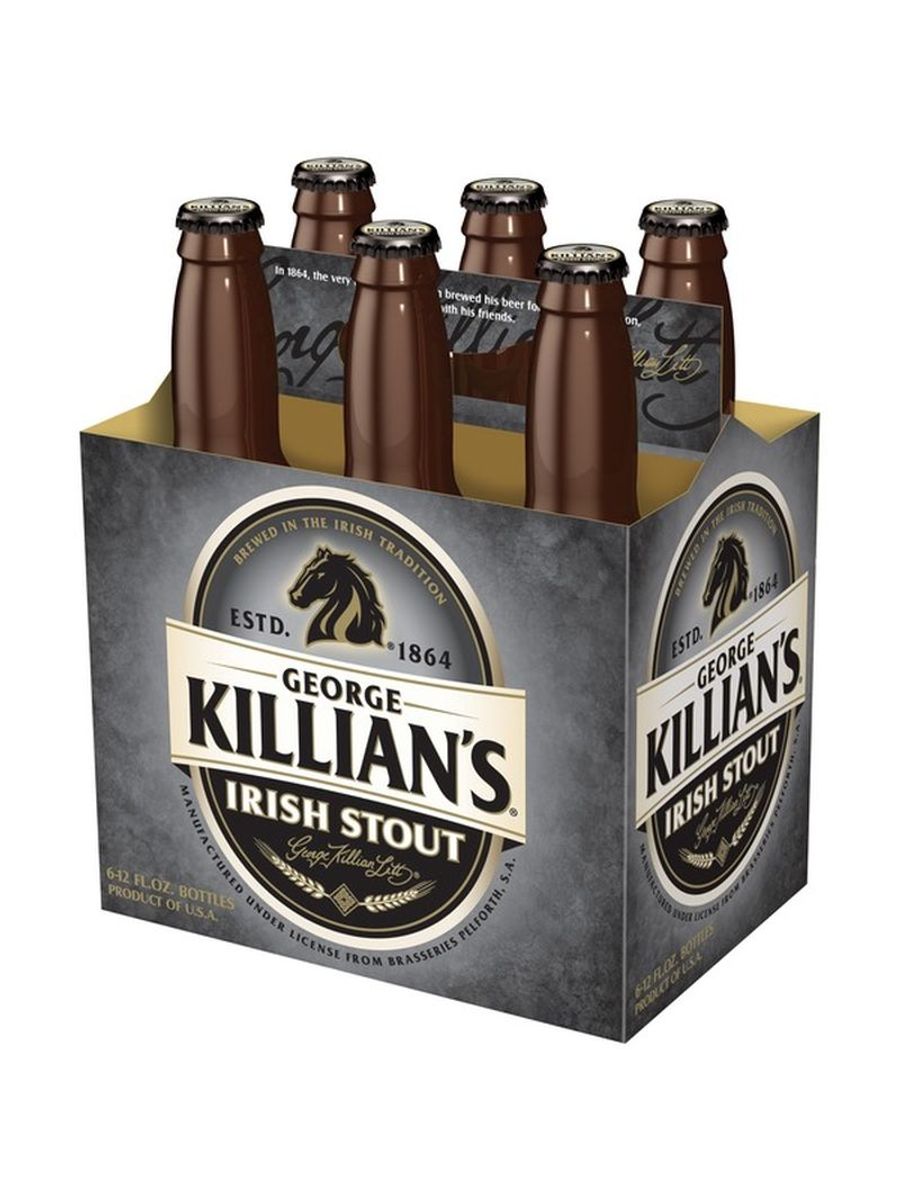
Killian’s Irish Stout
Brewed by Coors Brewing Company
The darker sibling to Killian’s Irish Red gave supermarket drinkers a roasty alternative that never matched the flagship’s reach.
BAR NOTES
Coors quietly removed Irish Stout while keeping the better-known red lager, leaving the black label as a genuine oddity. For the larger style context, compare its place in beer history with the current bottles in our best Irish stouts.
Beyond the package: coffee, toasted grain and cocoa sat over a smooth body with less dryness and bitterness than classic Irish stout. It is remembered less as a style benchmark than as proof Killian’s once tried to be a broader family. The practical pairing is beef stew, oysters or chocolate cake, not a precious tasting menu built around a dead brand.
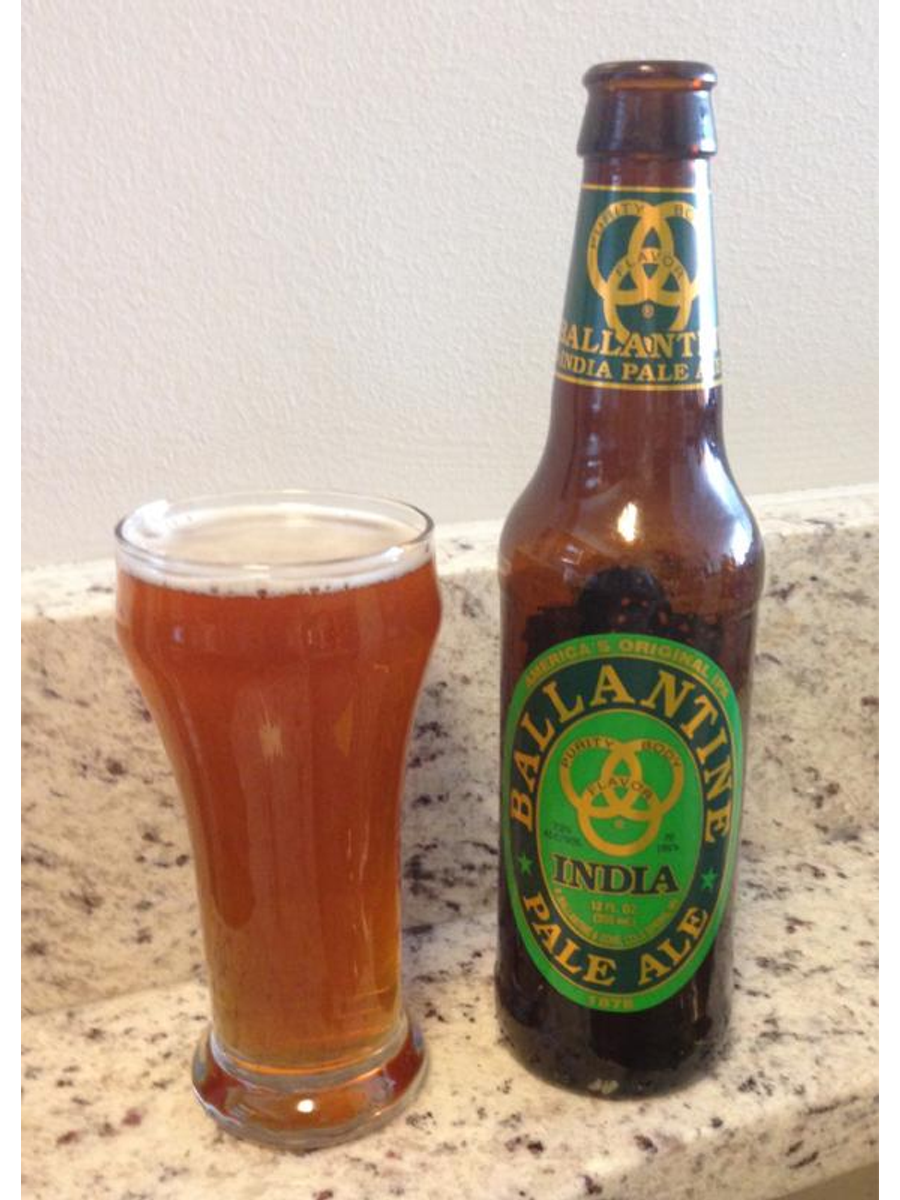
Ballantine IPA
Brewed by P. Ballantine & Sons / Pabst
An unusually hop-forward historical American beer whose later revival could not secure a permanent national place.
BAR NOTES
Pabst resurrected Ballantine IPA with old formula clues and modern hops, then allowed the revived package to fade again. The beer’s disappearance left a gap that becomes clearer after reading our American IPA recipe and seeing what the modern shelf kept instead.
In the glass: orange marmalade, pine, caramel and substantial bitterness made it taste like a missing evolutionary link in American IPA. Pair it with sharp cheddar, roast pork or a pastrami sandwich. Ballantine complicates the myth that bold American IPA suddenly appeared on the West Coast in the 1980s.
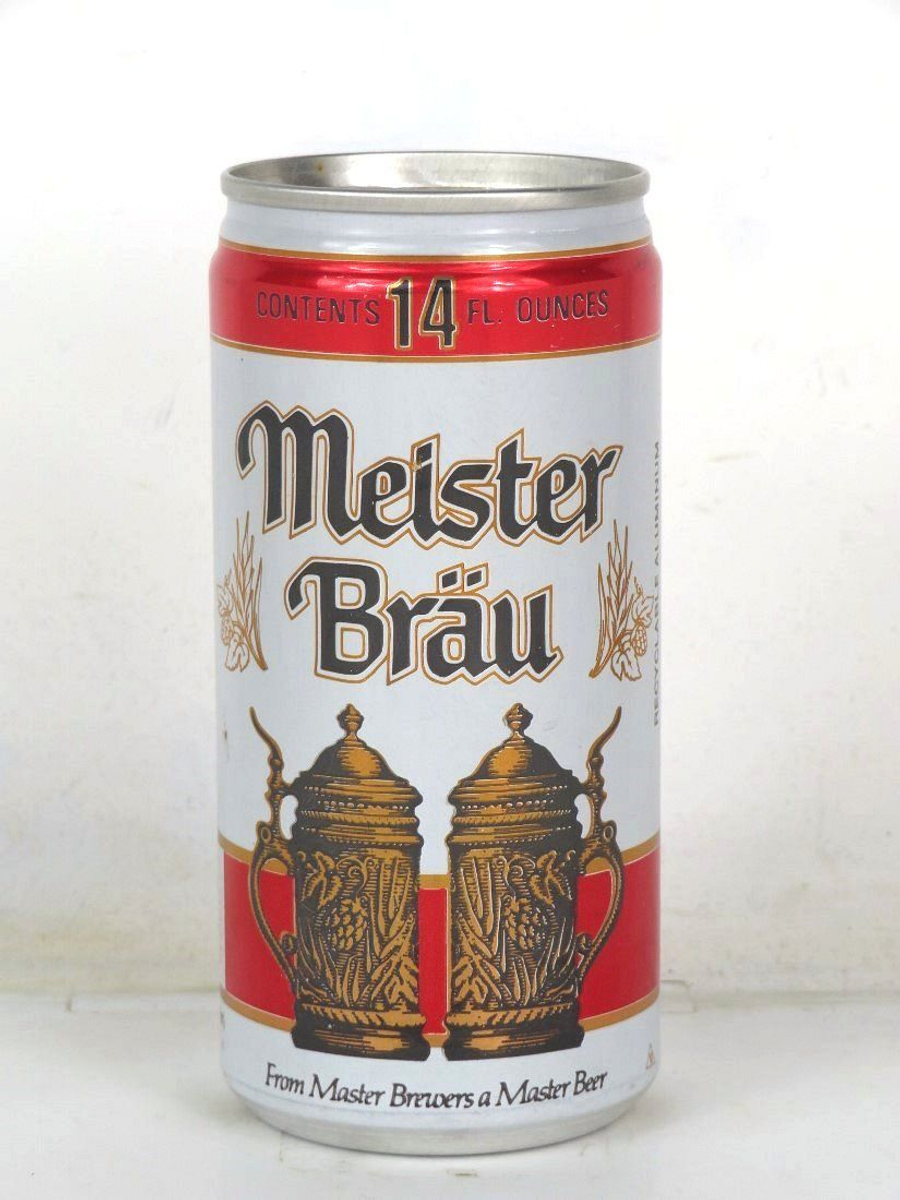
Meister Brau
Brewed by Meister Brau / Miller
The Chicago value lager whose formulas and trademarks helped Miller build products that outlived the original name.
BAR NOTES
Miller purchased Meister Brau assets in 1972 and eventually retired the label while developing Miller Lite from its diet-beer lineage. It belongs beside our best American lagers because the beer’s real importance was the lane it opened, not merely the label people remember.
Flavor is the reason the nostalgia holds up: corn-like grain, light bread and low bitterness fit the affordable American lager profile with no need for tasting-room theater. Its real legacy is not flavor prestige but the corporate family tree behind America’s light-beer revolution. If it returned tomorrow, start with Italian beef, tavern pizza or ballpark peanuts and skip the collector-bottle ceremony.
Regional cans and light-beer dead ends
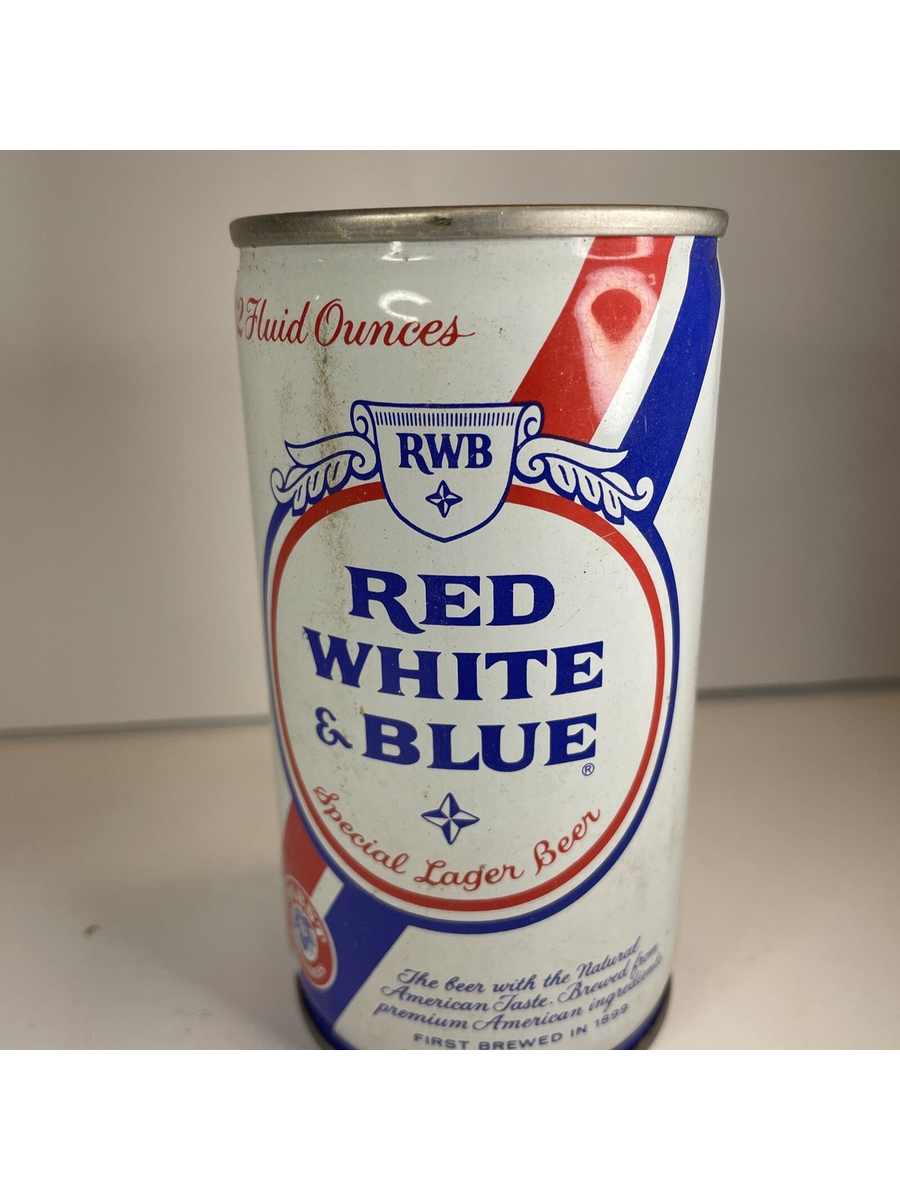
Red White & Blue Beer
Brewed by Pabst Brewing Company
A proudly patriotic value lager that once competed nationally before disappearing into Pabst’s crowded archive of regional names.
BAR NOTES
Red White & Blue survived changing breweries and ownership for decades, then lost shelf space as portfolios consolidated. That story makes it a useful companion to our retro beer roundup, where the surviving style can be judged without nostalgia doing all the work.
What drinkers actually miss: light cereal malt, faint sweetness and a quick dry finish made it built for quantity rather than contemplation. The can now carries more cultural power than the liquid, which is exactly why collectors and nostalgic drinkers remember it. A fresh revival would make the most sense beside hot dogs, potato chips or grilled corn, served without overthinking it.
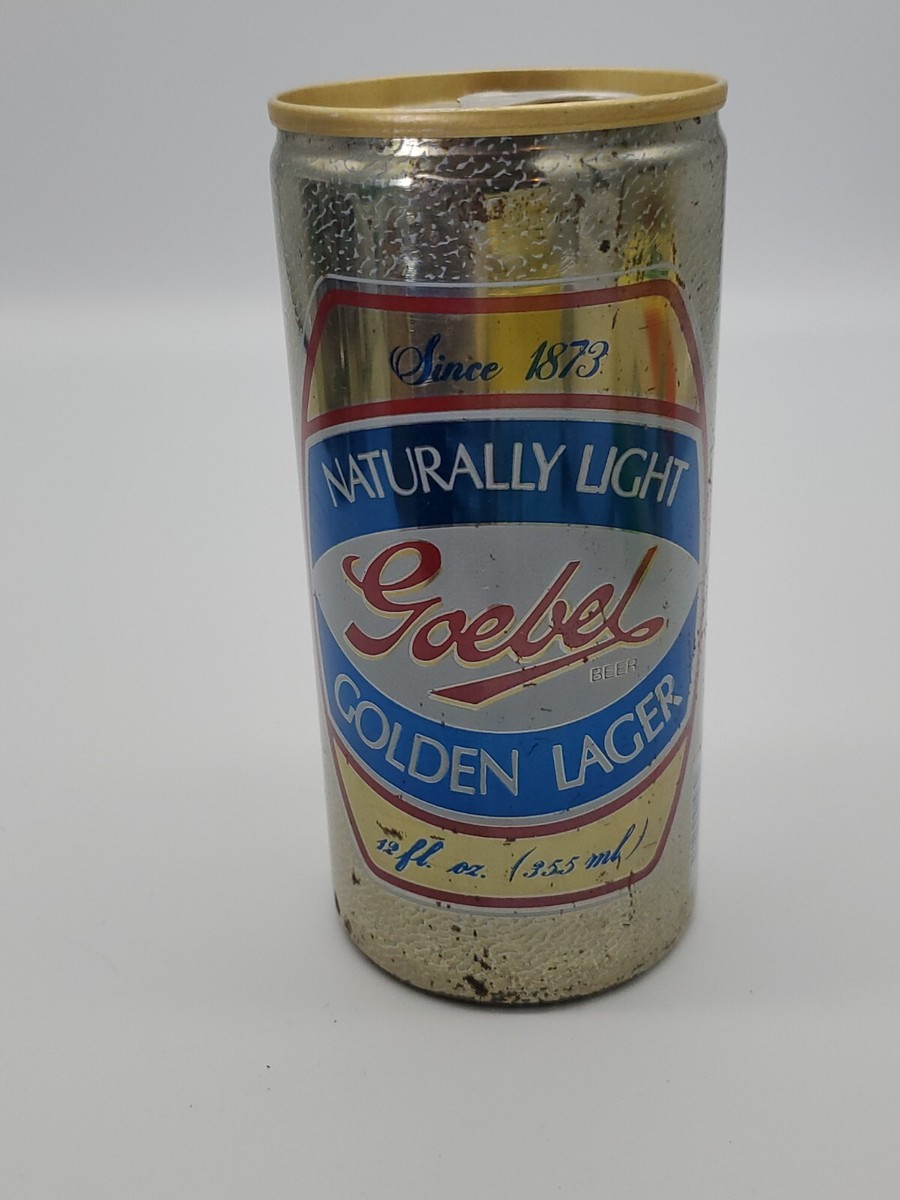
Goebel Beer
Brewed by Goebel Brewing Company
A Detroit working-class lager whose long decline ended after ownership changes separated the name from its neighborhood roots.
BAR NOTES
Goebel entered the Stroh portfolio and remained a budget label until production finally ended in the 2000s. Its rise and fall also explains part of the landscape covered in our best American lagers, especially the styles and regional habits that outlived the package.
The original appeal: pale grain, mild sweetness and restrained hops made it a simple local lager designed for long sessions. Try that profile with Coney dogs, square pizza or salted peanuts. Its absence still stings in Michigan because regional beer loyalty was built as much on place as recipe.
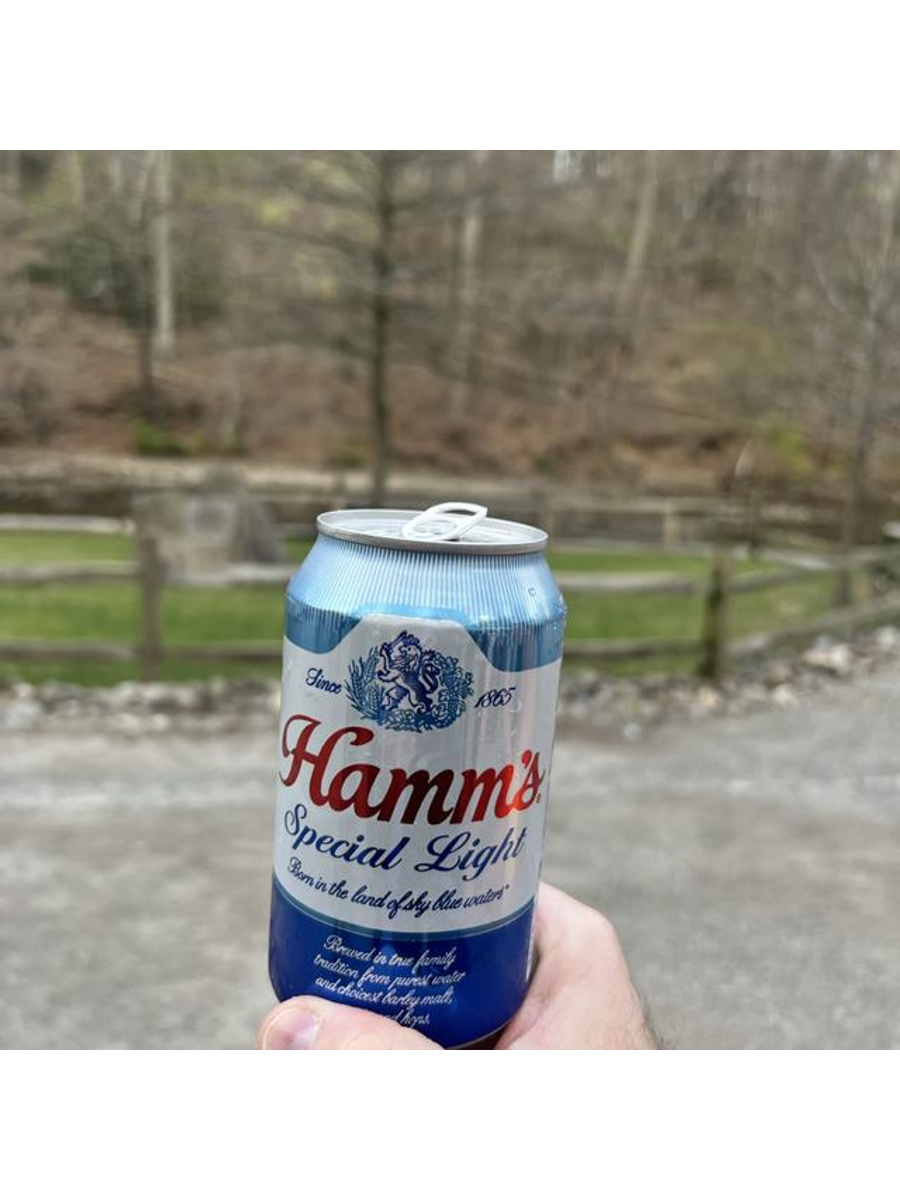
Hamm’s Special Light
Brewed by Hamm’s / Miller
The lighter Land of Sky Blue Waters spin-off kept the bear-era brand alive for calorie-conscious Midwestern drinkers.
BAR NOTES
Special Light disappeared while standard Hamm’s survived as a value nostalgia brand under Molson Coors. For the larger style context, compare its place in beer history with the current bottles in our best light beers.
Beyond the package: very light grain, watery softness and low bitterness made it unapologetically built for cold, easy drinking. The standard lager’s survival makes the missing light version feel like a deleted chapter rather than a dead brand. The practical pairing is fish fry, cheese curds or lawn-chair snacks, not a precious tasting menu built around a dead brand.
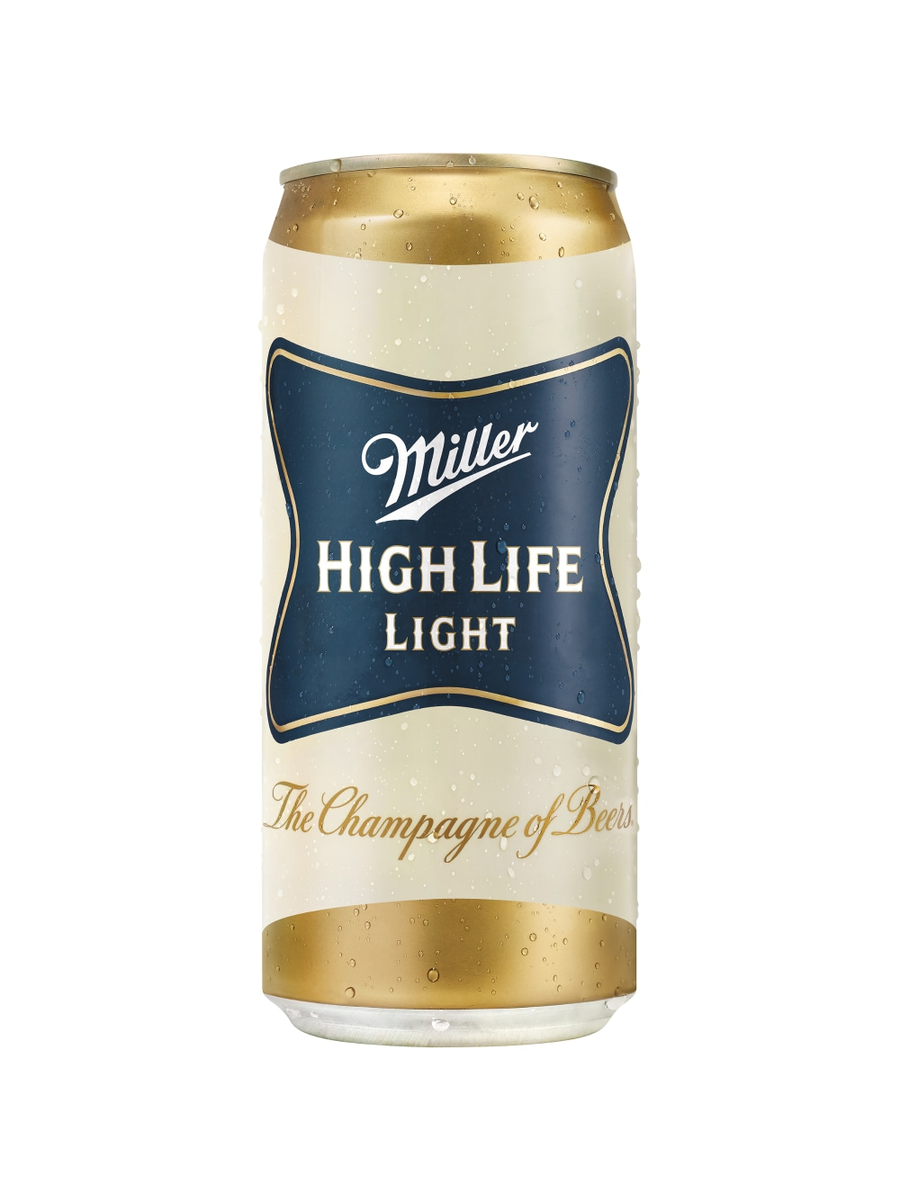
Miller High Life Light
Brewed by Miller Brewing Company
A lighter Champagne of Beers that retained the clear bottle and familiar identity without winning enough permanent shelf space.
BAR NOTES
Molson Coors retired High Life Light during a broad portfolio trim, even as standard High Life enjoyed renewed bar credibility. The beer’s disappearance left a gap that becomes clearer after reading our best light beers and seeing what the modern shelf kept instead.
In the glass: pale grain, brisk carbonation and little bitterness made it lighter than High Life without changing the basic flavor language. Pair it with fried pickles, a smash burger or cheap pizza. Fans miss it because it offered old-school branding without the calorie count of the full-strength bottle.
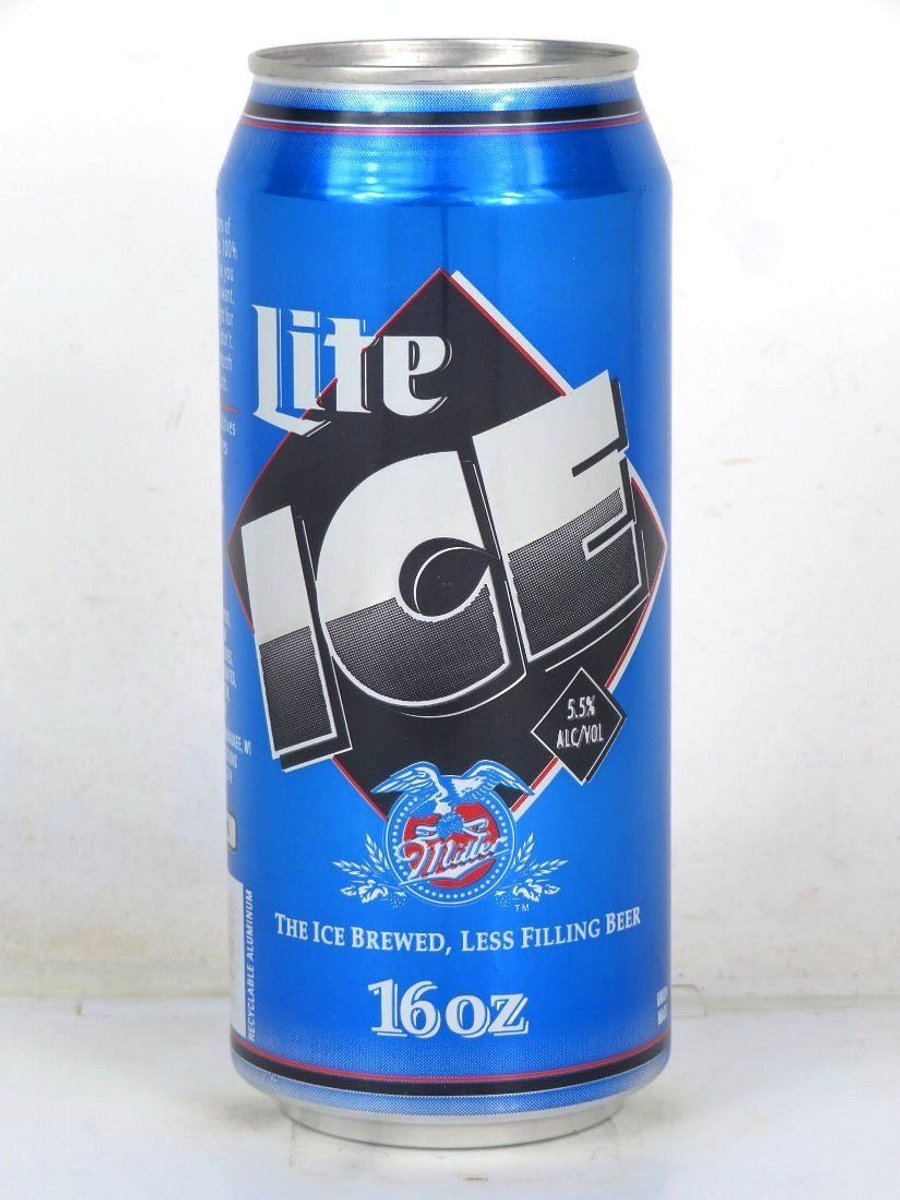
Miller Lite Ice
Brewed by Miller Brewing Company
A brief ice-beer detour that gave Miller Lite more alcohol and cold-filtered marketing during the 1990s arms race.
BAR NOTES
Miller Lite Ice arrived as every major brewer chased the ice trend, then vanished once the novelty cooled. It belongs beside our best American lagers because the beer’s real importance was the lane it opened, not merely the label people remember.
Flavor is the reason the nostalgia holds up: clean grain, higher alcohol and a firmer finish made it punchier than regular Lite but not meaningfully more complex. The can belongs to an era when one new process word could launch an entire national beer category. If it returned tomorrow, start with wings, nachos or frozen pizza and skip the collector-bottle ceremony.
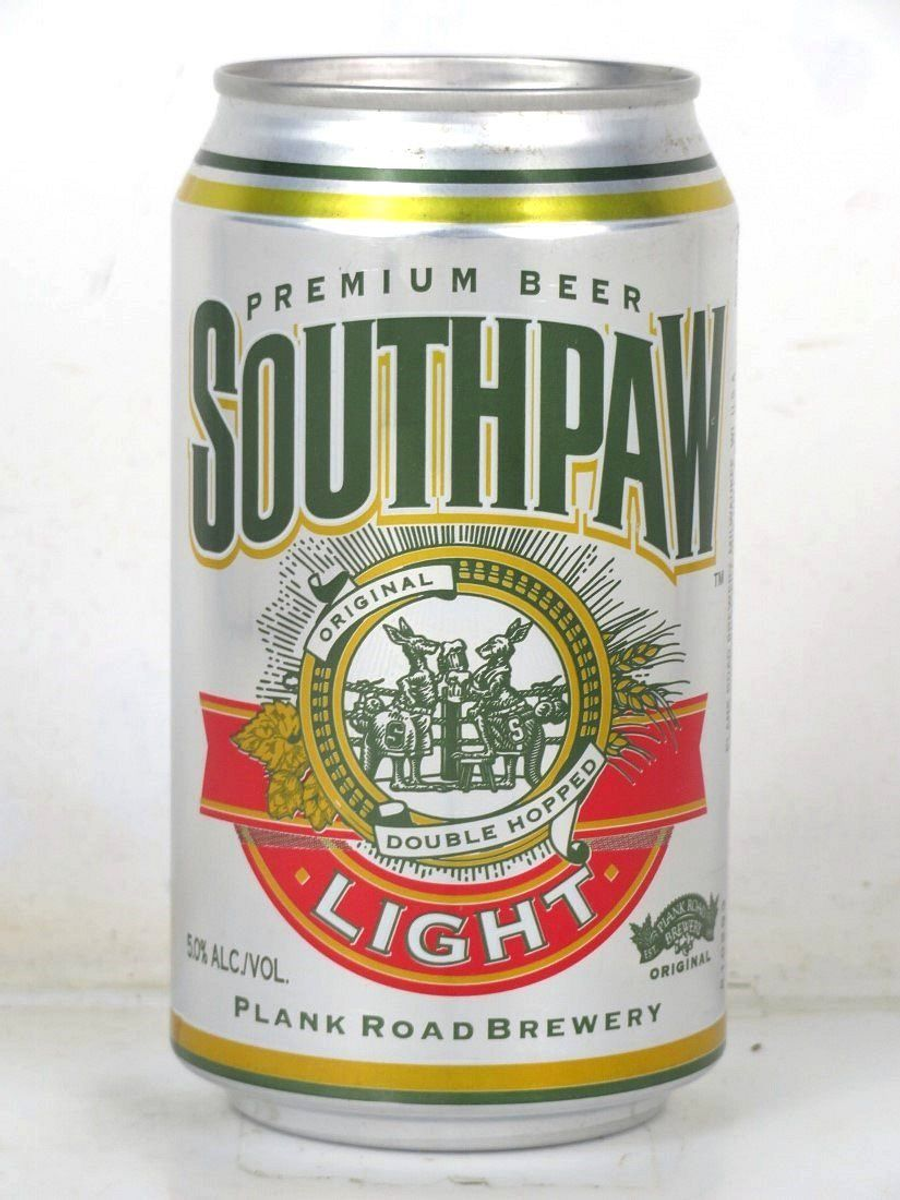
Southpaw Light
Brewed by Miller Brewing Company
A left-handed value lager with unusually high strength for a “light” name and an identity built around boxing attitude.
BAR NOTES
Southpaw moved through test markets and regional distribution before Miller finally abandoned the eccentric label. That story makes it a useful companion to our best light beers, where the surviving style can be judged without nostalgia doing all the work.
What drinkers actually miss: sweet grain, moderate alcohol and low bitterness made it closer to a full lager than modern calorie-driven light beer. Its mismatch of name, strength and positioning makes Southpaw one of the more interesting macro experiments to disappear. A fresh revival would make the most sense beside chili dogs, pretzels or bar peanuts, served without overthinking it.
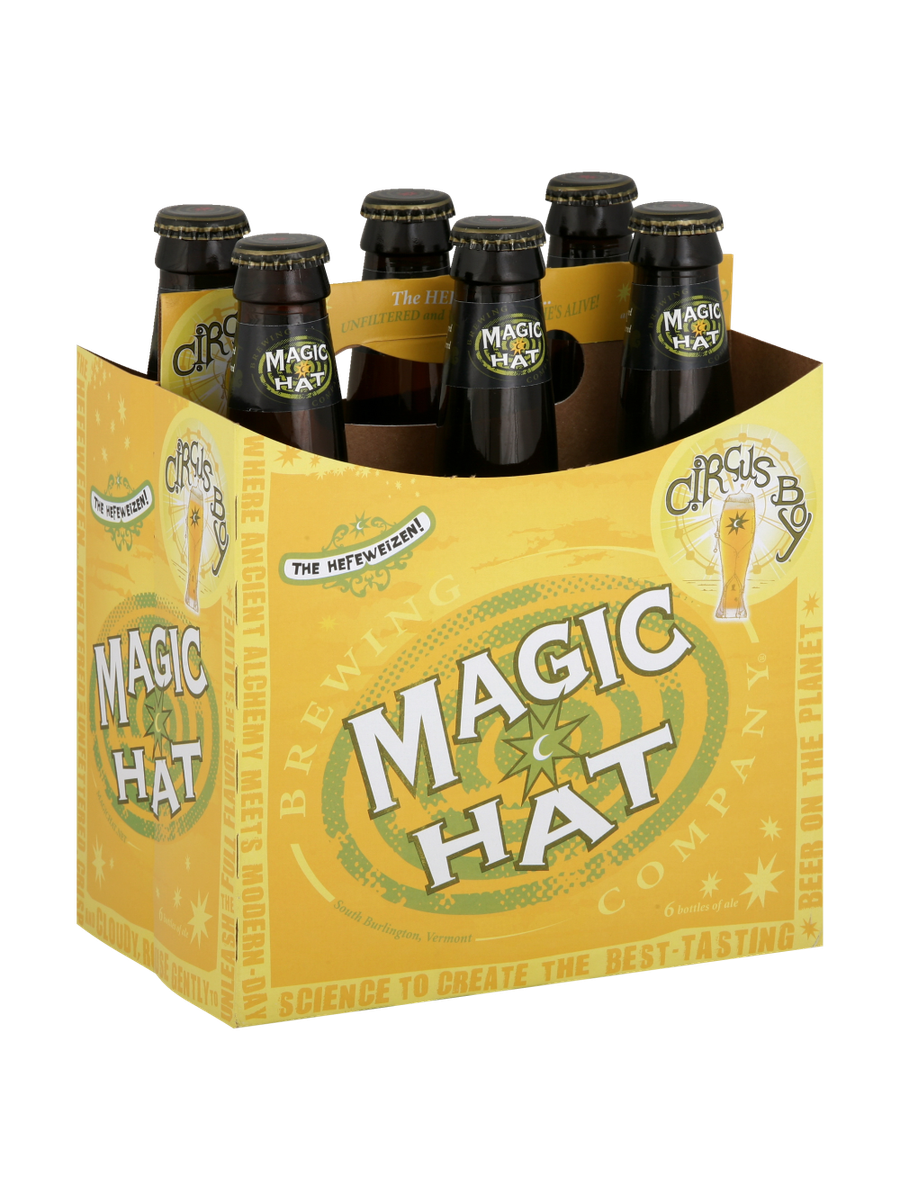
Magic Hat Circus Boy
Brewed by Magic Hat Brewing Company
A hazy American wheat with citrus and spice that helped Magic Hat feel like a complete, mischievous craft family.
BAR NOTES
Circus Boy faded as Magic Hat’s distribution and portfolio contracted around the enduring #9 brand. Its rise and fall also explains part of the landscape covered in our American wheat beers, especially the styles and regional habits that outlived the package.
The original appeal: lemon, soft wheat, mild spice and gentle yeast fruit made it approachable without copying Bavarian hefeweizen. Try that profile with salad, grilled fish or goat cheese. The loss matters because American wheat once occupied far more cooler space than it does today.
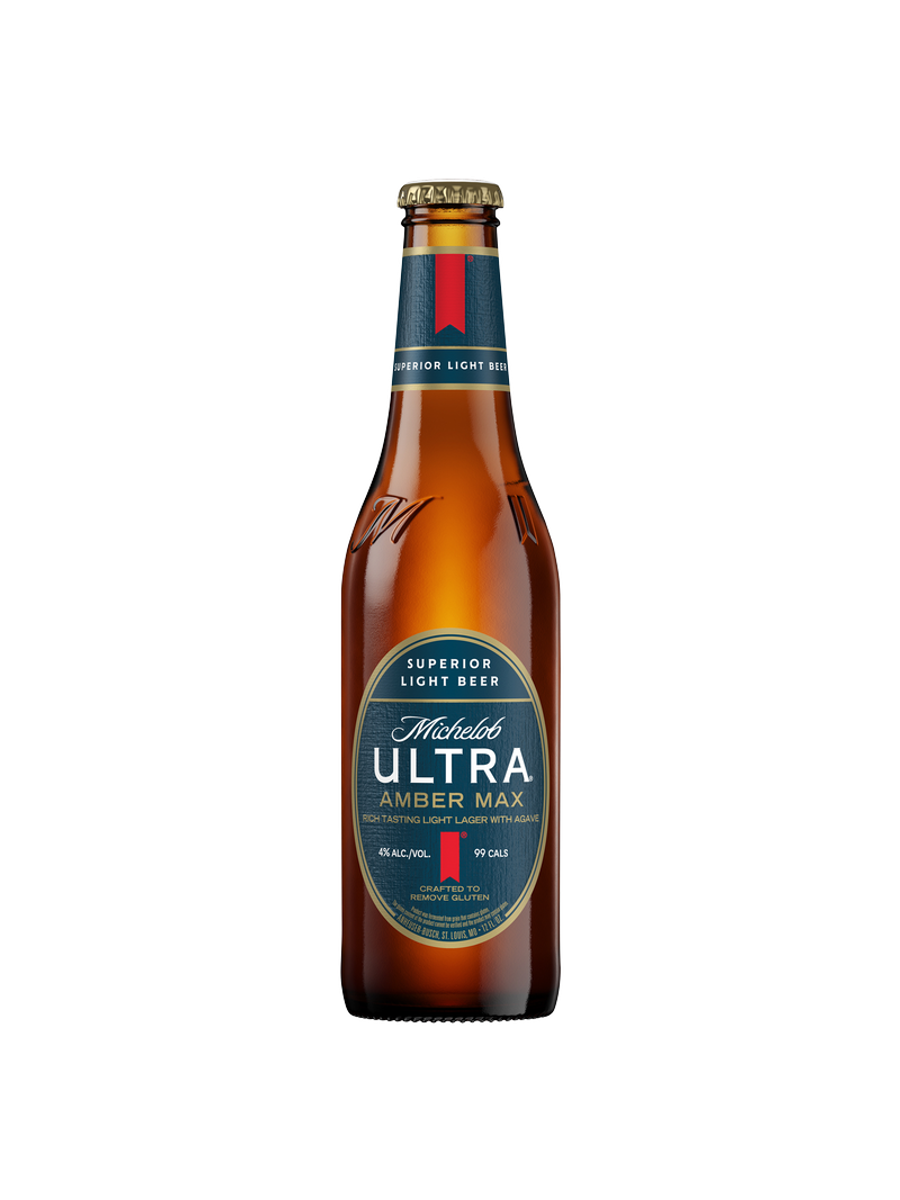
Michelob Ultra Amber
Brewed by Anheuser-Busch
An amber extension that tried to give the Ultra drinker toasted malt without surrendering the low-carb promise.
BAR NOTES
Ultra Amber and Amber Max disappeared as the parent brand focused on its clearer, simpler flagship message. For the larger style context, compare its place in beer history with the current bottles in our best American lagers.
Beyond the package: light caramel, toasted bread and clean fermentation delivered more color than weight, with sweetness kept tightly controlled. It was a rare attempt to make wellness-positioned beer taste visibly malt-driven rather than merely pale. The practical pairing is grilled chicken, turkey burgers or pretzels, not a precious tasting menu built around a dead brand.
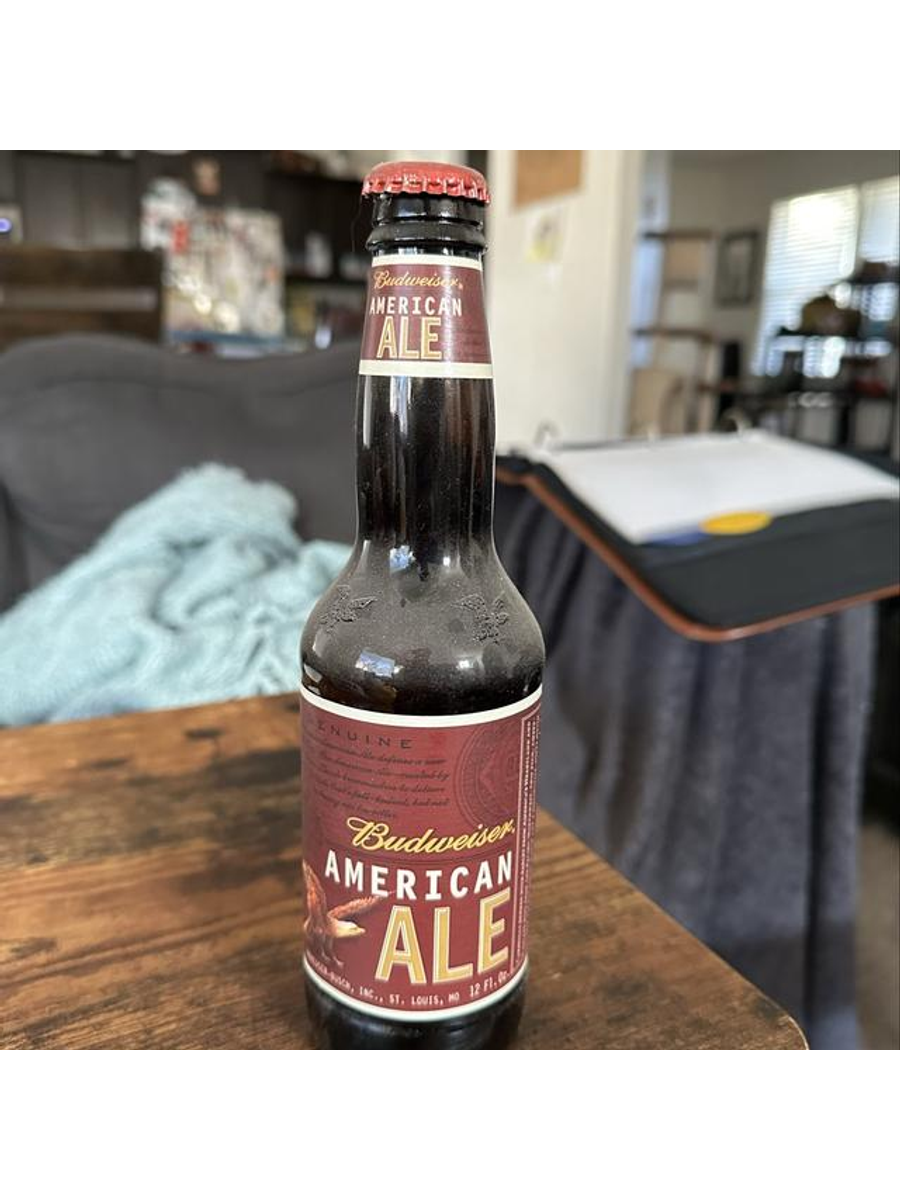
Budweiser American Ale
Brewed by Anheuser-Busch
An all-malt amber ale launched under Budweiser to prove the world’s biggest lager brand could speak craft.
BAR NOTES
American Ale debuted in 2008 with serious advertising and quickly disappeared when the Bud name could not create craft credibility. The beer’s disappearance left a gap that becomes clearer after reading our best amber ales and seeing what the modern shelf kept instead.
In the glass: caramel malt, citrusy hops and mild ale fruit produced a competent amber that tasted more earnest than its reception suggested. Pair it with burgers, barbecue pork or cheddar. The beer failed commercially but anticipated the later wave of large brewers buying or building craft portfolios.
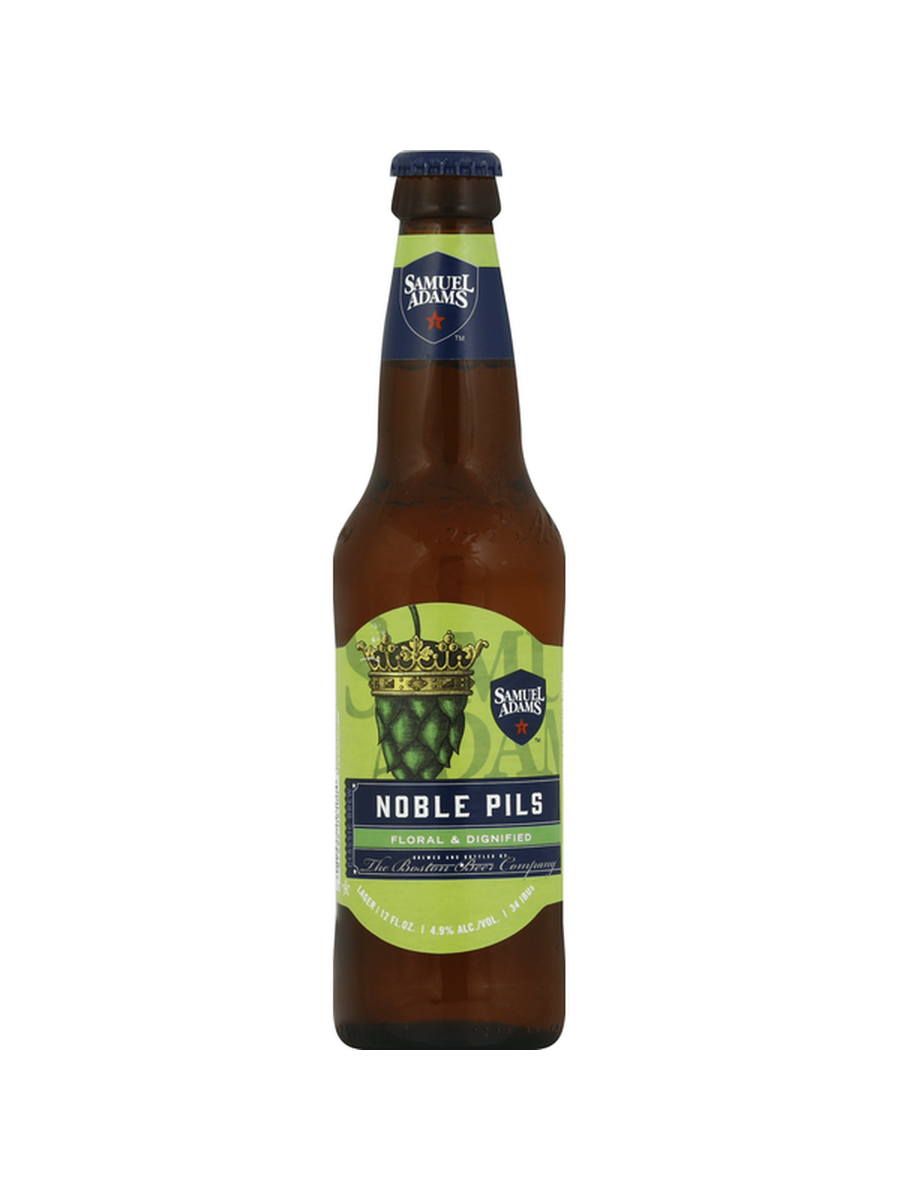
Samuel Adams Noble Pils
Brewed by Boston Beer Company
Five noble hop varieties gave this spring lager floral snap and showed national drinkers how expressive pilsner could be.
BAR NOTES
Noble Pils rotated out as Samuel Adams repeatedly reshaped its seasonal calendar and year-round priorities. It belongs beside our American barleywine recipe because the beer’s real importance was the lane it opened, not merely the label people remember.
Flavor is the reason the nostalgia holds up: crisp cracker malt, flowers, herbs and firm bitterness finished dry enough to invite another glass. Its fans remember a period when a large craft brewer could put genuine hop nuance into a mainstream seasonal. If it returned tomorrow, start with schnitzel, roast chicken or soft pretzels and skip the collector-bottle ceremony.
Retired craft flagships and style casualties
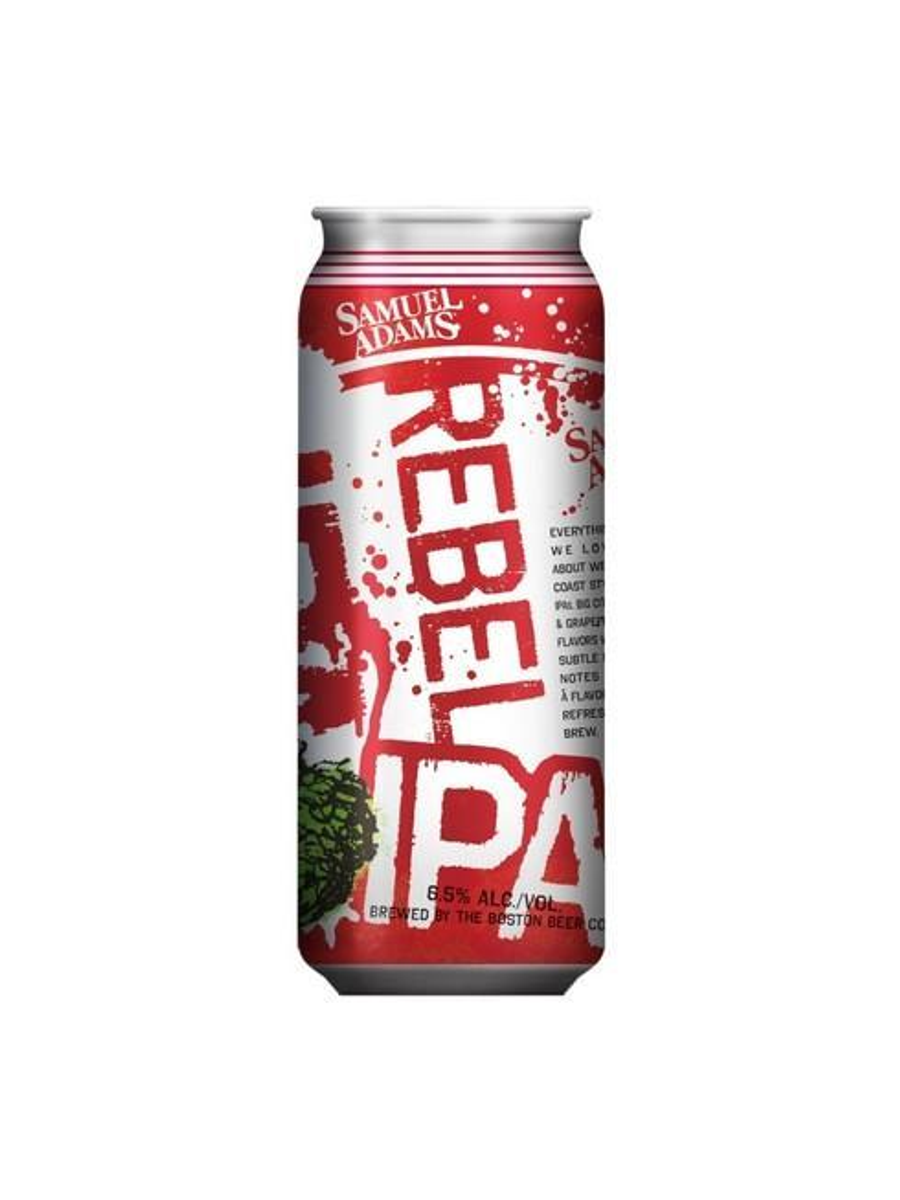
Samuel Adams Rebel IPA
Brewed by Boston Beer Company
A national IPA reset built around West Coast hops before Boston Beer replaced it with a hazier, softer strategy.
BAR NOTES
Rebel became a major launch in 2014, was reformulated, and eventually surrendered the flagship hop role to Wicked Hazy. That story makes it a useful companion to our American IPA recipe, where the surviving style can be judged without nostalgia doing all the work.
What drinkers actually miss: grapefruit, pine, tropical fruit and clean bitterness gave it a broad but recognizable pre-haze IPA profile. Its quick rise and retirement show how brutally fast national IPA preferences moved during one decade. A fresh revival would make the most sense beside spicy sausage pizza, buffalo chicken or sharp cheddar, served without overthinking it.
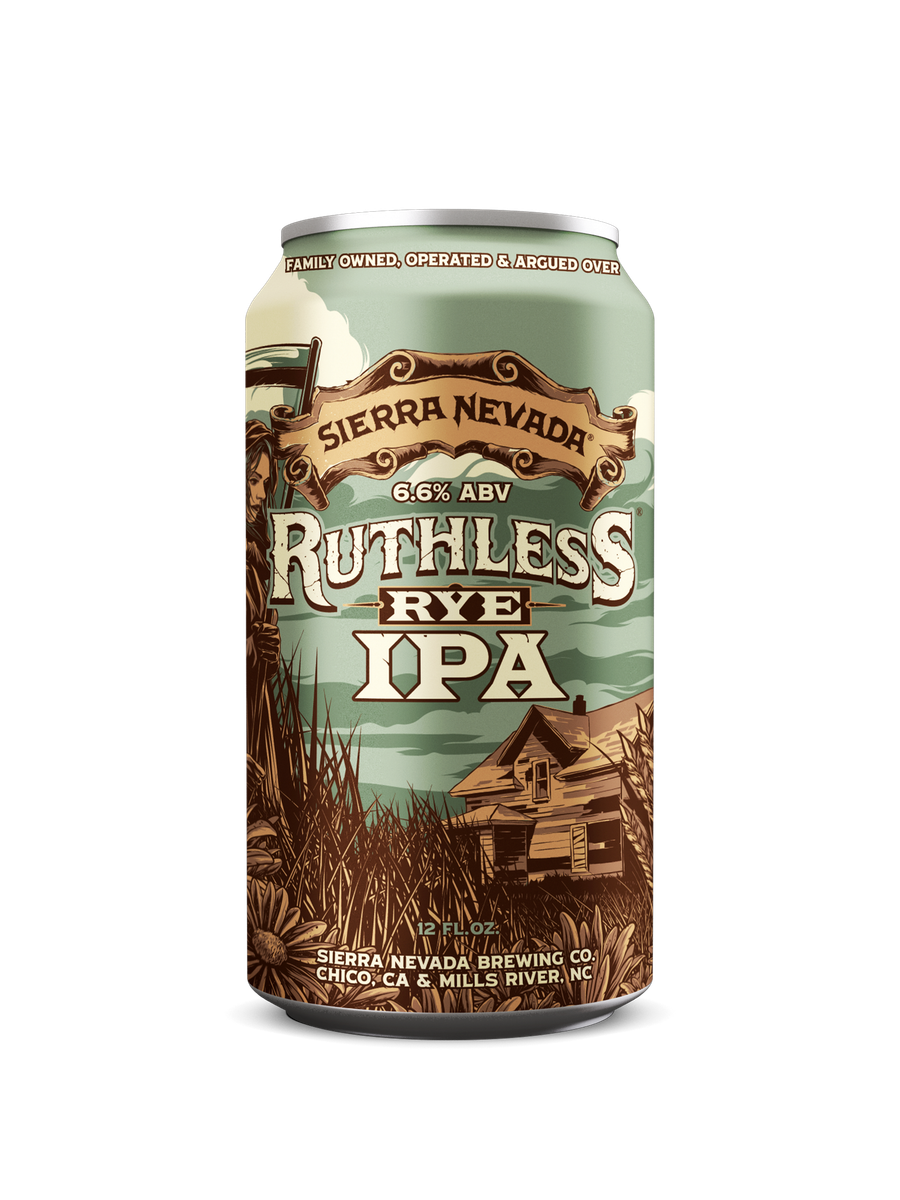
Sierra Nevada Ruthless Rye IPA
Brewed by Sierra Nevada Brewing Co.
A spicy winter IPA that joined rye snap with Sierra Nevada’s disciplined citrus-and-pine hopping.
BAR NOTES
Ruthless Rye moved from celebrated seasonal to occasional memory as the brewery simplified its rotating lineup. Its rise and fall also explains part of the landscape covered in our best rye beers, especially the styles and regional habits that outlived the package.
The original appeal: peppery rye, grapefruit, pine and caramel malt created a firm, dry-edged IPA with more grain personality than most. Try that profile with pastrami, grilled sausage or aged Gouda. It remains the bottle many drinkers cite when arguing that rye IPA deserved more than a brief trend cycle.
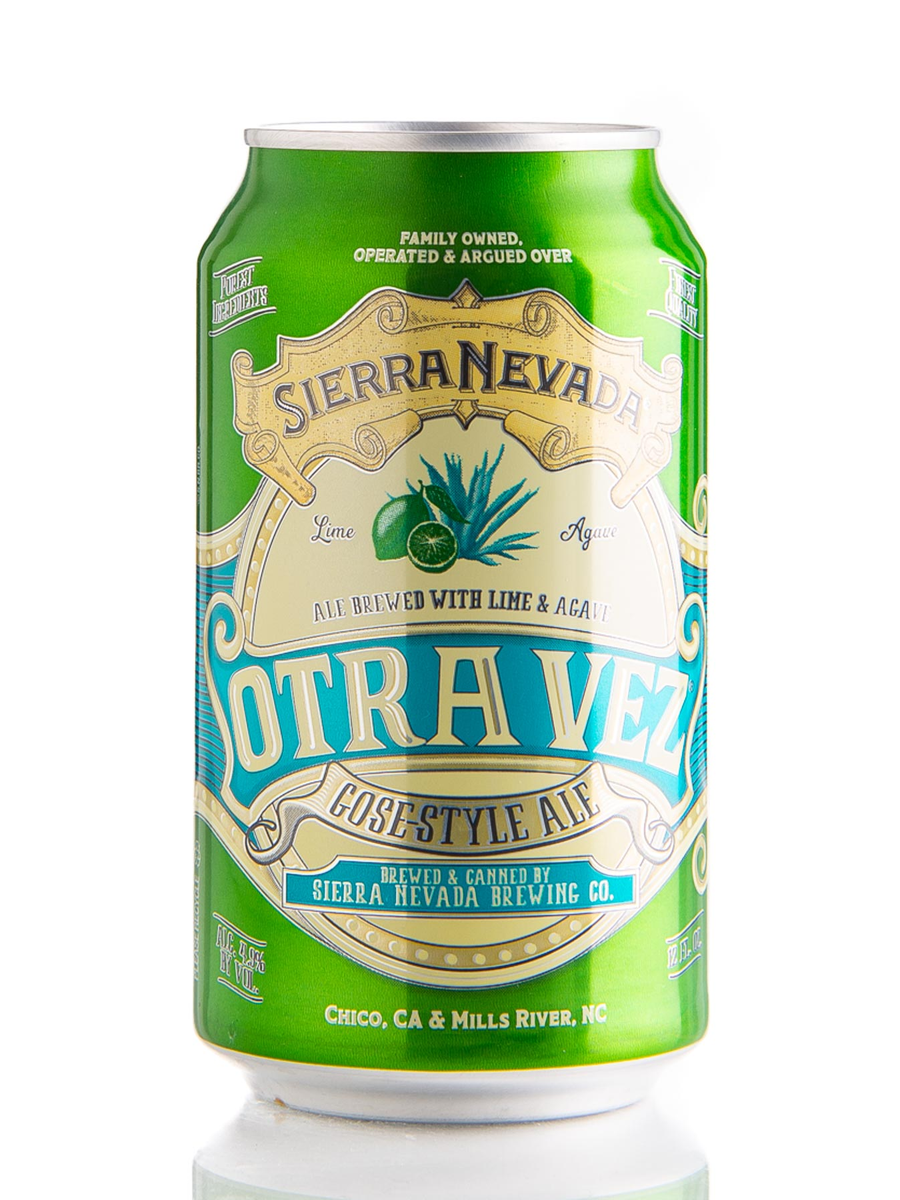
Sierra Nevada Otra Vez
Brewed by Sierra Nevada Brewing Co.
A nationally distributed gose that used prickly pear and grapefruit to make salty sour beer unusually approachable.
BAR NOTES
Otra Vez changed fruit recipes during its run and later left the core lineup as sour shelves became more crowded. For the larger style context, compare its place in beer history with the current bottles in our best sour beers.
Beyond the package: tart citrus, light salt, cactus fruit and wheat finished briskly without the candy sweetness of many later fruit sours. It helped move gose from specialist bottle shops into ordinary grocery coolers before the category fragmented. The practical pairing is ceviche, fish tacos or feta salad, not a precious tasting menu built around a dead brand.
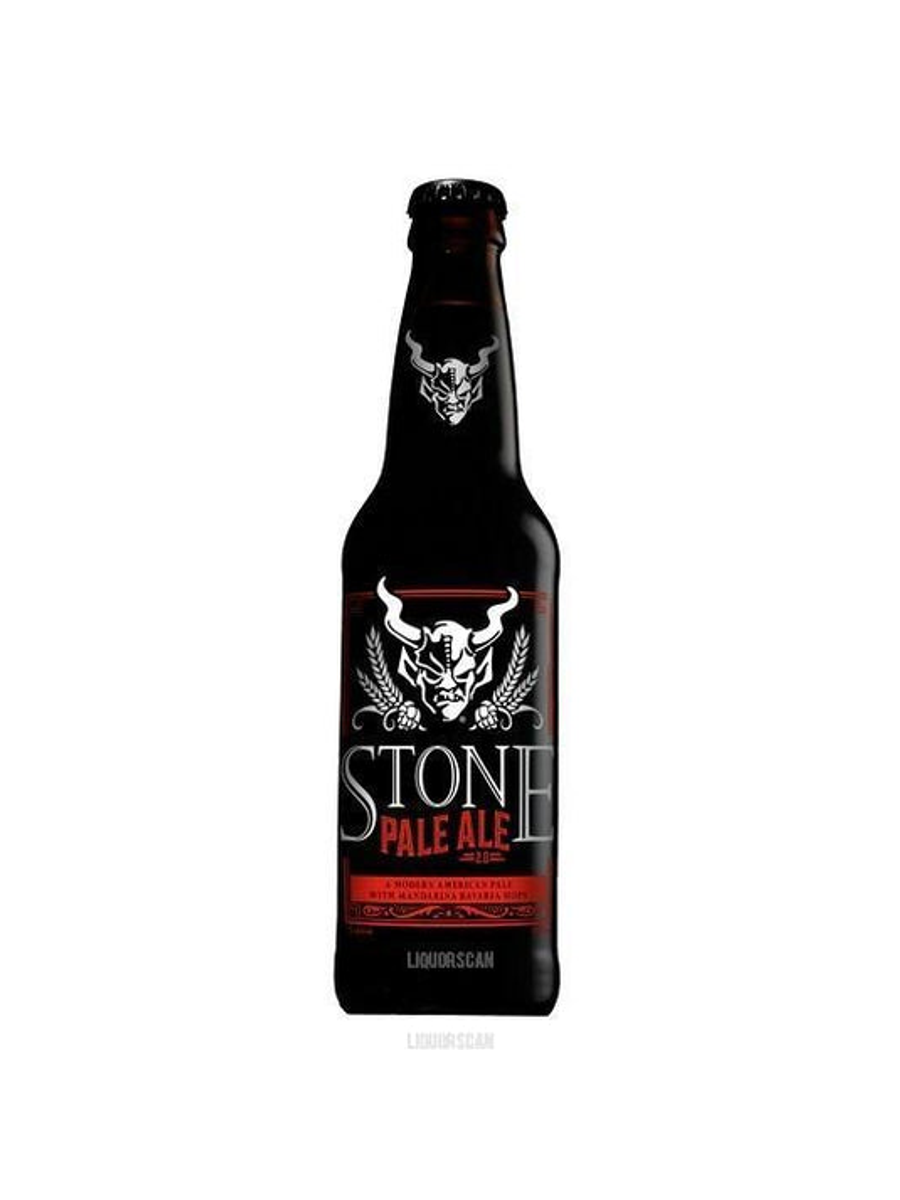
Stone Pale Ale 2.0
Brewed by Stone Brewing
A Mandarina Bavaria-led reboot of Stone’s original flagship that modernized the aroma but could not replace the emotional attachment.
BAR NOTES
Stone retired its original pale ale for this 2.0 version, then retired the replacement as priorities shifted again. The beer’s disappearance left a gap that becomes clearer after reading our American pale ales and seeing what the modern shelf kept instead.
In the glass: orange peel, pine, bread crust and assertive bitterness made it brighter than the old recipe while remaining unmistakably Stone. Pair it with tacos, grilled pork or pepper jack. Its fate is a warning that replacing a beloved flagship can create two discontinued beers instead of one successor.
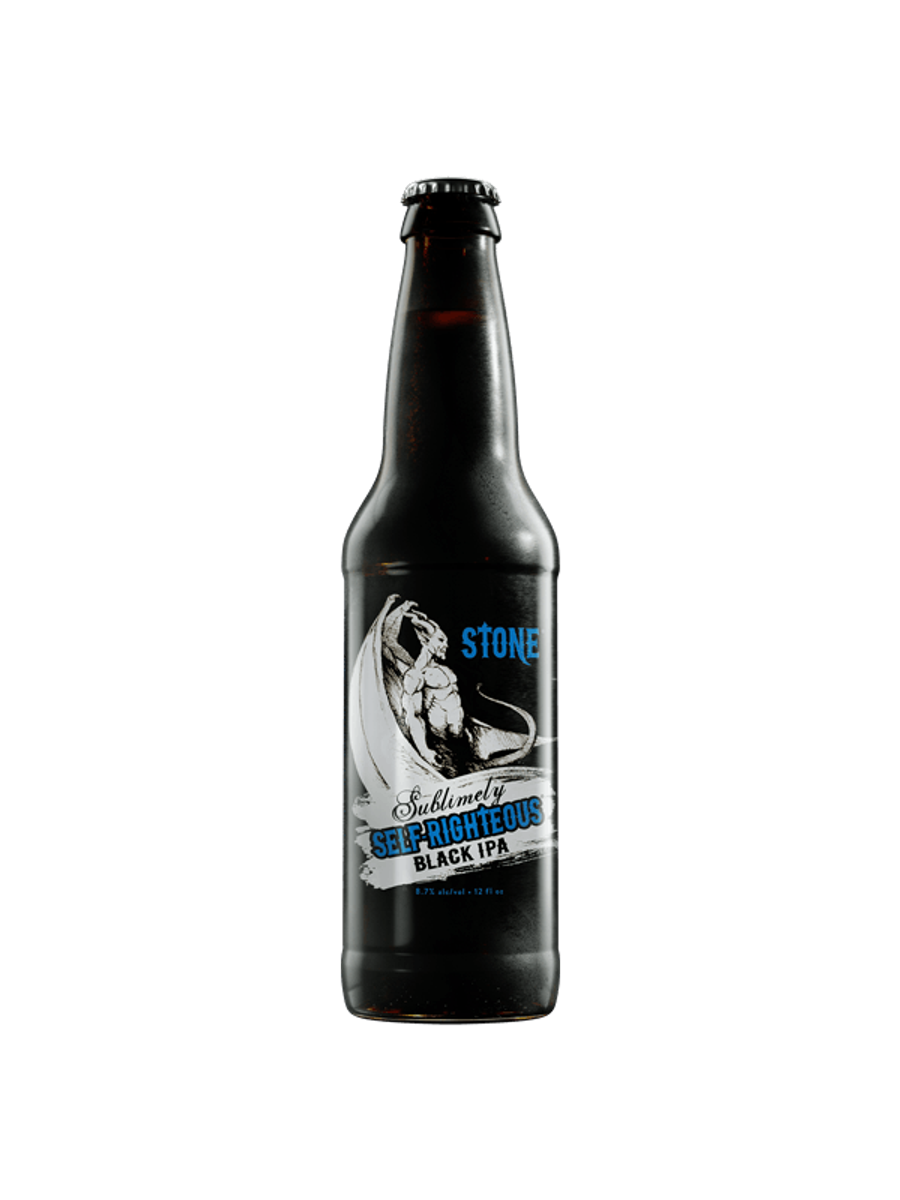
Stone Sublimely Self-Righteous Ale
Brewed by Stone Brewing
One of the definitive black IPAs, layering citrus and pine over roast without collapsing into hoppy stout.
BAR NOTES
Stone retired the regular release when black IPA cooled, though limited revivals have repeatedly proved the demand never vanished. It belongs beside our old-school IPAs because the beer’s real importance was the lane it opened, not merely the label people remember.
Flavor is the reason the nostalgia holds up: grapefruit, resin, cocoa and roast reached a tense balance with a dry finish that kept the strength moving. A temporary rerelease does not erase how completely this once-prominent style disappeared from everyday shelves. If it returned tomorrow, start with smoked brisket, blue cheese or charred mushrooms and skip the collector-bottle ceremony.
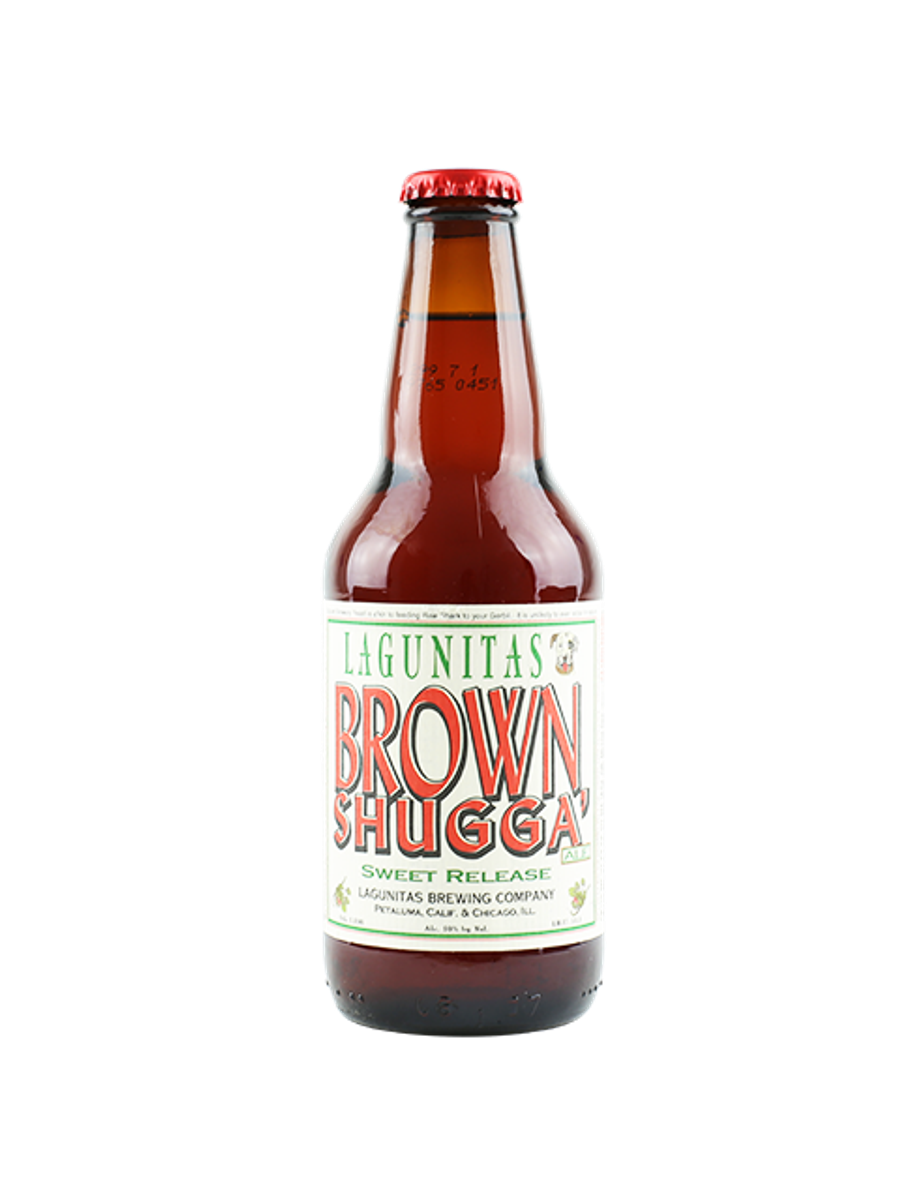
Lagunitas Brown Shugga’
Brewed by Lagunitas Brewing Company
A famously accidental strong ale born when a failed barleywine batch was rescued with brown sugar.
BAR NOTES
Brown Shugga’ became a beloved winter release before Lagunitas removed it from the dependable seasonal calendar. That story makes it a useful companion to our American barleywine recipe, where the surviving style can be judged without nostalgia doing all the work.
What drinkers actually miss: molasses, caramel, dark fruit, citrus hops and warming alcohol turned a brewing mistake into a dangerously drinkable tradition. Its origin story is exactly why homebrewers love it: a miss became a beer with more personality than the plan. A fresh revival would make the most sense beside pecan pie, glazed ham or aged cheddar, served without overthinking it.
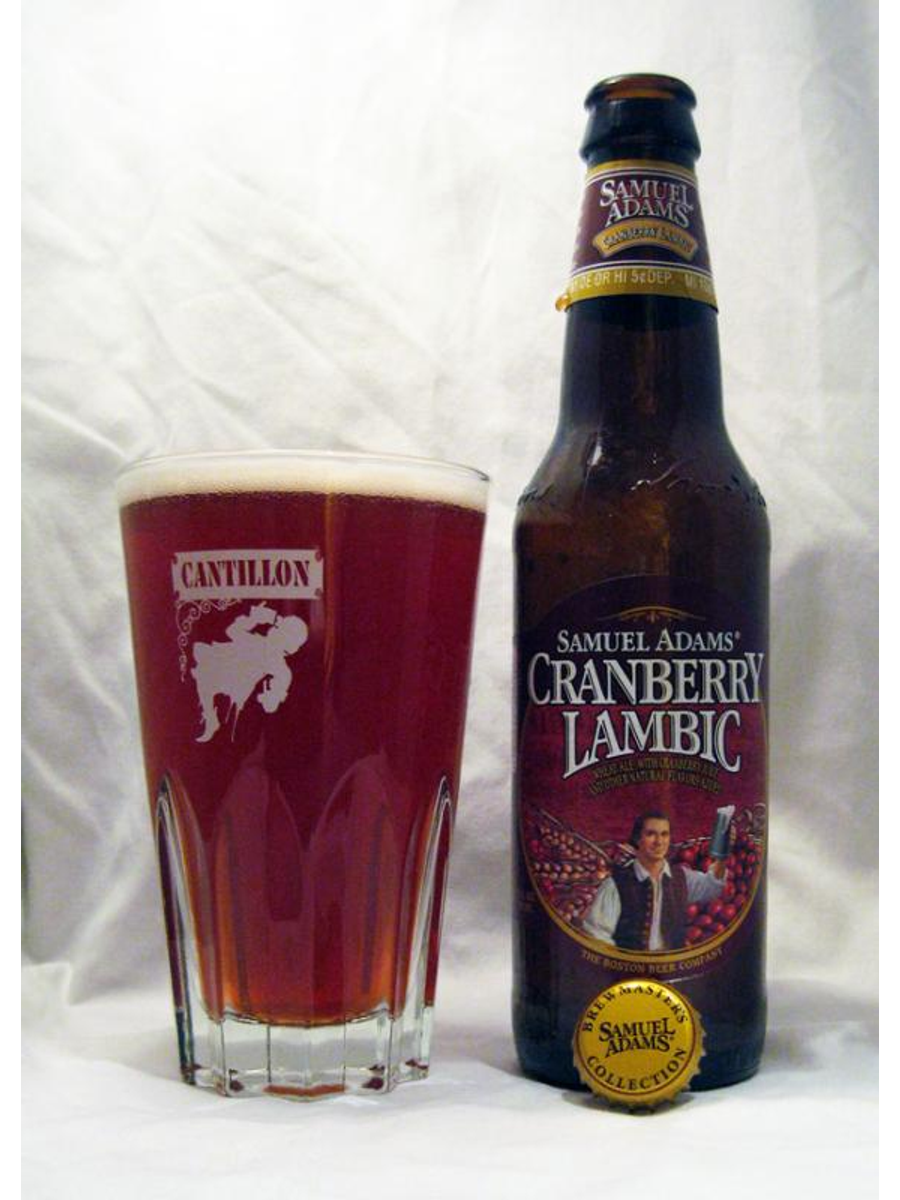
Samuel Adams Cranberry Lambic
Brewed by Boston Beer Company
A tart-sweet cranberry wheat beer from holiday mixed packs that introduced many drinkers to the word “lambic,” loosely used.
BAR NOTES
Cranberry Lambic inspired both loyalty and ridicule before disappearing from modern Samuel Adams seasonal assortments. Its rise and fall also explains part of the landscape covered in our best old ales, especially the styles and regional habits that outlived the package.
The original appeal: cranberry skin, wheat, gentle spice and sweet-tart fruit made it more holiday fruit ale than Belgian spontaneous fermentation. Try that profile with turkey, baked Brie or leftover stuffing. The name invites a useful style argument, but the flavor memory is why drinkers still ask for the bottle back.
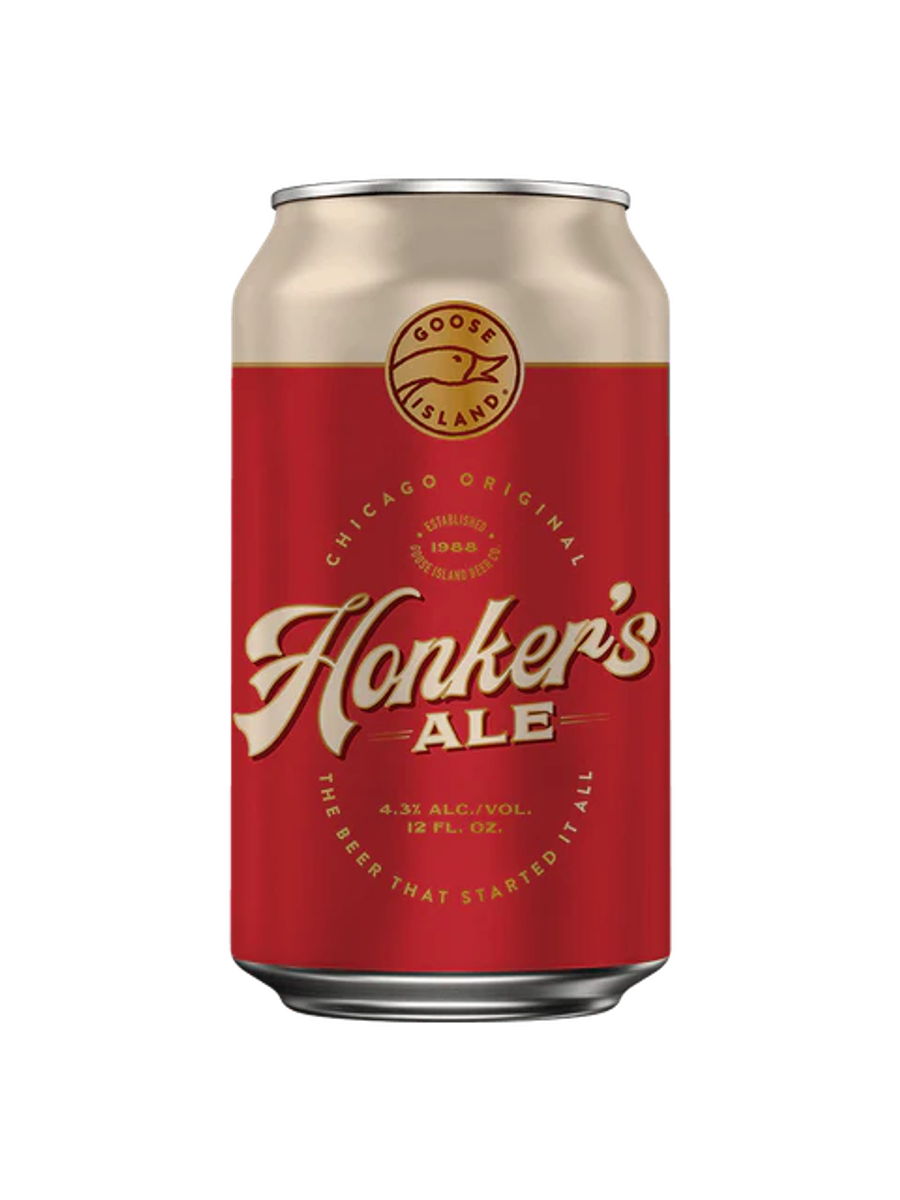
Goose Island Honkers Ale
Brewed by Goose Island Beer Co.
A balanced pub ale that carried Goose Island’s English influence long before Bourbon County dominated the brand story.
BAR NOTES
Honkers Ale retreated from broad packaging and distribution as IPA and barrel-aged beer became more commercially important. For the larger style context, compare its place in beer history with the current bottles in our classic American ales.
Beyond the package: biscuit, caramel, orange and earthy hops delivered balance at a pub-friendly strength with none of today’s flavor inflation. Chicago lost a useful everyday ale when Honkers stopped being an ordinary six-pack rather than a specialty memory. The practical pairing is fish and chips, meat pies or mild cheddar, not a precious tasting menu built around a dead brand.
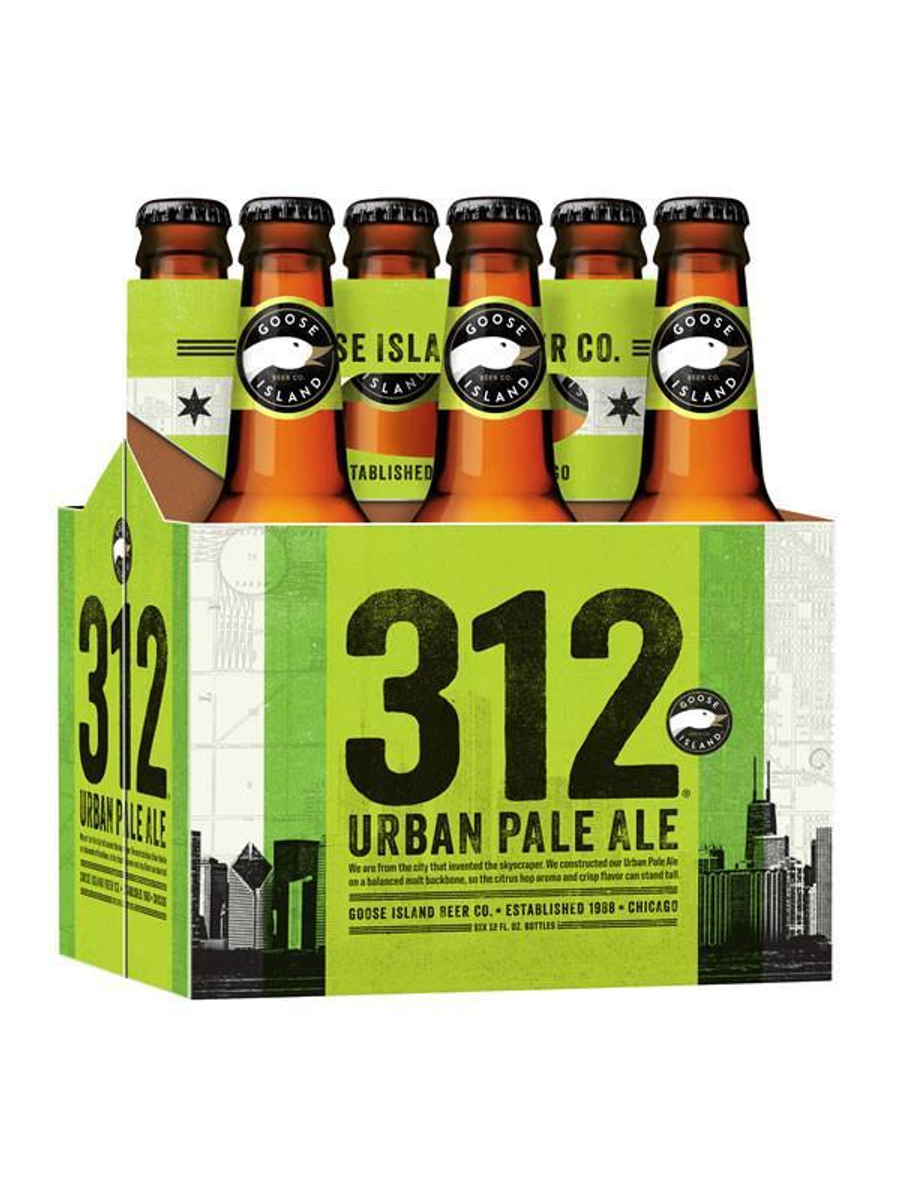
Goose Island 312 Urban Pale Ale
Brewed by Goose Island Beer Co.
A hop-forward 312 sibling created to extend the city-branded family beyond the familiar wheat ale.
BAR NOTES
Urban Pale Ale arrived during Goose Island’s national expansion but failed to become as durable as the original 312. The beer’s disappearance left a gap that becomes clearer after reading our American pale ales and seeing what the modern shelf kept instead.
In the glass: citrus hops, light caramel and a clean pale-ale finish offered more bitterness without leaving the approachable house style. Pair it with deep-dish pizza, Italian beef or grilled chicken. Its disappearance shows how even strong city branding cannot guarantee every extension a permanent tap handle.
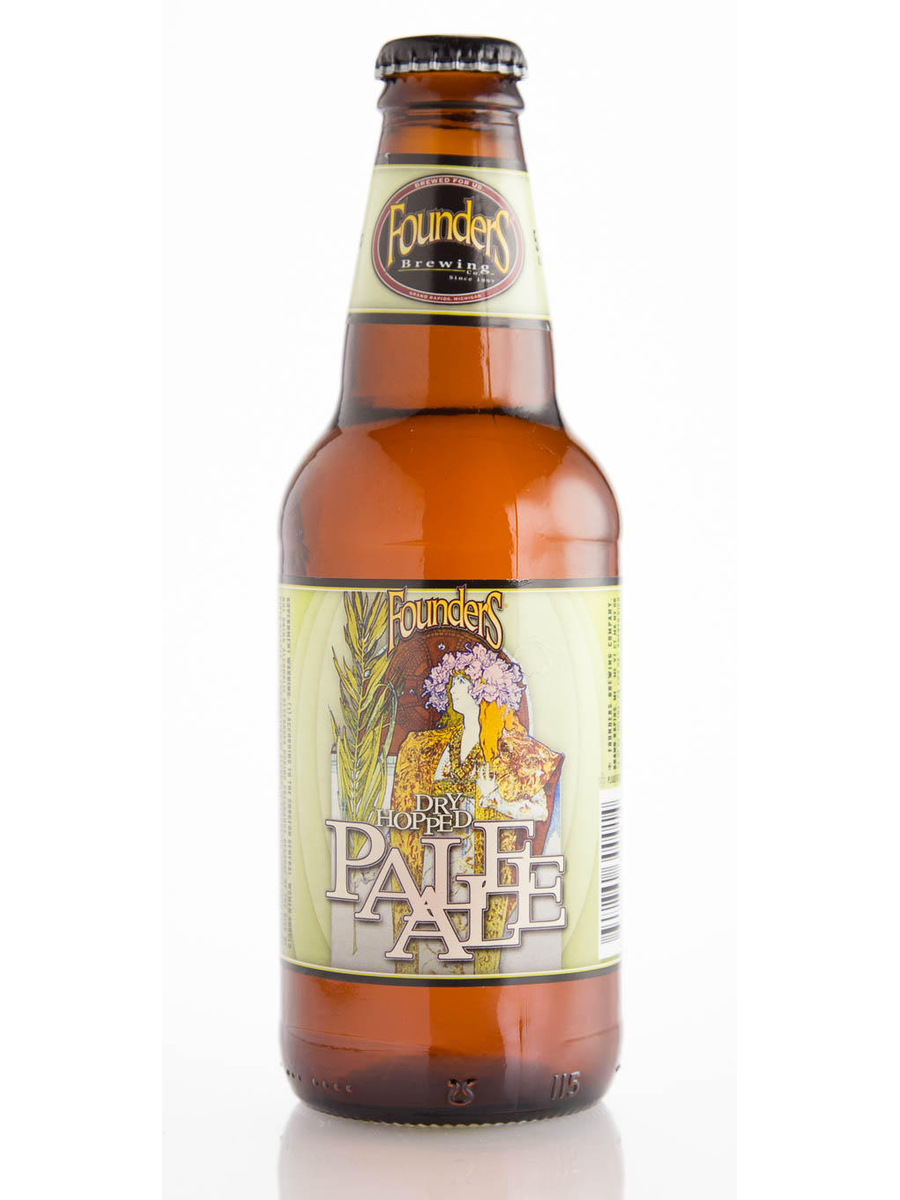
Founders Pale Ale
Brewed by Founders Brewing Co.
A dry-hopped Michigan pale ale that offered grapefruit and balance before Founders became synonymous with stronger brands.
BAR NOTES
Founders retired the dependable pale ale as All Day IPA and high-impact releases took more attention and shelf space. It belongs beside our American pale ales because the beer’s real importance was the lane it opened, not merely the label people remember.
Flavor is the reason the nostalgia holds up: grapefruit, floral hops, light caramel and a dry finish made it the kind of six-pack that disappeared by being too normal. West Michigan beer history feels incomplete without the quiet flagship that many locals drank before the hype years. If it returned tomorrow, start with burgers, pulled pork or a turkey sandwich and skip the collector-bottle ceremony.
The deep cuts worth one more brew
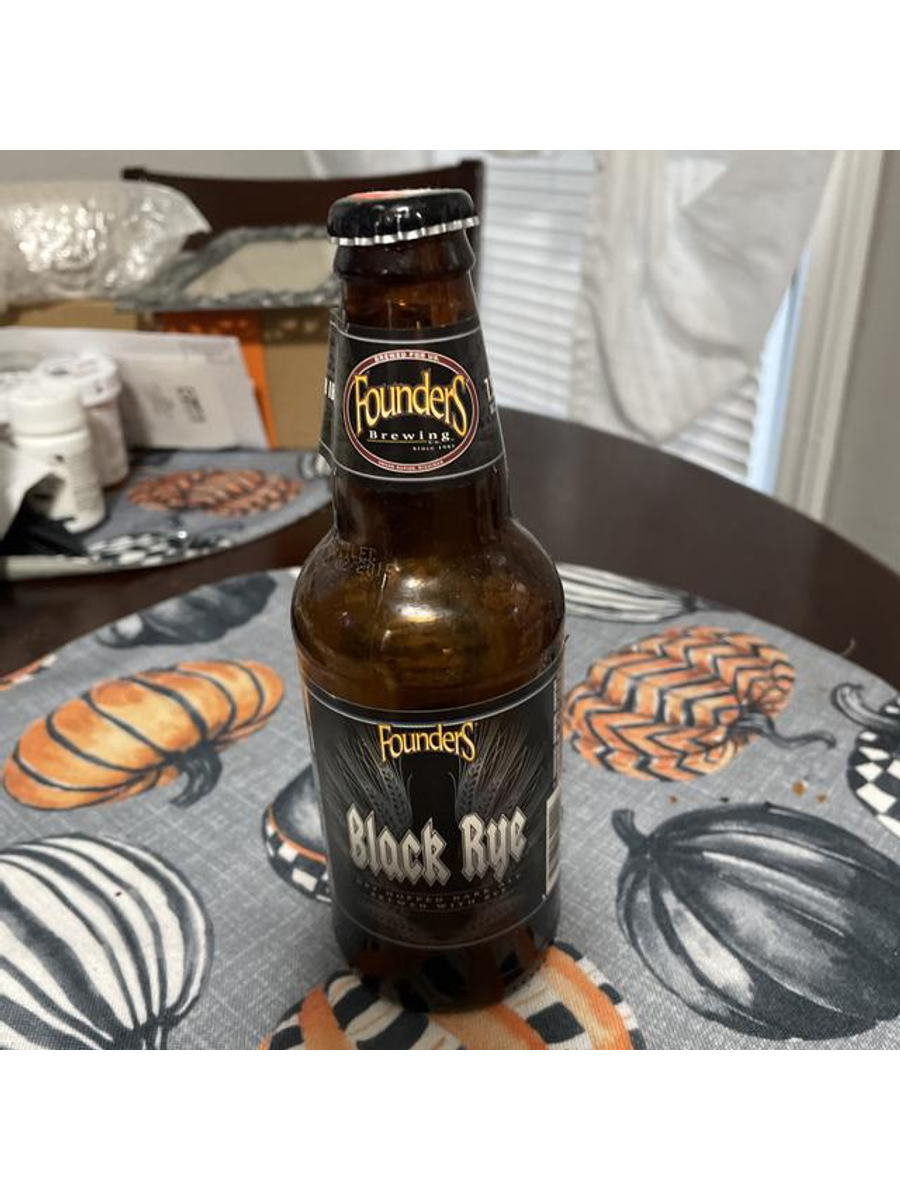
Founders Black Rye
Brewed by Founders Brewing Co.
A dark, spicy rye ale that joined resinous hops with chocolate malt and refused to fit one clean shelf category.
BAR NOTES
Black Rye returned briefly after an earlier retirement, then slipped away again as specialty six-packs became harder to sustain. That story makes it a useful companion to our best rye beers, where the surviving style can be judged without nostalgia doing all the work.
What drinkers actually miss: peppery rye, pine, dark chocolate and roast created an angular beer that changed dramatically as it warmed. It belongs to the experimental middle era when breweries could make a weird year-round beer without calling it limited. A fresh revival would make the most sense beside pastrami, smoked sausage or rye bread with sharp cheese, served without overthinking it.
Pyramid Snow Cap Ale
Brewed by Pyramid Breweries
A dark winter seasonal whose caramel, chocolate and warming strength anchored Pyramid’s cold-weather lineup for years.
BAR NOTES
Snow Cap became harder to find as Pyramid’s breweries closed and the once-prominent brand contracted under new ownership. Its rise and fall also explains part of the landscape covered in our North American beer guide, especially the styles and regional habits that outlived the package.
The original appeal: toffee, cocoa, dark fruit and moderate hop spice made it warming without turning into an imperial dessert beer. Try that profile with beef stew, gingerbread or smoked cheddar. For Pacific Northwest drinkers, the snow-covered label was once as reliable a seasonal signal as the weather.
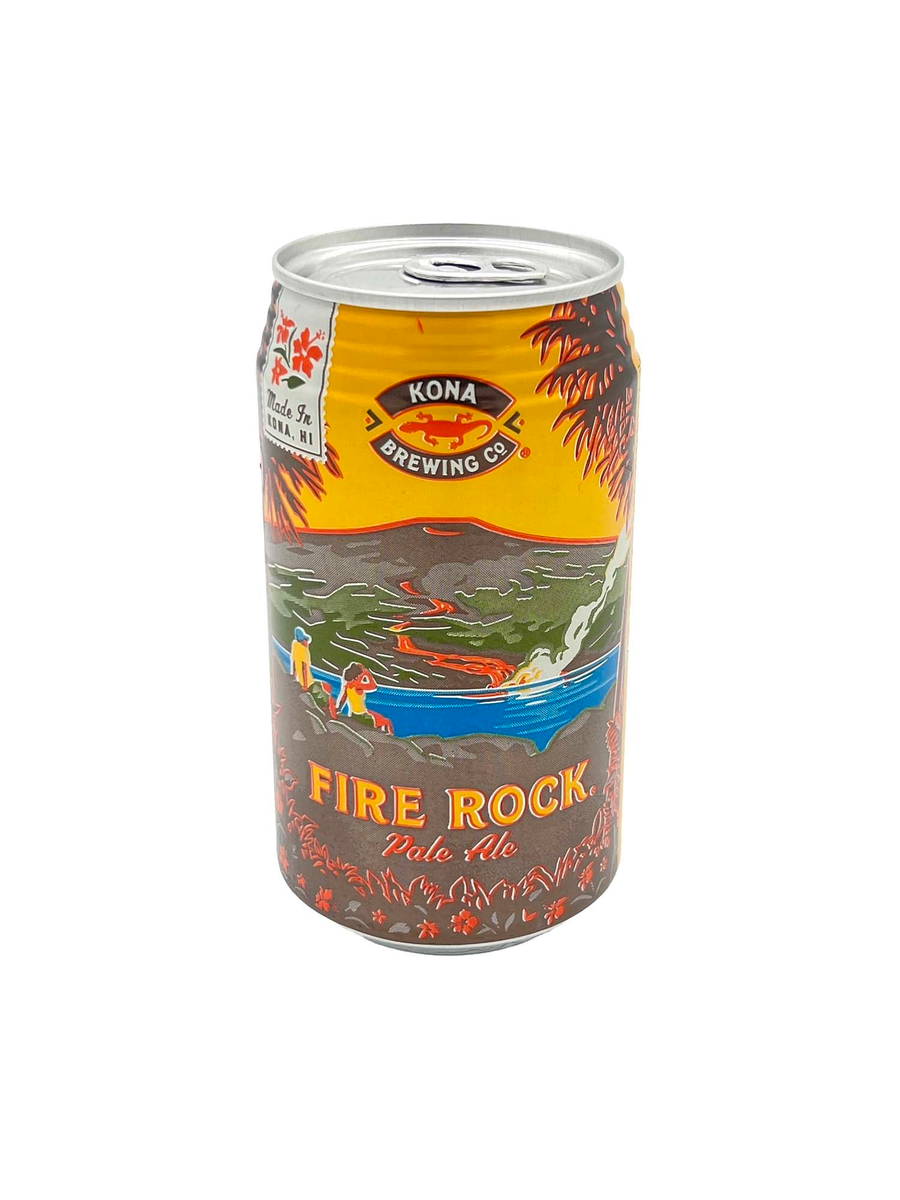
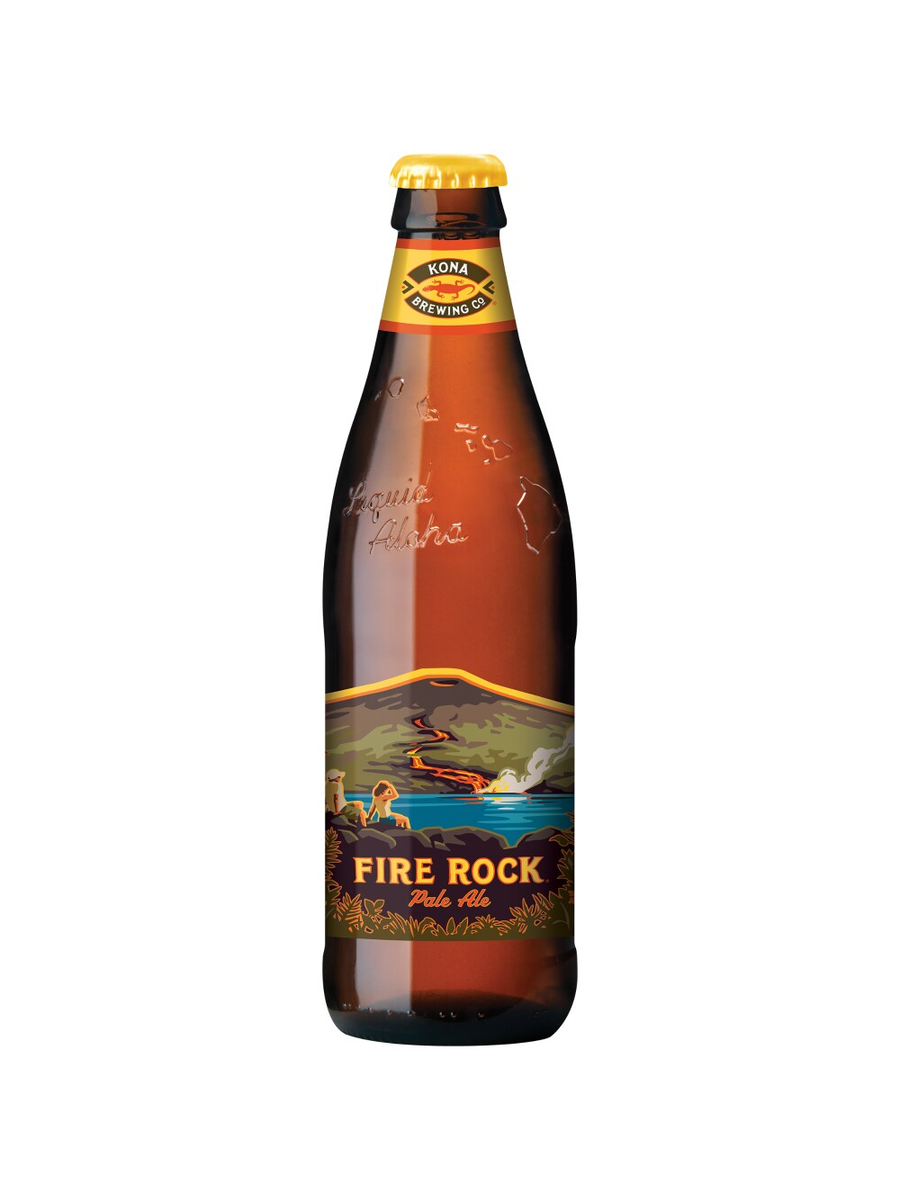
Kona Fire Rock Pale Ale
Brewed by Kona Brewing Company
A copper, citrus-led pale ale that gave Kona’s national lineup more bitterness and malt than its breezier flagships.
BAR NOTES
Fire Rock disappeared from widespread mainland shelves as Kona concentrated on Big Wave and fruit-friendly extensions. For the larger style context, compare its place in beer history with the current bottles in our American pale ales.
Beyond the package: orange, caramel, floral hops and a dry mineral edge made it sturdier than the beach-brand image implied. Its loss narrowed Kona’s identity by removing the beer that best connected Hawaii imagery to classic craft pale ale. The practical pairing is teriyaki chicken, grilled tuna or a bacon burger, not a precious tasting menu built around a dead brand.
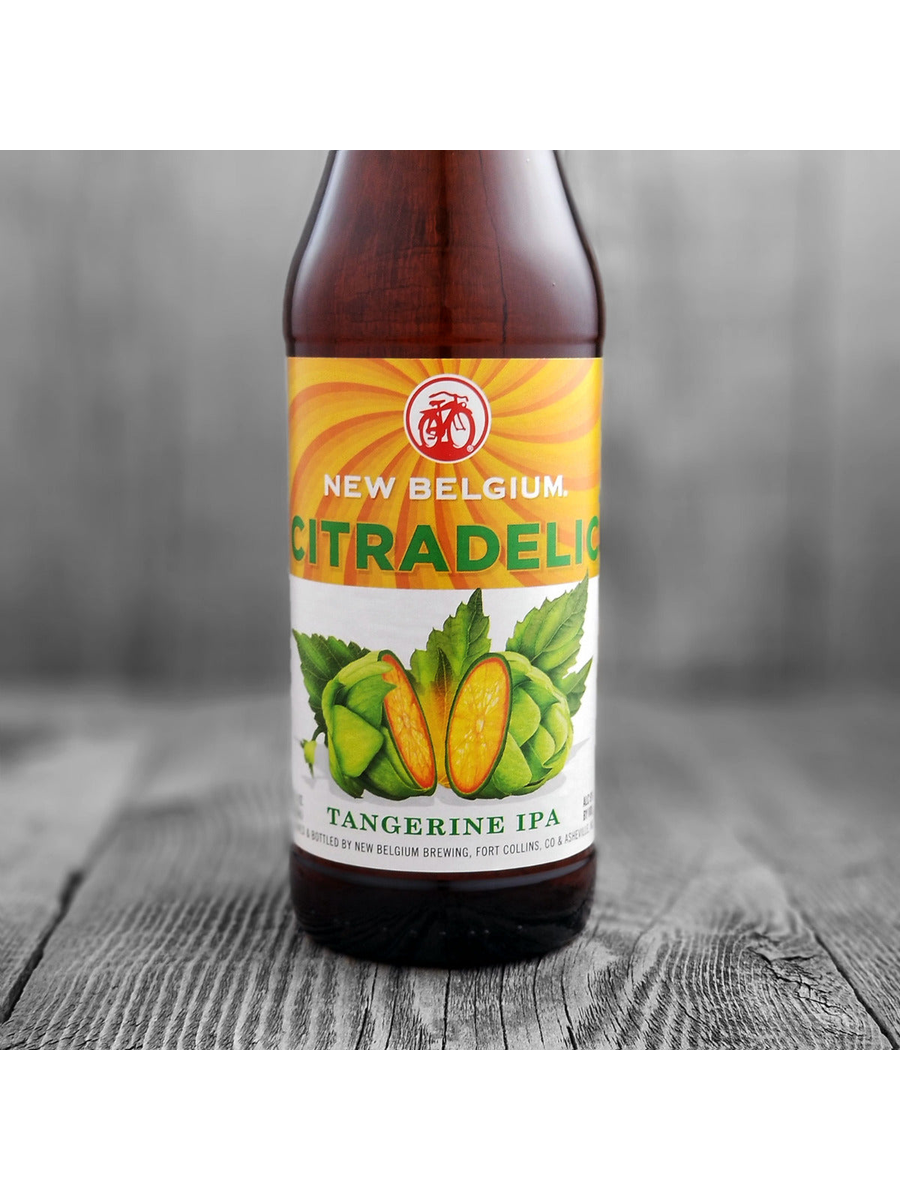
New Belgium Citradelic Tangerine IPA
Brewed by New Belgium Brewing
A bright tangerine IPA that landed just before fruit-forward haze became the dominant way to soften hop bitterness.
BAR NOTES
Citradelic enjoyed a national run but was retired as New Belgium reorganized its hop lineup around Voodoo Ranger. The beer’s disappearance left a gap that becomes clearer after reading our old-school IPAs and seeing what the modern shelf kept instead.
In the glass: tangerine peel, tropical fruit and light pine produced obvious citrus without sliding fully into sweet juice. Pair it with fish tacos, jerk chicken or citrus-marinated pork. It now reads like a transitional beer between clear West Coast IPA and the softer fruit-saturated cans that followed.
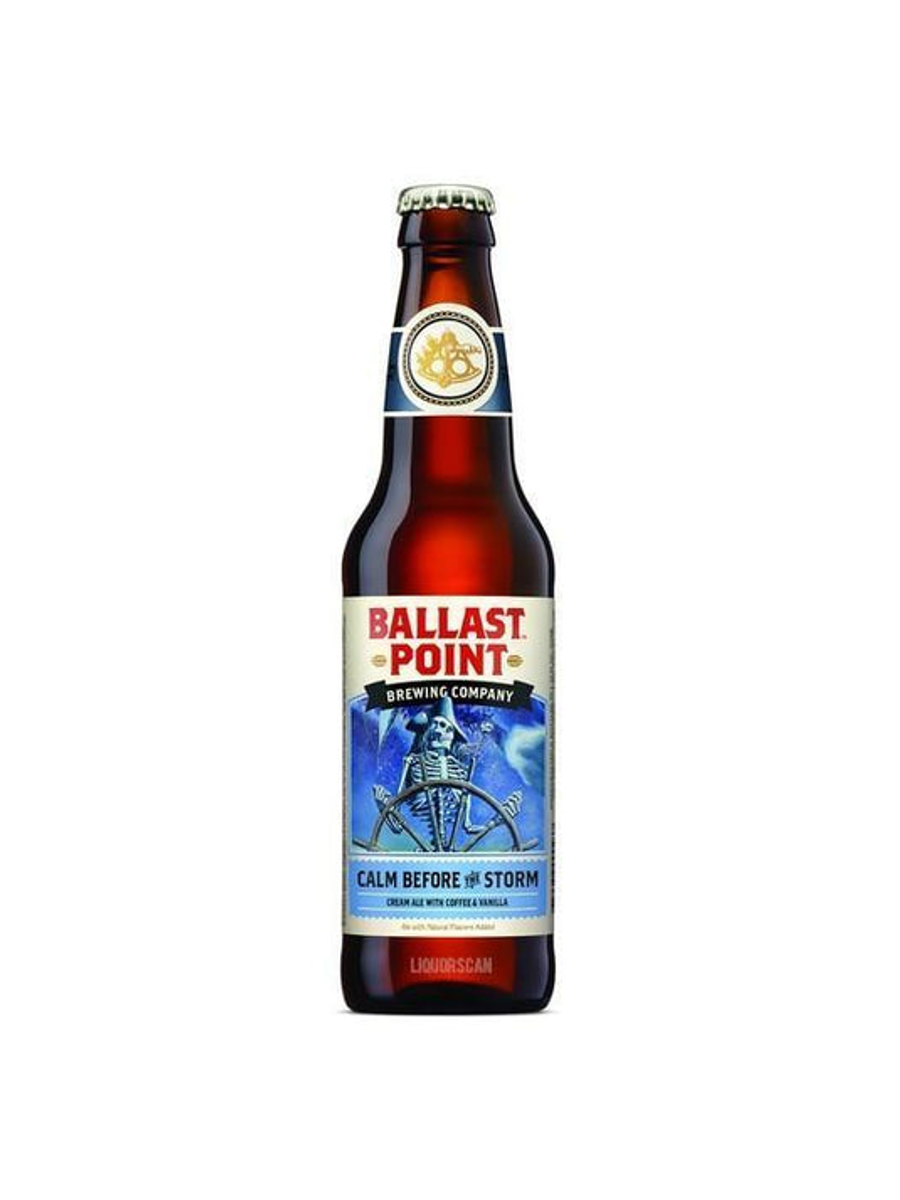
Ballast Point Calm Before the Storm
Brewed by Ballast Point Brewing Company
A pale coffee-and-vanilla ale that flipped the flavors of Victory at Sea into a lighter, stranger package.
BAR NOTES
Calm Before the Storm vanished as Ballast Point trimmed the experimental extensions that once filled its rapid-growth portfolio. It belongs beside our North American beer guide because the beer’s real importance was the lane it opened, not merely the label people remember.
Flavor is the reason the nostalgia holds up: cold-brew coffee, vanilla and pale malt created stout-like aroma without roast color or imperial weight. The beer captured the playful side of mid-2010s craft before portfolios became more disciplined and less weird. If it returned tomorrow, start with brunch, vanilla ice cream or glazed doughnuts and skip the collector-bottle ceremony.
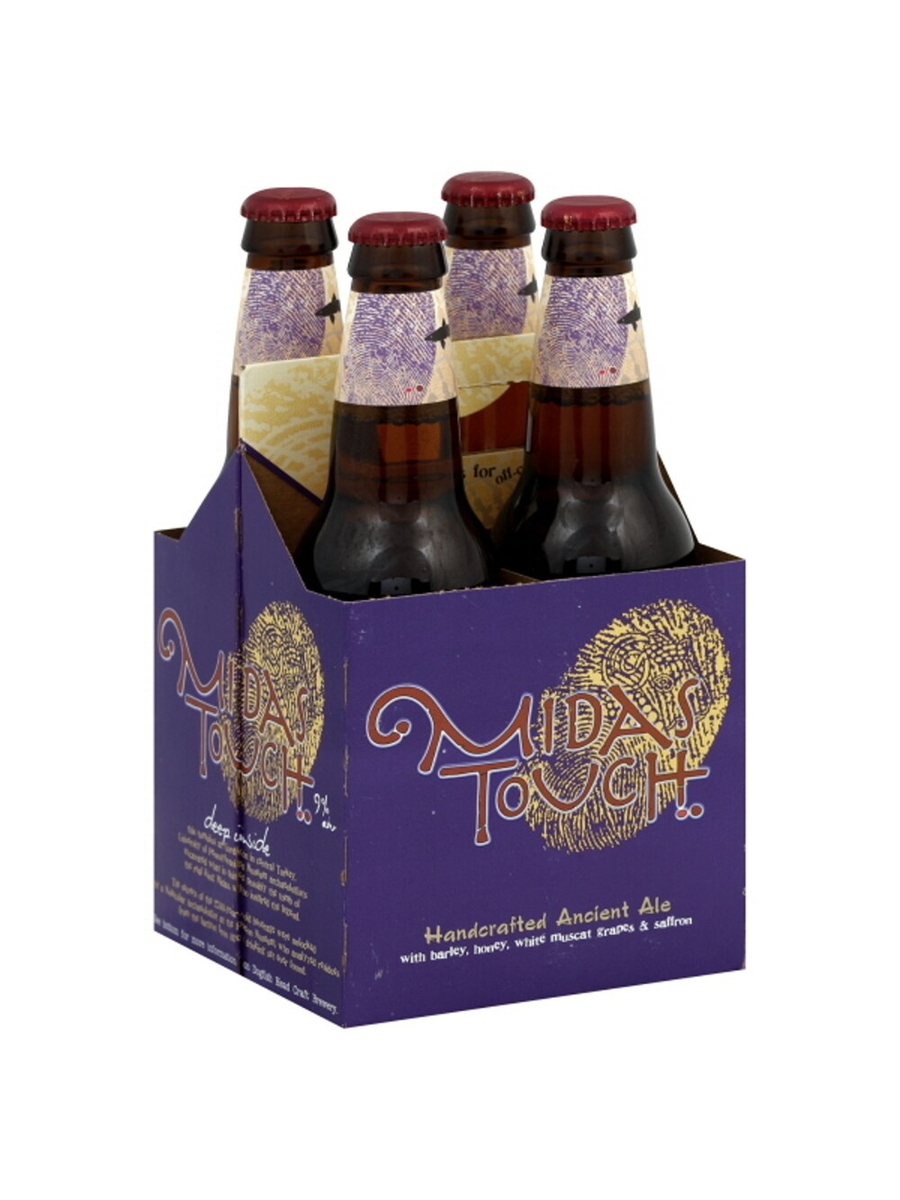
Dogfish Head Midas Touch
Brewed by Dogfish Head Craft Brewery
A honey, grape and saffron hybrid inspired by residue found in an ancient drinking vessel from King Midas’s tomb.
BAR NOTES
Midas Touch left regular production as Dogfish Head reduced the year-round footprint of its archaeology-inspired experiments. That story makes it a useful companion to our North American beer guide, where the surviving style can be judged without nostalgia doing all the work.
What drinkers actually miss: honey, white grape, saffron and warming alcohol blurred beer, wine and mead in a way few national releases attempted. Its disappearance hurts because the beer made brewing history feel drinkable rather than academic. A fresh revival would make the most sense beside roast chicken, saffron rice or blue cheese, served without overthinking it.
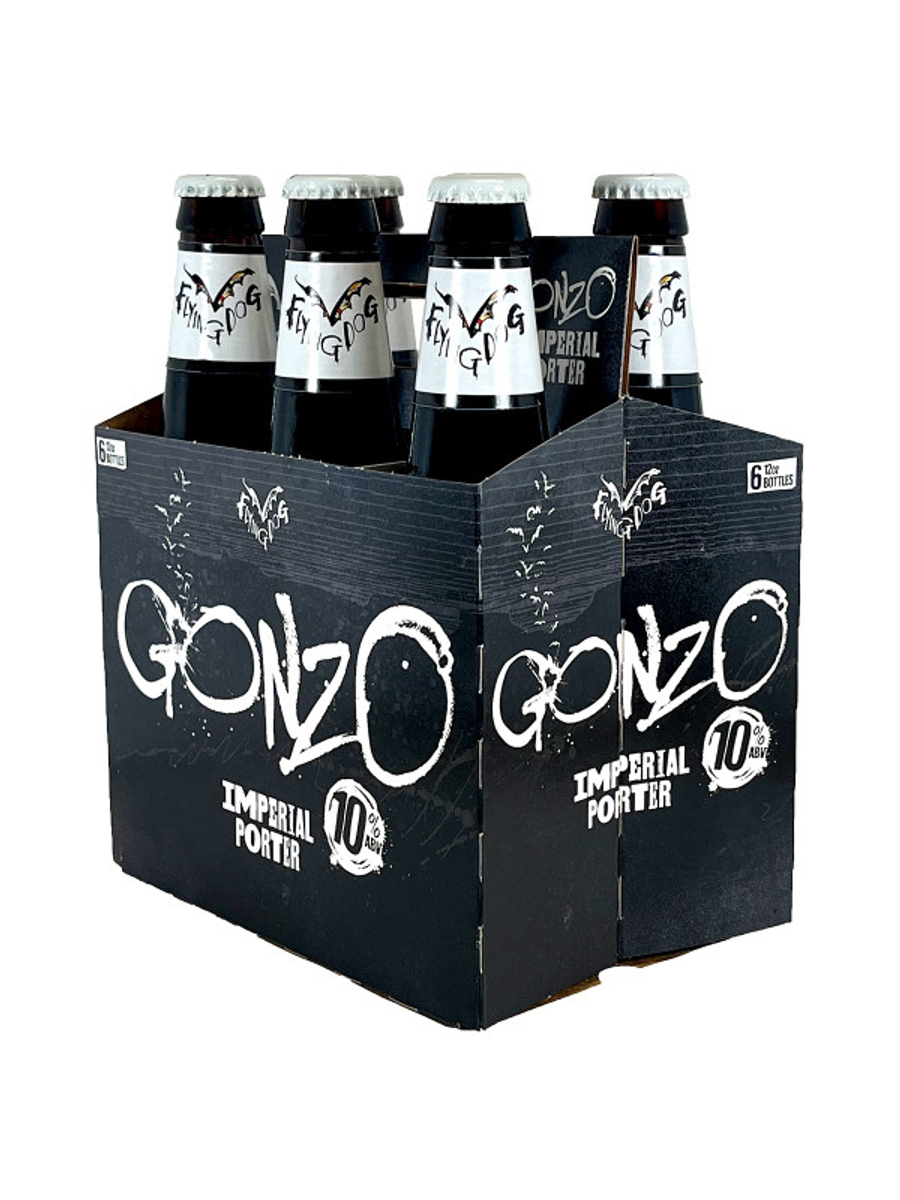
Flying Dog Gonzo Imperial Porter
Brewed by Flying Dog Brewery
A huge, bitter porter honoring Hunter S. Thompson with Ralph Steadman artwork and appropriately confrontational flavor.
BAR NOTES
Gonzo moved out of regular production as Flying Dog’s lineup changed and the Maryland brewery itself later closed. Its rise and fall also explains part of the landscape covered in our American porters, especially the styles and regional habits that outlived the package.
The original appeal: espresso, dark chocolate, licorice, pine and warming alcohol made it more aggressive than the softer imperial porters common today. Try that profile with smoked ribs, flourless chocolate cake or blue cheese. The bottle joined beer, journalism and illustration so completely that replacing the liquid alone would not recreate the experience.
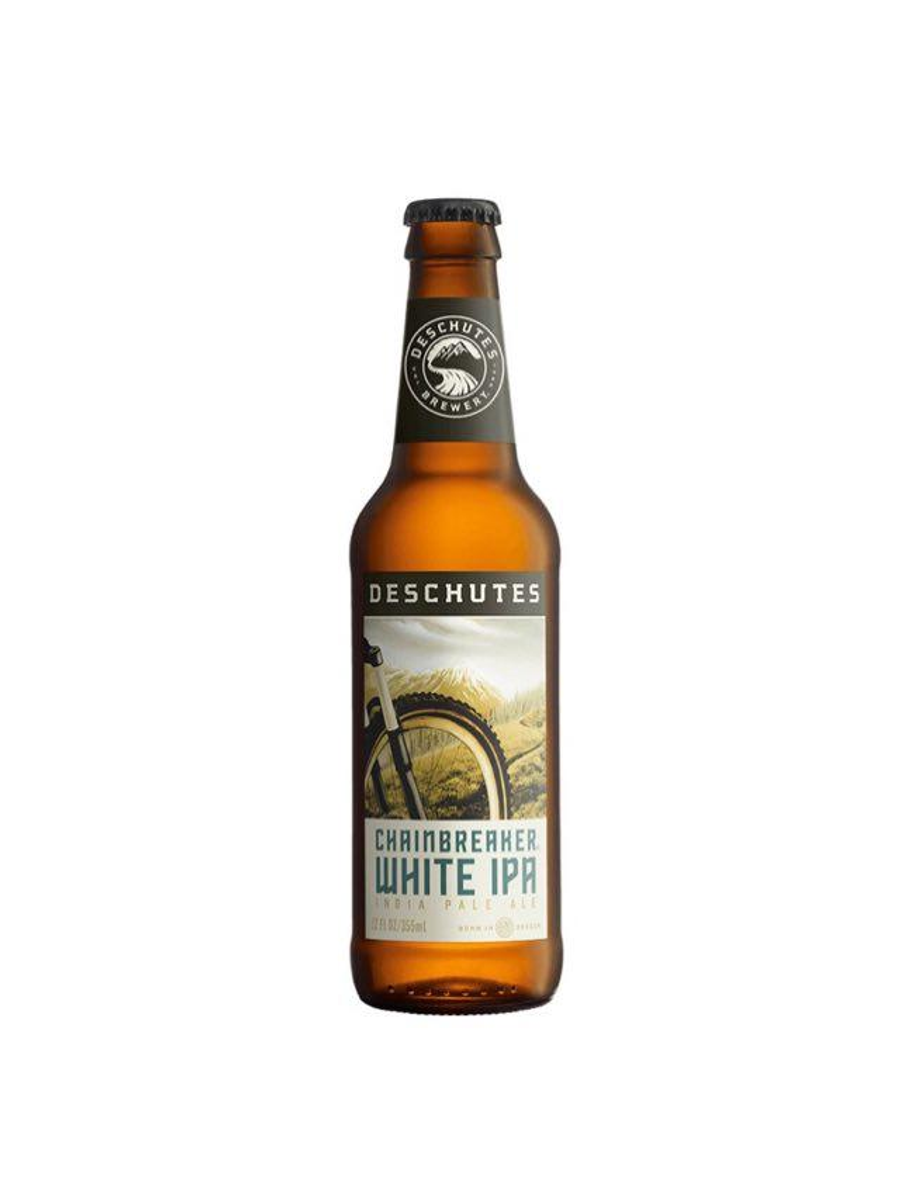
Deschutes Chainbreaker White IPA
Brewed by Deschutes Brewery
A Belgian-wheat and American-IPA hybrid that turned coriander, citrus and hops into one of the era’s better mashups.
BAR NOTES
Chainbreaker disappeared when white IPA’s brief national moment passed and Deschutes tightened its packaged lineup. For the larger style context, compare its place in beer history with the current bottles in our old-school IPAs.
Beyond the package: orange peel, coriander, wheat softness and grapefruit hops balanced yeast spice against a clean bitter finish. It deserves another run because the hybrid solved a real flavor problem instead of combining styles for novelty alone. The practical pairing is Thai curry, grilled shrimp or peppery goat cheese, not a precious tasting menu built around a dead brand.
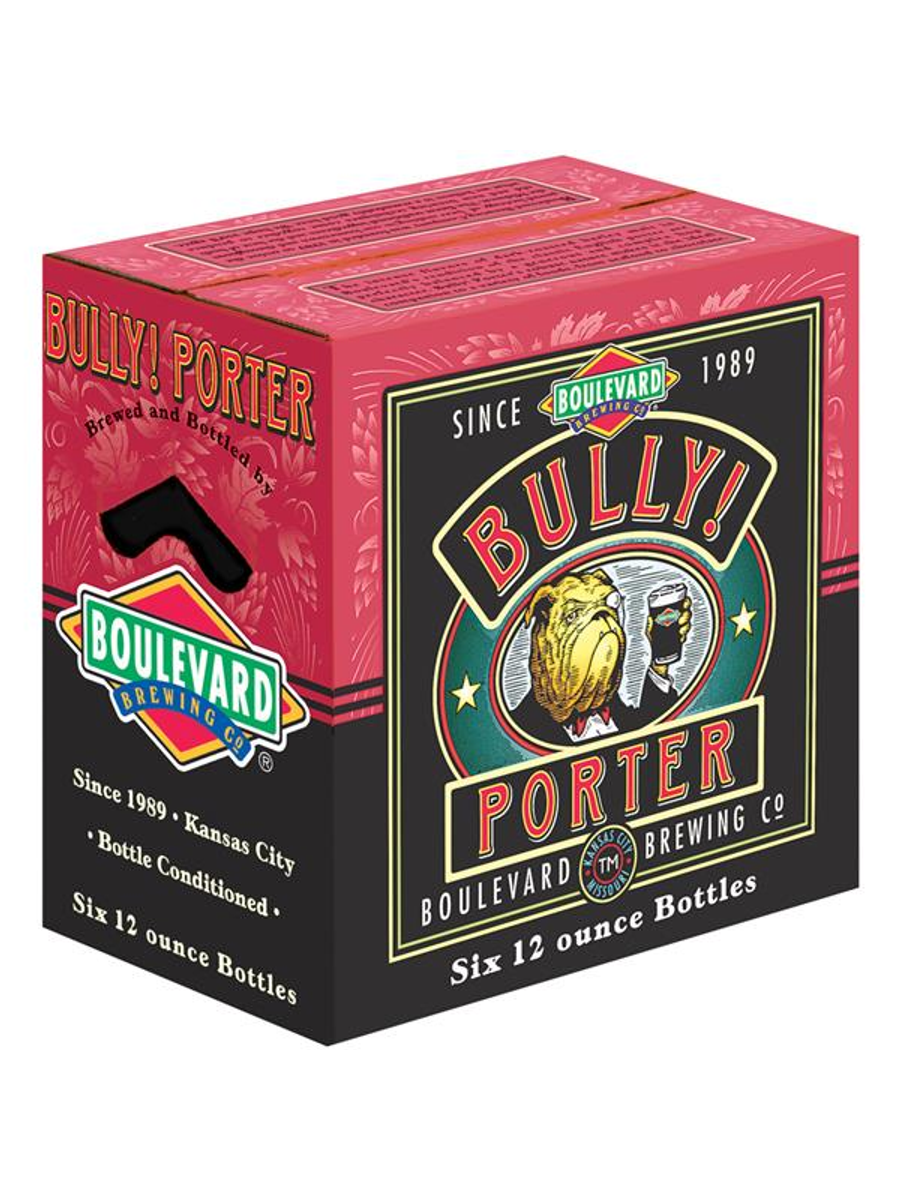
Boulevard Bully! Porter
Brewed by Boulevard Brewing Co.
A roasty, everyday porter that gave Boulevard’s core lineup a dependable dark beer before specialty releases took center stage.
BAR NOTES
Bully! Porter left regular shelves as year-round porter became a harder sell in an IPA- and seasonal-driven market. The beer’s disappearance left a gap that becomes clearer after reading our American porters and seeing what the modern shelf kept instead.
In the glass: coffee, cocoa, toasted nuts and earthy hops stayed dry enough for a full pint rather than a dessert-sized pour. Pair it with barbecue brisket, chili or chocolate brownies. Its retirement represents the slow disappearance of affordable, non-imperial dark ale from ordinary craft six-packs.
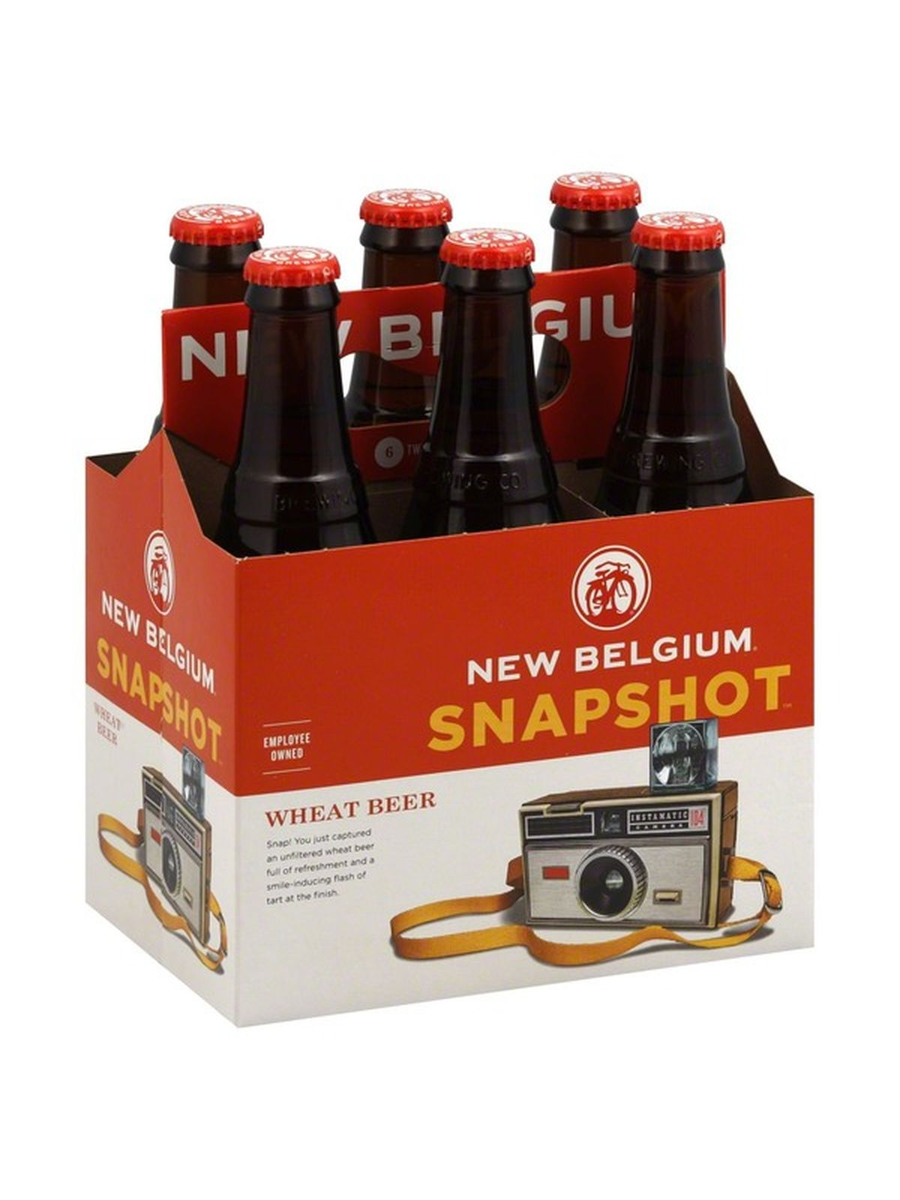
New Belgium Snapshot Wheat
Brewed by New Belgium Brewing
A cloudy wheat ale with citrus and a faint tart edge that arrived before kettle sour became a grocery-store category.
BAR NOTES
Snapshot used lactobacillus and citrus to brighten American wheat beer, then disappeared as New Belgium reorganized around stronger national franchises. It belongs beside our American wheat beers because the beer’s real importance was the lane it opened, not merely the label people remember.
Flavor is the reason the nostalgia holds up: soft wheat, lemon, orange and a gentle tart finish made it more expressive than neutral summer ale without becoming sharply sour. Its retirement removed one of the better bridges between easy wheat beer and the sour-beer boom that followed. If it returned tomorrow, start with grilled fish, chèvre salad or citrus-marinated chicken and skip the collector-bottle ceremony.
Why discontinued beer hits harder than other retired products
Beer is tied to place, season and repetition. A bottle can mean a hometown bar, a first craft six-pack, a holiday mixed pack or the cheap lager always waiting in one specific refrigerator. When production ends, recreating the recipe does not automatically recreate the ritual.
The modern shelf is also less varied than it looks. There may be more individual labels, but many occupy the same IPA, light lager, fruit sour or pastry-stout lanes. Several beers above disappeared because balanced amber, brown, porter, wheat and bitter styles stopped receiving dependable shelf space.
Can a homebrew clone bring one back?
Sometimes. A clone can rebuild a flavor architecture even when the commercial yeast, hop lots, processing equipment and water profile are unavailable. The best approach is to identify the beer’s defining choice—warm-fermented lager yeast, rye spice, bottle conditioning, noble-hop aroma or dark malt restraint—and reproduce that before chasing label-perfect trivia.
Start with the clone beer guide, then choose the nearest recipe family. An American pale ale recipe covers much of the first-wave craft shelf, while the American barleywine recipe gives stronger losses such as Adam and Brown Shugga’ the right structural starting point.
Frequently asked questions
Is Anchor Steam permanently discontinued?
Anchor Brewing closed in 2023 and the brand was purchased in 2024. As of September 2026, construction activity points toward a possible revival, but regular production and a confirmed return date have not been announced.
Why do discontinued beers still appear on retailer websites?
Retail product pages often remain indexed years after inventory disappears. They are useful for documenting packaging, but they do not prove that the brewery still makes or distributes the beer.
Are limited rereleases considered discontinued?
Yes when the beer is no longer part of dependable regular production. A taproom anniversary batch or one-time variety-pack appearance is a revival, not continuous availability.
Which discontinued beer is most likely to return?
Anchor Steam has the clearest ownership-backed path, although no firm reopening date is public. Stone has also shown that retired cult labels can return temporarily when demand is loud enough.
Why are so many amber ales, brown ales and porters on the list?
Those balanced malt-forward styles lost national shelf space as IPA, light lager and rotating novelty releases became safer commercial bets. They often built loyal drinkers without generating the velocity large portfolios demand.
Keep Chasing the Beers That Got Away
The shelf changed, but the flavor map is still here. Follow the styles these lost bottles helped shape—or rebuild one on your own brew day.
DRINK DEEPER
BREW IT YOURSELF

better beer.

