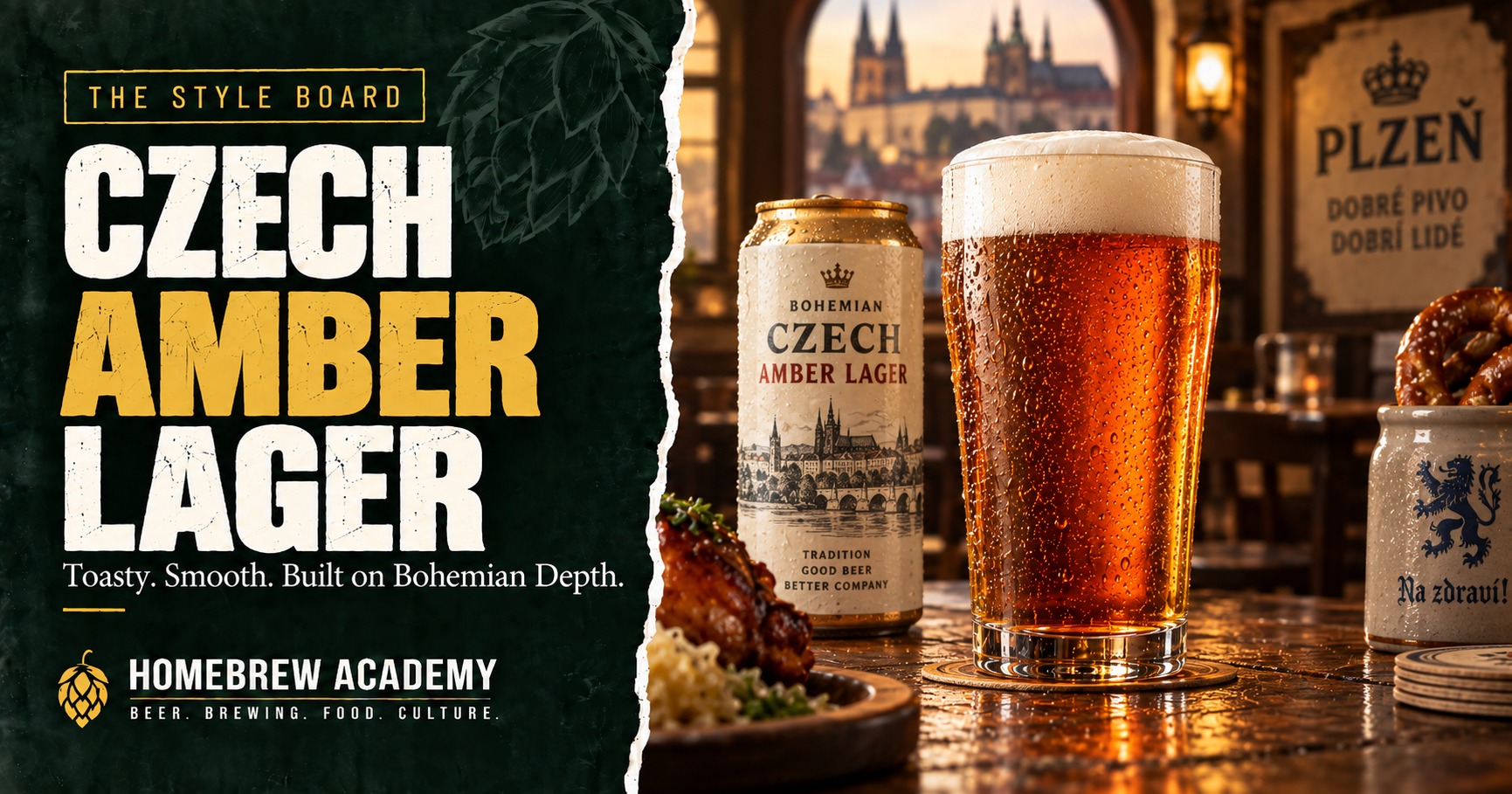
Czech Amber Lager: Top 10 Current Beers and Style Guide
Czech Amber Lager is a rich polotmavé beer that can run from dry toast and firm hops to deep caramel and a nearly sweet finish.
The color sits between pale and dark, but the style is not merely a midpoint. Malt complexity, Czech hops and a soft, rounded body give it a broad identity of its own.
The quick answer
Expect deep amber to copper color, persistent off-white foam, medium body and rich malt ranging from bread and biscuit to caramel, candy and graham cracker.
| Measure | BJCP range |
|---|---|
| Original gravity | 1.044–1.060 |
| Final gravity | 1.013–1.017 |
| Bitterness | 20–35 IBU |
| Color | 10–16 |
| Alcohol | 4.4–5.8% |
What Czech Amber Lager tastes like
Malt dominates, but its direction varies. Some beers emphasize dry Maillard-rich toast; others lean into caramel sweetness. Low plum or berry esters and very low diacetyl are optional.
Traditional spicy, floral or herbal hops may be nearly absent or quite noticeable. Bitterness should remain perceptible enough to prevent the rich malt from becoming shapeless.
Top 10 current Czech Amber Lager references
These HBA editorial selections compare current Czech amber lagers and clearly identified international Czech-style interpretations. Bernard Jantarový and Rohozec Kacíř are brewery-made blends. Ferdinand Sedm Kulí is explicitly a herb-flavored variation rather than a plain BJCP 3C template. The order is a learning flight, not a blind-tasting ranking; rotating production and market distribution mean local availability varies.
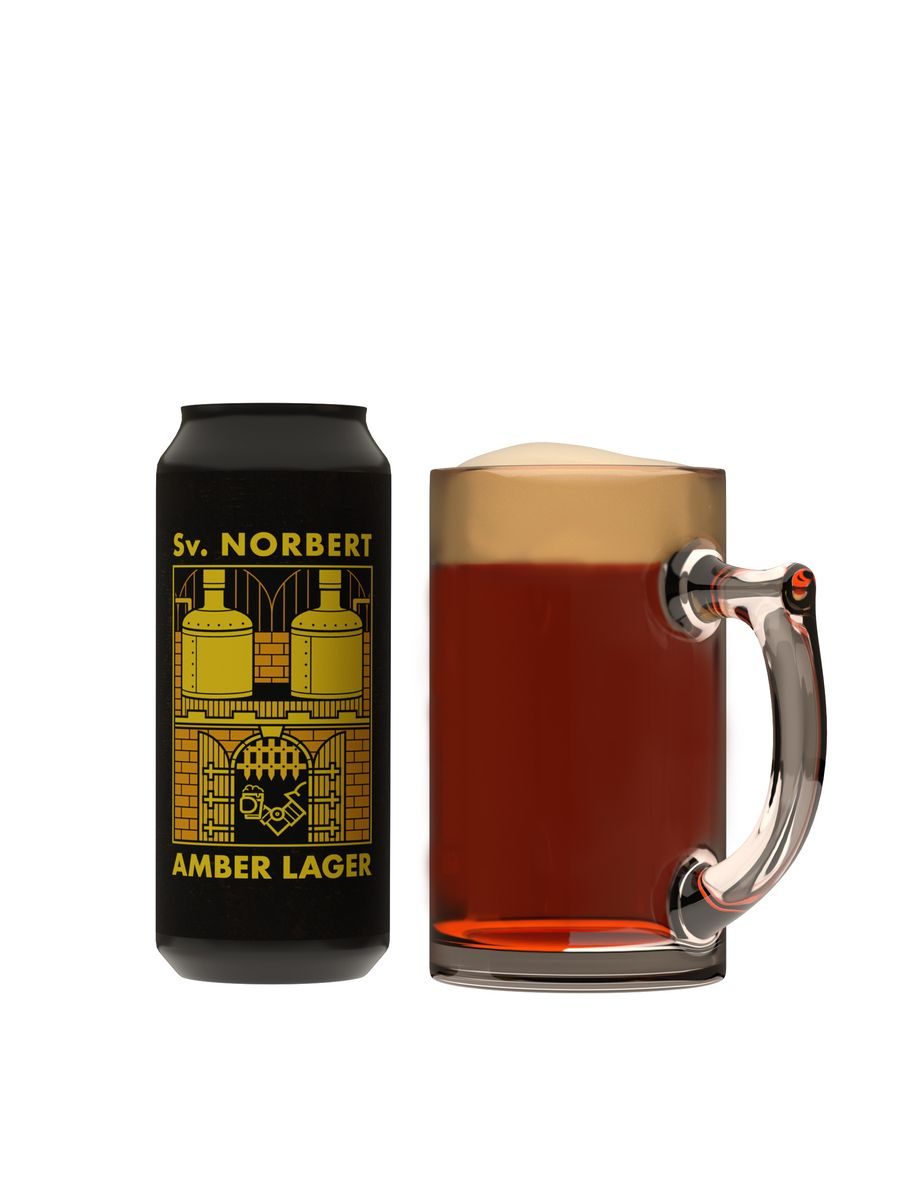
Sv. Norbert Amber Lager
Brewed by Strahov Monastery Brewery
An unfiltered monastery-brewery amber lager with Saaz Special hops.
BAR NOTES
Strahov’s current Amber Lager is listed at 5.3% ABV and 35 IBU with Saaz Special hops. The brewery describes medium malt body and medium bitterness, making this year-round unfiltered, unpasteurized beer a useful center point for the amber flight.
The new can and serving-glass image replaces the older bottle presentation. Compare this Prague interpretation with the Vienna lager selections to separate Czech polotmavé balance from a neighboring amber tradition that usually emphasizes a different malt-and-hop relationship.
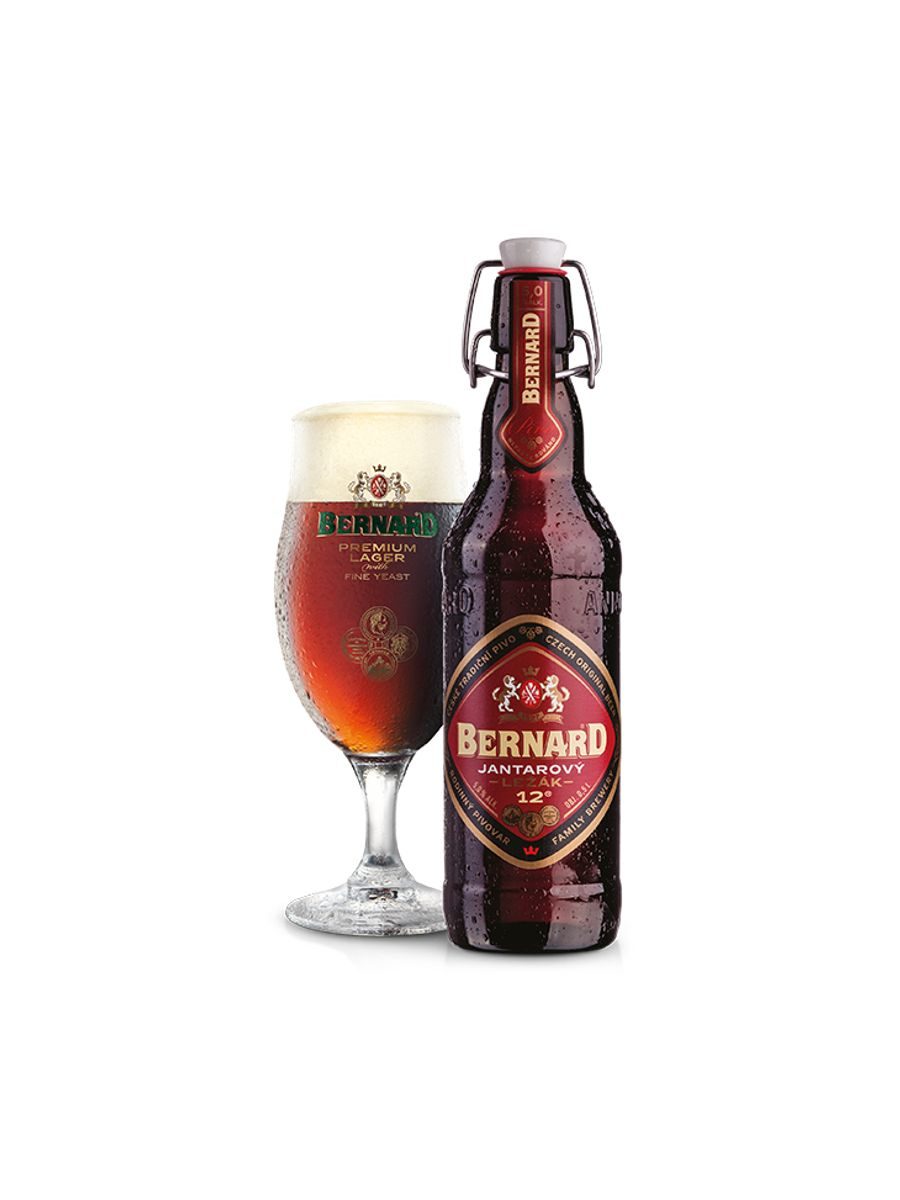
Bernard Jantarový Ležák
Brewed by Bernard Family Brewery
A yeast-conditioned amber lager made by blending pale and dark beer.
BAR NOTES
Bernard’s Jantarový ležák is listed at 5.0% ABV and 33 IBU, with yeast added for secondary fermentation in the bottle. The producer identifies a pale-and-dark blend, so its amber identity comes from a deliberate brewery recipe rather than a bartender’s layered pour.
Pour gently when you prefer less yeast sediment, then compare its malt texture with the filtered references. The Kellerbier roundup provides another less-filtered lager comparison, while the Czech lager selections keep color, gravity and producer identity in view.
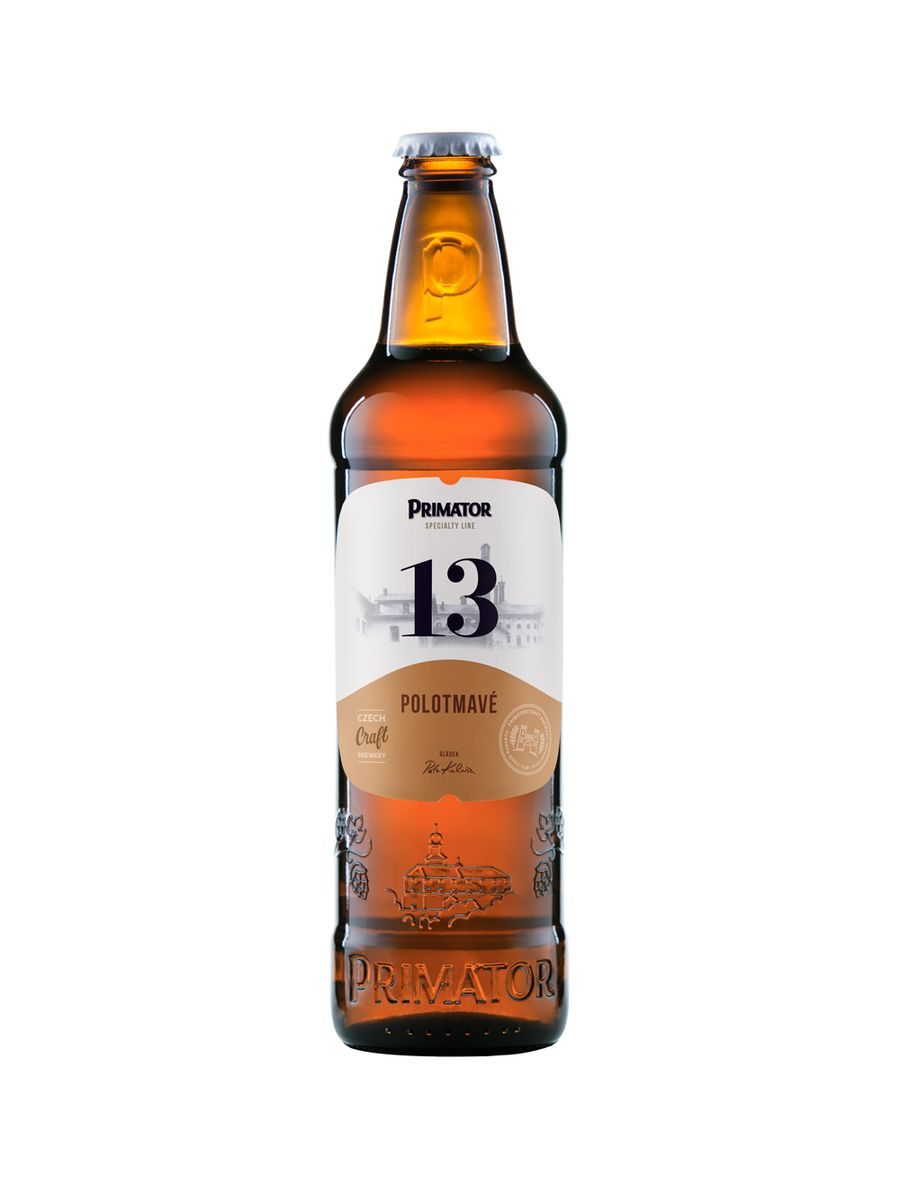
Primátor 13 Polotmavé
Brewed by Pivovar Primátor
Four malts and traditional Czech hops create a fuller amber lager.
BAR NOTES
Primátor’s thirteen-degree polotmavé is a 5.5% amber lager using four malt types and Saaz and Sládek hops. Its producer describes a Vienna-type influence, which makes toasted malt an especially useful comparison without erasing the beer’s Czech identity.
Place it after the gentler amber pours and judge malt fullness separately from sweetness. For the next tasting, the Oktoberfest beer roundup extends the toasted-lager theme into Märzen and Festbier, where festival names and pale or amber color need their own distinctions.
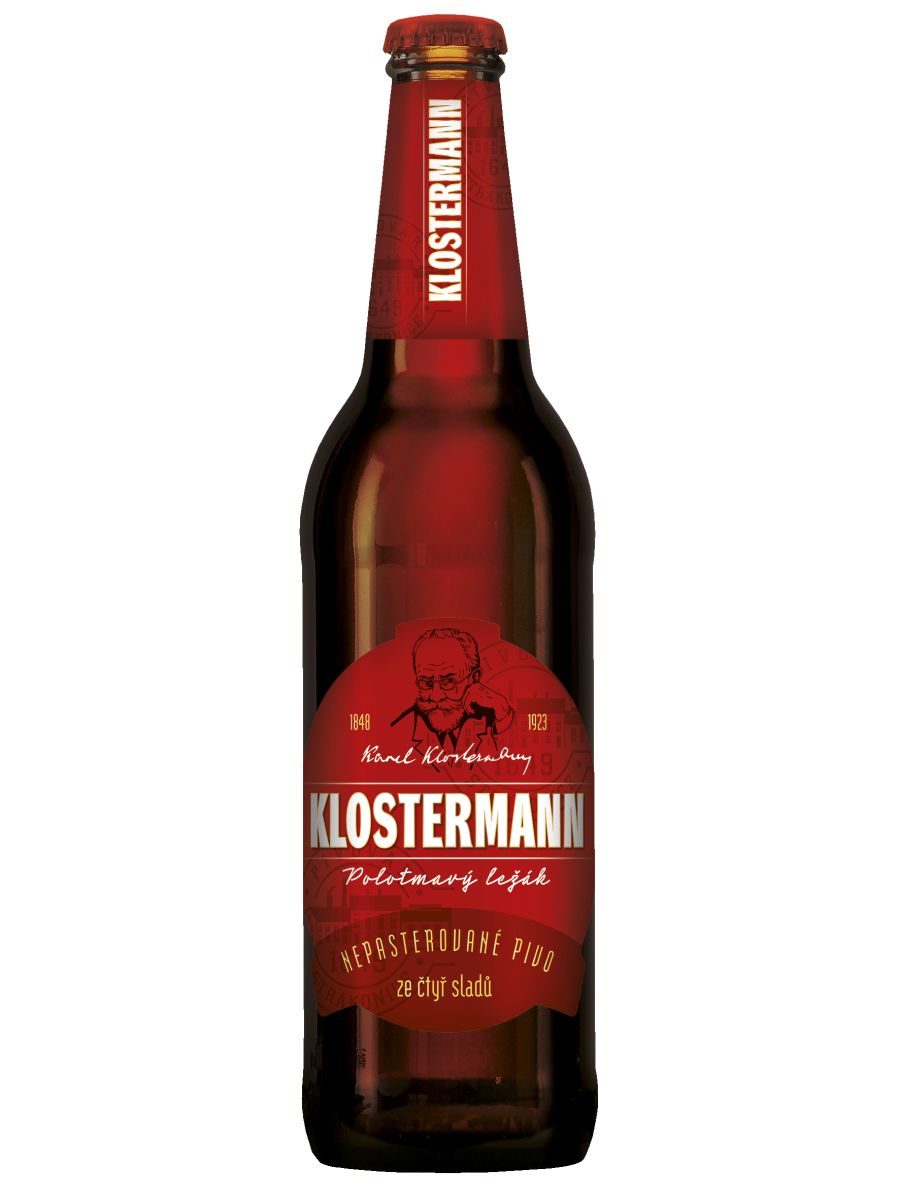
Klostermann Polotmavý
Brewed by Dudák – Měšťanský pivovar Strakonice
Caramel malt supports a gently sweet, unpasteurized amber lager.
BAR NOTES
Klostermann Polotmavý is listed at 5.1% ABV, 23 IBU and 12.8% original extract in the current Strakonice portfolio. Caramel malt supplies its reddish amber color and gently sweet impression, with microfiltration used instead of pasteurization.
The beer was first brewed in 2008 to mark 160 years since writer Karel Klostermann’s birth. Compare its softer bitterness with the amber-ale selections to distinguish similar malt colors from the changes in yeast expression and hop emphasis that ale fermentation can bring.
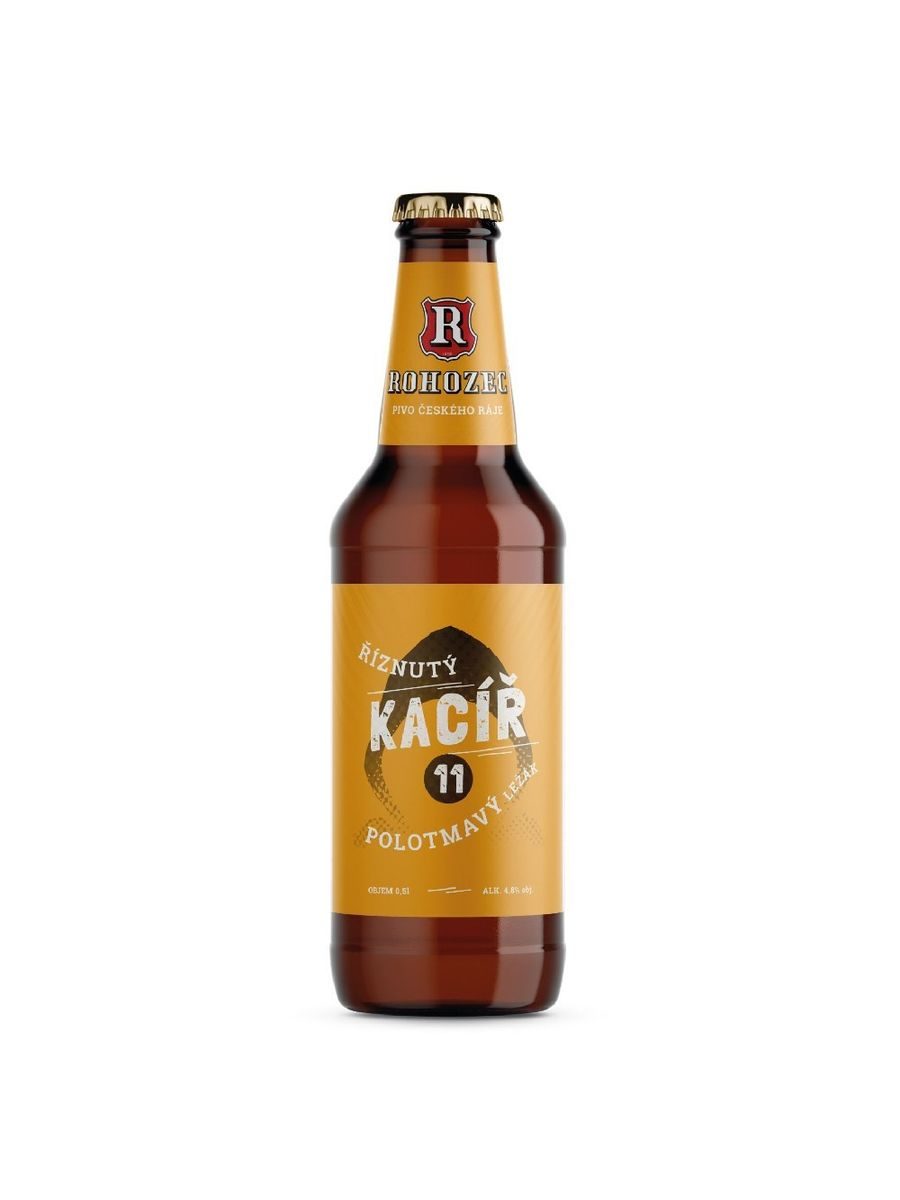
Rohozec Říznutý Kacíř 11
Brewed by Pivovar Rohozec
A brewery-made pale-and-dark blend with a balanced amber result.
BAR NOTES
Kacíř is a 4.8% polotmavý řezaný lager made by blending pale and dark beer at the brewery. The current name and bottle replace the older Skálák-era assumption; the useful lesson is the producer’s finished amber beer, not instructions to mix two unrelated brands.
Compare its finished color and malt balance with Bernard Jantarový, another deliberate brewery blend. The dark-lager roundup supplies a next flight for darker malt expression, while these amber pours help locate the middle ground between pale bread and deeper cocoa or roast.
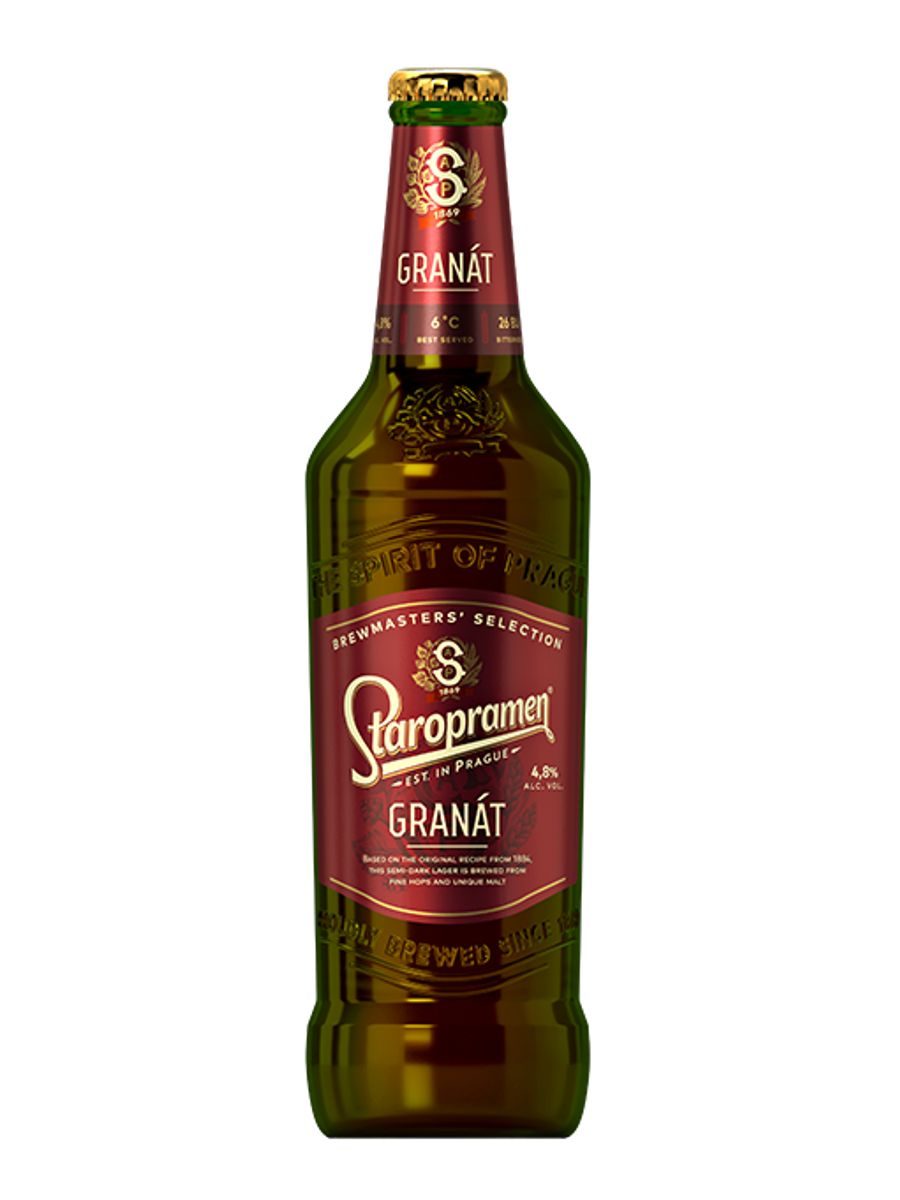
Staropramen Granát
Brewed by Staropramen
A Prague semi-dark lager with ruby color and rounded malt.
BAR NOTES
Staropramen’s current Granát page lists a 4.8% semi-dark lager with ruby color and a full-bodied, balanced taste. Choose Granát rather than the brand’s pale Premium or Dark product when comparing the amber branch of the Czech family.
A ruby appearance does not tell you whether a beer will finish sweet, dry or sharply bitter. The Vienna lager roundup offers a related toasted-malt comparison, and tasting both at the same temperature makes body and finishing balance easier to separate from color.
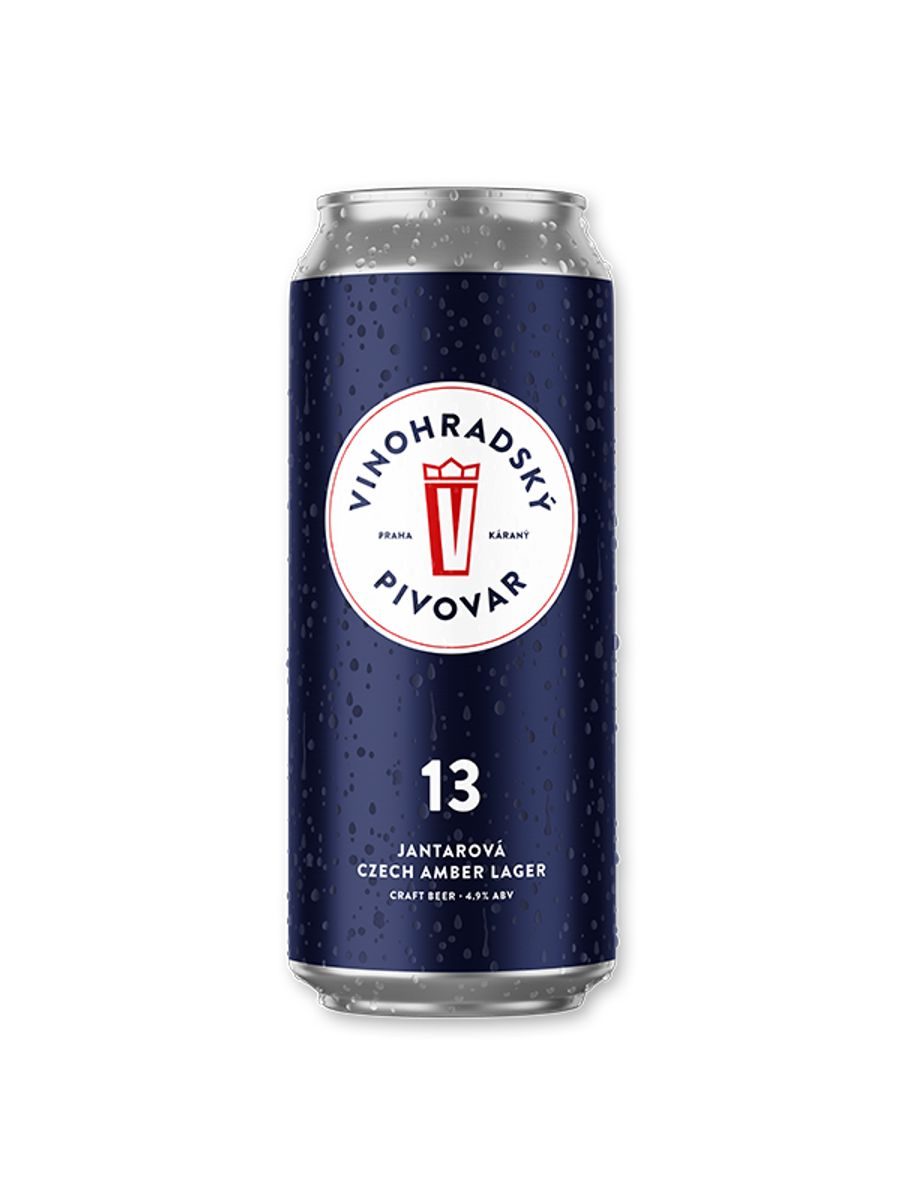
Vinohradský Jantarová 13
Brewed by Vinohradský pivovar
A Prague amber lager with Caramunich malt and Saaz and Premiant hops.
BAR NOTES
The current Vinohradský producer page lists Jantarová 13 at 4.9% ABV with Caramunich and Pilsner malt, Prague city water, and Premiant and Saaz hops. Follow that current specification rather than assuming the thirteen-degree name guarantees a higher alcohol percentage.
Try it beside Primátor 13 to compare beers with the same nominal extract class but different current strengths and malt balances. The Czech lager roundup broadens that exercise, showing why brewery recipe and finishing fermentation matter as much as a number on the can.
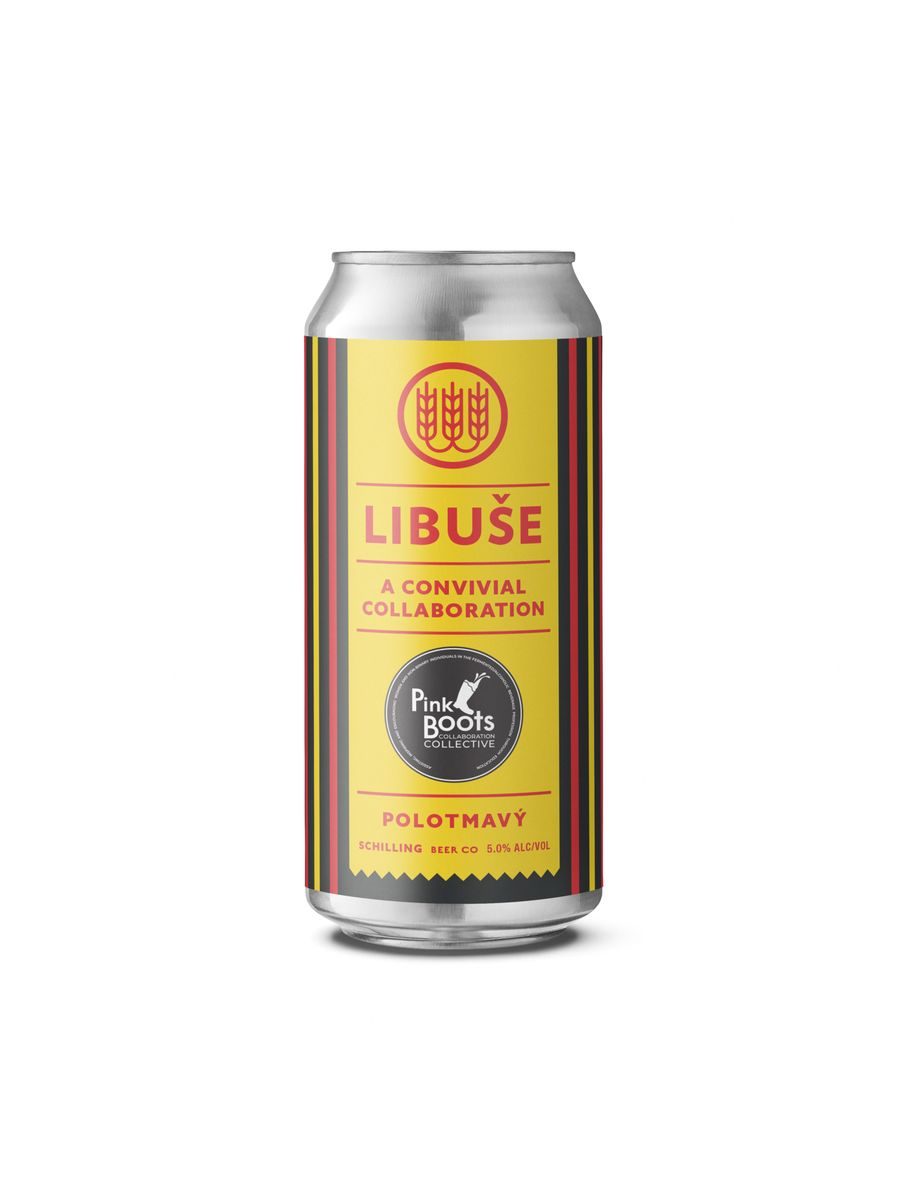
Schilling Libuše
Brewed by Schilling Beer Co.
An American-brewed polotmavý with baked-bread malt and light caramel.
BAR NOTES
Schilling’s current Libuše listing identifies a 5.0% Czech-style amber lager, or polotmavý, with baked whole-grain bread, light caramel and a medium body. The beer also supports the Pink Boots Society’s work for women and non-binary people in the beer industry.
Its New Hampshire origin makes this an international interpretation of the style rather than a Czech import. Compare the amber-ale roundup next to explore another route to bread and caramel, keeping similar tasting words separate from the beer’s lager fermentation and regional inspiration.
Godspeed Polotmavý Ležák 11º
Brewed by Godspeed Brewery
A triple-decocted Czech-style amber lager with Saaz hops.
BAR NOTES
Godspeed’s current beer page describes its 4.4% Polotmavý as triple decocted, naturally carbonated and lagered for six weeks, using Saaz hops and Czech floor-malted barley. Availability rotates, so this Toronto interpretation should be treated as a beer to seek when released rather than a year-round stock promise.
The brewery compares its dark-amber malt emphasis with German dunkel, giving you a useful neighboring tradition to taste beside it. The German beer roundup extends that comparison without treating the Czech half-dark name and Munich dark-lager category as interchangeable recipes.
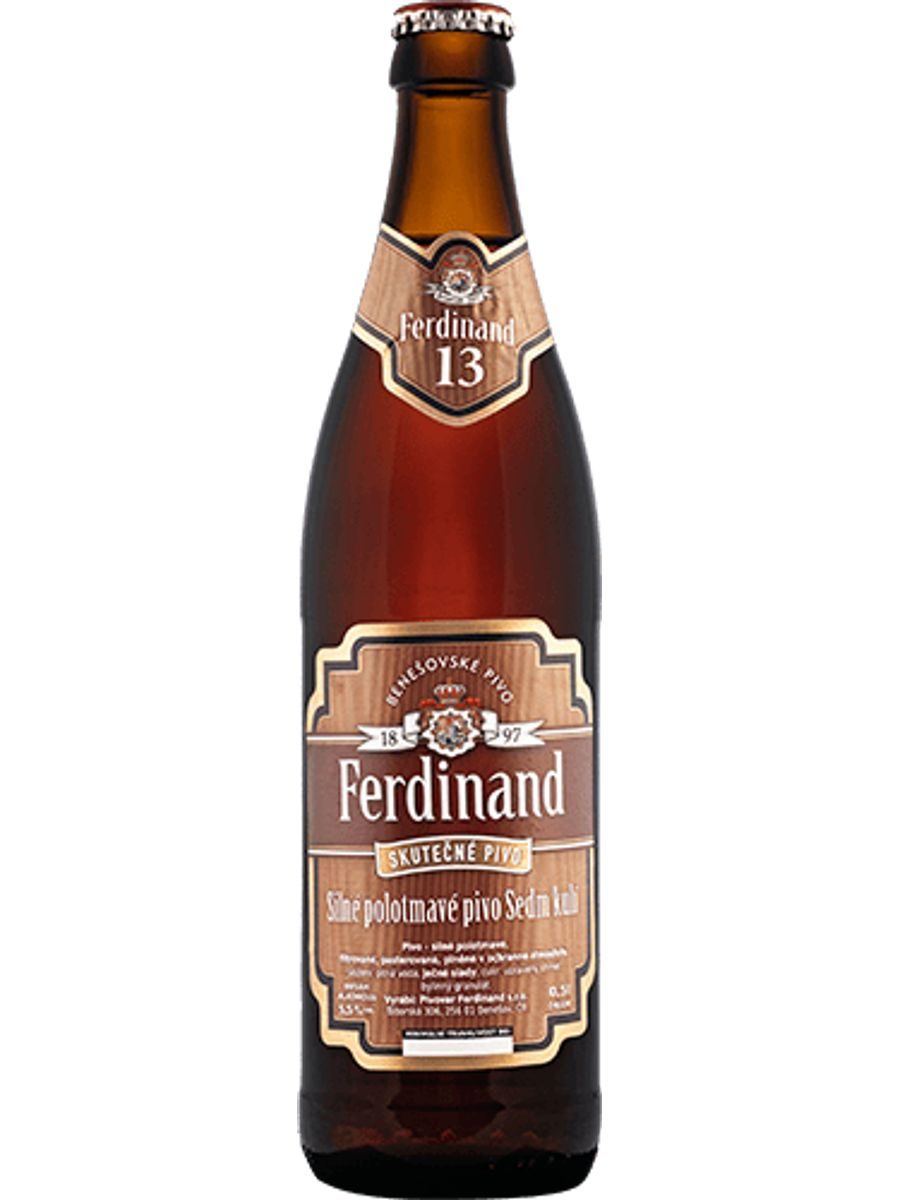
Ferdinand Sedm Kulí 13
Brewed by Pivovar Ferdinand
An explicitly herb-flavored variation on a Czech amber lager base.
BAR NOTES
Ferdinand lists Sedm Kulí at 5.5% ABV with thirteen-percent original extract and an amber, bottom-fermented base. Its ingredient list includes herbal granulate and sugar, so this is deliberately labeled a flavored comparison rather than a plain BJCP 3C competition template.
Taste it last so the added herb character does not dominate the quieter amber pours. Follow the Vienna lager selections for an unflavored toasted-malt comparison, and keep botanical flavor separate from the natural spicy-herbal impression that traditional Czech hops can produce.
How the style is brewed
Pilsner and caramel malts form a common base, with Vienna or Munich malt adding bread and toast. Czech hops, soft water and Czech lager yeast keep the profile regionally coherent.
Some versions may blend pale and dark lager. Whether blended or brewed directly, the goal is layered amber malt without roast, supported by clean fermentation and a smooth finish.
History and Czech context
Polotmavé means half-dark. The style continues the Czech branch of Vienna-style lager and gained fresh attention as small breweries expanded across the country.
BJCP combines amber ležák and stronger amber speciální beer. That range explains why one example may feel dry and hop-forward while another feels round and caramel-led.
Serving and food pairing
Serve around 43–48°F in a Czech mug or stemmed lager glass. A small temperature rise reveals caramel, toast and fruit that colder service suppresses.
Pair with roast duck, pork, sausages, mushroom dishes, bread dumplings, aged Gouda or nutty Alpine cheese. Browned and earthy foods mirror the malt without overwhelming it.
How it differs from nearby styles
Vienna Lager usually presents a more narrowly focused toasted-malt profile. Czech Amber Lager can be sweeter, more caramelized and more assertively hopped.
Czech Dark Lager introduces darker bread, cocoa, coffee or restrained roast. Czech Premium Pale Lager shares the rich body and Czech hopping but lacks amber malt depth.
Czech Amber Lager FAQ
What does polotmavé mean?
It means half-dark and is the Czech term associated with amber lager.
Is Czech Amber Lager sweet?
It can range from dry and bready to nearly sweet and caramel-like, but perceptible bitterness should keep the finish balanced.
Can it contain roasted malt flavor?
No. Roast belongs in Czech Dark Lager; amber versions should focus on bread, toast, biscuit, caramel and related Maillard flavors.
Is it the same as Vienna Lager?
No. The styles overlap, but Czech Amber Lager often has stronger Czech hop character, more caramel depth or a softer, fuller finish.
Can breweries blend pale and dark lager to make it?
Yes. Some Czech amber lagers may be blends, although others are brewed directly with an amber malt bill.
Style ranges and definitions follow the BJCP 2021 Beer Style Guidelines.
Follow Czech amber malt into neighboring styles.
Compare toast, caramel and clean fermentation through Vienna lager, amber ale and the darker Czech branch.