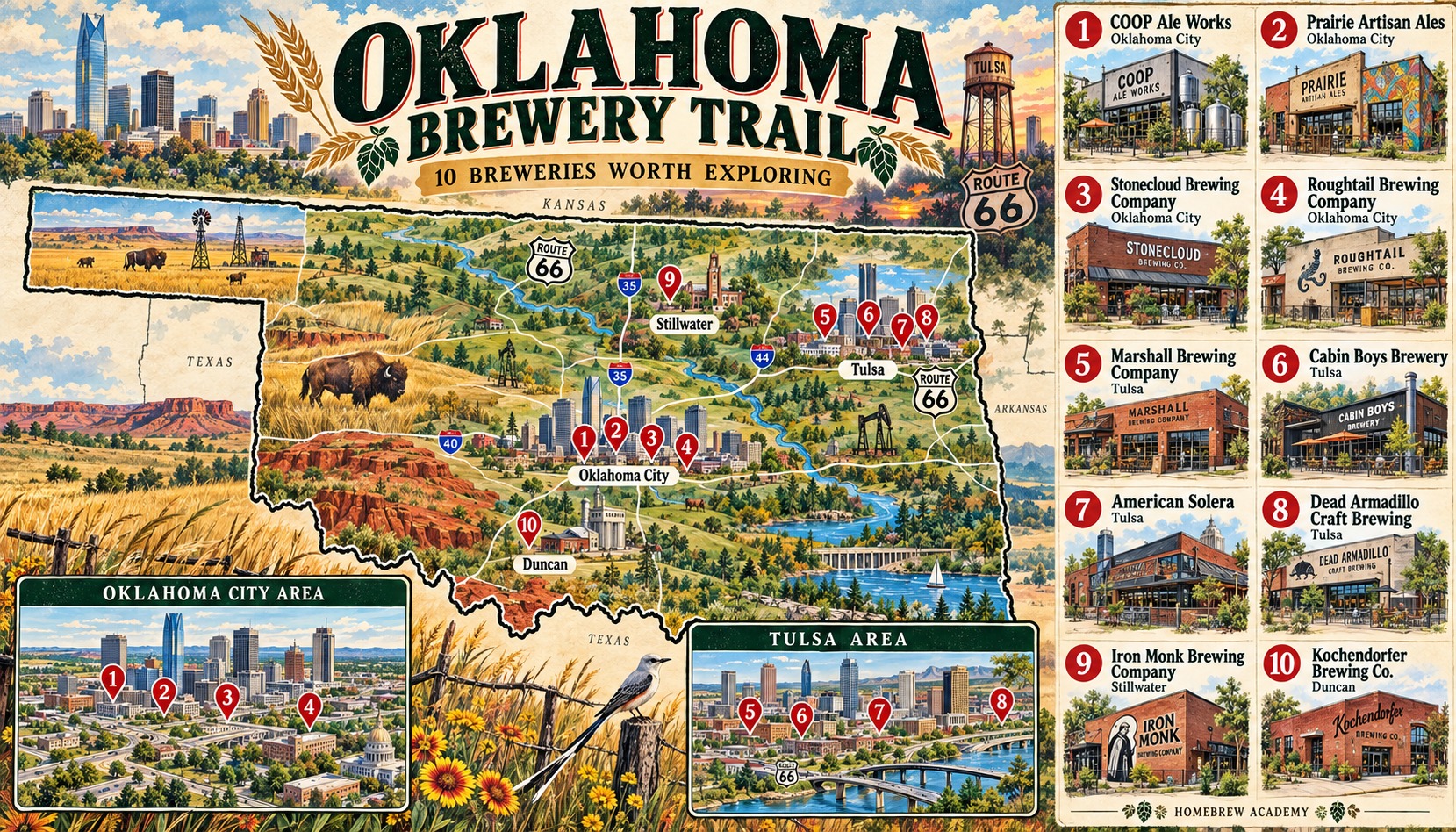
10 Best Breweries in Oklahoma with 30 Beers Worth Trying
Oklahoma’s breweries reward a route organized around specific styles and manageable regional stops. These ten HBA editorial picks connect Oklahoma City and Tulsa with Stillwater and Duncan, with three beers per brewery and clear notes on what each adds to a flight.
The thirty cards follow brewery order rather than a judged statewide beer ranking. Crisp lagers and blonde ales sit alongside wheat beer, rye pale ale, amber, porter, several IPA approaches, Belgian-inspired strong ales, fruit sours and coffee stout.
Producer websites, serving menus and brewery-authored profiles were checked in October 2026. Portfolio identities do not guarantee today’s tap availability. Confirm the exact release and intended venue before traveling; the food pairings below are editorial suggestions rather than claims about a brewery’s kitchen menu.
Oklahoma brewery picks at a glance
| Brewery | Base | Three beers to explore |
|---|---|---|
| COOP Ale Works | Oklahoma City, Oklahoma | F5 · Horny Toad · DNR |
| Prairie Artisan Ales | Oklahoma City, Oklahoma | Bomb! · Rainbow Sherbet · Blueberry Boyfriend |
| Stonecloud Brewing Company | Oklahoma City, Oklahoma | Astrodog · Neon Sunshine · Stonecloud Lite |
| Roughtail Brewing Company | Oklahoma City, Oklahoma | Everything Rhymes with Orange · City · Hoptometrist |
| Marshall Brewing Company | Tulsa, Oklahoma | Atlas IPA · Dunkel · McNellie’s Pub Ale |
| Cabin Boys Brewery | Tulsa, Oklahoma | Cast-a-Line · Trail Magic · Bearded Theologian |
| American Solera | Tulsa, Oklahoma | Terpy Citra · Foeder Cerise · Grisettastone |
| Dead Armadillo Craft Brewing | Tulsa, Oklahoma | Amber · Tulsa Flag Blonde Ale · Morning Bender Coffee Oatmeal Stout |
| Iron Monk Brewing Company | Stillwater, Oklahoma | 1890 Original · Exit 174 Rye Pale Ale · Iron Monk Milk Stout |
| Kochendorfer Brewing Co. | Duncan, Oklahoma | Kochendorfer Irish Red · Kochendorfer Hefeweizen · Ruby Porter |
1. COOP Ale Works
COOP opens the Oklahoma City portion of this guide with three deliberately different core beers. F5 supplies West Coast-style hops, Horny Toad offers a blonde-ale baseline, and DNR shifts toward a stronger Belgian-style dark ale.
That spread makes COOP useful for a group with different preferences. Pour order matters: start with the blonde, move to F5, and reserve a small DNR sample for later so its strength and yeast character do not overwhelm the comparison.
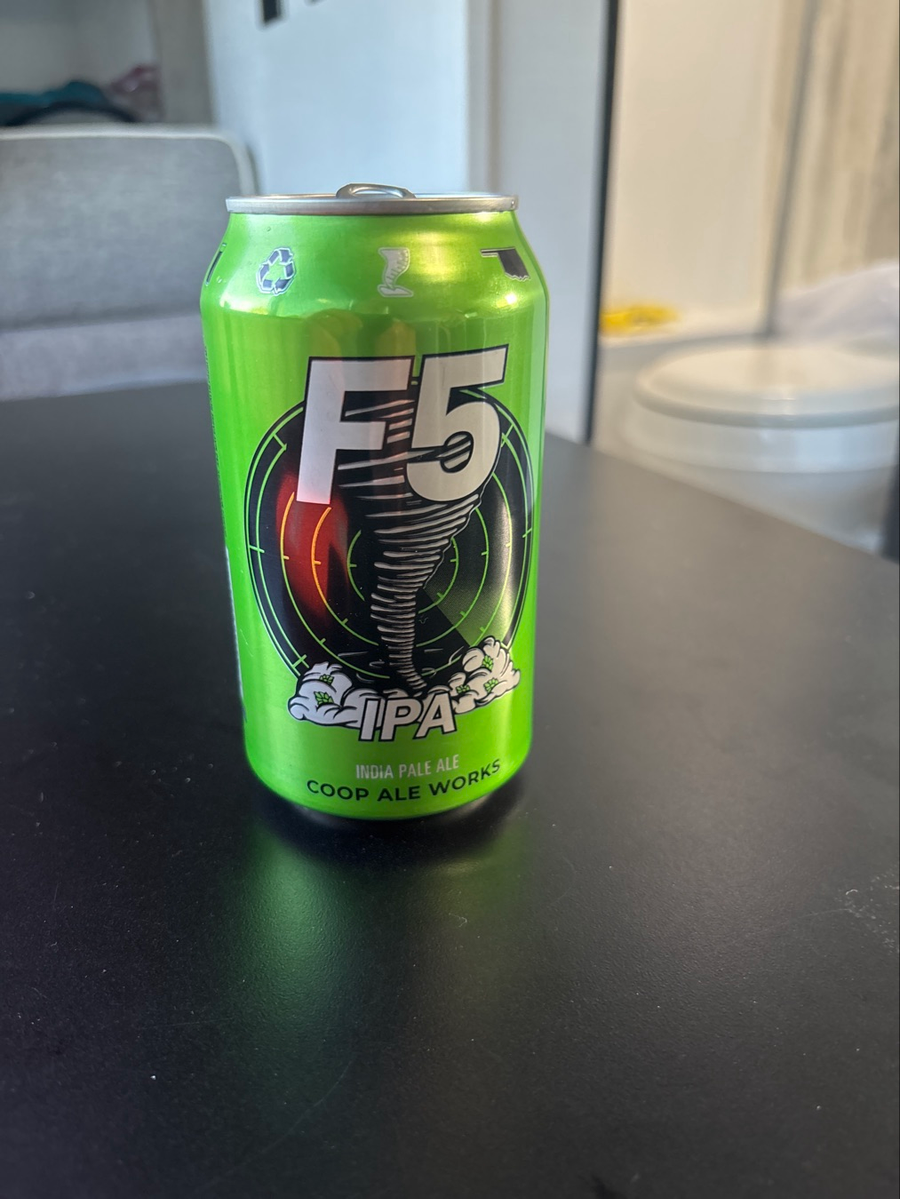
F5
Brewed by COOP Ale Works
Citrus, grapefruit and pine over a straightforward malt base.
BAR NOTES
F5 uses Columbus and Falconer’s Flight hops, and COOP lists it at 85 IBU. The producer’s citrus, grapefruit and pine description places it firmly in the West Coast-style conversation rather than the softer hazy-IPA lane.
Try a modest pour with a grilled burger or moderately seasoned chicken, then compare the drying finish with Roughtail’s City IPA. Our American IPA brewing guide helps connect assertive hops with the malt structure underneath them.
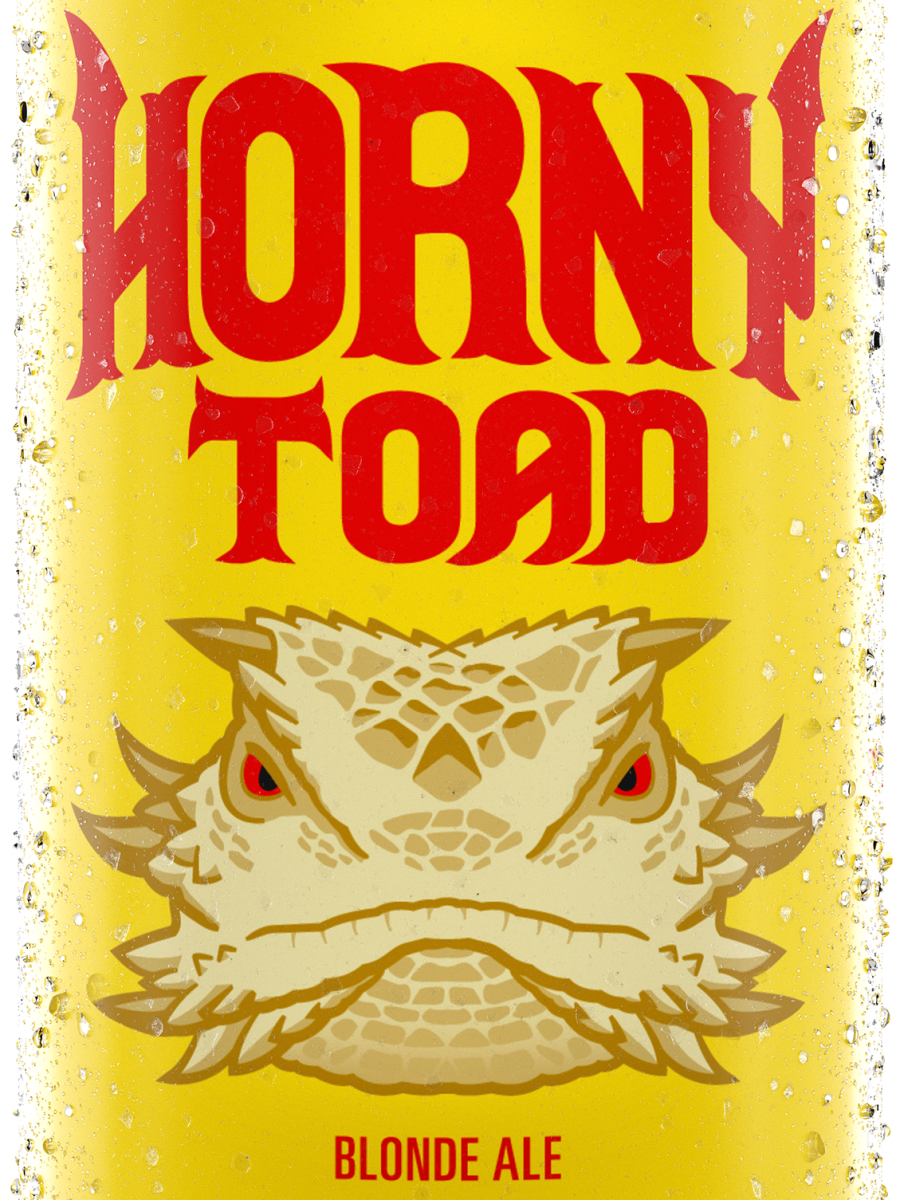
Horny Toad
Brewed by COOP Ale Works
Two-row and pilsner malt with restrained Noble-hop bitterness.
BAR NOTES
Horny Toad makes a useful palate reference before F5 or DNR. COOP lists two-row and pilsner malt with Noble-hop bitterness, giving this blonde ale a simpler brewing framework than the other two selections.
Use a pretzel, lightly dressed sandwich or grilled vegetables as a pairing trial, and notice how salt changes the apparent finish. Blonde ale is a style identity here; the pale color alone does not establish lager fermentation.
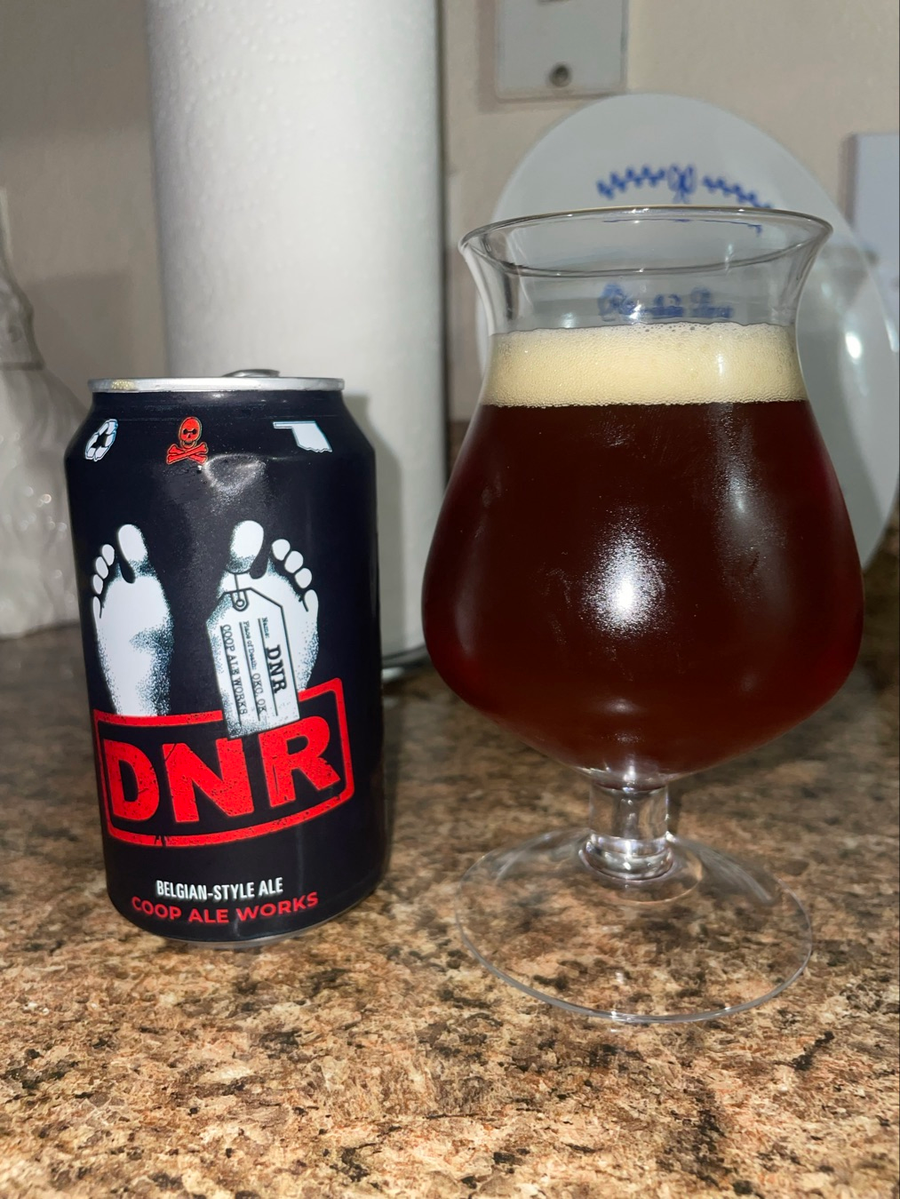
DNR
Brewed by COOP Ale Works
Dried-fruit and spice character from a strong Belgian-inspired recipe.
BAR NOTES
DNR combines European malts, Noble hops, candy sugar and Trappist yeast in COOP’s description. Dried-fruit, cinnamon and vanilla associations belong to that producer profile; the checked description does not identify added cinnamon or vanilla.
Consider a small sample alongside an aged cheese or a little fruitcake, allowing the beer time to warm between tastes. Its 10.0% strength makes it a deliberate final comparison rather than a substitute for a blonde-ale pint.
2. Prairie Artisan Ales
Prairie’s Oklahoma City taproom provides a direct destination for exploring the brand’s sour and stout work. This guide uses that visitor base, while distinguishing distributed portfolio beers from whichever small batches are actually on the taproom board.
Bomb!, Rainbow Sherbet and Blueberry Boyfriend represent three recognizable directions. The first is a substantial imperial stout with named adjuncts; the other two approach tart beer through dessert inspiration or a specific fruit-and-citrus combination.

Bomb!
Brewed by Prairie Artisan Ales
Coffee and cacao meet vanilla and ancho chili in a strong stout.
BAR NOTES
Bomb! explicitly uses coffee, cacao nibs, vanilla beans and ancho chili peppers. Its current producer profile lists 12% alcohol, so this card should not inherit a strength from an older listing or a separate barrel-aged edition.
A small chocolate dessert could meet the cacao and coffee character, but taste the beer first to assess the chili impression. Leave this pour until after the lighter sours, and keep sample size in proportion to its strength.
Rainbow Sherbet
Brewed by Prairie Artisan Ales
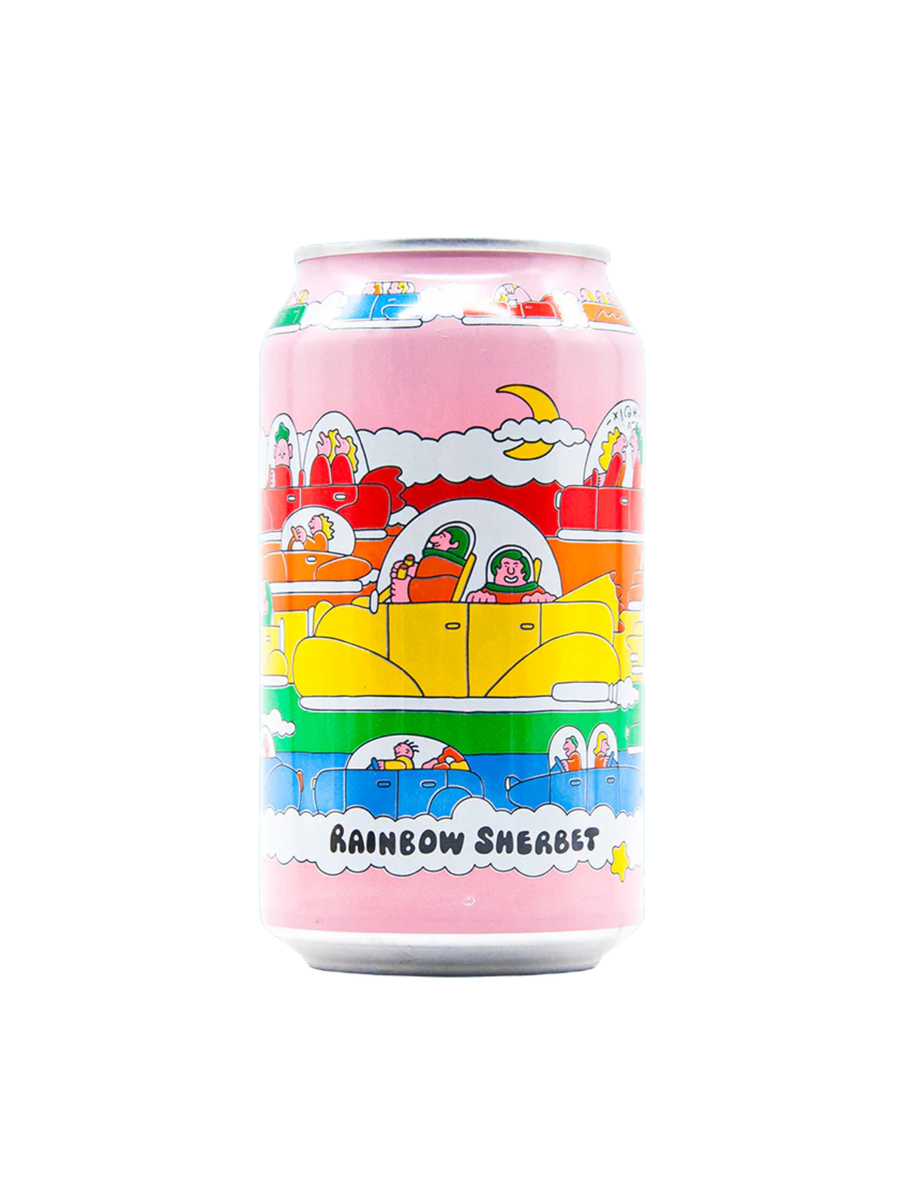
A tart dessert-inspired beer with a rainbow-sherbet theme.
BAR NOTES
Rainbow Sherbet is Prairie’s sour-ale interpretation of a familiar frozen-dessert idea, listed at 5.2%. Its identity is different from a dry farmhouse ale or a hop-driven IPA, even though all three can display fruit-like aromas.
Try it beside a plain shortbread cookie or a mild cheese rather than an equally sour candy at first. That pairing leaves room to assess sweetness and acidity; ask about the current recipe when specific dessert ingredients matter.
Blueberry Boyfriend
Brewed by Prairie Artisan Ales
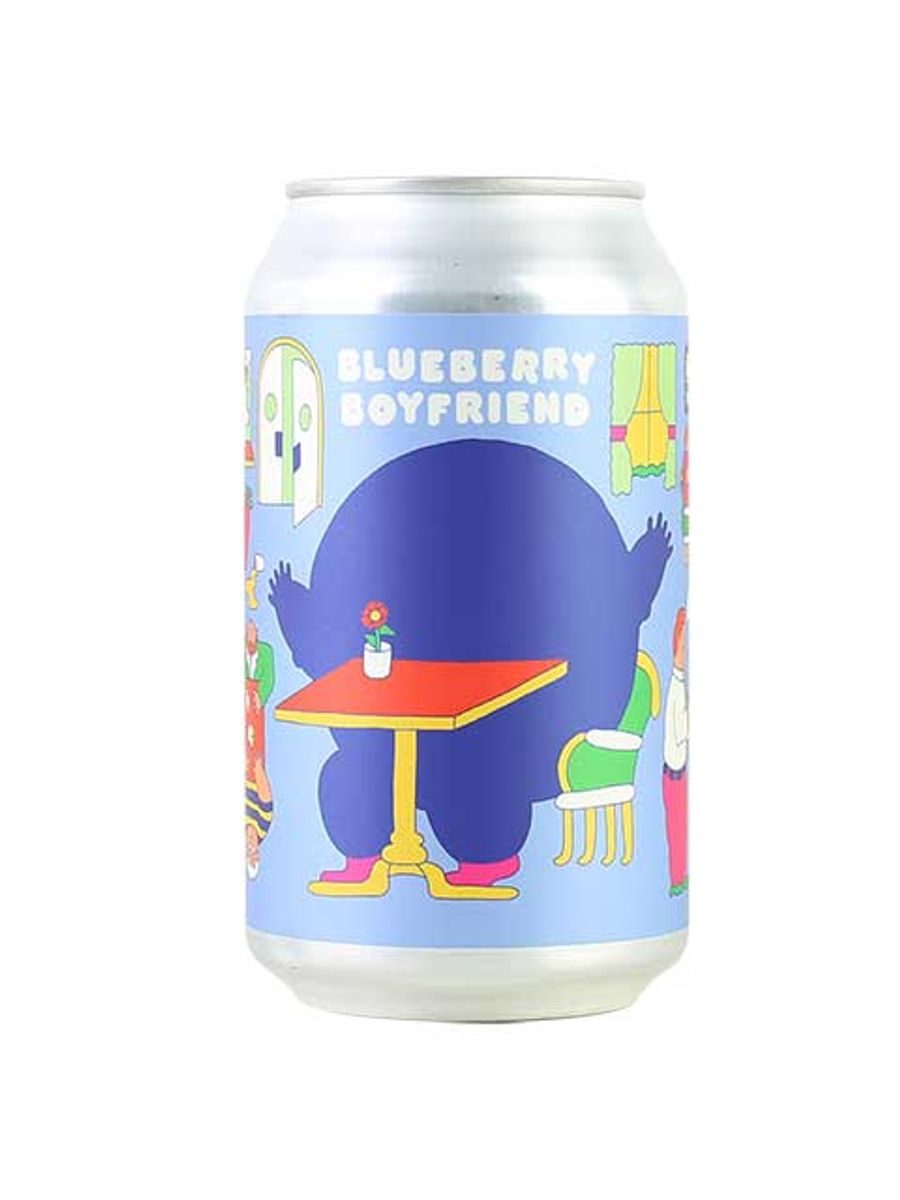
Blueberries and lemon zest provide a clear fruit-and-citrus sour profile.
BAR NOTES
Blueberry Boyfriend explicitly names blueberries and lemon zest in the producer description. Those are ingredients rather than shorthand for hop aromas, making the beer a useful comparison with Rainbow Sherbet’s broader dessert-inspired identity.
A fresh goat cheese or a simple pastry would give the tart beer a contrasting food partner. The IPA comparison guide offers a separate hop-focused path when you want fruit impressions produced through a different brewing approach.
3. Stonecloud Brewing Company
Stonecloud adds another Oklahoma City stop through its own taproom menu. The checked core list places an American light lager, a hazy IPA and a Belgian wit side by side, making it easy to build a varied flight from one producer.
Astrodog, Neon Sunshine and Stonecloud Lite avoid the assumption that every craft-brewery visit needs three IPAs. Their different fermentation and grain identities give readers a useful contrast even when the current menu adds many rotating releases.
Astrodog
Brewed by Stonecloud Brewing Company
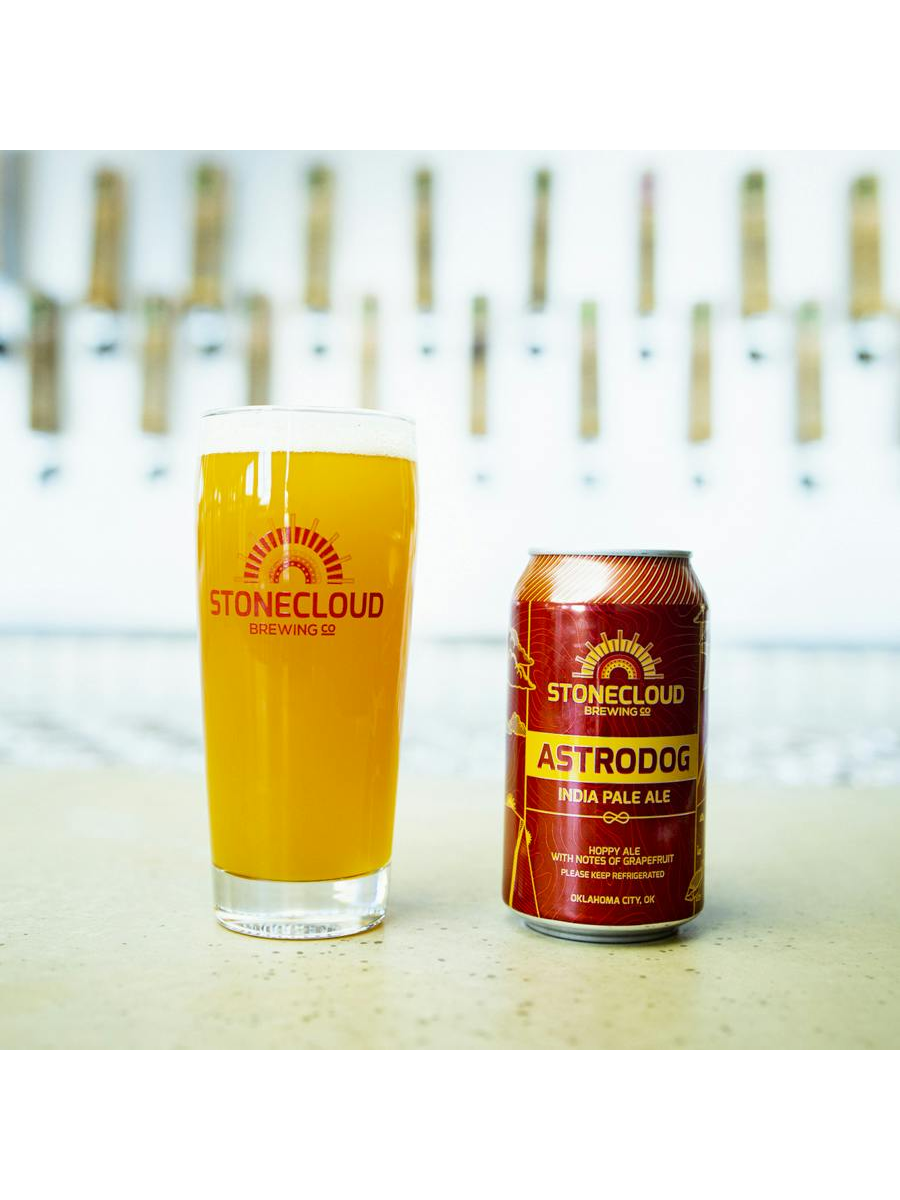
Citra, Mosaic and Simcoe anchor the taproom’s hazy IPA.
BAR NOTES
The checked Stonecloud menu identifies Astrodog as a hazy IPA with Citra, Mosaic and Simcoe. Its 7.0% strength places it above the brewery’s two lighter selections here, while the named hops provide a concrete comparison with Roughtail ERWO.
Try it with a lightly spicy chicken taco and note whether the food obscures the aroma. The hazy IPA recipe explains brewing choices behind the style, helping separate its cloudy appearance from the ingredients that create flavor.
Neon Sunshine
Brewed by Stonecloud Brewing Company
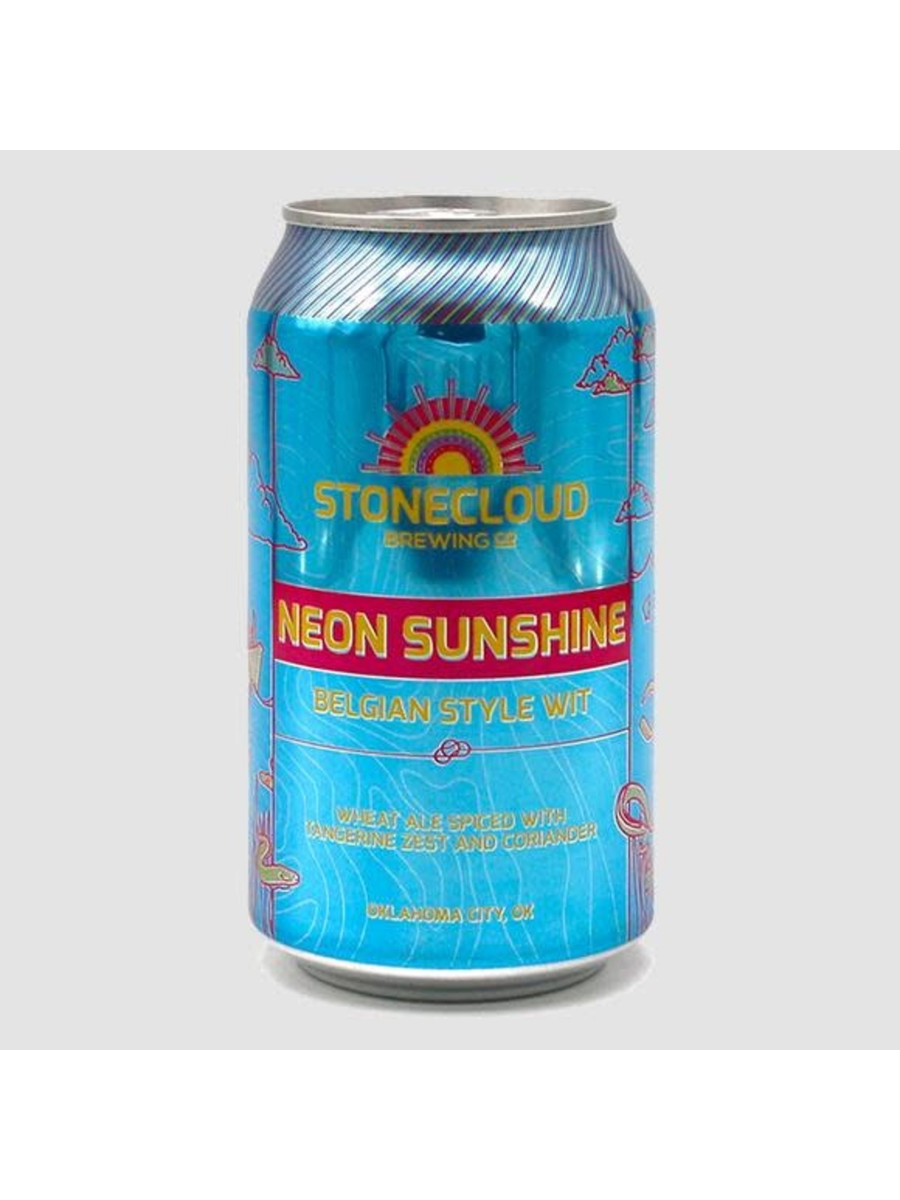
A Belgian wheat-beer alternative to Stonecloud’s IPA.
BAR NOTES
Neon Sunshine is listed as a Belgian wit at 5.5% on the checked taproom menu. That style identity supplies a wheat-beer comparison without borrowing banana-and-clove expectations from the different fermentation tradition behind a German hefeweizen.
A lightly dressed salad, fish sandwich or soft cheese would make a restrained pairing experiment. Compare the finish against Stonecloud Lite first, and ask staff about current ingredients instead of assuming every witbier uses an identical spice recipe.
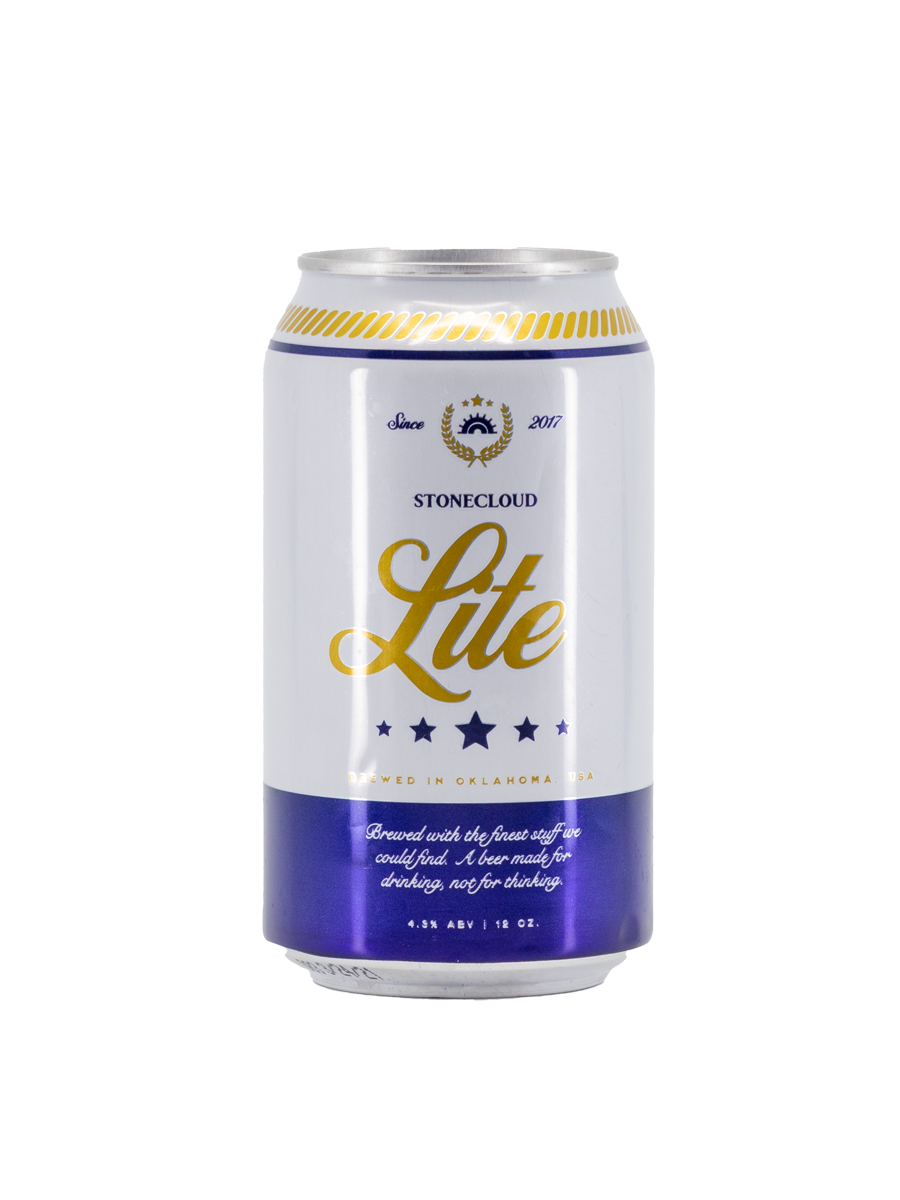
Stonecloud Lite
Brewed by Stonecloud Brewing Company
The clean, lower-strength lager option in this Stonecloud trio.
BAR NOTES
Stonecloud Lite is the American light lager on the producer’s checked core menu, listed at 4.3%. It gives a straightforward starting sample before Astrodog, without implying that lighter alcohol automatically means a beer has no flavor.
Use a plain slice of pizza or a salted snack as a baseline pairing, then revisit Neon Sunshine to consider the difference in fermentation character. This is an alcoholic lager; the Lite name does not identify a nonalcoholic release.
4. Roughtail Brewing Company
Roughtail supplies the most focused IPA comparison in the Oklahoma City group. Everything Rhymes with Orange, City and Hoptometrist are all producer-listed year-round beers, but they occupy hazy, West Coast and stronger double-IPA positions.
The three selections range from 6.5% to 8.9%, making small comparison pours useful here. Keep their actual names and styles in view when ordering rather than treating every Roughtail IPA as the same recipe in different packaging.
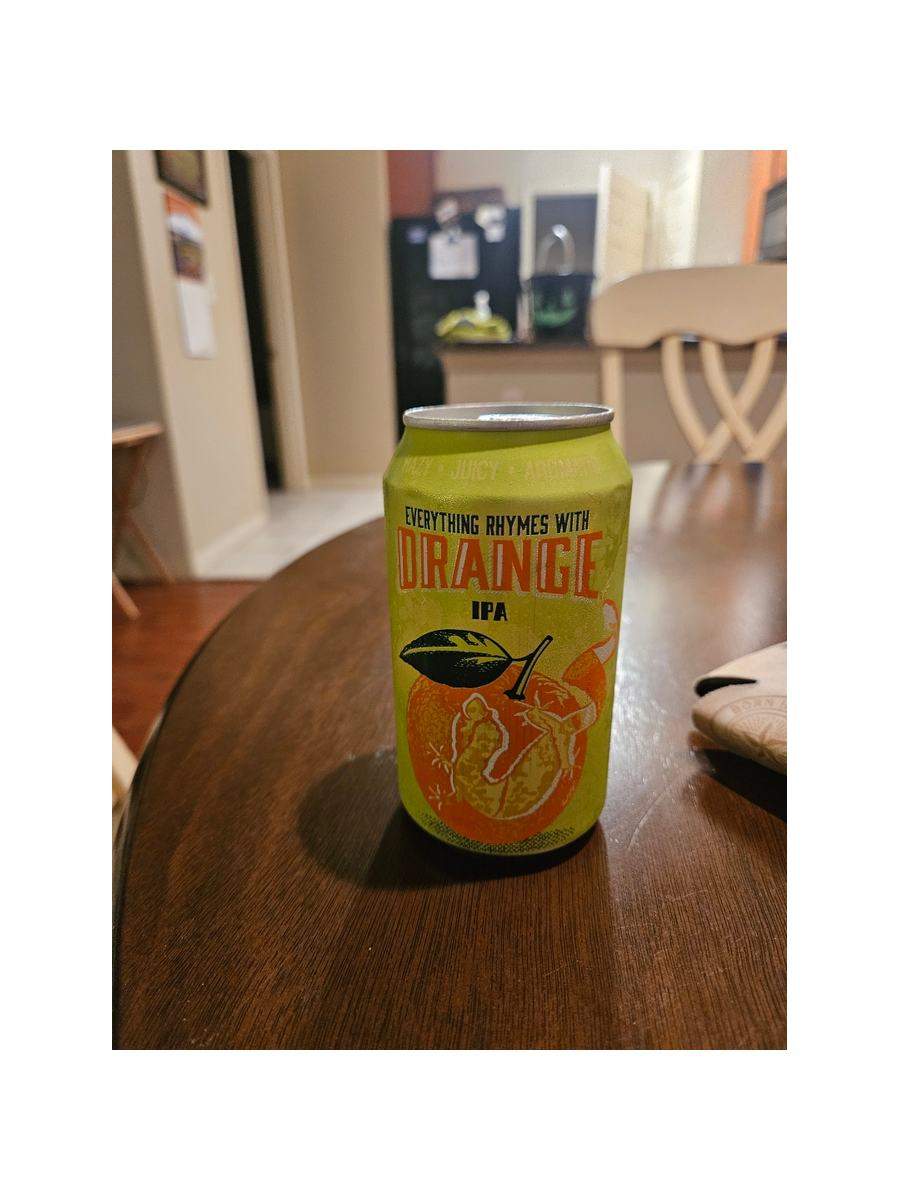
Everything Rhymes with Orange
Brewed by Roughtail Brewing Company
Simcoe, Citra and Mosaic in a soft-bodied, dry-finishing hazy IPA.
BAR NOTES
Everything Rhymes with Orange names Simcoe as its leading hop, supported by Citra and Mosaic. Roughtail describes a full, soft body with a dry finish, providing a useful texture comparison against the cleaner West Coast expression of City.
The name refers to the beer’s citrus-led identity rather than proof of added oranges. Try it with grilled chicken and compare an unpaired sip first, so the food’s seasoning does not get mistaken for a beer ingredient.
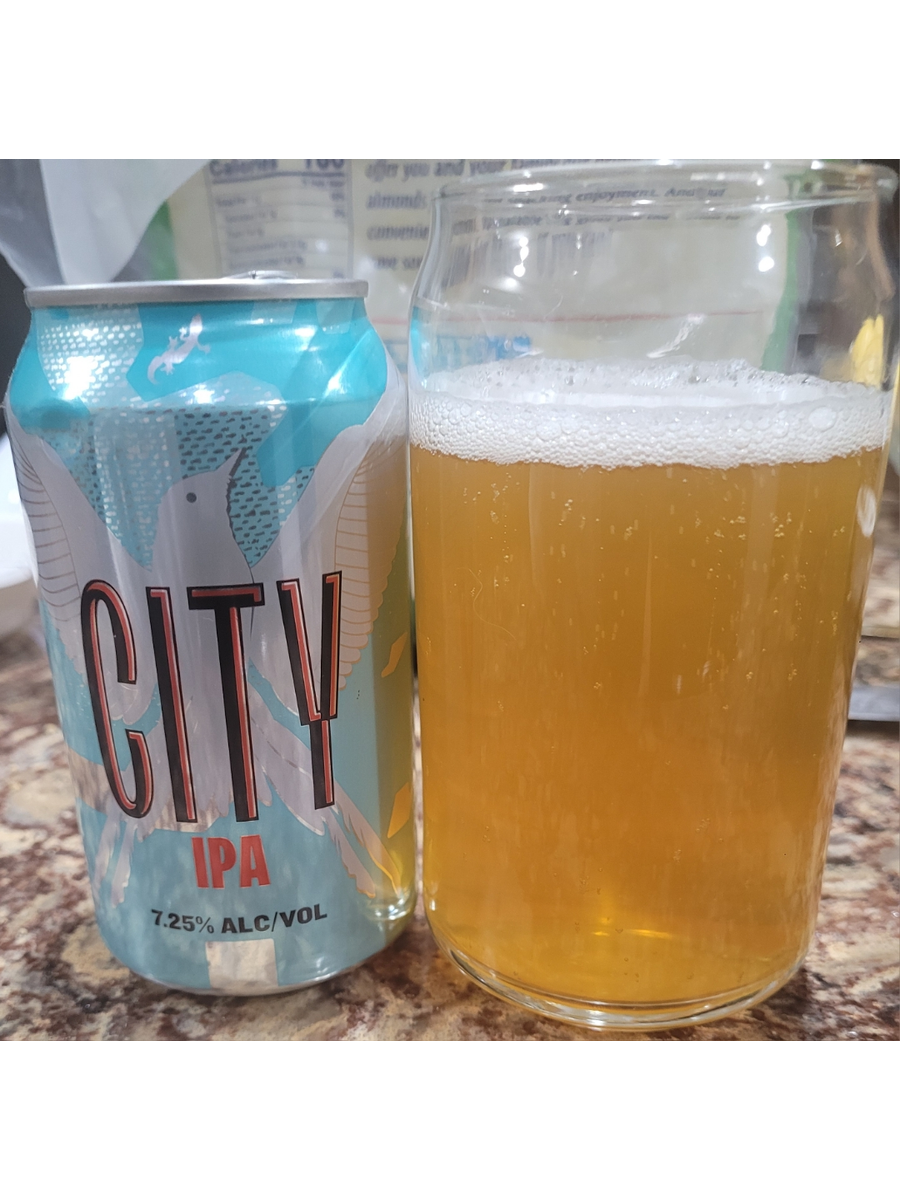
City
Brewed by Roughtail Brewing Company
A crisp West Coast-style IPA in Roughtail’s core range.
BAR NOTES
City is Roughtail’s year-round West Coast IPA, listed at 7.1% on the producer’s beer page. That identity makes it a useful same-brewery contrast with ERWO, without needing to assume they share a hop recipe.
Taste small samples of City and ERWO at similar temperature, then add a bite of grilled sausage to compare their finishes. If you favor a cleaner hop-led profile over a fuller hazy body, this is the comparison to prioritize.
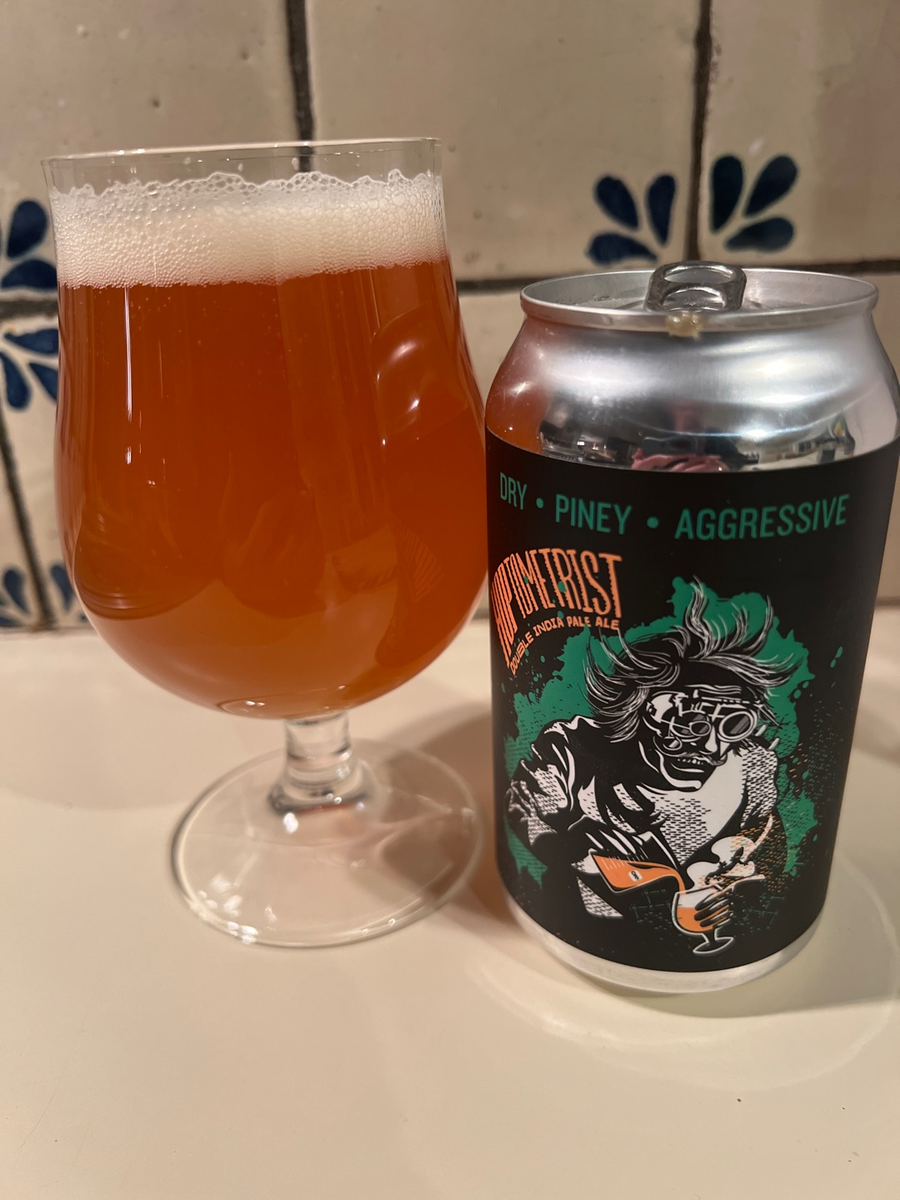
Hoptometrist
Brewed by Roughtail Brewing Company
Pine and citrus in a substantially stronger Roughtail IPA.
BAR NOTES
Hoptometrist is listed as a West Coast double IPA with 8.9% alcohol and 76 IBU. The brewery emphasizes pine and citrus, so it extends the City comparison toward a stronger beer rather than toward a different fruit adjunct.
Reserve a small sample for the end of the Roughtail flight and consider sharp cheddar or a richer grilled dish. Compare bitterness and body separately: a higher alcohol figure does not tell you which beer will taste most bitter.
5. Marshall Brewing Company
Marshall brings Tulsa into the guide with a particularly useful trio: American IPA, Munich-style dark lager and English-style best bitter. The brewery’s official portfolio lists these identities, while its brewery-authored profiles supply the detailed beer specifications.
Atlas IPA, Dunkel and McNellie’s Pub Ale reward a comparison of malt and fermentation rather than novelty alone. Start with the bitter or dark lager before Atlas, and distinguish a standing portfolio selection from the taproom’s daily board.
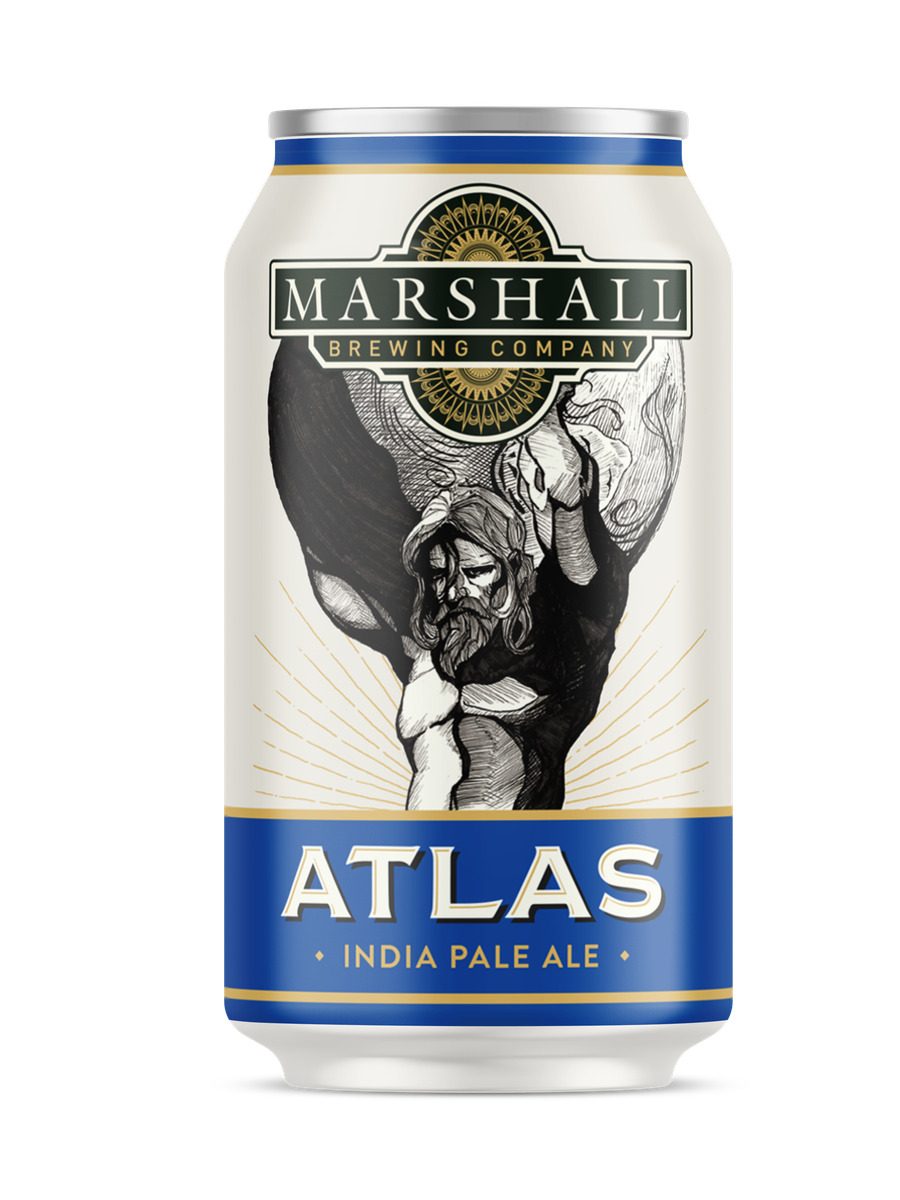
Atlas IPA
Brewed by Marshall Brewing Company
Caramel malt supports Amarillo, CTZ and Cascade hops.
BAR NOTES
Atlas uses pale and caramel malts with Amarillo, CTZ and Cascade in Marshall’s brewery-authored description. That malt support offers a different IPA reference from the leaner West Coast framing of COOP F5.
A roasted pork sandwich or a grilled mushroom burger would make a useful food comparison. First taste the malt-and-hop balance on its own, then consider whether browned food flavors bring the caramel side forward or soften perceived bitterness.
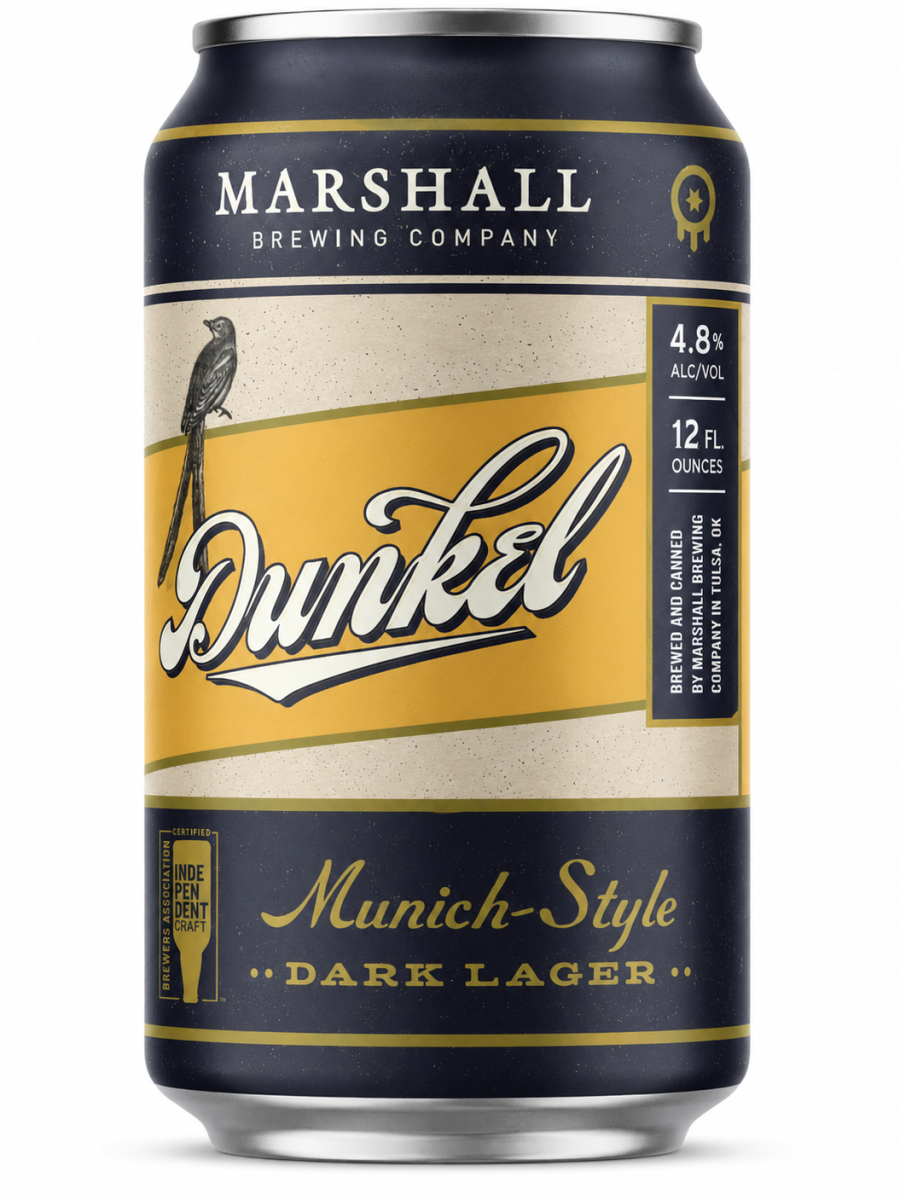
Dunkel
Brewed by Marshall Brewing Company
Bread-like malt, nuts and caramel in a comparatively modest-strength lager.
BAR NOTES
Dunkel’s brewery-authored profile names Munich, Pils and Vienna malts, with restrained Mt. Hood hops. It offers a darker lager at 4.8%, demonstrating why dark color should not be used as a shortcut for high alcohol.
Try it with a pretzel, roasted mushrooms or a mild sausage, and pay attention to bread-like flavor rather than expecting stout-level roast. The dark beer guide helps extend that distinction across porter, stout and other darker styles.
McNellie’s Pub Ale
Brewed by Marshall Brewing Company
Malt balance and restrained citrus-to-woodsy hops in a pub-ale style.
BAR NOTES
McNellie’s Pub Ale is identified by Marshall as an English-style best bitter. Its profile describes rich malt with subtle citrus and woodsy hop notes, giving Tulsa visitors a different reference from either IPA or lager.
A meat pie, roast chicken or a simple cheese plate would make a fitting pairing experiment. The style name does not promise that it will taste more bitter than Atlas; compare finish and malt balance before deciding from the label.
6. Cabin Boys Brewery
Cabin Boys’ original production taproom at 7th and Utica offers a Tulsa stop distinct from its downtown brewpub. The official beer list provides three year-round selections here, spanning Kölsch, hazy IPA and a Belgian-style quadrupel.
Cast-a-Line, Trail Magic and Bearded Theologian each serve a different purpose in the flight. The progression from a crisp pale ale style to hops and then strong dark malt is more useful than selecting three seasonal beers that may not overlap.
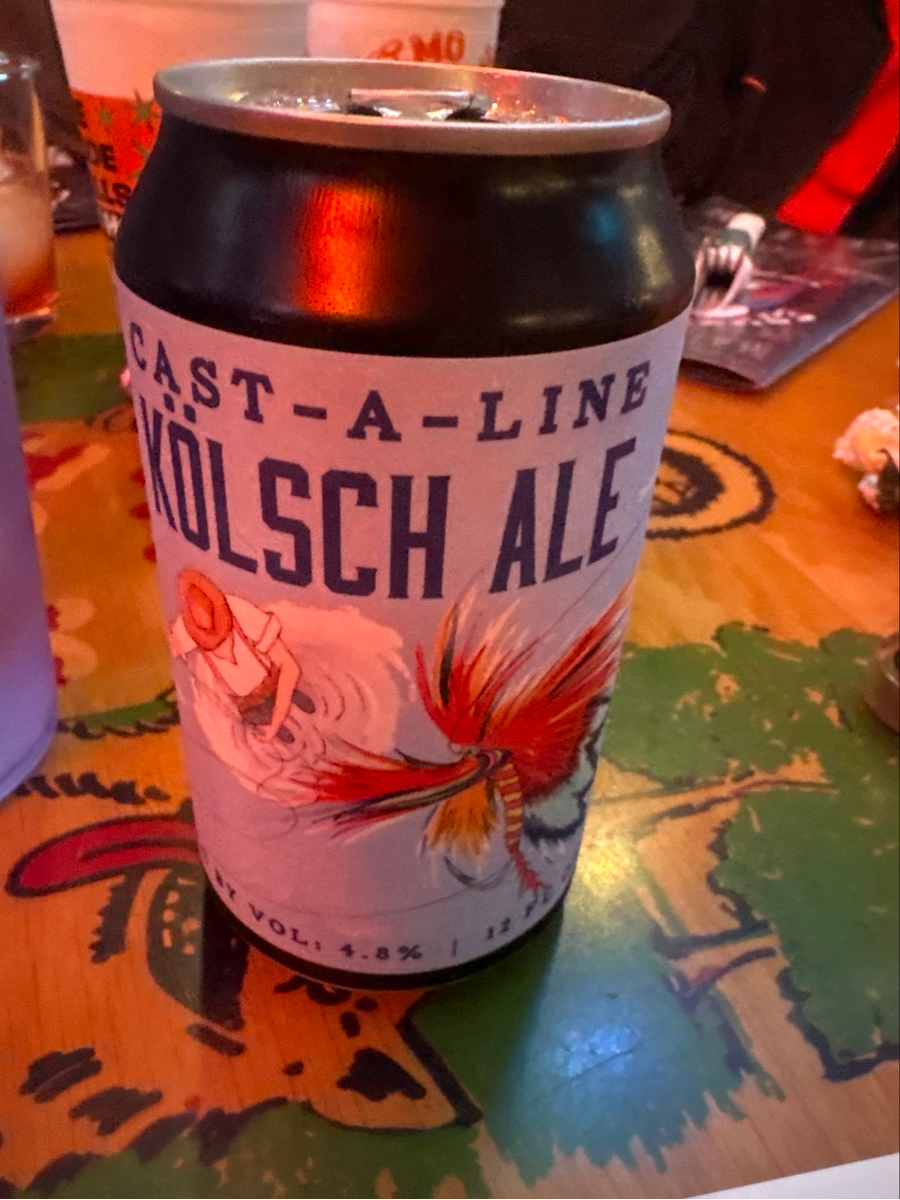
Cast-a-Line
Brewed by Cabin Boys Brewery
Biscuit, lemongrass and pear impressions with a crisp finish.
BAR NOTES
Cast-a-Line is Cabin Boys’ Kölsch-style ale, listed at 4.8% with 23 IBU. The producer describes biscuit, lemongrass and pear impressions; those flavor associations do not by themselves establish added fruit or lemongrass.
Pair it with lightly grilled fish or a soft pretzel and keep heavy sauces for later. The Kölsch brewing guide offers background on the style’s delicate balance, useful before moving into the more forceful beers in this trio.
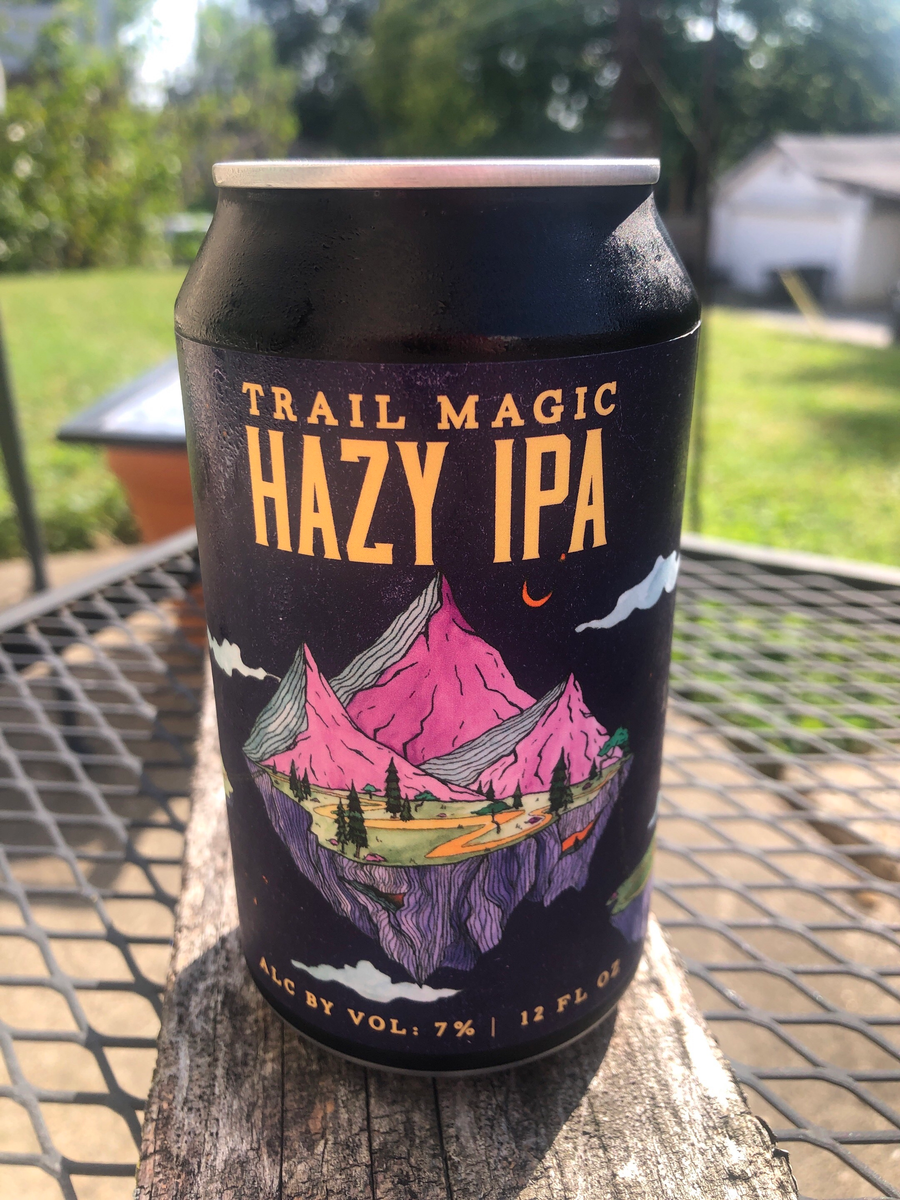
Trail Magic
Brewed by Cabin Boys Brewery
Simcoe Cryo and Citra with papaya, peach and tangerine aromas.
BAR NOTES
Trail Magic is dry hopped with Simcoe Cryo and Citra according to Cabin Boys. The brewery describes papaya, peach and tangerine aromas, giving it a specific hop-led identity rather than merely a generic cloudy-IPA label.
Try it with a grilled chicken wrap or roasted vegetables and compare the aroma before and after the first bite. Its listed 14 IBU illustrates why a hazy IPA’s hop aroma should not be equated automatically with high measured bitterness.
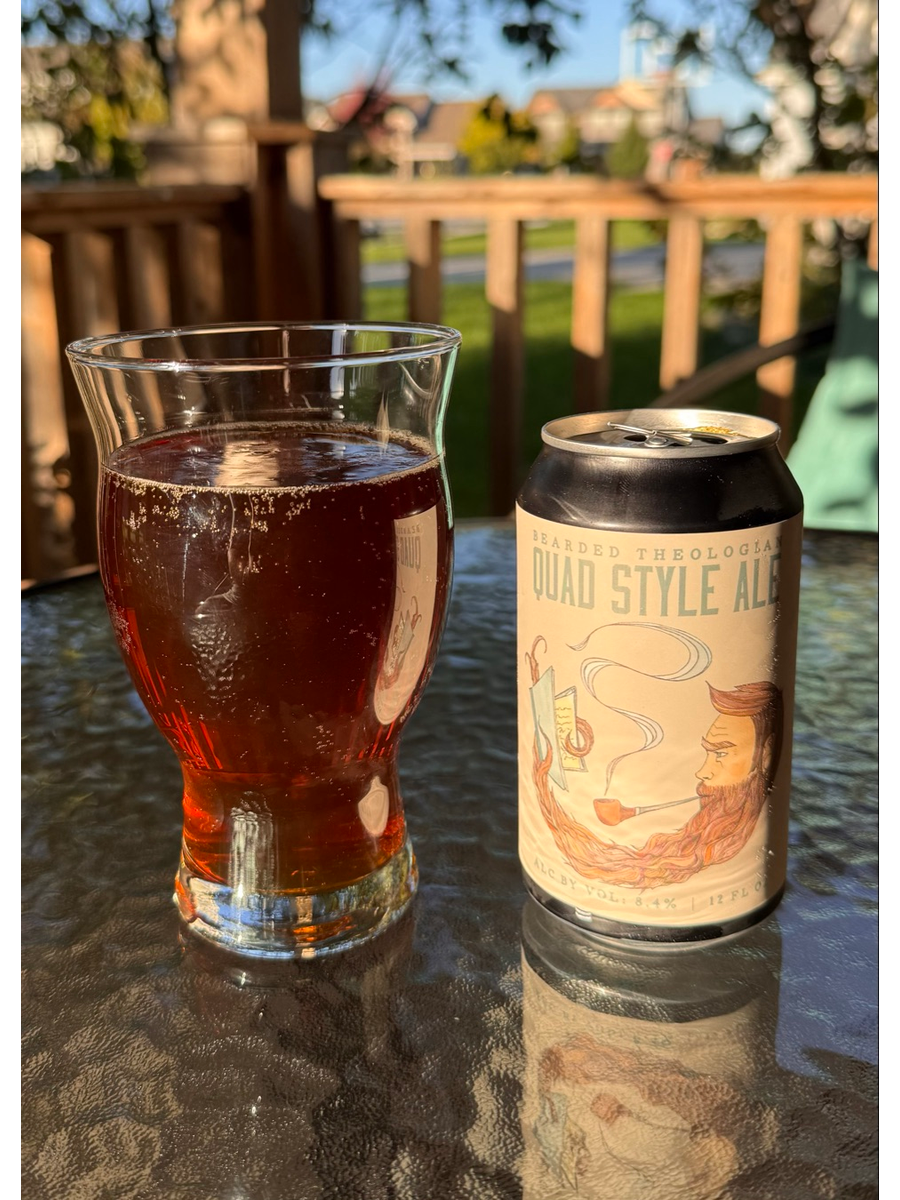
Bearded Theologian
Brewed by Cabin Boys Brewery
Raisin and caramel malt character with warming Belgian-style spice impressions.
BAR NOTES
Bearded Theologian is listed as a quadrupel at 8.4%, with raisin and caramel character in the producer description. It belongs to a different brewing tradition from Trail Magic and makes a useful comparison with COOP DNR.
An aged cheese or a small serving of roasted meat would support a deliberate late-flight sample. Taste at a slightly warmer temperature than the Kölsch and notice how the malt, spice impressions and alcohol warmth change together.
7. American Solera
American Solera adds foeder-aged sour beer and farmhouse ale to the Tulsa portion of the guide. Its official brewery-authored portfolio gives readers concrete examples of those methods alongside a recognizable double IPA.
Terpy Citra, Foeder Cerise and Grisettastone are profile-based selections, not a promise of a simultaneous flight. Ask for the current Tulsa menu before making a trip around a specific sour or farmhouse release; archived profiles can remain visible between batches.
Terpy Citra
Brewed by American Solera
A single-hop Citra double IPA from the producer portfolio.
BAR NOTES
Terpy Citra’s brewery-authored profile identifies a single-hop double IPA at 8.0%. Keep this exact release separate from Terpy Galaxy, DDH versions and other similarly named beers, which can describe different hop choices or formulations.
A small pour with a grilled sandwich would allow a straightforward comparison with Hoptometrist’s pine-and-citrus framing. Focus on aroma and body rather than treating the shared double-IPA category as proof that their recipes or bitterness match.
Foeder Cerise
Brewed by American Solera
A mixed-culture golden sour aged on Montmorency cherries.
BAR NOTES
Foeder Cerise’s producer profile describes a golden sour with Brettanomyces and other souring cultures, aged on Montmorency cherries. That fermentation and maturation story distinguishes it from a beer that simply adds fruit to a clean base.
Try a small sample with soft cheese or roast duck if you want a pairing that contrasts acidity with richness. Ask about the current batch rather than assuming a profile’s maturation details establish today’s menu or an identical release.
Grisettastone
Brewed by American Solera
A lower-strength farmhouse-style option in American Solera’s portfolio.
BAR NOTES
Grisettastone is identified as a dry-hopped grisette at 4.0% in the brewery-authored profile. Its farmhouse-style identity gives a useful alternative to the stronger Terpy selection without implying that it is a light lager.
A lightly dressed salad or a simple cheese-and-bread plate would leave room for a restrained sample. The brief producer profile supplies limited tasting detail, so use this as a style-led selection and ask staff about the current batch.
8. Dead Armadillo Craft Brewing
Dead Armadillo’s Tulsa taproom adds another practical stop with flights and takeaway beer. Its official brewery-authored profiles provide the beer specifications used here, while the taproom’s own page establishes the visitor destination.
Amber, Tulsa Flag Blonde Ale and Morning Bender Coffee Oatmeal Stout cover toasted malt, a lighter golden ale and an explicitly coffee-infused dark beer. Check the live board before expecting all three to be available in one flight.
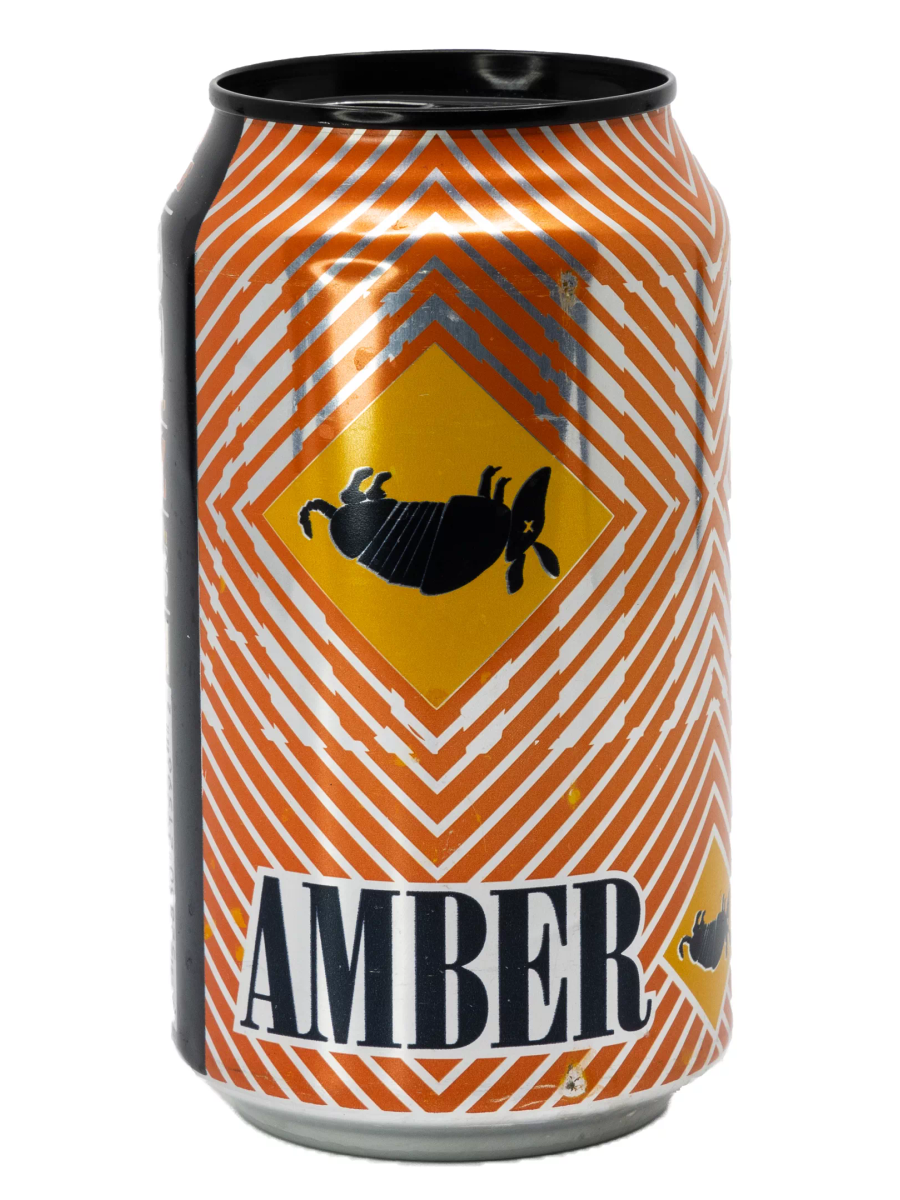
Amber
Brewed by Dead Armadillo Craft Brewing
Caramel malt and a finishing touch of Cascade hops.
BAR NOTES
Amber’s brewery-authored profile describes caramel sweetness, roasted malt and late Cascade hops. Its 6.3% strength gives the Tulsa lineup a fuller amber-ale example to compare with Iron Monk’s lighter Velvet Antler.
Roasted potatoes, browned onions or a pork sandwich would make useful pairing experiments. Evaluate the balance before labeling it sweet from the caramel association alone; hops and the finish can change how that malt impression reads.
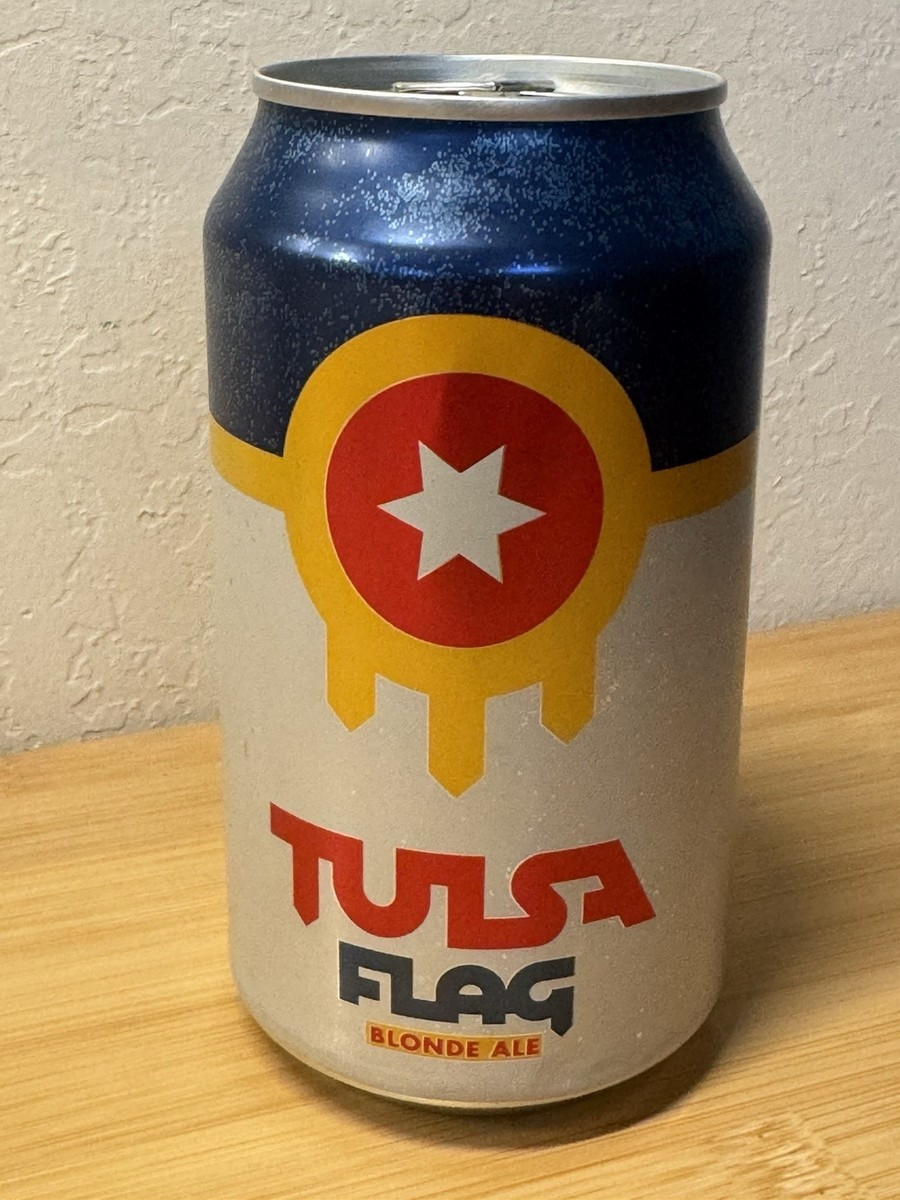
Tulsa Flag Blonde Ale
Brewed by Dead Armadillo Craft Brewing
Specialty malt and restrained American hops in a Tulsa-themed golden ale.
BAR NOTES
Tulsa Flag Blonde Ale uses specialty malts and American hops in the brewery-authored description, with a listed 5.5% strength. It provides a local blonde-ale comparison without making the flag theme a brewing-style claim.
Try it beside a simple chicken sandwich or a mild cheese, then compare the malt impression with COOP Horny Toad. Similar color and nearby alcohol figures can hide differences in hop choice, body and the final swallow.
Morning Bender Coffee Oatmeal Stout
Brewed by Dead Armadillo Craft Brewing
Coffee from Topeca Coffee Roasters in an oatmeal stout.
BAR NOTES
Morning Bender explicitly names coffee sourced and roasted by Topeca Coffee Roasters. Its profile lists 7.0% alcohol, making it a coffee-added stout rather than a beer whose malt merely suggests espresso.
A small piece of chocolate cake or a toasted nut pastry could meet the coffee character without requiring a large pour. Compare it with Iron Monk Milk Stout for a study of named coffee additions versus a malt-led coffee aroma.
9. Iron Monk Brewing Company
Iron Monk anchors a Stillwater trip with more than a single sports-themed beer. The producer’s year-round range includes blonde and amber ale, rye pale ale and milk stout, giving the city a useful place in this statewide style comparison.
1890 Original, Exit 174 Rye Pale Ale and Milk Stout form this guide’s trio. They move from a clean blonde through grain-driven spice to sweet dark malt; their different ingredient identities are more useful than picking solely by strength.
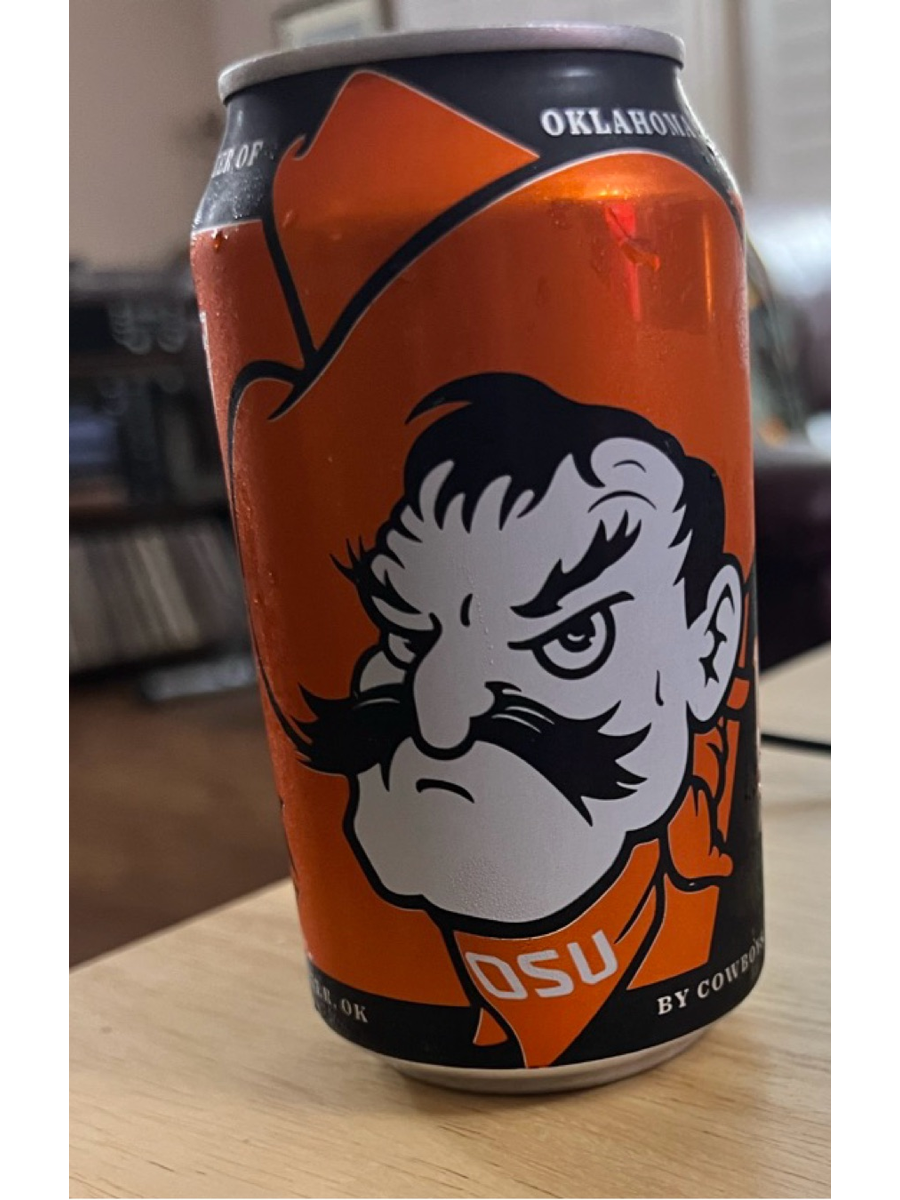
1890 Original
Brewed by Iron Monk Brewing Company
The Oklahoma State University-linked blonde ale brewed in Stillwater.
BAR NOTES
1890 Original is Iron Monk’s official Oklahoma State University craft-beer selection, listed at 5.2% and 11 IBU. The producer describes a crisp blonde ale, making it a lighter stylistic starting point for the Stillwater flight.
A simple cheeseburger or salted snack would leave the beer’s finish easy to follow. Compare it with Tulsa Flag for two locally themed blonde ales, keeping the brewery specifications separate from the teams or civic identities on the names.
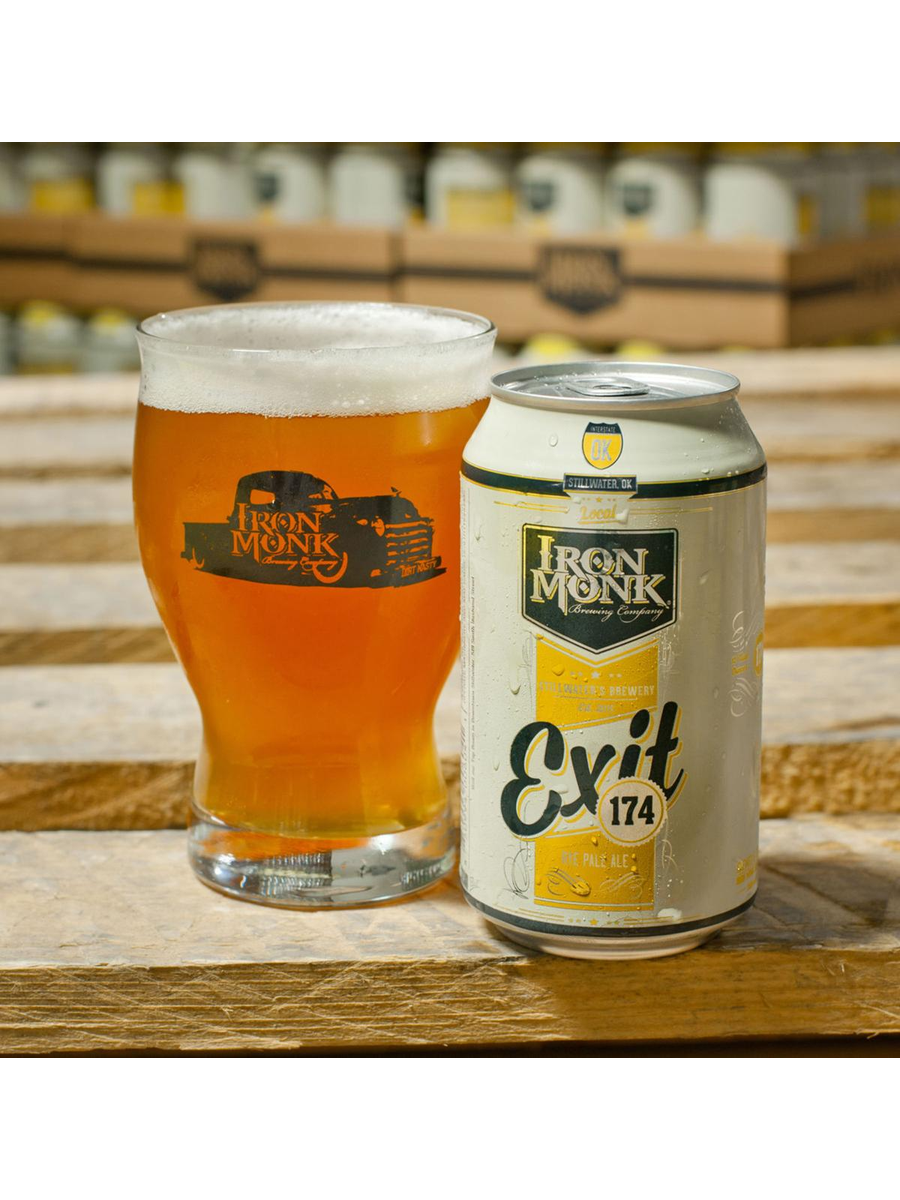
Exit 174 Rye Pale Ale
Brewed by Iron Monk Brewing Company
Rye spice and a gently bitter finish, named for the Stillwater exit.
BAR NOTES
Exit 174 gets its name from the I-35 exit to Stillwater, while rye gives the recipe its grain-led point of difference. Iron Monk lists it at 6.2% with 45 IBU and describes a crisp, gently bitter finish.
Try it with roast pork or a lightly spicy sandwich and consider grain character separately from hop bitterness. Our pale ale recipe supplies a basic comparison before exploring how rye changes a pale-ale formulation.
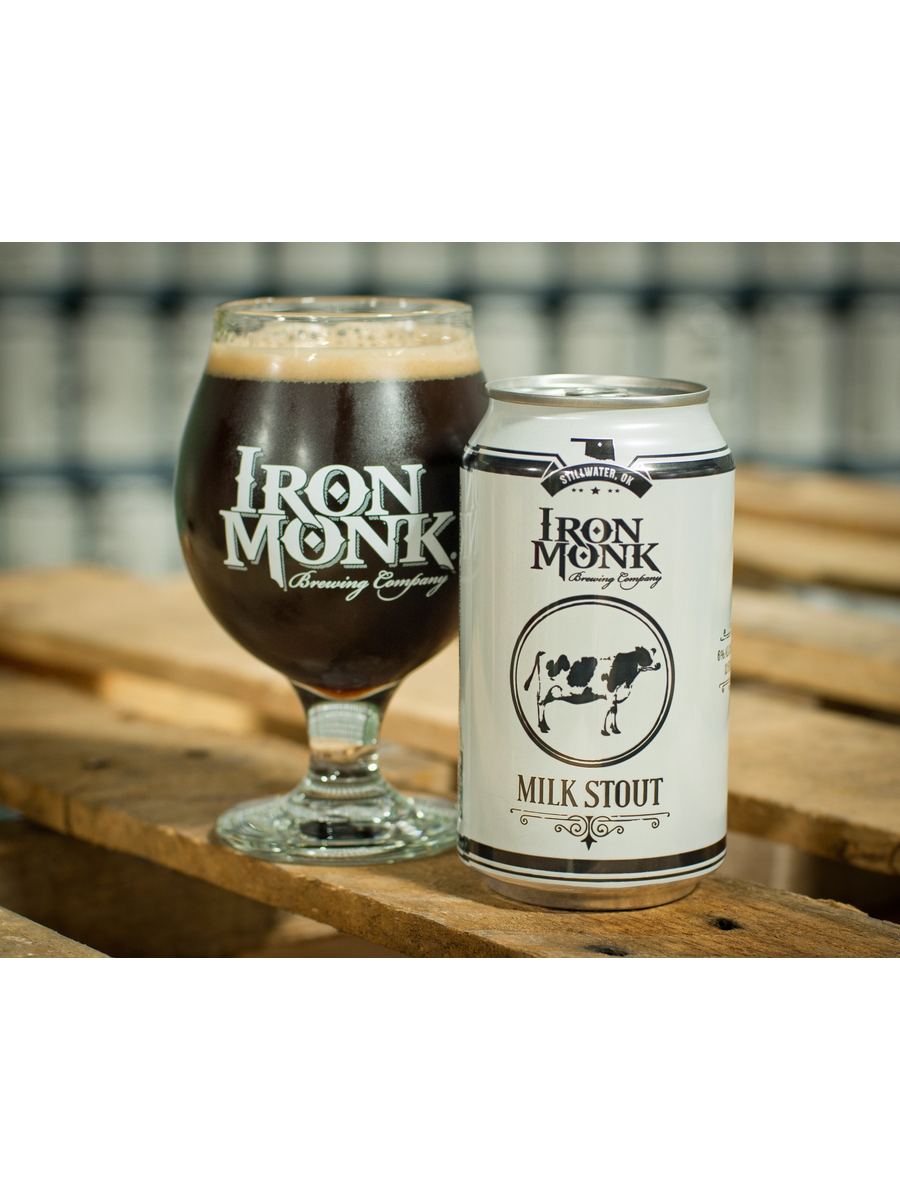
Iron Monk Milk Stout
Brewed by Iron Monk Brewing Company
Sweet, roasted and chocolate-like malt with an espresso aroma.
BAR NOTES
Iron Monk describes its Milk Stout as sweet, roasted and chocolate-like, with an espresso aroma. The checked brief description does not explicitly name added coffee, so that sensory association should not be treated as proof of a coffee ingredient.
A small chocolate dessert or a roasted-meat dish would offer different pairing directions. The milk stout brewing guide explains the style’s sweetening approach; ask about the actual ingredients if dairy or coffee additions affect your choice.
10. Kochendorfer Brewing Co.
Kochendorfer extends the guide into southwest Oklahoma through its Duncan brewery. Its official lineup provides named examples of Irish red, German-style wheat beer and porter, keeping the regional stop useful beyond a generic recommendation to order whatever IPA is available.
Irish Red, Hefeweizen and Ruby Porter offer a malt-and-fermentation flight with moderate listed strengths. Check the current serving lineup before traveling, since a full producer catalog need not match every tap handle on a given day.
Kochendorfer Irish Red
Brewed by Kochendorfer Brewing Co.
Toasted malt balanced by Magnum and Goldings hops.
BAR NOTES
Kochendorfer’s Irish Red lists Magnum and Goldings alongside toasted malt, with 5.8% alcohol and 25 IBU. Its reddish hue belongs to a specific malt-driven ale identity rather than evidence of added red fruit.
A roasted chicken dinner or a savory pie would give the toasted profile a useful food partner. Compare it with Dead Armadillo Amber for two different red-to-amber ale approaches, watching the finish rather than judging them by color alone.
Kochendorfer Hefeweizen
Brewed by Kochendorfer Brewing Co.
Banana and clove impressions in a German wheat-beer profile.
BAR NOTES
Kochendorfer identifies this Hefeweizen as a German-style wheat beer with banana and clove impressions. Its listed 6.4% strength is worth checking at the tap, since that figure is higher than several other approachable wheat beers readers may know.
A pretzel, lightly grilled pork or a mild cheese would leave room for fermentation character. Our hefeweizen recipe helps connect the wheat base and yeast-driven flavor without assuming banana or clove must have been added.
Ruby Porter
Brewed by Kochendorfer Brewing Co.
A lighter-bodied porter that retains roasted chocolate-like malt depth.
BAR NOTES
Ruby Porter is described by Kochendorfer as lighter in color and mouthfeel while retaining roasted, chocolate-like flavor. At a listed 5.5%, it closes this guide with dark-malt character without requiring another imperial-strength beer.
Try it with grilled mushrooms or a small piece of dark chocolate and compare roast against sweetness. The porter recipe offers a brewing reference for building a rounded dark beer while keeping malt intensity and body in balance.
Plan an Oklahoma brewery route by region
Oklahoma City offers a useful cluster through COOP, Prairie’s OKC taproom, Stonecloud and Roughtail, but these destinations are spread across the city rather than one continuous walking block. Tulsa provides another trip through Marshall, Cabin Boys’ original taproom, American Solera and Dead Armadillo. Choose a smaller set of stops and confirm the actual venue, service days and current beer board.
Iron Monk in Stillwater and Kochendorfer in Duncan make distinct regional visits. Stillwater is a different destination from Oklahoma City, and Duncan belongs to a southwest itinerary rather than a quick Tulsa detour. Arrange a designated driver, suitable local transportation or lodging for the route you actually plan; a statewide guide is an invitation to several trips, not one all-day tasting challenge.
Oklahoma brewery questions
Are these the only worthwhile Oklahoma breweries?
No. The ten editorial picks balance regional reach and beer styles. Their order organizes this page and does not represent competition results or a complete brewery inventory.
Are all thirty beers on tap today?
No. Standing producer portfolios and brewery-authored profiles can include beers between releases or absent from a taproom board. Confirm current taps and takeaway stock, especially for American Solera’s profile-based selections.
Which selected beers have the lowest listed alcohol levels?
Grisettastone is listed at 4.0%, Stonecloud Lite at 4.3%, and Cast-a-Line and Marshall Dunkel at 4.8%. These remain alcoholic beers; dark color or a light-style name does not determine alcohol content.
Which featured beers explicitly name added coffee?
Prairie Bomb! lists coffee among its adjuncts, and Morning Bender names coffee from Topeca Coffee Roasters. Iron Monk Milk Stout describes an espresso aroma, which alone does not prove added coffee.
Does Everything Rhymes with Orange contain oranges?
The checked producer page describes citrus-led hops and names Simcoe, Citra and Mosaic. Its name and citrus flavor language do not by themselves establish an orange-fruit addition.
What makes Foeder Cerise different from the other fruit sours?
Its brewery-authored profile describes mixed cultures and maturation on Montmorency cherries in oak foeders. That method is a specific fermentation and aging story; ask about the current batch and availability.
Which Cabin Boys location does this guide use?
The original production taproom at 7th and Utica in Tulsa. The downtown brewpub is a separate venue with its own menu and operating information.
Why should I verify the exact stout edition?
Base stouts, barrel-aged versions and flavored releases can have different recipes and strengths. The checked base Bomb! profile lists 12%, while Iron Monk Milk Stout is 6%; neither figure should be transferred to a similarly named variation.
Keep exploring Oklahoma’s beer routes.
Follow a favorite pour into more brewery destinations, sour and dark beer comparisons, or a practical homebrew recipe.