10 Best Breweries in Missouri with 30 Beers Worth Trying
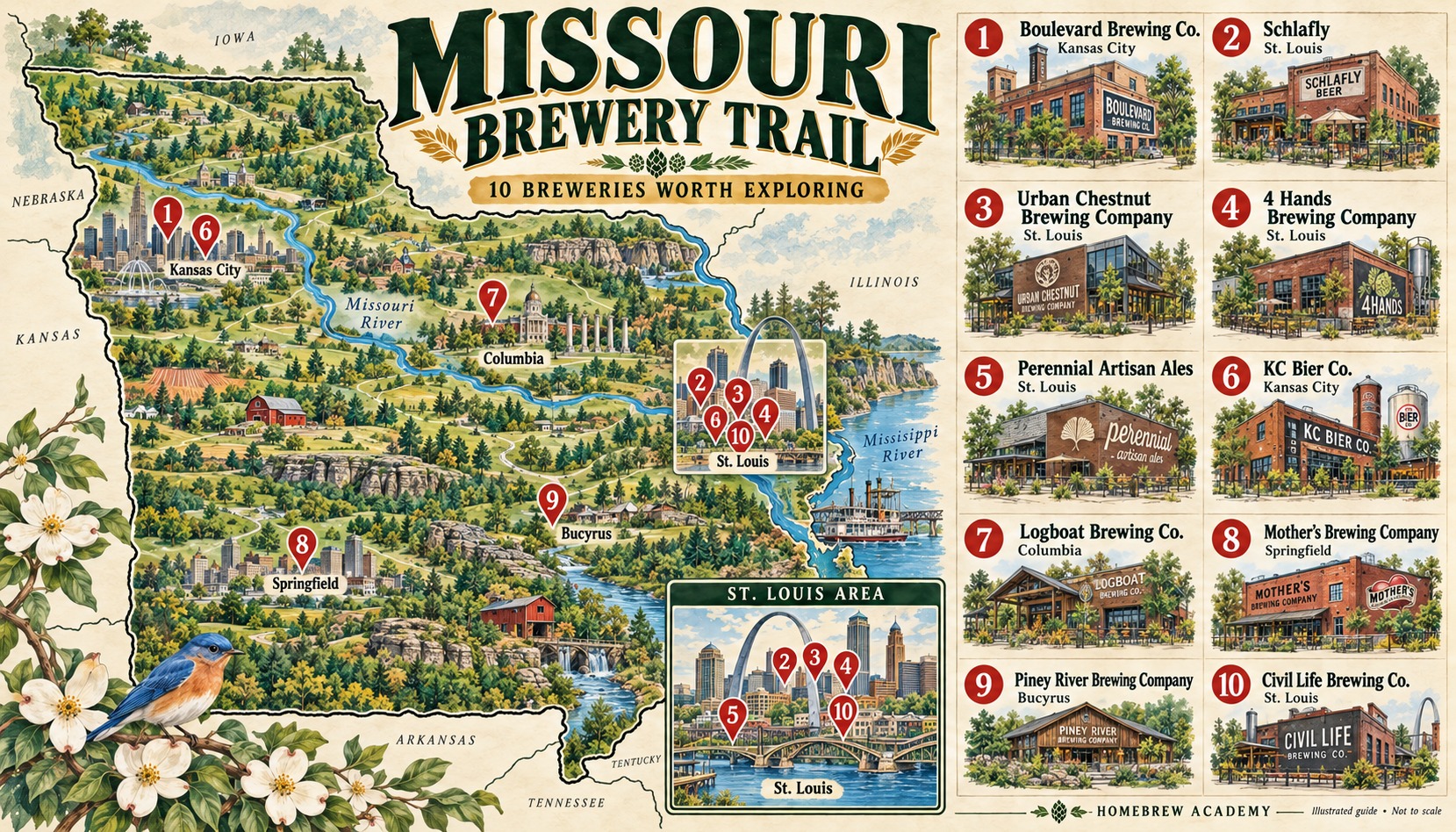
Missouri brewery routes connect Kansas City and St. Louis with Columbia, Springfield and the Ozarks. These ten editorial selections offer thirty named beers spanning wheat beer, German lager, pale ale, IPA, saison, porter and stout. The order is a planning aid rather than a statewide tasting score.
Three beers per producer make useful comparisons. Current producer pages supply the listed strengths and take priority over older profiles; brewery-authored descriptions add brewing detail. Portfolio and seasonal listings do not establish daily inventory. Check the actual menu, package and serving batch before traveling for one beer.
Missouri brewery picks at a glance
| Brewery | Base | Three beers to explore |
|---|---|---|
| Boulevard Brewing Co. | Kansas City | Unfiltered Wheat · Tank 7 · Space Camper |
| Schlafly | St. Louis | Pale Ale · Kölsch · Oatmeal Stout |
| Urban Chestnut Brewing Company | St. Louis | Zwickel · Schnickelfritz · Dorfbier |
| 4 Hands Brewing Company | St. Louis | City Wide APA · Incarnation · Chocolate Milk Stout |
| Perennial Artisan Ales | St. Louis | Saison de Lis · Hommelbier · Abraxas |
| KC Bier Co. | Kansas City | Dunkel · Helles Lager · Hefeweizen |
| Logboat Brewing Co. | Columbia | Snapper · Lookout · Mamoot |
| Mother’s Brewing Company | Springfield | Lil’ Helper · Three Blind Mice · Winter Grind |
| Piney River Brewing Company | Bucyrus | Black Walnut · Float Trip Lager · Old Tom Porter |
| Civil Life Brewing Co. | St. Louis | American Brown Ale · German Wheat · Rye Pale Ale |
1. Boulevard Brewing Co.
Boulevard’s Kansas City portfolio gives this guide a broad starting flight: American wheat beer, a strong American saison and the original Space Camper IPA. Its current individual product pages supply the strengths used on the cards.
These selections focus on the beers themselves, with clearly separated variants and brewing descriptions. Check present taproom and retail stock before making a trip around one particular release.
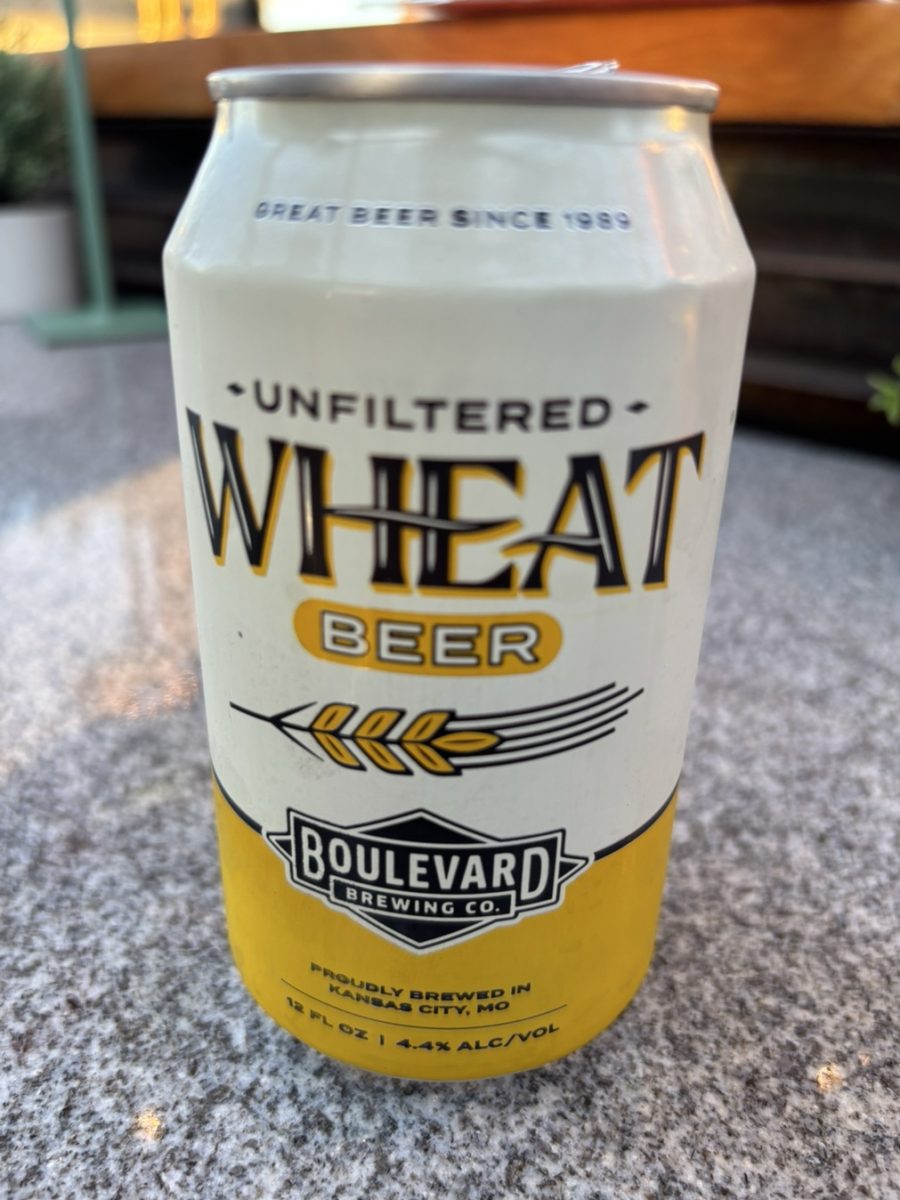
Unfiltered Wheat
Brewed by Boulevard Brewing Co.
Lively, naturally citrusy and cloudy American wheat beer.
BAR NOTES
Boulevard’s original Unfiltered Wheat is a cloudy American wheat beer at 4.4%. The brewery describes its citrus character as natural flavor, which gives this lighter selection a different role from the stronger saison and hop-forward IPA beside it.
Try this first in the Boulevard flight, then compare its lively wheat-beer character with the German weissbiers later in the guide. Cloudiness alone does not make the styles identical, and the producer’s description does not establish added citrus fruit.
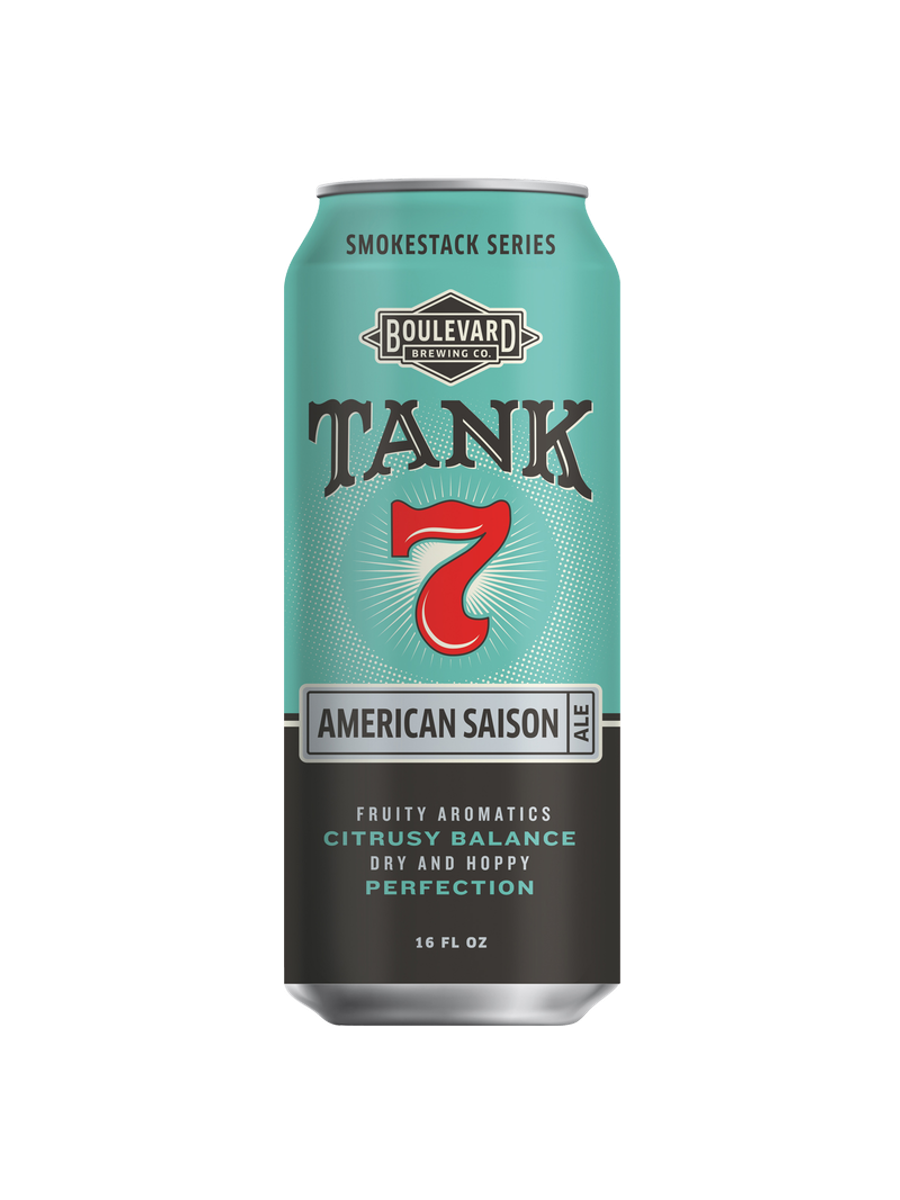
Tank 7
Brewed by Boulevard Brewing Co.
American saison with fruit, subtle spice, grapefruit hops and effervescence.
BAR NOTES
Tank 7 brings a distinctly American interpretation of saison to the Kansas City flight. Its current producer specification is 8.5%, with fruity aromatics, subtle spice and grapefruit hop notes supported by the effervescence that the brewery emphasizes.
The strength makes a small tasting pour useful beside Unfiltered Wheat. Compare the fruit-and-spice presentation with Perennial’s chamomile saison rather than treating all farmhouse ales as interchangeable, and keep original Tank 7 separate from the brewery’s other numbered releases.
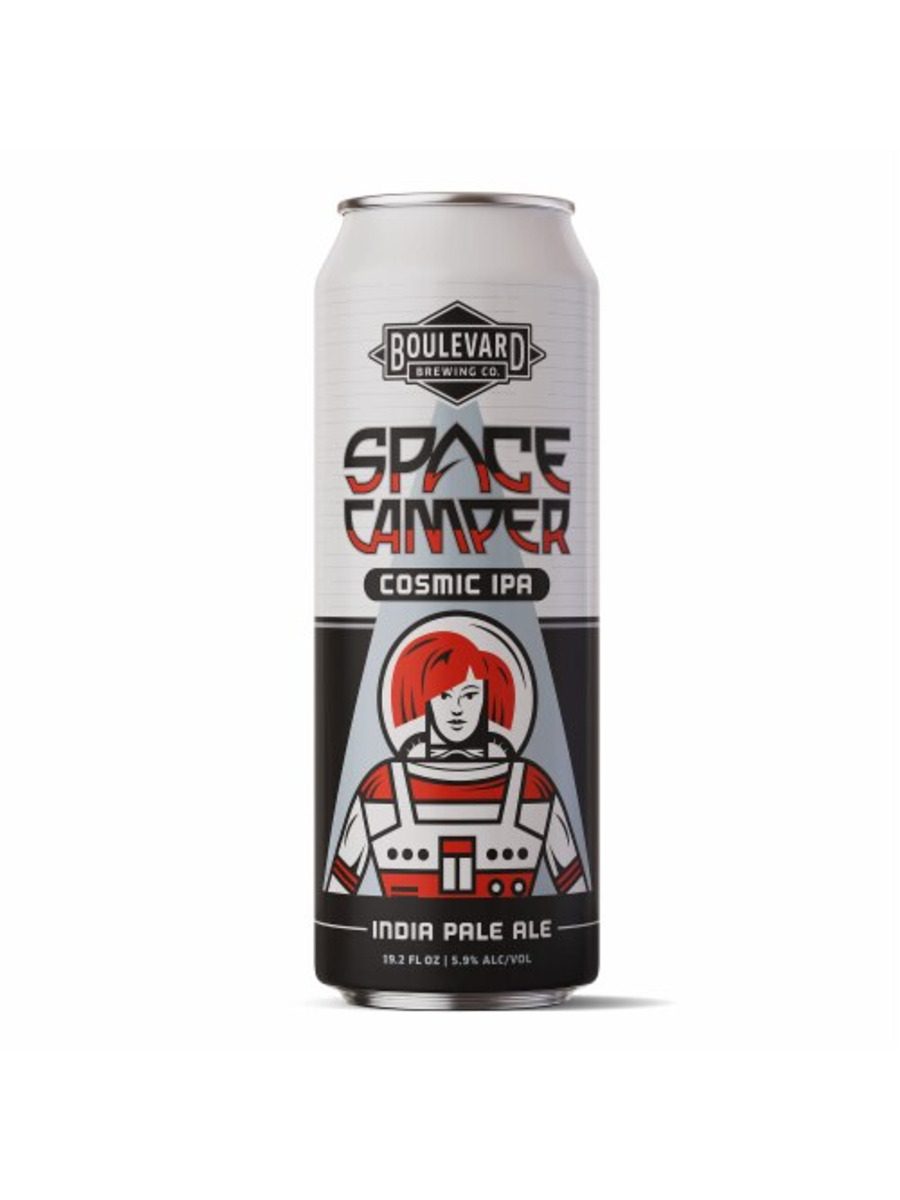
Space Camper
Brewed by Boulevard Brewing Co.
Late-boil and fermentation hop additions emphasize tropical aroma.
BAR NOTES
Space Camper’s original IPA sits at 5.9% on the producer page. Boulevard describes large hop additions at the end of the boil and during fermentation, aiming for tropical aroma and juicy flavor with less emphasis on upfront bitterness.
Nectar and citrus are tasting language here, rather than proof of fruit additions. The original beer is a useful bridge into stronger Missouri IPAs, but its specifications should not be transferred to Juice Nova, Quantum Hop or the non-alcoholic version.
2. Schlafly
Schlafly’s current year-round lineup supplies three useful St. Louis classics: English-style Pale Ale, Kölsch and Oatmeal Stout. The producer publishes detailed grains, hops, yeast, fermentation and packaging information for each.
This flight moves from balanced malt and hops into a clean golden ale and then a fuller dark beer. It also gives concrete comparisons for the American pale ales and coffee stouts elsewhere in Missouri.
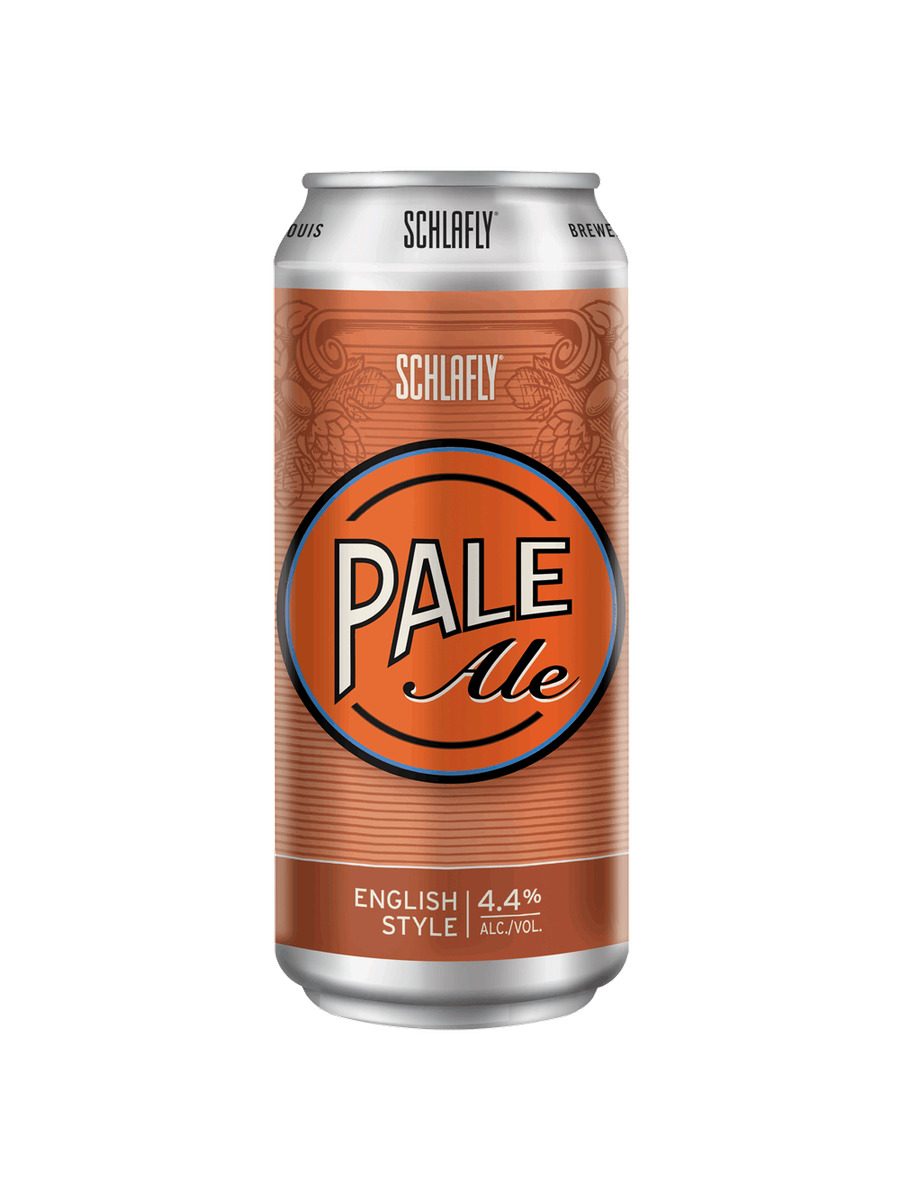
Pale Ale
Brewed by Schlafly
English hops and London ale yeast balance copper-colored malt.
BAR NOTES
Schlafly’s flagship Pale Ale takes an English direction: East Kent Goldings, Northdown and Pilgrim hops, pale and caramel grain, and London ale yeast. The current producer page lists a modest 4.4% strength and a copper-colored, balanced profile.
This is a useful pale-ale comparison with Logboat Lookout and 4 Hands City Wide APA. Look for the different emphasis on malt, mild spice and yeast fruitiness before deciding that every beer bearing a pale-ale name should taste alike.
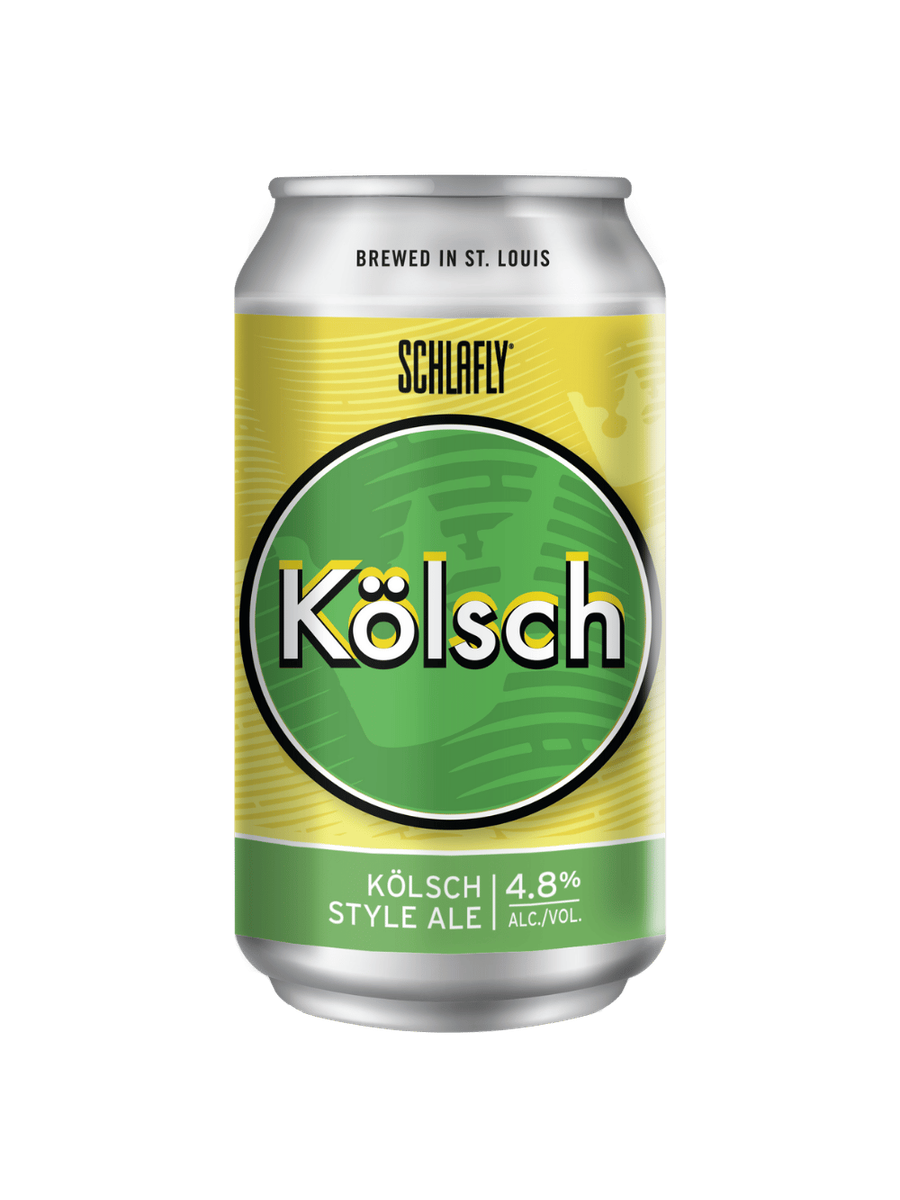
Kölsch
Brewed by Schlafly
Gaffel-origin yeast, warm fermentation and cold conditioning.
BAR NOTES
Schlafly connects its Kölsch to a yeast strain from Gaffel Brewery in Köln. The producer also describes warm fermentation followed by cold conditioning, along with pale, wheat, Munich and Carapils malts and Perle and Hallertau Tradition hops.
The 4.8% golden ale belongs beside the German lagers as a comparison of clean finishes and delicate malt. Its lager-like finish does not change the producer’s Kölsch classification; the fermentation and conditioning description explains why the comparison is useful.
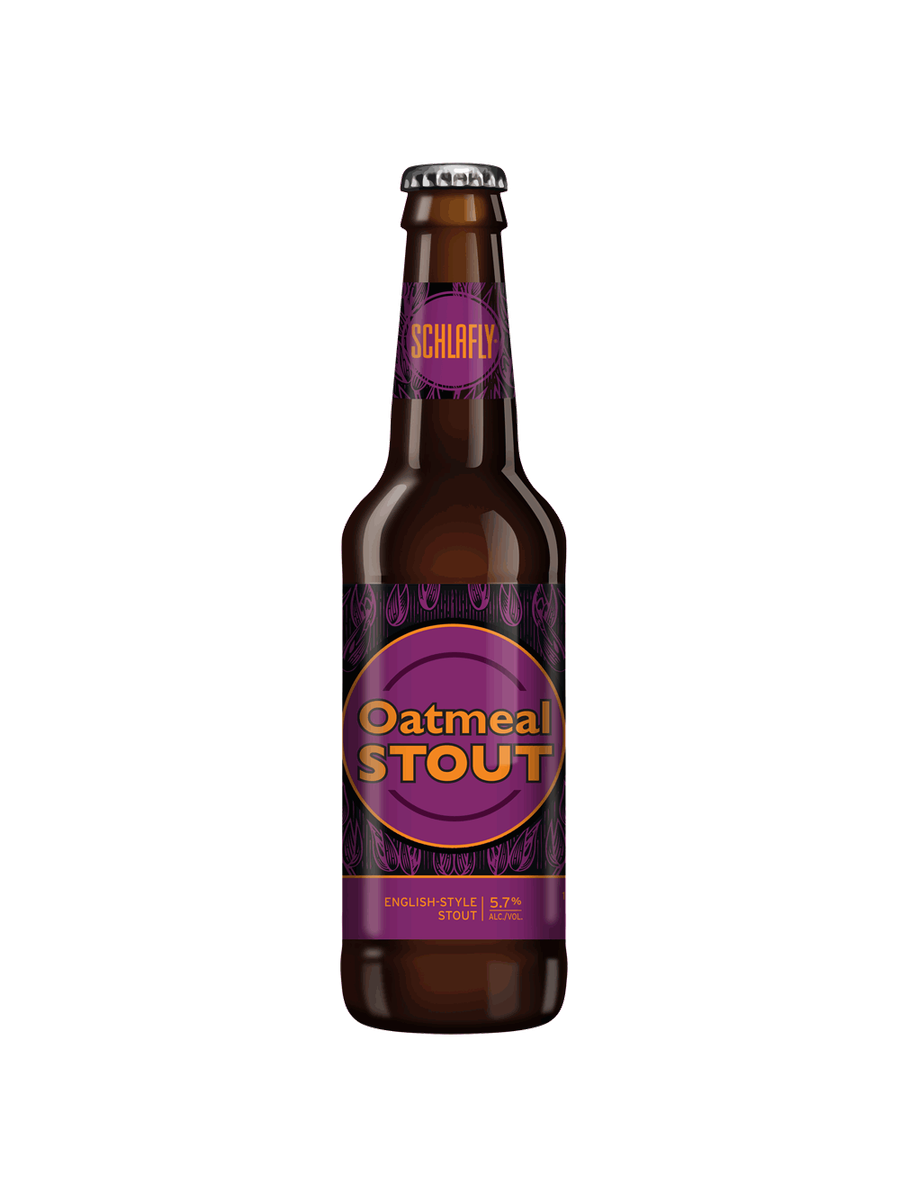
Oatmeal Stout
Brewed by Schlafly
Roasted malt and oat flakes support a smooth, full body.
BAR NOTES
Oat flakes join pale and caramel malt and roasted barley in Schlafly’s 5.7% Oatmeal Stout. The brewery describes a full body, smooth profile and roasted-malt character, with coffee, cocoa, raisin and dried-fruit language in the aroma.
Those aroma descriptions do not establish added coffee, cocoa or raisins. Compare this malt-and-oat structure with Winter Grind’s explicit coffee partnership and 4 Hands’ cacao-and-lactose stout to see how similar dark flavors can come from different brewing choices.
3. Urban Chestnut Brewing Company
Urban Chestnut’s St. Louis selection centers German brewing traditions: Zwickel, Schnickelfritz and Dorfbier. Current producer pages distinguish their lager, wheat-ale and Munich-dunkel identities and supply updated strengths.
The trio offers a focused comparison with KC Bier’s German-style lineup. Dorfbier’s current page lists draft, so check the actual menu instead of assuming every portfolio beer has the same packaged availability.
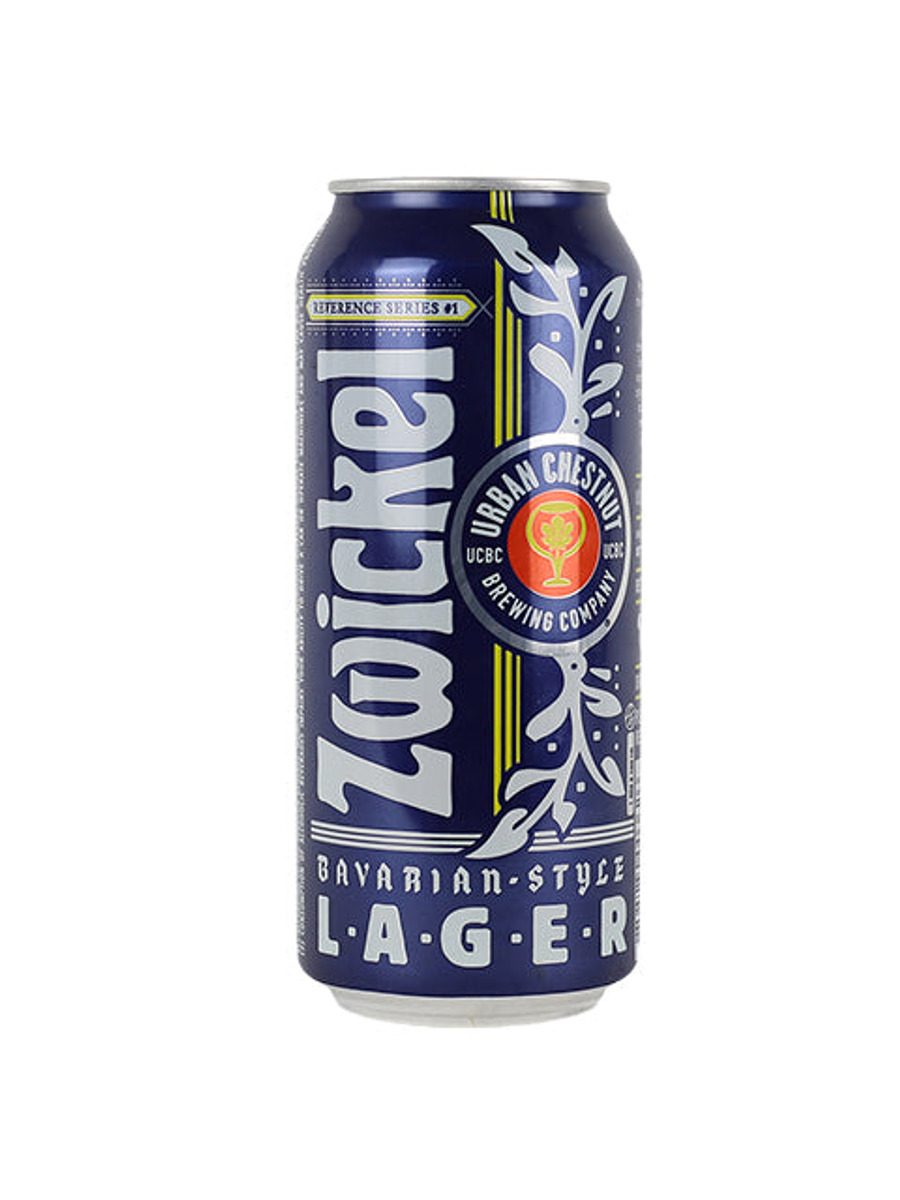
Zwickel
Brewed by Urban Chestnut Brewing Company
Unfiltered, unpasteurized Bavarian lager with bready malt.
BAR NOTES
Zwickel is Urban Chestnut’s unfiltered, unpasteurized Bavarian lager. Pilsner and caramel malt, Hallertau Perle and Mittelfrüh hops, and the brewery’s lager yeast support its bready, lightly hopped profile. The current producer page specifies 5.1% ABV.
Its naturally cloudy appearance gives a useful visual comparison with Boulevard Unfiltered Wheat, while the lager classification keeps their brewing traditions distinct. Older 5.2% listings should not override the current producer specification; confirm the actual package if a batch changes.
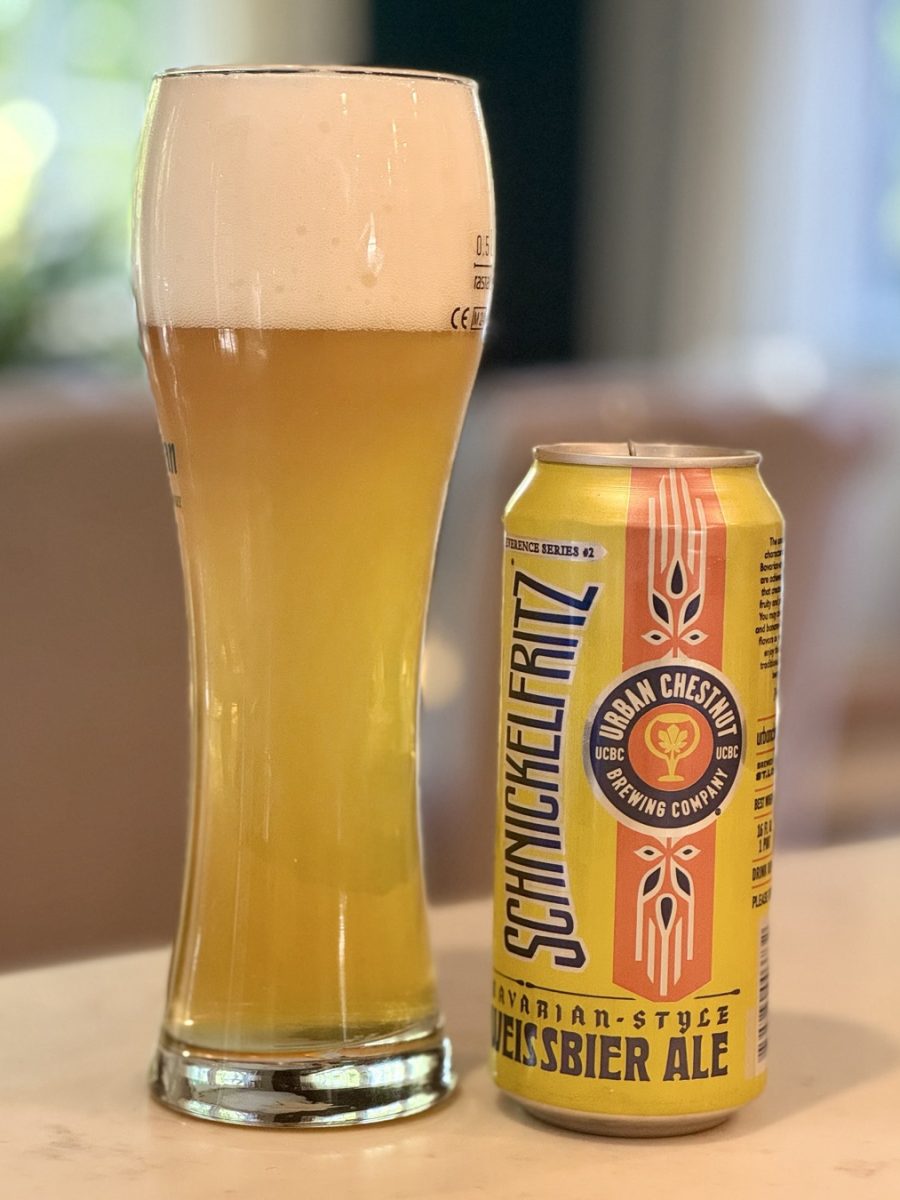
Schnickelfritz
Brewed by Urban Chestnut Brewing Company
Fruity and phenolic weissbier yeast provides banana and clove notes.
BAR NOTES
Schnickelfritz is a Bavarian weissbier at 5% on the current producer page. Wheat and Pilsner malt meet Perle and Tradition hops, while the brewery explicitly attributes its fruity and phenolic character to its weissbier yeast.
Banana, clove, nutmeg and vanilla-like language describes fermentation character rather than an ingredient list. Compare it with KC Bier’s Hefeweizen and Civil Life’s German Wheat, paying attention to how three producers describe closely related wheat-beer traditions.
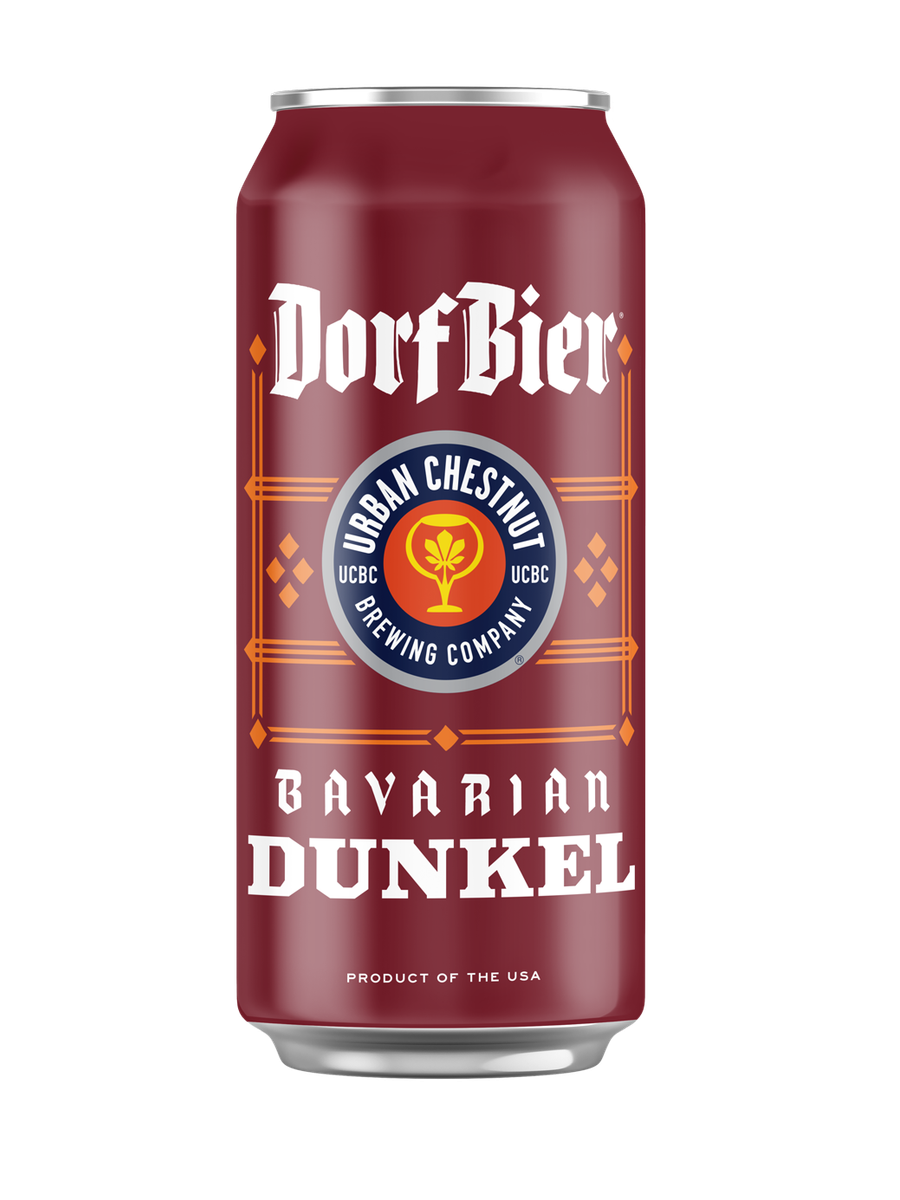
Dorfbier
Brewed by Urban Chestnut Brewing Company
Munich, caramel and chocolate malts balanced by Hallertau hops.
BAR NOTES
Dorfbier takes Urban Chestnut’s flight into Munich dunkel. The producer names Munich, caramel and chocolate malt alongside Hersbrucker and Perle hops, and describes a rich, smooth, toasty beer at 4.8% rather than a heavyweight stout.
The current product page lists draft availability, so a bottle or can should not be assumed for a visit. Compare the malt emphasis with KC Bier’s Dunkel; similar dark colors do not erase differences in the producers’ recipes and serving formats.
4. 4 Hands Brewing Company
4 Hands supplies American pale ale, Mosaic-led IPA and seasonal milk stout in St. Louis. The current portfolio separates core beers from timed releases and documents ingredient additions where they matter.
The flight distinguishes hop tasting notes from actual cacao and milk sugar. Original beers remain separate from City Wide and Incarnation variants, avoiding a common source of mismatched strength and recipe information.
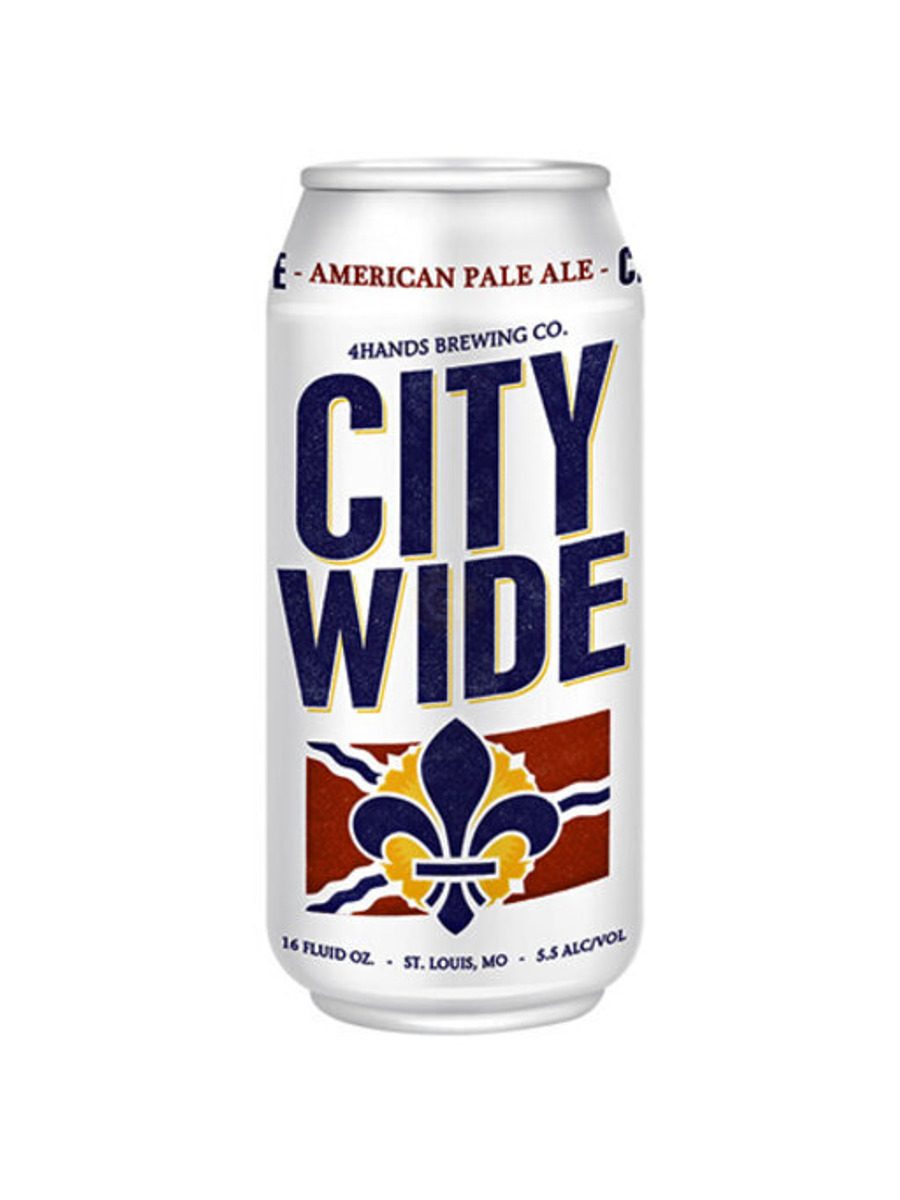
City Wide APA
Brewed by 4 Hands Brewing Company
Centennial, Citra and Simcoe hops in the kettle and dry hop.
BAR NOTES
City Wide APA combines Centennial, Citra and Simcoe hops in both kettle and dry-hop additions. 4 Hands describes citrus, melon and tropical aromas followed by a crisp, juicy finish, with the core American pale ale specified at 5.5%.
The hop blend makes this a useful companion to Schlafly Pale Ale’s English ingredients and Lookout’s American dry hop. The APA is a separate named selection from City Wide IPA, City Wide Light and the non-alcoholic hoppy pale.
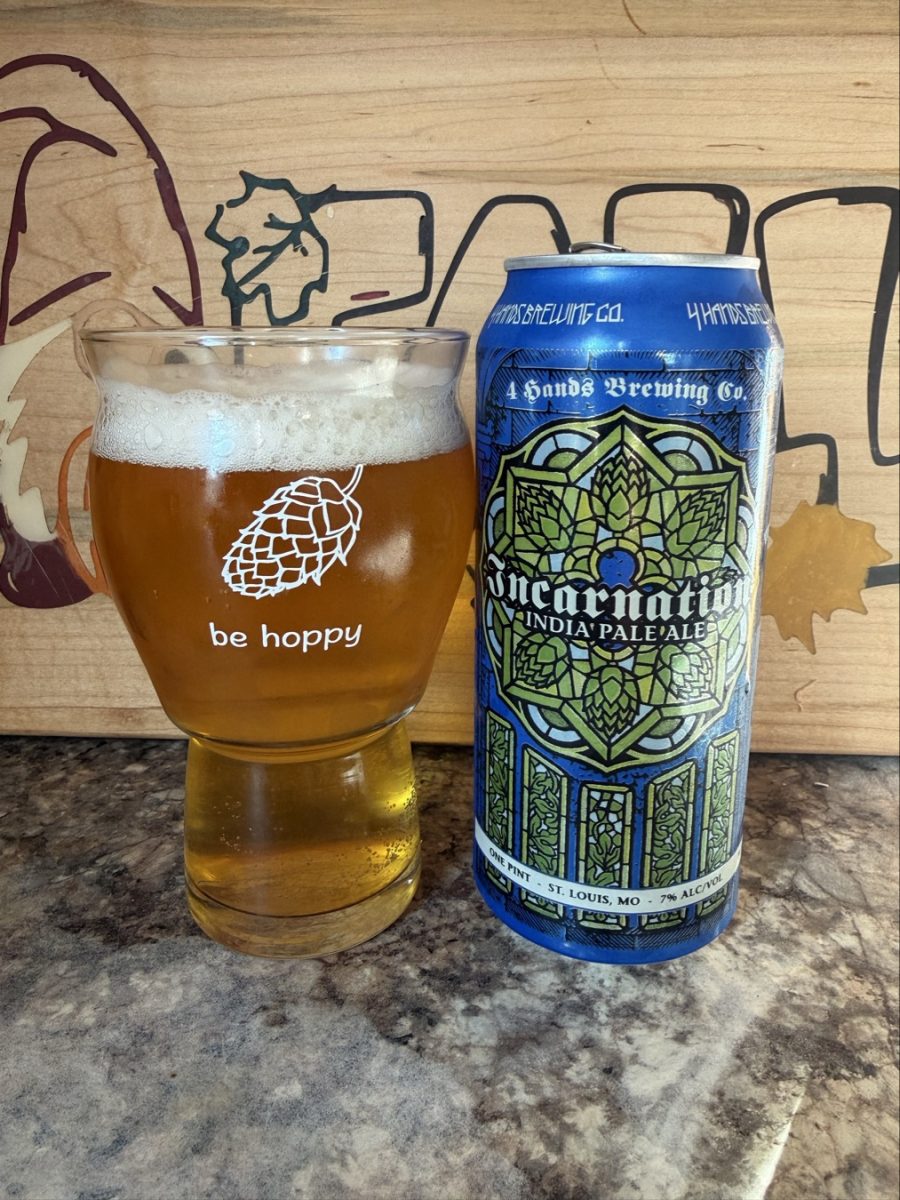
Incarnation
Brewed by 4 Hands Brewing Company
Mosaic hops over pale and caramel malts; medium-bodied amber IPA.
BAR NOTES
Original Incarnation is a Mosaic-hopped IPA at 7%. The producer describes pale and caramel malt, an amber appearance and a medium body, with pineapple, passion fruit and candied-citrus aroma and flavor balancing the subtle malt sweetness.
The fruit words describe the original beer’s hop presentation. Do not borrow fruit-addition claims from Incarnation Juiced or Pineapple, or specifications from its Hazy and non-alcoholic relatives. Compare the malt support with Space Camper’s different hopping emphasis.
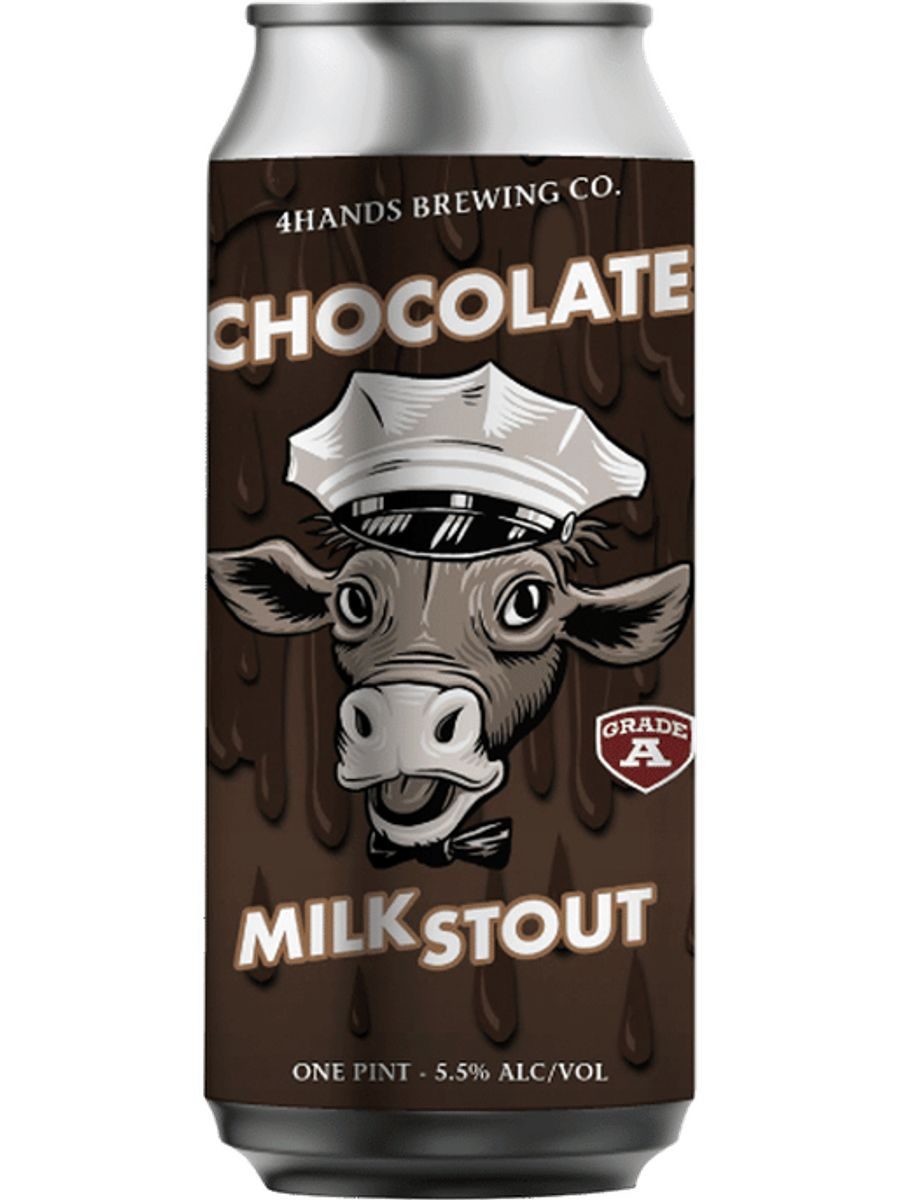
Chocolate Milk Stout
Brewed by 4 Hands Brewing Company
Cacao nibs and milk sugar add chocolate and creamy sweetness.
BAR NOTES
Chocolate Milk Stout uses cacao nibs and milk sugar, according to 4 Hands. At 5.5%, it combines roasted barley and chocolate-malt aromas with a velvety mouthfeel and creamy sweetness; the seasonal portfolio lists a September release.
This is an ingredient-led contrast with Schlafly Oatmeal Stout rather than merely another dark beer. Its explicit milk-sugar addition matters when choosing among the flight, while seasonal listing still requires checking present stock and the exact variant being served.
5. Perennial Artisan Ales
Perennial’s St. Louis portfolio moves from chamomile saison and Belgian-style pale ale to ingredient-rich Abraxas. The current producer list supplies all three strengths and identifies the imperial stout as a fall/winter release.
The selection does not promise that seasonal or portfolio status establishes daily stock. Original Abraxas remains separate from barrel-aged editions, and the lighter Belgian-style beers offer useful alternatives to a stout-only visit.
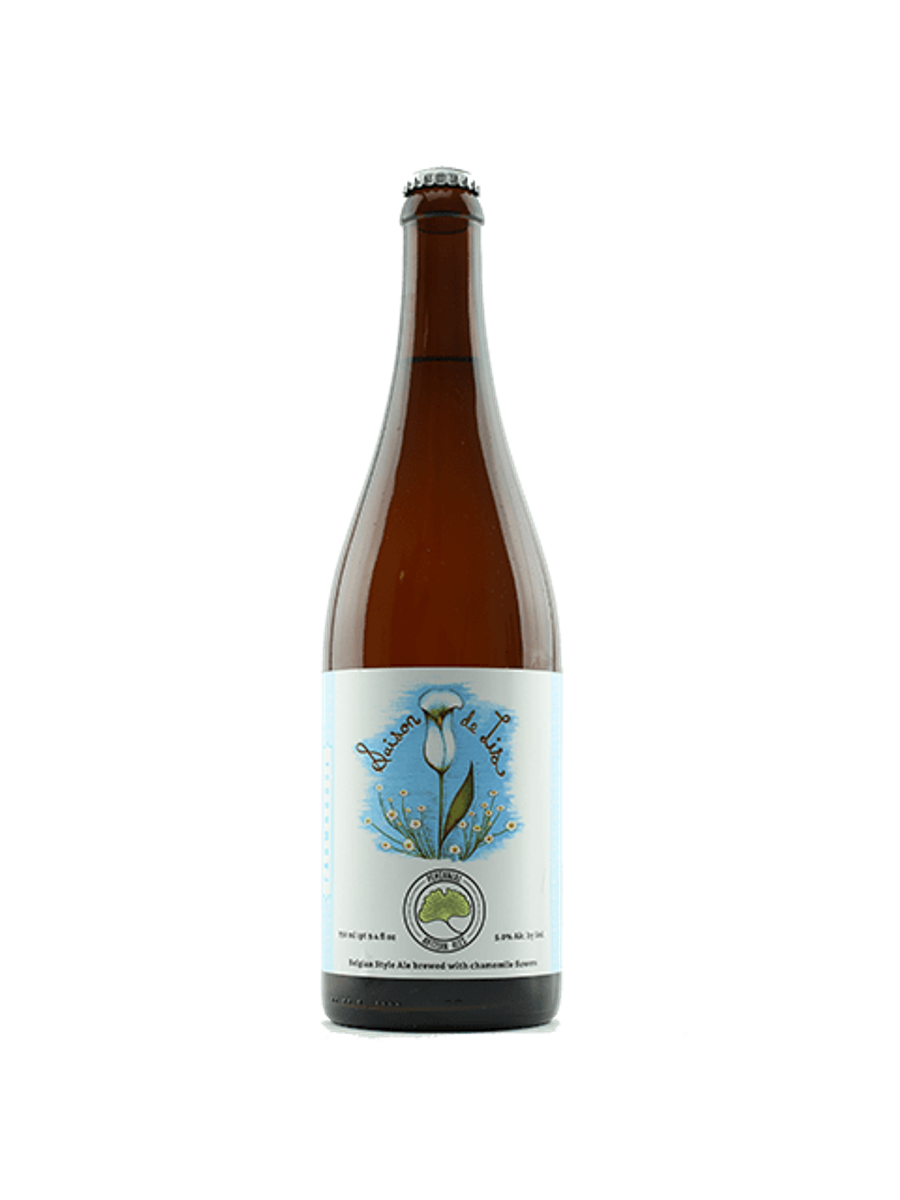
Saison de Lis
Brewed by Perennial Artisan Ales
Belgian-style saison brewed with chamomile.
BAR NOTES
Saison de Lis is Perennial’s 5% Belgian-style saison with chamomile. That named botanical addition provides a concrete reason to include it beside Boulevard’s stronger American saison without inventing further herbs, spices or fruit in the recipe.
Use the two saisons to compare strength and the role of a declared botanical ingredient. The current portfolio establishes the beer’s specification, but a portfolio listing cannot guarantee a particular day’s draft selection or packaged stock at the tasting room.
Hommelbier
Brewed by Perennial Artisan Ales
Belgian-style pale ale in the current producer portfolio.
BAR NOTES
Perennial’s current portfolio calls Hommelbier a Belgian-style pale ale and specifies 5% ABV. It supplies a lighter Belgian-style counterpoint to the chamomile saison and the imperial stout without requiring every beer in the flight to be strongly flavored.
The producer’s concise description does not justify inventing a detailed hop bill or fermentation schedule. Use its current strength ahead of older profile numbers, and compare its named style with the English and American pale ales elsewhere in the guide.
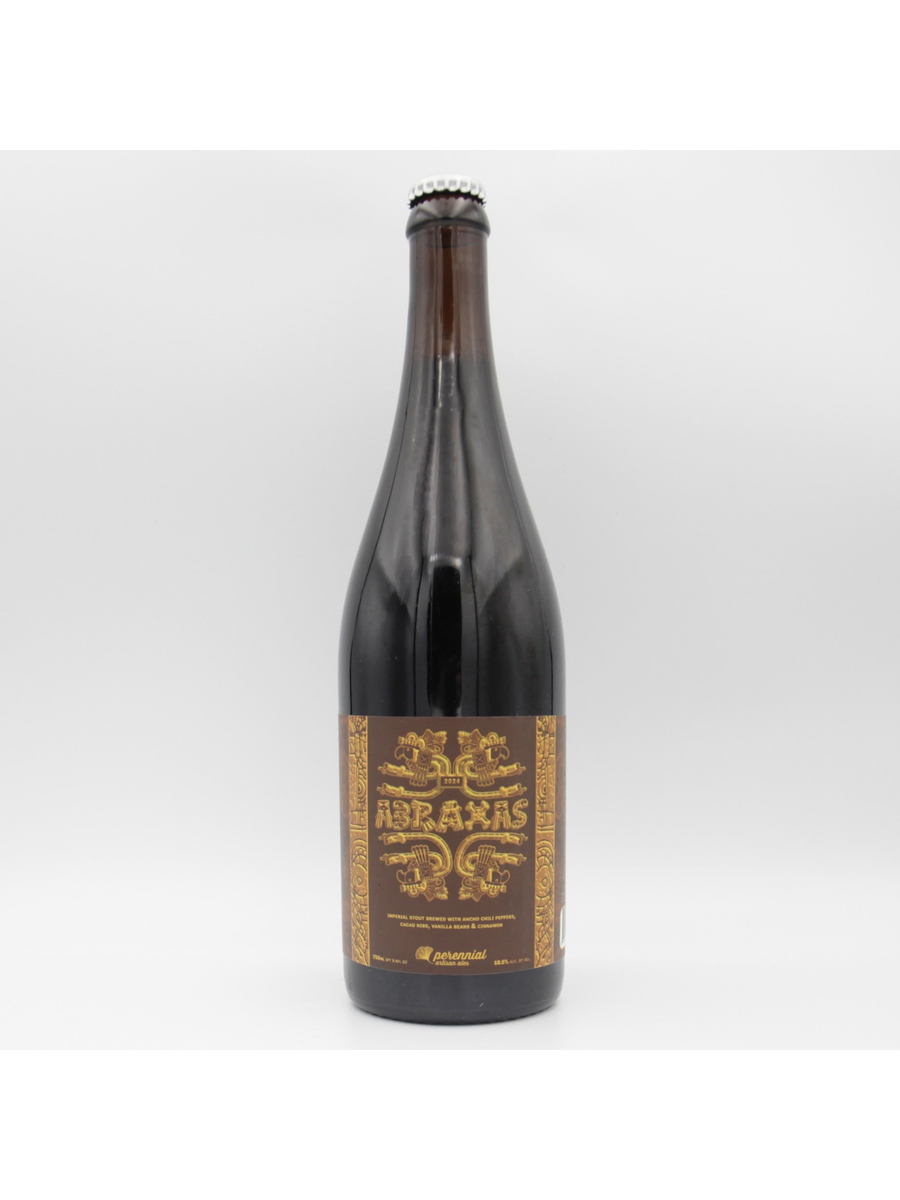
Abraxas
Brewed by Perennial Artisan Ales
Ancho peppers, cacao nibs, cinnamon, vanilla and lactose.
BAR NOTES
Original Abraxas is an 11.5% imperial stout with ancho chili peppers, cacao nibs, cinnamon sticks and vanilla beans. Perennial’s current portfolio explicitly marks lactose and fall/winter availability, giving this seasonal selection a clearly documented recipe and release window.
Plan around the actual release rather than assuming that autumn guarantees stock. Original Abraxas is separate from BA Abraxas and vintage-specific barrel-aged releases. A small pour lets the ingredient combination be compared with the simpler coffee and oatmeal stouts.
6. KC Bier Co.
KC Bier’s Kansas City selection compares Munich brown lager, Munich golden lager and Bavarian wheat ale. Current producer pages and brewery-authored profiles explain the malts, hops, yeast and lagering behind the lineup.
The Missouri stop is the Kansas City location; the brewery also lists a Kansas venue, which is outside this state route. Current Dunkel is 5% on the producer page, ahead of older menus that list 5.1%.
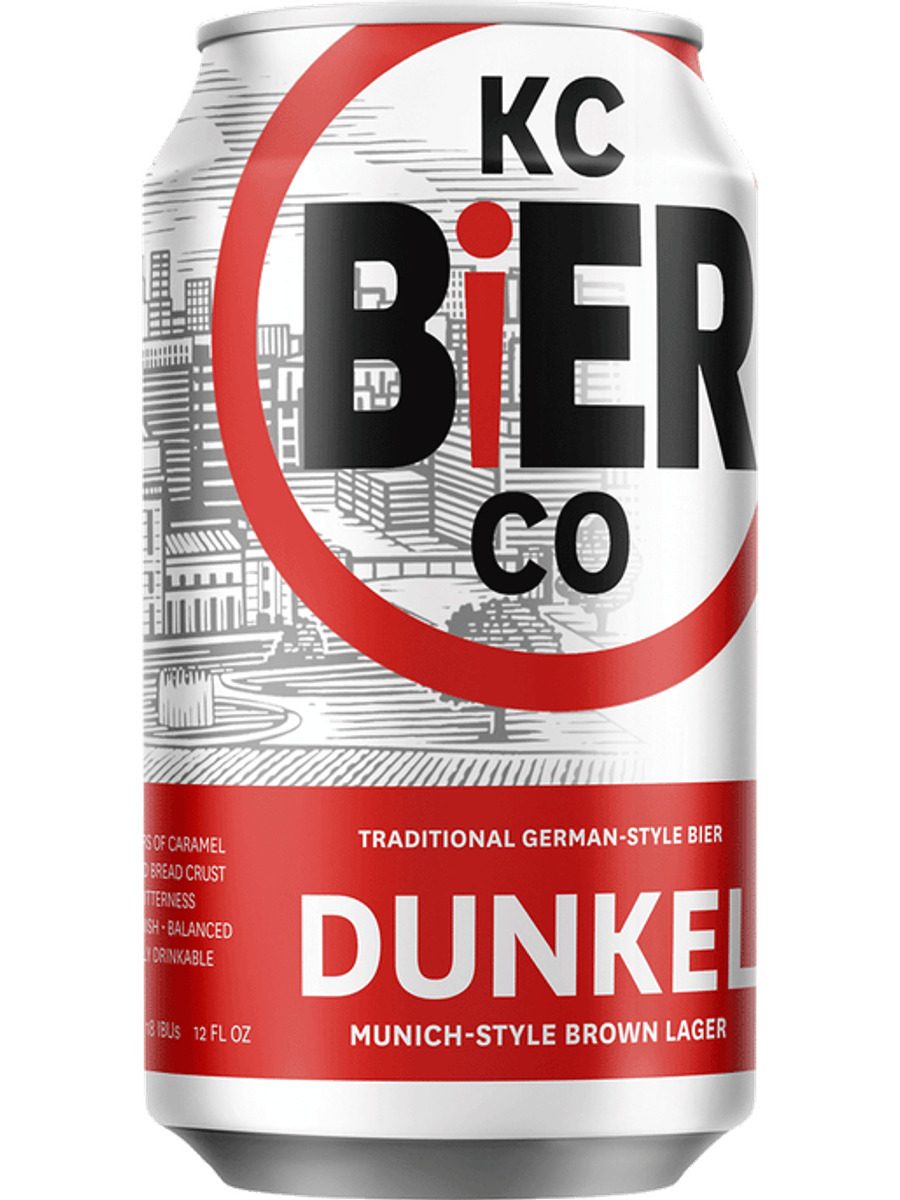
Dunkel
Brewed by KC Bier Co.
Munich and Pilsner malt, Perle hops and long cold lagering.
BAR NOTES
KC Bier’s current Dunkel page lists 5% ABV, ahead of older 5.1% menus. Munich, Pilsner and other dark specialty malts join Perle hops; the brewery describes caramel, toasted bread crust and hints of molasses with low bitterness.
The brewery-authored profile adds decoction mashing and weeks of cold lagering as production context. Compare Dunkel with Dorfbier for a focused dark-lager flight, keeping the current package specification as the deciding reference if older online listings disagree.
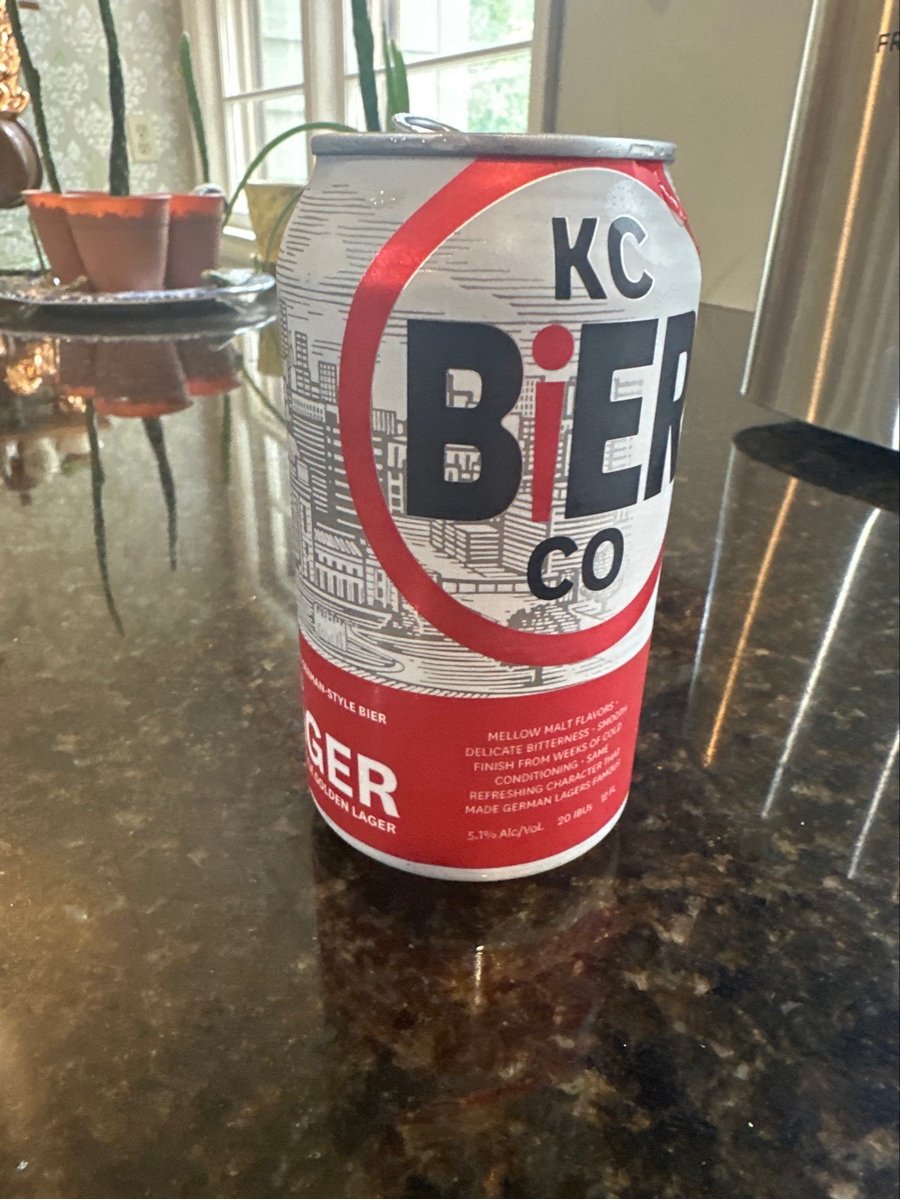
Helles Lager
Brewed by KC Bier Co.
Pilsner and Vienna malt with Perle and Mittelfrüh hops.
BAR NOTES
Helles Lager gives KC Bier’s Munich-style golden counterpart to Dunkel. Its current producer page specifies 5.1% and names Pilsner and Vienna malt with Perle and Mittelfrüh hops, describing biscuit-and-honey malt flavor and delicate bitterness.
Honey is a flavor description here, rather than a declared honey addition. The brewery-authored profile connects the malt character to decoction mashing and the clean finish to long cold lagering, making this a useful lighter comparison with the brown lager.
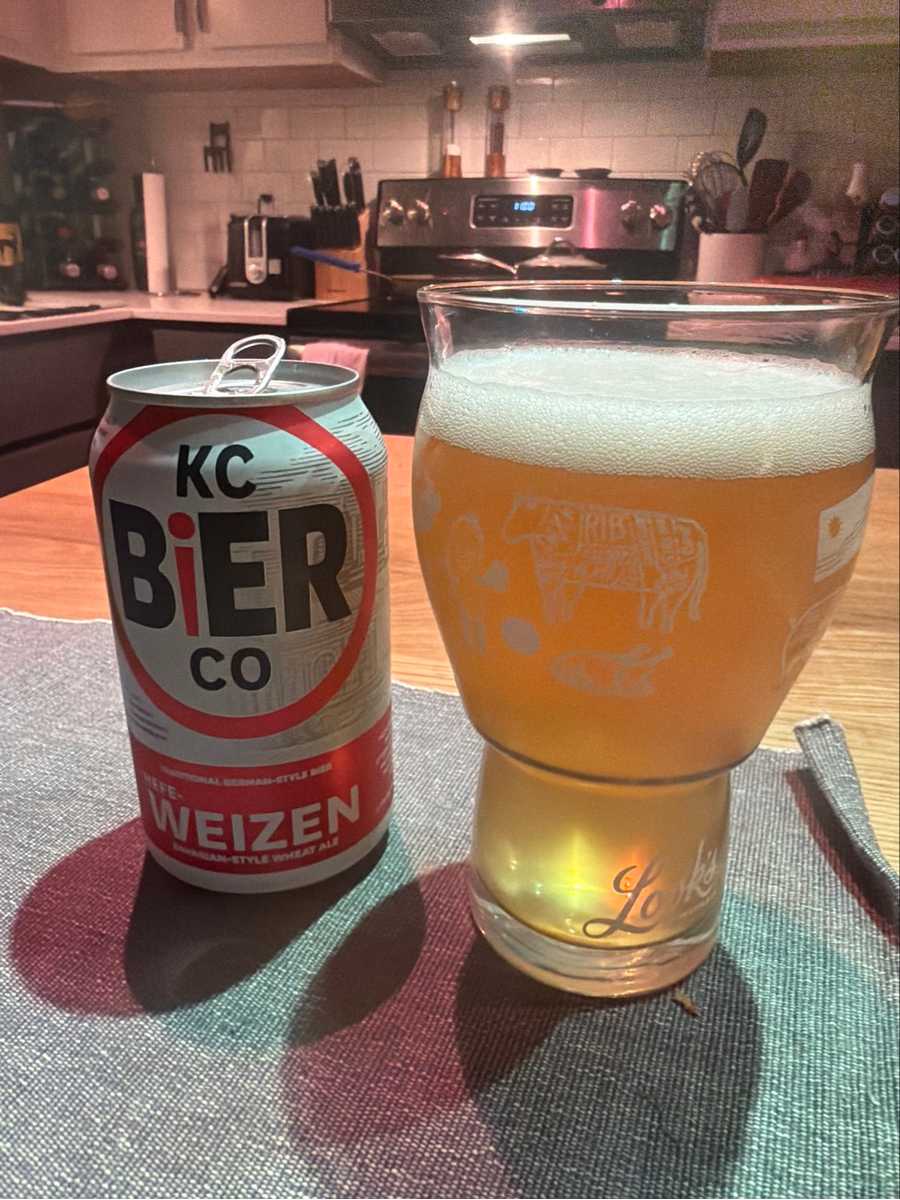
Hefeweizen
Brewed by KC Bier Co.
Wheat, Pilsner and Vienna malt; yeast supplies banana and clove.
BAR NOTES
KC Bier’s Hefeweizen is a 5.2% Bavarian-style wheat ale with wheat, Pilsner and Vienna malt and Perle hops. The producer describes bready malt, low bitterness, banana esters and clove-like phenols in a pale, hazy beer.
The brewery-authored profile attributes the banana and clove character entirely to its Bavarian yeast strain. Compare that explanation with Urban Chestnut and Civil Life’s wheat beers; fruit and spice tasting notes do not require corresponding fruit or spice additions.
7. Logboat Brewing Co.
Logboat’s Columbia producer tap list identifies Snapper, Lookout and Mamoot as core selections. Product pages add specific hop information and flavor descriptions for a flight that spans stronger IPA, pale ale and lower-strength mild brown.
The brewery itself advises calling to ensure a favorite is available on the day of a visit. That practical instruction belongs alongside the lineup rather than turning a current menu snapshot into a future stock guarantee.
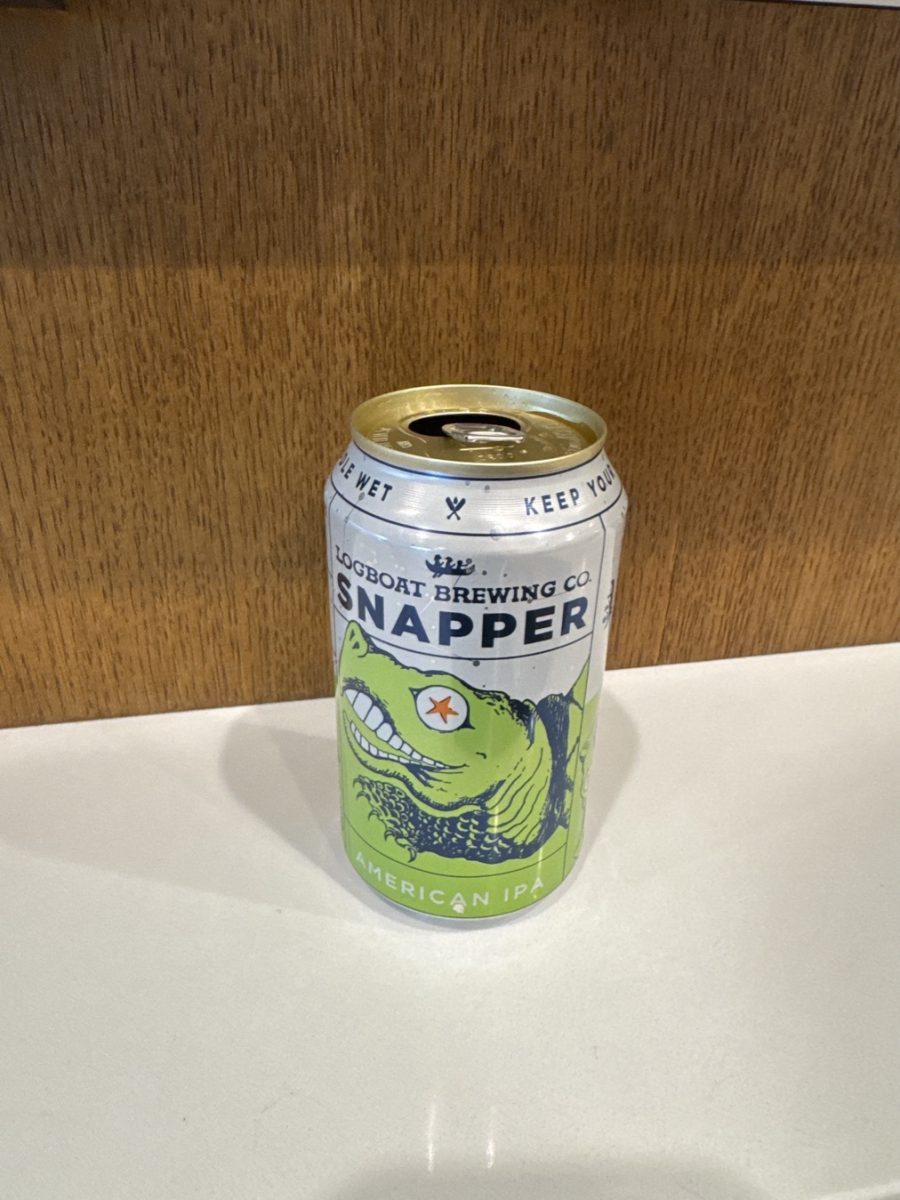
Snapper
Brewed by Logboat Brewing Co.
West Coast IPA with El Dorado, Columbus, Centennial and Chinook hops.
BAR NOTES
Logboat’s current core tap list specifies Snapper at 7.2%. The producer describes a medium-bodied West Coast IPA with a slightly bitter bite and names El Dorado, Columbus, Centennial and Chinook hops, alongside pineapple, peach and melon tasting notes.
The actual tap list gives a firmer planning reference than a remembered older strength. Snapper also provides a different hop selection from Mosaic-led Incarnation. Keep the original beer separate from Pineapple Snapper, since that variant cannot supply the original’s ingredient claims.
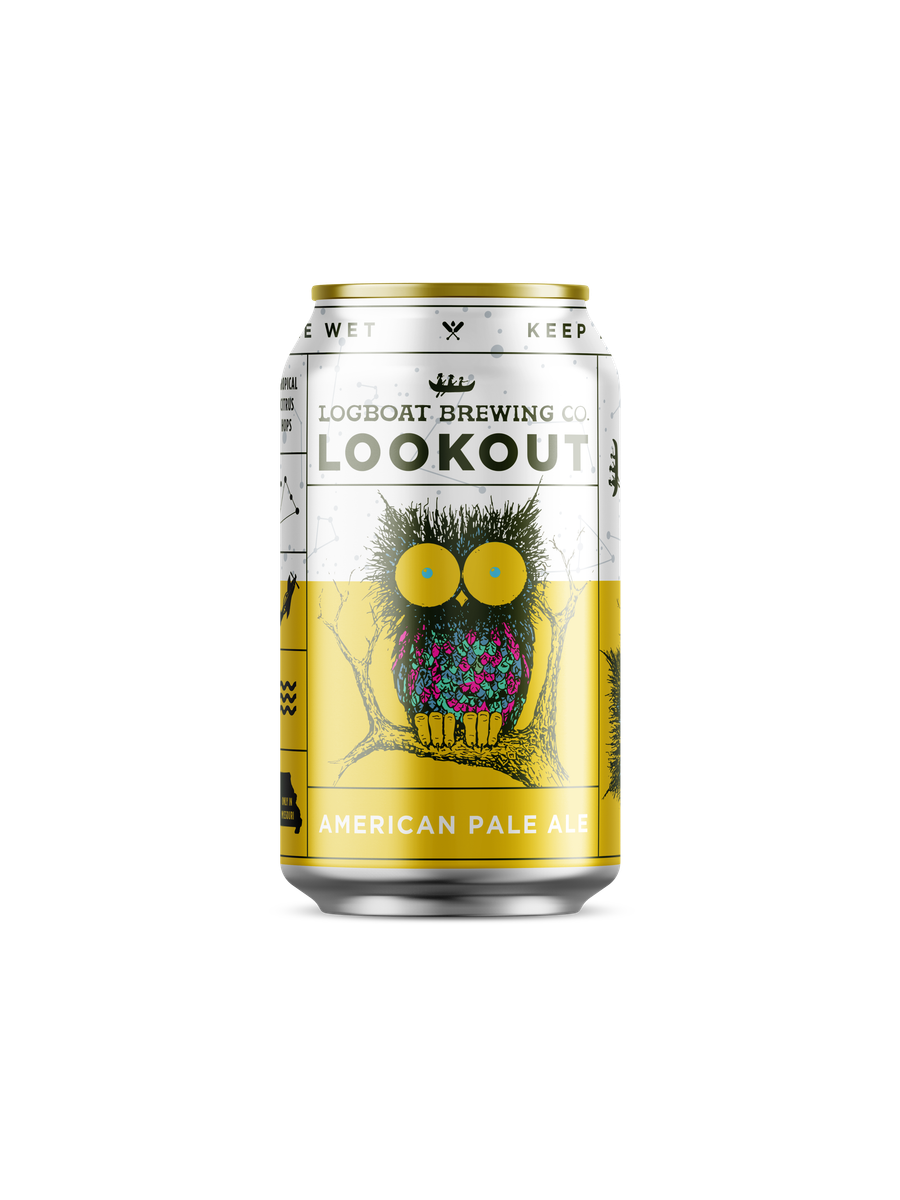
Lookout
Brewed by Logboat Brewing Co.
Dry-hopped pale ale with Falconer’s Flight and Cascade.
BAR NOTES
Lookout is Logboat’s dry-hopped American pale ale at 5.5% on the current core tap list. Its producer page names Falconer’s Flight and Cascade, and describes tropical, citrus and floral notes from American-grown hops.
Compare it with the equally strong City Wide APA for a pale-ale flight built around different hop selections. The producer advises calling the brewery to confirm a favorite beer before a visit, so the retrieved core list should guide planning without promising inventory.
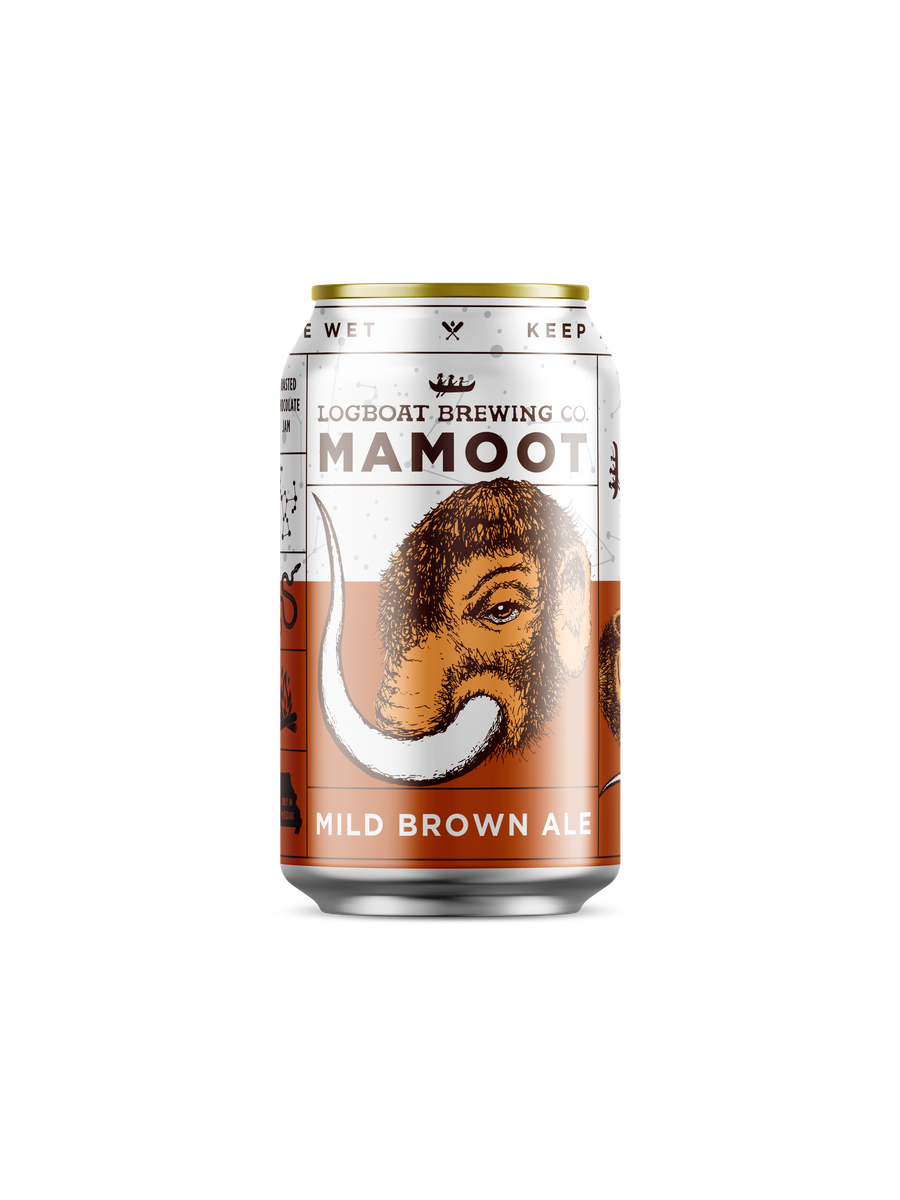
Mamoot
Brewed by Logboat Brewing Co.
Medium-bodied mild brown ale with chocolate, coffee, jam and toffee notes.
BAR NOTES
Mamoot supplies a 4% mild brown ale in Logboat’s core lineup. The producer describes a medium body and chocolate, coffee, jam and toffee notes, with Willamette hops giving this lower-strength selection its own place beside the brewery’s IPA.
Coffee and jam are tasting descriptions rather than declared additions on the current product page. Compare Mamoot’s strength with Civil Life American Brown and Mother’s Three Blind Mice, then notice how the names mild, brown and altbier describe different directions.
8. Mother’s Brewing Company
Mother’s gives Springfield a year-round IPA, a malty altbier and seasonal coffee stout. Current producer pages and the retrieved tap list support the named choices and their strengths.
The brewery’s description of Three Blind Mice remains visible instead of forcing it into an unrelated category. Winter Grind’s coffee collaboration provides a useful ingredient comparison, while its seasonal classification still matters for planning.
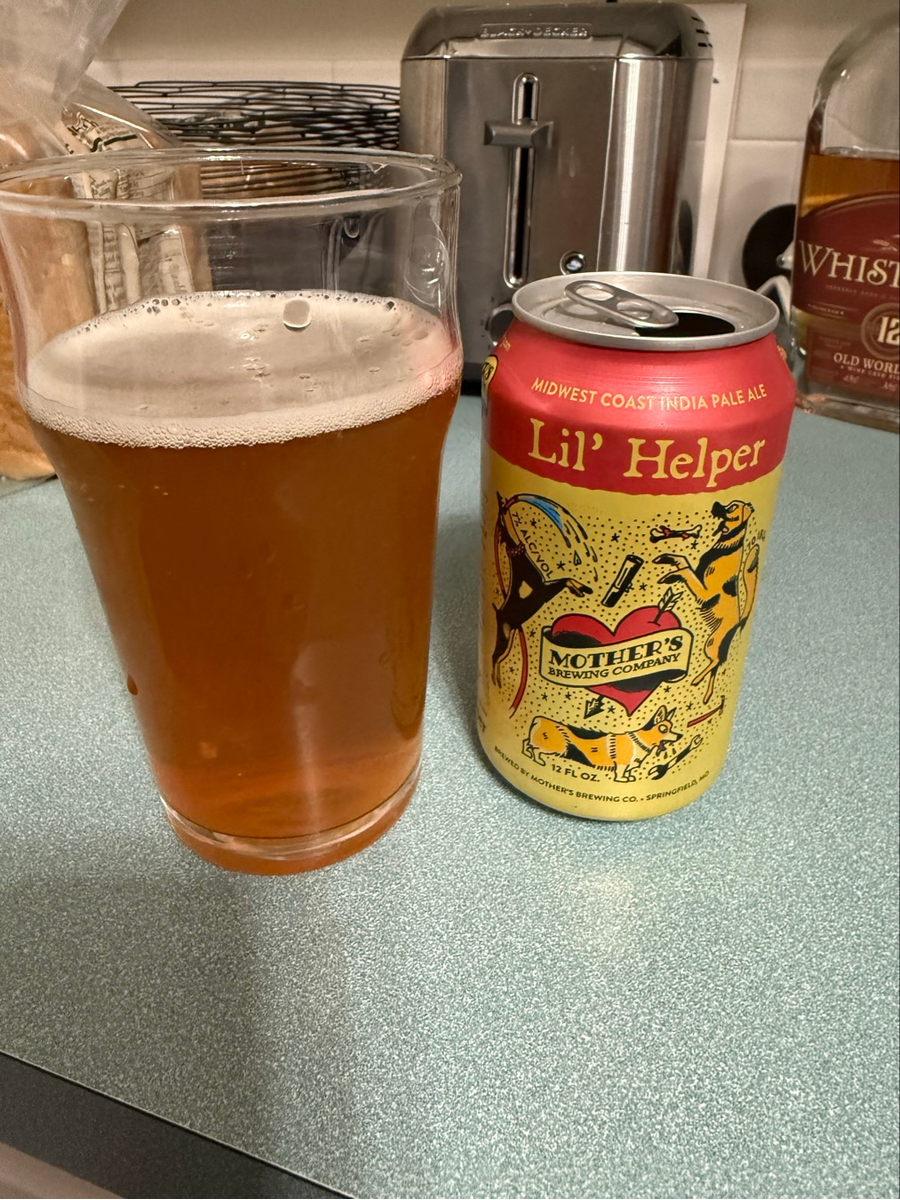
Lil’ Helper
Brewed by Mother’s Brewing Company
Producer-described Midwest Coast IPA.
BAR NOTES
Lil’ Helper is Mother’s year-round Midwest Coast IPA at 7%. The producer names Cascade, Centennial, Columbus and Simcoe hops, with pineapple and grapefruit notes, resinous bitterness and subtle malt sweetness. It also appears on the current producer tap list.
The producer’s own regional style description is useful without turning it into a universal beer category. Check the named original against the package or tap list, since a series can contain other releases whose strengths and ingredients should remain separate.
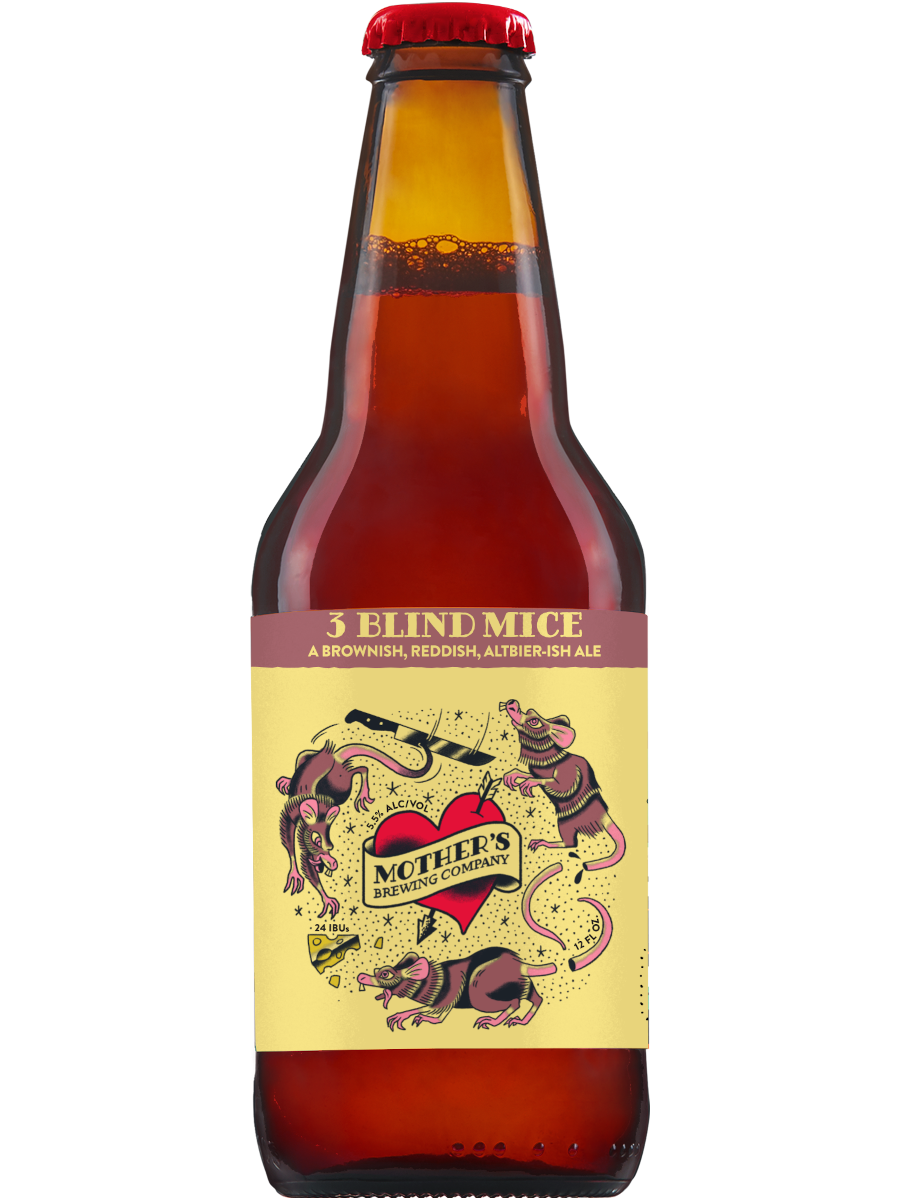
Three Blind Mice
Brewed by Mother’s Brewing Company
Brownish, reddish altbier with caramel and toffee notes.
BAR NOTES
Mother’s currently specifies Three Blind Mice at 5.5% and describes it as a brownish, reddish altbier. Caramel and toffee notes, subtle hops and a clean, dry finish define a malty, light-bodied beer with a dark garnet appearance.
This is a useful middle pour between Lil’ Helper and Winter Grind, and a comparison with the guide’s brown ales. The producer’s hybrid description should remain visible rather than silently replacing it with an unrelated lager or importing details from imperial variants.
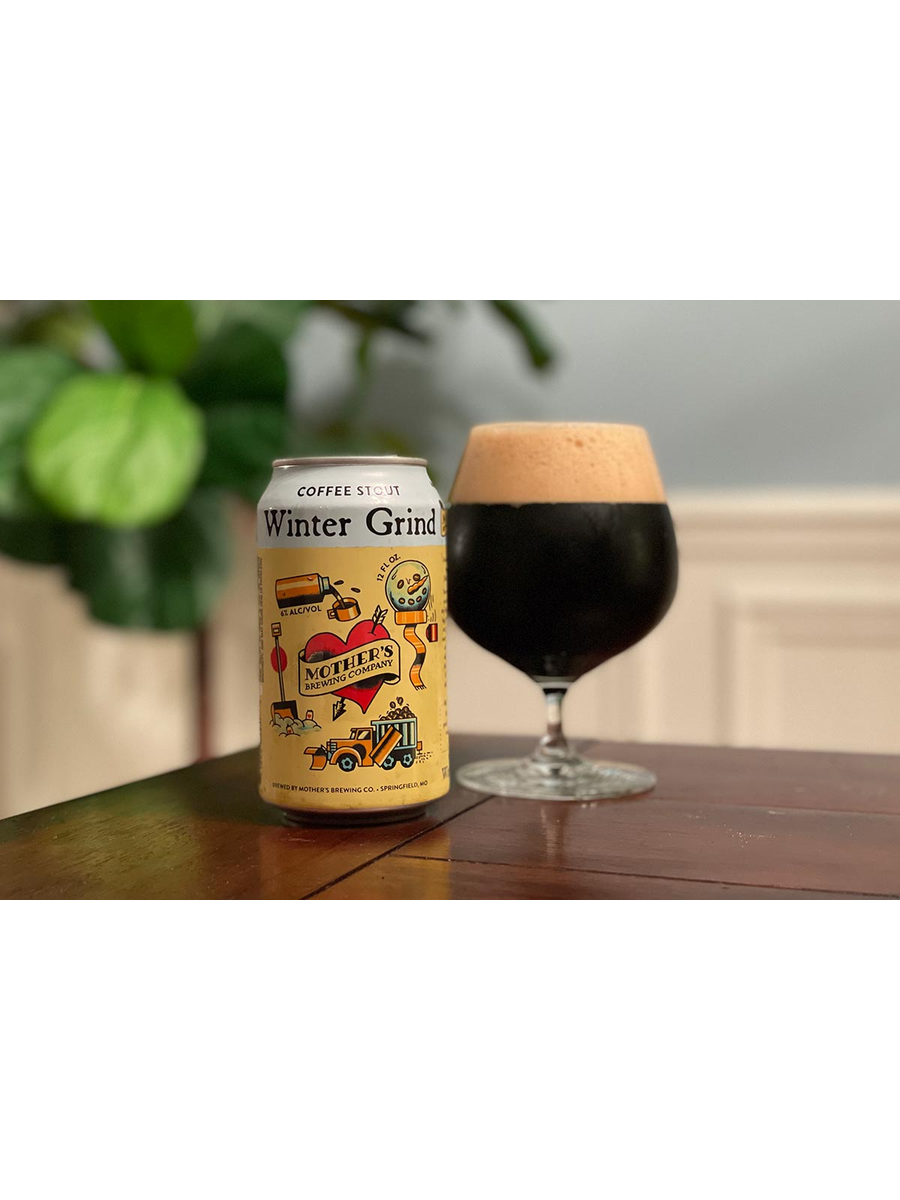
Winter Grind
Brewed by Mother’s Brewing Company
Dry English stout with Brick & Mortar Coffee flavor and aroma.
BAR NOTES
Winter Grind brings an explicit coffee collaboration to a dry English stout. Mother’s names Brick & Mortar Coffee and describes big coffee flavor and aroma at 6%; the beer belongs to the seasonal portfolio and appears on the retrieved tap list.
That current tap-list appearance does not make it a permanent year-round promise. Compare its declared coffee component with Old Tom Porter and Oatmeal Stout’s roasted-malt coffee notes, and keep Winter Grind separate from Vanilla Winter Grind and Imperial Grind.
9. Piney River Brewing Company
Piney River’s Bucyrus farm-brewery selection focuses on local black walnuts, a current wheat-based lager and brown porter. Its individual beer pages and current release materials provide specific strengths and formats.
Current Float Trip Lager wording replaces the legacy guide’s ale description. Format details vary between the porter page and the 2026 release sheet, so confirm stock rather than treating either list as a guarantee.
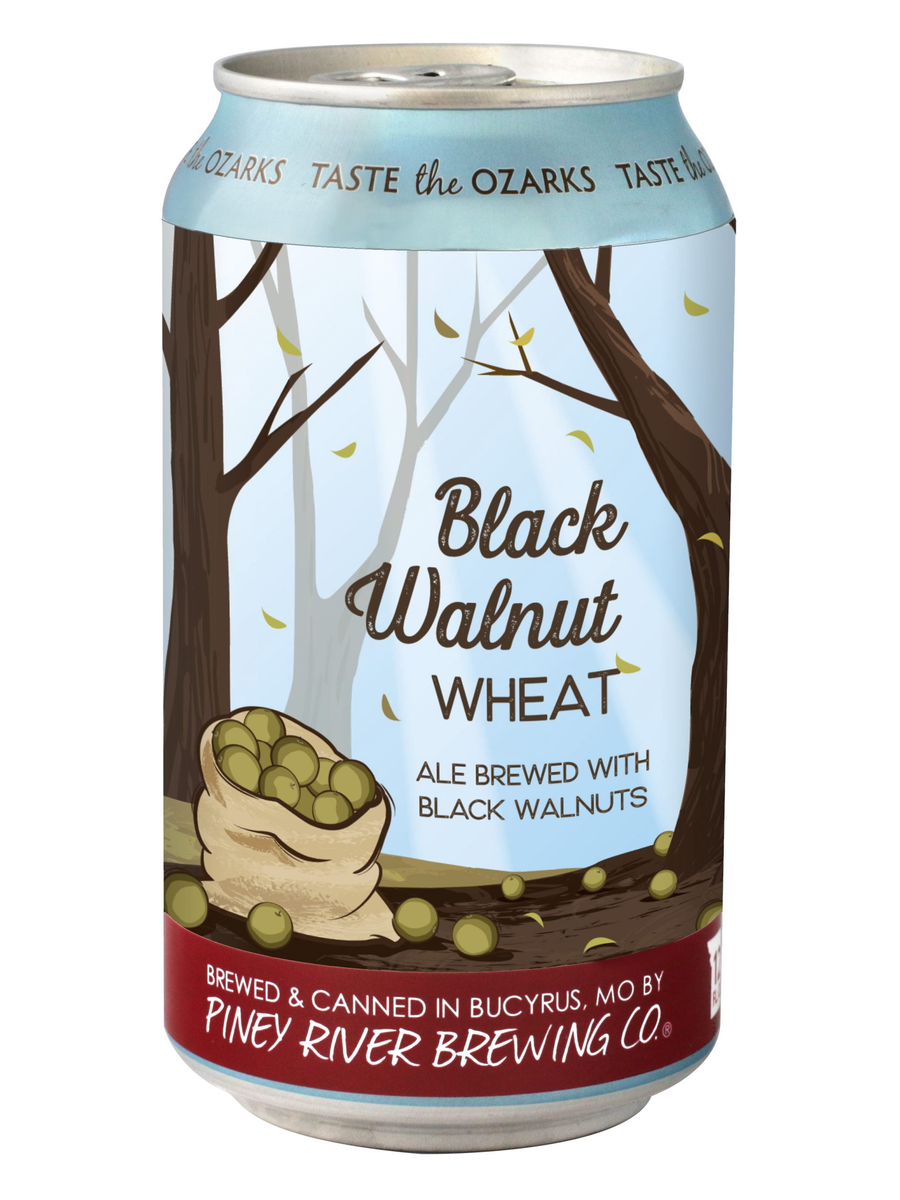
Black Walnut
Brewed by Piney River Brewing Company
Dark wheat ale explicitly brewed with local black walnuts.
BAR NOTES
Black Walnut is Piney River’s 4.5% American-style dark wheat ale brewed with local black walnuts. The producer specifies both black-walnut aroma and finish, so the nut is a declared ingredient rather than a loose tasting metaphor.
The year-round listing includes kegs and twelve-ounce cans, making this a distinctive Ozarks selection to check before traveling. Its wheat base differs from the German weissbiers in the guide, and its explicit nut addition belongs in any ingredient discussion.
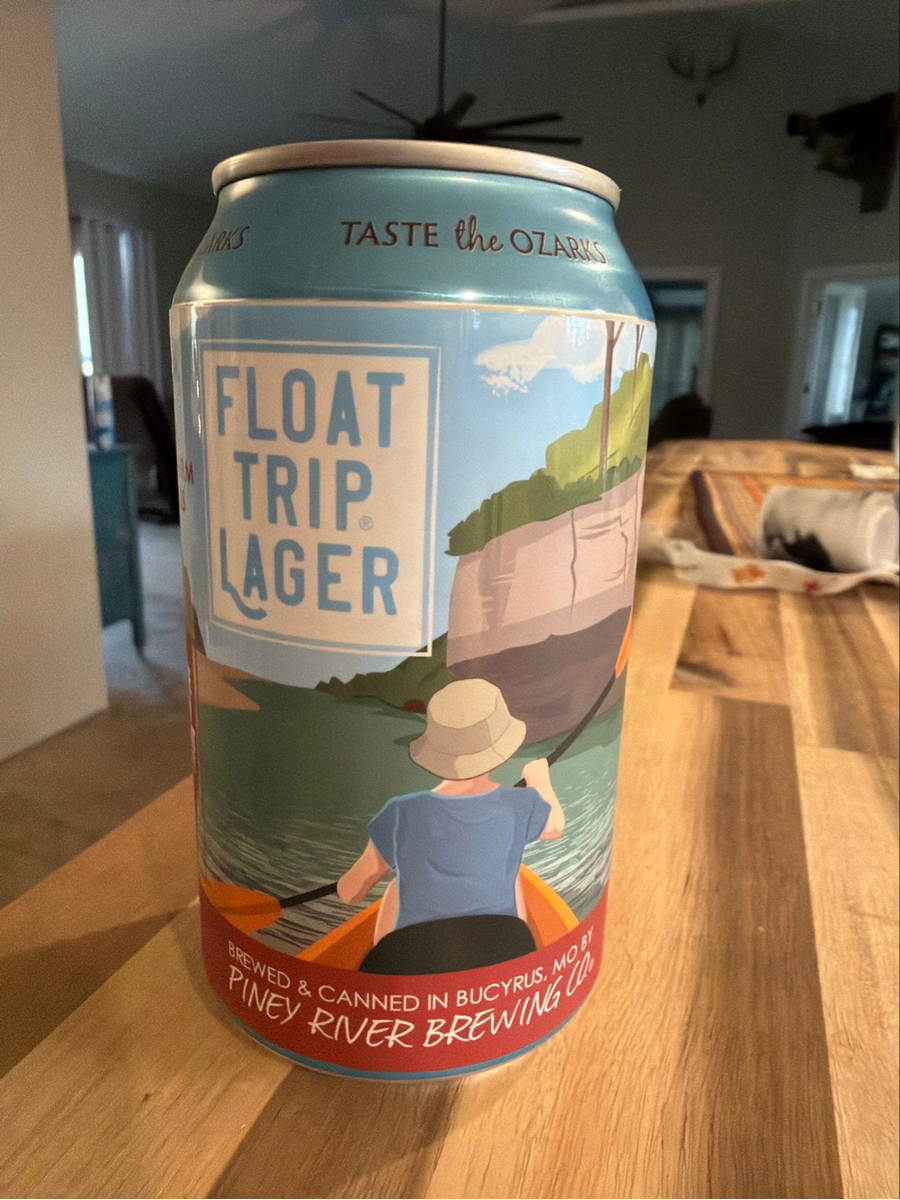
Float Trip Lager
Brewed by Piney River Brewing Company
Wheat-based blonde lager with low hop bitterness.
BAR NOTES
Current Float Trip Lager is a wheat-based blonde lager at 4.5%, with low hop bitterness and a crisp, smooth finish. Piney River’s present beer page and 2026 release sheet both use lager wording, which takes priority over older ale descriptions.
Compare it with Boulevard’s American wheat ale to separate grain choice from fermentation classification. Wheat in a recipe does not by itself make the beer a wheat ale. Check for current lager packaging instead of using an older Float Trip Ale photo interchangeably.
Old Tom Porter
Brewed by Piney River Brewing Company
Brown porter with roasted-malt chocolate and coffee flavors.
BAR NOTES
Old Tom Porter is Piney River’s 5.5% brown porter. The producer attributes chocolate and coffee flavors to roasted malts, balanced by a smooth hop profile, making it a dark-beer selection with no stated coffee or chocolate addition.
The beer page lists year-round keg formats, while the 2026 producer release sheet also lists cans; confirm the format actually stocked. Compare its malt-derived flavors with Winter Grind’s coffee and Chocolate Milk Stout’s cacao rather than assuming matching flavor words mean matching recipes.
10. Civil Life Brewing Co.
Civil Life rounds out St. Louis with American Brown Ale, German Wheat and a rye-grain selection. Producer recipe pages provide detailed ingredients, while the current menu independently confirms the first two beers and strengths.
Rye Pale Ale remains a portfolio pick with current serving availability unconfirmed. This guide keeps that qualification explicit while retaining a distinctive grain-based comparison alongside the more widely represented wheat beers and pale ales.
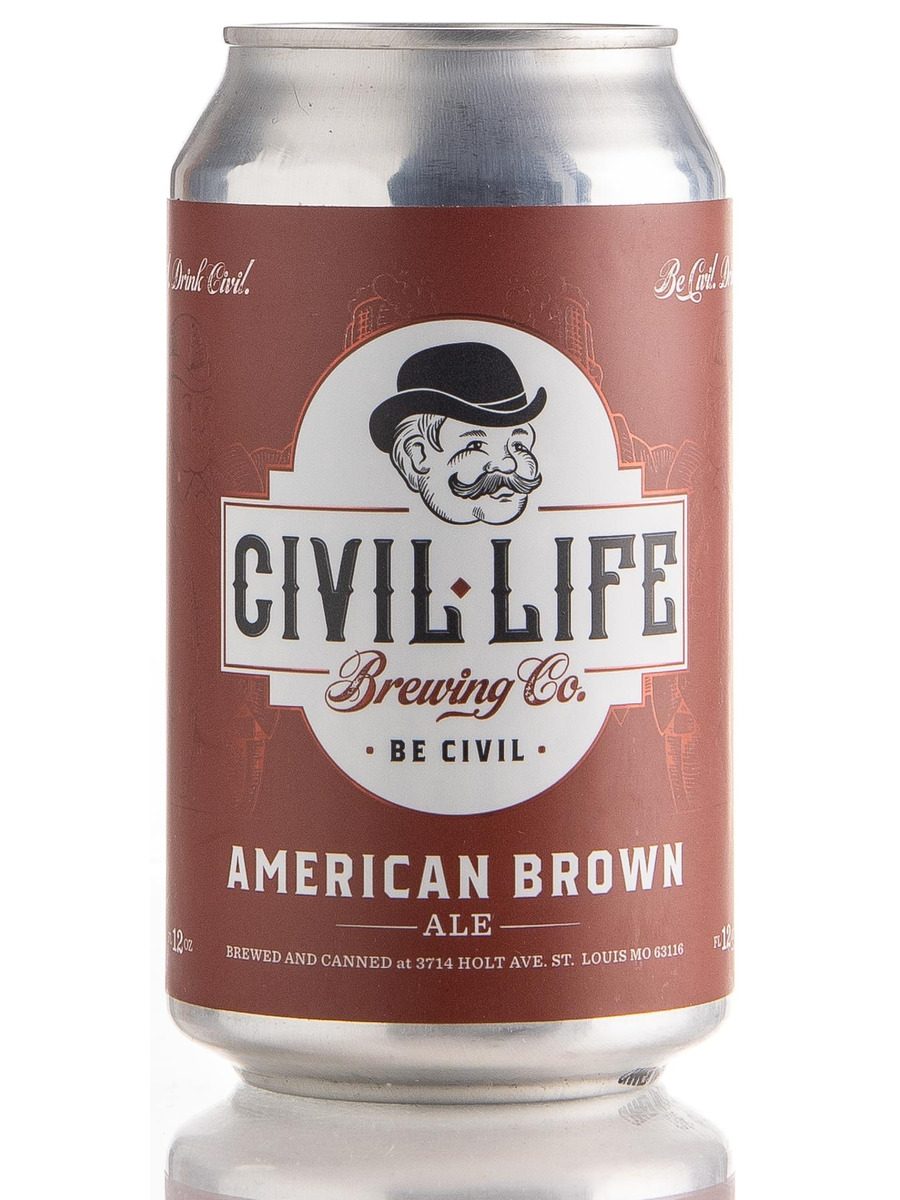
American Brown Ale
Brewed by Civil Life Brewing Co.
Maris Otter, pale, brown and Carafa malt with Cascade hops.
BAR NOTES
Civil Life’s flagship American Brown Ale is 4.8% on both its current recipe page and menu. English Maris Otter and American pale malt meet brown and Carafa malts, with Cascade hops adding a subtle citrus note to roasted malt complexity.
Caramel, cocoa and coffee describe the malt character rather than declared dessert ingredients. The current menu lists draft and take-home cans, making this the clearest Civil Life planning pick; compare its medium body with Logboat’s lower-strength Mamoot.
German Wheat
Brewed by Civil Life Brewing Co.
Three wheat types, Pilsner malt, Tettnang and Weihenstephan wheat yeast.
BAR NOTES
Civil Life German Wheat is an unfiltered hefeweizen at 5.1%, matching the current menu. The producer names Pilsner malt, three wheat types, Tettnang hops and Weihenstephan wheat ale yeast, which supplies subtle clove and candied banana-like notes.
The yeast explanation makes this a useful final member of a Missouri weissbier comparison. Keep banana and clove as fermentation character rather than literal additions, and compare the producer’s named ingredients with Schnickelfritz and KC Bier Hefeweizen.
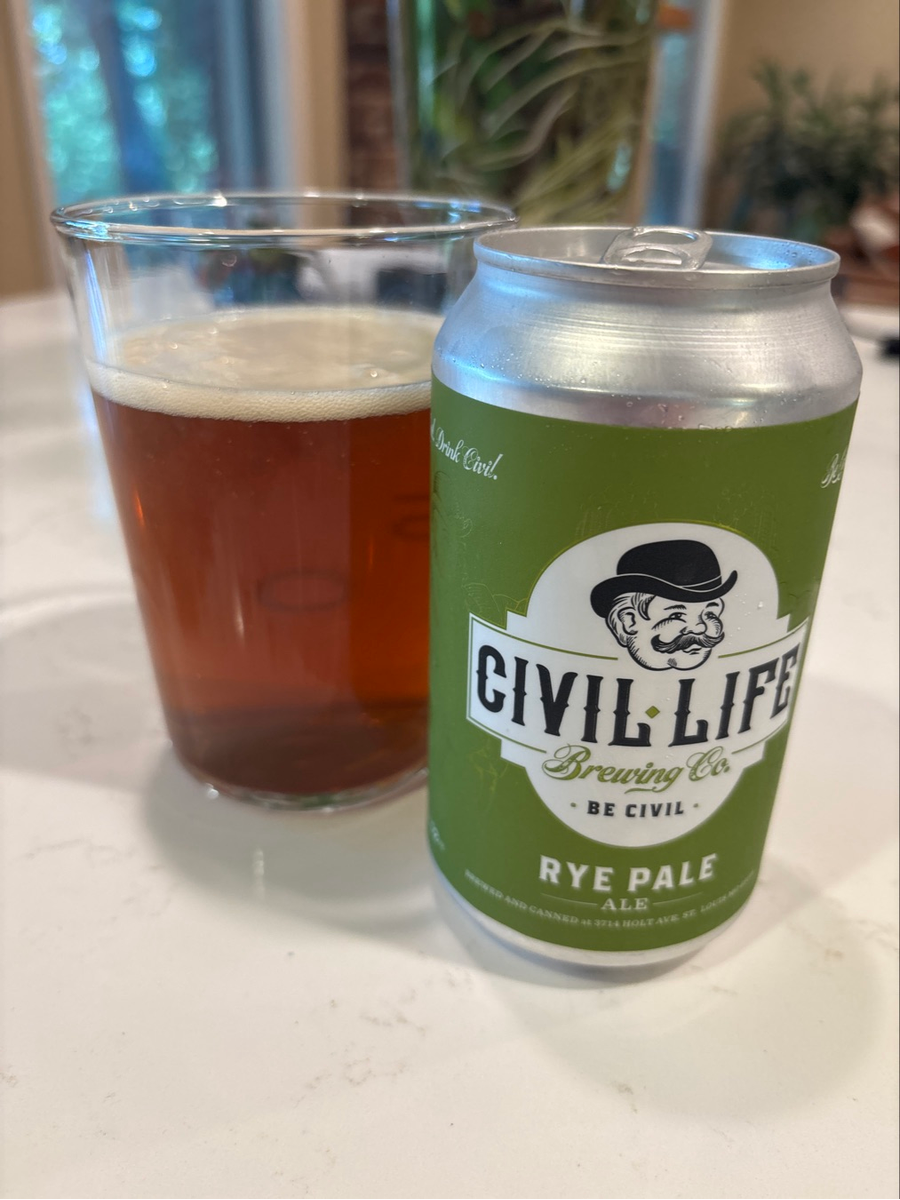
Rye Pale Ale
Brewed by Civil Life Brewing Co.
Balanced rye spice with Chinook and Centennial hops.
BAR NOTES
Civil Life’s current Rye Pale Ale page specifies 4.5% with pale, rye and specialty malts and Chinook and Centennial hops. The brewery emphasizes discernible rye spice, balanced drinking and pleasant hop character rather than overwhelming bitterness.
The beer is in the producer portfolio but absent from the retrieved tap menu, so ask about the next batch before planning around it. Its rye-grain direction earns the selection independently of everyday availability and offers a useful contrast with the other pale ales.
Plan a Missouri brewery route by region
Boulevard and KC Bier belong to a Kansas City visit. Schlafly, Urban Chestnut, 4 Hands, Perennial and Civil Life form the St. Louis group. Logboat anchors Columbia, Mother’s Springfield and Piney River the Bucyrus area in the Ozarks. These are separate regional stops: check distances, opening hours, transportation and current beer menus before combining them into an itinerary.
Missouri brewery questions
Are all thirty beers available today?
No. Portfolio pages and retrieved tap lists establish named selections, not future inventory. Chocolate Milk Stout, Abraxas and Winter Grind have seasonal classifications. Civil Life’s Rye Pale Ale appears in its portfolio but not the retrieved current tap menu; ask about the next batch.
Why do some strengths differ from older profiles?
Current producer pages take priority. KC Bier lists Dunkel at 5%, Urban Chestnut lists Zwickel at 5.1% and Schnickelfritz at 5%, and Perennial lists Hommelbier at 5%. Confirm the actual package or serving batch if a later formulation changes.
Is a wheat beer always a hefeweizen?
No. Boulevard’s American wheat beer differs from the Bavarian wheat ales at Urban Chestnut and KC Bier. Their yeast character, not wheat alone, explains the banana and clove descriptions. Saison de Lis is a chamomile saison rather than a wheat-beer substitute.
Do fruit and coffee flavors always mean added ingredients?
No. Hop and malt descriptions can evoke fruit, coffee or chocolate without those ingredients. The producer explicitly names cacao and milk sugar in 4 Hands Chocolate Milk Stout, coffee from Brick & Mortar in Winter Grind, and local black walnuts in Piney River Black Walnut.
Which selected stouts explicitly contain lactose?
4 Hands names milk sugar in Chocolate Milk Stout, and Perennial’s current Abraxas listing explicitly identifies lactose alongside ancho peppers, cacao nibs, cinnamon and vanilla. Style names alone do not supply a complete ingredient list; ask the producer about a specific formulation.
Is Float Trip an ale or a lager?
Piney River’s current producer page and 2026 product material call it Float Trip Lager at 4.5%, with wheat in the formulation. This guide follows that present naming rather than transferring older Float Trip Ale wording.
Does a portfolio listing prove canned availability?
No. Urban Chestnut’s current Dorfbier page lists draft. Piney River’s Old Tom page lists kegs while its 2026 material also shows cans, so confirm present packaging. The card qualifications keep those sources and their limits visible.
Choose your next Missouri beer trail.
Compare German lagers and wheat ales, follow three pale-ale traditions, or explore the ingredients behind a dark-beer flight.