10 Best Breweries in Louisiana with 30 Beers Worth Trying
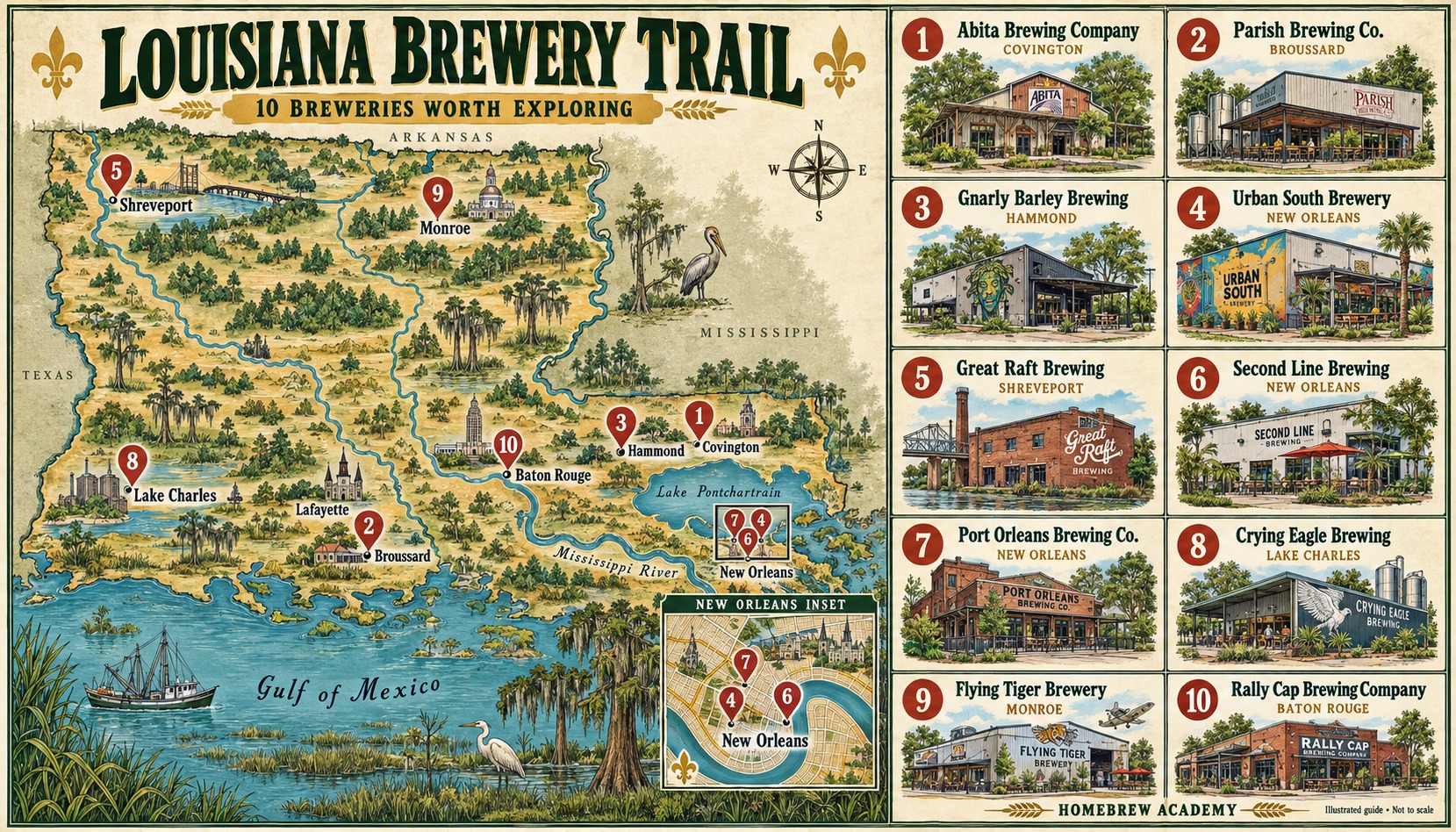
Louisiana’s brewery routes run from New Orleans and the Northshore to Broussard, Hammond, Baton Rouge, Lake Charles, Monroe and Shreveport. These ten editorial picks offer thirty beers to compare: pale lagers, wheat ales, hop-led beers, fruit and salted sour styles, dark lager, porter and golden milk stout. Each brewery receives three selections that reveal a different part of its present portfolio.
This is an editorial route, not a statewide tasting score. Current producer pages, brewery-authored recurring profiles and recent package evidence establish the selections. Confirm the exact location, release, batch label and format before traveling; a portfolio listing does not promise stock on your visit date.
Louisiana brewery picks at a glance
| Brewery | Base | Three beers to explore |
|---|---|---|
| Abita Brewing Company | Covington, Louisiana | Amber · Purple Haze · Turbodog |
| Parish Brewing Co. | Broussard, Louisiana | Ghost in the Machine · Canebrake · Envie |
| Gnarly Barley Brewing | Hammond, Louisiana | Catahoula Common · Jucifer IPA · Korova Milk Porter |
| Urban South Brewery | New Orleans, Louisiana | Paradise Park · Holy Roller · Lime Cucumber Gose |
| Great Raft Brewing | Shreveport, Louisiana | Southern Drawl · Commotion · Reasonably Corrupt |
| Second Line Brewing | New Orleans, Louisiana | Batture Blonde Ale · MSY Common Lager · Saison Named Desire |
| Port Orleans Brewing Co. | New Orleans, Louisiana | Kennerbrau Kolsch · Dorada · Gleason Juicy IPA |
| Crying Eagle Brewing | Lake Charles, Louisiana | Louisiana Lager · Things Unsettled · Don’t Blush |
| Flying Tiger Brewery | Monroe, Louisiana | Monroe Lager · Burma Blonde · Man At Arms |
| Rally Cap Brewing Company | Baton Rouge, Louisiana | First Pitch · Ambush · Wendy Peffercorn |
1. Abita Brewing Company
Abita dates its start to 1986 and now lists both Covington and New Orleans taprooms. Use the specific location when arranging a visit; the original Abita Springs story does not mean every present brewery experience takes place at one address.
Amber, Purple Haze and Turbodog provide a malt, fruit and dark-grain comparison. The present Purple Haze page classifies it as lager, making this trio a useful correction to older descriptions that grouped every wheat-containing beer with ales.
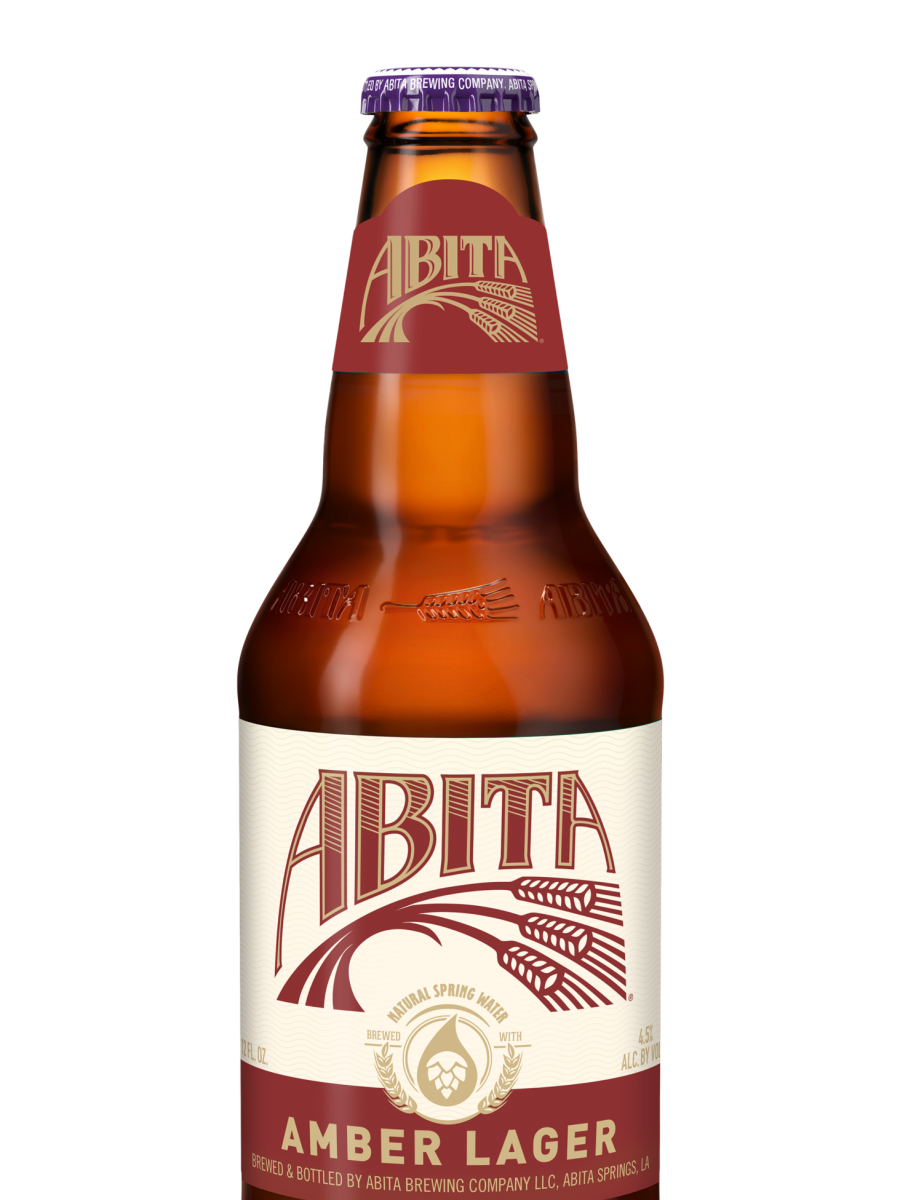
Amber
Brewed by Abita Brewing Company
Abita Amber is a 4.5% Munich-style lager built with pale and caramel malts, German Perle hops and lager yeast.
BAR NOTES
Abita Amber is a 4.5% Munich-style lager built with pale and caramel malts, German Perle hops and lager yeast. It was the brewery’s first beer and remains its flagship. The recipe puts caramel-toned grain ahead of a large hop aroma.
Start the Abita trio here, then follow Purple Haze’s fruit and Turbodog’s darker grain. Amber color does not make this an amber ale: fermentation matters alongside appearance. The amber ale collection provides a useful contrasting path through malt-led beers.
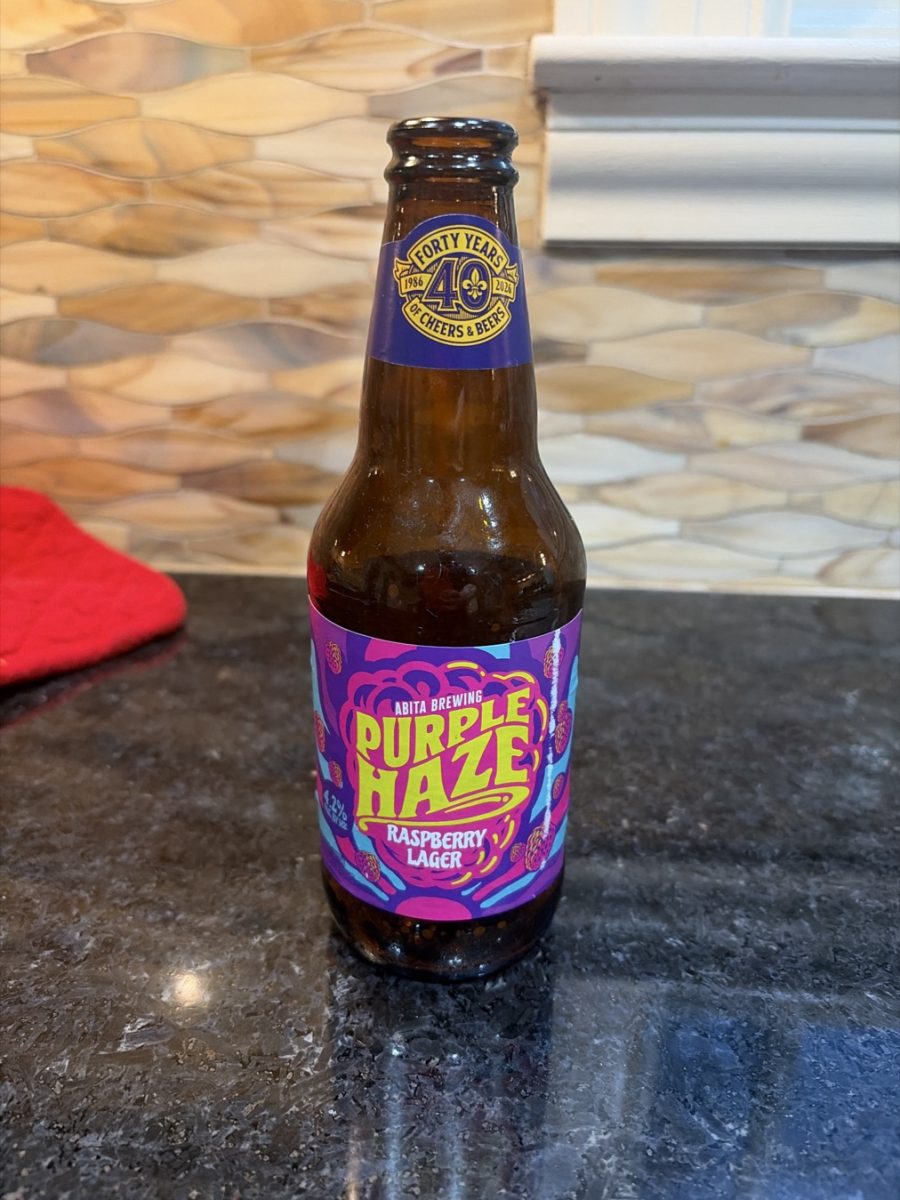
Purple Haze
Brewed by Abita Brewing Company
Purple Haze is currently a 4.2% raspberry lager, with pilsner and wheat malts, Vanguard hops and German lager yeast.
BAR NOTES
Purple Haze is currently a 4.2% raspberry lager, with pilsner and wheat malts, Vanguard hops and German lager yeast. Abita says it increased the raspberry contribution. That present specification replaces the older assumption that the beer is simply a fruit wheat ale.
Use a clear glass to follow the relationship between fruit color and the grain foundation, then compare the finish with Lime Cucumber Gose. Raspberry alone does not establish sour fermentation. Our wheat beer collection explores how wheat appears across different brewing traditions.
Turbodog
Brewed by Abita Brewing Company
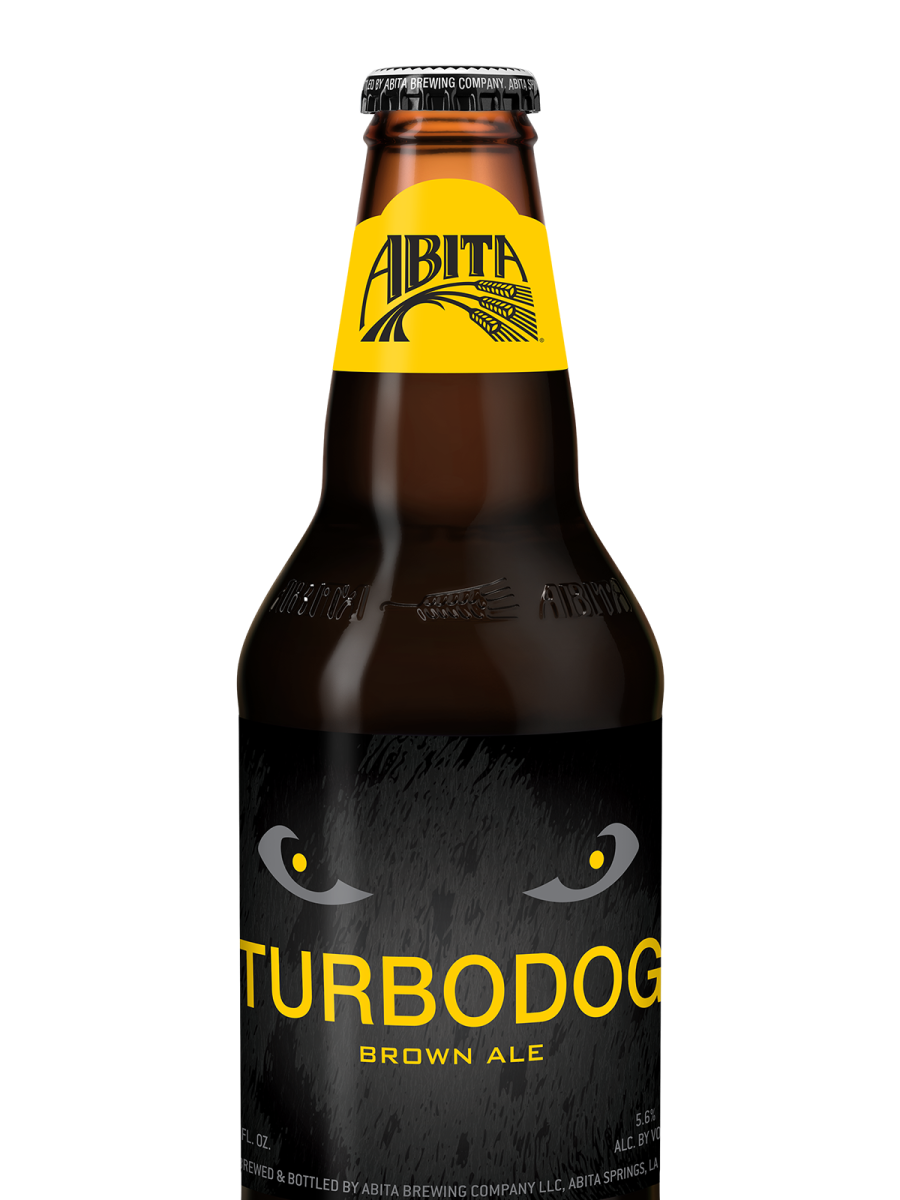
Turbodog is Abita’s 5.6% brown ale, made with pale, caramel and chocolate malts plus Willamette hops.
BAR NOTES
Turbodog is Abita’s 5.6% brown ale, made with pale, caramel and chocolate malts plus Willamette hops. Its producer describes chocolate and toffee-like character and recommends it with meats and spicy dishes. The chocolate description follows the malt recipe rather than a disclosed cocoa addition.
Try Turbodog alongside sausage or jambalaya to follow its malt depth against browned meat and seasoning. It also makes a useful dark comparison with Korova Milk Porter without treating brown ale and porter as interchangeable. The British brown ale guide offers a related malt-led reference.
2. Parish Brewing Co.
Parish’s current brewery and taproom are in Broussard, at 229 Jared Drive. Its portfolio spans hop-led releases, wheat beer, pilsner, sour beer and stout; a regional reputation for double IPAs does not describe the whole producer.
Ghost in the Machine, Canebrake and Envie cover three distinct roles: stronger Citra hopping, Louisiana sugarcane with wheat, and a lower-strength hazy pale ale. Ask for the precise release because several differently named Ghost and Envie variants appear in the portfolio.
Ghost in the Machine
Brewed by Parish Brewing Co.
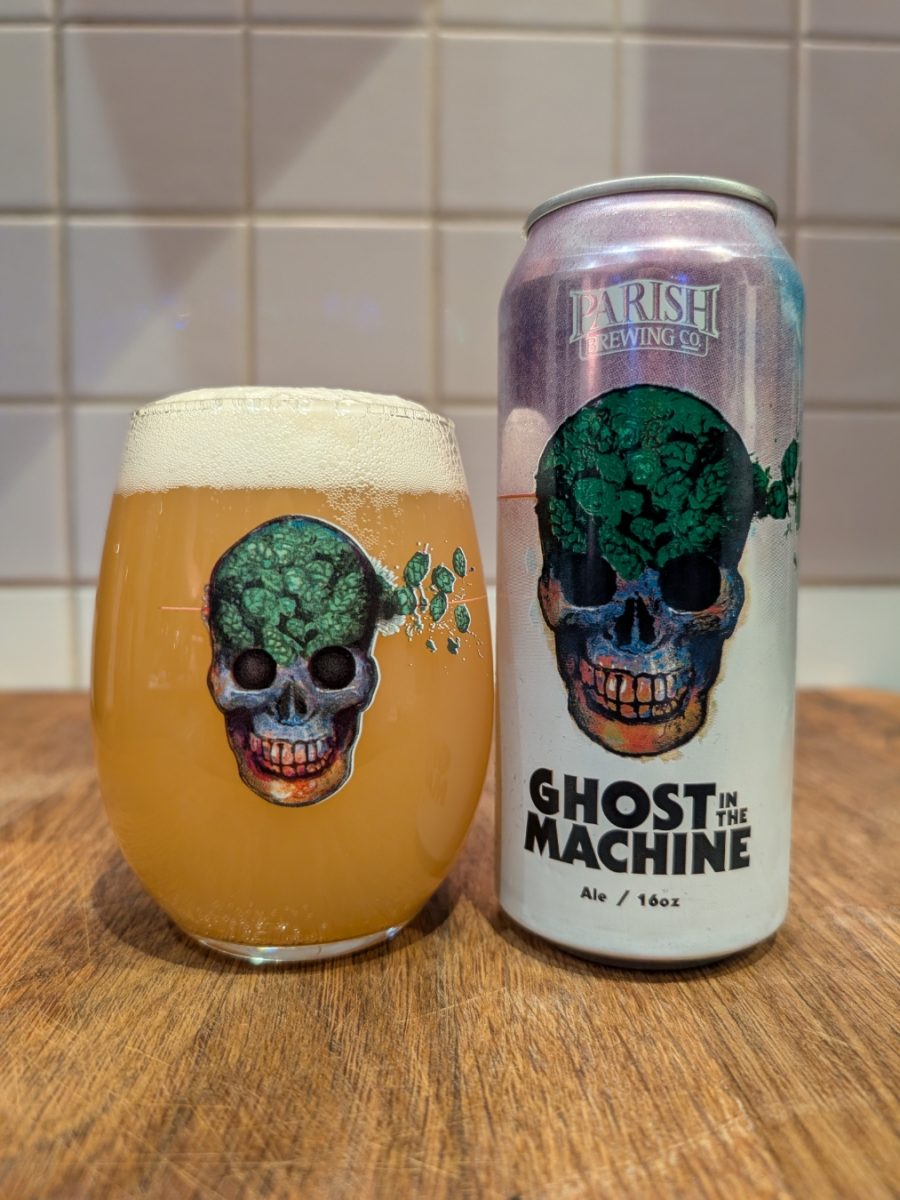
Ghost in the Machine is Parish’s 8.0% double IPA, with hand-selected Citra hops from Yakima Valley.
BAR NOTES
Ghost in the Machine is Parish’s 8.0% double IPA, with hand-selected Citra hops from Yakima Valley. The producer describes grapefruit and tropical fruit character with a less harsh bitter finish than many double IPAs. Both bottles and sixteen-ounce cans appear in the current packaging list.
Ask for the regular Ghost in the Machine when making this comparison: DDH Ghost, Holy Ghost and other relatives are separate releases. Compare a small pour with Envie to follow strength and hop concentration. The double IPA collection offers more examples of the stronger style.
Canebrake
Brewed by Parish Brewing Co.
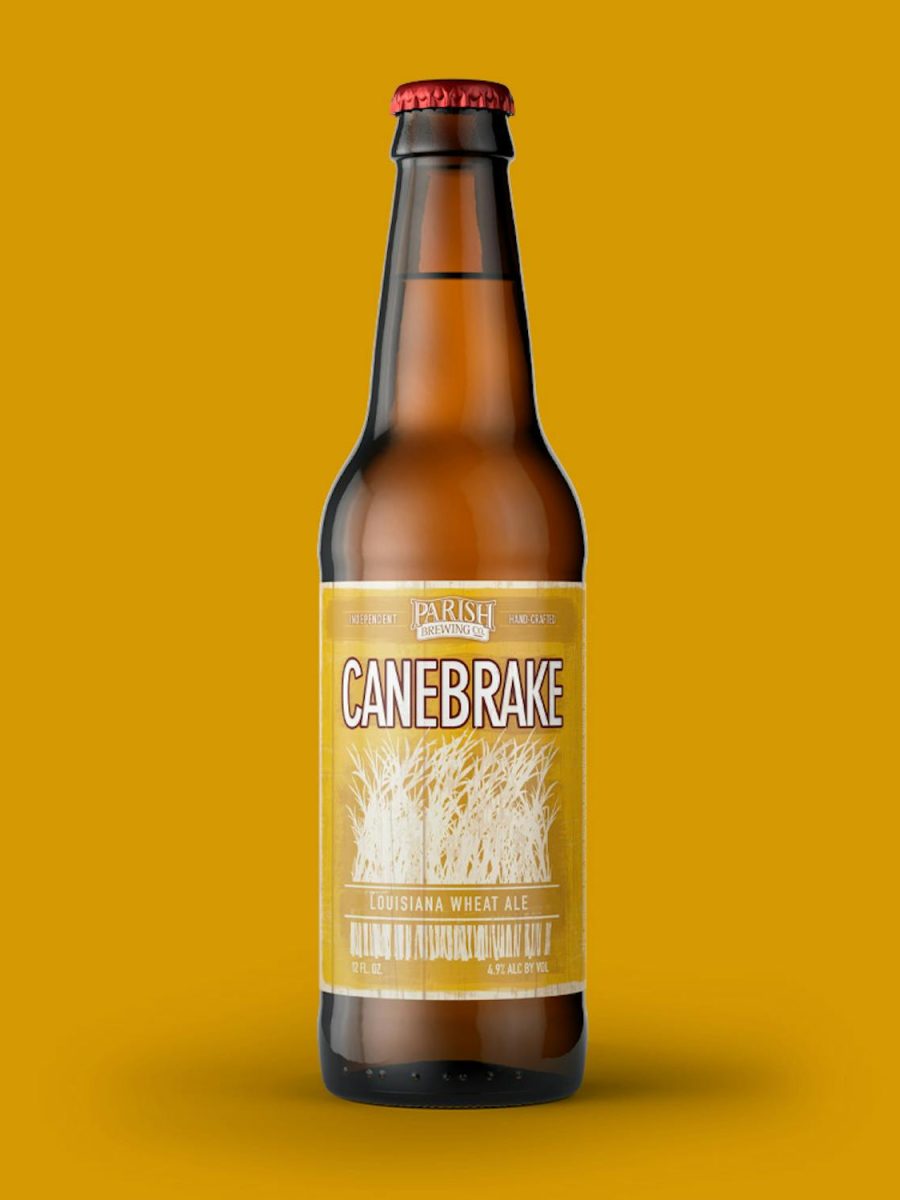
Canebrake is Parish’s 5.0% American wheat ale with Louisiana sugarcane syrup and Cascade and Magnum hops.
BAR NOTES
Canebrake is Parish’s 5.0% American wheat ale with Louisiana sugarcane syrup and Cascade and Magnum hops. The brewery dates this best-selling release to 2010. Sugarcane gives a regional ingredient connection, while the wheat base separates it from the brewery’s hop-focused pale ales. Producer page lists 5%; photographed cans can show 4.9%. Check the actual package when comparing batches.
Set Canebrake beside Crying Eagle Louisiana Lager to explore two local agricultural ingredients used in different fermentation styles. Sugarcane in a recipe does not by itself establish the finished beer’s sweetness. Our American wheat brewing guide explains the grain and yeast foundations.
Envie
Brewed by Parish Brewing Co.
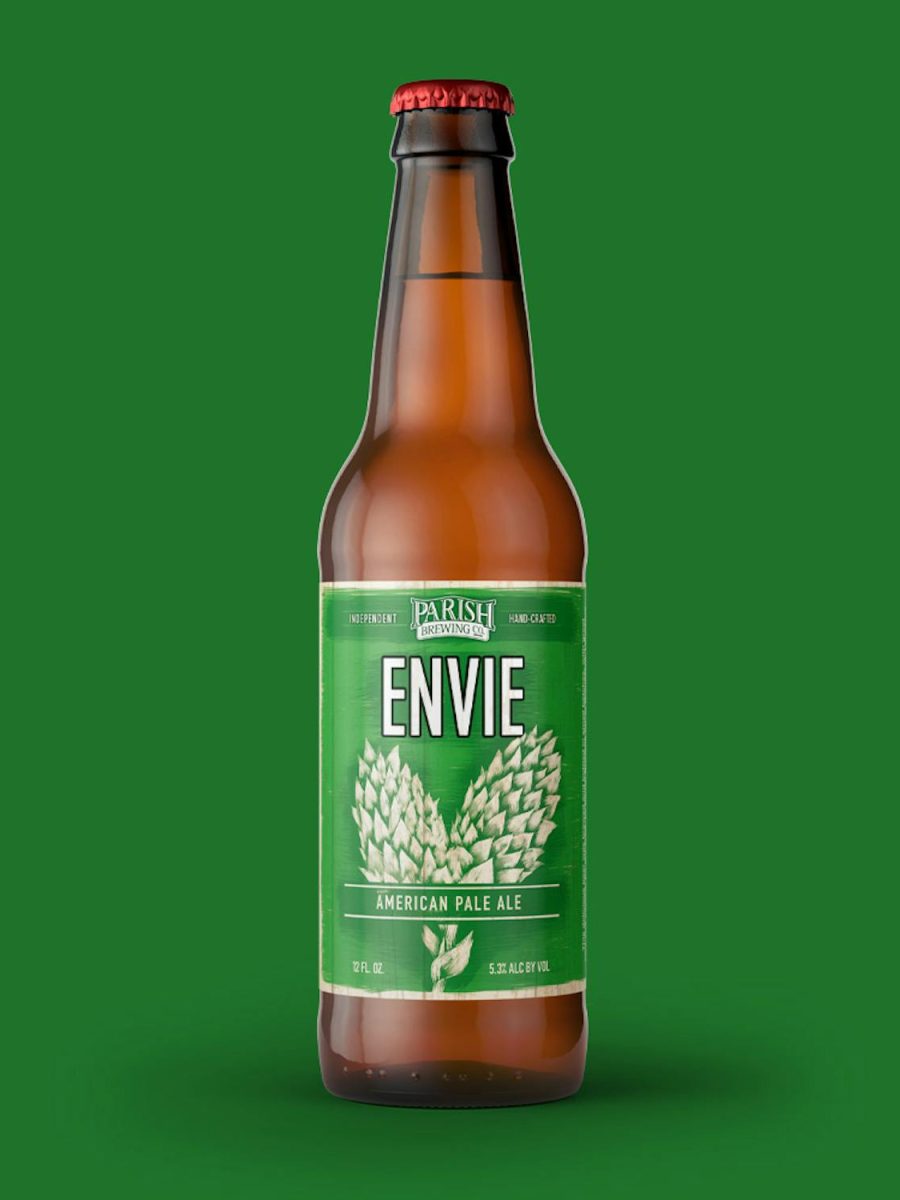
Envie is Parish’s 5.0% hazy pale ale, with Cascade, Citra and Simcoe hops.
BAR NOTES
Envie is Parish’s 5.0% hazy pale ale, with Cascade, Citra and Simcoe hops. The producer describes tropical aroma and a restrained harsh-bitter finish. It belongs beside Canebrake and Ghost because it offers a hop-led middle point without doubling the wheat ale’s alcohol strength. Producer page lists 5%; some recent bottle labels show 5.1%. Check the actual package when comparing batches.
Envie and First Pitch make a useful pale-ale comparison across Broussard and Baton Rouge, with different named hop combinations. Track aroma, body and finish separately instead of treating haze as the whole recipe. The American pale ale guide supplies a wider balance reference.
3. Gnarly Barley Brewing
Gnarly Barley’s Hammond operation is at 1709 Corbin Road, with its Gnar Bar taproom and Dine Gnar food offering. The brewery’s current calendar distinguishes core beers from seasonal and limited releases instead of treating every remembered label as permanently available.
Catahoula Common, Jucifer and Korova Milk Porter reveal pale lager, hazy IPA and a textured dark-beer direction. The three current producer pages supply named grains and hops, making a recipe-based comparison possible without guessing from can art.
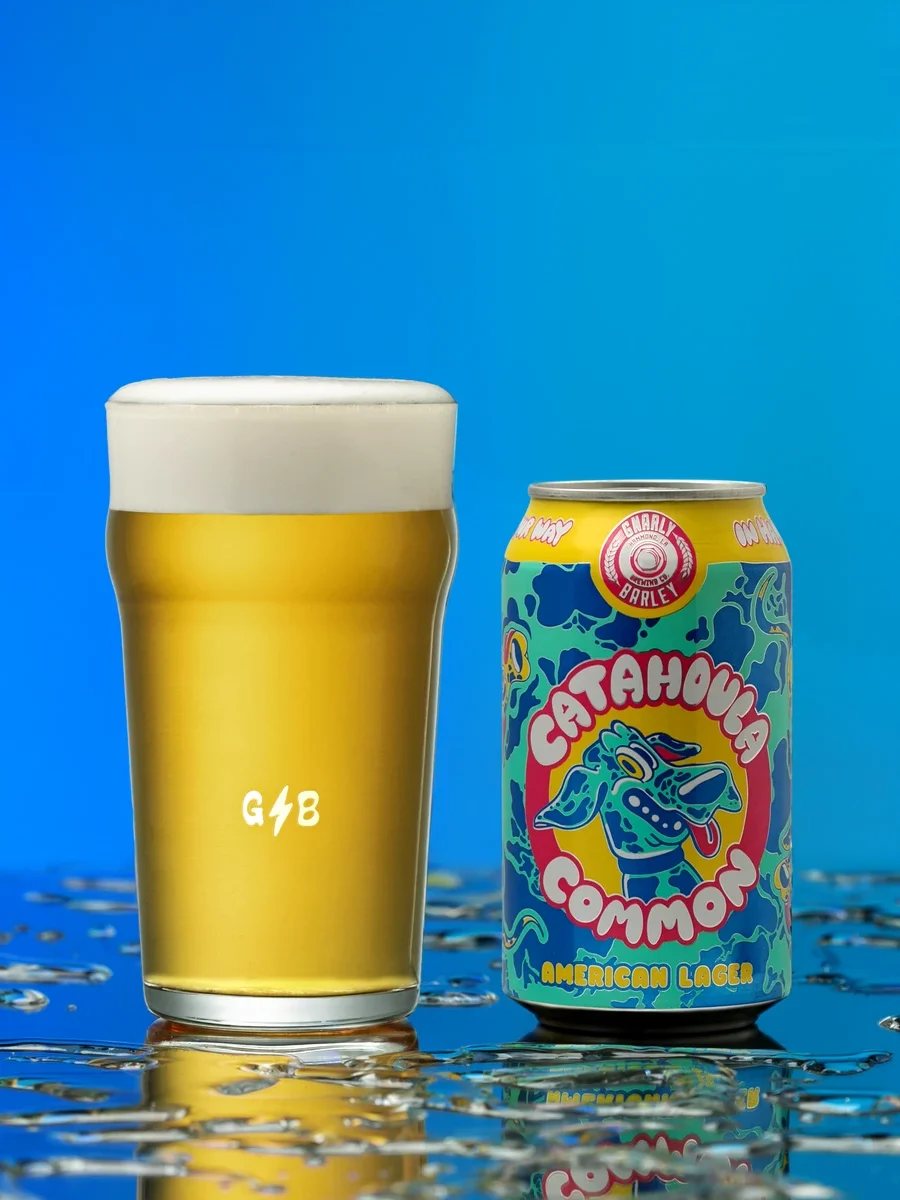
Catahoula Common
Brewed by Gnarly Barley Brewing
Catahoula Common is Gnarly Barley’s 5.0% year-round lager, named after Louisiana’s state dog.
BAR NOTES
Catahoula Common is Gnarly Barley’s 5.0% year-round lager, named after Louisiana’s state dog. Its current producer page lists two-row and Cara-pils malts with Cascade Cryo hops, and uses both American lager and California common classifications. Those labels give a starting point, not a complete fermentation schedule.
Taste Catahoula before Jucifer to establish a lighter grain-and-hop reference within the same brewery. Compare its common designation with Second Line MSY rather than assuming their recipes match. Our California common brewing guide explains the tradition behind one part of the name.
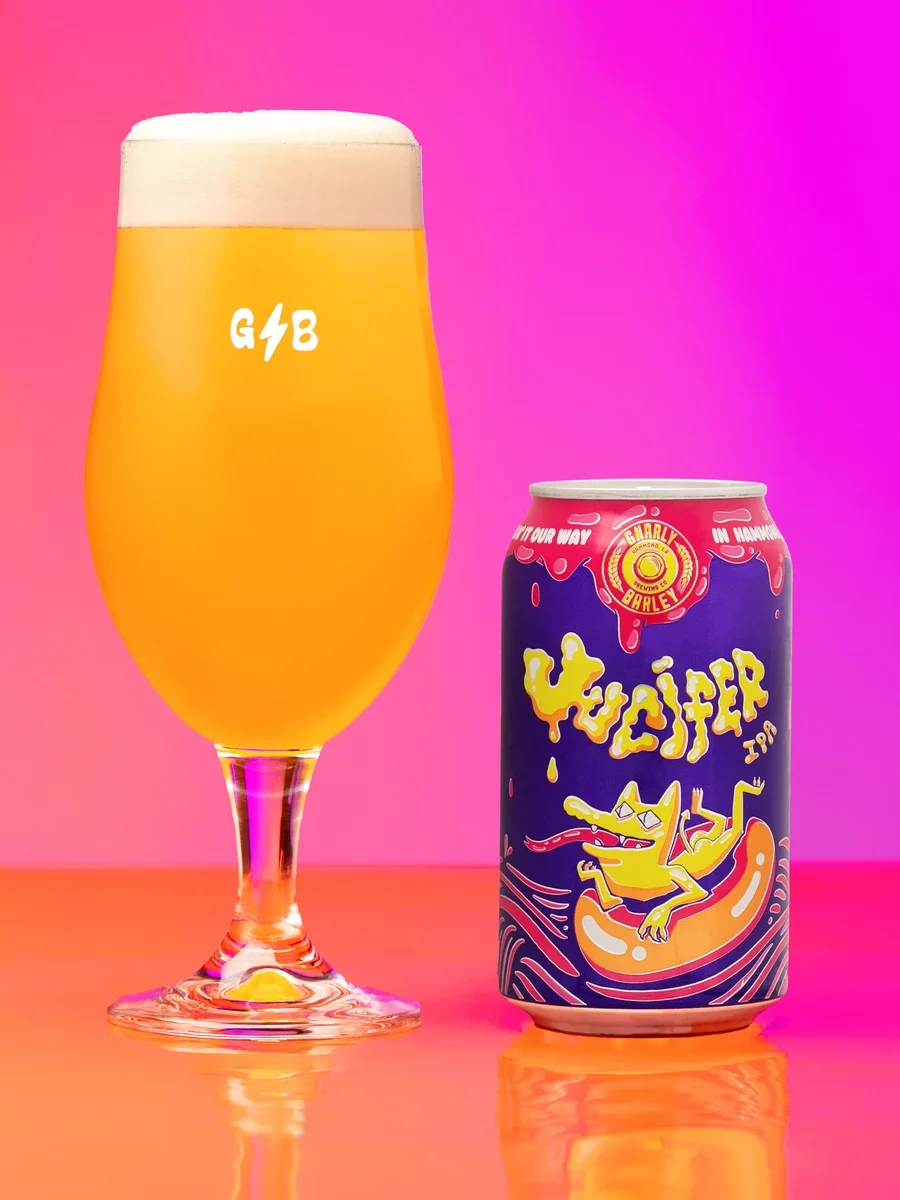
Jucifer IPA
Brewed by Gnarly Barley Brewing
Jucifer IPA is Gnarly Barley’s 6.0% hazy IPA, using two-row malt, wheat and oats with Citra and Mosaic dry hopping.
BAR NOTES
Jucifer IPA is Gnarly Barley’s 6.0% hazy IPA, using two-row malt, wheat and oats with Citra and Mosaic dry hopping. Its house hazy yeast adds another texture decision alongside the grain. The producer describes papaya, mango and grapefruit impressions without listing those fruits as additions.
Compare Jucifer with Holy Roller to follow two Louisiana interpretations at similar alcohol strength. Keep the unflavored flagship separate from Coconut Jucifer or double-strength relatives. The hazy IPA guide helps separate hop aroma, grain-built body and visual haze when taking tasting notes.
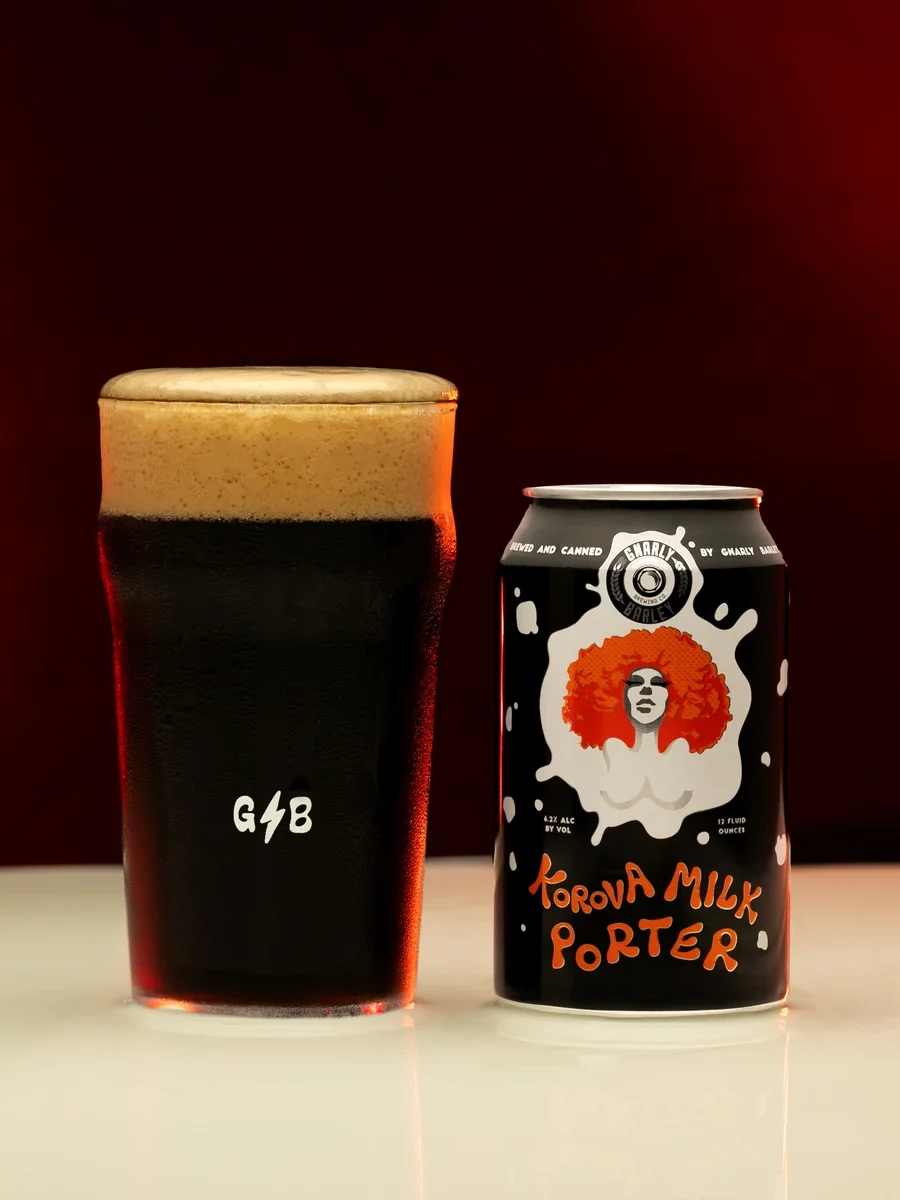
Korova Milk Porter
Brewed by Gnarly Barley Brewing
Korova Milk Porter is Gnarly Barley’s 6.2% Baltic oatmeal milk porter.
BAR NOTES
Korova Milk Porter is Gnarly Barley’s 6.2% Baltic oatmeal milk porter. Its published grain list includes Munich, brown and caramel malts, oats and flaked barley, with Mosaic hops. That combination makes grain texture and dark-malt flavor central to the comparison rather than relying on color alone.
Put Korova beside Turbodog to follow the difference between porter and brown ale, or beside Wendy Peffercorn to compare two milk-style beers with different colors. Check current labels for ingredients. The Baltic porter guide explores the broader dark-beer tradition behind this hybrid description.
4. Urban South Brewery
Urban South’s New Orleans taproom is on Tchoupitoulas Street. Its present range includes beer alongside other beverage categories; this guide selects three beer flagships and keeps the Louisiana operation distinct from other named taproom locations.
Paradise Park, Holy Roller and Lime Cucumber Gose offer lager, hop-led ale and salted sour wheat beer. Their current product pages provide alcohol figures, listed formats and ingredient detail where disclosed, so an older retailer description should not override them.
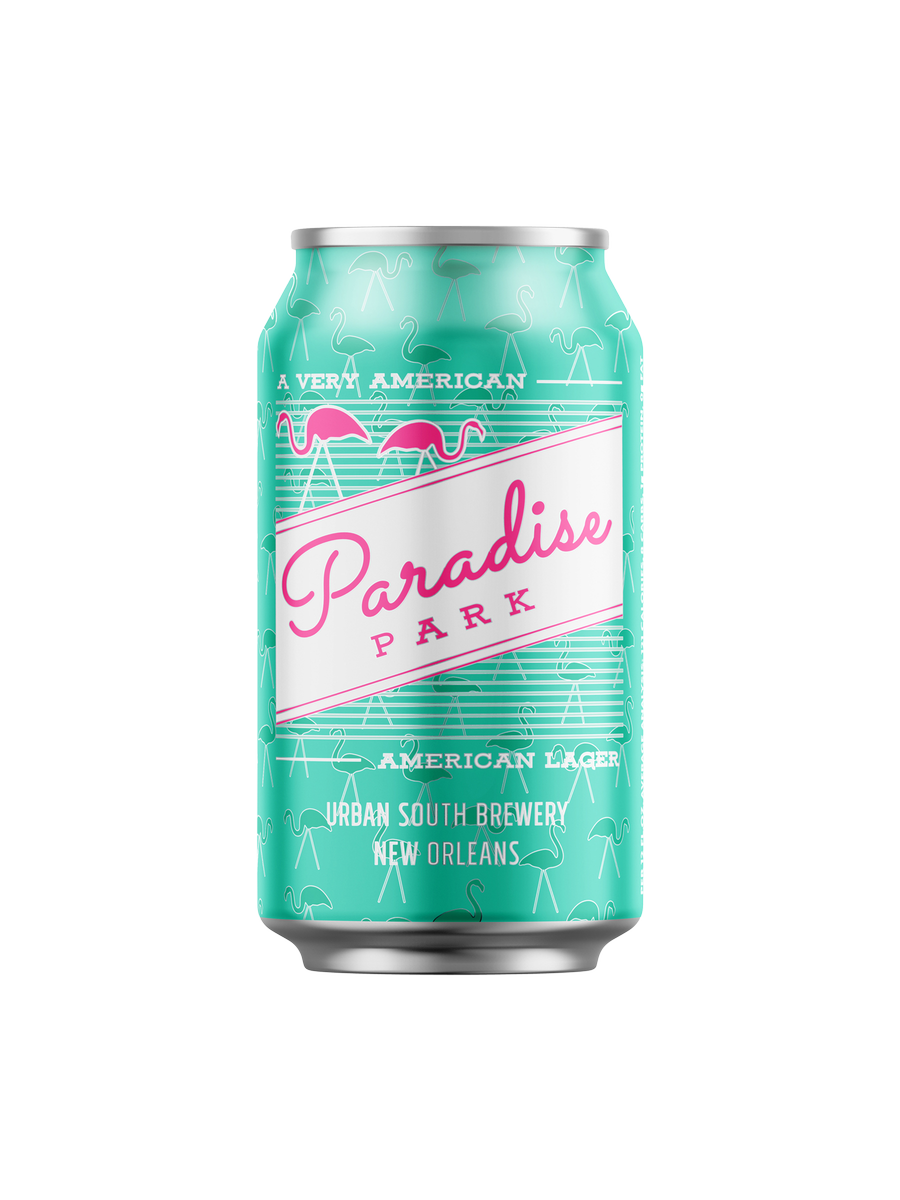
Paradise Park
Brewed by Urban South Brewery
Paradise Park is Urban South’s current 4.4% American lager, brewed with two-row malt and Huell Melon hops.
BAR NOTES
Paradise Park is Urban South’s current 4.4% American lager, brewed with two-row malt and Huell Melon hops. The brewery lists ten IBU and year-round cans and draft. This guide follows that present producer number rather than older retail figures showing a different strength.
Use Paradise Park as the restrained reference before Holy Roller and Lime Cucumber Gose. Its hop variety does not turn a pale lager into an IPA or prove literal melon additions. Our American lager guide explains grain, fermentation and finishing choices behind the broad style.
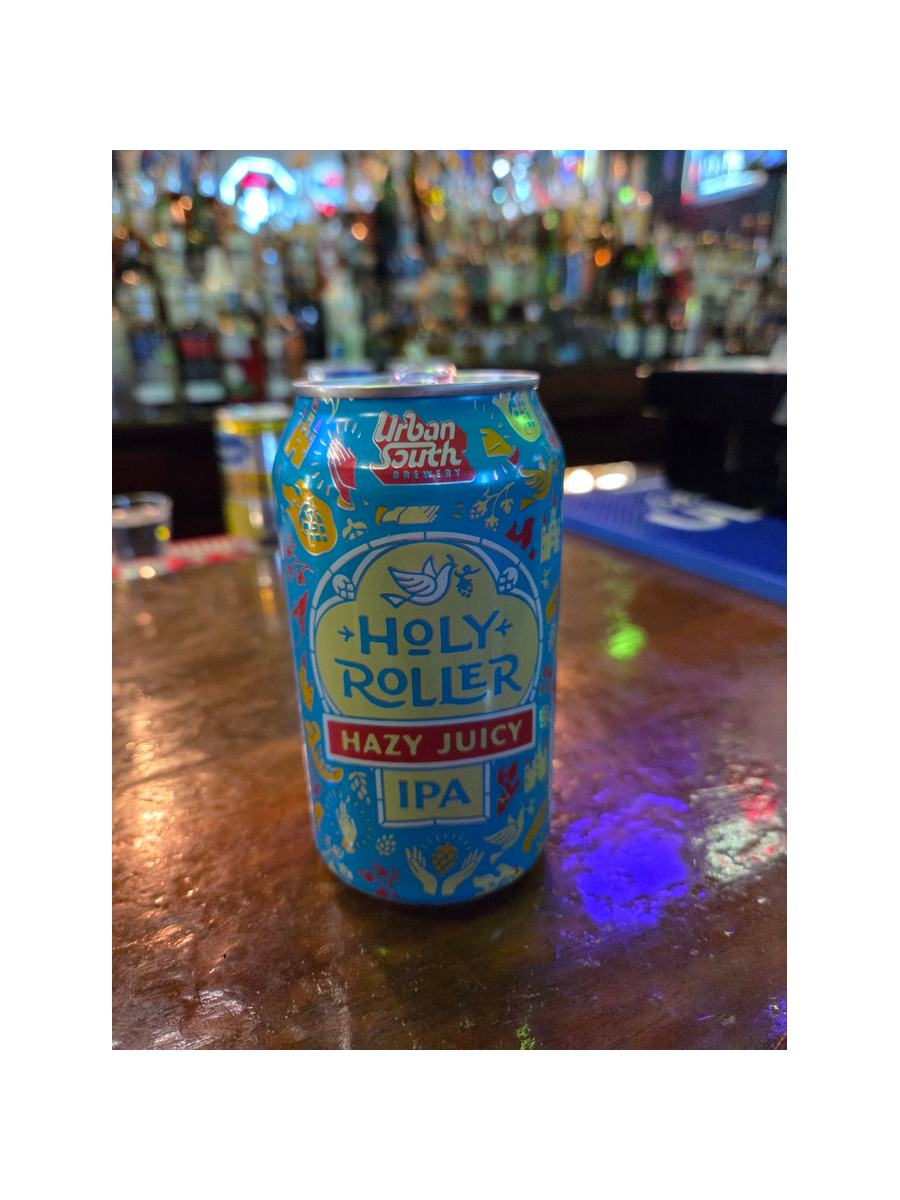
Holy Roller
Brewed by Urban South Brewery
Holy Roller is Urban South’s 6.3% hazy IPA, listed at sixty IBU and available year-round in cans and draft.
BAR NOTES
Holy Roller is Urban South’s 6.3% hazy IPA, listed at sixty IBU and available year-round in cans and draft. The producer treats it as a flagship alongside Paradise Park. Its stronger hop-led role gives this brewery trio a clear contrast with both lager and salted sour wheat beer.
Compare Holy Roller with Jucifer before moving to Parish Ghost: the step up to a double IPA changes strength as well as hop presentation. Ask for the regular beer rather than a grapefruit or special dry-hop version. The American IPA brewing guide frames the wider hop-and-malt relationship.
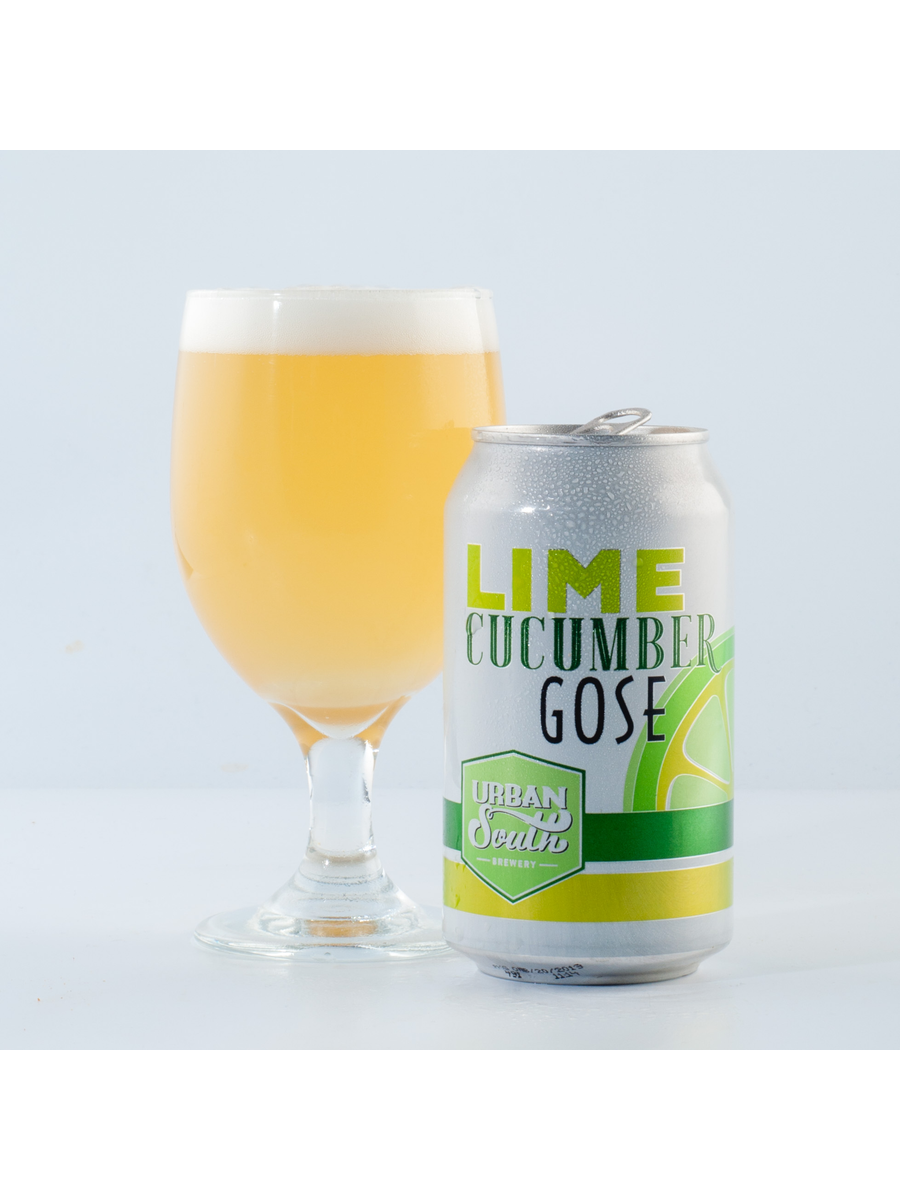
Lime Cucumber Gose
Brewed by Urban South Brewery
Lime Cucumber Gose is Urban South’s 4.2% kettle-soured wheat beer with kosher salt, key lime and fresh cucumber juice.
BAR NOTES
Lime Cucumber Gose is Urban South’s 4.2% kettle-soured wheat beer with kosher salt, key lime and fresh cucumber juice. Those are disclosed additions, not guesses drawn from aroma. The producer lists ten IBU, emphasizing a separate sour-and-salt comparison within the brewery’s year-round range.
Taste it beside Don’t Blush to follow how salt and cucumber change a sour wheat comparison that otherwise features raspberry. Record acidity and bitterness separately; the IBU figure does not measure sourness. Our gose brewing guide explains the salted wheat tradition behind the name.
5. Great Raft Brewing
Great Raft brews in Shreveport, with its tasting room at 1251 Dalzell Street. Its current website directs visitors to the brewery’s recurring beer profiles, while the event calendar and recent brewery check-ins support an active local visit plan.
Southern Drawl, Commotion and Reasonably Corrupt give three different directions at moderate strength: rice pilsner, dry-hopped pale ale and black lager. Keep their names exact, particularly when distinguishing a current reformulation from a historical listing.
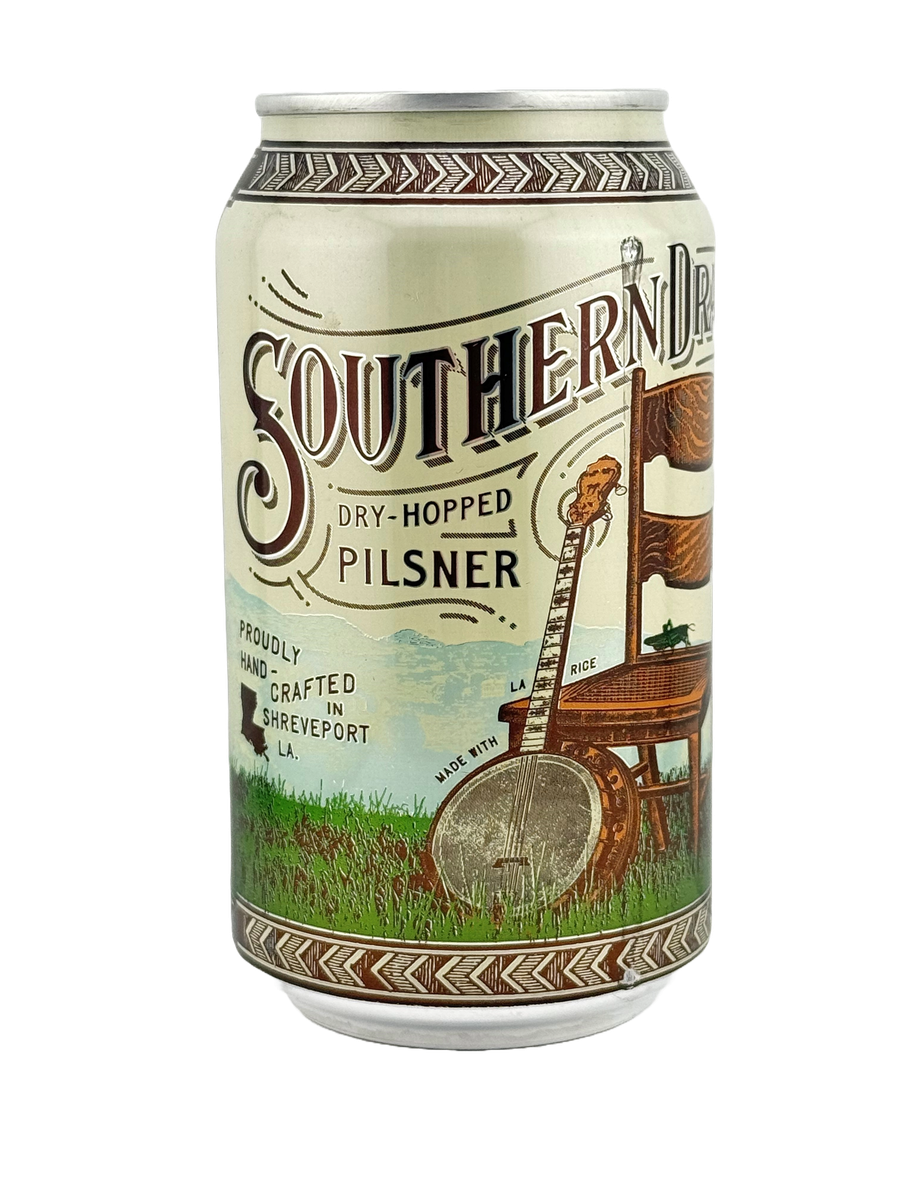
Southern Drawl
Brewed by Great Raft Brewing
Southern Drawl is Great Raft’s 5.0% dry-hopped American pilsner, with Louisiana-grown rice and American hops in its brewery-authored profile.
BAR NOTES
Southern Drawl is Great Raft’s 5.0% dry-hopped American pilsner, with Louisiana-grown rice and American hops in its brewery-authored profile. The profile distinguishes this recipe from an older version by recording a 2017 reformulation. Current can and brewery check-ins support its continuing presence in the range.
Compare Southern Drawl with Crying Eagle Louisiana Lager to follow rice in two different lager designs, then with Commotion to change the fermentation family. The lager collection offers a wider set of pale comparisons without treating every rice-containing beer as the same style.
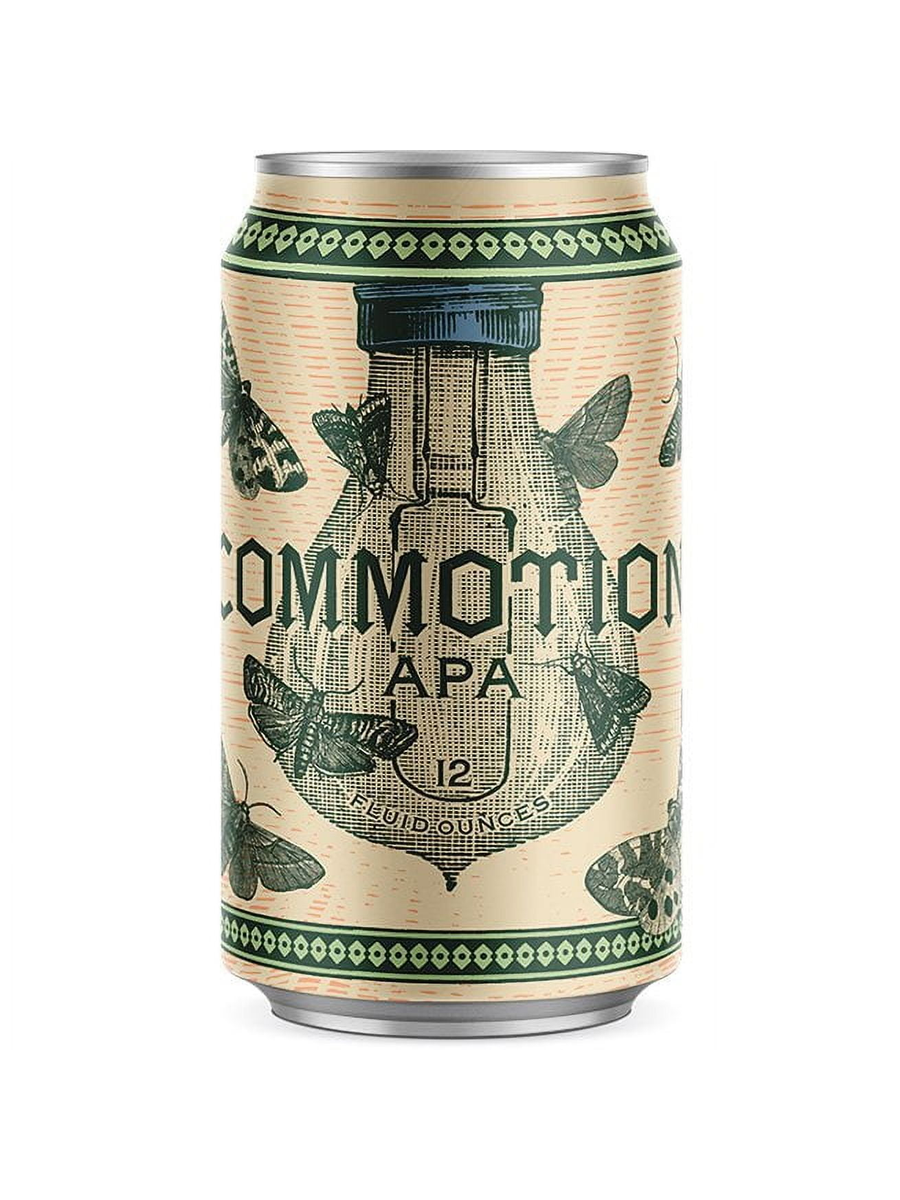
Commotion
Brewed by Great Raft Brewing
Commotion is Great Raft’s 5.5% dry-hopped American pale ale, listed at forty-nine IBU in its recurring profile.
BAR NOTES
Commotion is Great Raft’s 5.5% dry-hopped American pale ale, listed at forty-nine IBU in its recurring profile. The brewery describes grapefruit and citrus hop character with a soft finish. It supplies the hop-forward ale position between Southern Drawl’s pilsner and Reasonably Corrupt’s darker lager.
Put Commotion beside Envie to compare two Louisiana pale ales without relying only on their color or advertised fruit impressions. Follow how the finish changes as the aroma fades. Our pale ale brewing guide explains the balance between grain support and aromatic hopping.
Reasonably Corrupt
Brewed by Great Raft Brewing
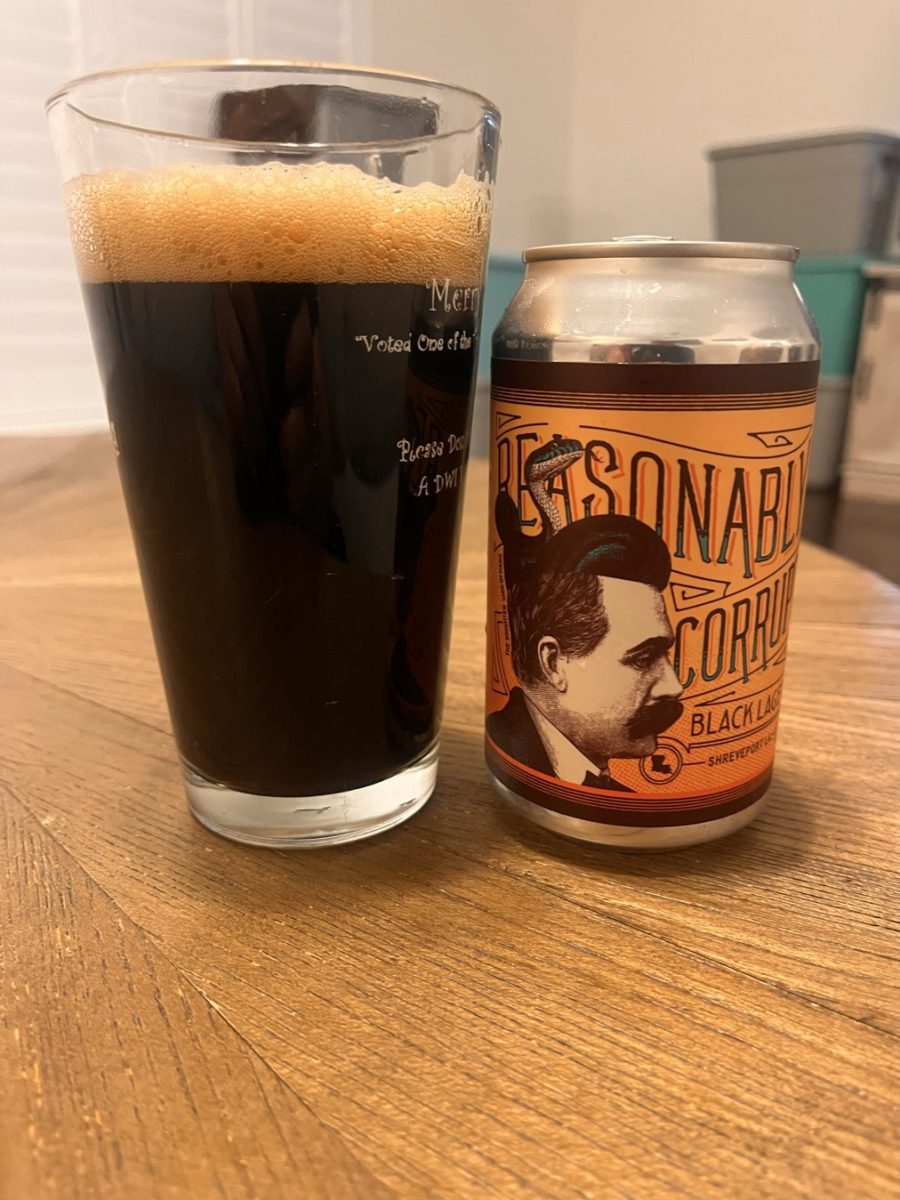
Reasonably Corrupt is Great Raft’s 5.5% black lager, listed at thirty IBU.
BAR NOTES
Reasonably Corrupt is Great Raft’s 5.5% black lager, listed at thirty IBU. Its brewery-authored profile emphasizes dark, roasted malt and a crisp finish. Dark color does not make it a stout, and the shared strength with Commotion gives a particularly useful controlled comparison within this trio.
Use a moderate-temperature small pour to follow the grain after the initial cold impression, then compare the finish with Southern Drawl. Keep fermentation style separate from darkness. The schwarzbier brewing guide offers a traditional black-lager reference without claiming that every brewery uses an identical recipe.
6. Second Line Brewing
Second Line is a Mid-City New Orleans brewery at 433 North Bernadotte Street. Its current producer page separates core canned beers, annual releases and smaller beer-garden batches, which is useful when planning a package purchase as well as a visit.
Batture Blonde, MSY Common Lager and Saison Named Desire compare a restrained pale ale, fuller lager and orange-led saison. The brewery gives named hops and fruit additions for these core listings; today’s tap selection still requires a separate menu check.
Batture Blonde Ale
Brewed by Second Line Brewing
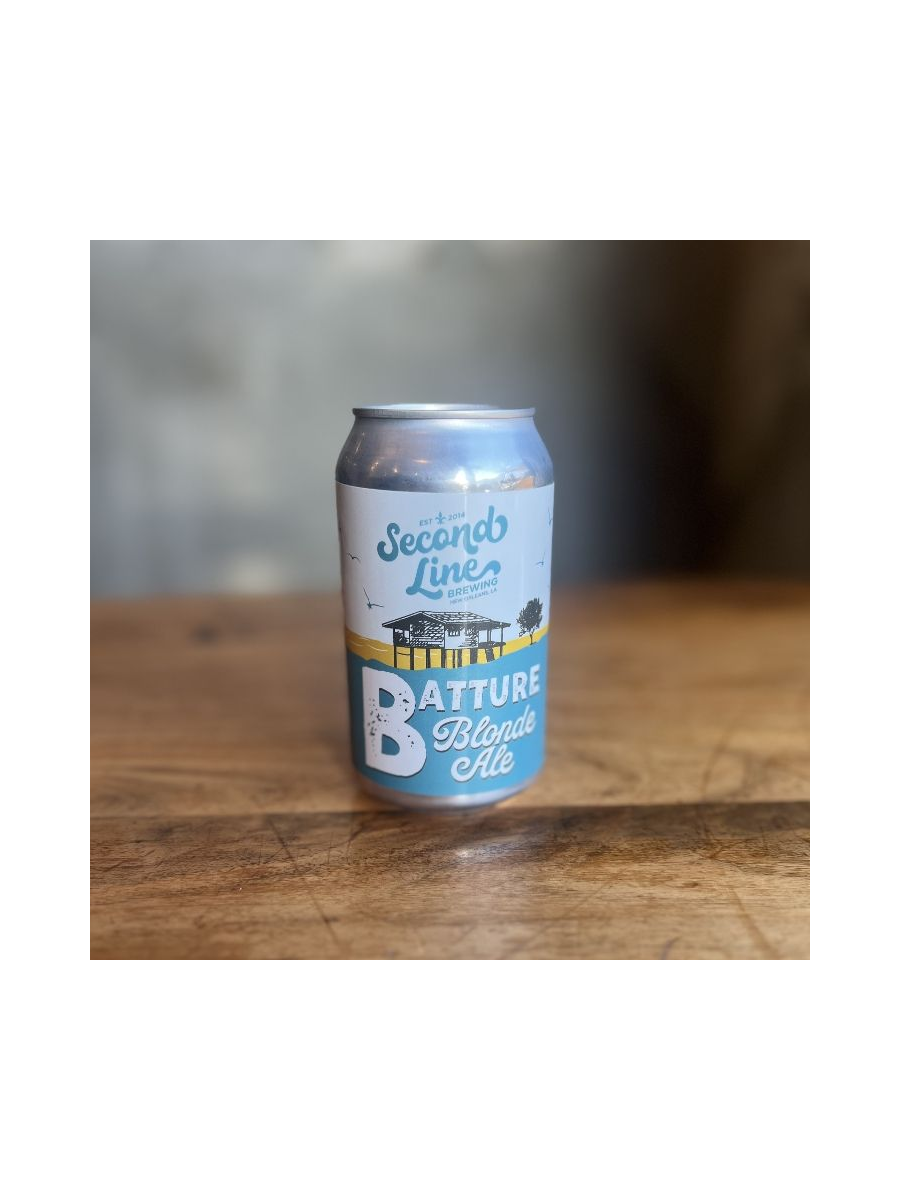
Batture Blonde Ale is Second Line’s 5.2% core blonde ale, listed at eleven IBU.
BAR NOTES
Batture Blonde Ale is Second Line’s 5.2% core blonde ale, listed at eleven IBU. The producer identifies pilsner malt and noble hops, with cans, bottles and kegs among the listed formats. This is the lighter ale reference before MSY Common Lager and orange-led Saison Named Desire.
Try Batture with a simply prepared seafood dish and follow the grain against the food rather than searching for a large hop aroma. Compare it with Rally Cap Ambush to change the malt direction. The blonde ale brewing guide provides the broader pale-ale foundation.
MSY Common Lager
Brewed by Second Line Brewing
MSY Common Lager is Second Line’s 6.0% core lager, listed at thirty-five IBU.
BAR NOTES
MSY Common Lager is Second Line’s 6.0% core lager, listed at thirty-five IBU. Czech Saaz, German Hallertau Blanc and New Zealand Moutere appear in the producer’s hop list. The beer supplies a fuller malt-and-hop comparison than Batture without moving into the saison’s fruit additions. The producer retains the Common Lager name, while recent cans use MSY Amber Lager labeling.
Compare MSY with Catahoula Common as two beers using a common designation, but let their published recipes remain distinct. The geographical airport abbreviation is a name cue, not a yeast specification. Our California common guide helps explain why fermentation information matters alongside the label.
Saison Named Desire
Brewed by Second Line Brewing
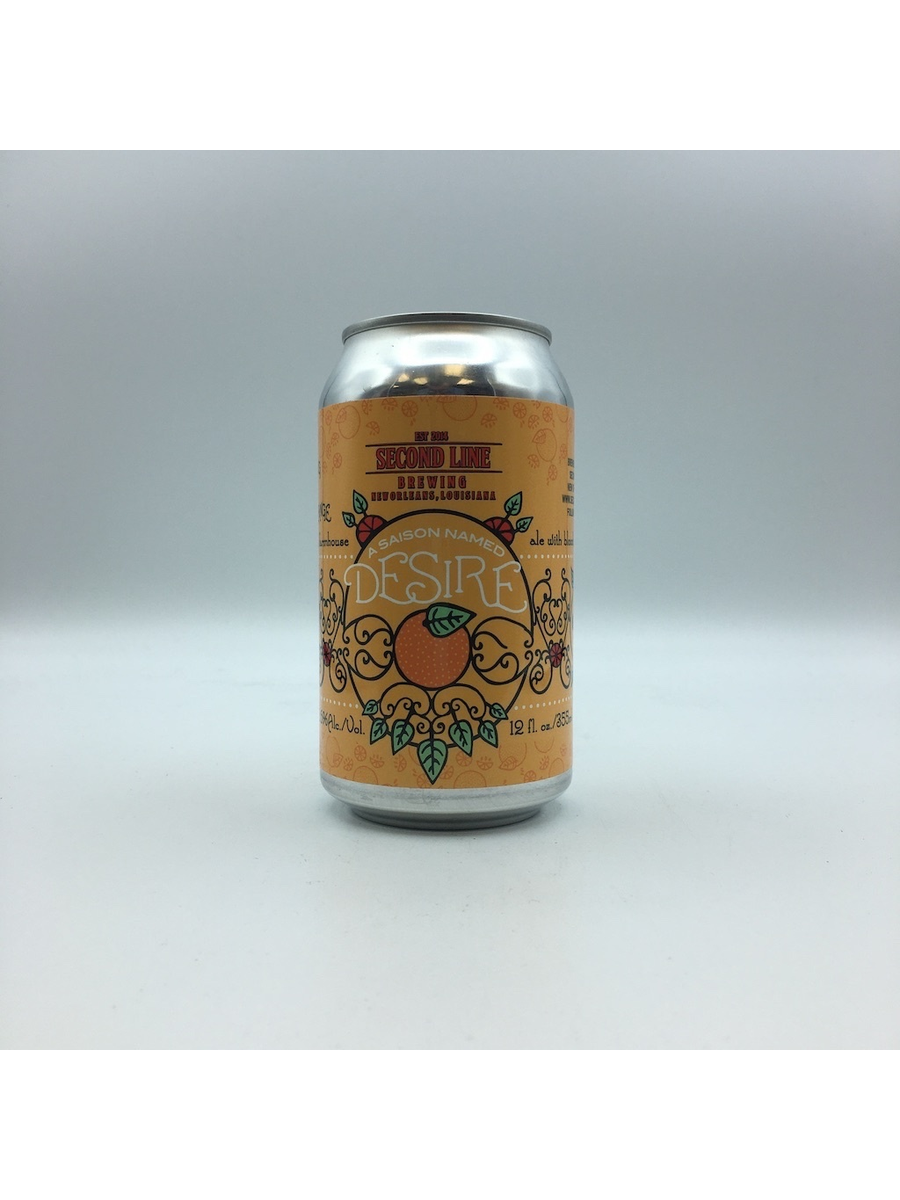
Saison Named Desire is Second Line’s 5.7% core saison, listed at twenty-nine IBU.
BAR NOTES
Saison Named Desire is Second Line’s 5.7% core saison, listed at twenty-nine IBU. The producer names organic orange zest, Moro blood orange and its own saison yeast blend. Fruit additions and fermentation therefore both contribute to its place in the brewery’s three-beer comparison.
Set it beside Lime Cucumber Gose to compare citrus additions across different yeast and souring traditions. Orange aroma does not tell you whether acidity came from fruit or fermentation. The saison brewing guide explores the range of yeast-led farmhouse beer before those additional ingredients enter.
7. Port Orleans Brewing Co.
Port Orleans opened in 2017 and lists its New Orleans operation at 4124 Tchoupitoulas Street. Its producer portfolio marks year-round and seasonal groups separately, avoiding the assumption that every named beer is always on tap.
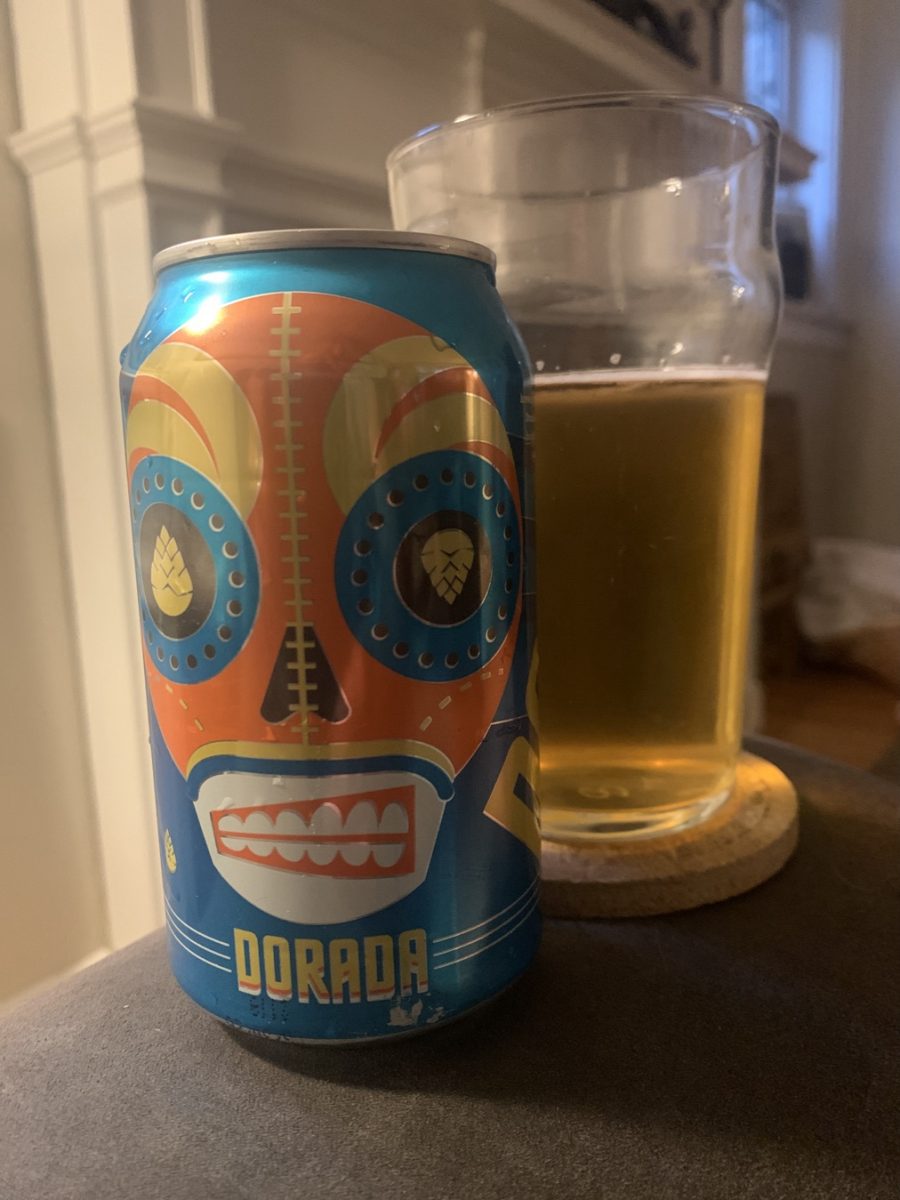
Kennerbrau and Dorada establish two pale comparisons before Gleason’s juicy hopping and charitable connection. Gleason is a producer-listed seasonal selection, so confirm it before building a visit around that particular beer.
Kennerbrau Kolsch
Brewed by Port Orleans Brewing Co.
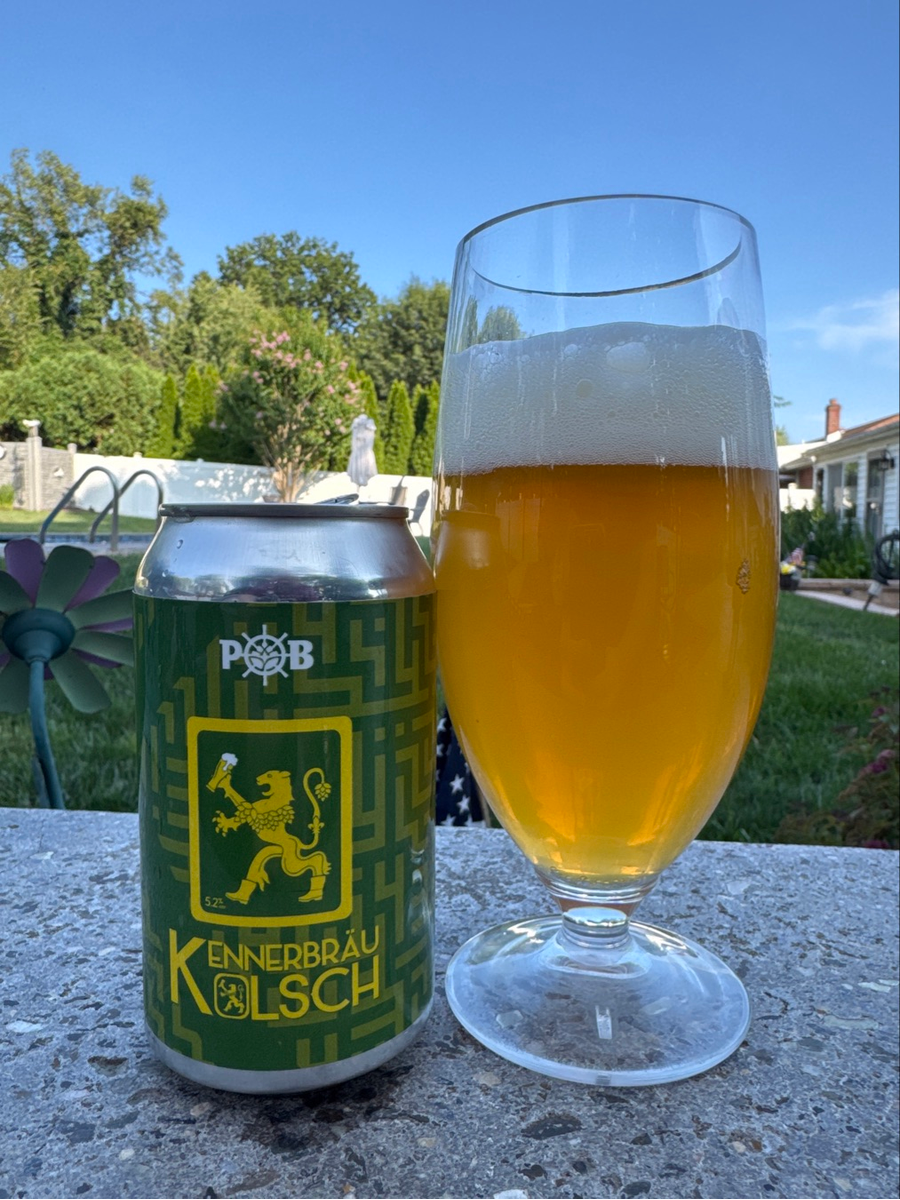
Kennerbrau Kolsch is Port Orleans’ 5.2% year-round Kolsch-style ale, listed at sixteen IBU.
BAR NOTES
Kennerbrau Kolsch is Port Orleans’ 5.2% year-round Kolsch-style ale, listed at sixteen IBU. The brewery describes restrained fruit character and a light toasted-wheat impression. It offers an ale-based pale comparison beside Dorada’s lager and the stronger hop focus of Gleason Juicy IPA.
Use Kennerbrau as the first pour in this trio and compare its finish with Dorada before considering the IPA. Similar pale color does not settle fermentation character. Our Kolsch brewing guide supplies the Cologne-style reference while leaving room for this New Orleans interpretation.