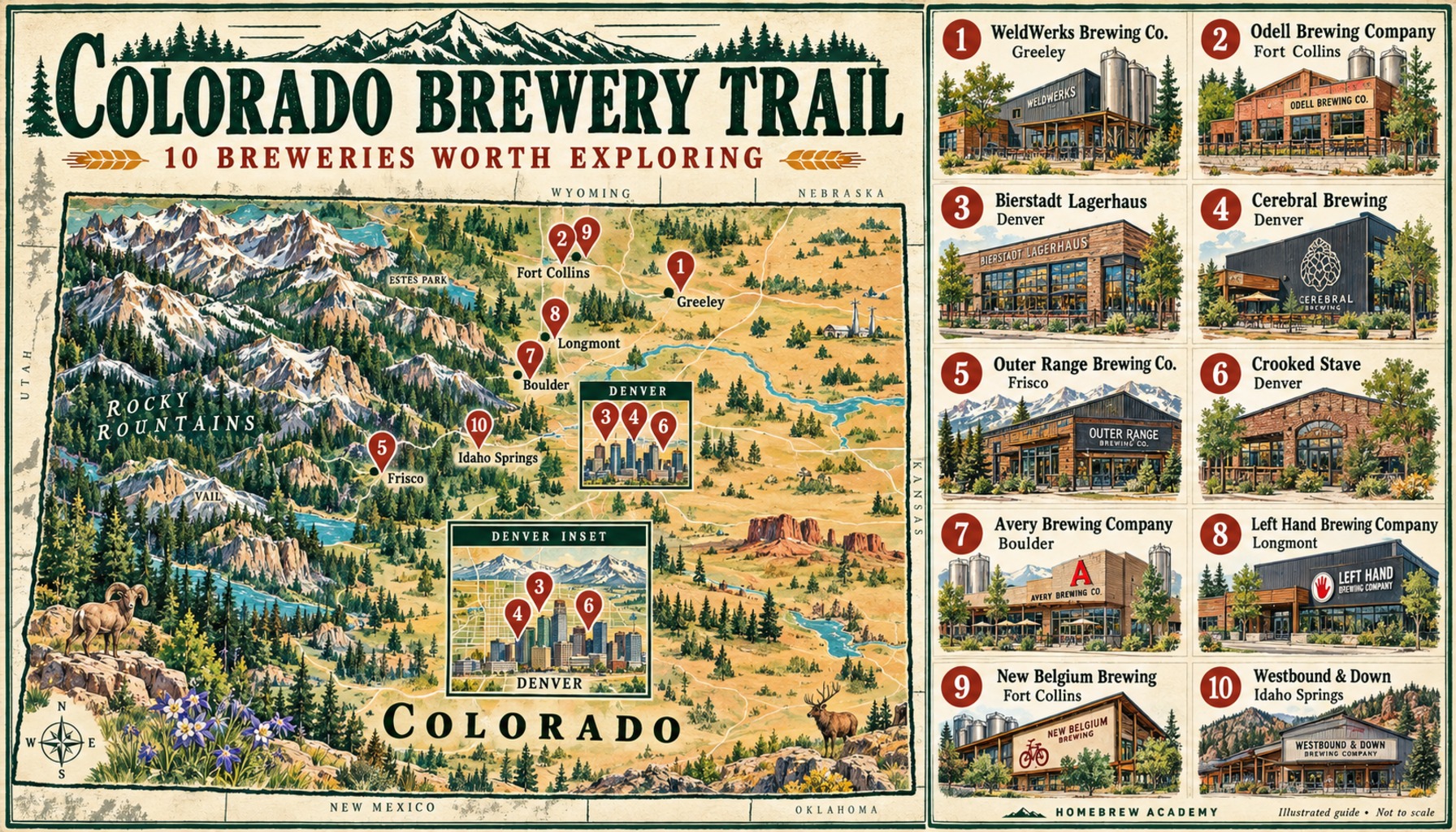
10 Best Breweries in Colorado with 30 Beers Worth Trying
Colorado rewards a brewery visit built around contrast: patient lager service in Denver, hazy hops in Greeley and Frisco, and long-running Front Range breweries with beers worth revisiting. These ten editorial picks include three starting beers each, with enough detail to help you choose a flight rather than simply collect brewery names.
Updated October 2026. The brewery order is an editorial selection, not a claim of an objective statewide score. Card numbers organize the thirty beers by brewery. Strengths follow current producer information where available; draft and packaged batches can differ.
For a broader bottle-and-can comparison, explore the Colorado beer roundup.
Colorado breweries at a glance
| Brewery | Colorado stop | Flight focus | Start with |
|---|---|---|---|
| 1. WeldWerks Brewing Co. | Greeley | Hazy IPA and wheat beer | Juicy Bits |
| 2. Odell Brewing Company | Fort Collins | Amber ale, American IPA, and fruit | 90 Shilling Ale |
| 3. Bierstadt Lagerhaus | Denver | Three contrasting German-style lagers | Slow Pour Pils |
| 4. Cerebral Brewing | Denver | House haze, rice lager, and pale ale | Rare Trait |
| 5. Outer Range Brewing Co. | Frisco | Mountain-town haze, West Coast IPA, and pilsner | In the Steep |
| 6. Crooked Stave | Denver | Oak-aged sour, hazy IPA, and Brett saison | Sour Rosé |
| 7. Avery Brewing Company | Boulder | Belgian wheat, brown ale, and imperial IPA | White Rascal |
| 8. Left Hand Brewing Company | Longmont | Nitro stout, nitro amber, and seasonal lager | Milk Stout Nitro |
| 9. New Belgium Brewing | Fort Collins | Modern classic ale and Belgian-inspired beers | 1554 |
| 10. Westbound & Down | Idaho Springs and Lafayette | West Coast IPA, Italian pilsner, and coffee porter | Italian Pils |
1. WeldWerks Brewing Co. — Greeley
WeldWerks makes Greeley a destination for drinkers who want to understand the modern hazy IPA. Juicy Bits provides the starting point, Extra Extra Juicy Bits increases the strength and hop saturation, and Hefeweizen shows a different kind of expressive fermentation. Those three cover more ground than a flight consisting entirely of Juicy Bits variants.
The brewery also makes rotating sours and barrel-aged stouts, but these picks give you recognizable names to investigate first. Check the current tap and takeaway lists before making a special trip; a beer’s place in the wider range does not guarantee every format is available that day.
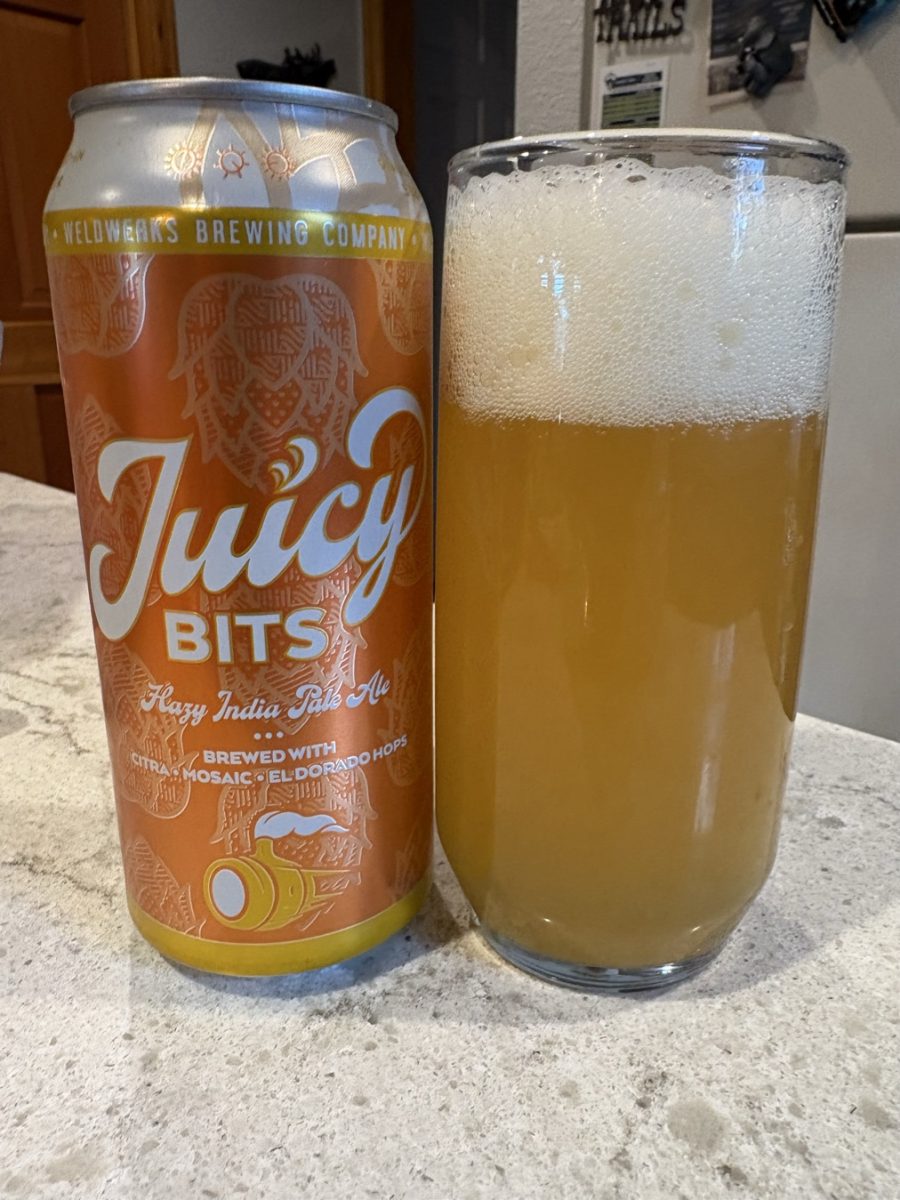
Juicy Bits
Brewed by WeldWerks Brewing Co.
Soft citrus and tropical hops define this Greeley hazy starting point.
BAR NOTES
Juicy Bits layers Citra, Mosaic, and El Dorado around a soft hazy base. Citrus and tropical-fruit impressions come from hops rather than a promise of added juice. Compare it with other hazy IPAs to understand what “juicy” means in brewing.
Taste this before the stronger Extra Extra version. The lower strength makes the hop profile easier to compare without as much alcohol weight. A clean glass and a fresh, refrigerated can are useful starting points when assessing aroma and texture.
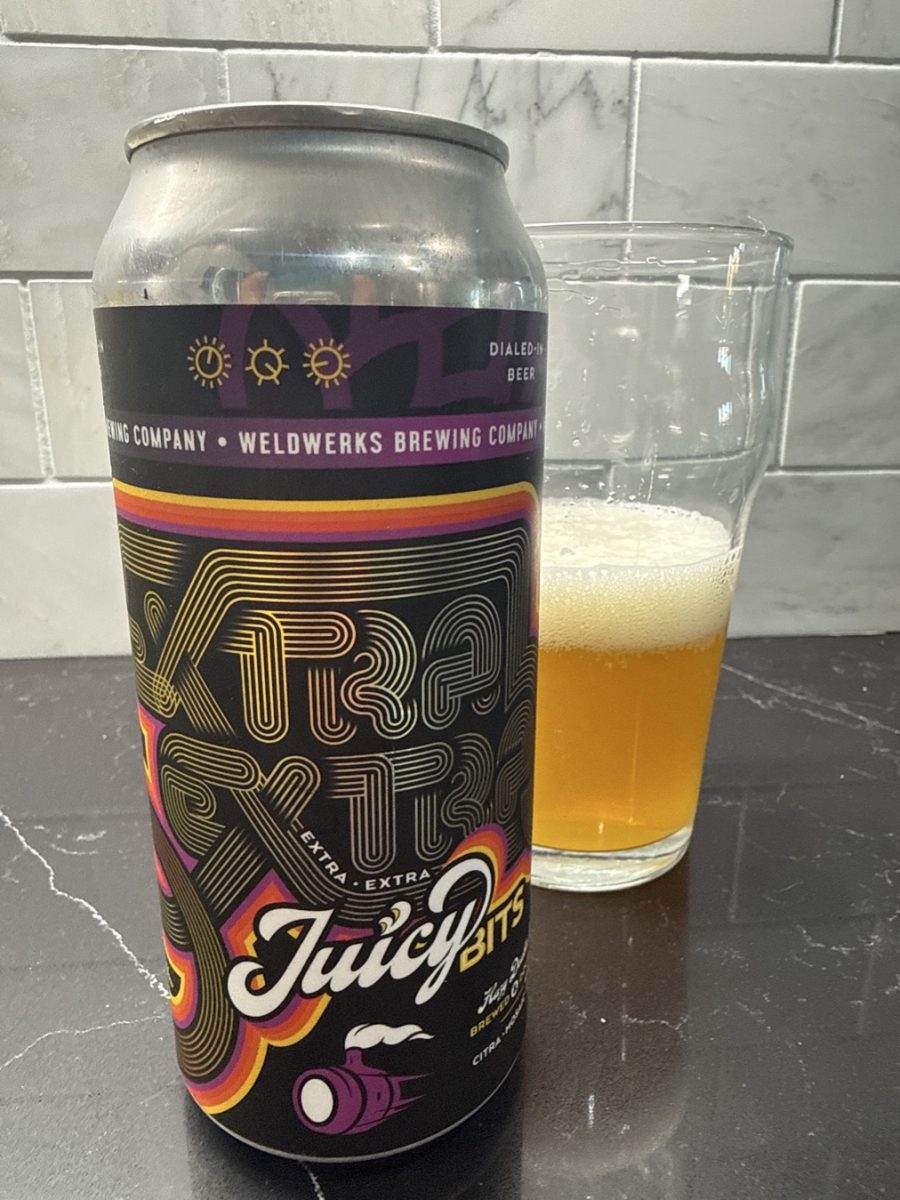
Extra Extra Juicy Bits
Brewed by WeldWerks Brewing Co.
The stronger Juicy Bits comparison: concentrated hops at 8.6%.
BAR NOTES
Extra Extra Juicy Bits raises the familiar Juicy Bits idea to double-IPA strength. Keep the full name when ordering: Extra, Extra Extra, and Extra Extra EXTRA are separate beers. This card covers the 8.6% version rather than the triple-IPA release.
Treat it as the intense end of a hop flight. A smaller pour after Juicy Bits lets you compare saturation, sweetness, and alcohol warmth directly. Our double IPA roundup offers more examples of how breweries balance that increased weight.
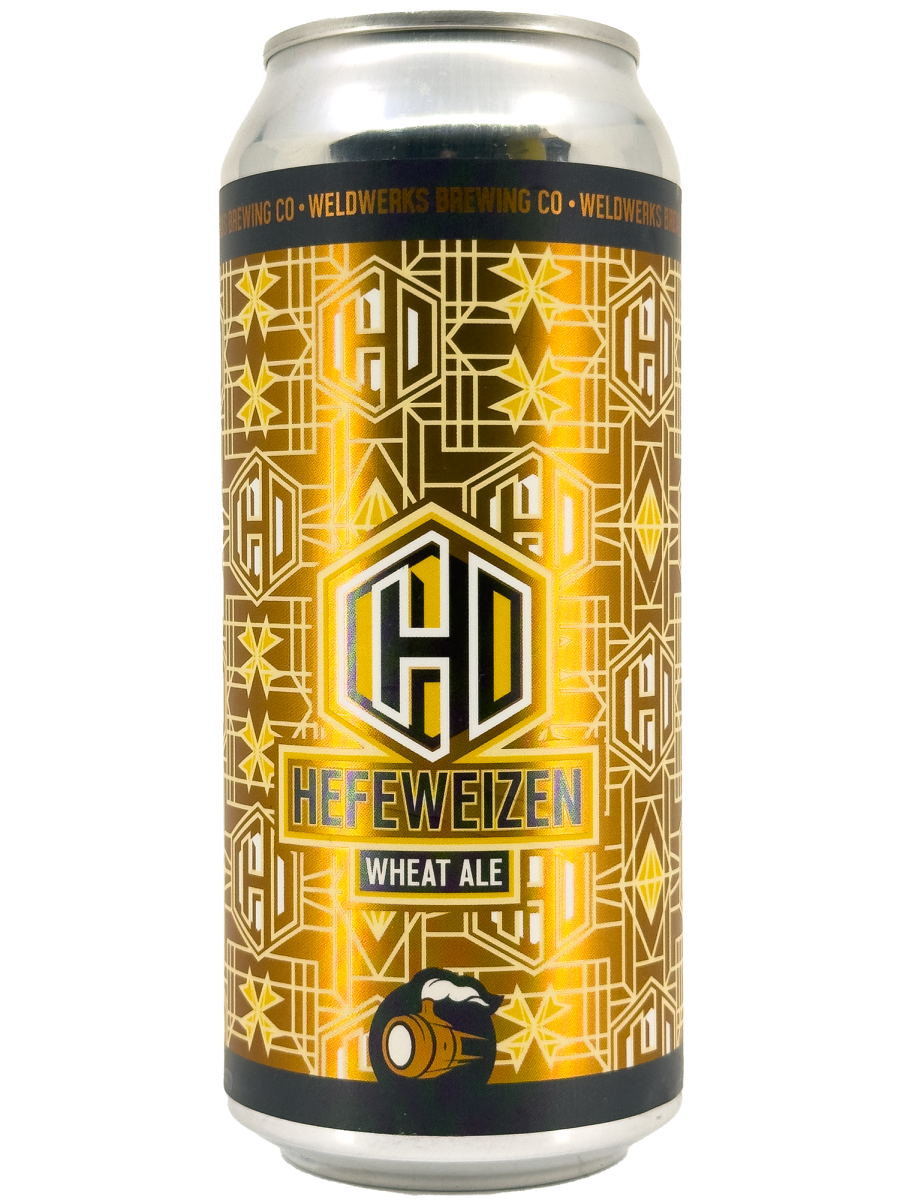
Hefeweizen
Brewed by WeldWerks Brewing Co.
A wheat-beer contrast to WeldWerks’ better-known hazy IPAs.
BAR NOTES
WeldWerks’ Hefeweizen gives yeast a more obvious voice than the two IPAs. Banana-like aroma and a softer wheat-beer impression make the style useful even for drinkers who arrived expecting nothing but haze. These fermentation notes do not mean bananas were added.
Use this as the bridge between a clean lager and stronger hop beers. Wheat-beer texture can work well beside grilled chicken or a simple sausage plate. The hefeweizen brewing guide explains why yeast selection changes the result so noticeably.
2. Odell Brewing Company — Fort Collins
Odell earns a Fort Collins stop with beers that make balance worth paying attention to. Start with the malt and hop relationship in 90 Shilling, move to the stronger American IPA, then change direction with the fruit and light tartness of Sippin’ Pretty. Each has a different role in this three-beer selection.
Fort Collins is the brewery’s founding home, with additional Denver brewhouses offering their own small-batch selections. The beers below are practical introductions to the broader range. Sippin’ Pretty now carries Guava Lime Ale wording and refreshed packaging; check the current package when choosing a can.
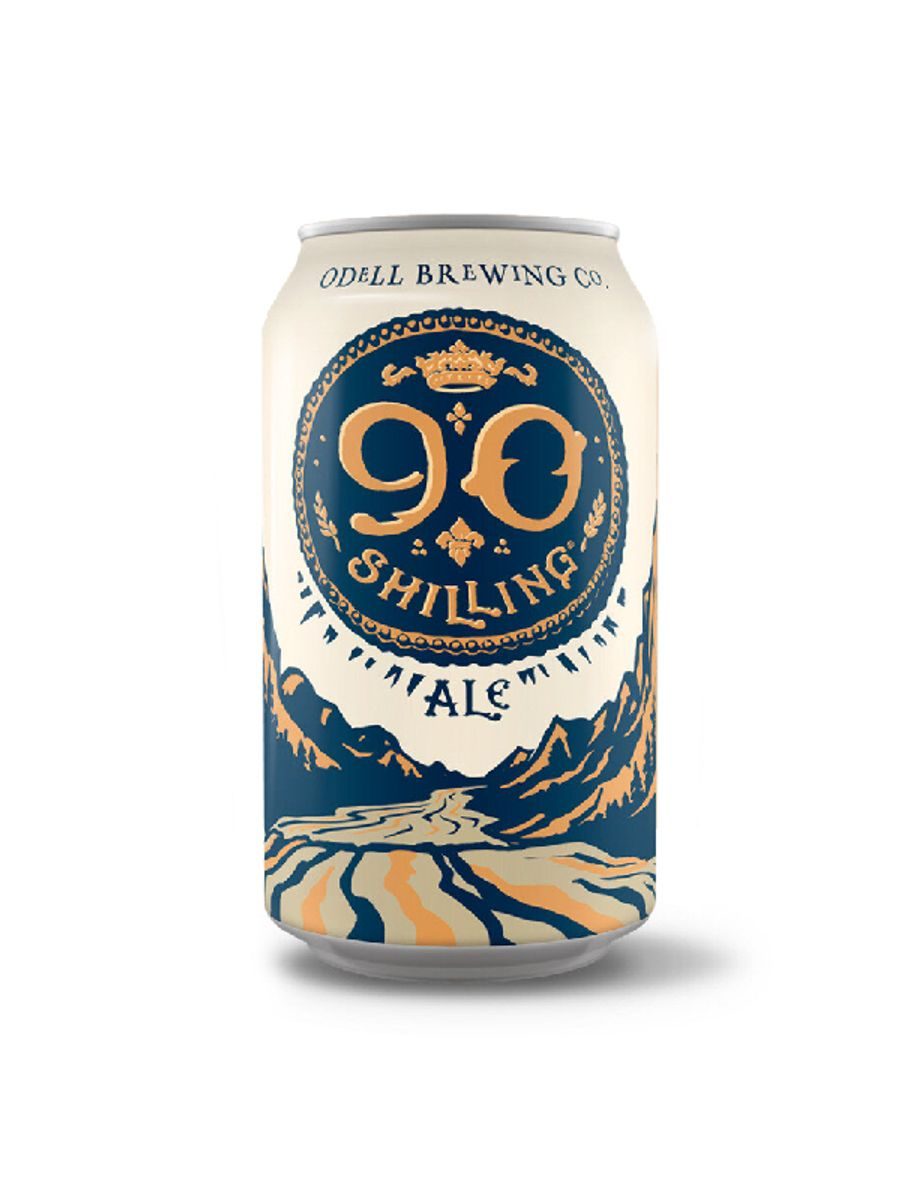
90 Shilling Ale
Brewed by Odell Brewing Company
Odell’s copper-colored flagship brings malt and hops into balance.
BAR NOTES
90 Shilling is an amber ale with a malt foundation built from British crystal and chocolate malts. Perle and Nugget hops support the beer without making it a hop showcase. Its copper color belongs to a more moderate drinking experience than a strong Scotch ale.
Put this before Odell IPA to compare balance with the same brewery name on both pours. The 5.3% strength makes it a useful middle ground for mixed tastes. Our amber ale guide helps explain the malt and bitterness relationship.
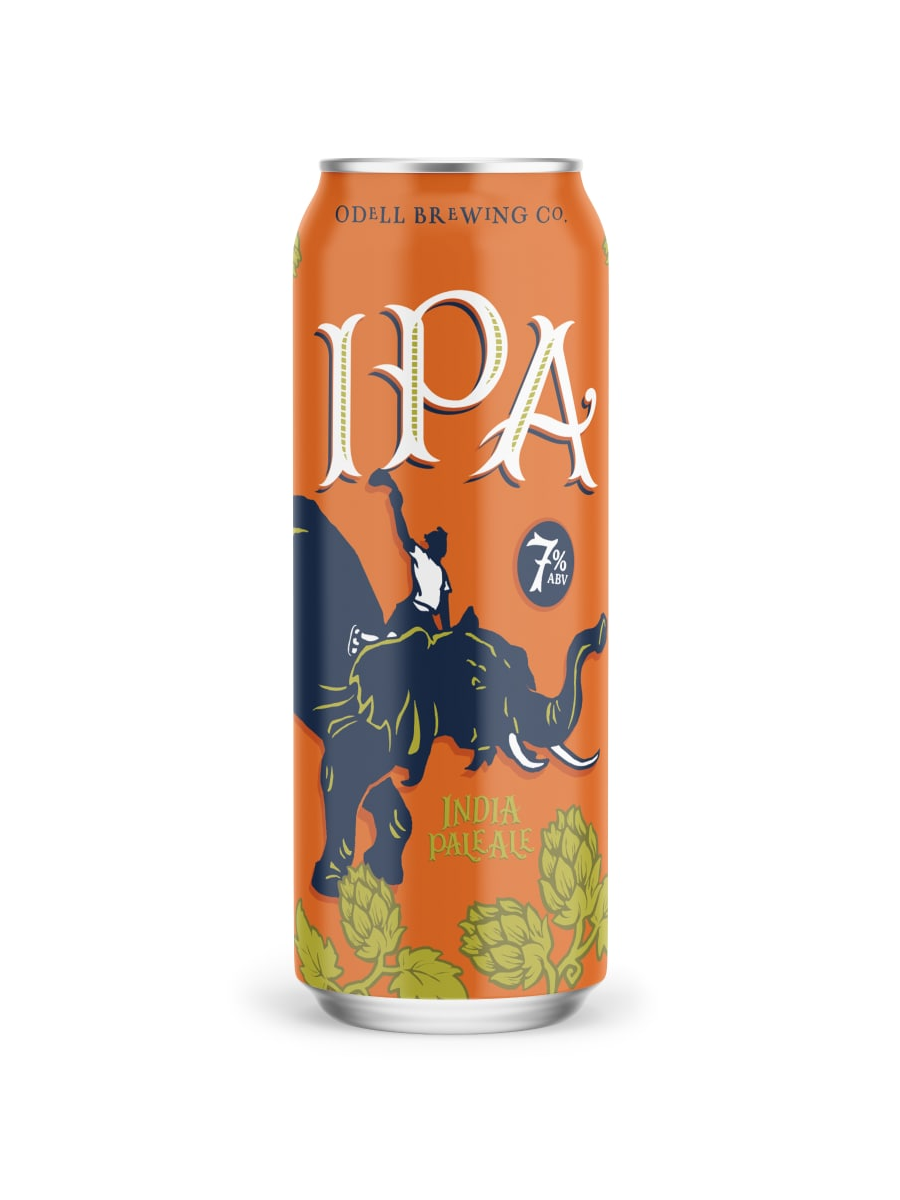
Odell IPA
Brewed by Odell Brewing Company
A 7% American IPA with substantial hop character and malt support.
BAR NOTES
Odell IPA combines a blend of nine American hops with pale and Vienna malts. That malt support matters: it gives the bitterness a foundation instead of leaving aroma to do all the work. The current beer is 7%, with 60 IBU listed.
Compare it directly with Rare Trait or Juicy Bits if you want to understand the move from a traditional American IPA toward softer haze. The IPA roundup includes more examples across the family, rather than treating every IPA as interchangeable.
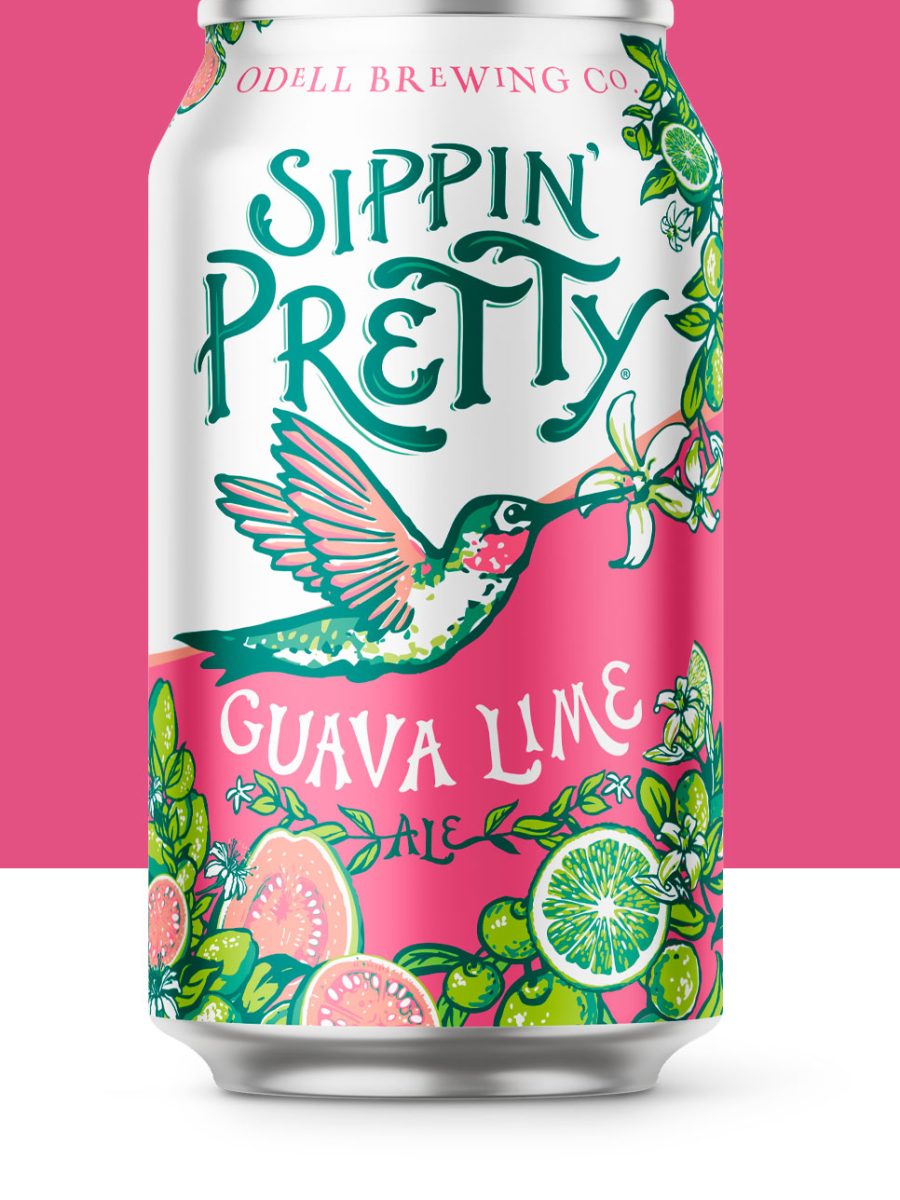
Sippin’ Pretty Guava Lime Ale
Brewed by Odell Brewing Company
Guava, lime, elderberry, and light salt in a delicately tart ale.
BAR NOTES
The current Sippin’ Pretty is Guava Lime Ale at 4.5%. Guava, lime, elderberry, and a light salt addition create a different kind of refreshment from Odell’s IPA. New packaging keeps the familiar name while making the guava-and-lime direction more explicit.
Choose it when fruit and light tartness sound better than a long bitter finish. It offers a useful comparison with Crooked Stave’s oak-aged berry sour, whose fermentation character takes the beer elsewhere. Explore more fruit beers for other ingredient-led approaches.
3. Bierstadt Lagerhaus — Denver
Bierstadt is the lager specialist in this guide. Slow Pour Pils, Helles, and Dunkel let you compare a pale, hop-led lager with a softer pale lager and a darker malt-led beer. This is an especially useful stop when you want to taste subtle differences without working through escalating IPA strength.
The slow pour is part of the experience: allow several minutes for the pilsner’s foam to settle between additions. Seasonal lagers add another reason to revisit, while the three core names remain the starting flight. Strength can differ from older listings; use the current menu or package when choosing a pour.
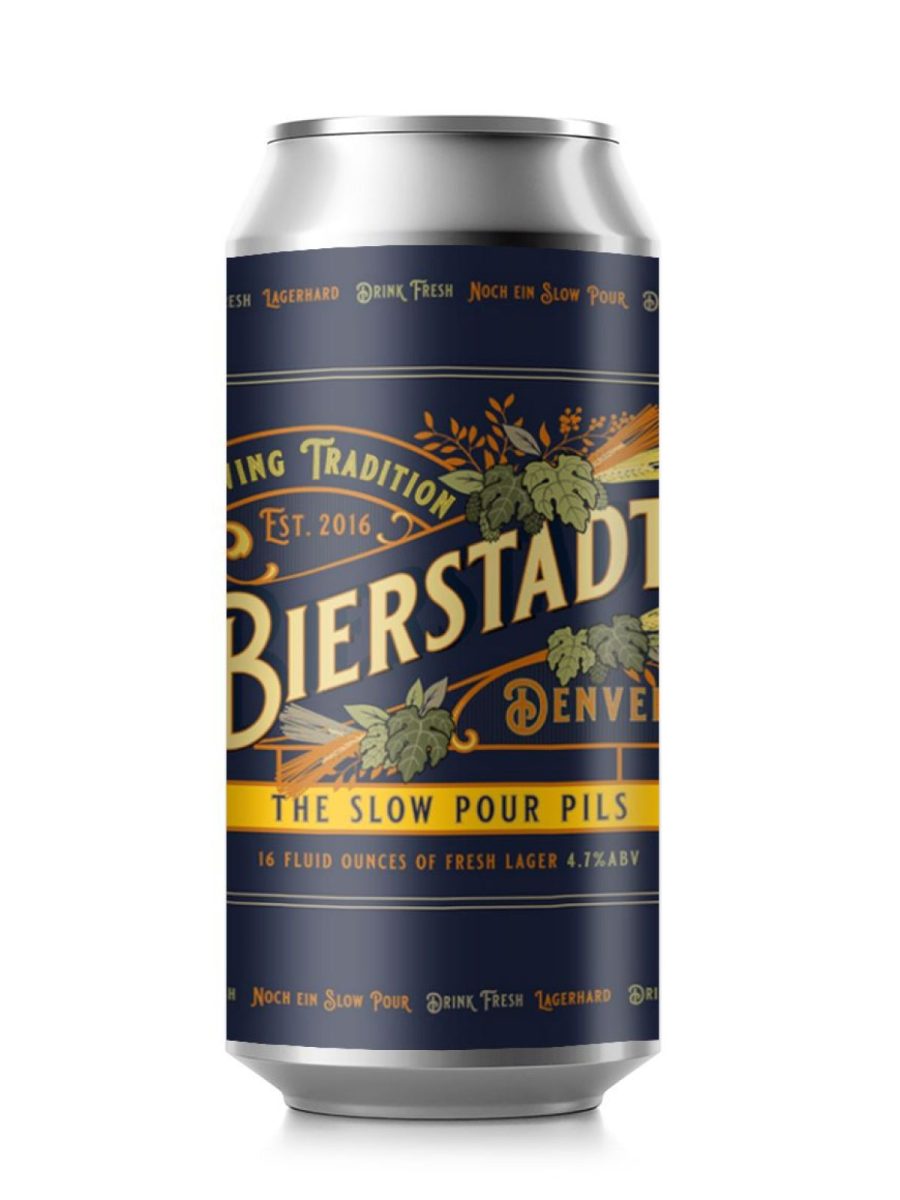
Slow Pour Pils
Brewed by Bierstadt Lagerhaus
A German-style pilsner built around patient pouring and dense foam.
BAR NOTES
Slow Pour Pils makes service part of the beer’s character. The brewery describes a staged pour taking roughly five to seven minutes, allowing the foam to settle between additions. That patience softens carbonation and opens aroma rather than simply decorating the glass.
Begin the Bierstadt flight here, then compare Helles for a more malt-led pale lager. Allow the beer to change slightly as it sits instead of judging only the first icy sip. Our pilsner roundup gives the comparison a wider frame.
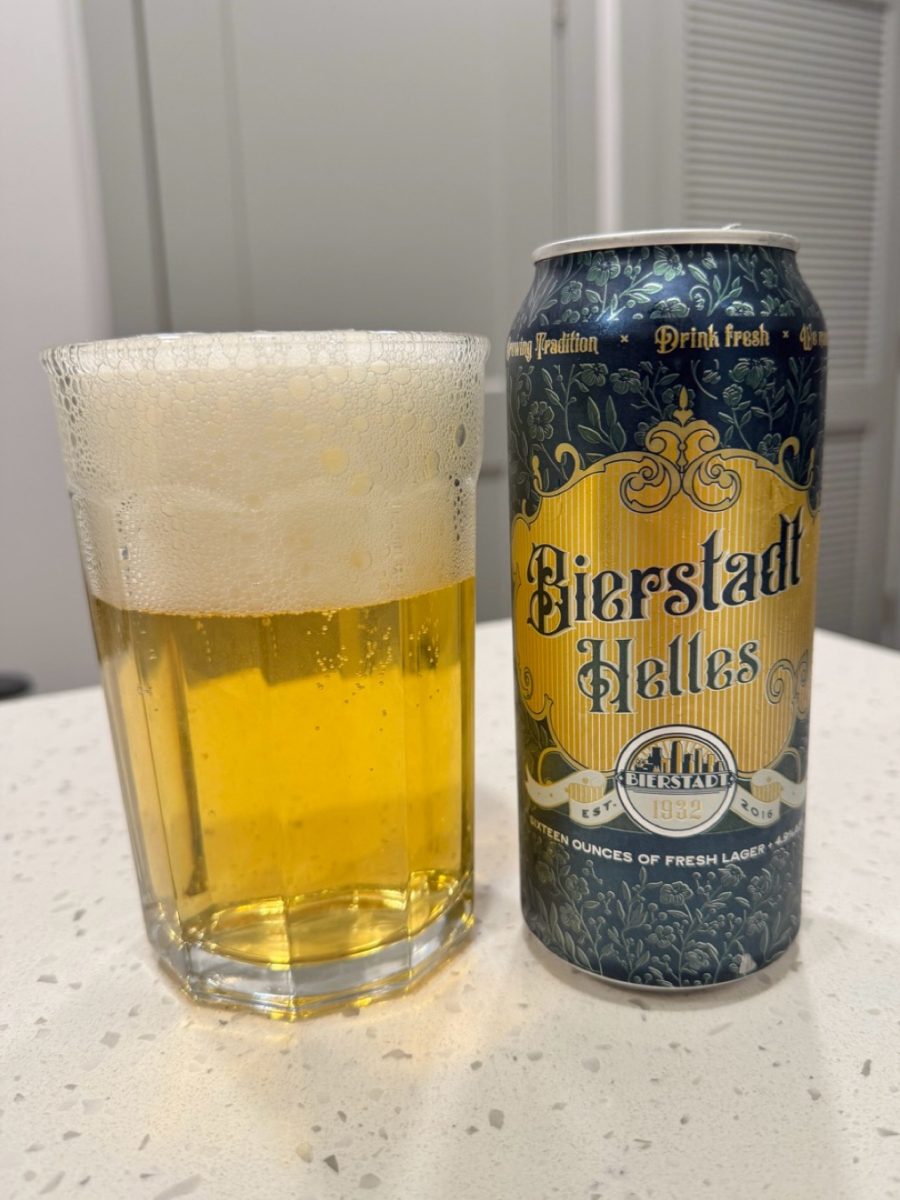
Helles
Brewed by Bierstadt Lagerhaus
Bierstadt’s softer, malt-led pale lager comparison.
BAR NOTES
Helles directs attention toward pale malt and clean lager fermentation. Its lighter color does not make it identical to pilsner: the balance is the point of the comparison. Bierstadt’s current brewery-managed listing shows 4.9%, while older listings can carry a different strength.
Taste it beside Slow Pour Pils with the same glass cleanliness and similar temperature. That makes the contrast in hop emphasis easier to notice. The Munich helles guide explains why a restrained recipe still requires careful fermentation and conditioning.
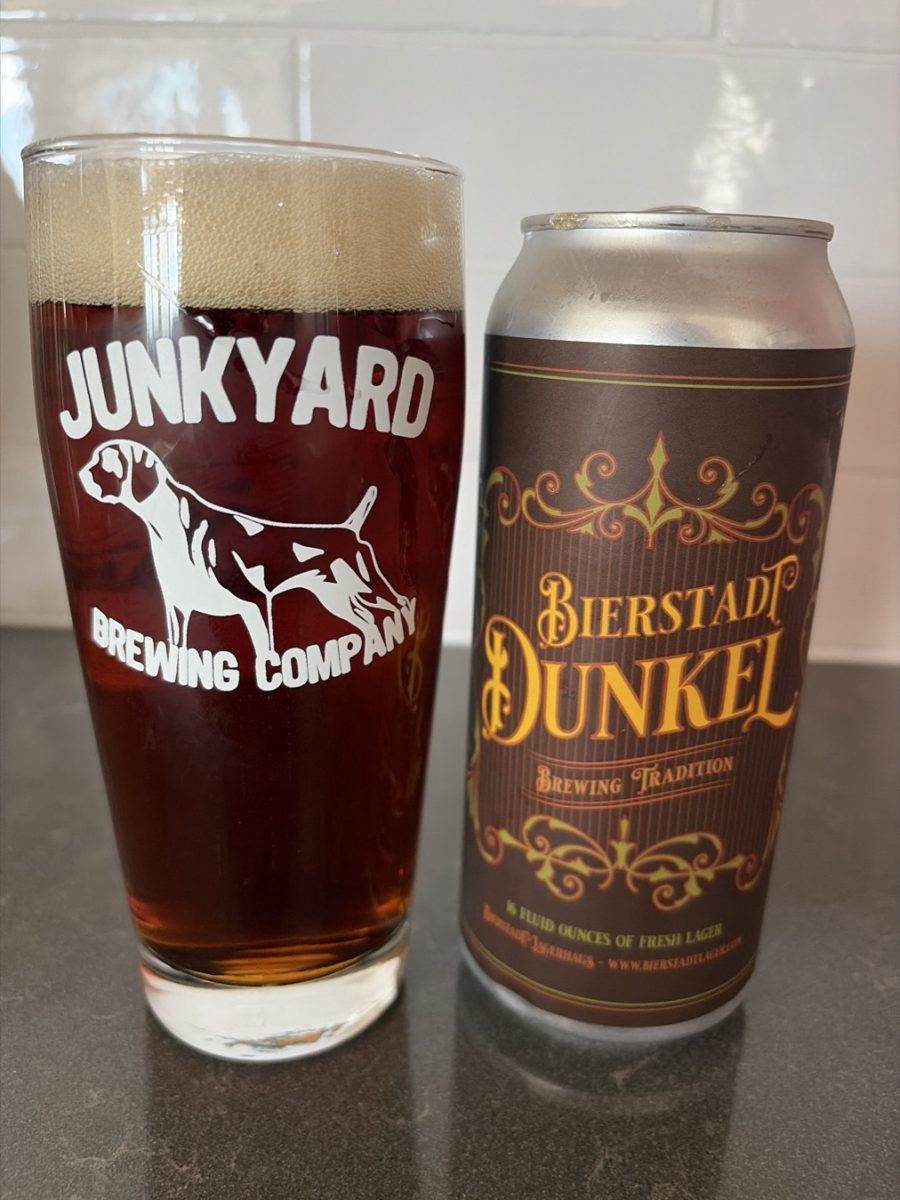
Dunkel
Brewed by Bierstadt Lagerhaus
Dark lager with bread-crust and chocolate-like malt character.
BAR NOTES
Dunkel supplies the dark end of Bierstadt’s core lager flight. Bread-crust and chocolate impressions come from its malt profile, not an automatic chocolate addition. The current brewery-managed listing gives 6%; older descriptions of this beer may show a lower figure.
Compare it with 1554 to see why two dark beers need not share a style or fermentation approach. Dunkel stays rooted in Munich lager tradition. The Munich dunkel guide provides a useful route into those malt choices at home.
4. Cerebral Brewing — Denver
Cerebral’s Denver selection combines its signature hazy IPA with two useful comparisons. Rare Trait delivers the house hop profile, Paper Lantern trades intensity for the clarity of a rice lager, and Muscle Memory keeps aromatic hops at pale-ale strength. The contrast makes this a rewarding stop for mixed tastes.
Congress Park is the original taproom; check the specific venue list when visiting another location. Cerebral also produces wild ales and specialty releases, but these three house beers make a repeatable introduction. Paper Lantern here means the regular rice lager, not the separate yuzu or lime variants.
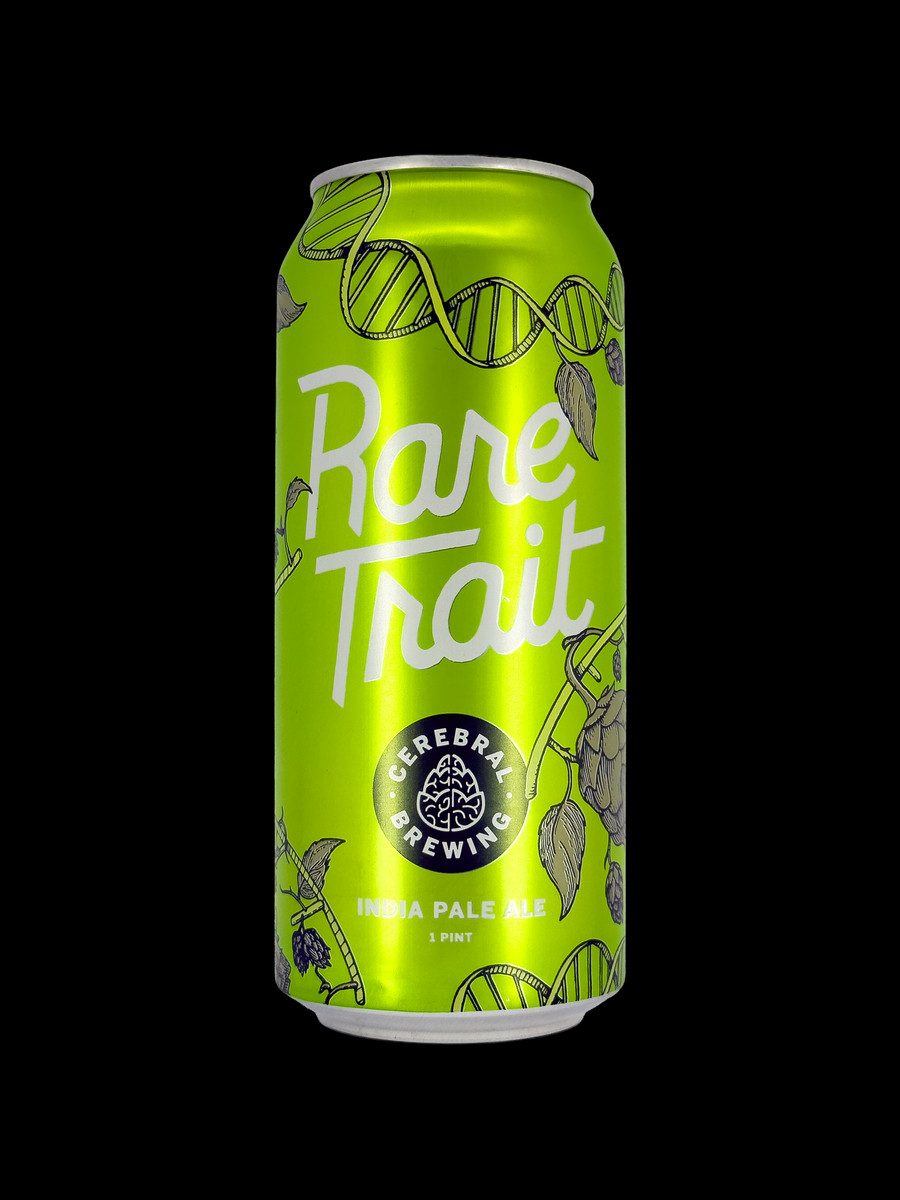
Rare Trait
Brewed by Cerebral Brewing
Cerebral’s house haze: fruity hops with restrained bitterness.
BAR NOTES
Rare Trait combines Citra, El Dorado, and Mosaic in Cerebral’s house hazy IPA. Tangerine, mango, and candied-peach impressions describe the hops, not a fruit ingredient list. Its 6.4% strength leaves room for aroma and restrained bitterness to lead the comparison.
Taste it beside In the Steep rather than assuming both beers will feel the same because they are hazy. Hop combinations and fermentation expression can shift the result considerably. Cerebral’s house beer is a sensible first order before chasing a rotating double IPA.
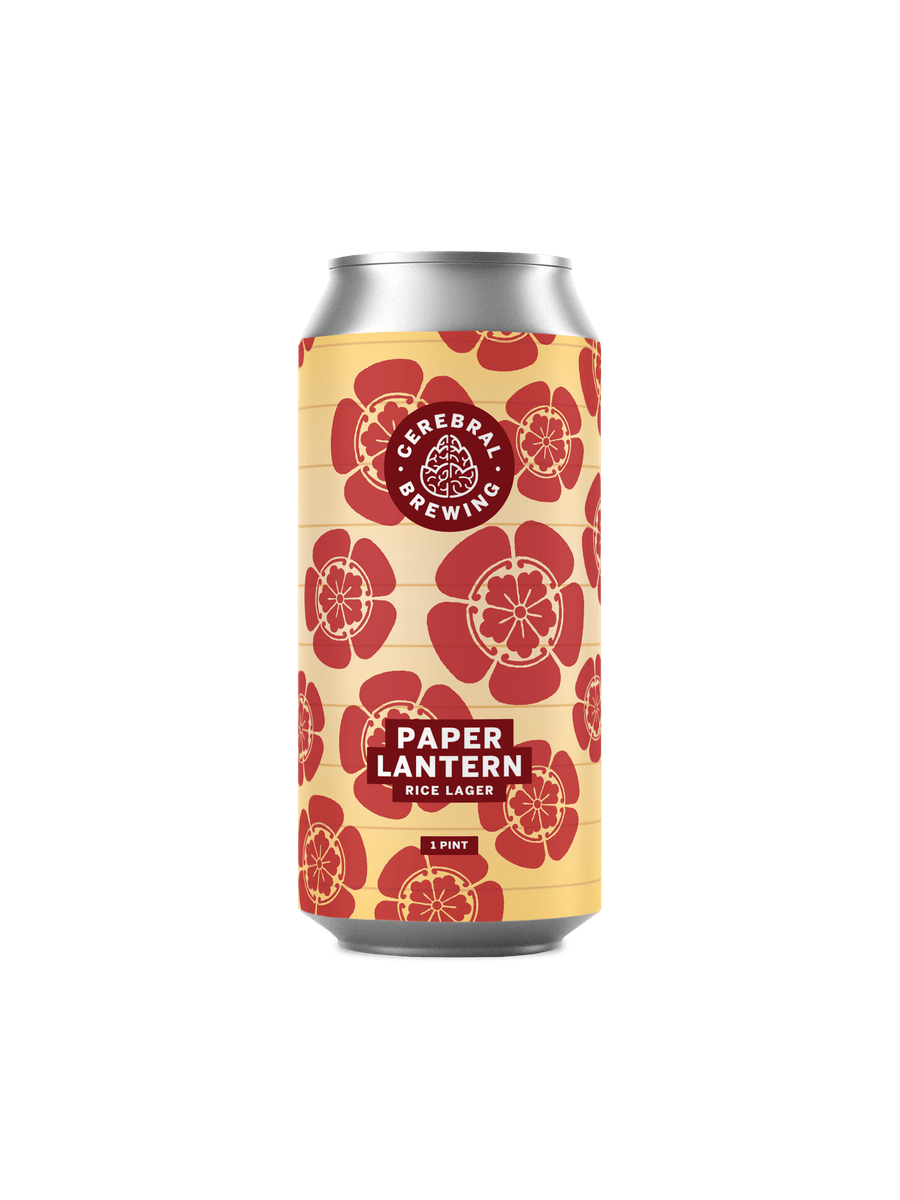
Paper Lantern
Brewed by Cerebral Brewing
A 5% rice lager with Saaz hops and a clean, delicate profile.
BAR NOTES
Paper Lantern uses a rice-lager base to give Saaz hops room to speak. Rice can lighten the malt impression without making a beer flavorless. Cerebral lists the regular beer at 5% and identifies an American oak foeder in its production details.
The iced-tea, pear, and melon-like notes are tasting descriptions rather than a list of those ingredients. Keep this regular version separate from Paper Lantern With Yuzu or With Lime. It is the lighter comparison after Cerebral’s hazy beers, especially beside delicate food.
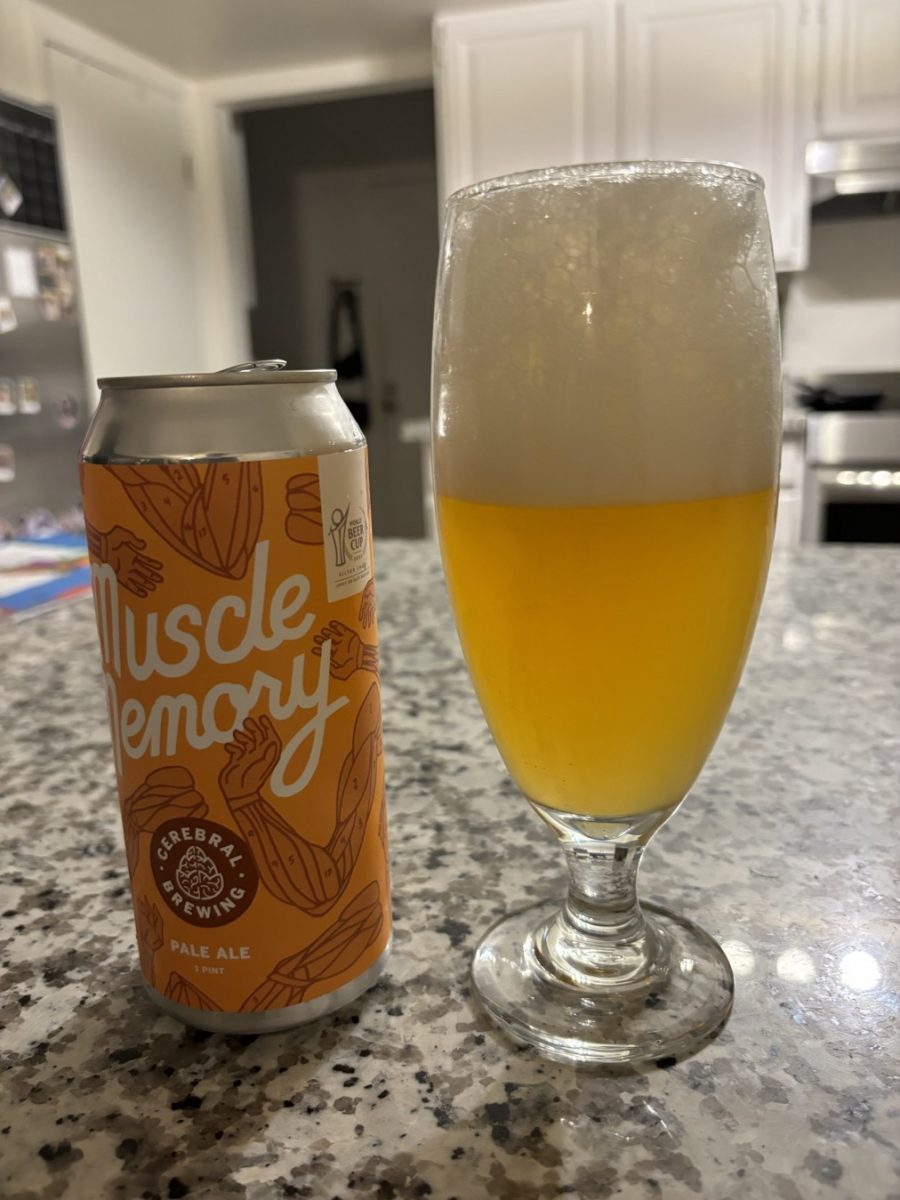
Muscle Memory
Brewed by Cerebral Brewing
The lower-strength house pale ale alongside Cerebral’s signature IPA.
BAR NOTES
Muscle Memory brings Citra, Idaho 7, Motueka, and New Zealand Cascade into a house pale ale. At 5.2%, it offers aromatic hops with less strength than Rare Trait. Grapefruit, marmalade, and peach impressions connect the two beers while keeping the comparison useful.
Order this first if you want to work upward through Cerebral’s hop range. The difference is not simply a weaker IPA; pale ale has its own balance and drinking pace. Compare it with other American pale ales before moving to doubles.
5. Outer Range Brewing Co. — Frisco
Outer Range adds a Frisco destination and a mountain-town setting to the brewery map. In the Steep is the hazy starting point, Aerials provides a West Coast comparison, and Alpen Pils brings the flight back to a lighter lager. That range matters even if the hazy IPA is what drew you in.
All three appear in the current Colorado core range. Outer Range also has an Alps operation, so match the Colorado beer and serving information when planning your Frisco visit. Check the Frisco menu for the Colorado versions and current takeaway formats.
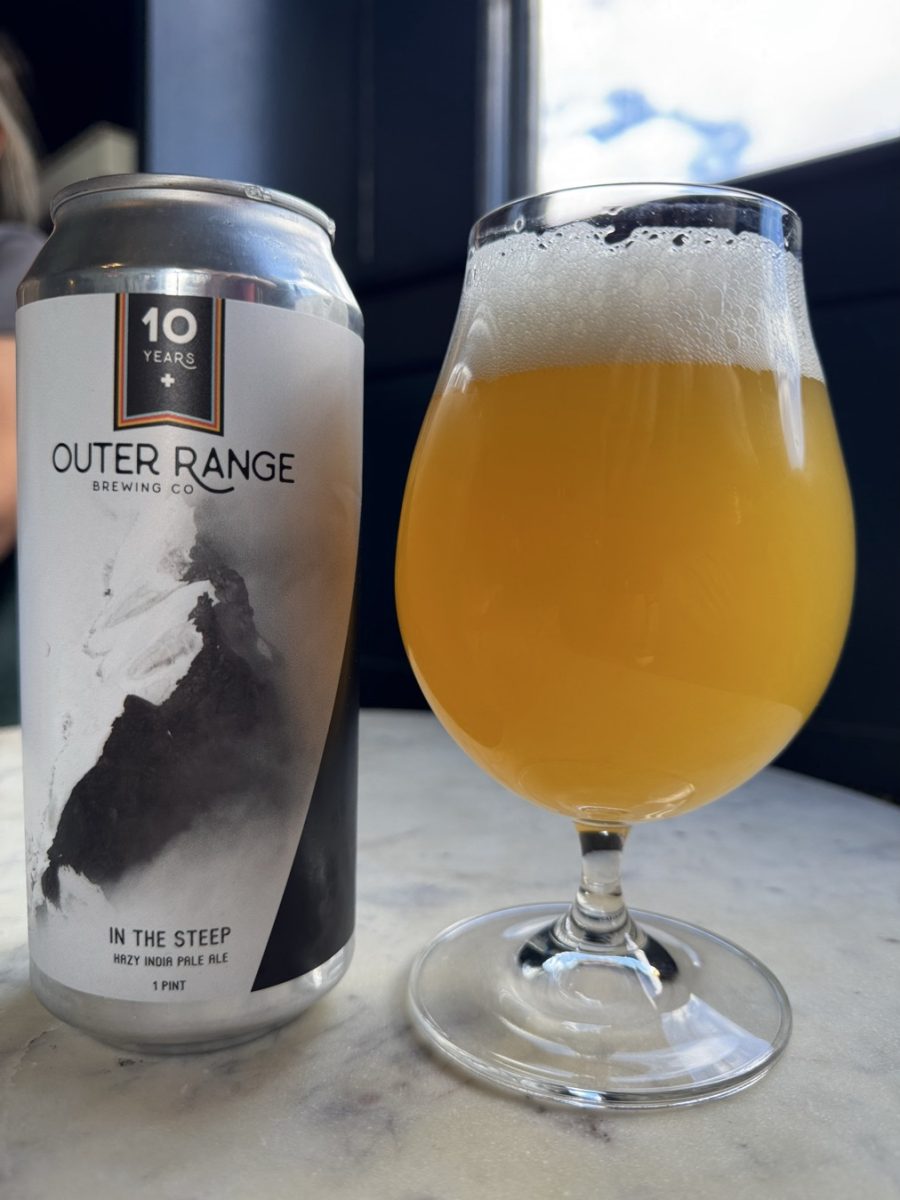
In the Steep
Brewed by Outer Range Brewing Co.
Outer Range’s Citra-led Colorado hazy flagship at 6.7%.
BAR NOTES
In the Steep uses hand-selected Citra and an expressive fermentation to build its hazy profile. The current Colorado core listing gives 6.7%, so older 6.4% descriptions should not set expectations. Tropical and citrus impressions belong to the hops and yeast rather than added fruit.
Use Aerials as the next pour if you want to compare hazy and West Coast approaches within Outer Range. Keeping the brewery constant helps isolate the difference in texture and finish. Choose fresh Colorado stock when tasting at home rather than substituting an Alps-market can.
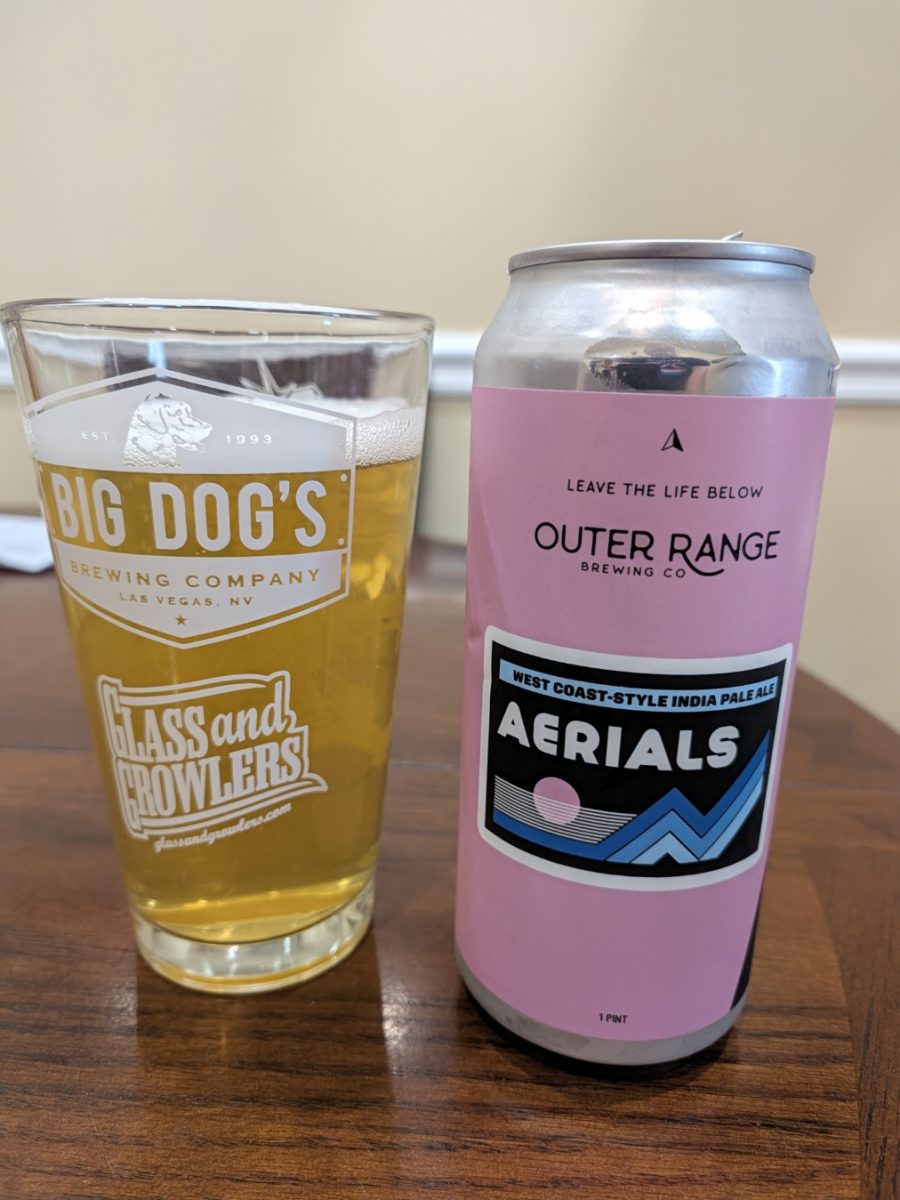
Aerials
Brewed by Outer Range Brewing Co.
The West Coast counterpoint to Outer Range’s hazy flagship.
BAR NOTES
Aerials is the 6.5% West Coast IPA in Outer Range’s current Colorado core range. It gives the flight an intentional change of style after In the Steep. Expect the comparison to turn toward a firmer IPA finish rather than assuming every Outer Range beer is hazy.
Compare both IPAs before Alpen Pils if your main interest is hops, or begin with the lager if you want a lighter progression. Our West Coast IPA collection gives Aerials useful company beyond a single brewery menu.
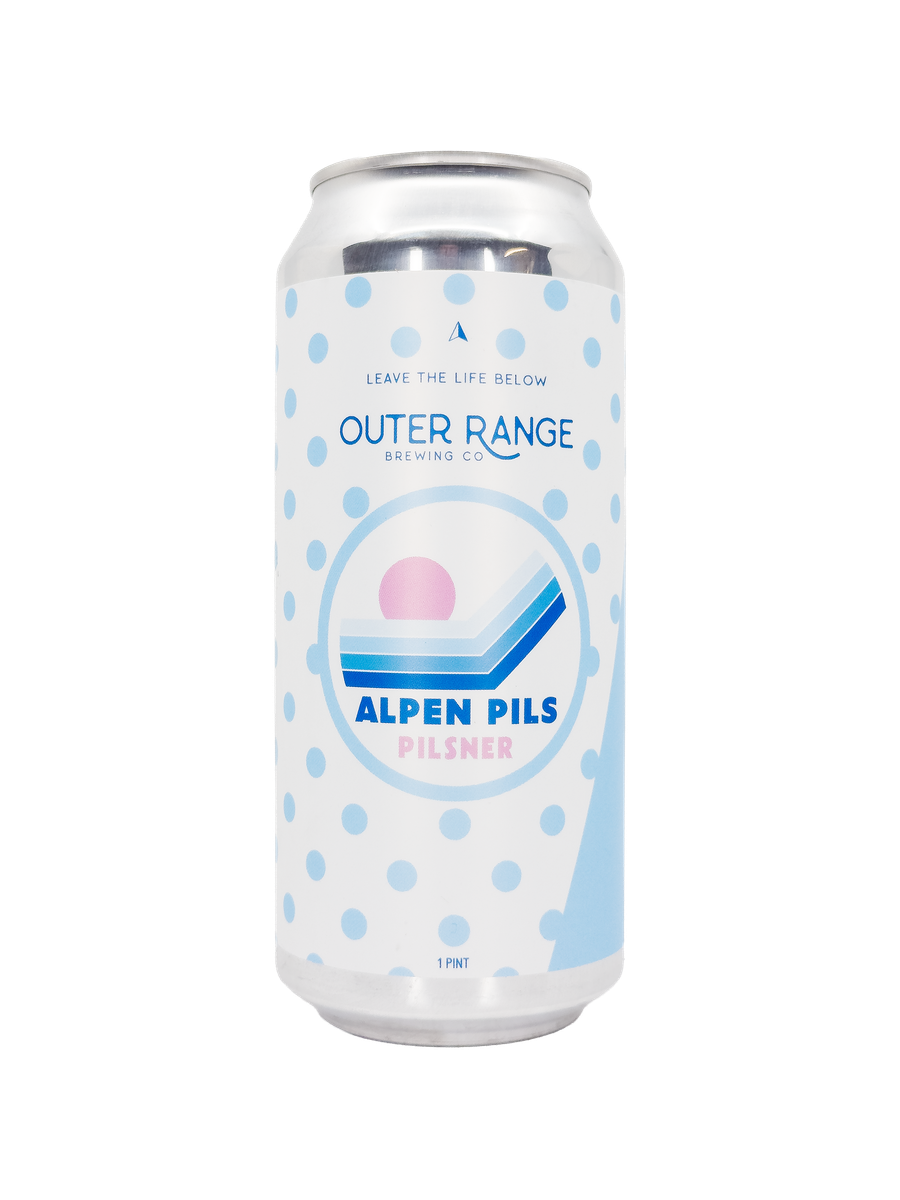
Alpen Pils
Brewed by Outer Range Brewing Co.
A lighter pilsner starting point in Outer Range’s Colorado range.
BAR NOTES
Alpen Pils brings a 4.8% pilsner to Outer Range’s Colorado core range. It gives drinkers a lighter opening than either IPA and makes the brewery a better choice for a group with mixed preferences. Use the Colorado serving list when matching the exact release.
A pale lager is a useful test of balance because there is less intensity to hide behind. Try it before the IPAs and pay attention to the finish. The German pilsner guide explains the fermentation discipline behind that clean impression.
6. Crooked Stave — Denver
Crooked Stave belongs on the list for fermentation as much as hops. Sour Rosé supplies an oak-aged berry sour, Juicy East offers a familiar hazy IPA, and St. Bretta puts Brett fermentation alongside citrus and spice. This is a good Denver stop when a conventional IPA-only flight feels too narrow.
Use the current Sunnyside tap list rather than an older address or a historical bottle listing. The strengths below follow the current draft menu: Sour Rosé is listed at 5%, Juicy East at 6%, and St. Bretta at 5.5%. Older packaged releases and beer directories may show different figures.
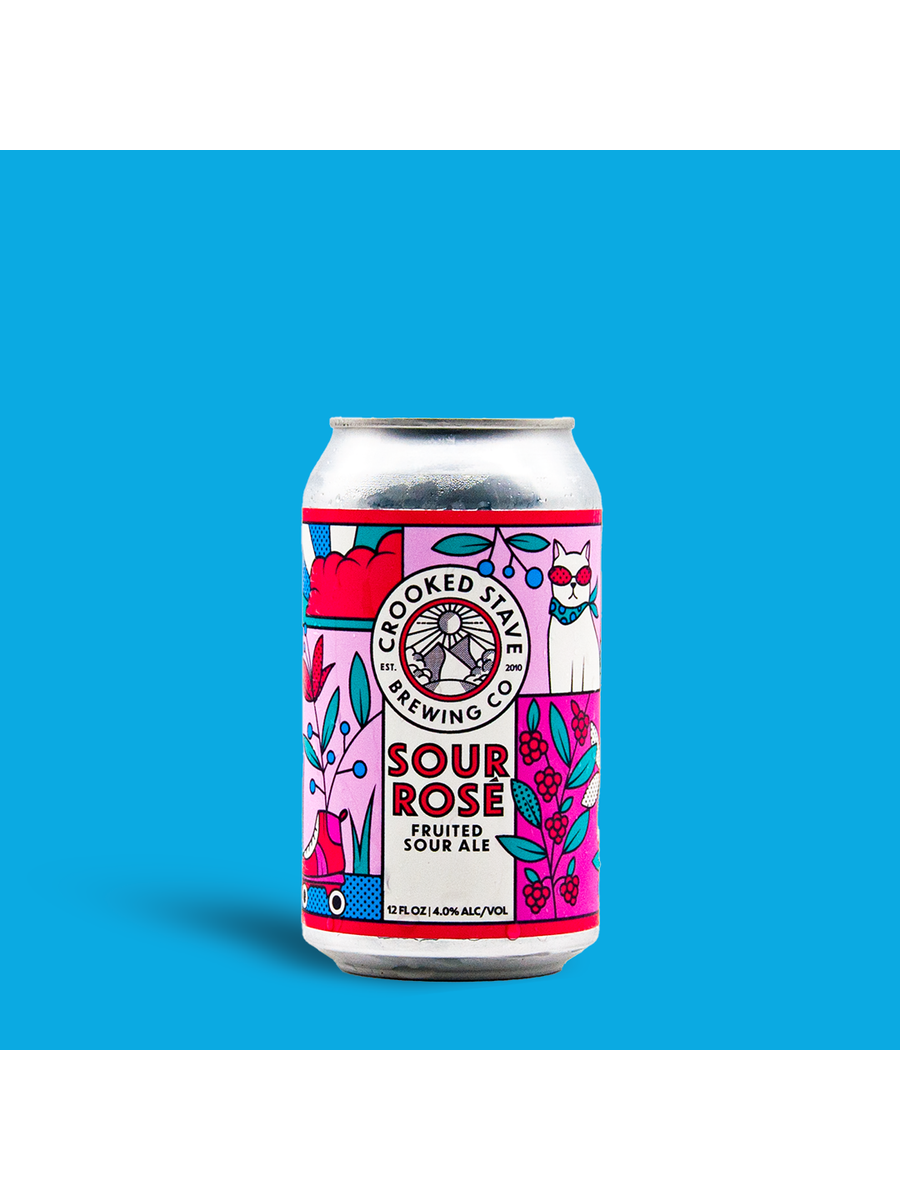
Sour Rosé
Brewed by Crooked Stave
Oak-aged berry sour; current Denver draft listing is 5%.
BAR NOTES
Sour Rosé on the current Denver draft menu is an oak-aged sour with blueberries and raspberries, listed at 5%. Older cans and directories can show 4.5%; match the pour in front of you. This selection follows the current taproom beer rather than a historical package specification.
The berry character sits alongside acidity and oak, so compare it with Sippin’ Pretty instead of treating all fruit beers as one category. A small pour is useful when exploring mixed fermentation. Our sour beer roundup offers several other production approaches.
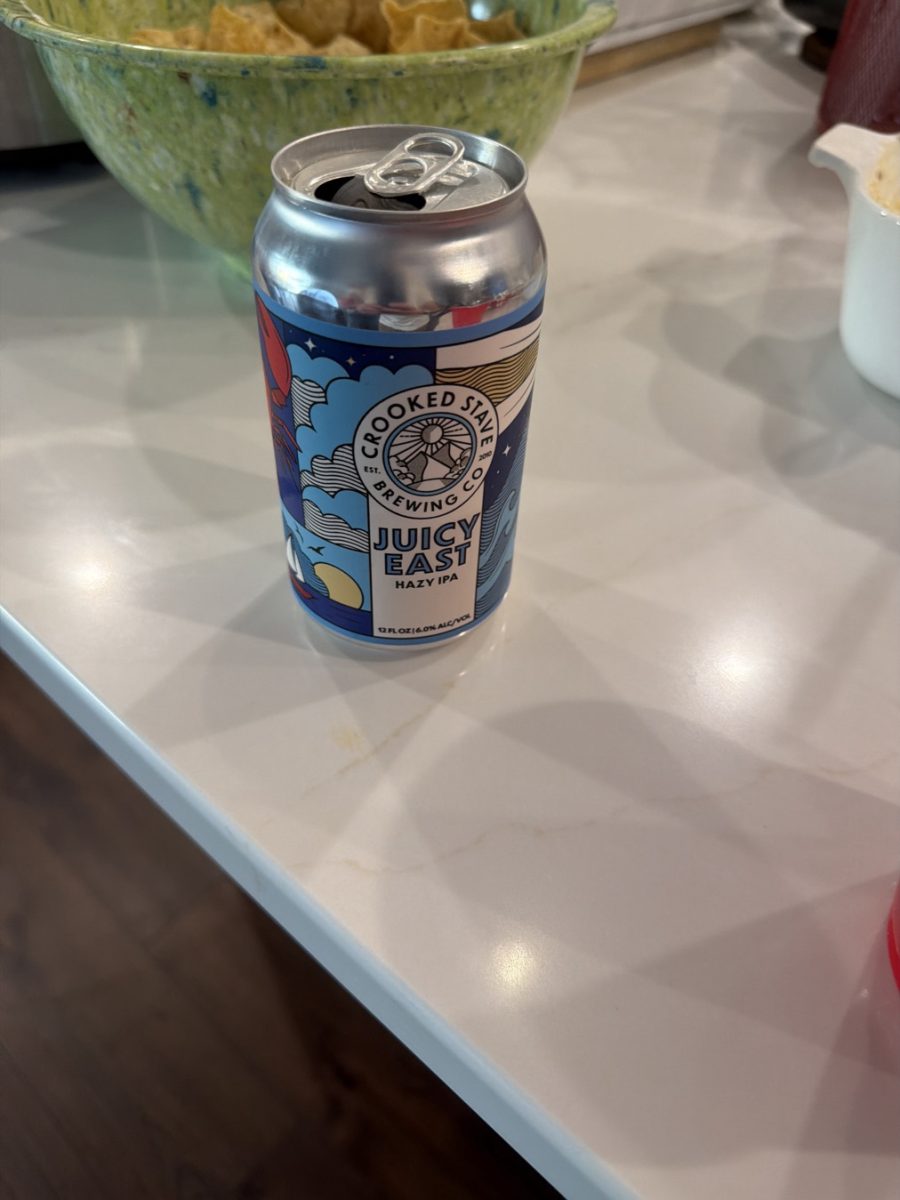
Juicy East IPA
Brewed by Crooked Stave
Crooked Stave’s hazy IPA comparison, currently listed at 6% on draft.
BAR NOTES
Juicy East offers the hazy IPA side of Crooked Stave’s range. The current Denver tap list gives 6%, while older brewery-managed directory entries show 6.2%. Use the current serving board for this visit rather than carrying a historical figure into the flight.
This is the approachable hop comparison between two fermentation-led picks. Try it beside Sour Rosé to separate hop fruitiness from actual berry additions and sourness. The shared brewery name does not mean the beers were made with the same fermentation or ageing process.
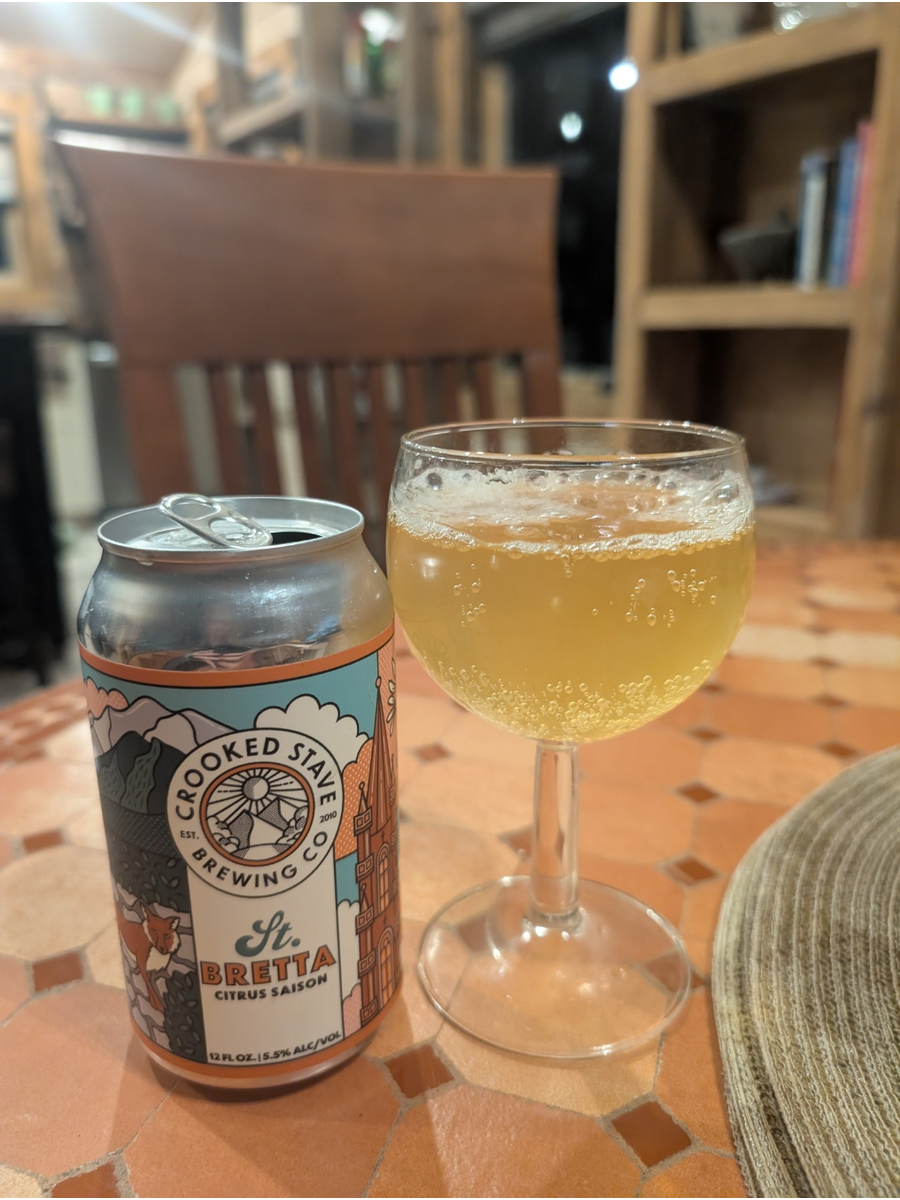
St. Bretta
Brewed by Crooked Stave
Brett citrus saison with lemongrass, coriander, and orange peel.
BAR NOTES
St. Bretta on the current menu is a 5.5% Brett citrus saison with lemongrass, coriander, and orange peel. It should not be reduced to a generic fruit sour. Yeast expression and those additions give it a different purpose from the oak-aged berry beer.
Place it beside White Rascal if you want to compare two beers using citrus and coriander with different fermentation ideas. Our saison collection gives more context for the family. Check the exact release because St. Bretta has appeared in several versions over time.
7. Avery Brewing Company — Boulder
Avery gives Boulder a place in the guide with three well-separated styles. White Rascal brings wheat, orange peel, and coriander; Ellie’s Brown Ale brings malt depth at moderate strength; Maharaja provides the much stronger hop finish. This is a practical brewery flight for people who do not all order the same style.
The Boulder brewery and restaurant offer a wider draft selection than these three names. Start with the core contrast, then decide whether you want another Belgian-style beer or a specialty release. Maharaja is a 10% imperial IPA, so a smaller pour makes more sense than treating it like the opening wheat beer.
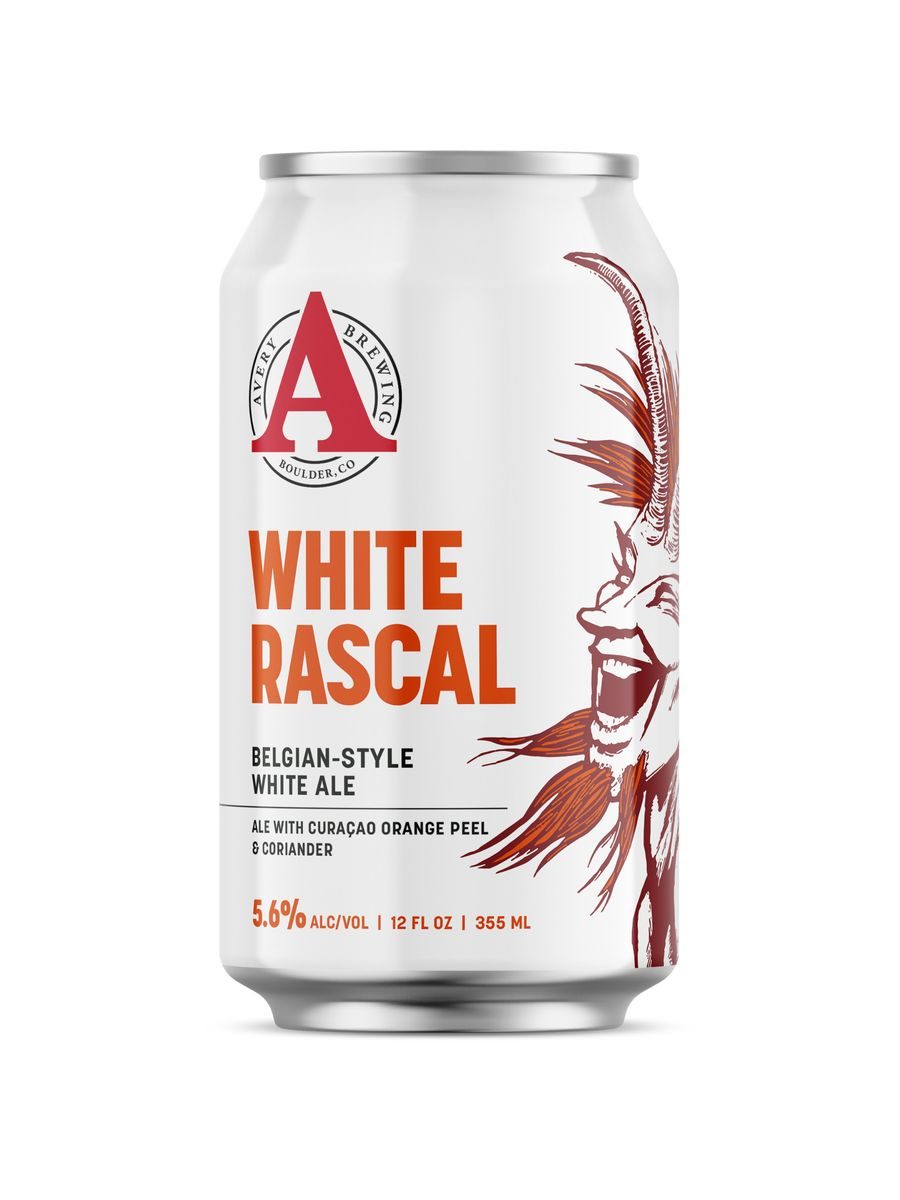
White Rascal
Brewed by Avery Brewing Company
Unfiltered witbier with actual coriander and Curaçao orange peel.
BAR NOTES
White Rascal is an unfiltered Belgian-style witbier built around coriander and Curaçao orange peel. Those are actual additions, unlike the fruit impressions described in many IPAs. Avery’s current version is 5.6%, making it the lighter opening in this brewery’s selected flight.
Try it with fish and chips or another lightly fried dish, where citrus and spice can provide a useful contrast. The witbier brewing guide explains the wheat-and-spice foundation. Keep it separate from Mighty Rascal, the stronger imperial version.
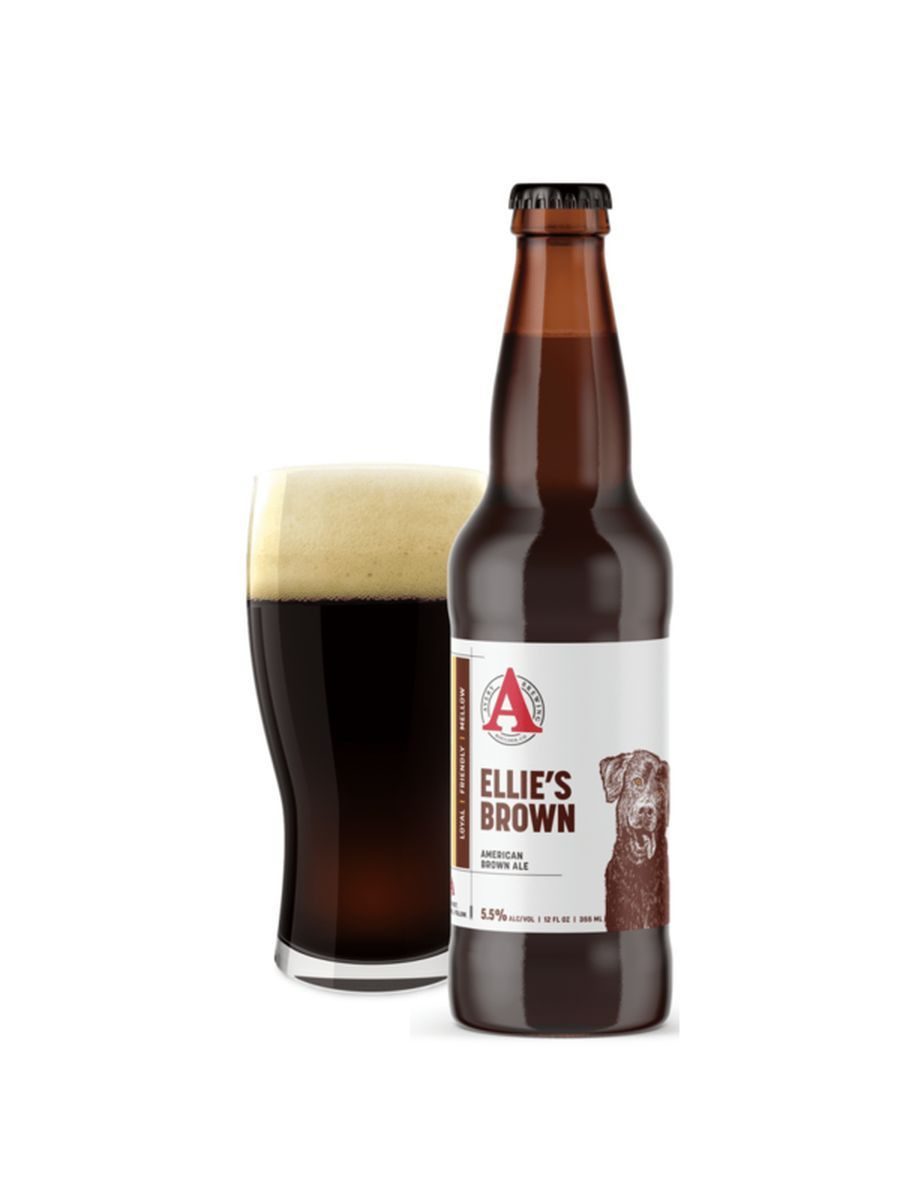
Ellie’s Brown Ale
Brewed by Avery Brewing Company
Avery’s malt-led brown ale, named for a chocolate Labrador.