10 Best Breweries in California with 30 Beers Worth Trying
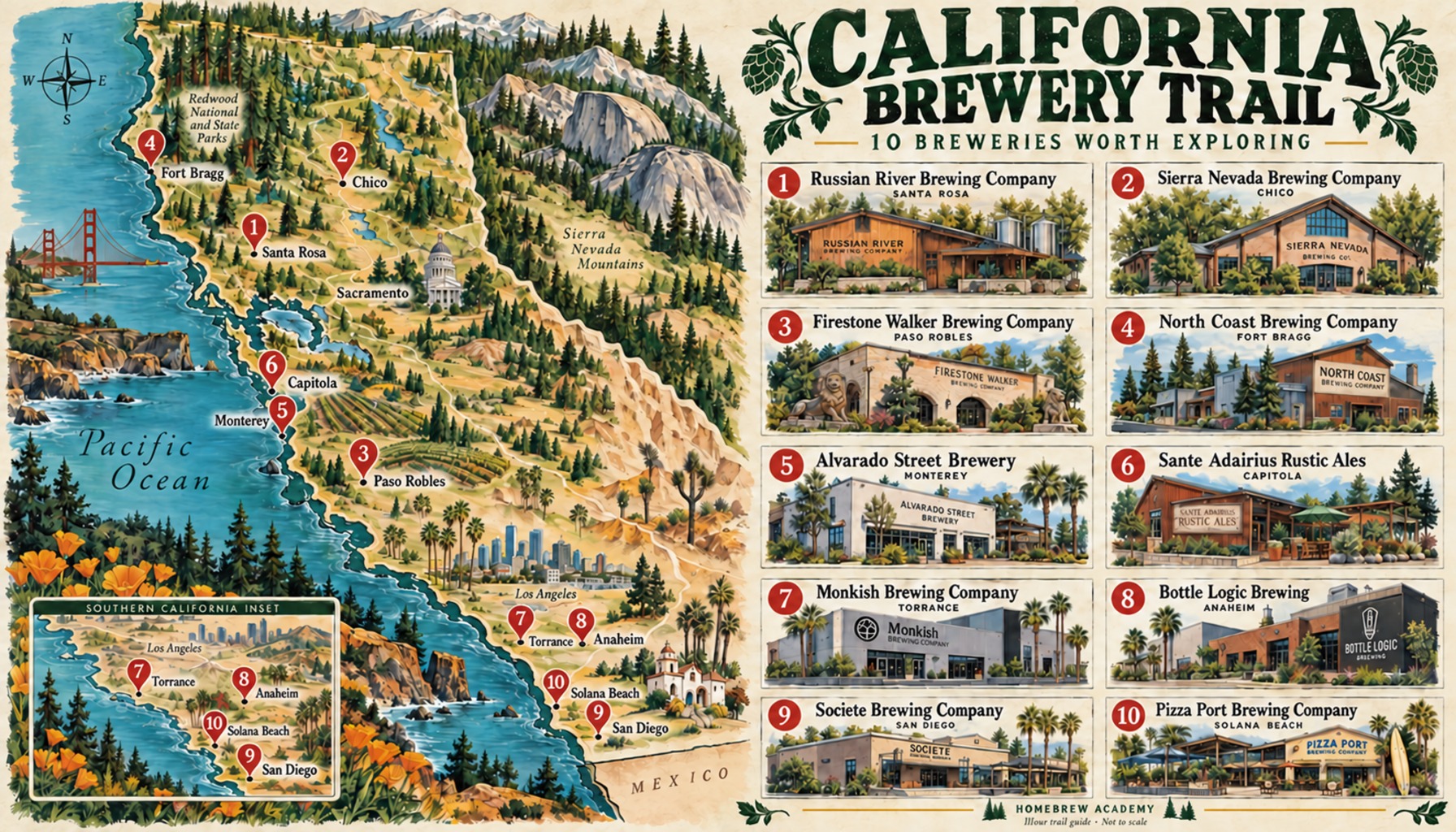
California’s best brewery trip starts with a region, not a drive across the entire state. This guide brings together ten destinations from Fort Bragg and Chico to Sonoma, the Central Coast, Orange County, and San Diego, with three beers from each to make the first order easier.
These are HBA editorial picks based on signature beers, distinctive brewing approaches, style range, geographic coverage, and current producer information. They are not a claim that a single review score settles California’s whole beer scene. The thirty card numbers follow brewery order; they do not rank every beer against every other beer.
Beer details were reviewed in October 2026. Recurring beers are the foundation, with seasonal and vintage-specific selections clearly identified. Tap lists, recipes, and stock change, so confirm the current venue board before making a special journey. For individual beer rankings, continue with our California beer roundup.
California breweries at a glance
| Brewery | Base | Flight focus | First order |
|---|---|---|---|
| 1. Russian River Brewing Company | Santa Rosa and Windsor | West Coast hops and cellar-style pilsner | STS Pils |
| 2. Sierra Nevada Brewing Company | Chico | Cascade pale ale, whole-cone IPA, and imperial stout | Pale Ale |
| 3. Firestone Walker Brewing Company | Paso Robles | West Coast IPA, hoppy pilsner, and blonde ale | Pivo |
| 4. North Coast Brewing Company | Fort Bragg | Roasty stout, amber ale, and crisp pilsner | Scrimshaw |
| 5. Alvarado Street Brewery | Monterey | Tropical IPA, hazy IPA, and American lager | Monterey Beer |
| 6. Sante Adairius Rustic Ales | Capitola | Mixed-fermentation saison, West Coast IPA, and light beer | Capitola Bright |
| 7. Monkish Brewing Company | Torrance and Anaheim | Belgian roots, rotating double IPA, and oak-aged saison | Haiku De Saison |
| 8. Bottle Logic Brewing | Anaheim | Vanilla barrel-aged stout, West Coast IPA, and rice lager | Hanamachi |
| 9. Societe Brewing Company | San Diego | Full IPA, session IPA, and Belgian blonde | The Harlot |
| 10. Pizza Port Brewing Company | San Diego County | Classic IPA, session IPA, and amber ale | Ponto |
1. Russian River Brewing Company — Santa Rosa and Windsor
Russian River is our first stop because its three picks explain different sides of California brewing. Pliny the Elder brings the double IPA benchmark, Blind Pig makes the comparison at ordinary IPA strength, and STS Pils shifts attention to lager fermentation and hop detail. You can learn more from that contrast than from ordering three variations of Pliny.
Santa Rosa and Windsor are separate venues with their own serving boards. Start with these recurring beers, then investigate the rotating list. Pliny the Younger is an annual event beer rather than a dependable everyday order, so it does not displace one of the three practical starting points below.
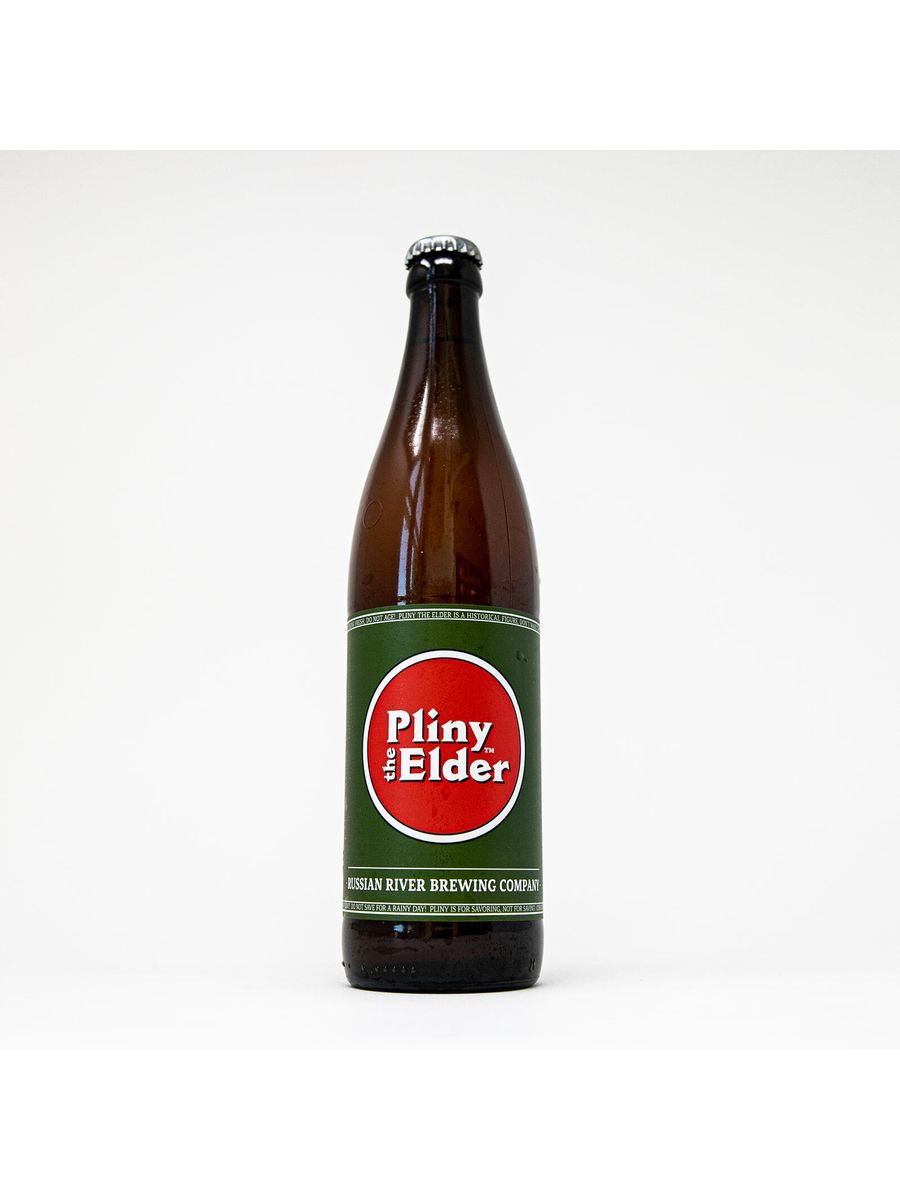
Pliny the Elder
Brewed by Russian River Brewing Company
A defining California double IPA with an 8.0% backbone.
BAR NOTES
Pliny the Elder makes the case for double IPA through hop intensity rather than added dessert ingredients. At 8.0%, it is the strongest of this Russian River trio, so use Blind Pig as the lower-strength comparison and leave room for the pilsner.
Freshness matters with an aroma-led beer like this. Pour it into a clean glass and compare its finish with a wider selection of double IPAs. Spicy grilled food makes a useful pairing, provided the heat does not overwhelm the hop detail.
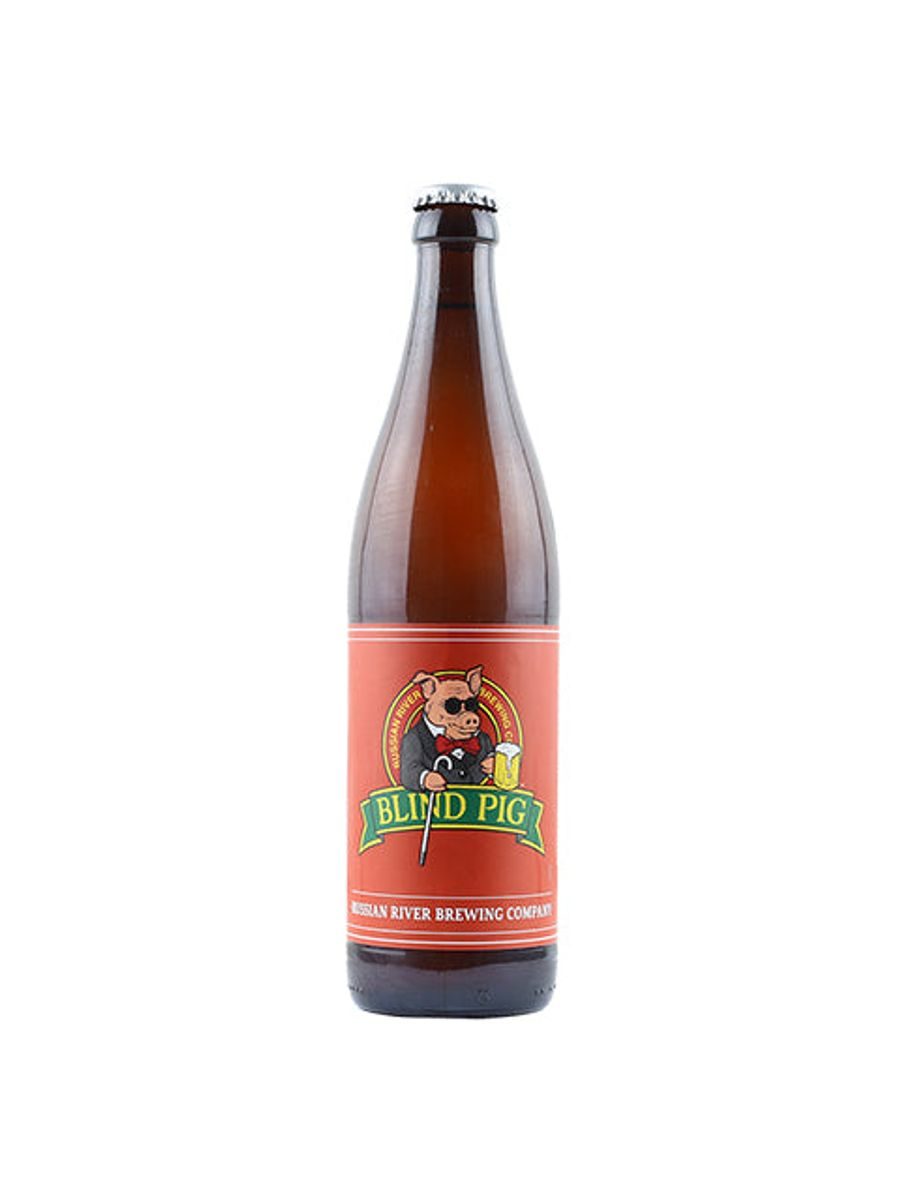
Blind Pig IPA
Brewed by Russian River Brewing Company
The lower-strength West Coast companion to Pliny.
BAR NOTES
Blind Pig sits at 6.25%, giving you a Russian River IPA comparison without matching Pliny’s double-IPA strength. The point of ordering both is to notice how hop aroma, bitterness, malt support, and alcohol fit together rather than declaring the stronger beer automatically better.
Keep the serving order in mind: taste STS Pils first, Blind Pig next, and Pliny last. If clear, hop-forward beer is your preference, the IPA brewing guide gives useful background on aroma, bitterness, and the malt base that supports them.
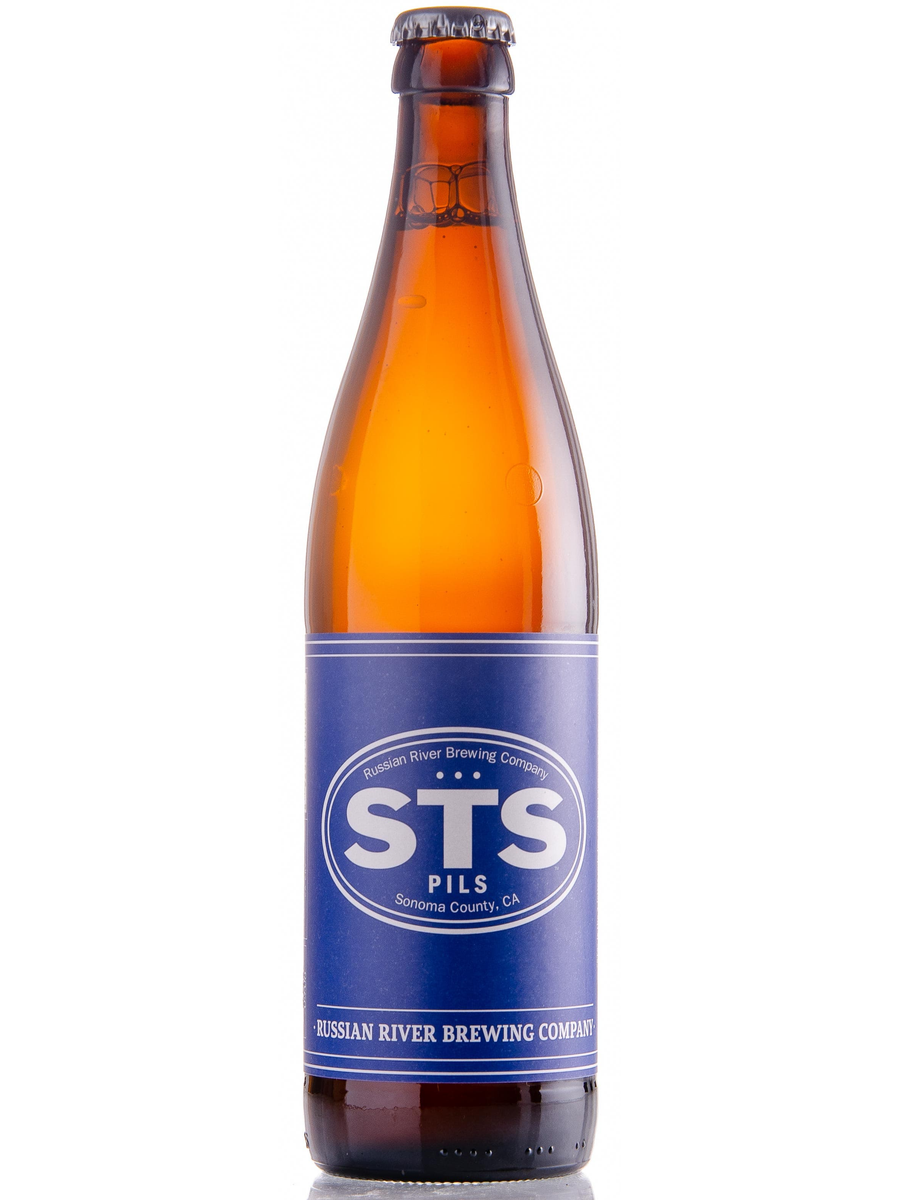
STS Pils
Brewed by Russian River Brewing Company
Dry-hopped Keller-style pilsner with a distinct fermentation story.
BAR NOTES
STS Pils is a dry-hopped Keller-style pilsner, not a generic light lager added to fill a gap. Russian River describes German-style brewing and open fermentation, making the beer a useful way to explore texture and hop aroma at 5.35% rather than IPA strength.
Start this flight here so stronger hop bitterness does not obscure the lager’s subtler detail. Compare it with Pivo later in the guide, and use our pilsner roundup to see how much variation can exist within pale, clean-finishing beer.
2. Sierra Nevada Brewing Company — Chico
Sierra Nevada gives this guide its Chico anchor and one of the clearest introductions to American craft beer. Pale Ale puts Cascade hops in a balanced malt setting; Torpedo increases the hop intensity; Narwhal supplies an entirely different dark-beer finish. These beers remain useful comparisons even if you have seen the green Pale Ale label for years.
The California destination is Chico, although Sierra Nevada also brews in North Carolina. Pale Ale and Torpedo are recurring choices; Narwhal is a seasonal release, with September through December listed as its release window. The Narwhal card covers the regular imperial stout, which should not be confused with the separate barrel-aged version.
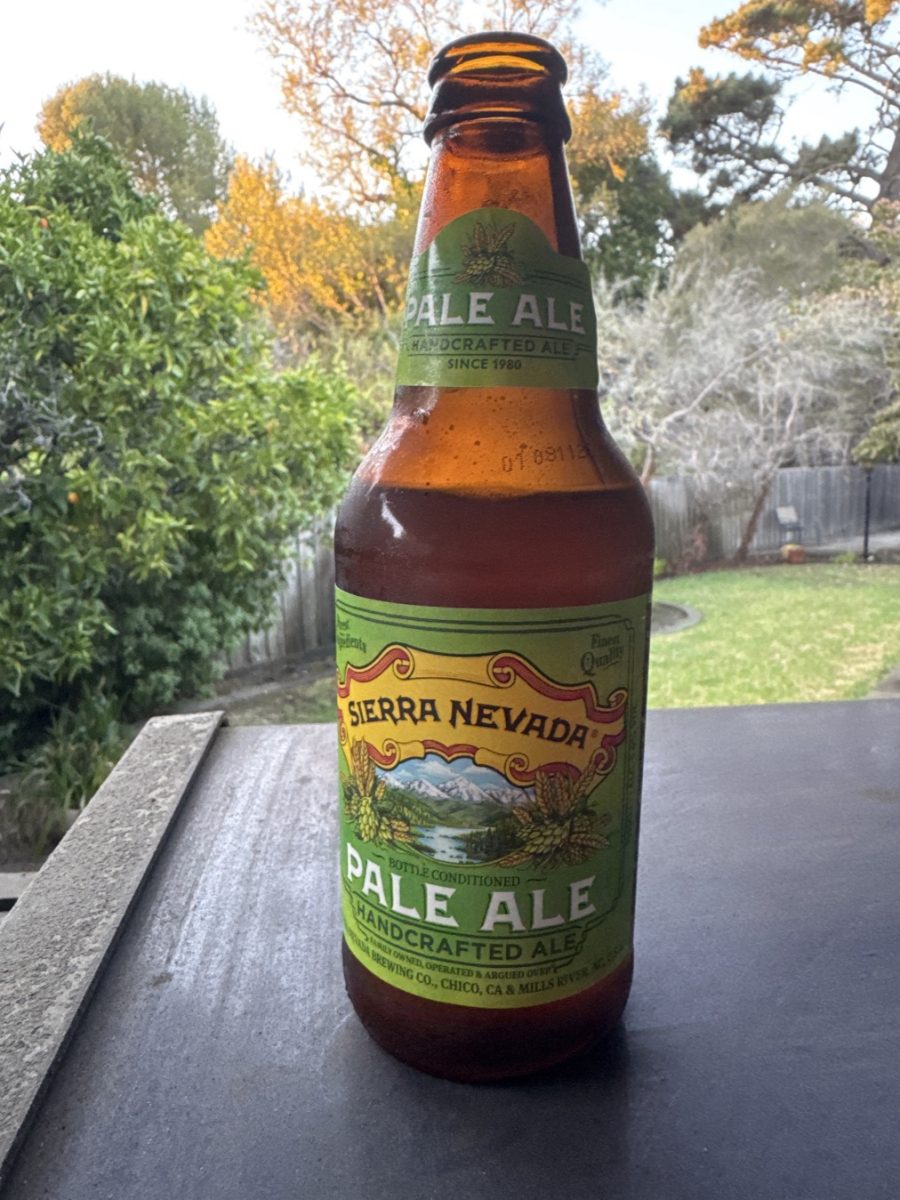
Pale Ale
Brewed by Sierra Nevada Brewing Company
Cascade hops and balanced malt in an enduring American pale ale.
BAR NOTES
Pale Ale puts Cascade hops beside two-row and caramelized malt at 5.6%. Its importance is not only historical: it remains an approachable reference for the balance between citrus-like hop character, malt flavour, and bitterness before you step up to Torpedo.
Pour the beer rather than drinking only from the package, and notice the aroma before the first sip. Sierra Nevada uses bottle and can conditioning. For more comparisons at this strength, explore American pale ales alongside a burger or roast chicken.
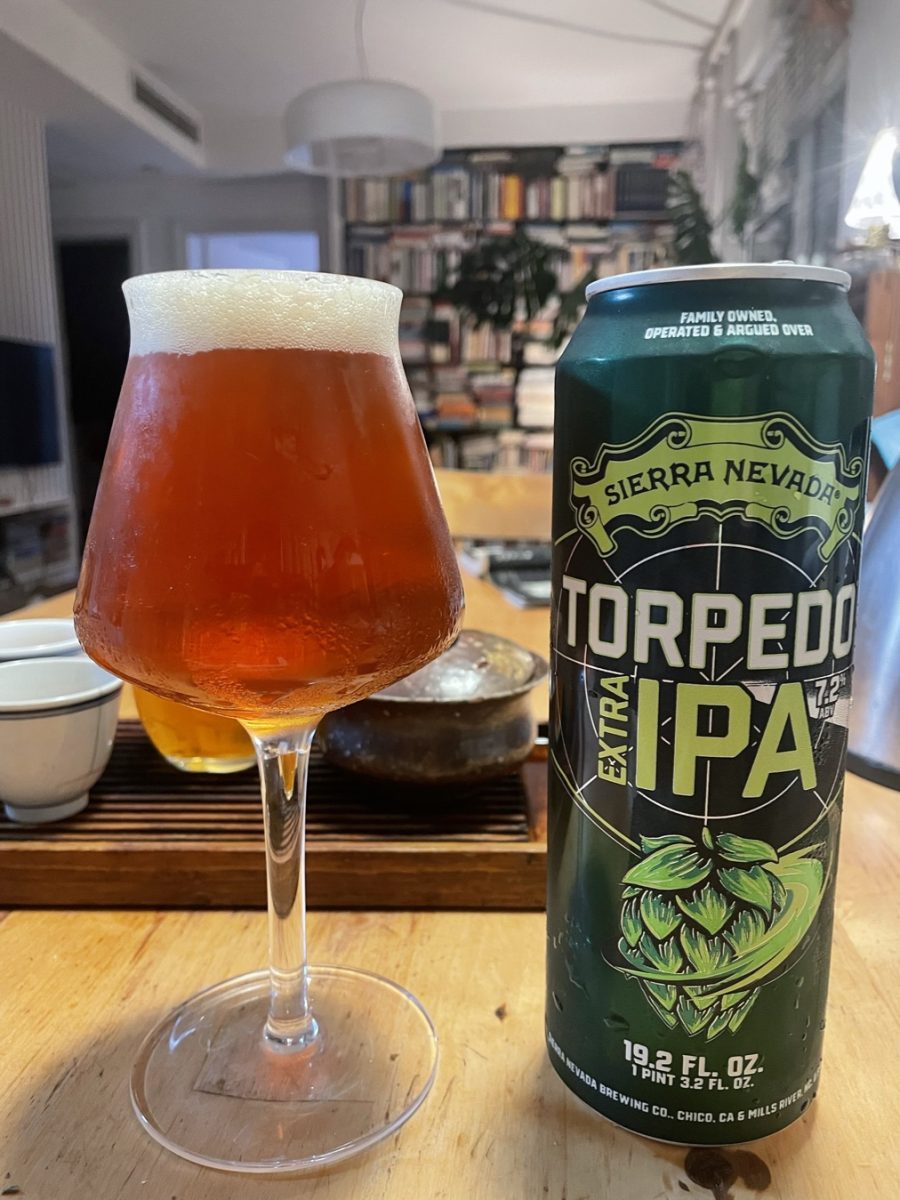
Torpedo Extra IPA
Brewed by Sierra Nevada Brewing Company
Whole-cone hop intensity built around the Hop Torpedo process.
BAR NOTES
Torpedo Extra IPA is listed at 7.2% and uses Citra, Crystal, and Magnum hops. Sierra Nevada’s Hop Torpedo circulates beer through whole-cone hops, giving the beer a production detail worth understanding alongside its fuller hop intensity compared with Pale Ale.
Taste Pale Ale first, then ask what changes beyond simple strength: aroma, perceived bitterness, and the weight of the malt base all matter. The IPA roundup provides a broader comparison; grilled meats can stand alongside Torpedo without burying its hop character.
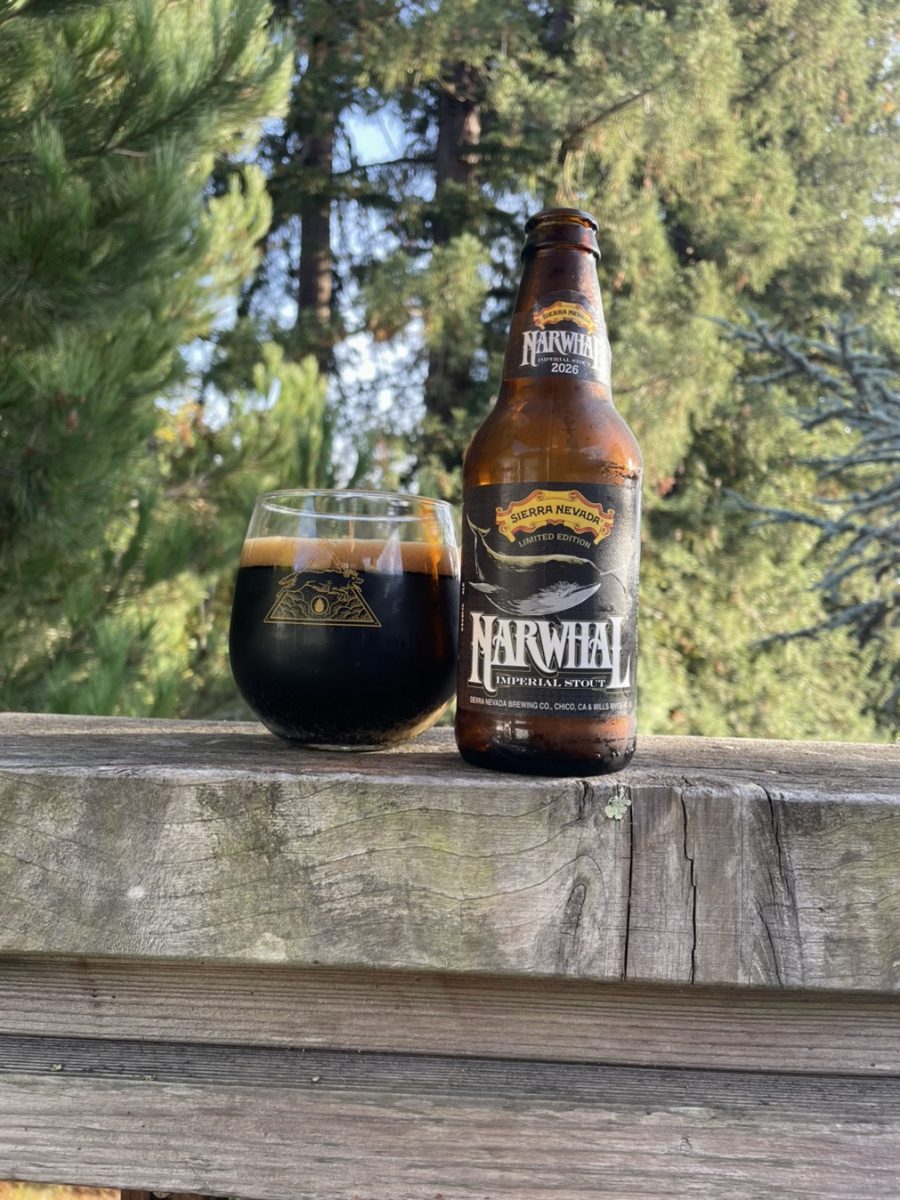
Narwhal
Brewed by Sierra Nevada Brewing Company
Seasonal imperial stout with espresso, cocoa, and roast character.
BAR NOTES
Narwhal is the regular 10.2% imperial stout, with producer notes of espresso, baker’s cocoa, roasted grain, and a hint of smoke. Those descriptors describe the beer’s flavour; they should not be mistaken for a claim that coffee and chocolate have been added.
The listed September–December release window makes this a seasonal choice rather than an always-available shelf staple. Sip a smaller serving after the hop-forward beers and compare it with other imperial stouts. The barrel-aged Narwhal is a separate beer with its own specifications.
3. Firestone Walker Brewing Company — Paso Robles
Firestone Walker makes Paso Robles a strong stop for drinkers who want clean, recognizable styles alongside a larger specialty programme. Union Jack, Pivo, and 805 cover assertive hops, a finely drawn lager, and an approachable blonde ale. The brewery’s barrel-aged beers are another reason to visit, but these three make a more accessible opening comparison.
Use the full beer name when ordering. The 805 selection here is the 4.7% blonde ale, not 805 Cerveza, while Pivo is the hoppy pilsner. Check the specific location’s tap list and packaged stock; a brand that appears in the wider brewery range is not a guarantee of every format at every venue.
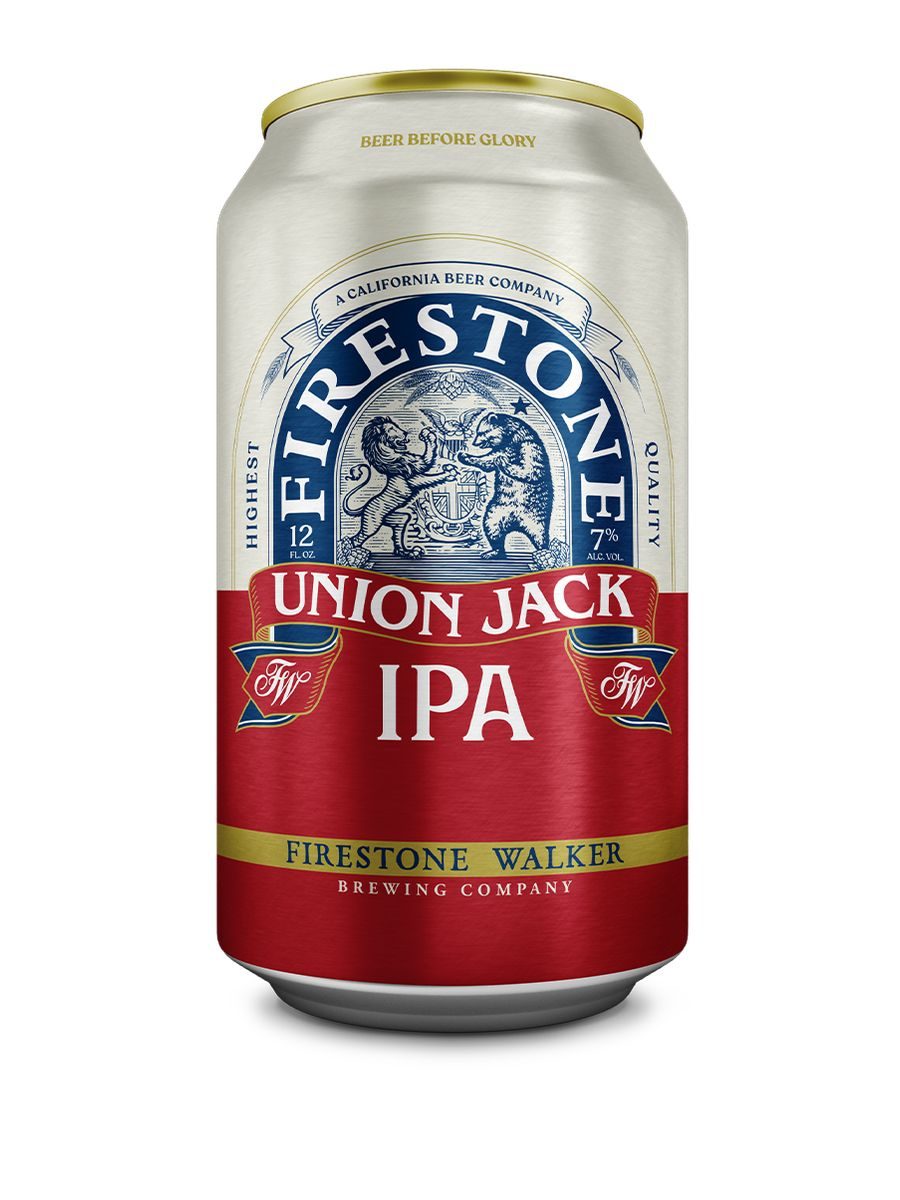
Union Jack
Brewed by Firestone Walker Brewing Company
A 7.0% West Coast IPA for the Paso Robles flight.
BAR NOTES
Union Jack anchors Firestone Walker’s hop-forward side at 7.0% and 70 IBU. Put it after Pivo and 805 to make the rise in bitterness and strength easier to notice, rather than letting the first full IPA dominate every lighter sip that follows.
Use this as the clear-IPA counterpart to Alvarado’s Cold Pressed if you are comparing California hop styles across the guide. A crisp finish and assertive hop profile suit grilled food, while the broader IPA list offers more directions to explore.
Pivo
Brewed by Firestone Walker Brewing Company
Hoppy pilsner that brings lager precision to an IPA-heavy state.
BAR NOTES
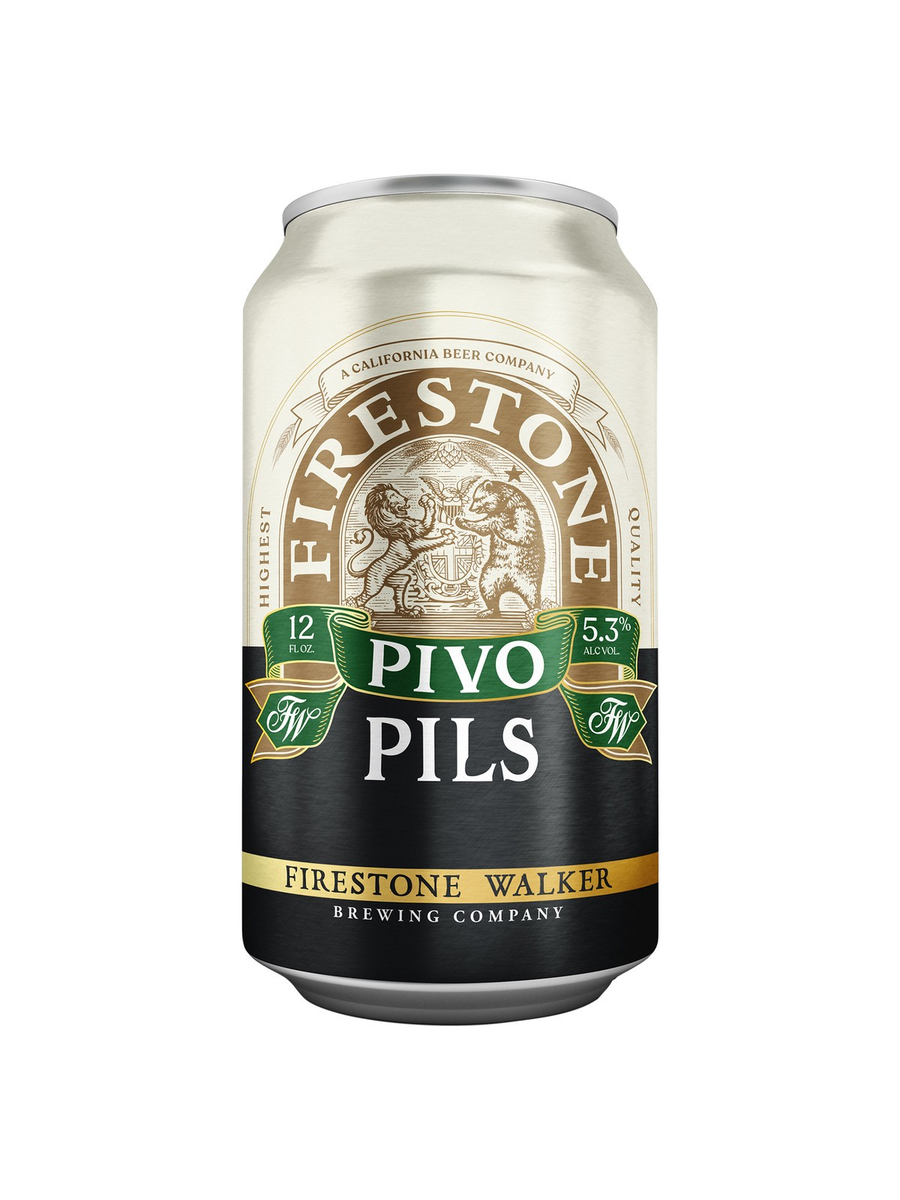
Pivo is listed at 5.3% and 40 IBU, with a hoppy pilsner identity that makes it a useful alternative to Union Jack. Its German and Italian influences point toward a clean lager foundation with aromatic hop detail rather than IPA strength or hazy texture.
Order Pivo early and give it a clean glass so its aroma has room to develop. Compare the result with STS Pils, then explore brewing a German pilsner for background on the crisp malt, fermentation, and bitterness that underpin this style family.
805
Brewed by Firestone Walker Brewing Company
The 4.7% blonde ale; distinct from 805 Cerveza.
BAR NOTES
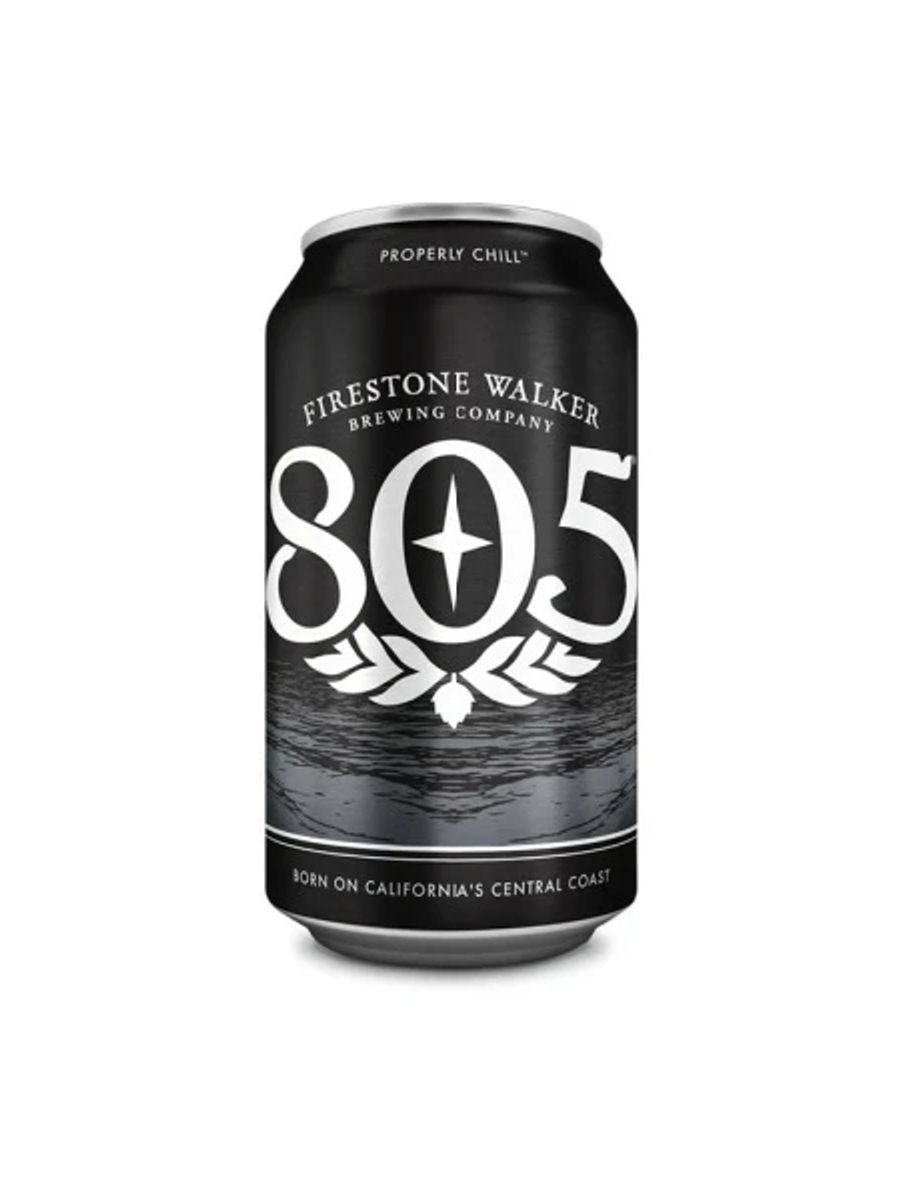
805 here means Firestone Walker’s blonde ale at 4.7%, not the separate 805 Cerveza. It is the approachable malt-led choice in this trio, making it useful for a drinker who wants to start gently before moving toward Pivo’s hops or Union Jack’s IPA intensity.
Keep the comparison focused on balance and finish rather than expecting a light beer to imitate an IPA. Pizza, grilled chicken, or a simple sandwich leaves that balance visible. The blonde ale recipe guide explains how a restrained recipe can still deliver flavour.
4. North Coast Brewing Company — Fort Bragg
North Coast earns the Fort Bragg stop through three enduring beers with genuinely different jobs. Old Rasputin supplies concentrated roast and a firm finish, Red Seal brings malt and hops together at a more moderate strength, and Scrimshaw is the lighter lager choice. This is a particularly useful flight for groups whose tastes extend beyond IPA.
These selections belong to the year-round range. Fort Bragg is well north of the Bay Area, so treat it as a separate coastal destination rather than folding it into a hurried Sonoma tasting afternoon. Package formats and artwork can change without changing the beer’s identity; the current label and serving board take precedence.
Old Rasputin
Brewed by North Coast Brewing Company
Year-round Russian imperial stout with concentrated roast.
BAR NOTES
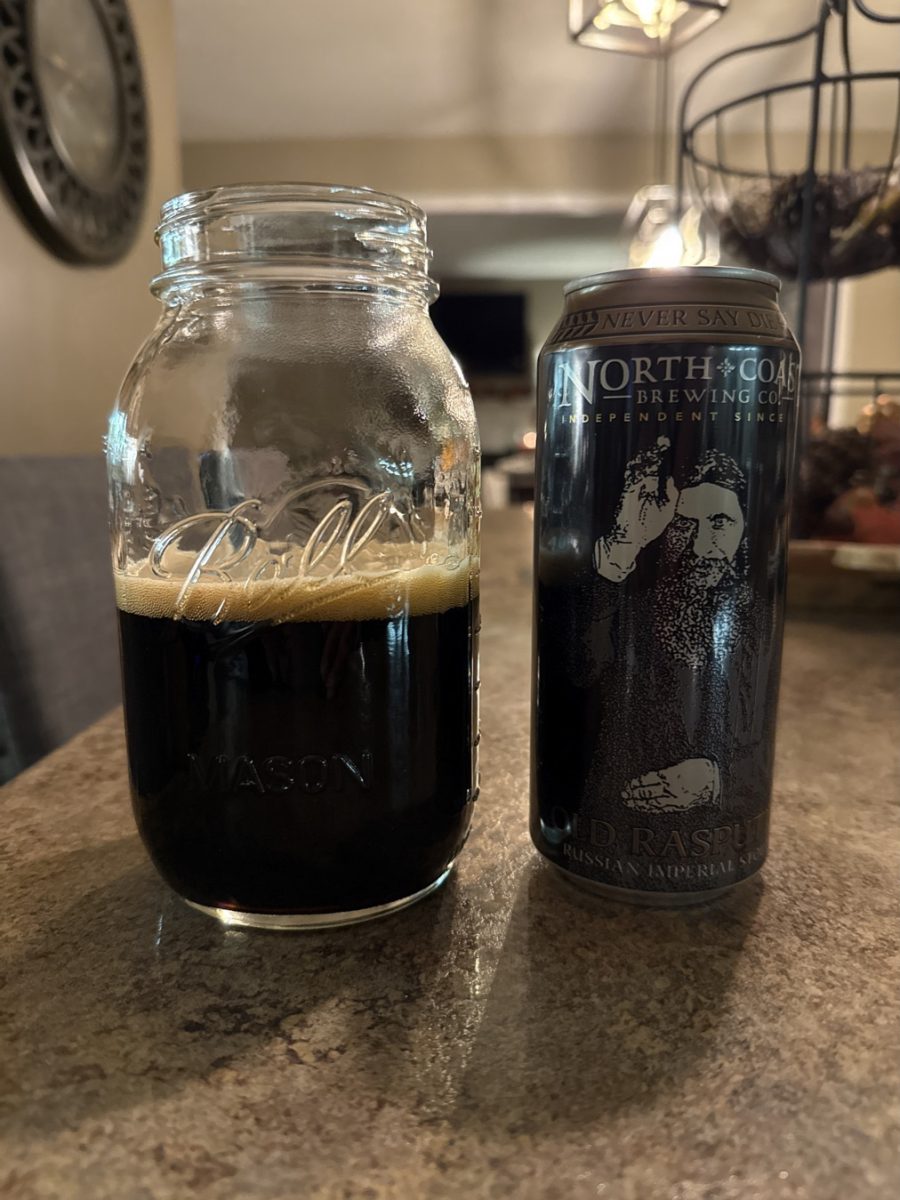
Old Rasputin is a 9.0% Russian imperial stout with a listed 75 IBU. The numbers suggest a substantial beer, but they do not replace tasting: roast, malt richness, bitterness, and alcohol all shape the finish and deserve attention in a small serving.
Let it warm slightly from refrigerator temperature and revisit the aroma rather than rushing through a large pour. Dark chocolate or a roasted-meat dish makes a useful pairing. The Russian imperial stout brewing guide explains the style’s concentrated malt foundation.
Red Seal Ale
Brewed by North Coast Brewing Company
Amber malt and hop balance at 5.4%.
BAR NOTES
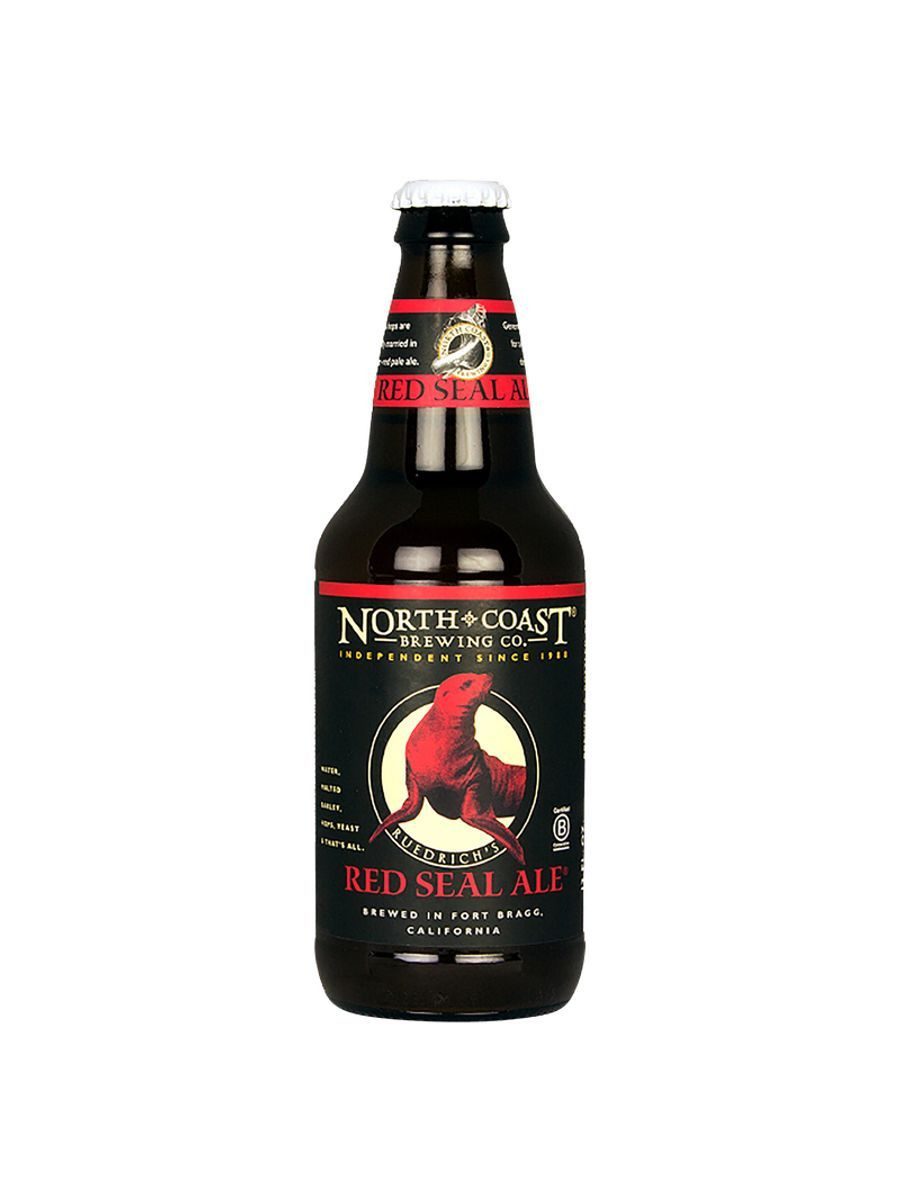
Red Seal Ale is the 5.4% amber choice between Scrimshaw’s pilsner and Old Rasputin’s stout. It gives this flight a malt-and-hop middle ground rather than another extreme, useful when you want more toasted depth without committing to a high-strength dark beer.
Taste the malt first, then notice whether the hop bitterness clears the finish or lingers alongside it. Pizza and grilled sausage make straightforward comparisons. For brewing context, American amber ale shows how specialty malt and hop balance shape the style.
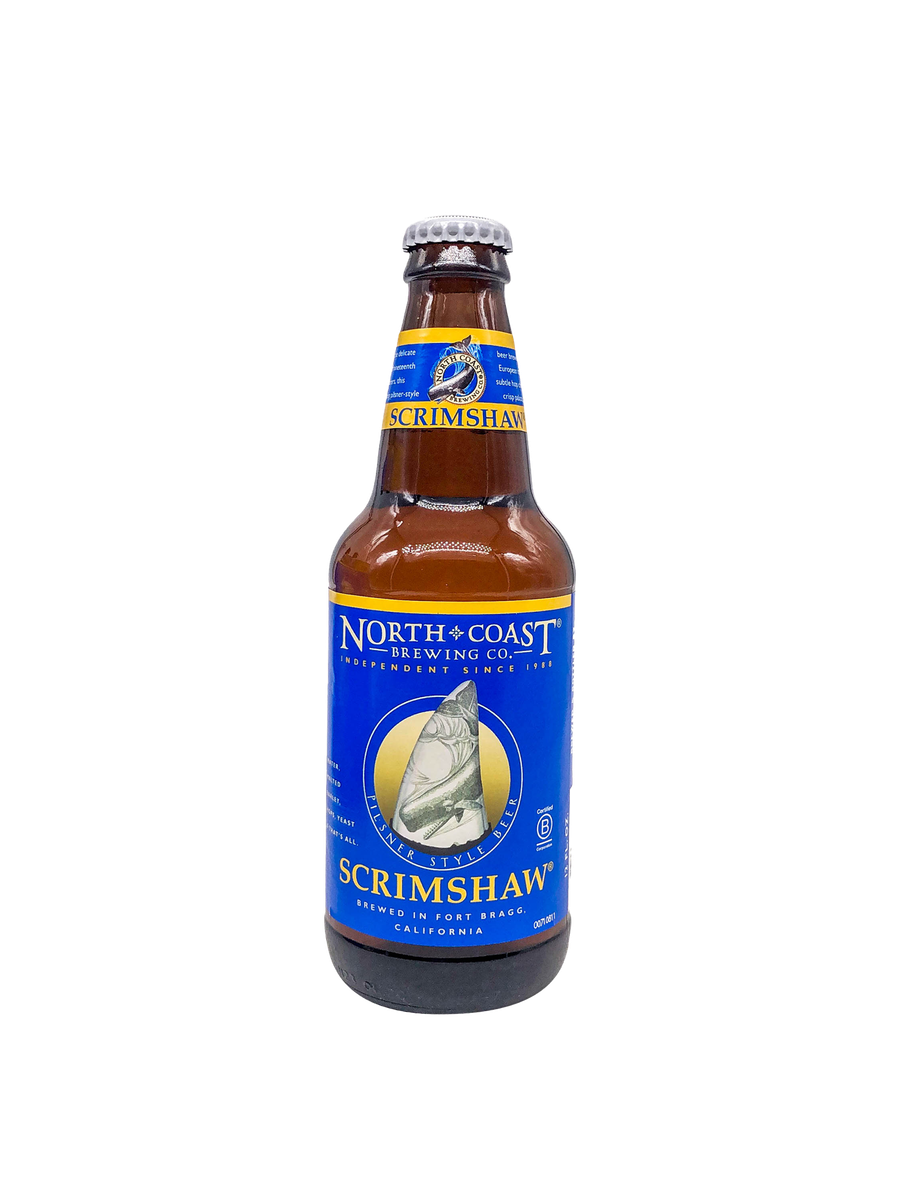
Scrimshaw
Brewed by North Coast Brewing Company
A 4.5% pilsner for a crisp opening pour.
BAR NOTES
Scrimshaw is listed at 4.5% and 22 IBU, making it the lightest North Coast pick here. It belongs at the start of the flight, where the grain character and clean finish can be noticed before Red Seal or Old Rasputin changes your reference point.
The brewery describes the beer as pilsner-style; that is more useful than treating all pale lager as interchangeable. Serve it fresh with fish, a lightly dressed salad, or fried food, and compare it with other pilsners when you want a similar direction.
5. Alvarado Street Brewery — Monterey
Alvarado Street brings Monterey into the guide with a contemporary core range. Mai Tai P.A. and Cold Pressed offer an instructive comparison between tropical hop character and the texture associated with hazy IPA, while Monterey Beer gives the flight a lighter beginning. The three choices show more of the brewery than an all-hazy order would.
The current core collection supports this trio. Monterey Beer is listed at 4.5%, so an older directory entry should not be used to guess its strength. Start with the core beers, then check the release list if you want something smaller or more temporary; those releases should be treated as bonuses rather than permanent stock promises.
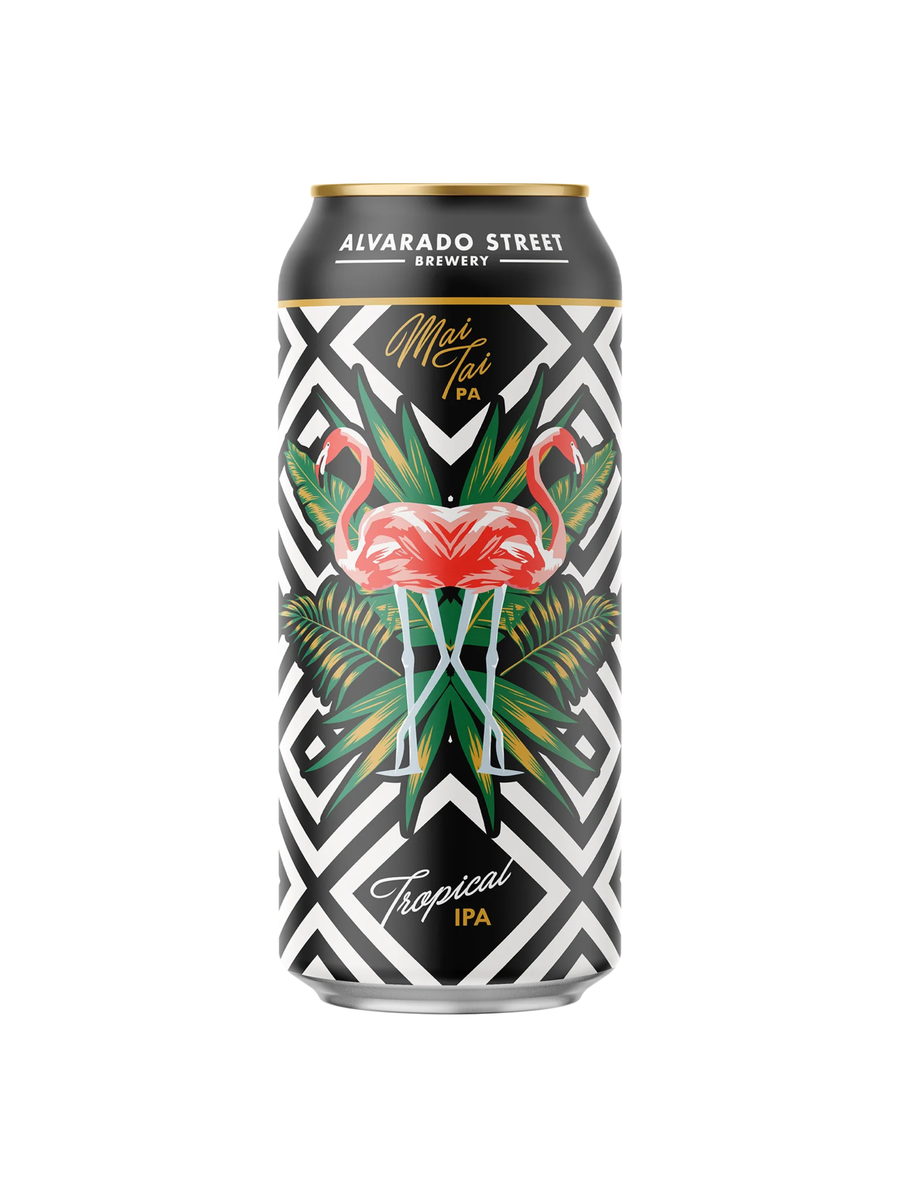
Mai Tai P.A.
Brewed by Alvarado Street Brewery
Tropical hop character in Alvarado’s core IPA.
BAR NOTES
Mai Tai P.A. is a 6.5% tropical IPA from Alvarado Street’s core range. The name invites a cocktail association, but the key comparison here is hop character: do not assume that the beer contains rum or a fruit-juice recipe because of its name.
Compare it directly with the equally strong Cold Pressed. That removes alcohol strength as the obvious explanation for differences in texture, aroma, and finish. The California beer roundup offers a wider statewide view after you have explored this Monterey trio.
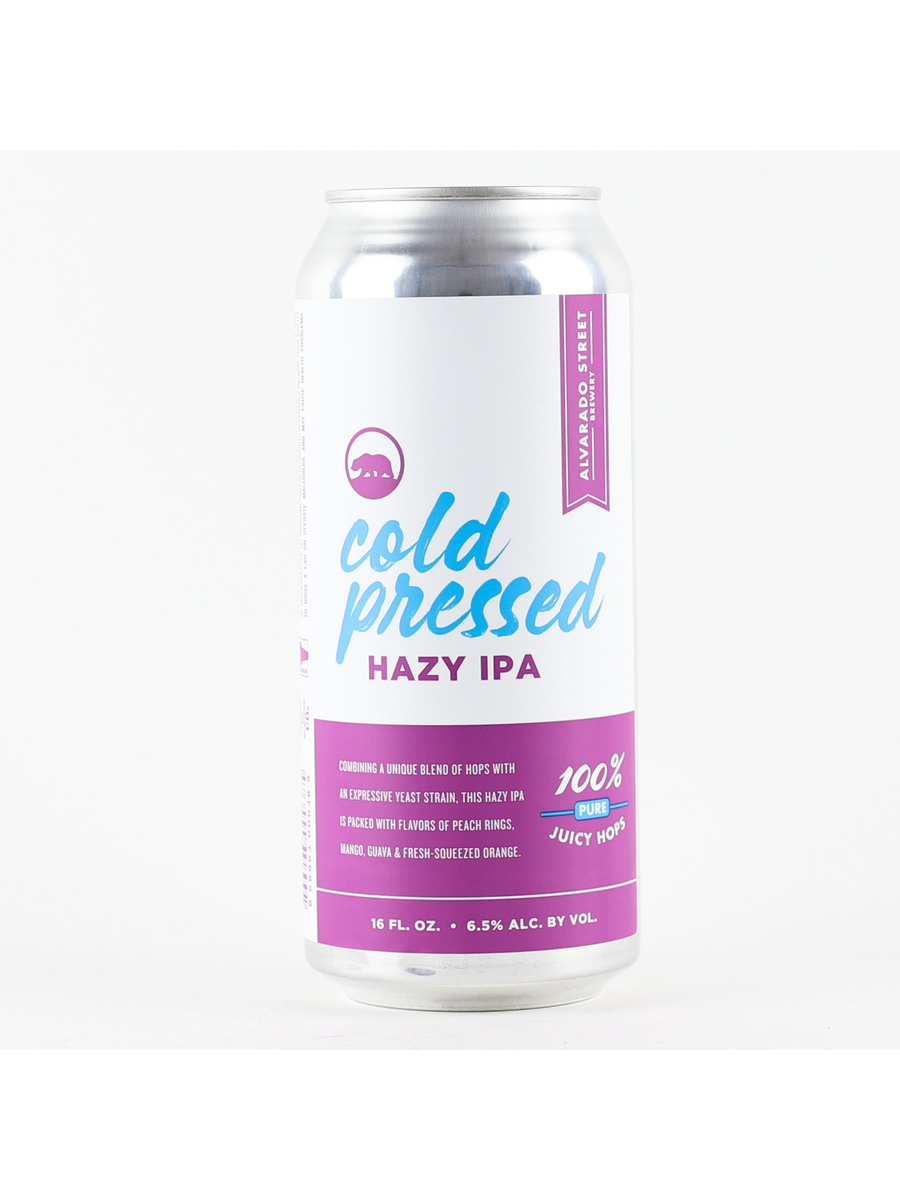
Cold Pressed
Brewed by Alvarado Street Brewery
Core hazy IPA at the same strength as Mai Tai P.A.
BAR NOTES
Cold Pressed supplies the 6.5% hazy IPA side of Alvarado Street’s core lineup. Because Mai Tai P.A. shares its strength, tasting the two together is a useful way to focus on how presentation, texture, and hop expression can differ within the same brewery.
Haze alone does not tell you whether a beer will taste sweet or bitter. Take a sip, wait for the finish, and make the comparison there. The hazy IPA roundup offers more examples, while grilled prawns or a mild curry can accompany this flight.
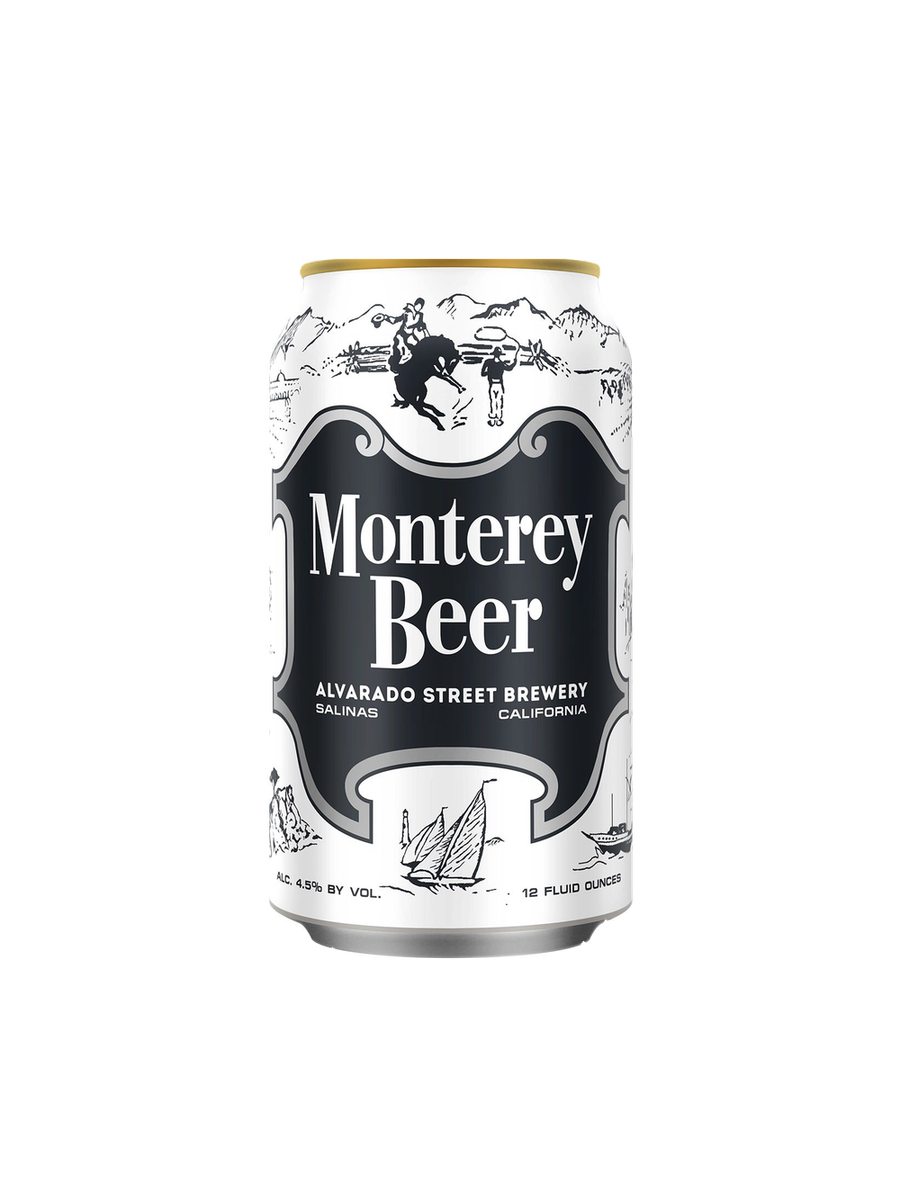
Monterey Beer
Brewed by Alvarado Street Brewery
Monterey’s local American lager at 4.5%.
BAR NOTES
Monterey Beer gives this flight an American lager starting point at 4.5%. Its revived local name reaches back to a Monterey beer brand from 1934, but that heritage should not be read as proof that today’s brewery uses an unchanged historic recipe.
Order this before the two IPAs and use the cleaner finish as your baseline. It is a sensible choice with fish tacos or a casual lunch. For background on this lighter direction, American lager brewing explains the balance between grain, fermentation, and restrained bitterness.
6. Sante Adairius Rustic Ales — Capitola
Sante Adairius deserves its place for a brewing approach that makes fermentation as interesting as the hop list. Saison Bernice is the defining mixed-fermentation choice, 831 adds the brewery’s unfiltered West Coast IPA direction, and Capitola Bright provides a lighter contrast. The flight avoids reducing SARA to only rare bottles or only sour beer.
Capitola is the original anchor, with additional tasting venues in Santa Cruz and Oakland. The picks below were listed in the producer’s shop during the update, but bottle stock and can releases change. Check the venue you intend to visit rather than assuming an online listing guarantees the same beer on draft.
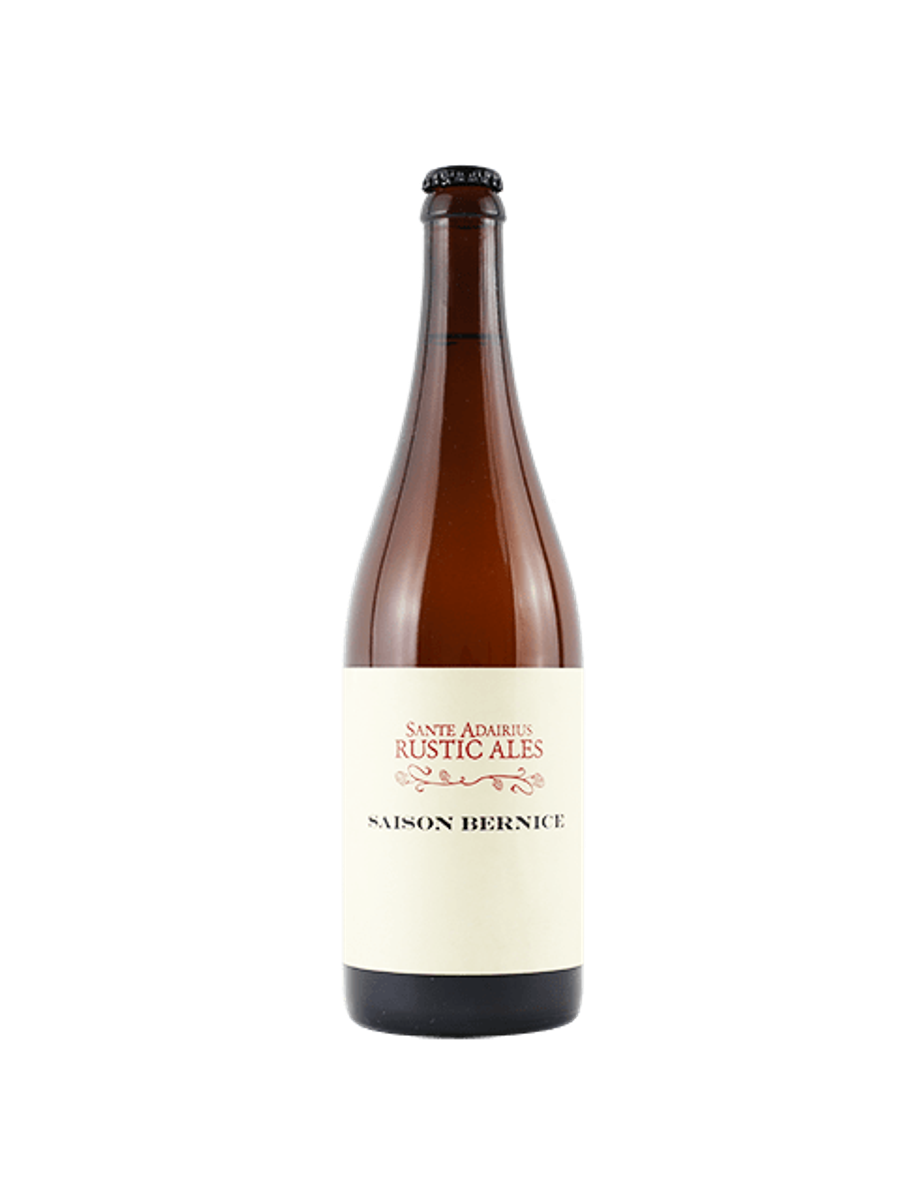
Saison Bernice
Brewed by Sante Adairius Rustic Ales
The defining mixed-fermentation saison in the SARA flight.
BAR NOTES
Saison Bernice is listed at 6.5% and represents Sante Adairius’s mixed-fermentation approach. It deserves attention for fermentation character rather than being treated as a generic sour beer: aroma, acidity, dryness, and the way they change together are the interesting parts of the comparison.
Use a small wine-style glass and let the beer’s aroma open as it warms a little. Compare the experience with Monkish’s oak-aged saison later in the guide. The saison brewing guide introduces the base style, although mixed fermentation requires additional process choices.
831
Brewed by Sante Adairius Rustic Ales
Unfiltered West Coast IPA with Columbus hops.
BAR NOTES
831 is the brewery’s unfiltered West Coast IPA at 7.2%, with Columbus hops identified in the producer description. It makes a useful contrast to Bernice because the focus shifts from mixed fermentation toward hops, bitterness, and the finish of a stronger pale ale.
Unfiltered does not automatically mean the same thing as a modern hazy IPA. Notice the texture and hop character in the glass rather than deciding by appearance alone. Taste Capitola Bright first and save 831 for later so the lighter beer retains a fair comparison.
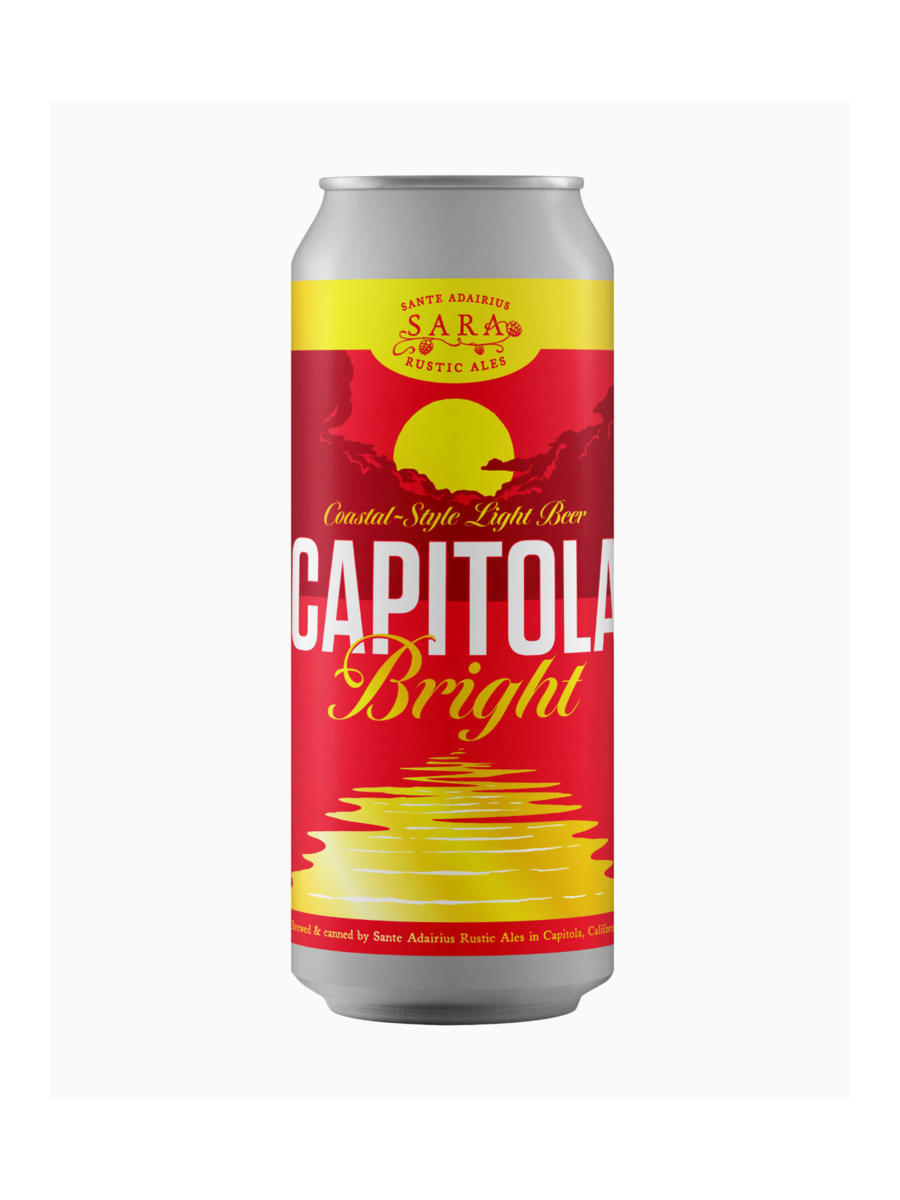
Capitola Bright
Brewed by Sante Adairius Rustic Ales
A lower-strength coastal-style light beer at 4.2%.
BAR NOTES
Capitola Bright is described by its producer as a coastal-style light beer and is listed at 4.2%. That specific wording is retained here rather than guessing a fermentation category. It gives the SARA trio a gentle beginning before Bernice’s fermentation detail and 831’s hop intensity.
Look for what the beer accomplishes with restraint: grain flavour, refreshment, and a finish that invites another small sip. Fish tacos or a simple sandwich make suitable companions. Check the current can release and venue board, since the online shop and draft lists can differ.
7. Monkish Brewing Company — Torrance and Anaheim
Monkish adds a useful reminder that its reputation extends beyond hazy cans. Feminist points back toward Belgian-inspired brewing, 90090 represents the rotating hop-heavy programme, and Haiku De Saison moves the flight into oak-aged fermentation. It is the widest stylistic swing in this selection and rewards ordering deliberately rather than choosing by can artwork.
The Anaheim menu was the current reference for these beers. Torrance has its own list, and 90090 and the 2026 Haiku bottle should be treated as release-specific picks. If either has rotated out, ask about the current double IPA or oak-aged saison rather than expecting a permanent year-round substitute with the same name.
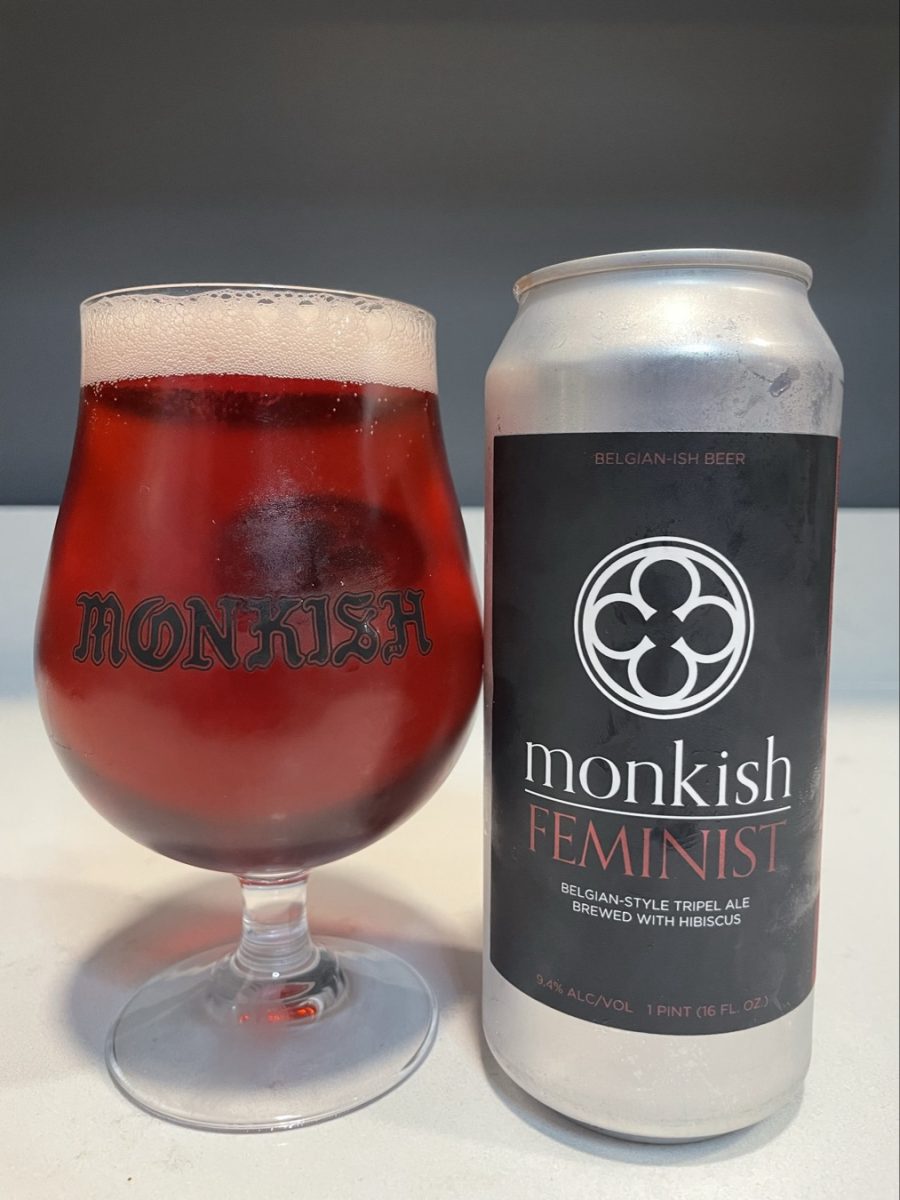
Feminist
Brewed by Monkish Brewing Company
Belgian tripel with hibiscus and 9.4% strength.
BAR NOTES
Feminist is Monkish’s Belgian tripel with hibiscus, listed at 9.4%. It is a useful reminder of the brewery’s Belgian-inspired roots, offering a different aromatic route from the double IPA in this flight rather than simply competing for the most intense hop aroma.
Pour a small serving and allow time for yeast character and the hibiscus addition to register. Its strength calls for deliberate comparison with food, such as roast poultry. The Belgian tripel brewing guide explains the underlying style before specialty ingredients are introduced.
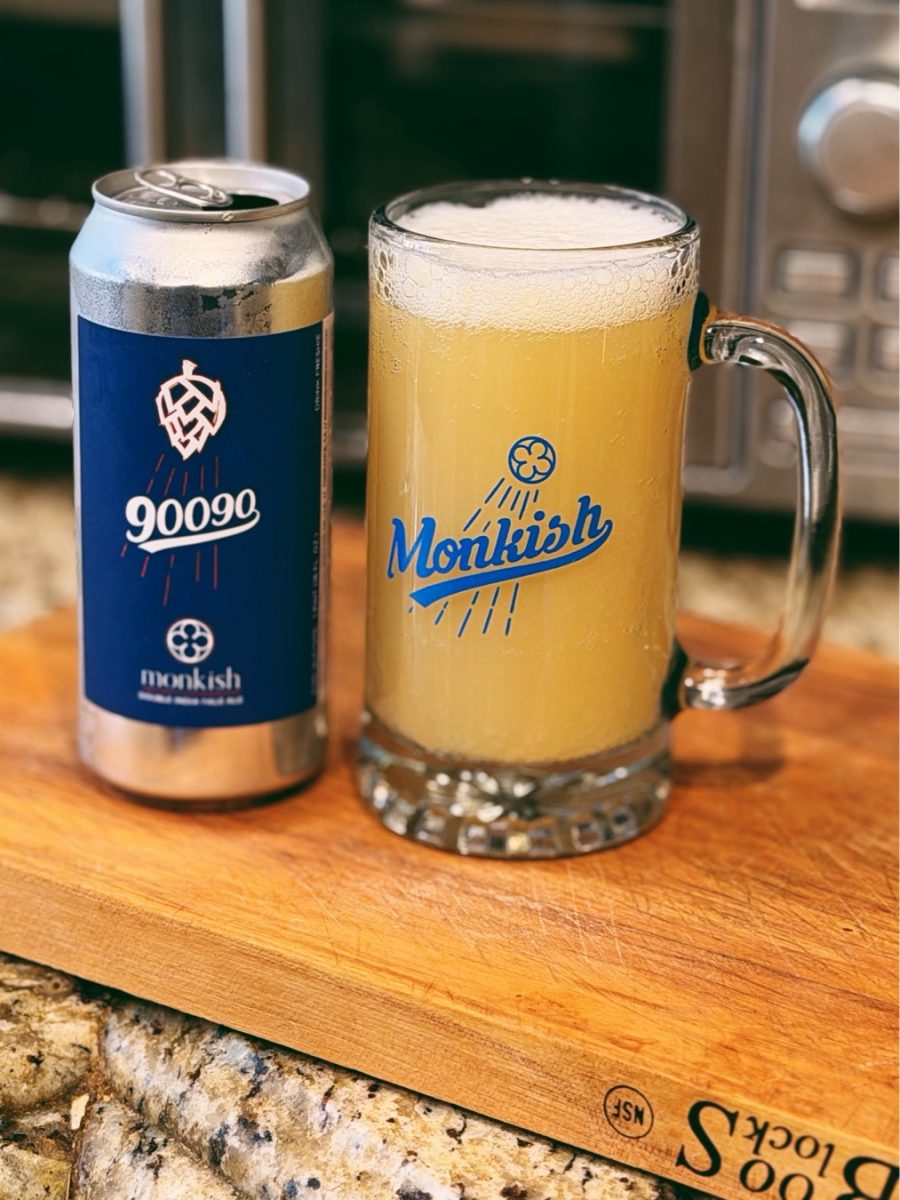
90090
Brewed by Monkish Brewing Company
A rotating 8.0% double IPA with Citra, Galaxy, and Cashmere.