50 Best Grapefruit Beers in 2026: IPAs, Radlers & More
The best grapefruit beers use the fruit three different ways: as a real ingredient, as the citrus half of a radler, or as a flavor created entirely by hops.
This ranking keeps those lanes visible instead of pretending every grapefruit impression comes from juice. Start with fruit-led IPAs and tart ales, move into lighter radlers and shandies, then compare them with hop-built beers where grapefruit is an aroma rather than an ingredient.
The quick answer
Grapefruit Sculpin is the benchmark for fruit and hops working as one. Double Sunshine Ruby Red Grapefruit is the bigger special-release splurge, while Schöfferhofer Grapefruit is the easy low-alcohol choice. If you want a classic lager-based refresher, jump to Stiegl Grapefruit Radler. For grapefruit flavor without any fruit, start with Pliny the Elder, Two Hearted Ale or Fresh Squeezed IPA.
How we ranked the 50
Fruit integration comes first: grapefruit should brighten malt and hops rather than taste like syrup poured into finished beer. We also rewarded freshness, balance, stylistic clarity and a distinctive reason to choose each beer. Availability changes quickly—especially for seasonals and taproom releases—so this is a tasting board, not a promise that every package is on every shelf today.
The first 25 beers contain grapefruit, grapefruit soda or an explicitly grapefruit-led fruit treatment. Ranks 26–50 are clearly labeled hop-built examples: they taste like grapefruit because varieties such as Cascade, Centennial, Citra, Chinook, Mosaic and Simcoe can express citrus oil, peel and pith.
50 best grapefruit beers, ranked
Fruit-led grapefruit beers
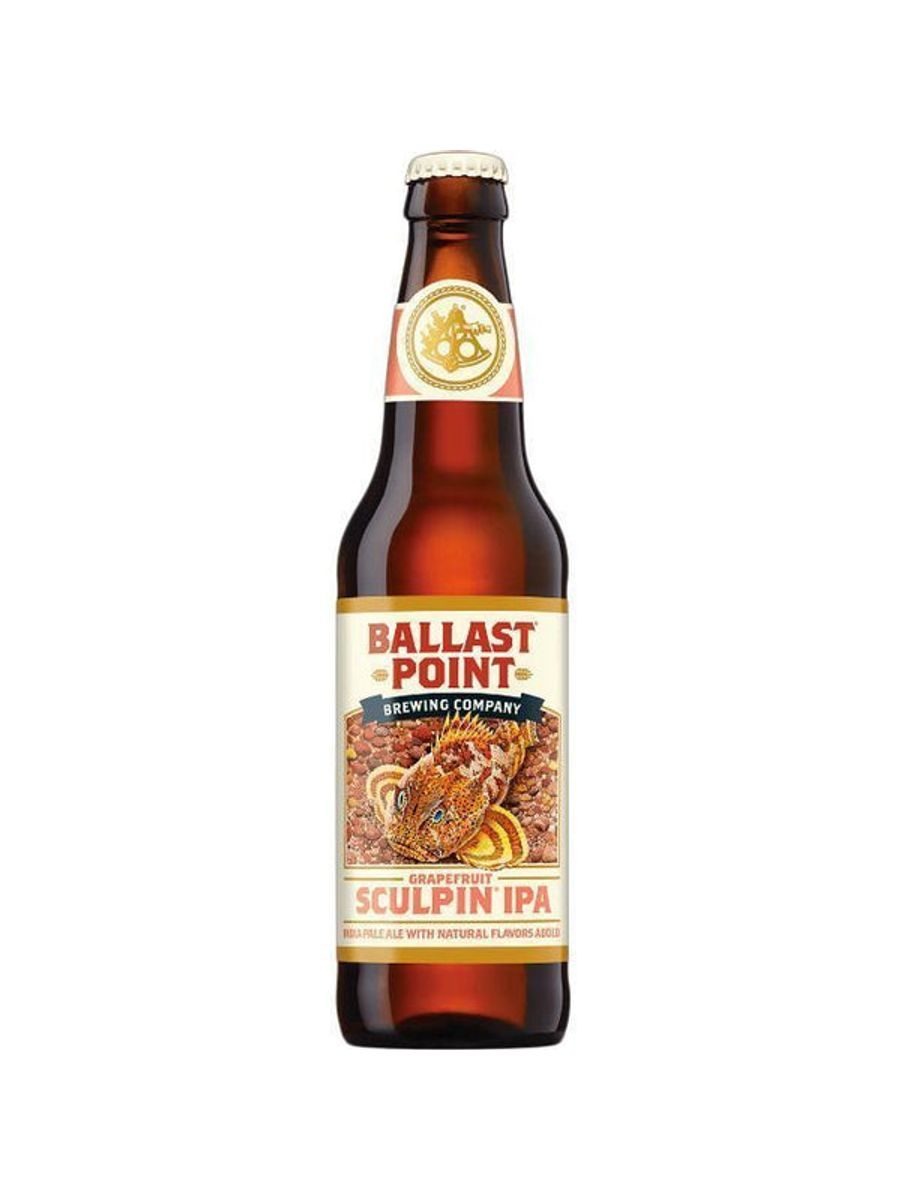
Grapefruit Sculpin
Brewed by Ballast Point Brewing Company
Ruby grapefruit, citrus oil, pine and a dry pithy finish make the fruit feel native to the IPA.
BAR NOTES
Grapefruit Sculpin earns this position on the strength of this profile: ruby grapefruit, citrus oil, pine and a dry pithy finish make the fruit feel native to the IPA. It also gives the wider grapefruit IPA guide a concrete reference point instead of treating “citrus” as one generic flavor.
Serve it cold—about 40–45°F—and let the first sip settle before deciding whether the bitterness reads as peel or juice. Pair it with fish tacos; salt, fat and chile all make the citrus read brighter while keeping bitterness in proportion. Availability can be seasonal or regional, so check package dates before chasing rarity.
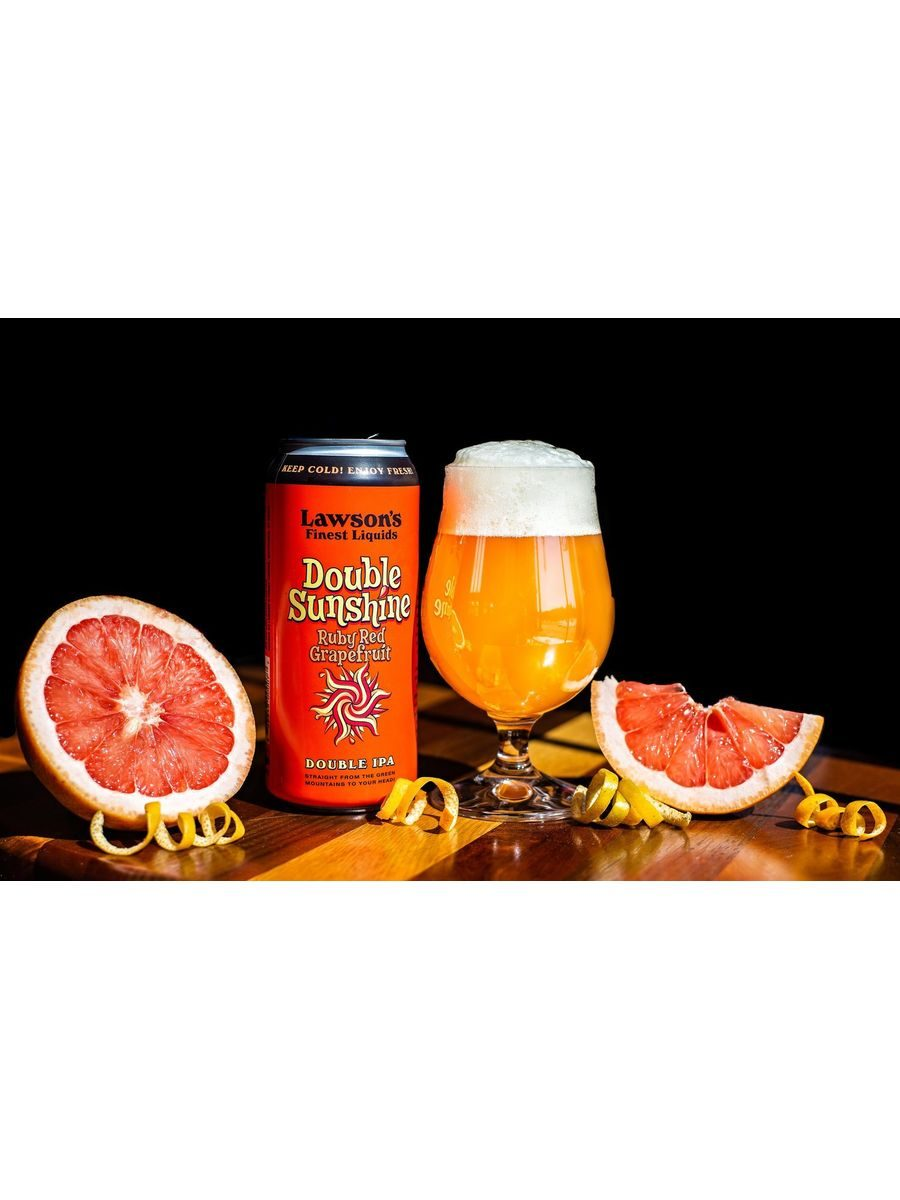
Double Sunshine Ruby Red Grapefruit
Brewed by Lawson’s Finest Liquids
Ruby-red grapefruit cuts through a lush double IPA packed with tropical hops and resin.
BAR NOTES
Double Sunshine Ruby Red Grapefruit earns this position on the strength of this profile: ruby-red grapefruit cuts through a lush double IPA packed with tropical hops and resin. It also gives the wider fruit beer board a concrete reference point instead of treating “citrus” as one generic flavor.
Serve it cold—about 40–45°F—and let the first sip settle before deciding whether the bitterness reads as peel or juice. Pair it with spicy chicken; salt, fat and chile all make the citrus read brighter while keeping bitterness in proportion. Availability can be seasonal or regional, so check package dates before chasing rarity.
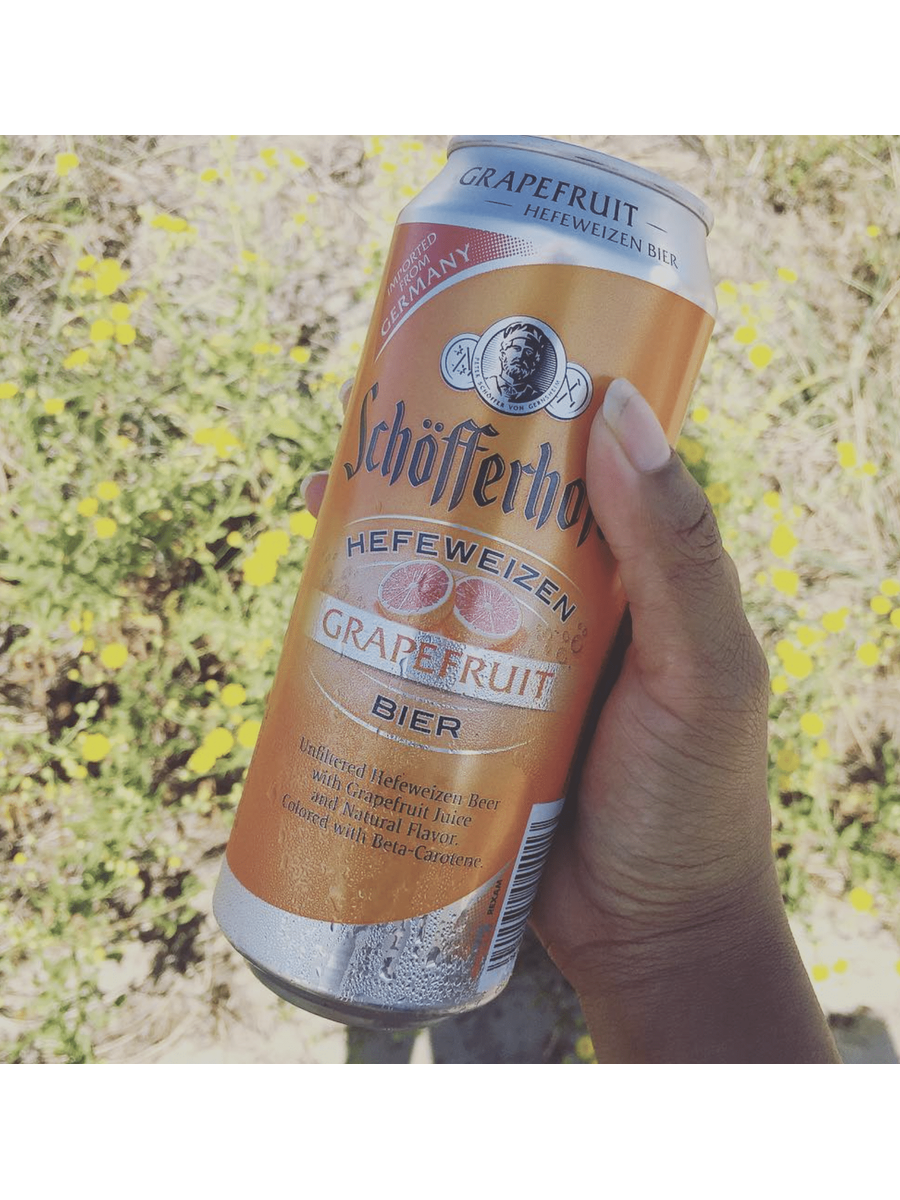
Schöfferhofer Grapefruit
Brewed by Schöfferhofer
Half wheat beer and half grapefruit drink, with soft grain, lively fizz and unapologetic sweetness.
BAR NOTES
Schöfferhofer Grapefruit earns this position on the strength of this profile: half wheat beer and half grapefruit drink, with soft grain, lively fizz and unapologetic sweetness. It also gives the wider radler guide a concrete reference point instead of treating “citrus” as one generic flavor.
Serve it cold—about 40–45°F—and let the first sip settle before deciding whether the bitterness reads as peel or juice. Pair it with sharp cheddar; salt, fat and chile all make the citrus read brighter while keeping bitterness in proportion. Availability can be seasonal or regional, so check package dates before chasing rarity.
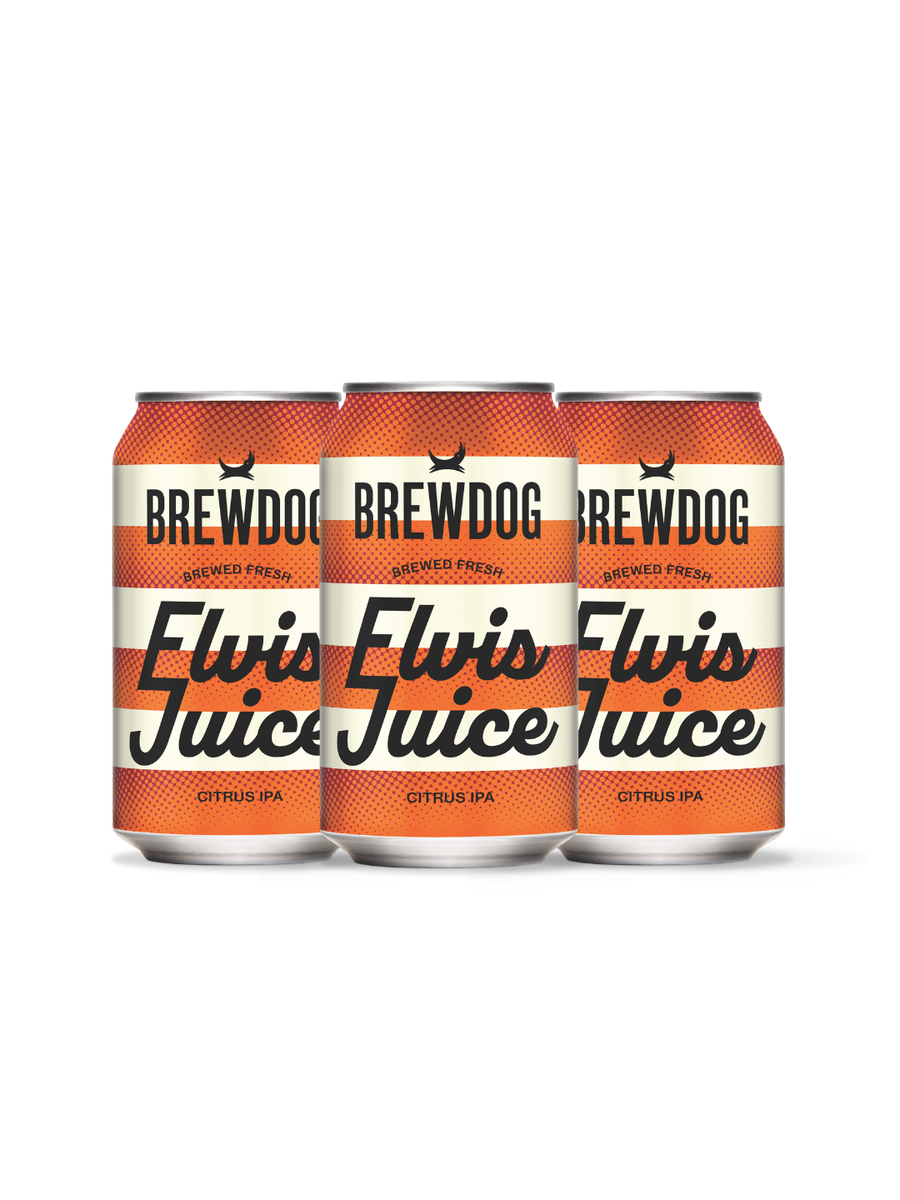
BrewDog Elvis Juice
Brewed by BrewDog
A full-bodied IPA where grapefruit zest, citrus-forward hops and measured malt sweetness land together.
BAR NOTES
BrewDog Elvis Juice earns this position on the strength of this profile: a full-bodied IPA where grapefruit zest, citrus-forward hops and measured malt sweetness land together. It also gives the wider summer beer roundup a concrete reference point instead of treating “citrus” as one generic flavor.
Serve it cold—about 40–45°F—and let the first sip settle before deciding whether the bitterness reads as peel or juice. Pair it with grilled shrimp; salt, fat and chile all make the citrus read brighter while keeping bitterness in proportion. Availability can be seasonal or regional, so check package dates before chasing rarity.
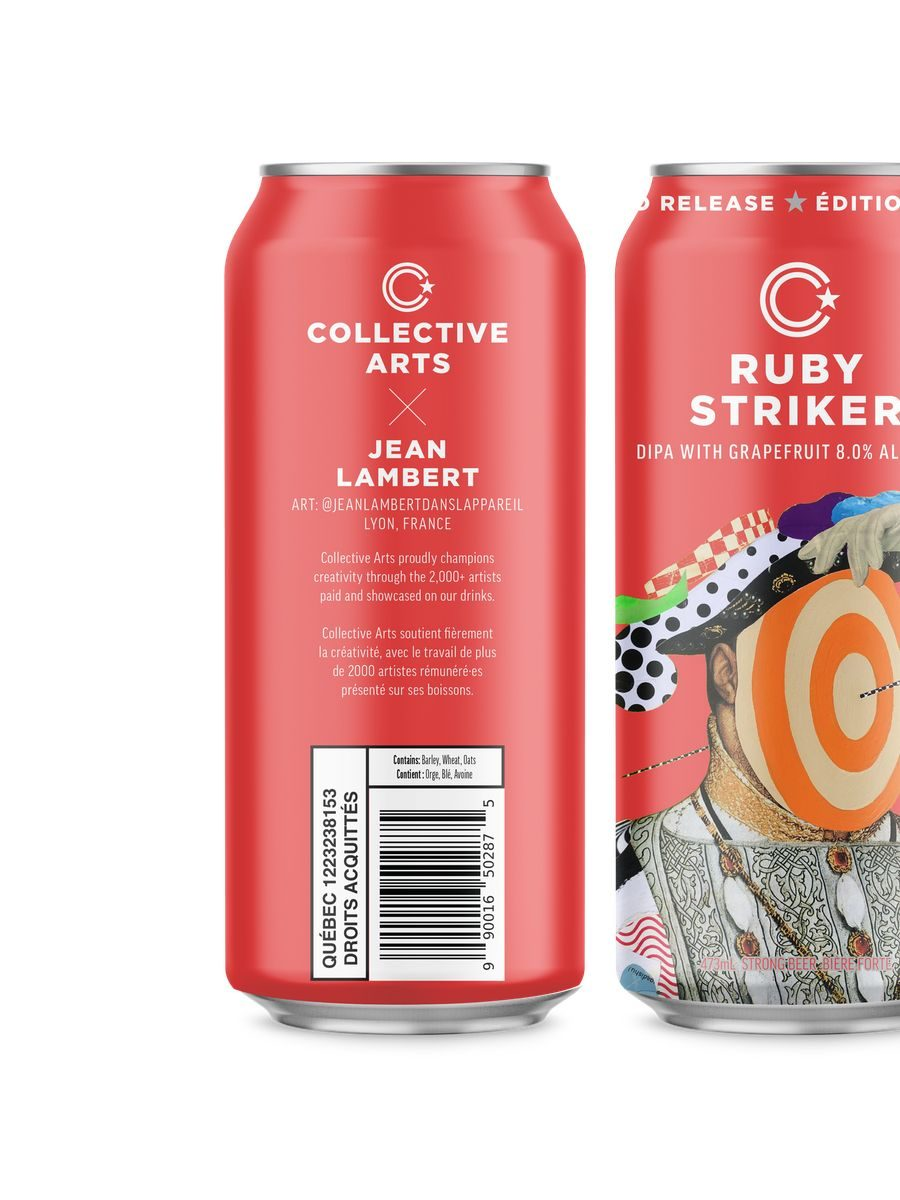
Ruby Striker
Brewed by Collective Arts Brewing
Pink grapefruit acidity gives a soft hazy double IPA a sharper, more refreshing center.
BAR NOTES
Ruby Striker earns this position on the strength of this profile: pink grapefruit acidity gives a soft hazy double IPA a sharper, more refreshing center. It also gives the wider best IPA ranking a concrete reference point instead of treating “citrus” as one generic flavor.
Serve it cold—about 40–45°F—and let the first sip settle before deciding whether the bitterness reads as peel or juice. Pair it with a salty cheeseburger; salt, fat and chile all make the citrus read brighter while keeping bitterness in proportion. Availability can be seasonal or regional, so check package dates before chasing rarity.
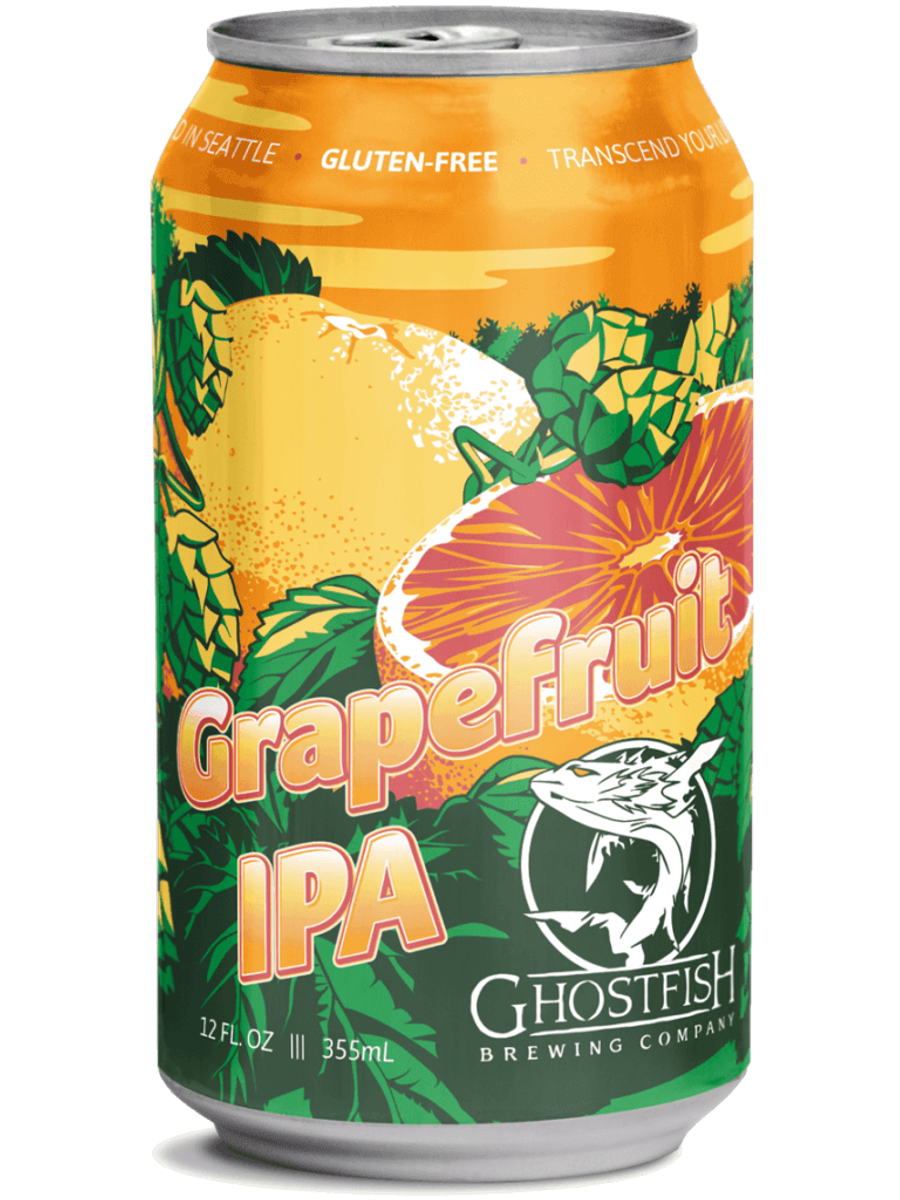
Ghostfish Grapefruit IPA
Brewed by Ghostfish Brewing Company
Grapefruit purée and rind-like hops build a bracing citrus bomb on a gluten-free grain base.
BAR NOTES
Ghostfish Grapefruit IPA earns this position on the strength of this profile: grapefruit purée and rind-like hops build a bracing citrus bomb on a gluten-free grain base. It also gives the wider hefeweizen guide a concrete reference point instead of treating “citrus” as one generic flavor.
Serve it cold—about 40–45°F—and let the first sip settle before deciding whether the bitterness reads as peel or juice. Pair it with Thai noodles; salt, fat and chile all make the citrus read brighter while keeping bitterness in proportion. Availability can be seasonal or regional, so check package dates before chasing rarity.
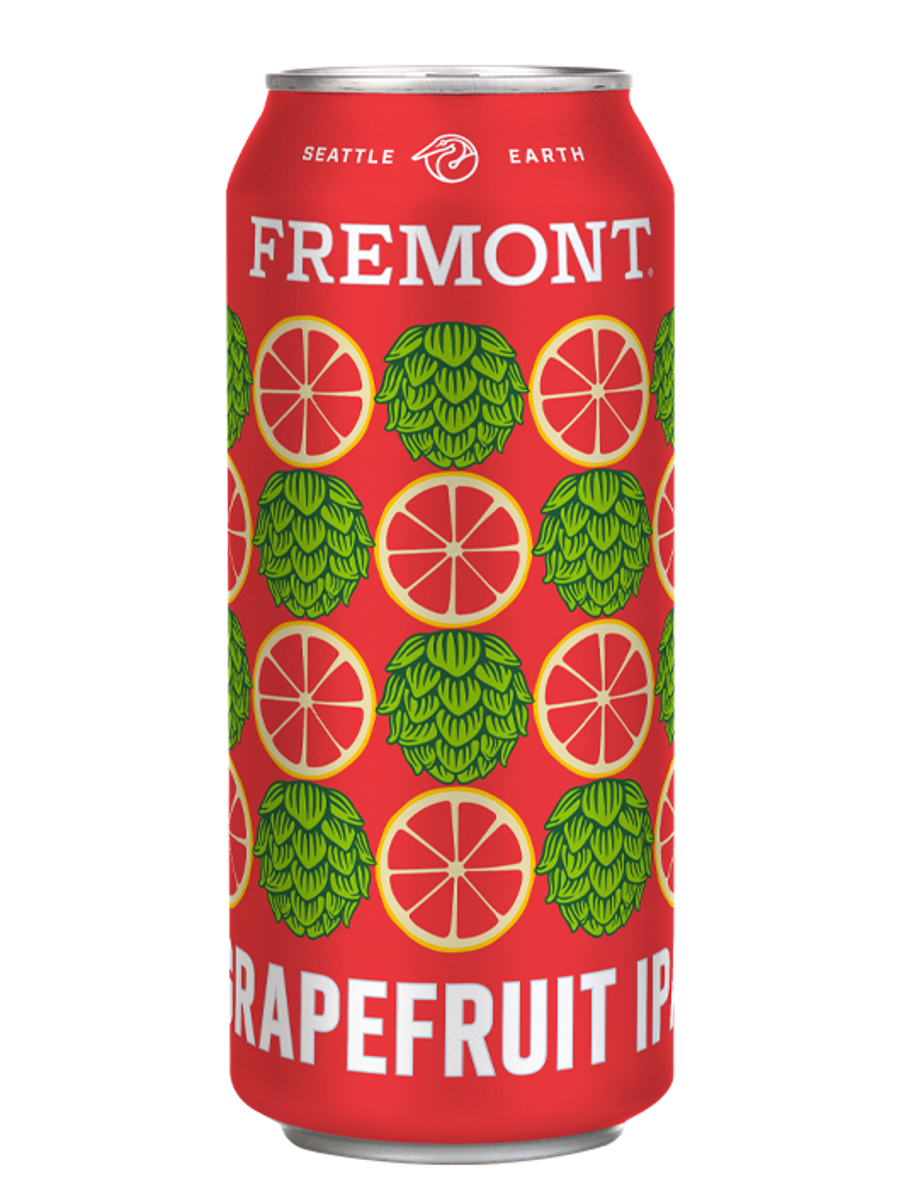
Fremont Grapefruit IPA
Brewed by Fremont Brewing
Zest and extract reinforce Simcoe, Strata and Chinook with orange peel, pith and a crisp finish.
BAR NOTES
Fremont Grapefruit IPA earns this position on the strength of this profile: zest and extract reinforce Simcoe, Strata and Chinook with orange peel, pith and a crisp finish. It also gives the wider wheat beer board a concrete reference point instead of treating “citrus” as one generic flavor.
Serve it cold—about 40–45°F—and let the first sip settle before deciding whether the bitterness reads as peel or juice. Pair it with ceviche; salt, fat and chile all make the citrus read brighter while keeping bitterness in proportion. Availability can be seasonal or regional, so check package dates before chasing rarity.
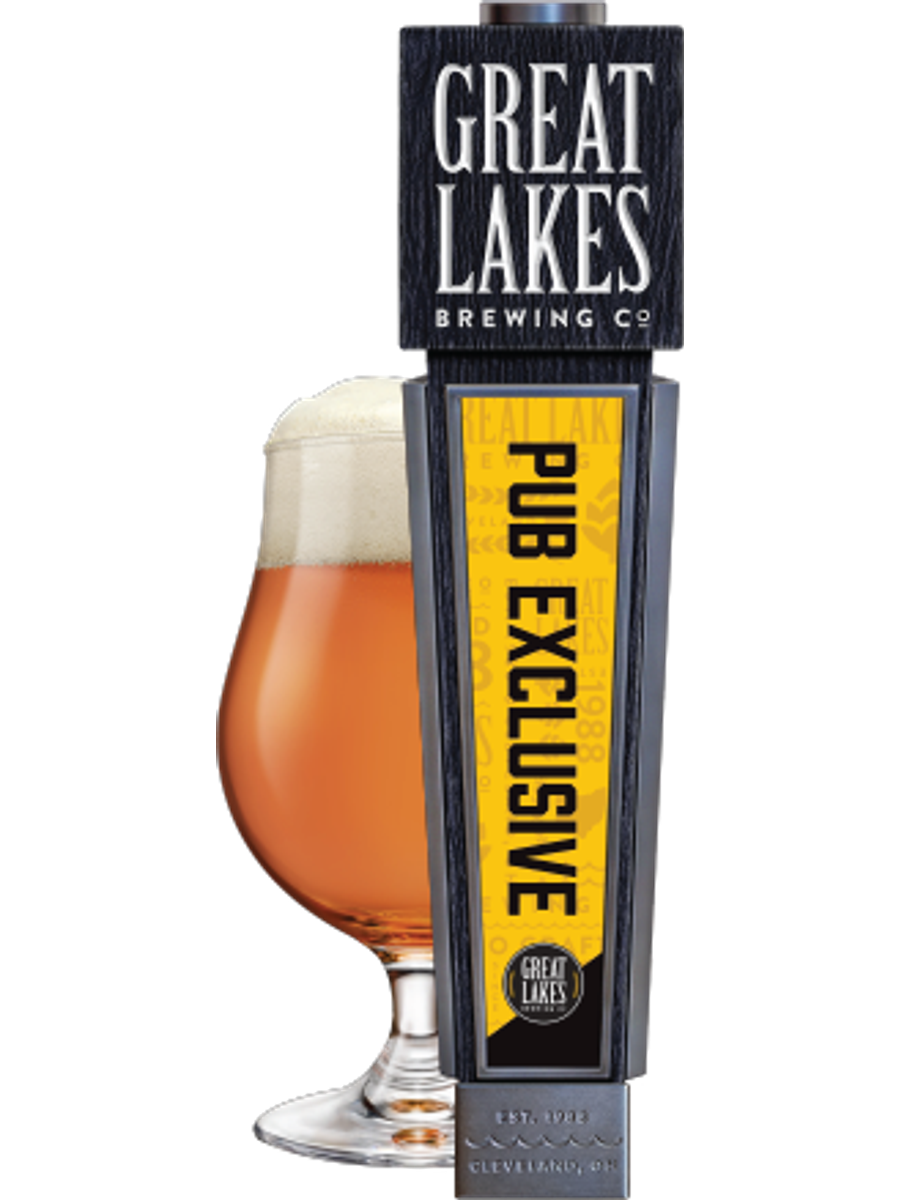
Great Lakes Imperial Grapefruit IPA
Brewed by Great Lakes Brewing Company
Extra grapefruit, orange peel and ginger turn a moderately bitter IPA into a broad citrus blast.
BAR NOTES
Great Lakes Imperial Grapefruit IPA earns this position on the strength of this profile: extra grapefruit, orange peel and ginger turn a moderately bitter IPA into a broad citrus blast. It also gives the wider American pale ale list a concrete reference point instead of treating “citrus” as one generic flavor.
Serve it cold—about 40–45°F—and let the first sip settle before deciding whether the bitterness reads as peel or juice. Pair it with bratwurst; salt, fat and chile all make the citrus read brighter while keeping bitterness in proportion. Availability can be seasonal or regional, so check package dates before chasing rarity.
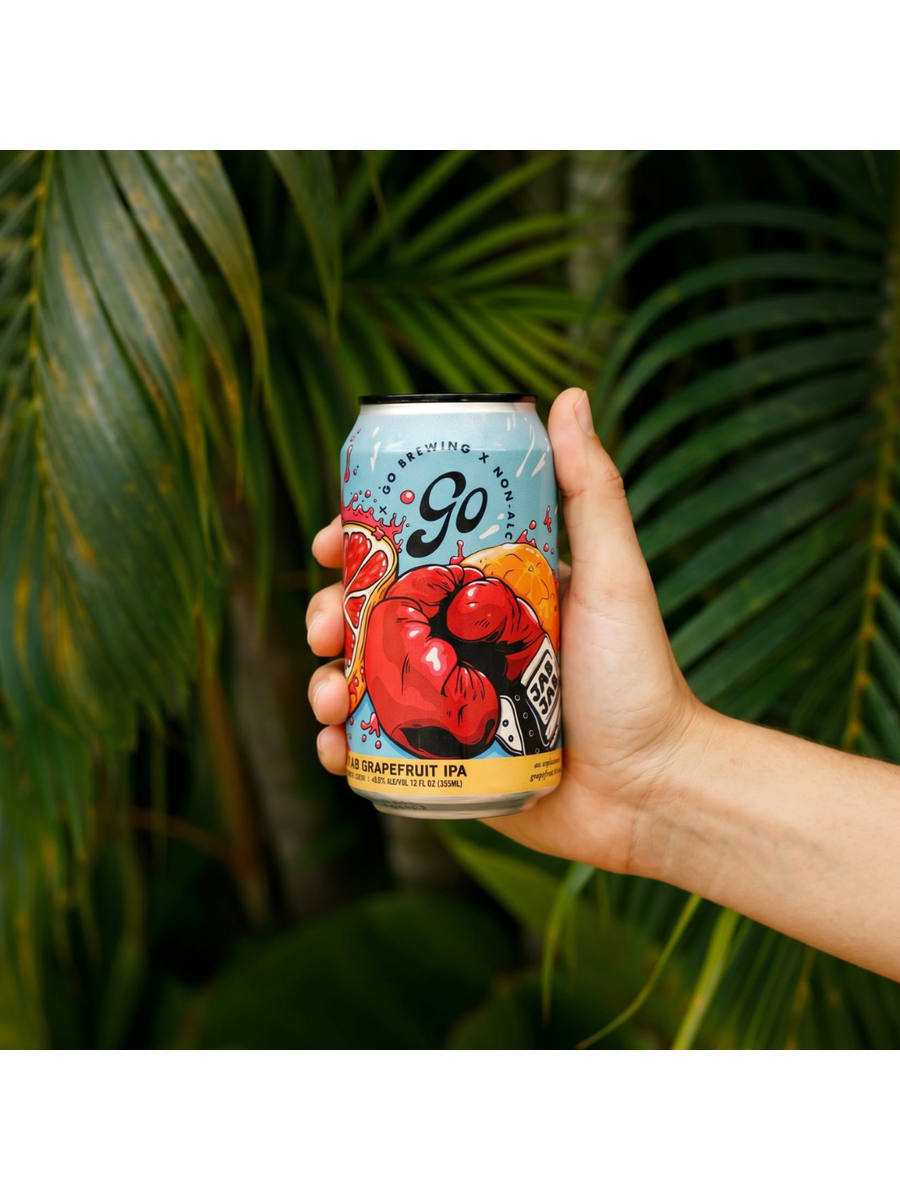
Go Brewing Jab Jab
Brewed by Go Brewing
Real grapefruit and Chinook hops deliver tartness, zest and bitterness without full-strength alcohol.
BAR NOTES
Go Brewing Jab Jab earns this position on the strength of this profile: real grapefruit and Chinook hops deliver tartness, zest and bitterness without full-strength alcohol. It also gives the wider grapefruit IPA guide a concrete reference point instead of treating “citrus” as one generic flavor.
Serve it cold—about 40–45°F—and let the first sip settle before deciding whether the bitterness reads as peel or juice. Pair it with fish tacos; salt, fat and chile all make the citrus read brighter while keeping bitterness in proportion. Availability can be seasonal or regional, so check package dates before chasing rarity.
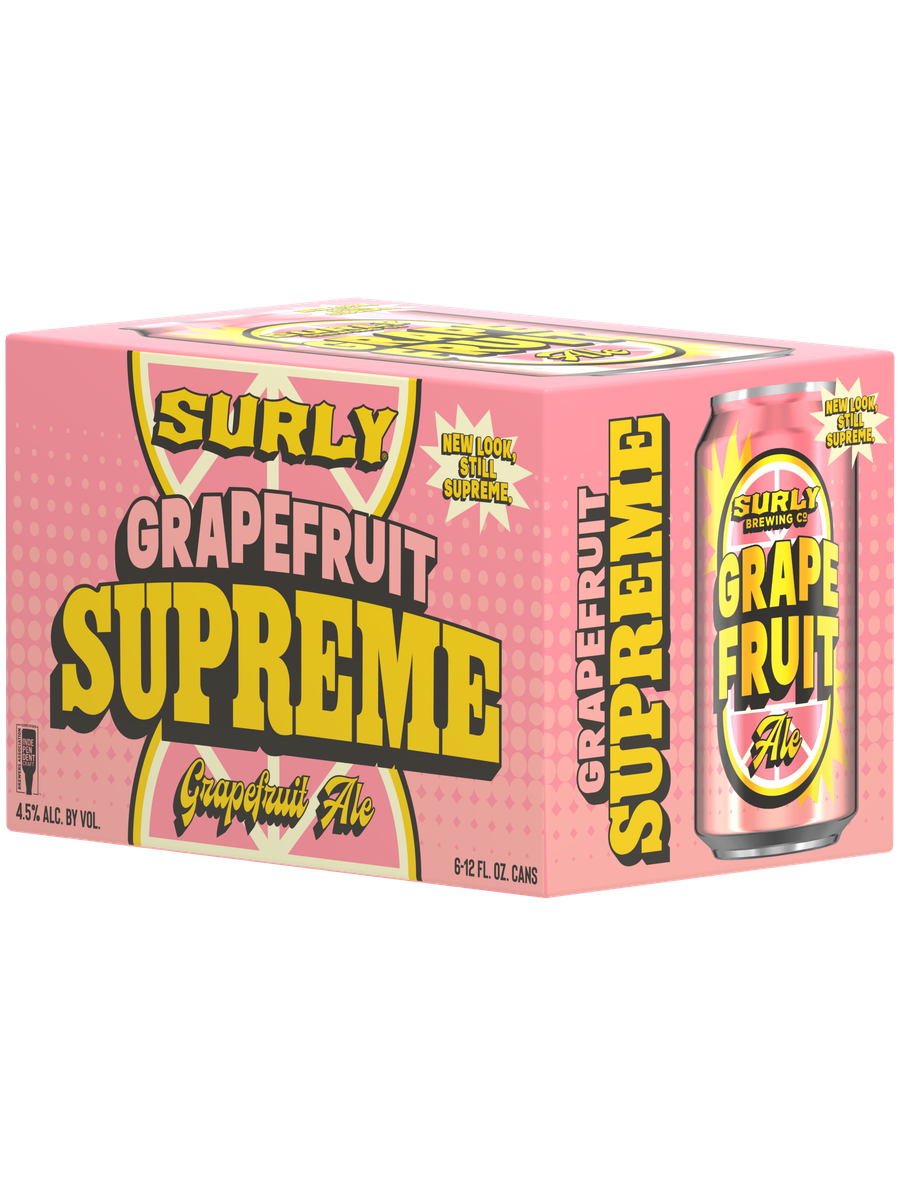
Surly Grapefruit Supreme
Brewed by Surly Brewing Co.
Bright grapefruit and gentle acidity finish crisp, light and deliberately crushable.
BAR NOTES
Surly Grapefruit Supreme earns this position on the strength of this profile: bright grapefruit and gentle acidity finish crisp, light and deliberately crushable. It also gives the wider fruit beer board a concrete reference point instead of treating “citrus” as one generic flavor.
Serve it cold—about 40–45°F—and let the first sip settle before deciding whether the bitterness reads as peel or juice. Pair it with spicy chicken; salt, fat and chile all make the citrus read brighter while keeping bitterness in proportion. Availability can be seasonal or regional, so check package dates before chasing rarity.

New Grist Grapefruit Radler
Brewed by Lakefront Brewery
Grapefruit soda meets a sorghum, rice and millet ale for clean citrus over crackery grain.
BAR NOTES
New Grist Grapefruit Radler earns this position on the strength of this profile: grapefruit soda meets a sorghum, rice and millet ale for clean citrus over crackery grain. It also gives the wider radler guide a concrete reference point instead of treating “citrus” as one generic flavor.
Serve it cold—about 40–45°F—and let the first sip settle before deciding whether the bitterness reads as peel or juice. Pair it with sharp cheddar; salt, fat and chile all make the citrus read brighter while keeping bitterness in proportion. Availability can be seasonal or regional, so check package dates before chasing rarity.
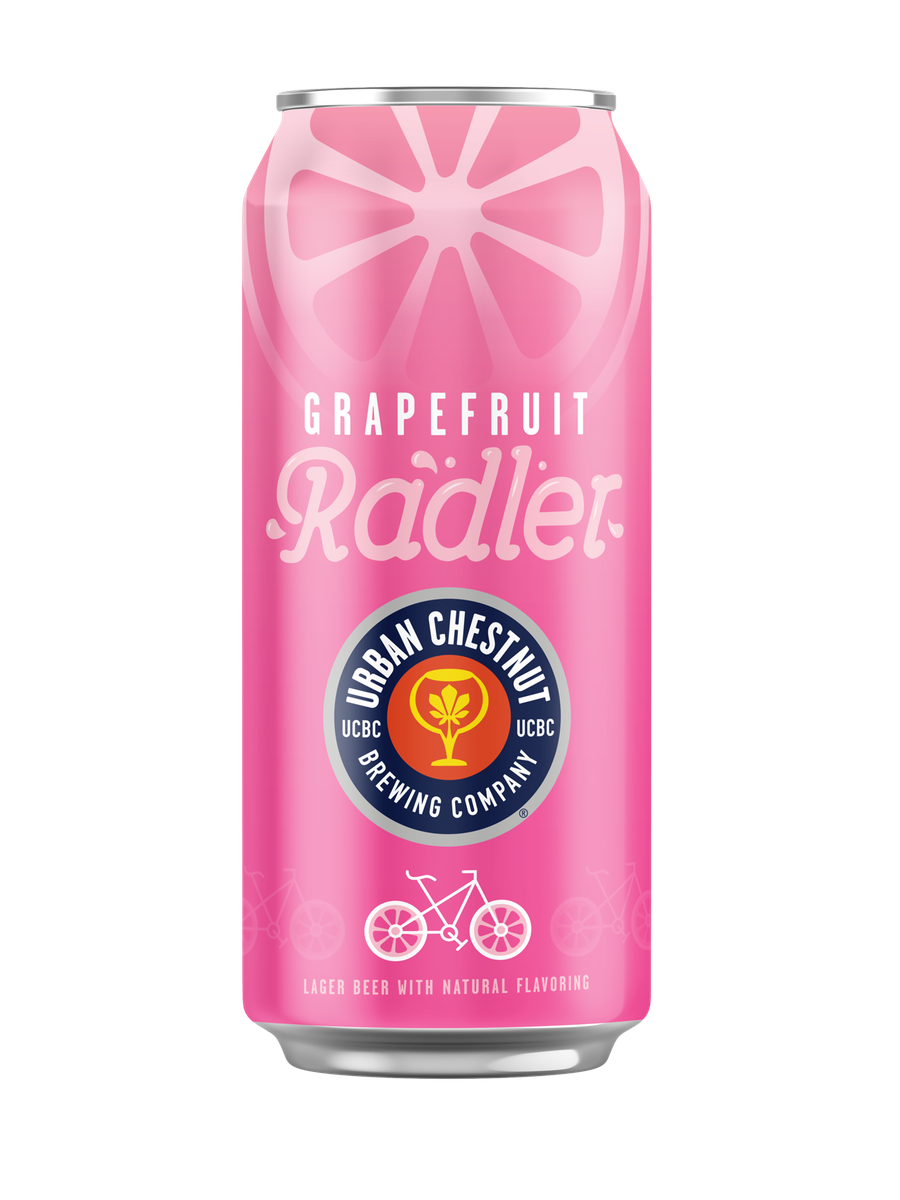
Big Shark Grapefruit Radler
Brewed by Urban Chestnut Brewing Company
Pilsner malt, classic lager yeast and grapefruit soda make a light-pink, easy-drinking radler.
BAR NOTES
Big Shark Grapefruit Radler earns this position on the strength of this profile: pilsner malt, classic lager yeast and grapefruit soda make a light-pink, easy-drinking radler. It also gives the wider summer beer roundup a concrete reference point instead of treating “citrus” as one generic flavor.
Serve it cold—about 40–45°F—and let the first sip settle before deciding whether the bitterness reads as peel or juice. Pair it with grilled shrimp; salt, fat and chile all make the citrus read brighter while keeping bitterness in proportion. Availability can be seasonal or regional, so check package dates before chasing rarity.

Tour de Biere
Brewed by Off Color Brewing
Rio Red grapefruit, lime, coriander and pink salt create tart citrus with a dry briny edge.
BAR NOTES
Tour de Biere earns this position on the strength of this profile: rio Red grapefruit, lime, coriander and pink salt create tart citrus with a dry briny edge. It also gives the wider best IPA ranking a concrete reference point instead of treating “citrus” as one generic flavor.
Serve it cold—about 40–45°F—and let the first sip settle before deciding whether the bitterness reads as peel or juice. Pair it with a salty cheeseburger; salt, fat and chile all make the citrus read brighter while keeping bitterness in proportion. Availability can be seasonal or regional, so check package dates before chasing rarity.
Grapefruit radlers and shandies
These trade IPA intensity for fizz, lower alcohol and a sweeter citrus center. Several are seasonal or regional, but together they show how broad the radler and shandy lane can be.
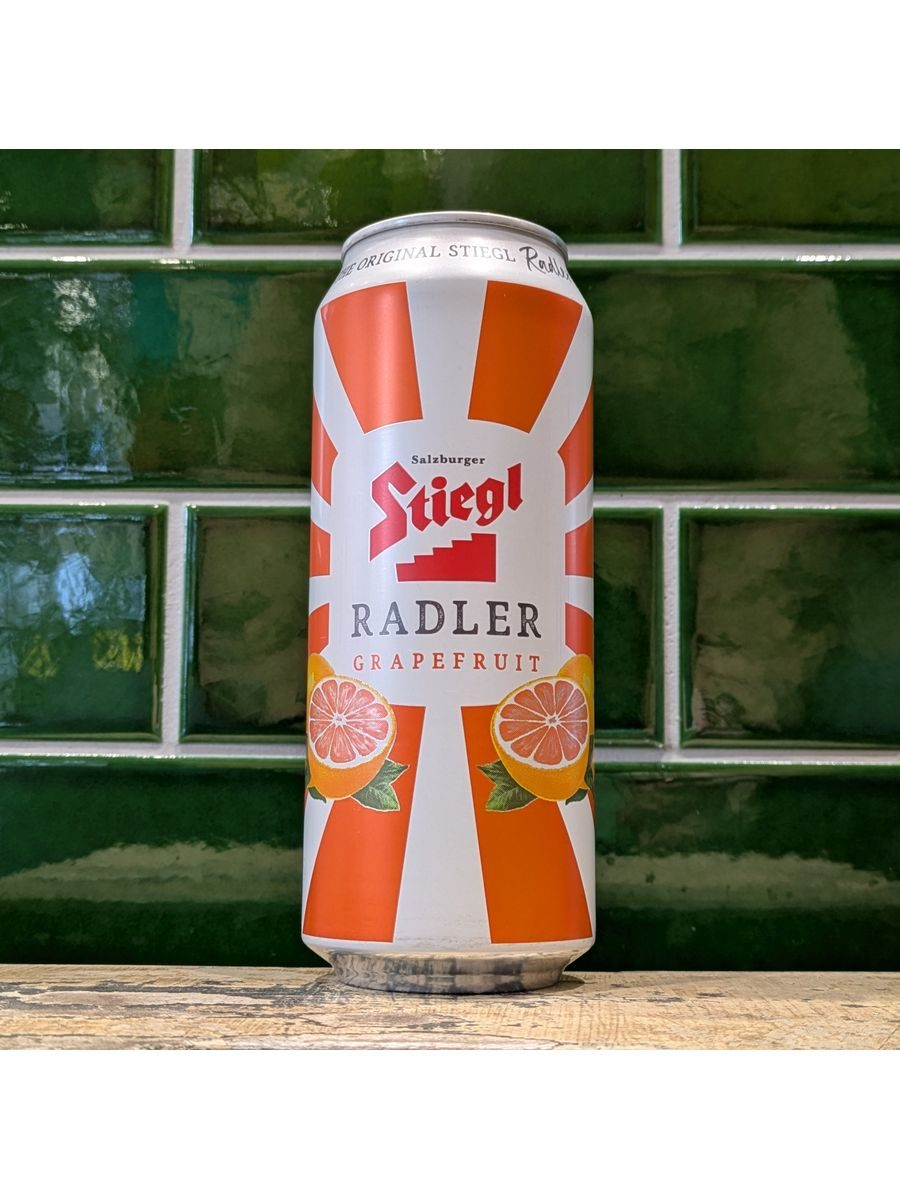
Stiegl Grapefruit Radler
Brewed by Stieglbrauerei zu Salzburg
Pink grapefruit, lemon, pale malt and brisk carbonation.
BAR NOTES
Stiegl Grapefruit Radler shows the lighter side of the category: pink grapefruit, lemon, pale malt and brisk carbonation. Compare that balance with the full radler ranking when low alcohol and refreshment matter more than hop intensity.
Serve it cold—about 40–45°F—and let the first sip settle before deciding whether the bitterness reads as peel or juice. Pair it with Thai noodles; salt, fat and chile all make the citrus read brighter while keeping bitterness in proportion. Availability can be seasonal or regional, so check package dates before chasing rarity.