50 Best Blueberry Beers: Tart Lambics, Wheat Ales & Pastry Sours
Blueberry beer can be crisp and subtle, sharply acidic, wine-like and funky, or thick enough to resemble pie filling. This ranking covers the whole field: Belgian lambic, American wild ale, wheat beer, gose, stout, milkshake IPA, pastry sour, smoothie sour, and one genuinely useful non-alcoholic option.
We ranked these 50 beers for blueberry clarity, balance, fermentation character, drinkability, and how well each recipe uses sweetness, acidity, malt, hops, oak, or spice. Availability varies—many of the highest-ranked bottles are seasonal or limited—so use the list as both a shopping guide and a map of what blueberry can do in beer.
The 50 best blueberry beers
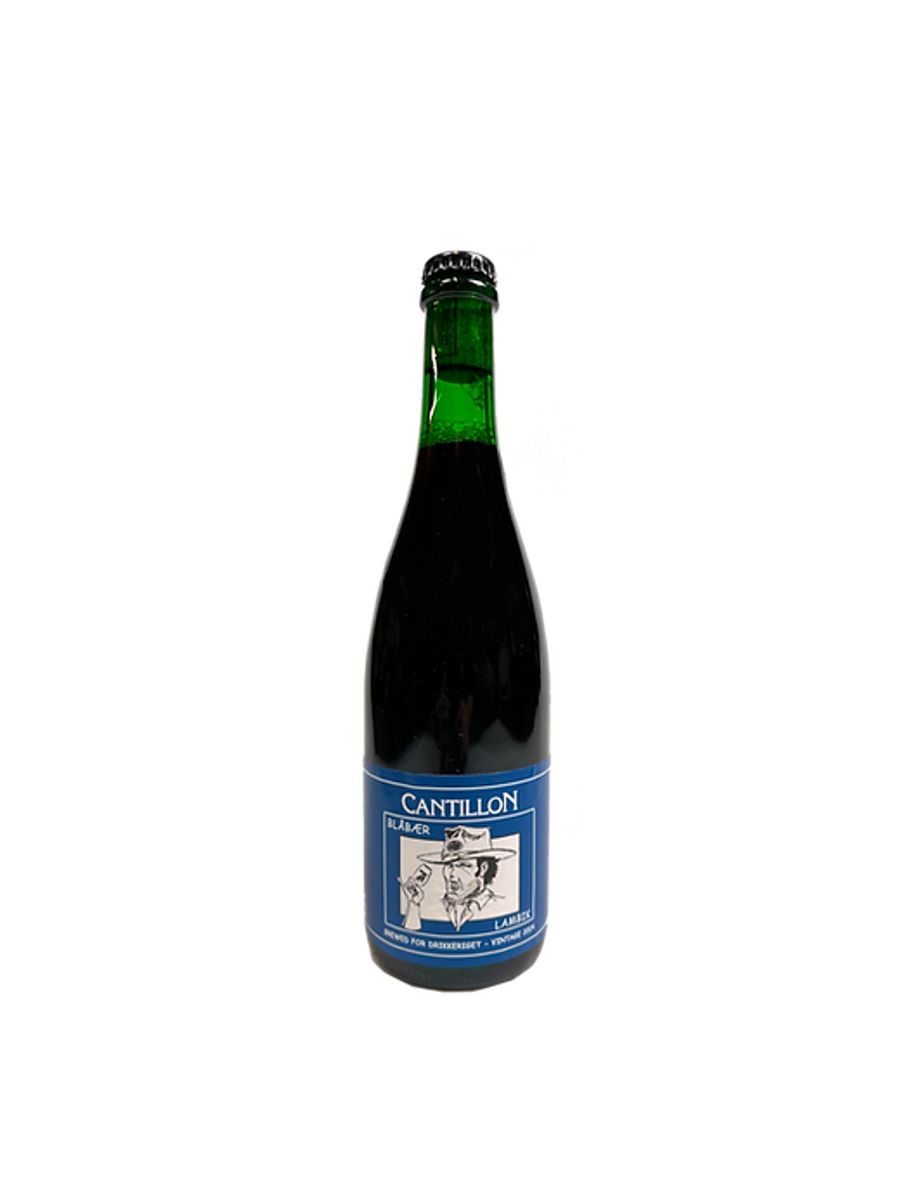
Cantillon Blåbær Lambik
Brewed by Brasserie Cantillon
Cantillon Blåbær Lambik earns this position by combining wild fermentation, oak, and fresh bilberries. The fruit stays vinous and tart instead of becoming jammy.
BAR NOTES
Cantillon Blåbær Lambik approaches blueberry through wild fermentation, oak, and fresh bilberries. The fruit stays vinous and tart instead of becoming jammy. That makes it a useful reference point for understanding how fruit, fermentation, and the underlying beer style can reinforce one another.
Serve it cool in a stemmed lambic glass, then pair it with goat cheese, duck, or a simple berry tart. Treat it like a special bottle: share it slowly and let it warm enough for the cellar character to open. This serving approach keeps the fruit expressive while giving sweetness, acidity, malt, and alcohol enough room to settle into balance.
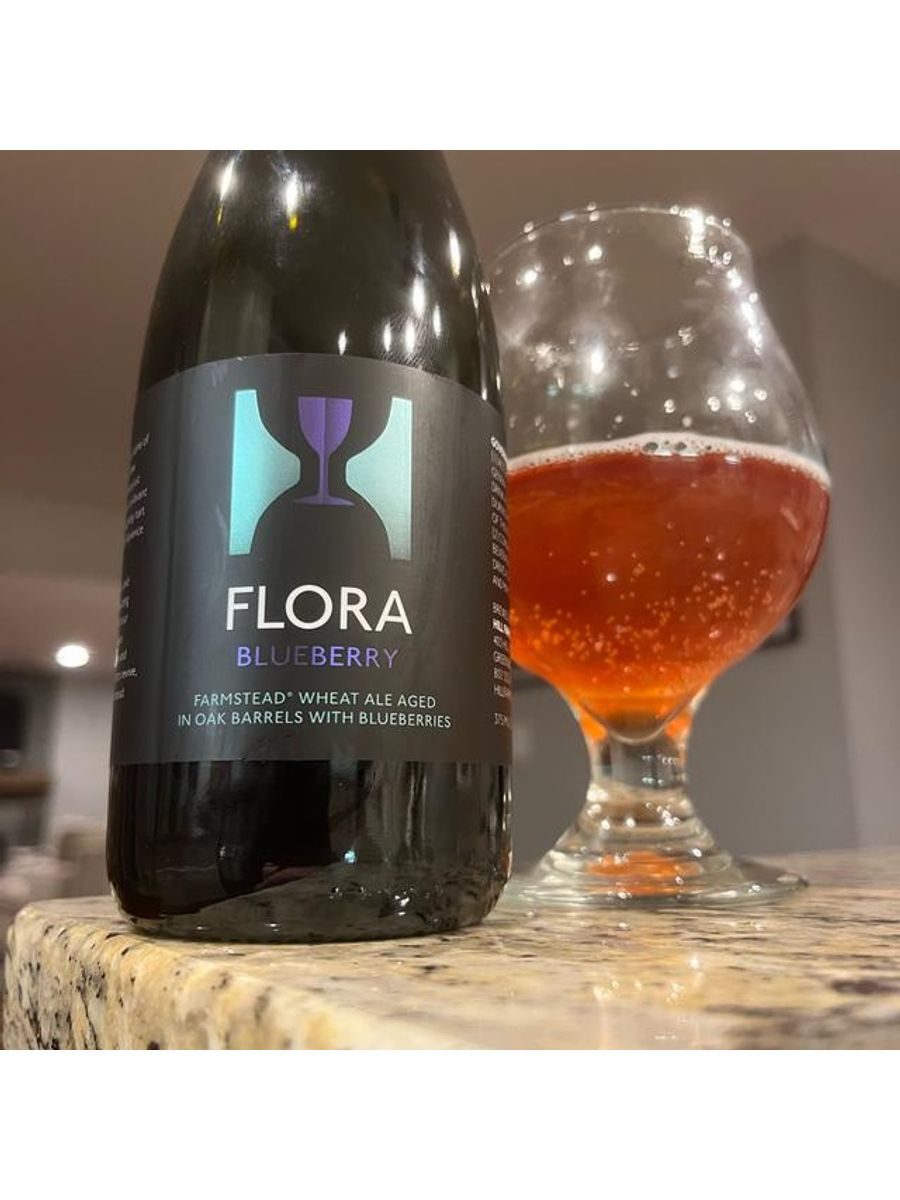
Flora Blueberry
Brewed by Hill Farmstead Brewery
Flora Blueberry earns this position by combining a delicate oak-aged wheat ale refermented with blueberries. Its restraint lets floral fermentation and real fruit share the spotlight.
BAR NOTES
Flora Blueberry approaches blueberry through a delicate oak-aged wheat ale refermented with blueberries. Its restraint lets floral fermentation and real fruit share the spotlight. That makes it a useful reference point for understanding how fruit, fermentation, and the underlying beer style can reinforce one another.
Serve it cellar-cool in a tulip, then pair it with fresh chèvre, roast chicken, or almond cake. Gentle handling preserves the fine carbonation and the nuanced berry aroma that makes this bottle exceptional. This serving approach keeps the fruit expressive while giving sweetness, acidity, malt, and alcohol enough room to settle into balance.
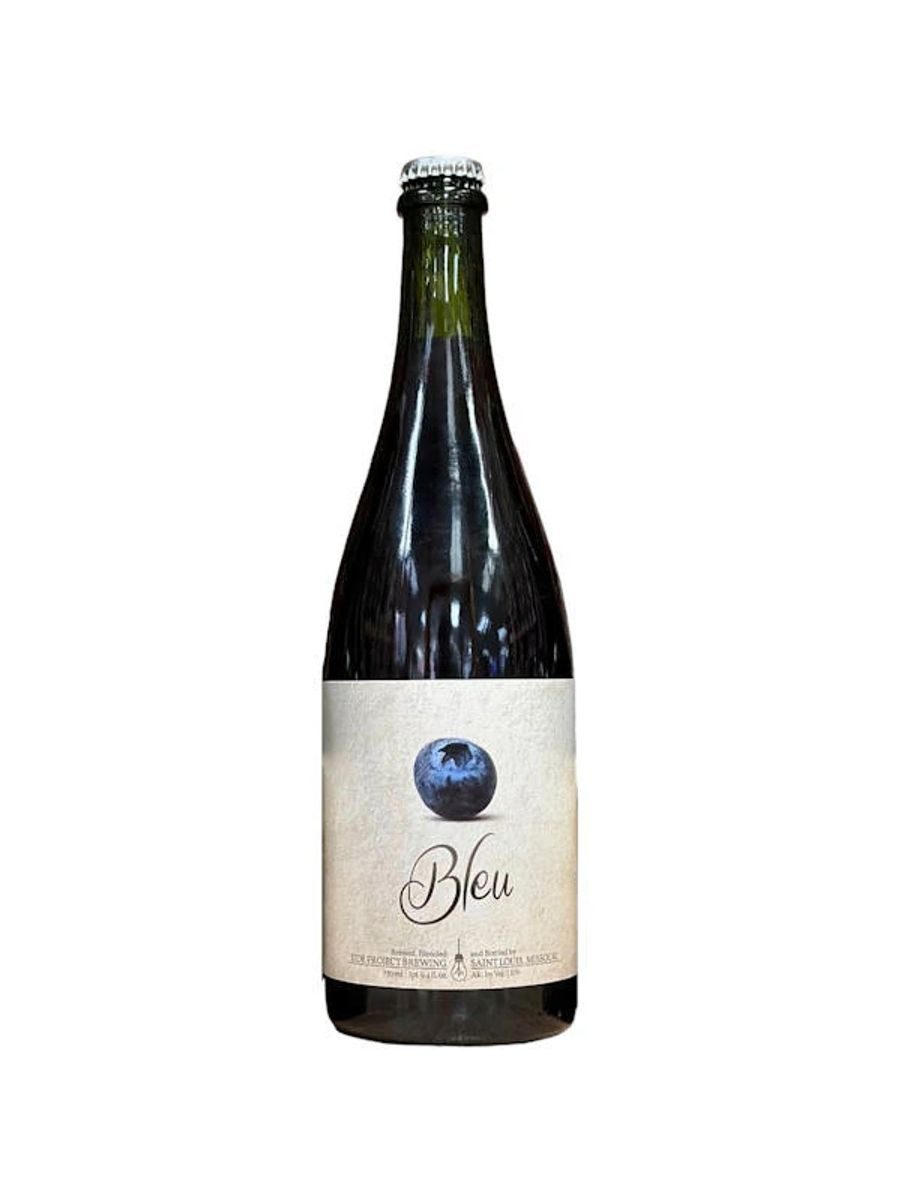
Bleu
Brewed by Side Project Brewing
Bleu earns this position by combining Missouri wild ale aged and conditioned with blueberries. Deep fruit, structured acidity, and barrel character arrive without pastry-sour sweetness.
BAR NOTES
Bleu approaches blueberry through Missouri wild ale aged and conditioned with blueberries. Deep fruit, structured acidity, and barrel character arrive without pastry-sour sweetness. That makes it a useful reference point for understanding how fruit, fermentation, and the underlying beer style can reinforce one another.
Serve it about 50°F in a wine glass, then pair it with washed-rind cheese, pork tenderloin, or dark chocolate. Pour carefully and leave sediment behind if you want the cleanest expression of its layered fermentation. This serving approach keeps the fruit expressive while giving sweetness, acidity, malt, and alcohol enough room to settle into balance.
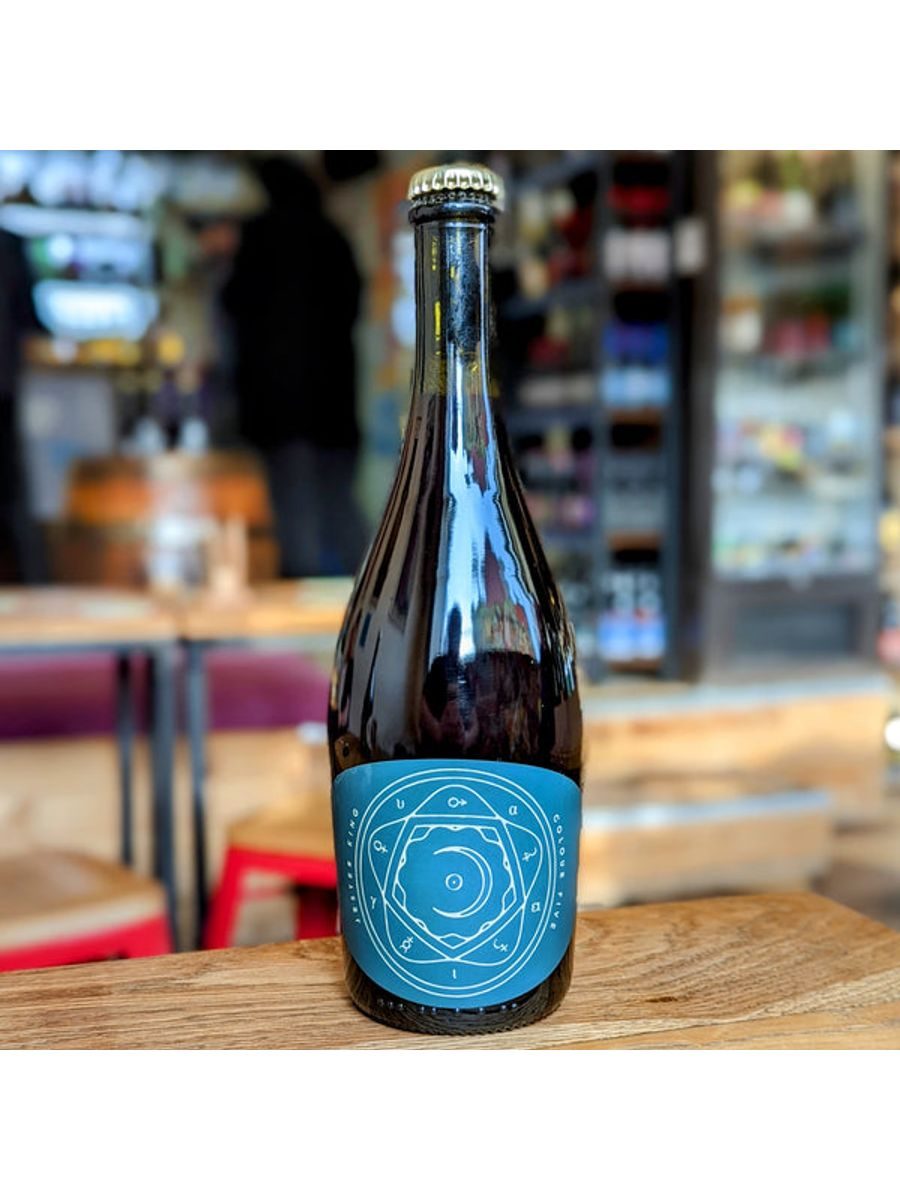
Colour Five
Brewed by Jester King Brewery
Colour Five earns this position by combining oak-aged farmhouse beer refermented with East Texas blueberries. Native fermentation turns blueberry into something earthy, herbal, and wine-like.
BAR NOTES
Colour Five approaches blueberry through oak-aged farmhouse beer refermented with East Texas blueberries. Native fermentation turns blueberry into something earthy, herbal, and wine-like. That makes it a useful reference point for understanding how fruit, fermentation, and the underlying beer style can reinforce one another.
Serve it cellar-cool in a tulip, then pair it with smoked poultry, funky cheese, or berry galette. This is a contemplative bottle, so give each pour time to evolve rather than serving it ice cold. This serving approach keeps the fruit expressive while giving sweetness, acidity, malt, and alcohol enough room to settle into balance.
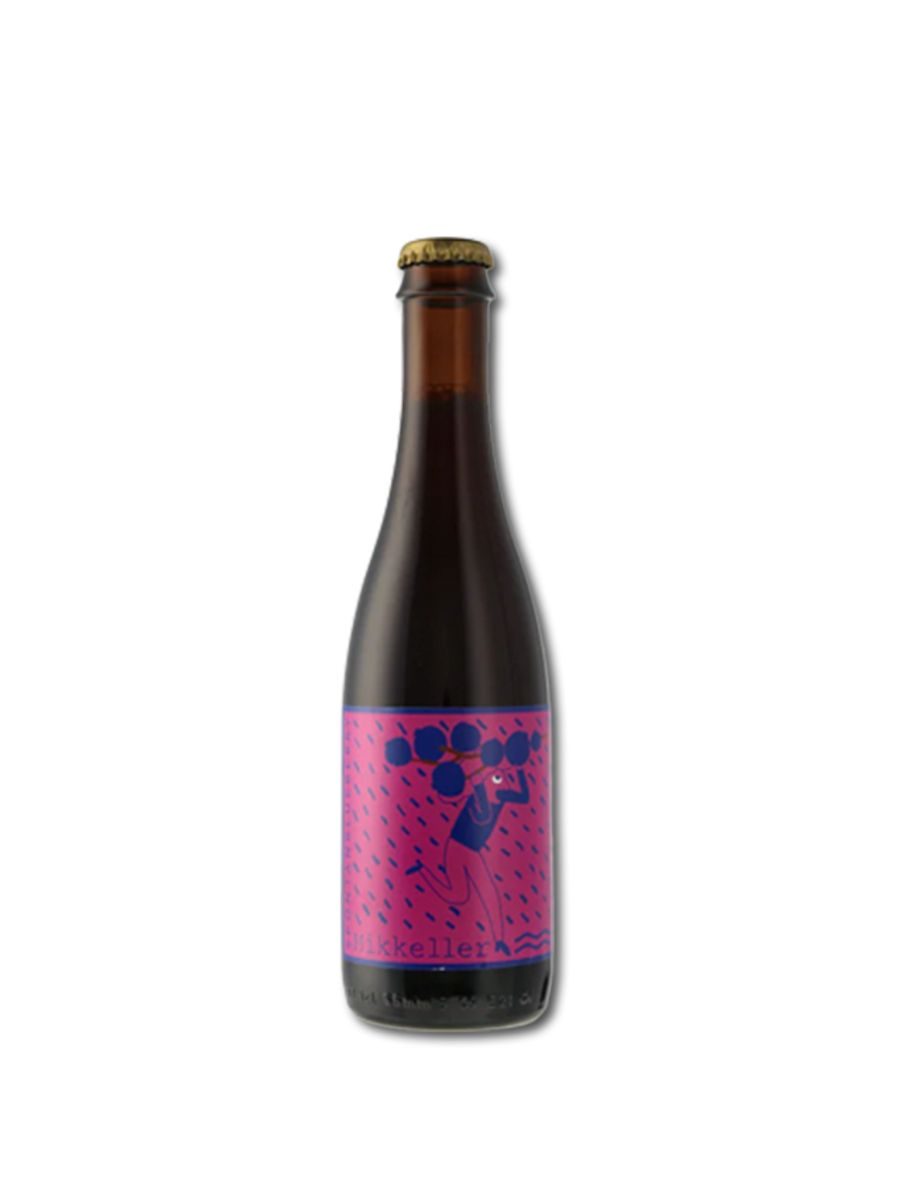
SpontanBlueberry
Brewed by Mikkeller
SpontanBlueberry earns this position by combining spontaneous fermentation, oak aging, and a heavy blueberry addition. Bright acidity frames concentrated fruit while funk keeps the finish dry.
BAR NOTES
SpontanBlueberry approaches blueberry through spontaneous fermentation, oak aging, and a heavy blueberry addition. Bright acidity frames concentrated fruit while funk keeps the finish dry. That makes it a useful reference point for understanding how fruit, fermentation, and the underlying beer style can reinforce one another.
Serve it cool in a stemmed glass, then pair it with charcuterie, blue cheese, or flourless chocolate cake. A little warmth reveals more oak and fruit, while aggressive chilling can flatten the beer’s best aromatic details. This serving approach keeps the fruit expressive while giving sweetness, acidity, malt, and alcohol enough room to settle into balance.
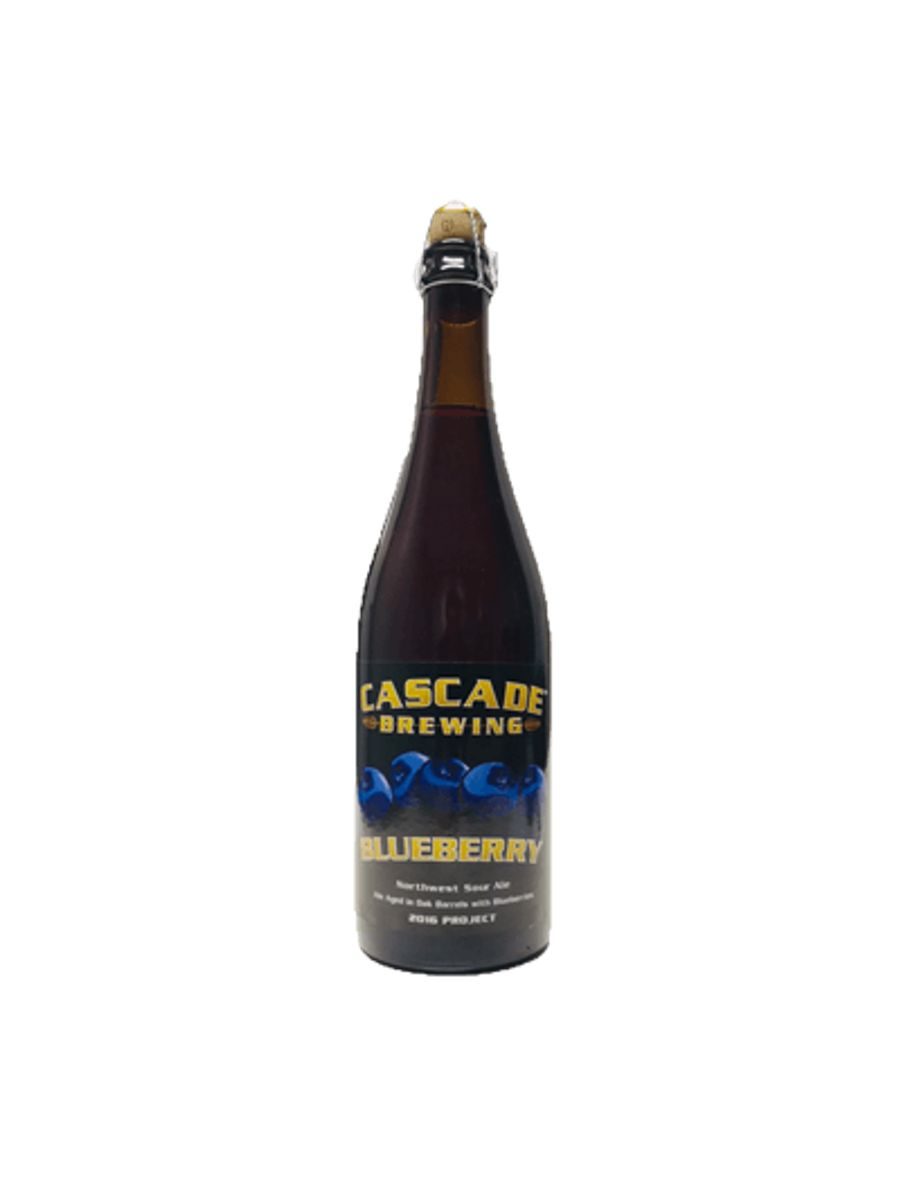
Blueberry Northwest Sour Ale
Brewed by Cascade Brewing
Blueberry Northwest Sour Ale earns this position by combining barrel-aged sour beer blended with blueberries. Its assertive acidity gives ripe blueberry a clean, vivid outline.
BAR NOTES
Blueberry Northwest Sour Ale approaches blueberry through barrel-aged sour beer blended with blueberries. Its assertive acidity gives ripe blueberry a clean, vivid outline. That makes it a useful reference point for understanding how fruit, fermentation, and the underlying beer style can reinforce one another.
Serve it around 45–50°F in a tulip, then pair it with roast duck, creamy cheese, or lemon tart. Split the bottle with friends; its acidity is exciting, but the complexity shows better across a smaller measured pour. This serving approach keeps the fruit expressive while giving sweetness, acidity, malt, and alcohol enough room to settle into balance.
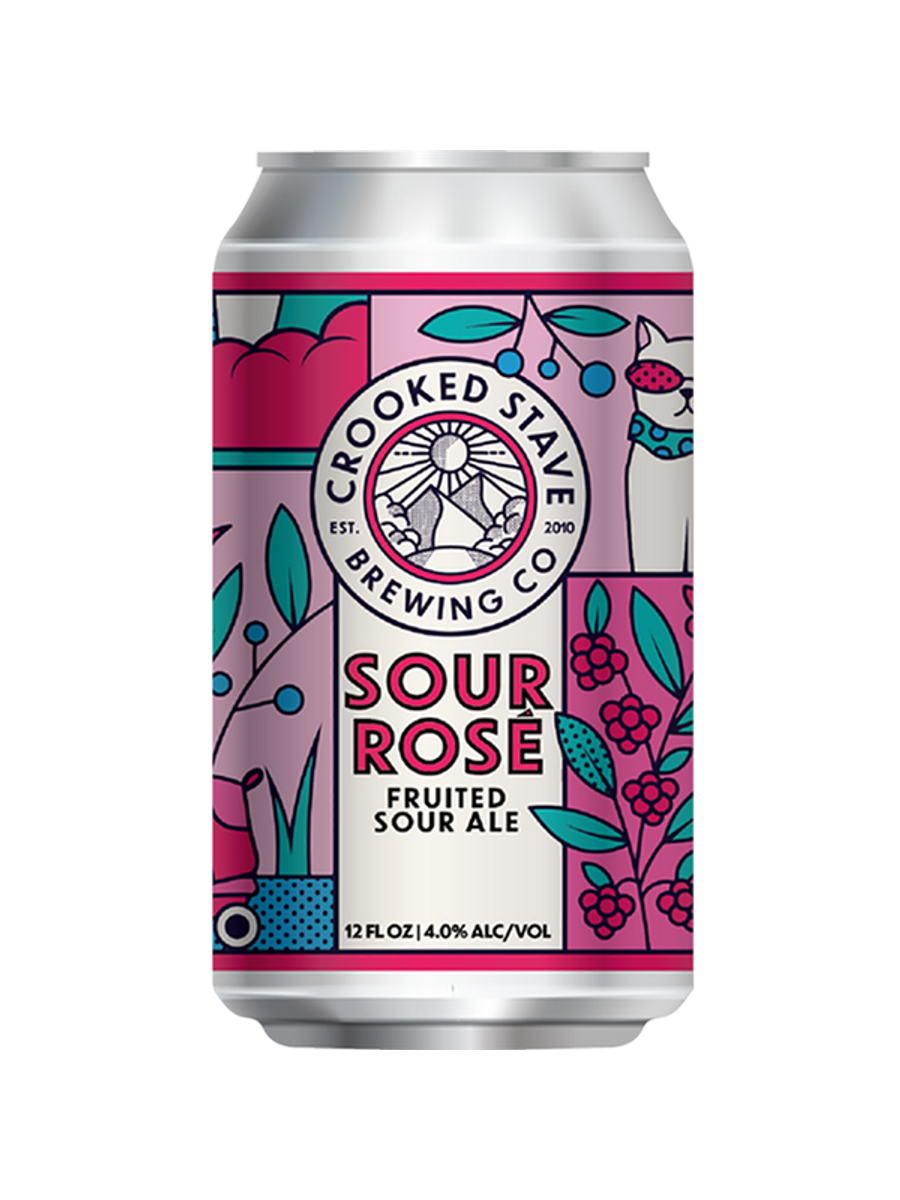
Sour Rosé
Brewed by Crooked Stave Artisan Beer Project
Sour Rosé earns this position by combining foeder-aged sour ale with raspberry and blueberry. The mixed berries read bright and rosé-like rather than thick or sugary.
BAR NOTES
Sour Rosé approaches blueberry through foeder-aged sour ale with raspberry and blueberry. The mixed berries read bright and rosé-like rather than thick or sugary. That makes it a useful reference point for understanding how fruit, fermentation, and the underlying beer style can reinforce one another.
Serve it well chilled in a stemmed glass, then pair it with salads, soft cheese, or grilled salmon. Its lower strength and crisp finish make this one of the easiest wild-ale entries in the ranking. This serving approach keeps the fruit expressive while giving sweetness, acidity, malt, and alcohol enough room to settle into balance.
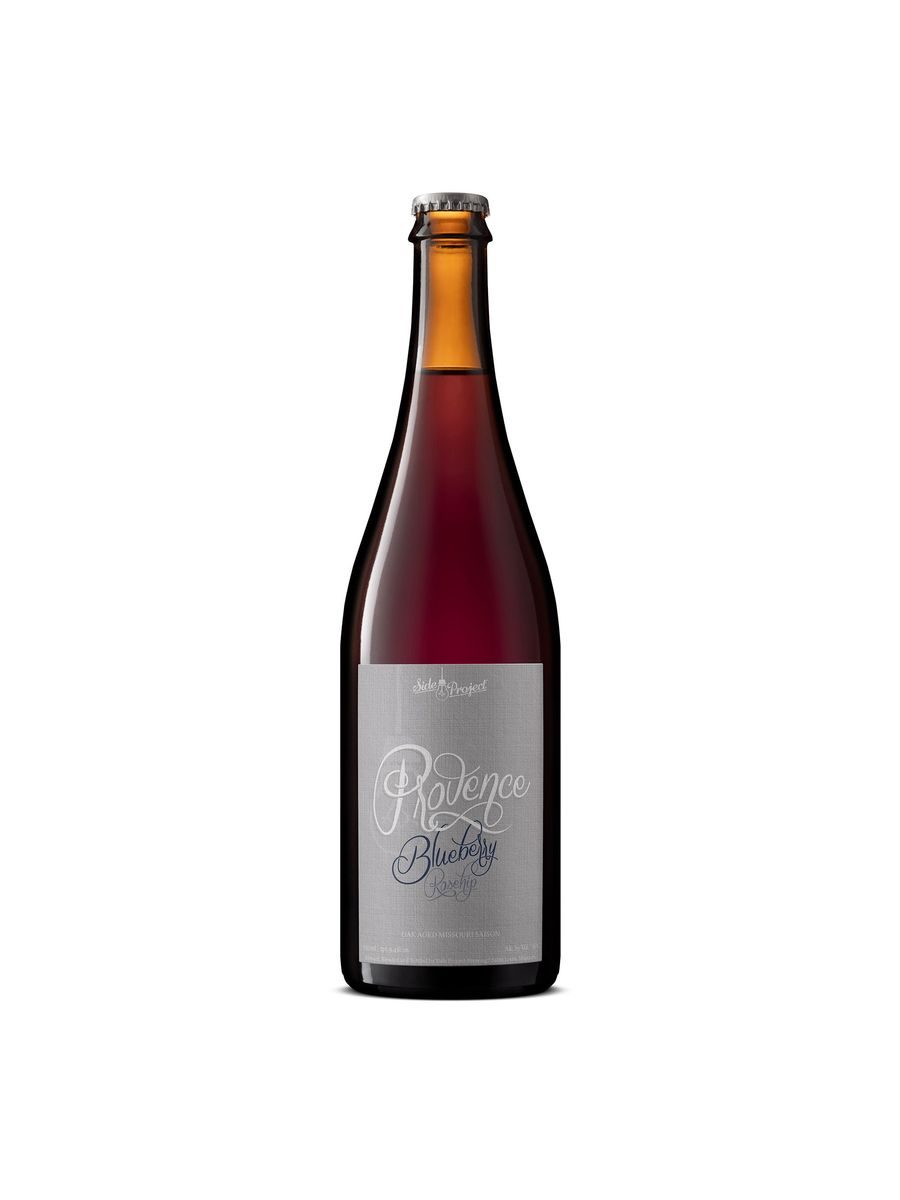
Provence Blueberry Rosehip
Brewed by Side Project Brewing
Provence Blueberry Rosehip earns this position by combining oak-aged saison with blueberry and rosehip. Floral lift and tannic fruit keep the blueberry precise and dry.
BAR NOTES
Provence Blueberry Rosehip approaches blueberry through oak-aged saison with blueberry and rosehip. Floral lift and tannic fruit keep the blueberry precise and dry. That makes it a useful reference point for understanding how fruit, fermentation, and the underlying beer style can reinforce one another.
Serve it cellar-cool in a tulip, then pair it with herbed chicken, chèvre, or rustic fruit pastry. The rosehip adds structure rather than perfume, making this a smart pick for drinkers who dislike sweet fruit beer. This serving approach keeps the fruit expressive while giving sweetness, acidity, malt, and alcohol enough room to settle into balance.
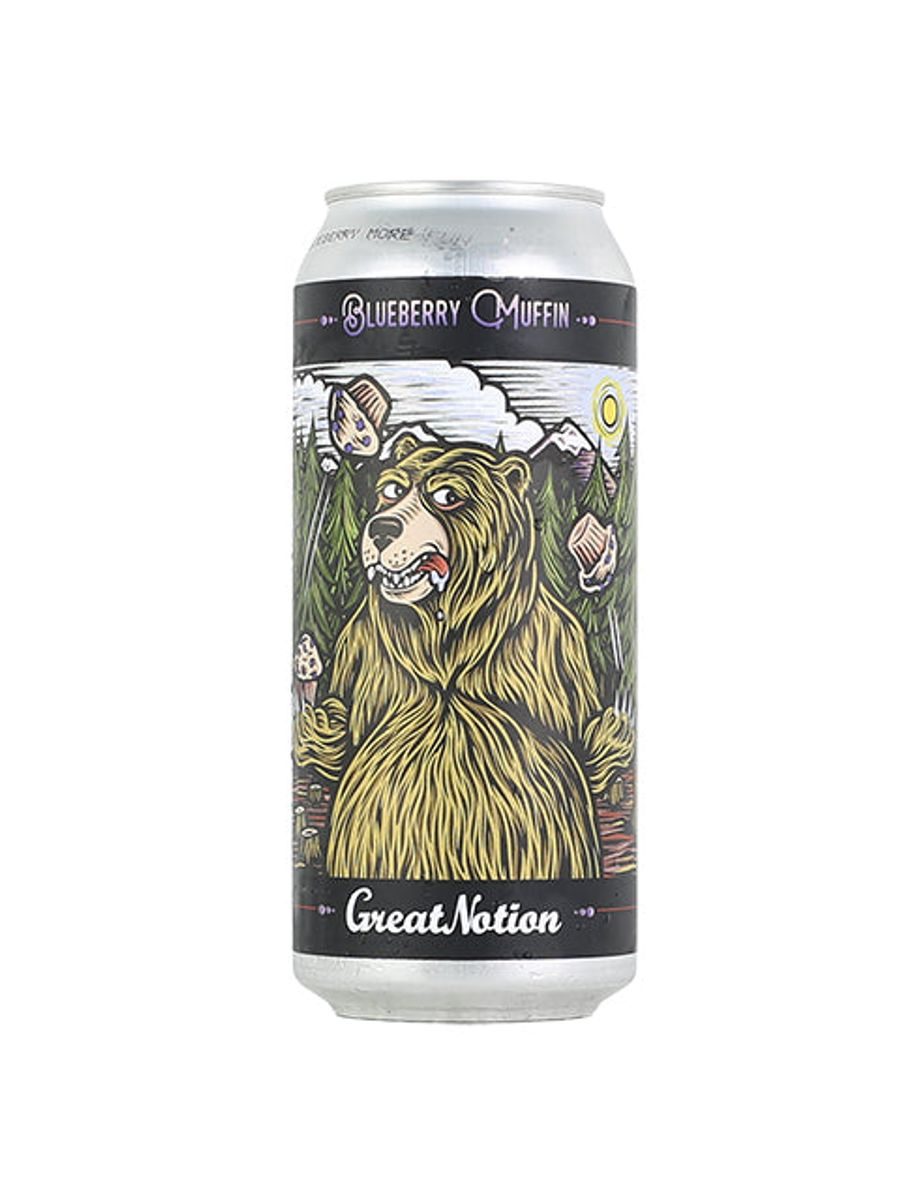
Blueberry Muffin
Brewed by Great Notion Brewing
Blueberry Muffin earns this position by combining tart blueberry layered with a convincing baked-muffin impression. It helped define the modern dessert-sour category without hiding the fruit.
BAR NOTES
Blueberry Muffin approaches blueberry through tart blueberry layered with a convincing baked-muffin impression. It helped define the modern dessert-sour category without hiding the fruit. That makes it a useful reference point for understanding how fruit, fermentation, and the underlying beer style can reinforce one another.
Serve it cold in a small tulip, then pair it with brunch pastries, vanilla ice cream, or salty fries. Freshness matters because the playful bakery aroma is the point; check package dates and keep the can cold. This serving approach keeps the fruit expressive while giving sweetness, acidity, malt, and alcohol enough room to settle into balance.
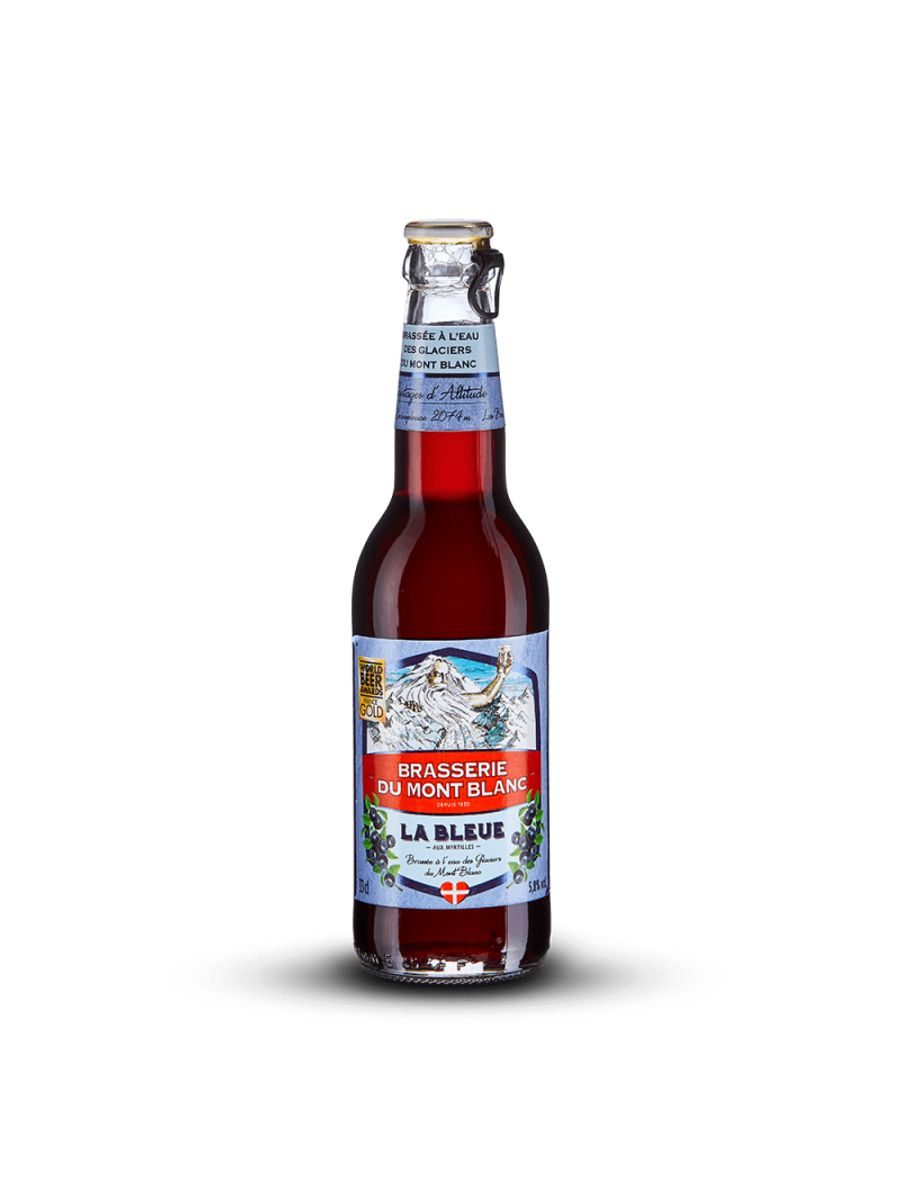
La Bleue
Brewed by Brasserie du Mont Blanc
La Bleue earns this position by combining a smooth wheat-beer base colored and flavored by blueberries. Soft grain and gentle sweetness make the fruit approachable without demanding sour-beer tolerance.
BAR NOTES
La Bleue approaches blueberry through a smooth wheat-beer base colored and flavored by blueberries. Soft grain and gentle sweetness make the fruit approachable without demanding sour-beer tolerance. That makes it a useful reference point for understanding how fruit, fermentation, and the underlying beer style can reinforce one another.
Serve it cold in a tall wheat glass, then pair it with crêpes, mild cheese, or roast pork. A slow pour builds the head and releases berry aroma; swirl the final ounce if you enjoy the full yeast character. This serving approach keeps the fruit expressive while giving sweetness, acidity, malt, and alcohol enough room to settle into balance.
Demi-Tone
Brewed by Jester King Brewery
Demi-Tone earns this position by combining naturally conditioned farmhouse beer refermented with Texas blueberries. It delivers Jester King fermentation character in a lighter, more direct package.
BAR NOTES
Demi-Tone approaches blueberry through naturally conditioned farmhouse beer refermented with Texas blueberries. It delivers Jester King fermentation character in a lighter, more direct package. That makes it a useful reference point for understanding how fruit, fermentation, and the underlying beer style can reinforce one another.
Serve it cellar-cool in a tulip, then pair it with grilled chicken, goat cheese, or berry salad. Expect dryness and fermentation complexity rather than blueberry candy, and avoid serving it refrigerator-cold. This serving approach keeps the fruit expressive while giving sweetness, acidity, malt, and alcohol enough room to settle into balance.
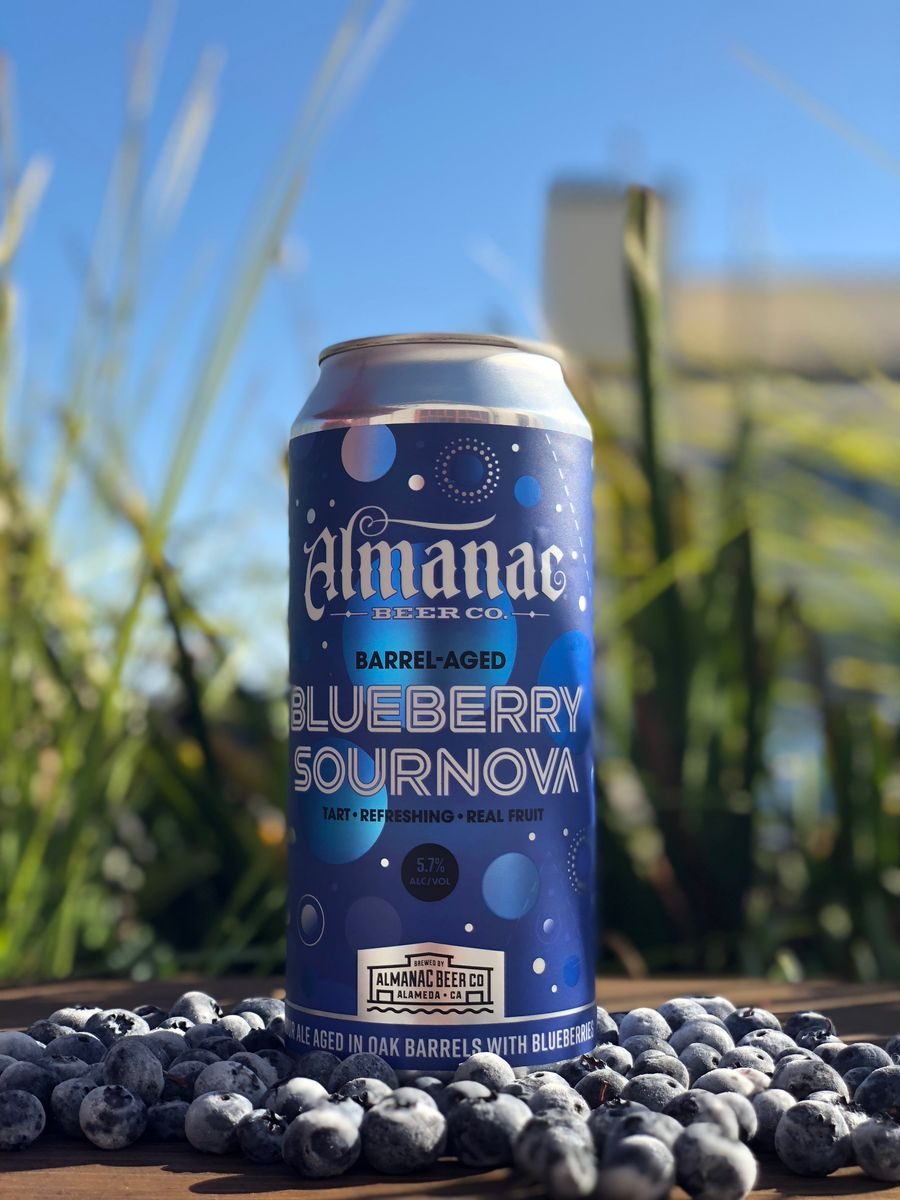
Blueberry Sournova
Brewed by Almanac Beer Co.
Blueberry Sournova earns this position by combining oak-aged sour ale finished with real blueberries. The berry feels lush at first, then acidity and oak pull the finish back into balance.
BAR NOTES
Blueberry Sournova approaches blueberry through oak-aged sour ale finished with real blueberries. The berry feels lush at first, then acidity and oak pull the finish back into balance. That makes it a useful reference point for understanding how fruit, fermentation, and the underlying beer style can reinforce one another.
Serve it cool in a stemmed glass, then pair it with brie, roast pork, or cheesecake. This can rewards a gentle roll before opening only if the brewery recommends it; otherwise let sediment settle upright. This serving approach keeps the fruit expressive while giving sweetness, acidity, malt, and alcohol enough room to settle into balance.
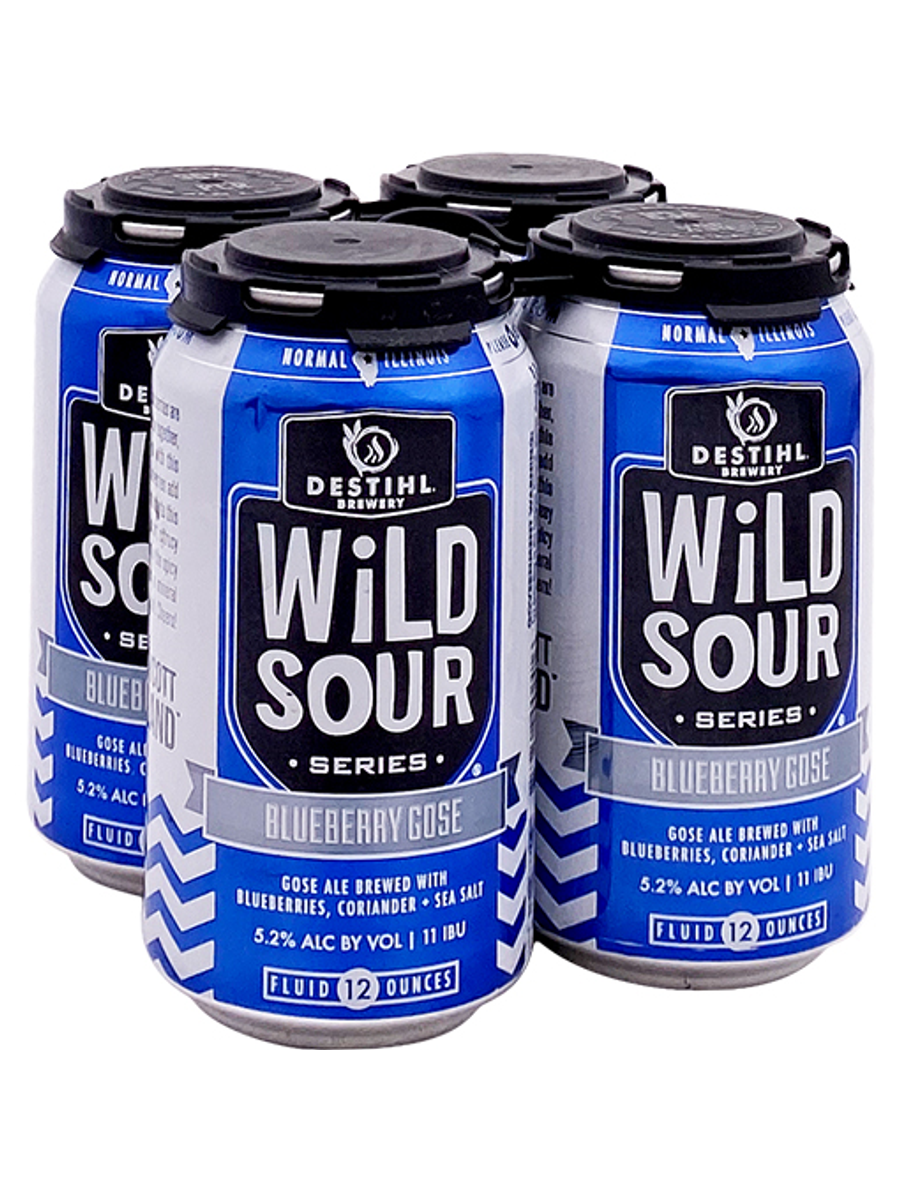
Blueberry Gose
Brewed by DESTIHL Brewery
Blueberry Gose earns this position by combining tart blueberry over a lightly salty wheat base. The gose structure sharpens the fruit and keeps each sip brisk.
BAR NOTES
Blueberry Gose approaches blueberry through tart blueberry over a lightly salty wheat base. The gose structure sharpens the fruit and keeps each sip brisk. That makes it a useful reference point for understanding how fruit, fermentation, and the underlying beer style can reinforce one another.
Serve it cold in a stemless glass, then pair it with fish tacos, feta, or summer salads. The salt is seasoning, not the main event, making this a useful bridge between wheat beer and sharper fruit sour. This serving approach keeps the fruit expressive while giving sweetness, acidity, malt, and alcohol enough room to settle into balance.
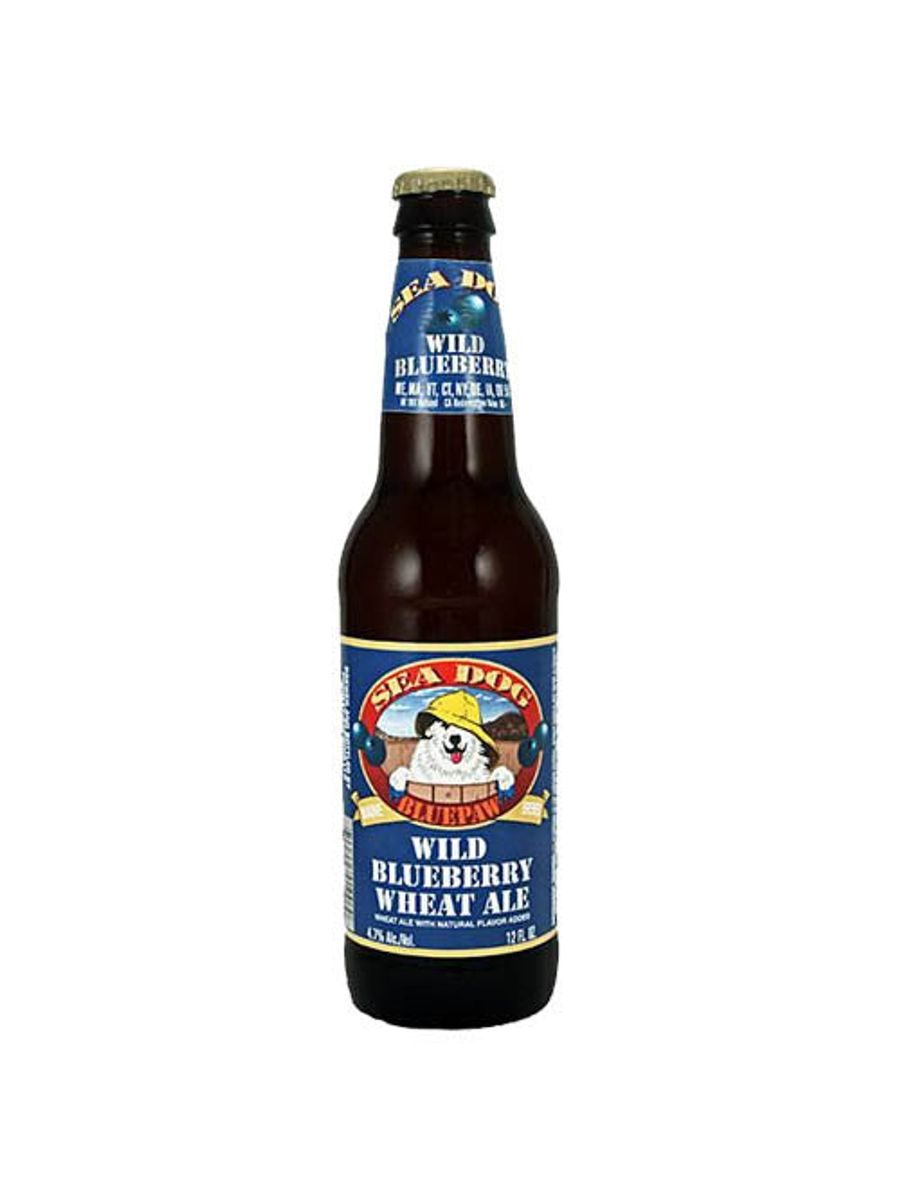
Wild Blueberry Wheat Ale
Brewed by Sea Dog Brewing Co.
Wild Blueberry Wheat Ale earns this position by combining an easy wheat ale carrying unmistakable Maine-blueberry aroma. Its simple malt base lets the fruit stay friendly and recognizable.
BAR NOTES
Wild Blueberry Wheat Ale approaches blueberry through an easy wheat ale carrying unmistakable Maine-blueberry aroma. Its simple malt base lets the fruit stay friendly and recognizable. That makes it a useful reference point for understanding how fruit, fermentation, and the underlying beer style can reinforce one another.
Serve it cold in a wheat glass, then pair it with pancakes, grilled chicken, or mild cheddar. This is best fresh and uncomplicated; use a clean glass and skip an added fruit garnish that can overwhelm the beer. This serving approach keeps the fruit expressive while giving sweetness, acidity, malt, and alcohol enough room to settle into balance.
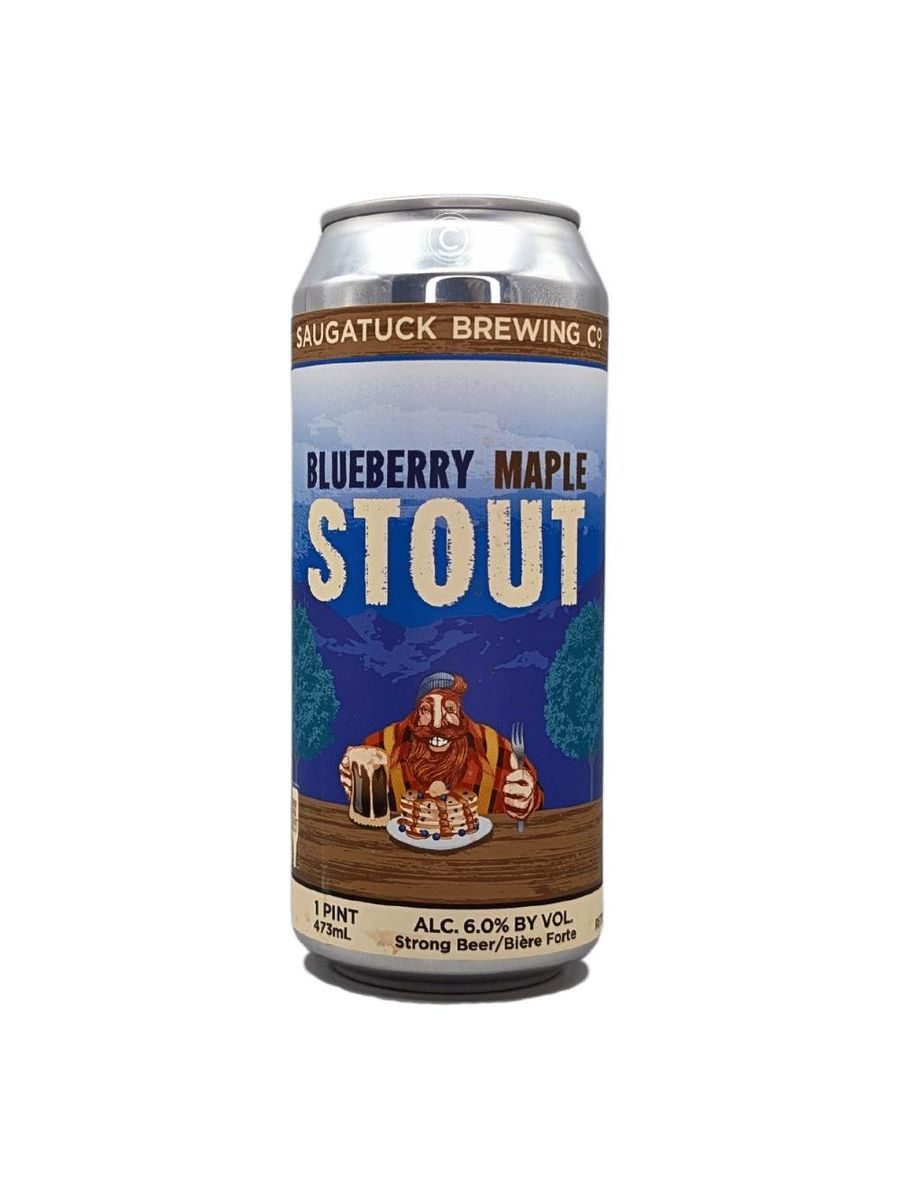
Blueberry Maple Stout
Brewed by Saugatuck Brewing Co.
Blueberry Maple Stout earns this position by combining ro