50 Best Sweet Beers to Drink in 2026
Sweet beer works when sugar is part of the structure—not a substitute for it. The best examples use lactose, fruit, honey, caramelized malt, chocolate, vanilla, maple, or barrel character while keeping enough roast, acidity, spice, carbonation, or alcohol to avoid tasting flat.
This Top 50 covers the whole spectrum: approachable fruit beer, creamy milk stout, full pastry stout, honey ale, apple-pie beer, and slow-sipping barleywine. Ordinary low-bitterness beer does not make the list just because somebody called it “smooth.”
50 Best Sweet Beers to Drink in 2026
Start with balanced chocolate, apple, and cream-forward favorites, then move into bakery flavors, fruit, honey, and concentrated after-dinner pours.
The sweetest all-around picks
The opening ten balance obvious sweetness with enough roast, fruit, spice, acidity, or alcohol to keep the glass interesting.
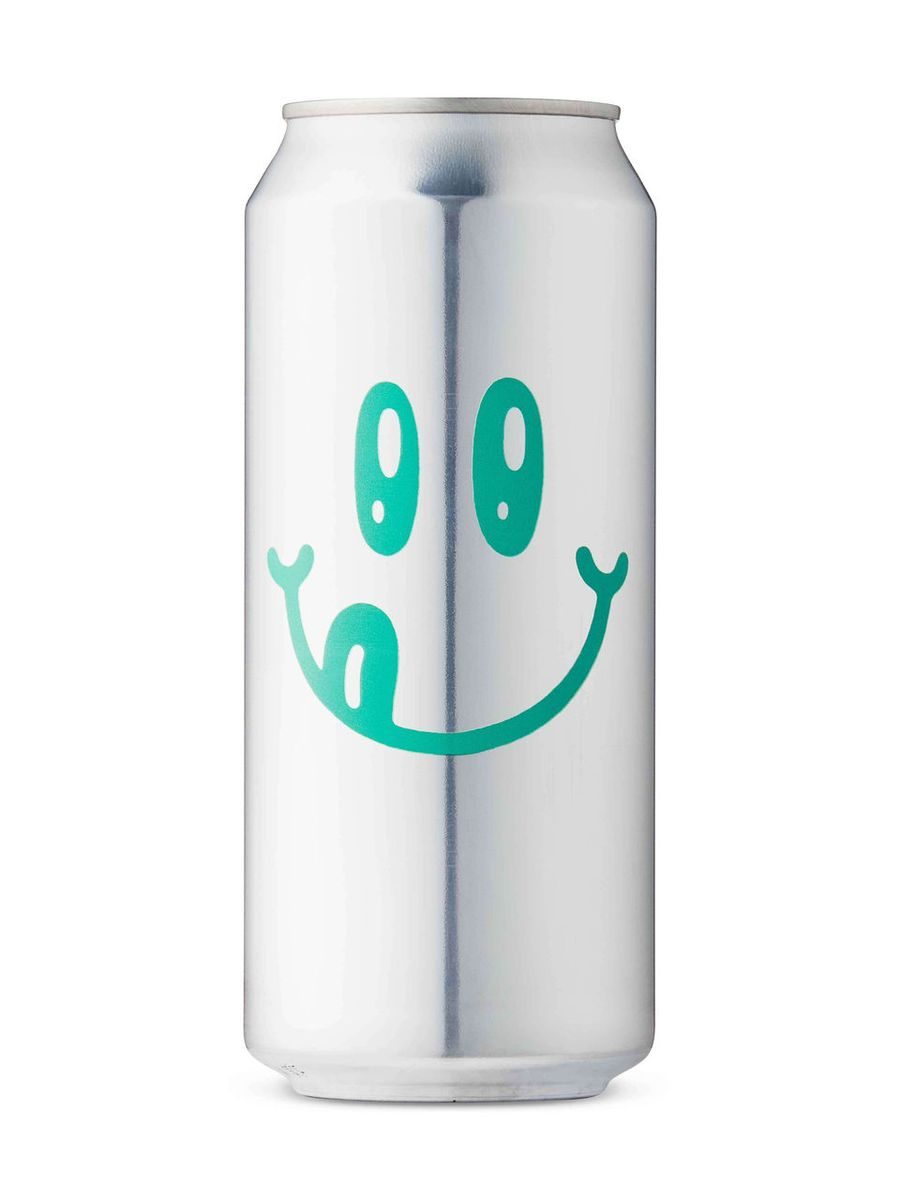
Noa Pecan Mud Cake
Brewed by Omnipollo
Dense chocolate, toasted pecan, vanilla, and cake-batter richness with roast underneath.
BAR NOTES
Why it earns a place: Noa Pecan Mud Cake brings Dense chocolate, toasted pecan, vanilla, and cake-batter richness with roast underneath. The imperial pastry stout base gives that sweetness a recognizable beer structure instead of letting the added flavors drift into syrup.
How to drink it: Serve at 10–13°C in a snifter or tulip; warmth opens the pastry, spice, barrel, and dark-malt layers. Pair it with brownies, vanilla ice cream, or sharp blue cheese; salt, roast, tang, or savory richness gives the beer a useful counterweight.
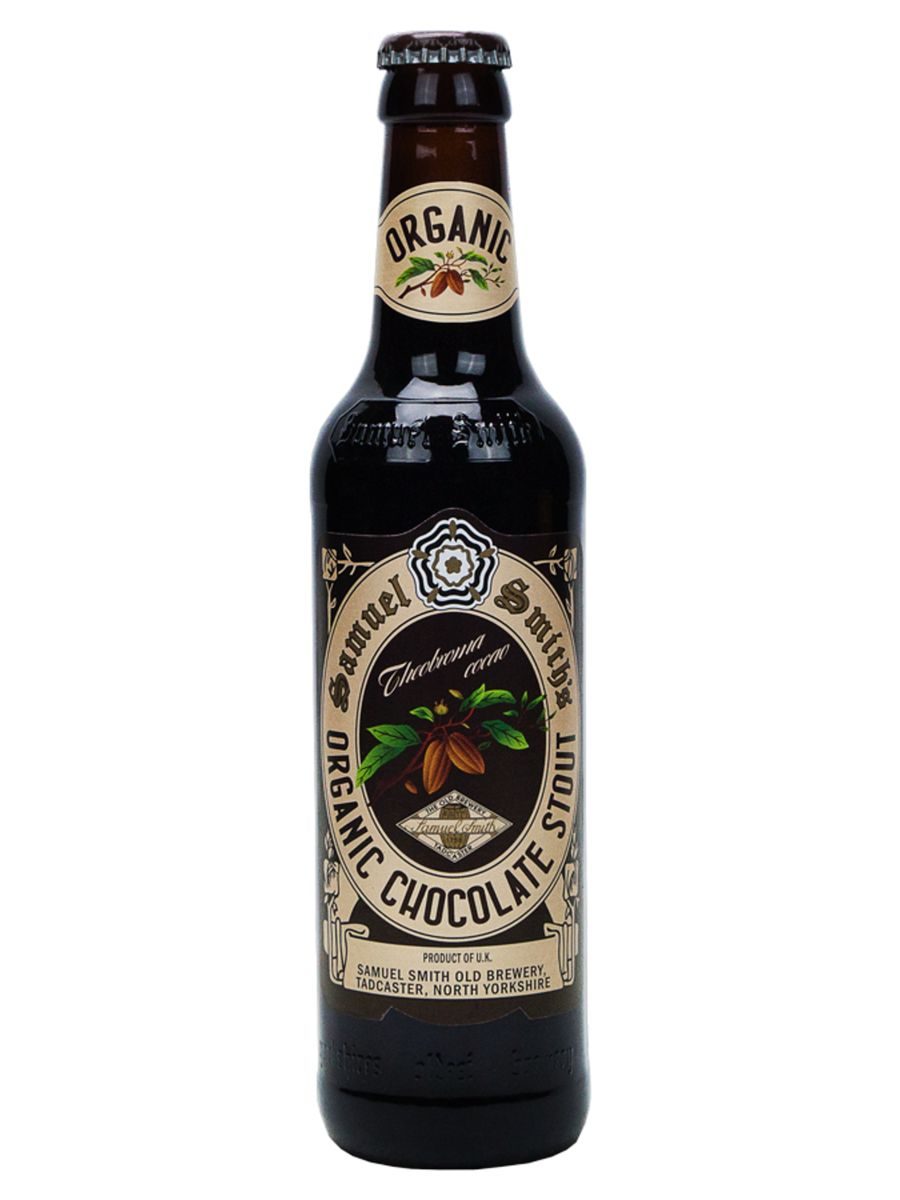
Samuel Smith Organic Chocolate Stout
Brewed by Samuel Smith's Old Brewery
organic cocoa extract over a silky English stout.
BAR NOTES
Why it earns a place: Samuel Smith Organic Chocolate Stout brings organic cocoa extract over a silky English stout. The chocolate stout base gives that sweetness a recognizable beer structure instead of letting the added flavors drift into syrup.
How to drink it: Serve at 9–12°C in a tulip or stout glass so cocoa aroma and roasted malt stay distinct. Pair it with chocolate cake, aged cheddar, or smoked nuts; salt, roast, tang, or savory richness gives the beer a useful counterweight.
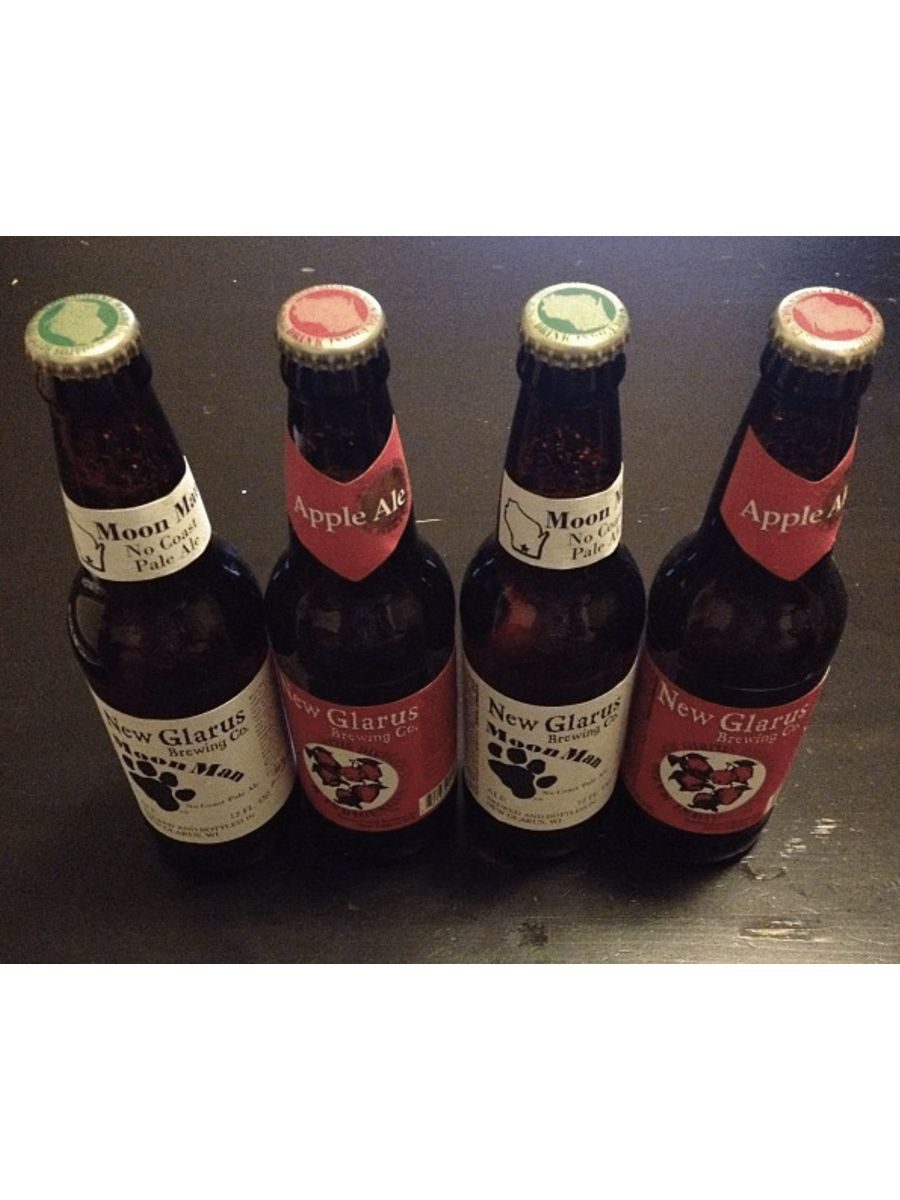
New Glarus Apple Ale
Brewed by New Glarus Brewing
baked apple, fresh cider, soft malt, and balancing tartness
BAR NOTES
Why it earns a place: New Glarus Apple Ale brings baked apple, fresh cider, soft malt, and balancing tartness. The fruit ale base gives that sweetness a recognizable beer structure instead of letting the added flavors drift into syrup.
How to drink it: Serve at 5–8°C in a stemmed glass; a cool pour keeps the fruit lively without flattening the malt. Pair it with apple tart, pork chops, or mature cheddar; salt, roast, tang, or savory richness gives the beer a useful counterweight.
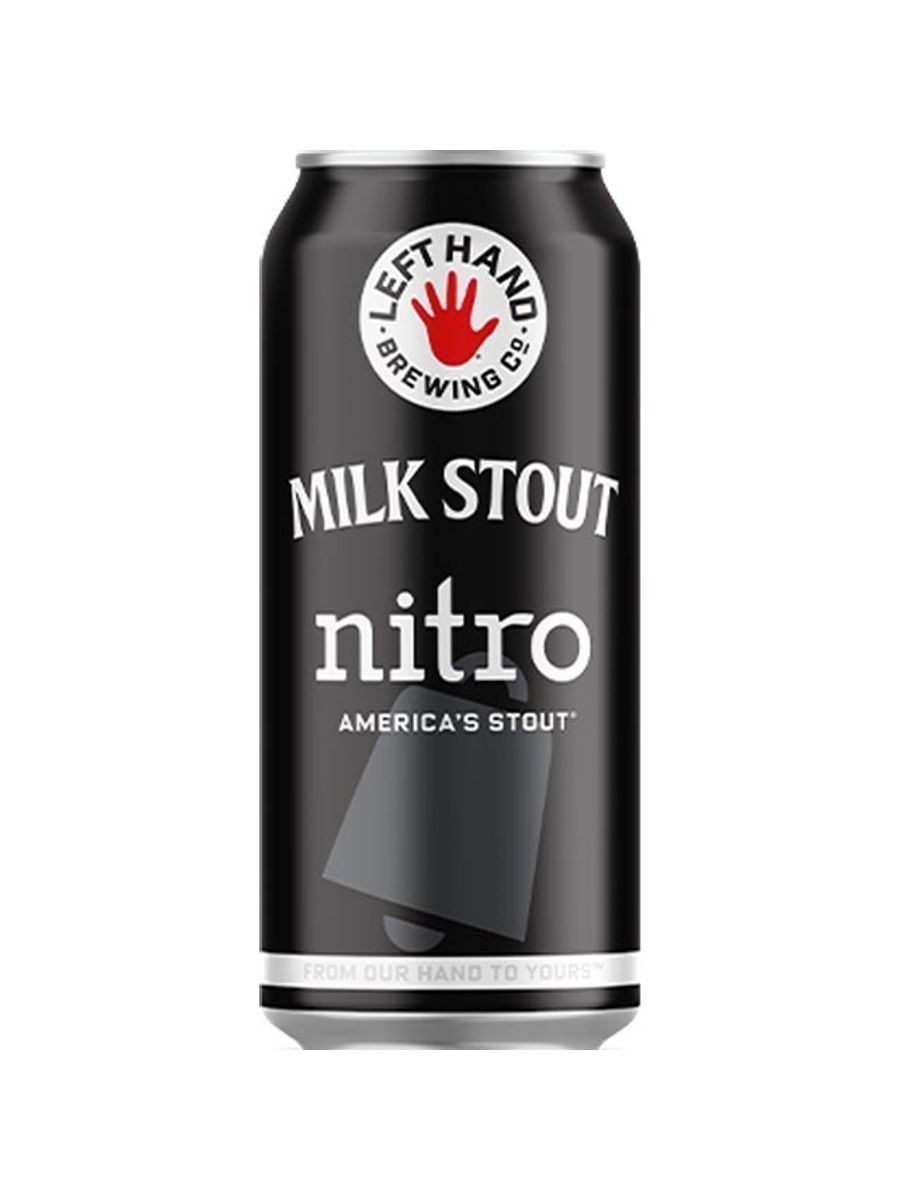
Milk Stout Nitro
Brewed by Left Hand Brewing Company
Roasted coffee, milk chocolate, brown sugar, and vanilla cream under a dense nitro head.
BAR NOTES
Why it earns a place: Milk Stout Nitro brings Roasted coffee, milk chocolate, brown sugar, and vanilla cream under a dense nitro head. The nitro milk stout base gives that sweetness a recognizable beer structure instead of letting the added flavors drift into syrup.
How to drink it: Serve at 8–11°C in a stout glass; too-cold service hides the chocolate, coffee, and creamy body. Pair it with cookies, tiramisu, or salty pretzels; salt, roast, tang, or savory richness gives the beer a useful counterweight.

KBS Maple Mackinac Fudge
Brewed by Founders Brewing Co.
Fudge-flavored coffee and maple push bourbon-aged KBS toward a regional dessert.
BAR NOTES
Why it earns a place: KBS Maple Mackinac Fudge brings Fudge-flavored coffee and maple push bourbon-aged KBS toward a regional dessert. The barrel-aged pastry stout base gives that sweetness a recognizable beer structure instead of letting the added flavors drift into syrup.
How to drink it: Serve at 10–13°C in a snifter or tulip; warmth opens the pastry, spice, barrel, and dark-malt layers. Pair it with brownies, vanilla ice cream, or sharp blue cheese; salt, roast, tang, or savory richness gives the beer a useful counterweight.
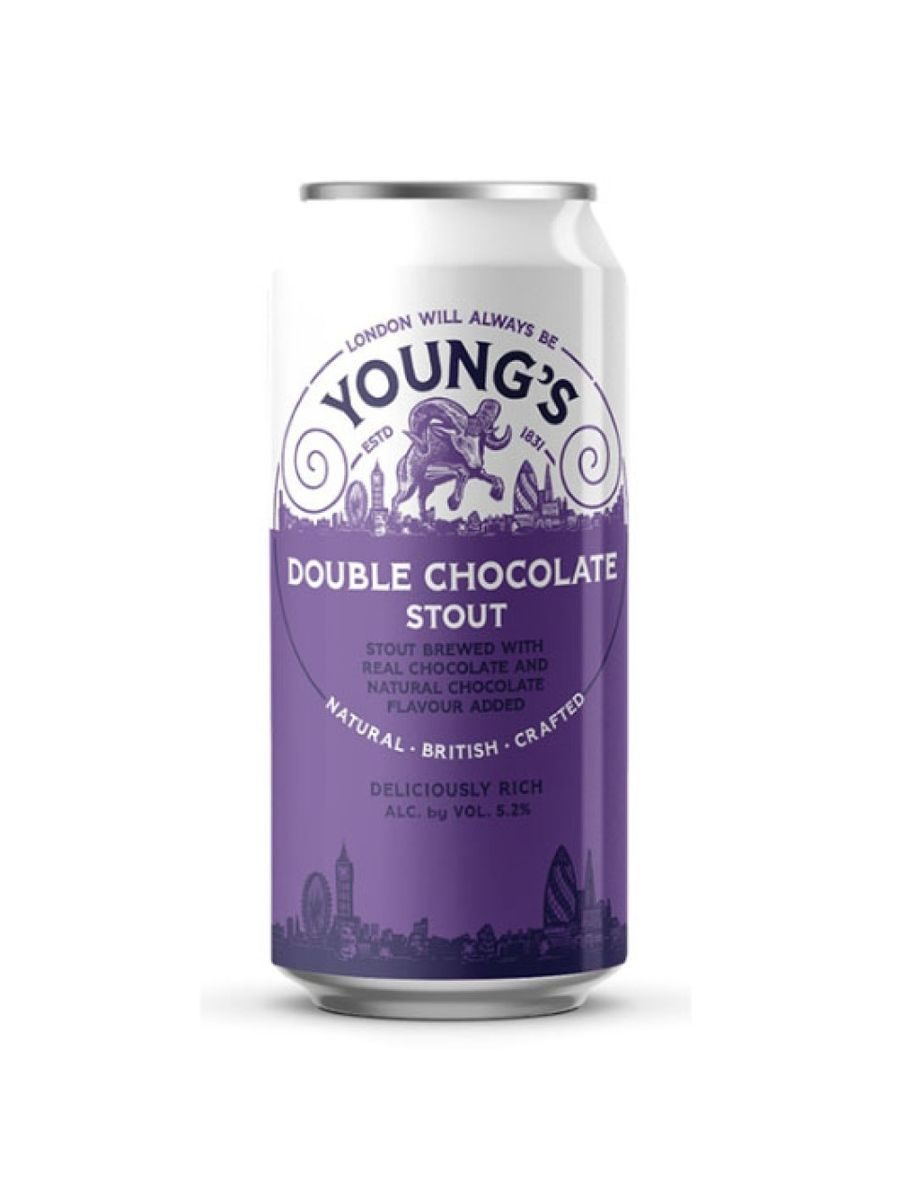
Young's Double Chocolate Stout
Brewed by Eagle Brewery
chocolate malt plus real dark chocolate.
BAR NOTES
Why it earns a place: Young’s Double Chocolate Stout brings chocolate malt plus real dark chocolate. The chocolate stout base gives that sweetness a recognizable beer structure instead of letting the added flavors drift into syrup.
How to drink it: Serve at 9–12°C in a tulip or stout glass so cocoa aroma and roasted malt stay distinct. Pair it with chocolate cake, aged cheddar, or smoked nuts; salt, roast, tang, or savory richness gives the beer a useful counterweight.
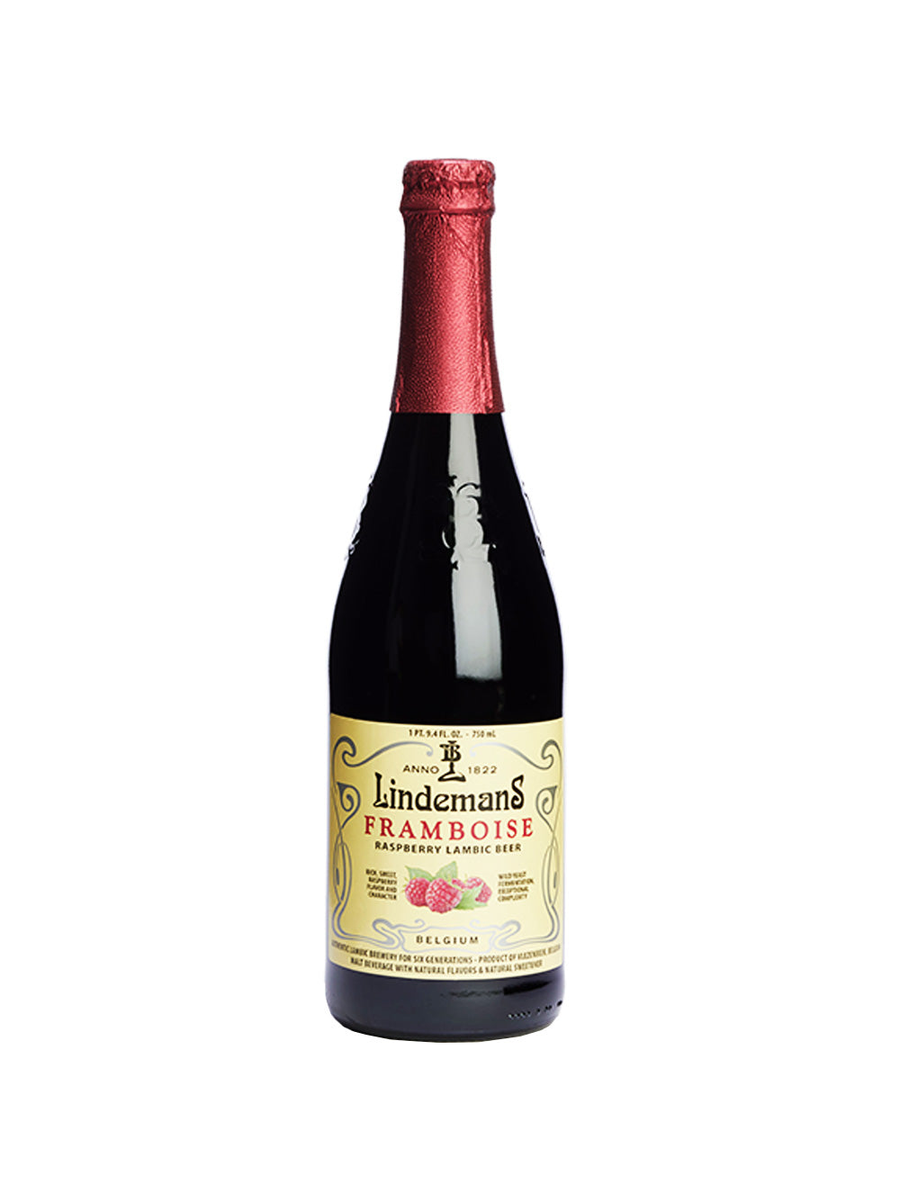
Lindemans Framboise
Brewed by Brouwerij Lindemans
Sweetened framboise: raspberry preserves, lemon, wheat, and lively carbonation.
BAR NOTES
Why it earns a place: Lindemans Framboise brings Sweetened framboise: raspberry preserves, lemon, wheat, and lively carbonation. The raspberry lambic base gives that sweetness a recognizable beer structure instead of letting the added flavors drift into syrup.
How to drink it: Serve at 5–8°C in a stemmed glass to keep fruit bright and carbonation active. Pair it with cheesecake, fruit tart, or spicy glazed wings; salt, roast, tang, or savory richness gives the beer a useful counterweight.
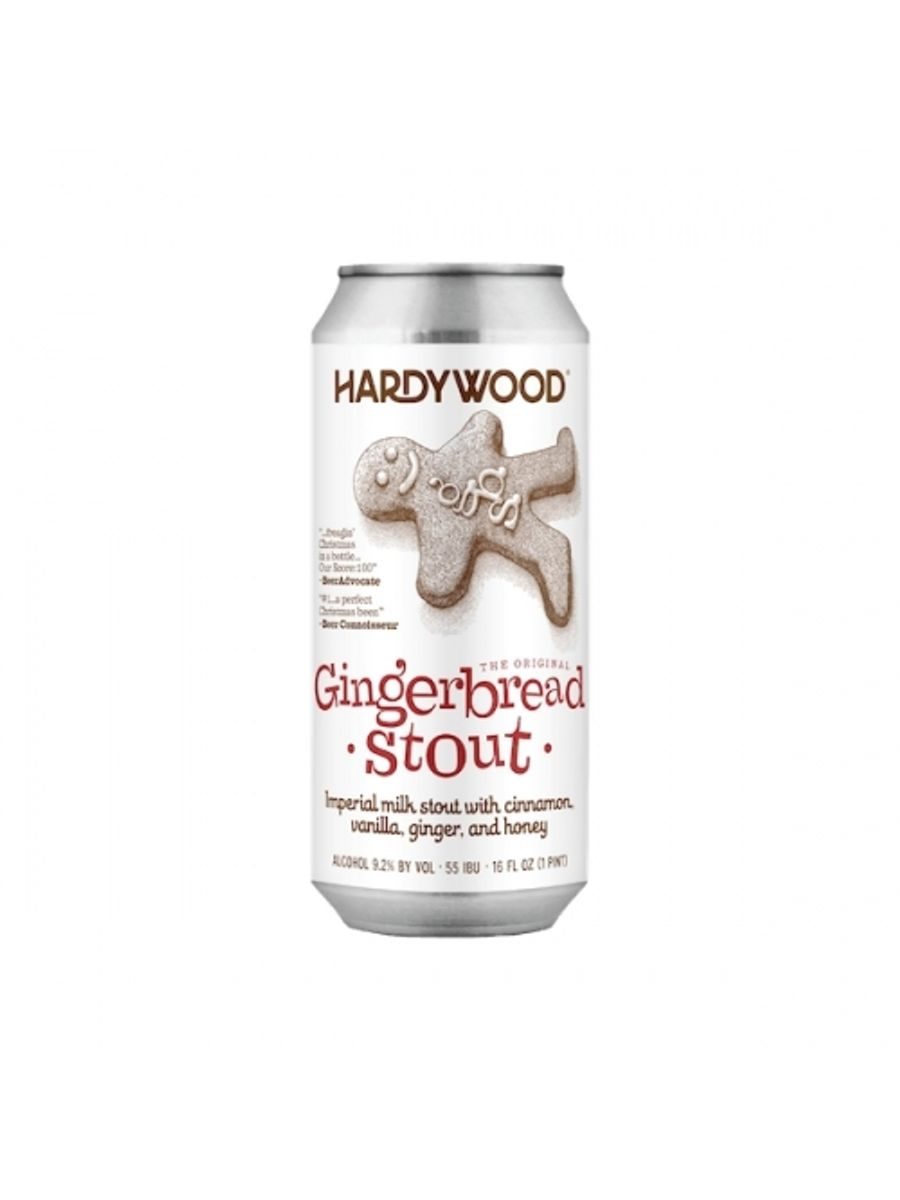
Gingerbread Stout
Brewed by Hardywood Park Craft Brewery
Virginia ginger, cinnamon, vanilla, and honey turn a strong milk stout into liquid gingerbread.
BAR NOTES
Why it earns a place: Gingerbread Stout brings Virginia ginger, cinnamon, vanilla, and honey turn a strong milk stout into liquid gingerbread. The imperial milk stout base gives that sweetness a recognizable beer structure instead of letting the added flavors drift into syrup.
How to drink it: Serve at 10–13°C in a snifter or tulip; warmth opens the pastry, spice, barrel, and dark-malt layers. Pair it with brownies, vanilla ice cream, or sharp blue cheese; salt, roast, tang, or savory richness gives the beer a useful counterweight.
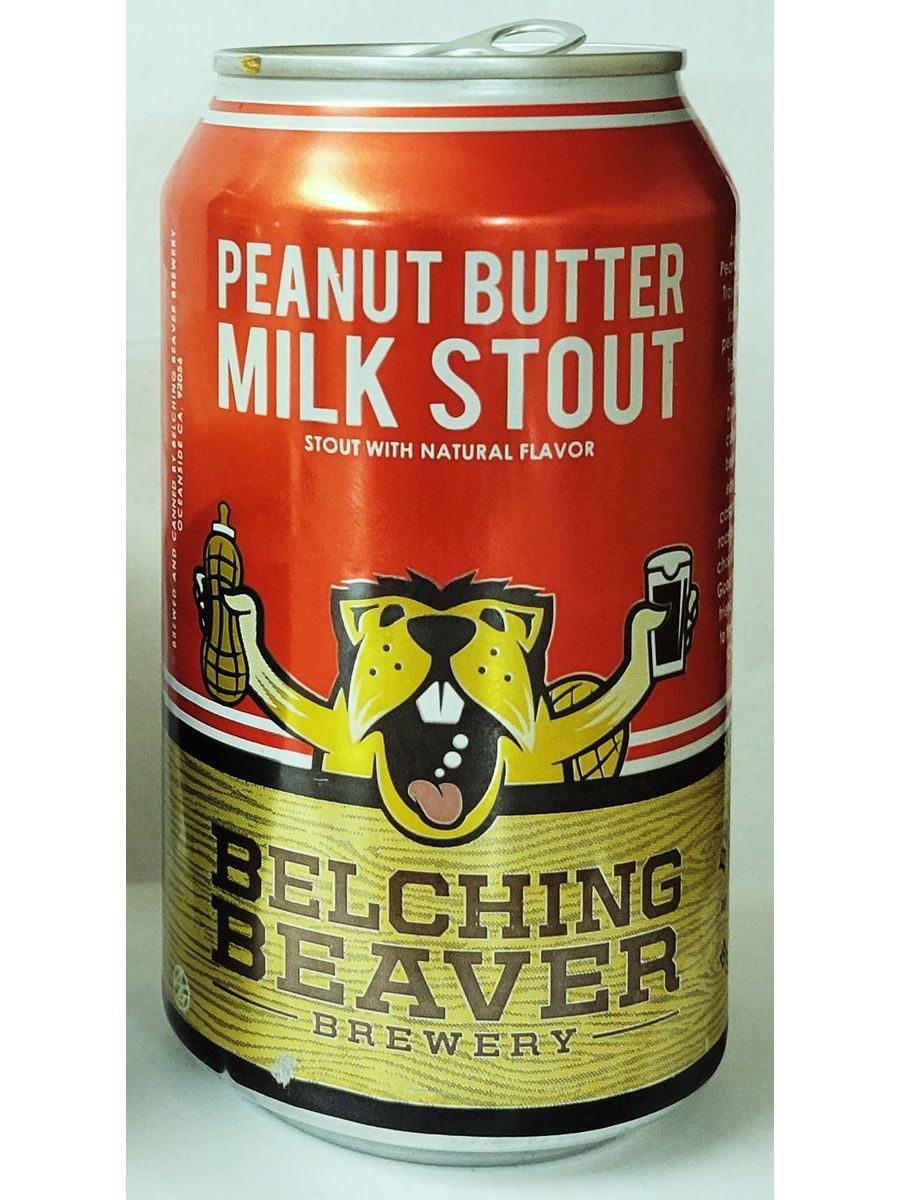
Peanut Butter Milk Stout
Brewed by Belching Beaver Brewery
Nutty aroma, cocoa-like malt, and lactose meet a surprisingly restrained roasted finish.
BAR NOTES
Why it earns a place: Peanut Butter Milk Stout brings Nutty aroma, cocoa-like malt, and lactose meet a surprisingly restrained roasted finish. The peanut butter milk stout base gives that sweetness a recognizable beer structure instead of letting the added flavors drift into syrup.
How to drink it: Serve at 8–11°C in a stout glass; too-cold service hides the chocolate, coffee, and creamy body. Pair it with cookies, tiramisu, or salty pretzels; salt, roast, tang, or savory richness gives the beer a useful counterweight.
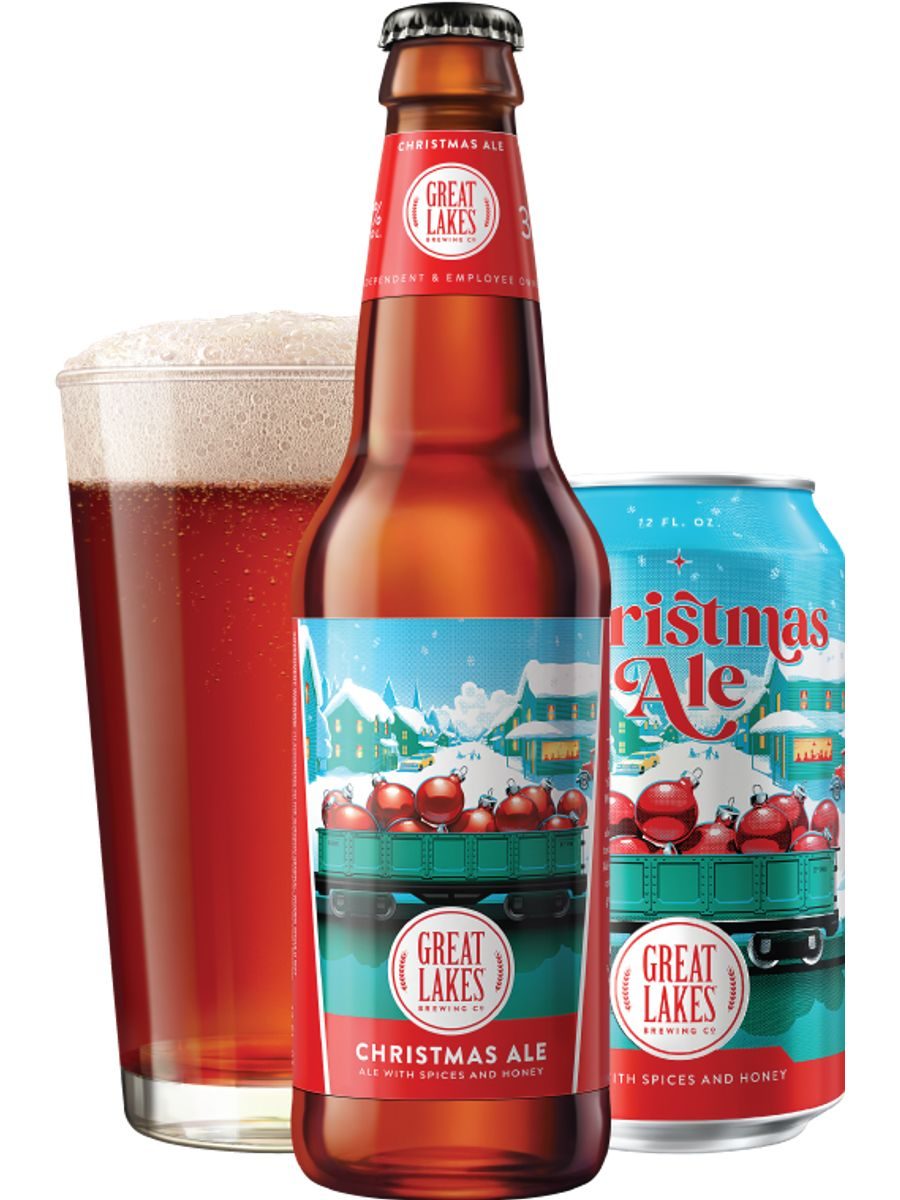
Great Lakes Christmas Ale
Brewed by Great Lakes Brewing
ginger, cinnamon, honey, caramel malt, toast, and orange
BAR NOTES
Why it earns a place: Great Lakes Christmas Ale brings ginger, cinnamon, honey, caramel malt, toast, and orange. The spiced holiday ale base gives that sweetness a recognizable beer structure instead of letting the added flavors drift into syrup.
How to drink it: Serve at 6–9°C in a tulip; moderate warmth helps floral honey and malt register together. Pair it with roast chicken, Brie, or almond cake; salt, roast, tang, or savory richness gives the beer a useful counterweight.
Where sweetness in beer comes from
| Source | What it does | Styles to try |
|---|---|---|
| Lactose | Leaves creamy sweetness because standard brewer’s yeast cannot ferment it | Milk stout, pastry stout, smoothie sour |
| Fruit | Adds aroma and flavor; final sweetness depends on fermentation and back-sweetening | Fruit ale, lambic, radler, pastry sour |
| Honey | Can add floral character, though fully fermented honey often dries a beer out | Honey ale, braggot, honey tripel |
| Specialty malt | Builds caramel, toffee, raisin, bread crust, and dark-fruit impressions | Barleywine, old ale, doppelbock, Scotch ale |
| Adjunct flavor | Cocoa, vanilla, maple, coffee, nuts, and spice reinforce dessert associations | Pastry stout, flavored porter, holiday ale |
| Arrested fermentation | Retains fermentable sugar but requires precise stability and packaging control | Specialty and historical sweet beer |
Chocolate, bakery, and breakfast beers
This stretch leans into cocoa, coffee, maple, nuts, pastry spice, and dessert-shop flavors.

Double Stack
Brewed by Great Notion Brewing
A breakfast-table stout where maple and whole-bean coffee land with startling clarity.
BAR NOTES
Why it earns a place: Double Stack brings A breakfast-table stout where maple and whole-bean coffee land with startling clarity. The imperial breakfast stout base gives that sweetness a recognizable beer structure instead of letting the added flavors drift into syrup.
How to drink it: Serve at 10–13°C in a snifter or tulip; warmth opens the pastry, spice, barrel, and dark-malt layers. Pair it with brownies, vanilla ice cream, or sharp blue cheese; salt, roast, tang, or savory richness gives the beer a useful counterweight.
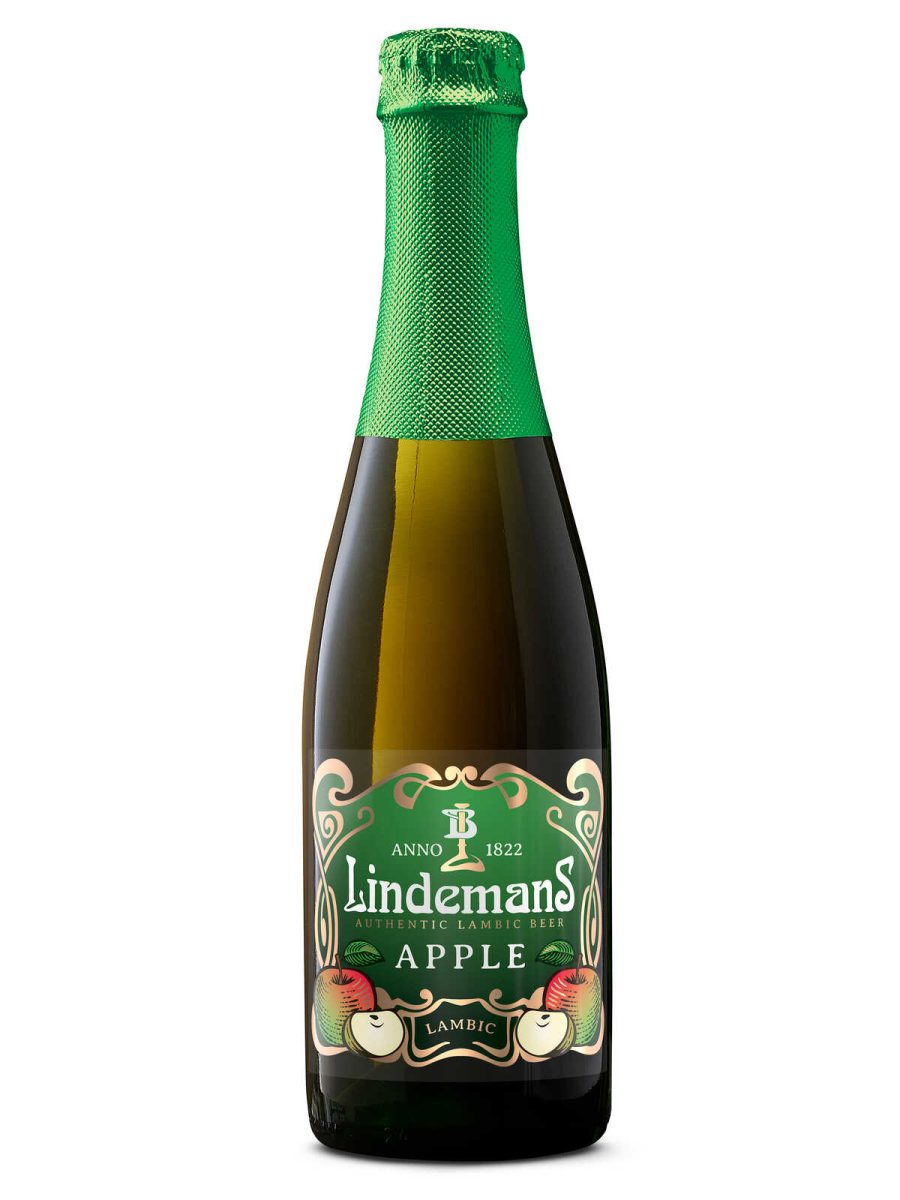
Lindemans Apple
Brewed by Lindemans Brewery
green apple, lemony acidity, light funk, and sweet-tart fizz
BAR NOTES
Why it earns a place: Lindemans Apple brings green apple, lemony acidity, light funk, and sweet-tart fizz. The apple lambic base gives that sweetness a recognizable beer structure instead of letting the added flavors drift into syrup.
How to drink it: Serve at 5–8°C in a stemmed glass; a cool pour keeps the fruit lively without flattening the malt. Pair it with apple tart, pork chops, or mature cheddar; salt, roast, tang, or savory richness gives the beer a useful counterweight.
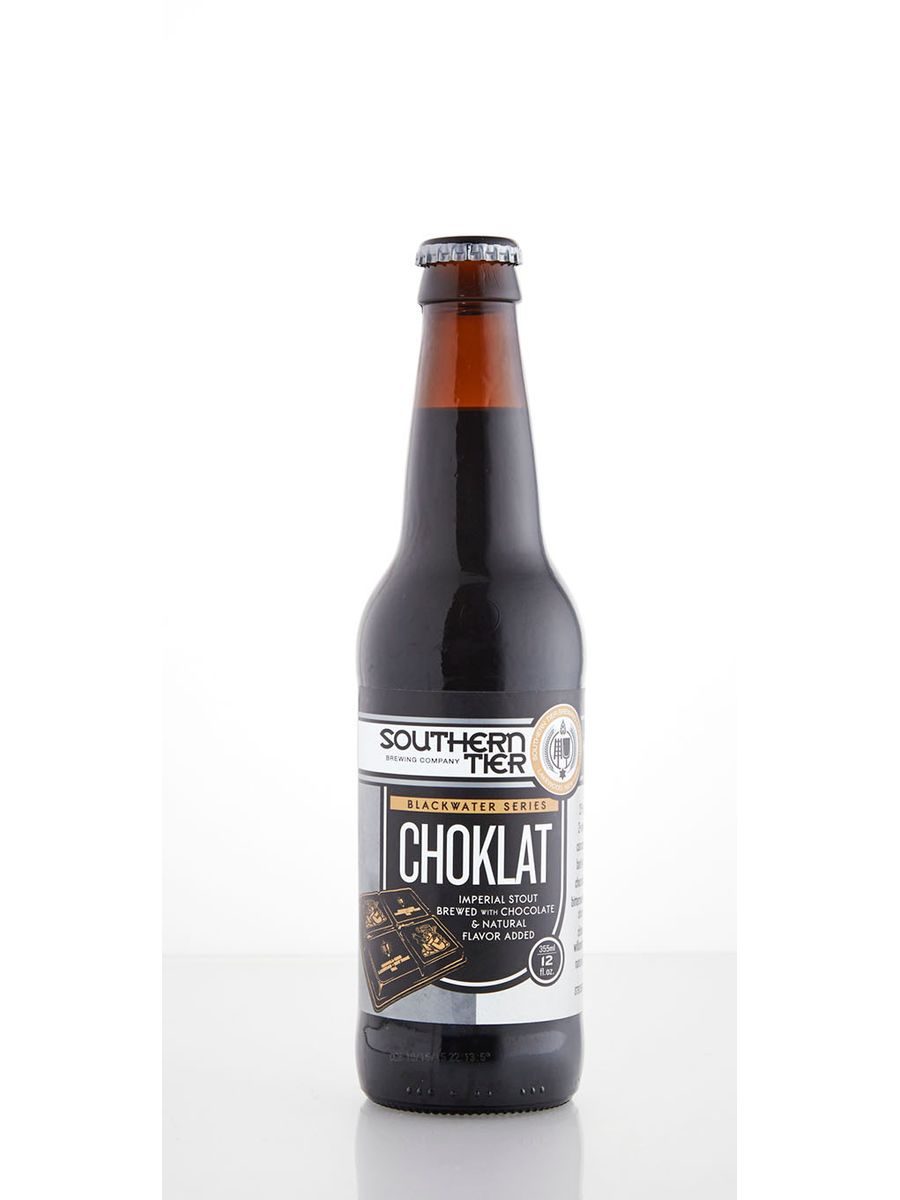
Southern Tier Choklat
Brewed by Southern Tier Brewing Company
bittersweet chocolate and natural cocoa flavor.
BAR NOTES
Why it earns a place: Southern Tier Choklat brings bittersweet chocolate and natural cocoa flavor. The imperial chocolate stout base gives that sweetness a recognizable beer structure instead of letting the added flavors drift into syrup.
How to drink it: Serve at 9–12°C in a tulip or stout glass so cocoa aroma and roasted malt stay distinct. Pair it with chocolate cake, aged cheddar, or smoked nuts; salt, roast, tang, or savory richness gives the beer a useful counterweight.

Mornin' Delight
Brewed by Toppling Goliath Brewing Co.
Coffee, maple syrup, fudge, and toast in an enormous Iowa breakfast stout.
BAR NOTES
Why it earns a place: Mornin’ Delight brings Coffee, maple syrup, fudge, and toast in an enormous Iowa breakfast stout. The imperial breakfast stout base gives that sweetness a recognizable beer structure instead of letting the added flavors drift into syrup.
How to drink it: Serve at 10–13°C in a snifter or tulip; warmth opens the pastry, spice, barrel, and dark-malt layers. Pair it with brownies, vanilla ice cream, or sharp blue cheese; salt, roast, tang, or savory richness gives the beer a useful counterweight.
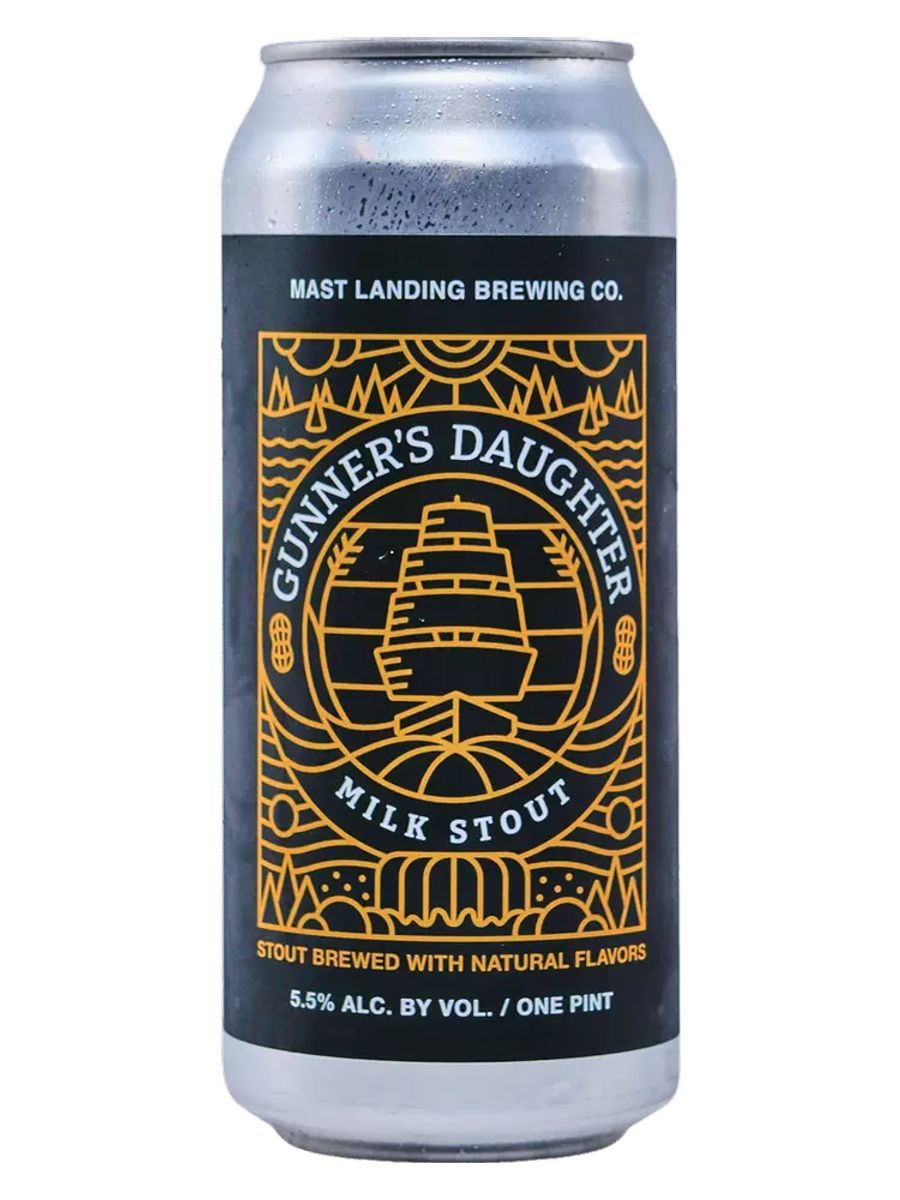
Gunner's Daughter
Brewed by Mast Landing Brewing Co.
A peanut-butter-cup nose lands over coffee, chocolate, and a dry enough finish to invite another sip.
BAR NOTES
Why it earns a place: Gunner’s Daughter brings A peanut-butter-cup nose lands over coffee, chocolate, and a dry enough finish to invite another sip. The peanut butter milk stout base gives that sweetness a recognizable beer structure instead of letting the added flavors drift into syrup.
How to drink it: Serve at 8–11°C in a stout glass; too-cold service hides the chocolate, coffee, and creamy body. Pair it with cookies, tiramisu, or salty pretzels; salt, roast, tang, or savory richness gives the beer a useful counterweight.
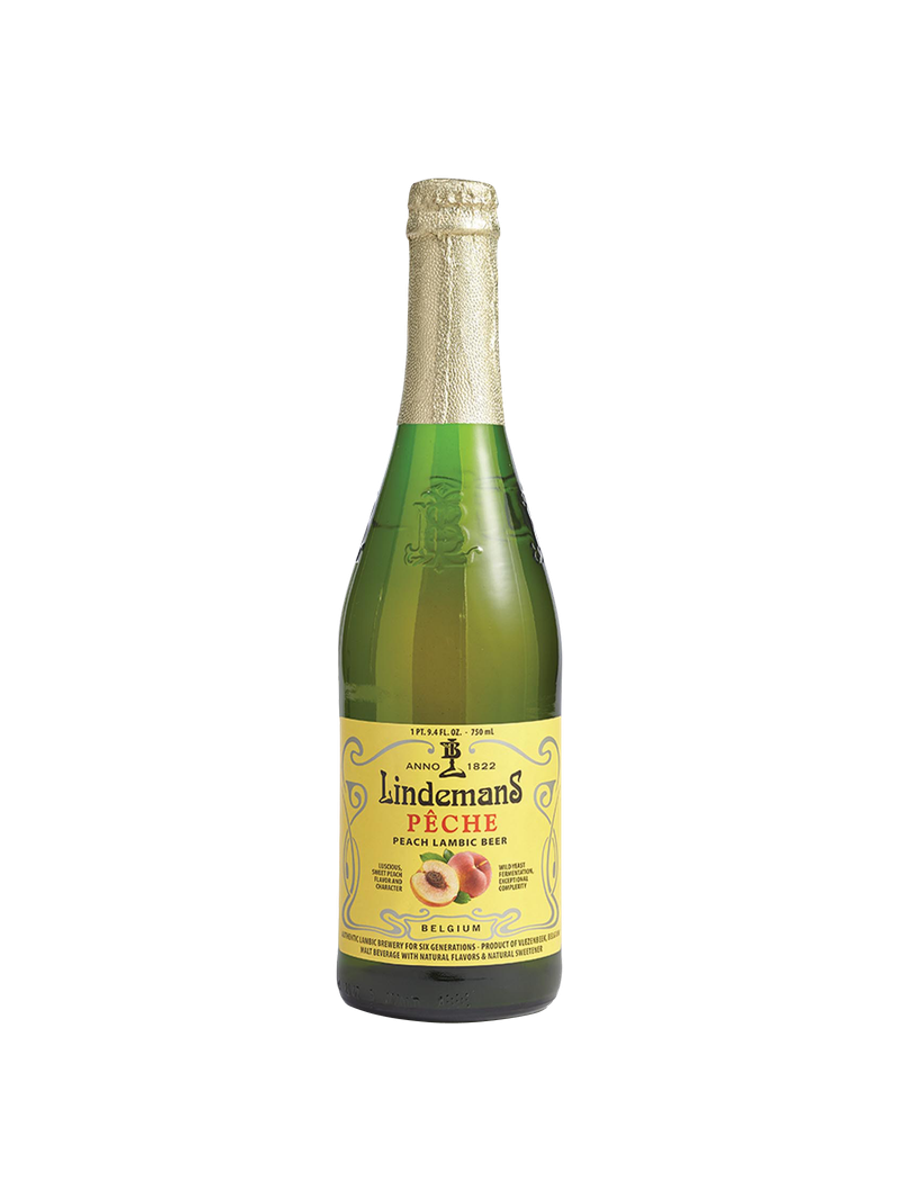
Lindemans Pêche
Brewed by Brouwerij Lindemans
Sweetened peach lambic: ripe peach, apricot, citrus, and sparkling sweetness.
BAR NOTES
Why it earns a place: Lindemans Pêche brings Sweetened peach lambic: ripe peach, apricot, citrus, and sparkling sweetness. The peach lambic base gives that sweetness a recognizable beer structure instead of letting the added flavors drift into syrup.
How to drink it: Serve at 5–8°C in a stemmed glass to keep fruit bright and carbonation active. Pair it with cheesecake, fruit tart, or spicy glazed wings; salt, roast, tang, or savory richness gives the beer a useful counterweight.
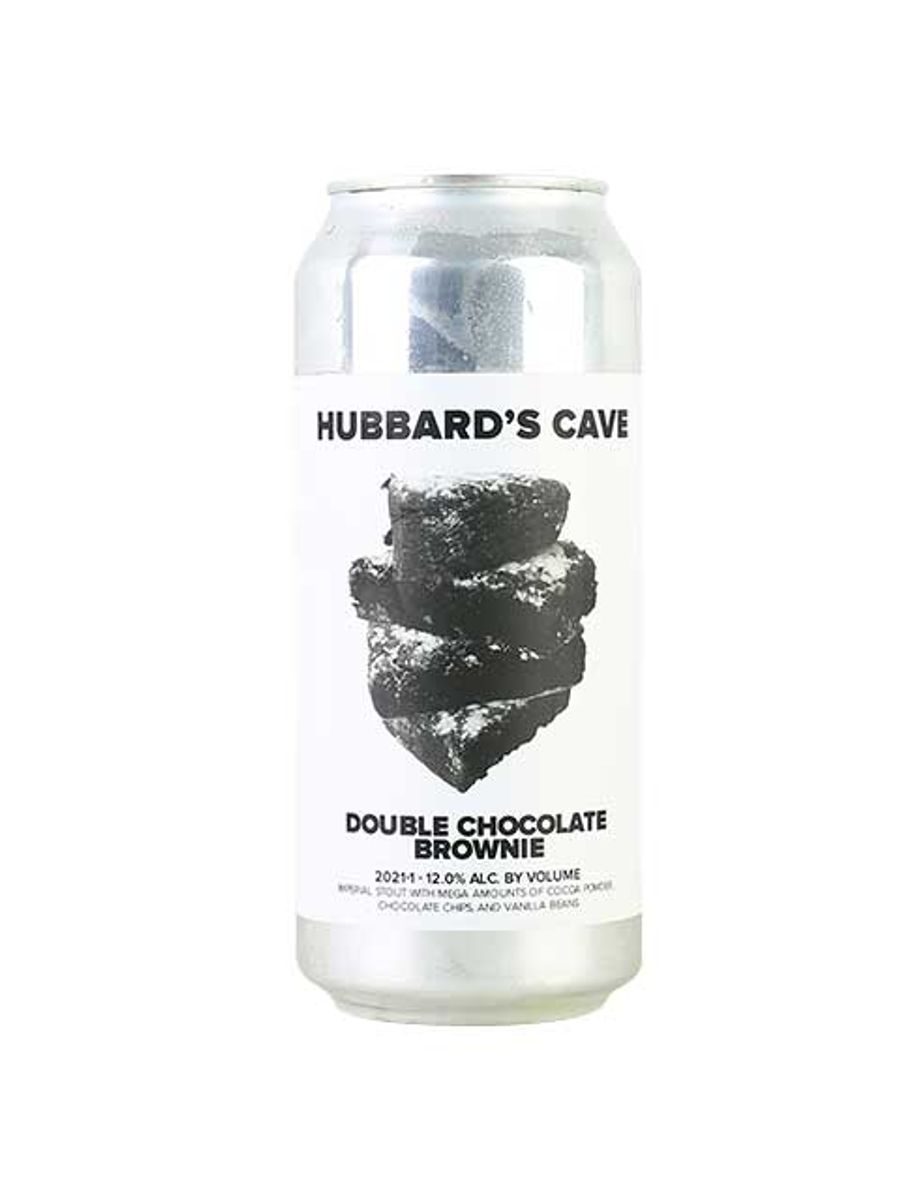
Double Chocolate Brownie
Brewed by Hubbard's Cave
Brownie-batter excess built from multiple chocolate inputs over a dense imperial stout.
BAR NOTES
Why it earns a place: Double Chocolate Brownie brings Brownie-batter excess built from multiple chocolate inputs over a dense imperial stout. The imperial pastry stout base gives that sweetness a recognizable beer structure instead of letting the added flavors drift into syrup.
How to drink it: Serve at 10–13°C in a snifter or tulip; warmth opens the pastry, spice, barrel, and dark-malt layers. Pair it with brownies, vanilla ice cream, or sharp blue cheese; salt, roast, tang, or savory richness gives the beer a useful counterweight.
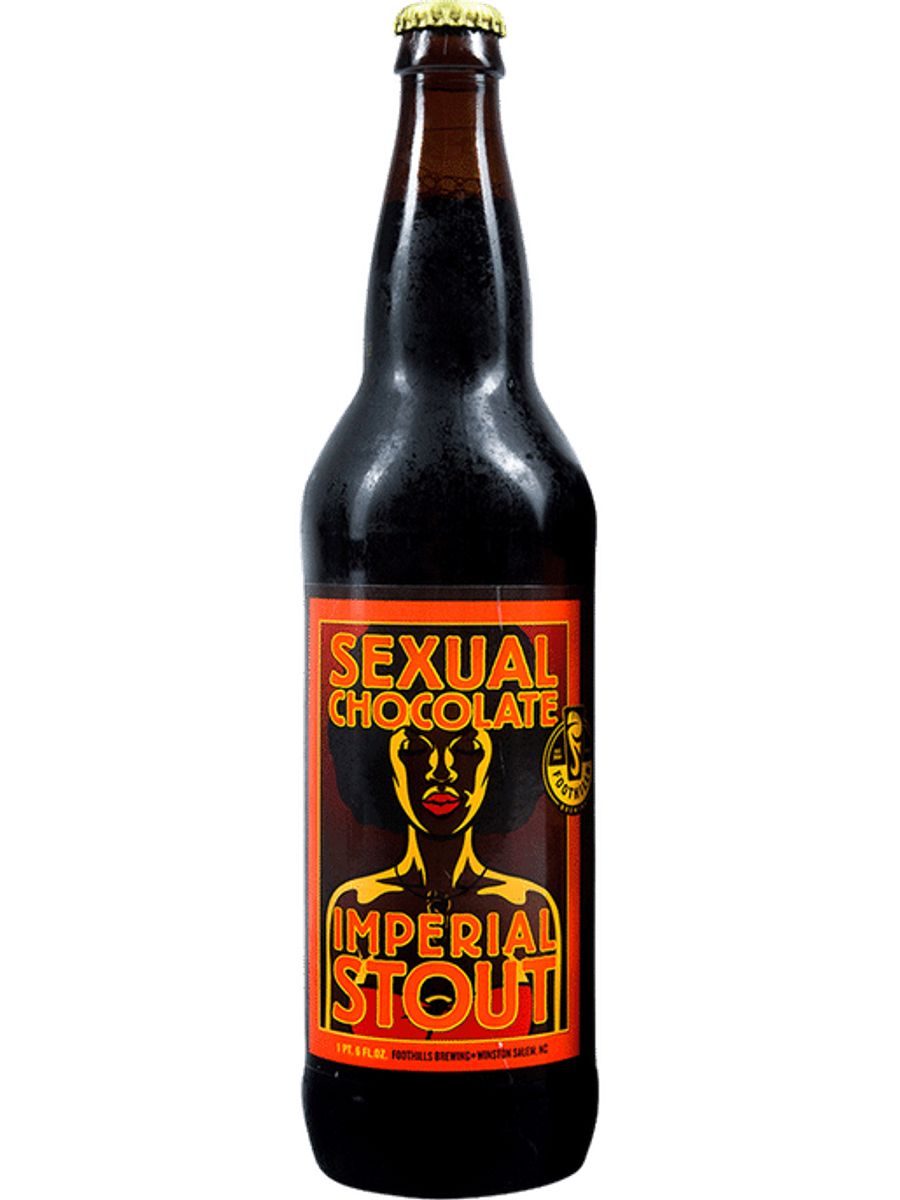
Foothills Sexual Chocolate
Brewed by Foothills Brewing
organic Peruvian cocoa nibs.
BAR NOTES
Why it earns a place: Foothills Sexual Chocolate brings organic Peruvian cocoa nibs. The cocoa-nib imperial stout base gives that sweetness a recognizable beer structure instead of letting the added flavors drift into syrup.
How to drink it: Serve at 9–12°C in a tulip or stout glass so cocoa aroma and roasted malt stay distinct. Pair it with chocolate cake, aged cheddar, or smoked nuts; salt, roast, tang, or savory richness gives the beer a useful counterweight.
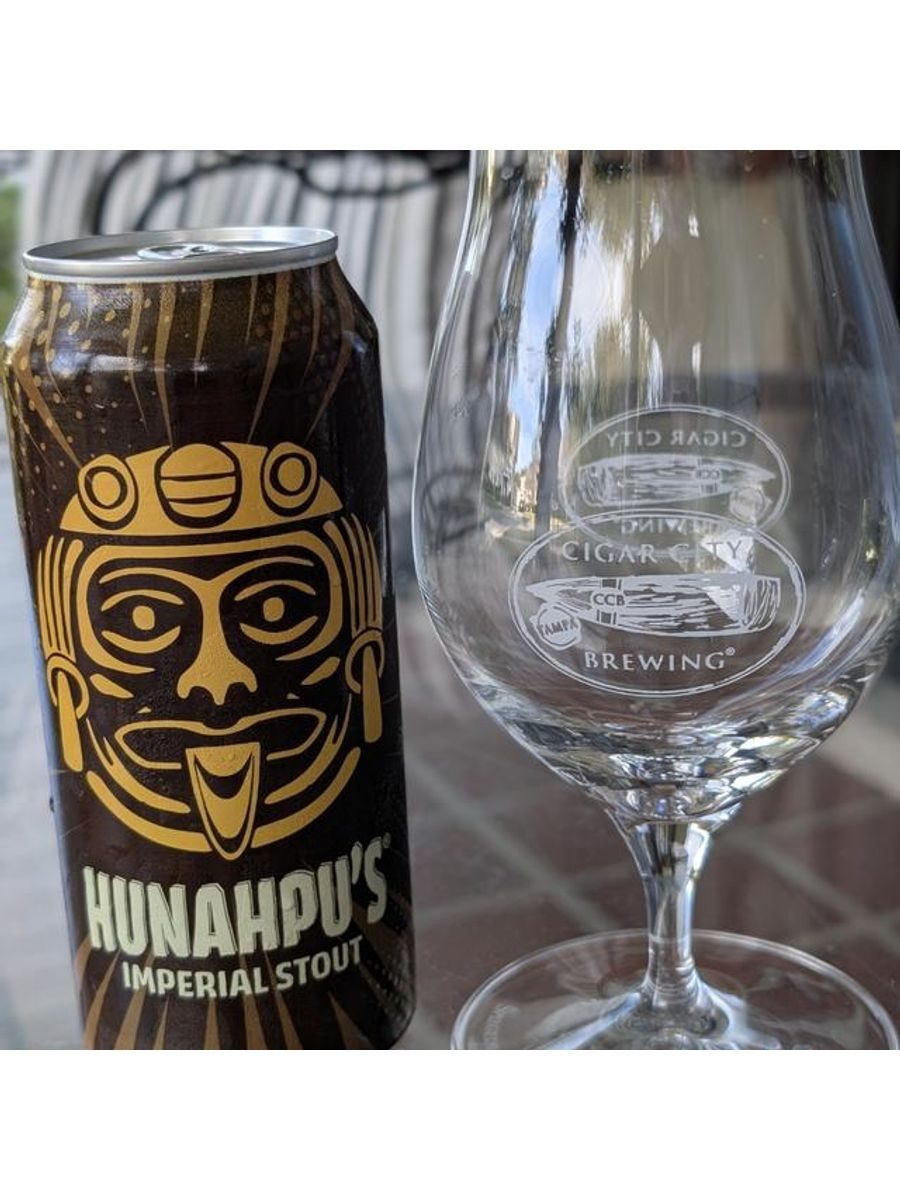
Hunahpu's Imperial Stout
Brewed by Cigar City Brewing
A prestige stout that recreates spiced chocolate with real heat and massive dark-malt structure.
BAR NOTES
Why it earns a place: Hunahpu’s Imperial Stout brings A prestige stout that recreates spiced chocolate with real heat and massive dark-malt structure. The spiced imperial stout base gives that sweetness a recognizable beer structure instead of letting the added flavors drift into syrup.
How to drink it: Serve at 10–13°C in a snifter or tulip; warmth opens the pastry, spice, barrel, and dark-malt layers. Pair it with brownies, vanilla ice cream, or sharp blue cheese; salt, roast, tang, or savory richness gives the beer a useful counterweight.
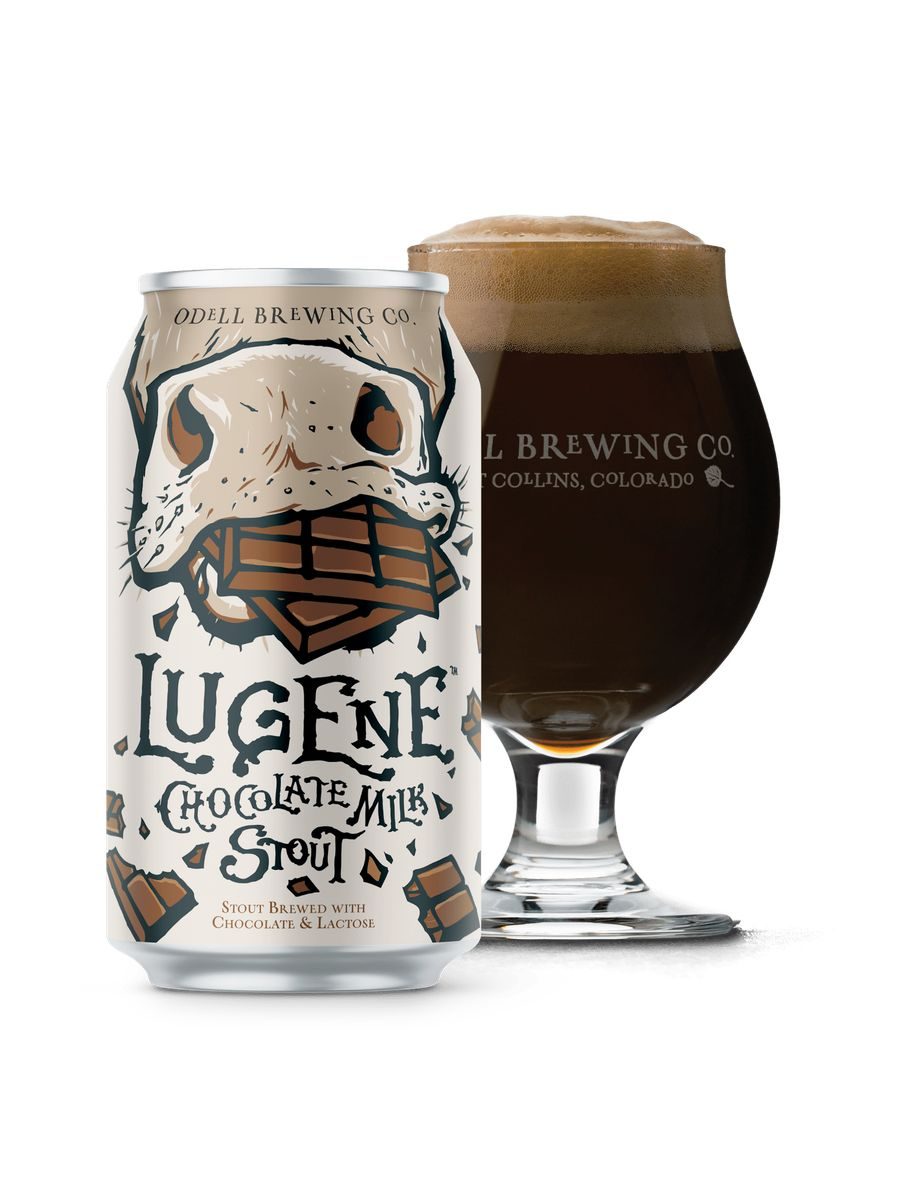
Lugene Chocolate Milk Stout
Brewed by Odell Brewing Co.
Milk chocolate, roast, and lactose form a substantial seasonal stout that finishes cleaner than its name suggests.
BAR NOTES
Why it earns a place: Lugene Chocolate Milk Stout brings Milk chocolate, roast, and lactose form a substantial seasonal stout that finishes cleaner than its name suggests. The chocolate milk stout base gives that sweetness a recognizable beer structure instead of letting the added flavors drift into syrup.
How to drink it: Serve at 8–11°C in a stout glass; too-cold service hides the chocolate, coffee, and creamy body. Pair it with cookies, tiramisu, or salty pretzels; salt, roast, tang, or savory richness gives the beer a useful counterweight.
Fruit, honey, and layered malt
Sweetness does not need to taste like frosting. Fruit, honey, caramel malt, and spice can create a softer kind of richness.
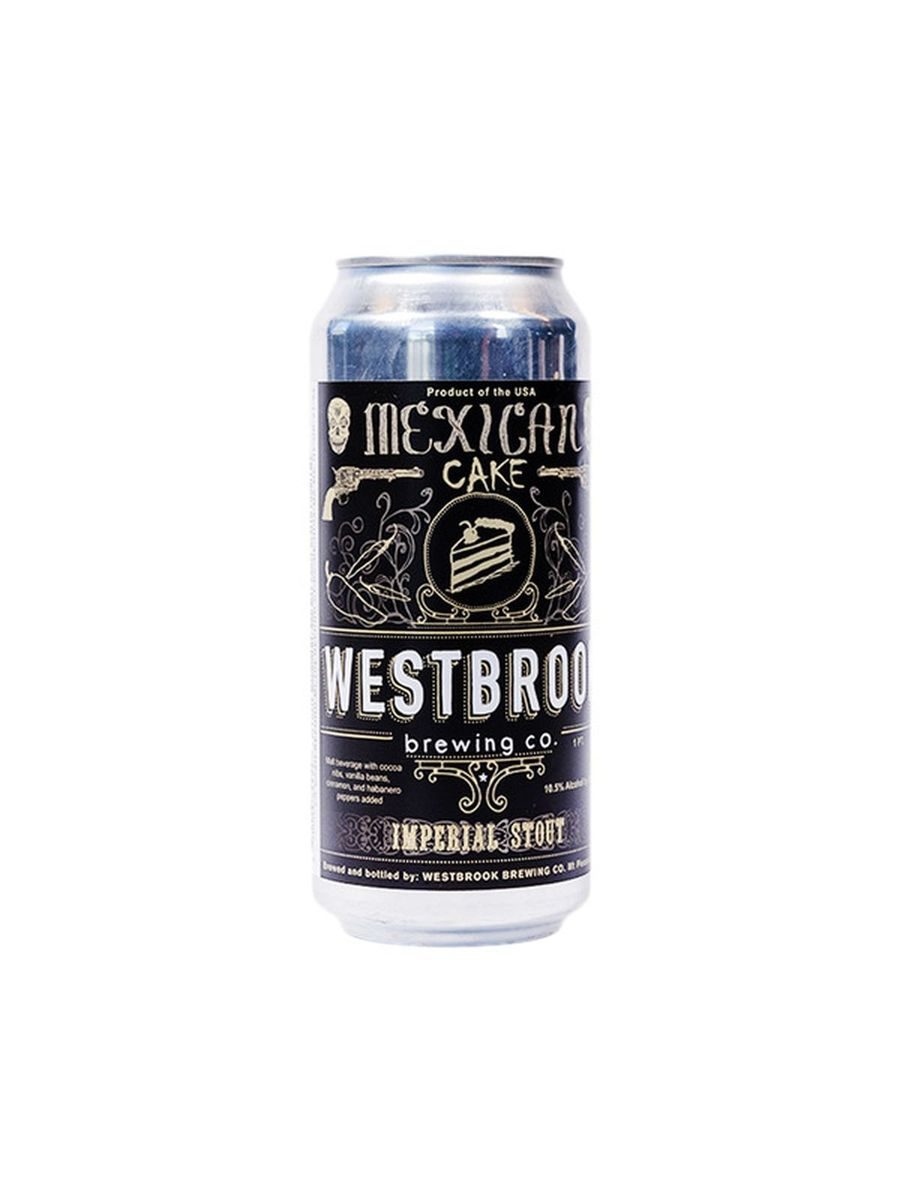
Mexican Cake
Brewed by Westbrook Brewing Co.
Cocoa nibs, vanilla, cinnamon, and habanero turn imperial stout into a controlled fire drill.
BAR NOTES
Why it earns a place: Mexican Cake brings Cocoa nibs, vanilla, cinnamon, and habanero turn imperial stout into a controlled fire drill. The spiced imperial stout base gives that sweetness a recognizable beer structure instead of letting the added flavors drift into syrup.
How to drink it: Serve at 10–13°C in a snifter or tulip; warmth opens the pastry, spice, barrel, and dark-malt layers. Pair it with brownies, vanilla ice cream, or sharp blue cheese; salt, roast, tang, or savory richness gives the beer a useful counterweight.
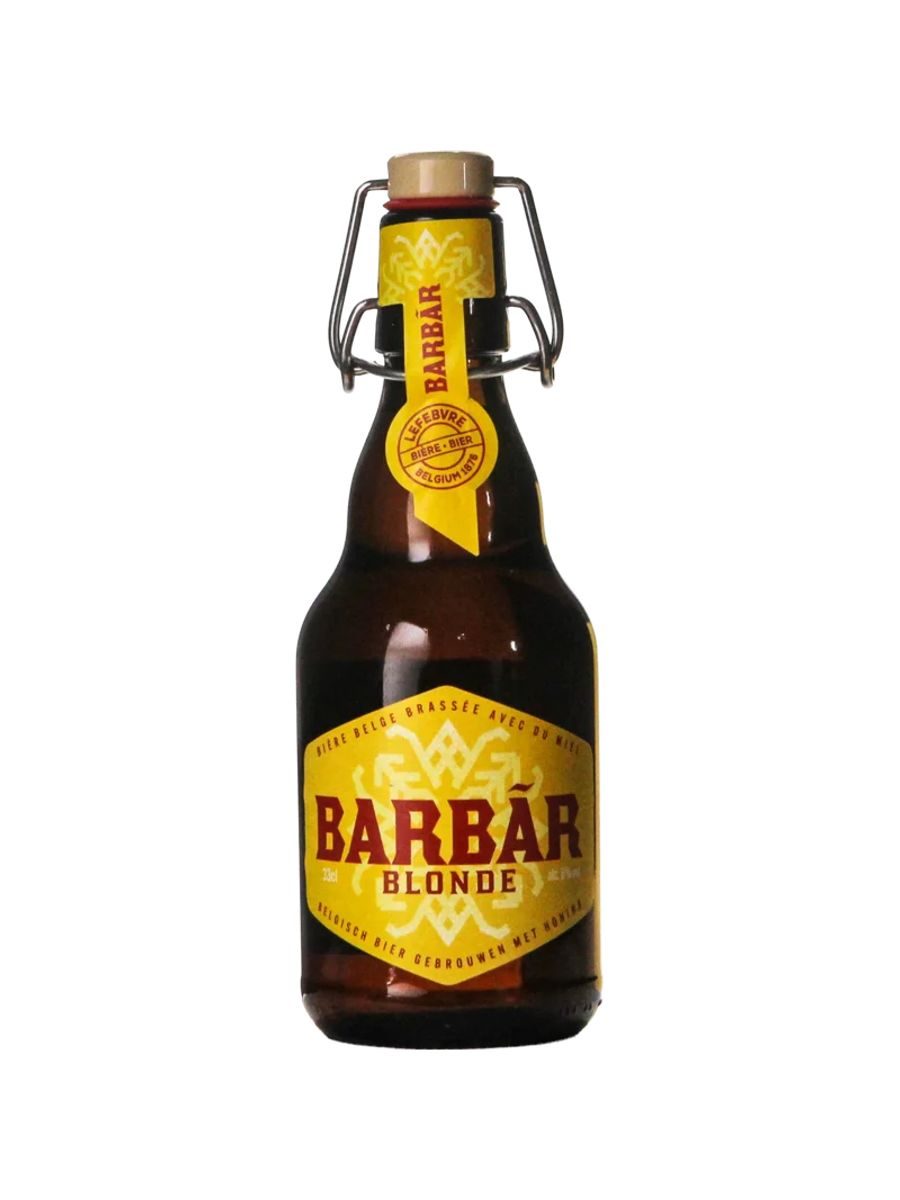
Barbãr Blonde
Brewed by Brasserie Lefebvre
honey, orange peel, coriander, wheat, banana, and spice
BAR NOTES
Why it earns a place: Barbãr Blonde brings honey, orange peel, coriander, wheat, banana, and spice. The belgian strong honey ale base gives that sweetness a recognizable beer structure instead of letting the added flavors drift into syrup.
How to drink it: Serve at 6–9°C in a tulip; moderate warmth helps floral honey and malt register together. Pair it with roast chicken, Brie, or almond cake; salt, roast, tang, or savory richness gives the beer a useful counterweight.
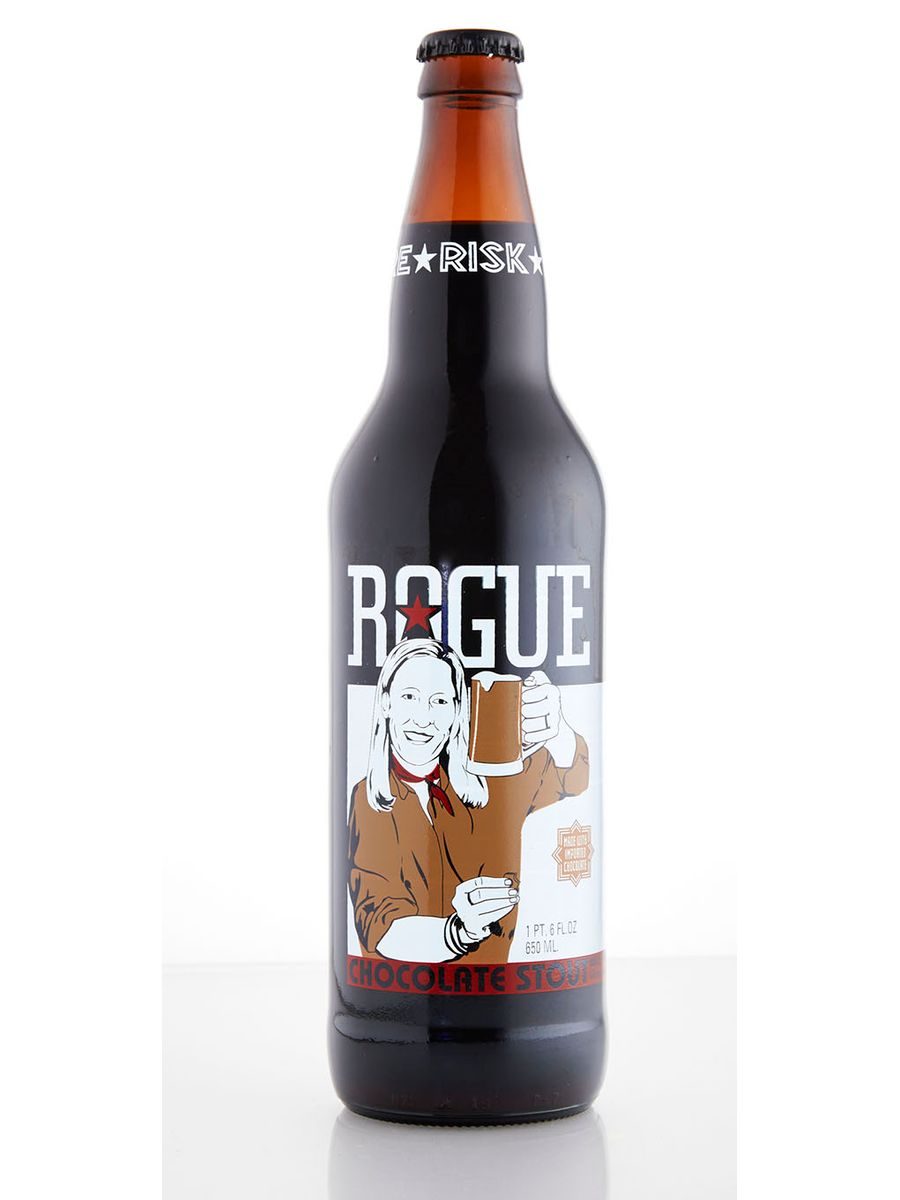
Rogue Chocolate Stout
Brewed by Rogue Ales
Dutch bittersweet chocolate over stout malt.
BAR NOTES
Why it earns a place: Rogue Chocolate Stout brings Dutch bittersweet chocolate over stout malt. The chocolate stout base gives that sweetness a recognizable beer structure instead of letting the added flavors drift into syrup.
How to drink it: Serve at 9–12°C in a tulip or stout glass so cocoa aroma and roasted malt stay distinct. Pair it with chocolate cake, aged cheddar, or smoked nuts; salt, roast, tang, or savory richness gives the beer a useful counterweight.
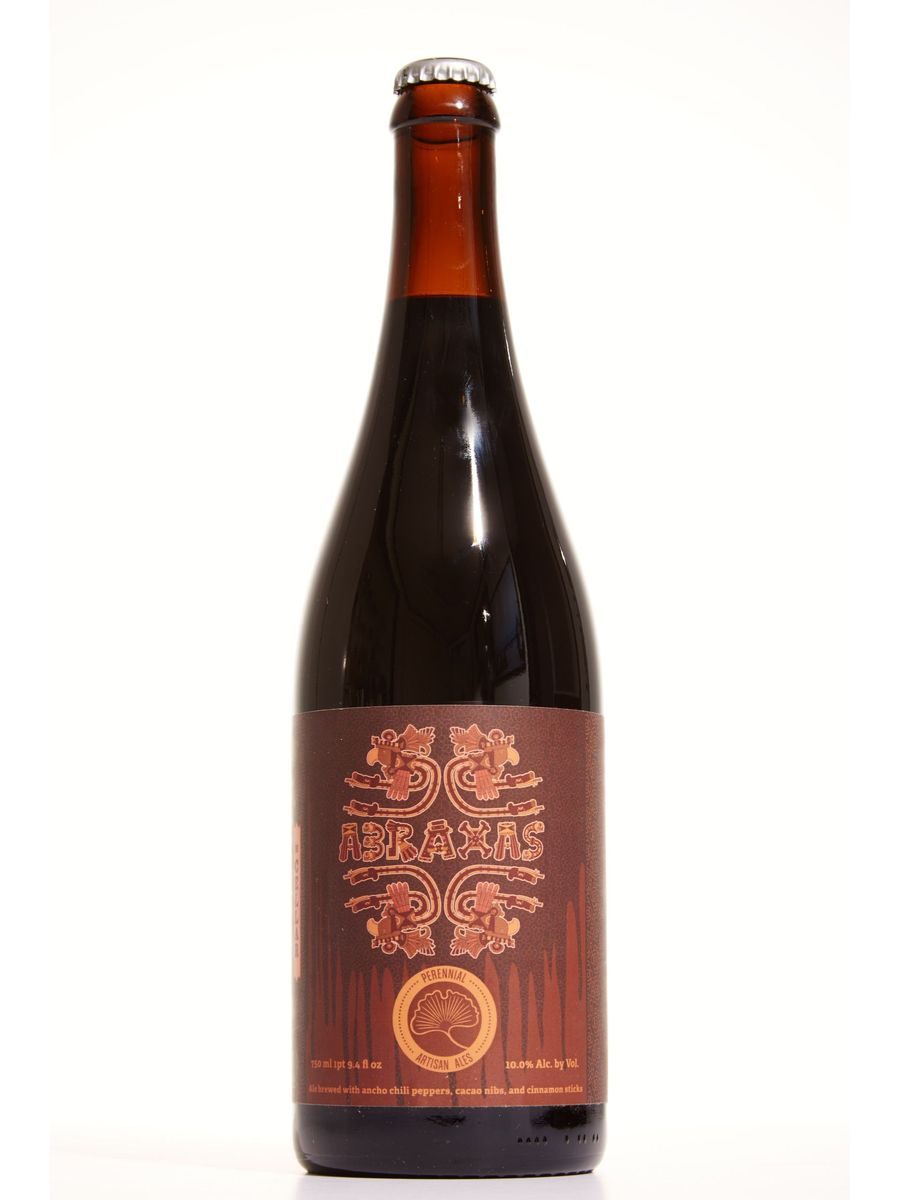
Abraxas
Brewed by Perennial Artisan Ales
Cacao, ancho chile, cinnamon, and vanilla arrive in sequence rather than as one sweet blur.
BAR NOTES
Why it earns a place: Abraxas brings Cacao, ancho chile, cinnamon, and vanilla arrive in sequence rather than as one sweet blur. The spiced imperial stout base gives that sweetness a recognizable beer structure instead of letting the added flavors drift into syrup.
How to drink it: Serve at 10–13°C in a snifter or tulip; warmth opens the pastry, spice, barrel, and dark-malt layers. Pair it with brownies, vanilla ice cream, or sharp blue cheese; salt, roast, tang, or savory richness gives the beer a useful counterweight.
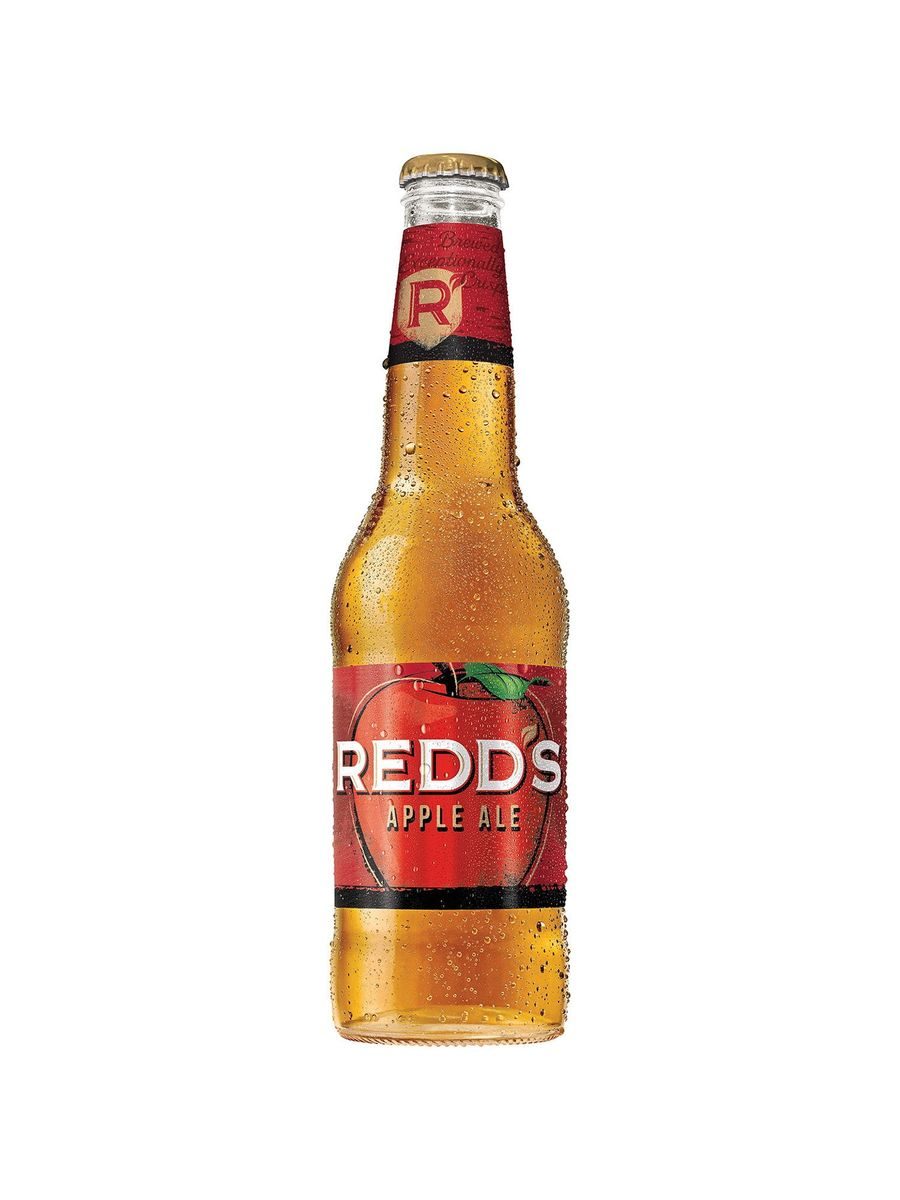
Redd’s Hard Apple Ale
Brewed by Redd’s Brewing Company
sweet apple, light malt, low bitterness, and lively fizz
BAR NOTES
Why it earns a place: Redd’s Hard Apple Ale brings sweet apple, light malt, low bitterness, and lively fizz. The apple ale base gives that sweetness a recognizable beer structure instead of letting the added flavors drift into syrup.
How to drink it: Serve at 5–8°C in a stemmed glass; a cool pour keeps the fruit lively without flattening the malt. Pair it with apple tart, pork chops, or mature cheddar; salt, roast, tang, or savory richness gives the beer a useful counterweight.
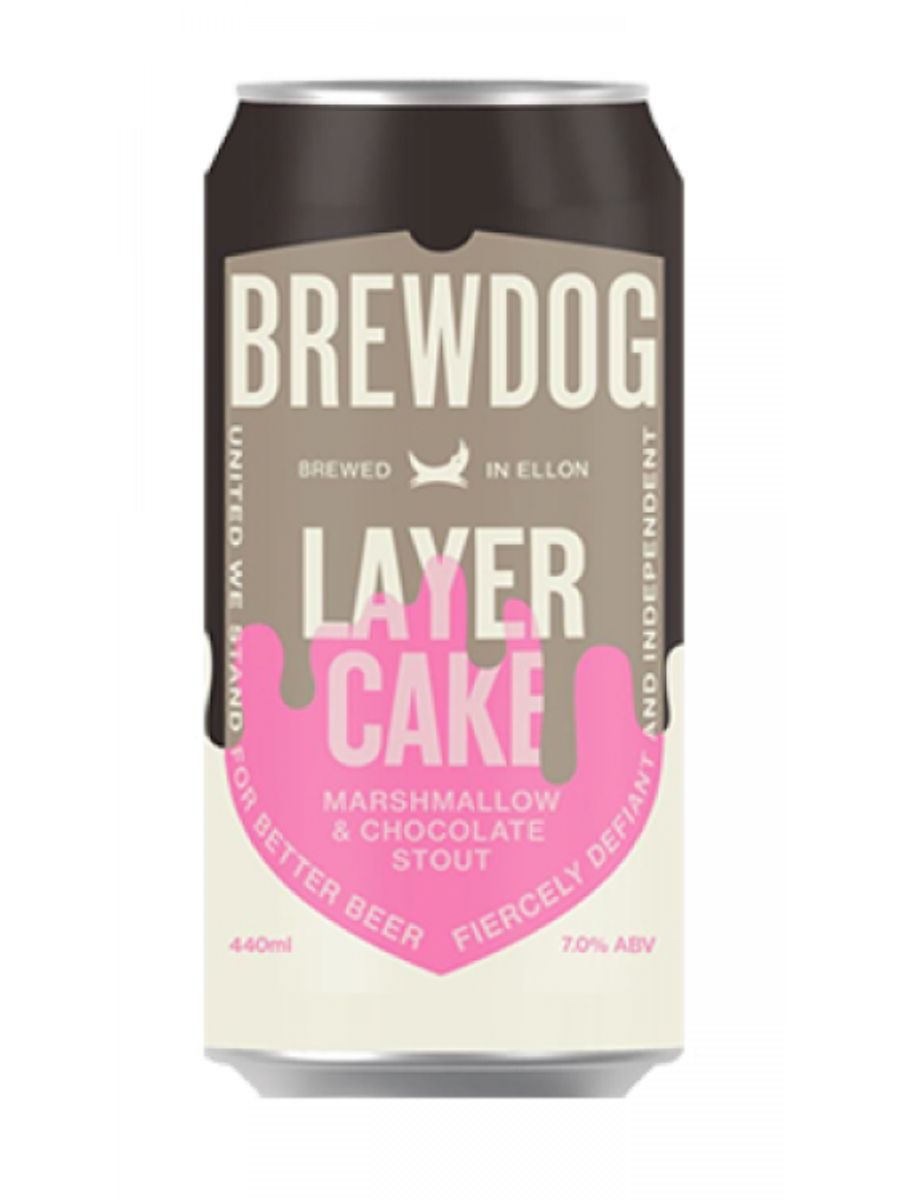
Layer Cake
Brewed by BrewDog
Cocoa, vanilla, and marshmallow deliver cake-shop flavor at a comparatively manageable strength.
BAR NOTES
Why it earns a place: Layer Cake brings Cocoa, vanilla, and marshmallow deliver cake-shop flavor at a comparatively manageable strength. The pastry stout base gives that sweetness a recognizable beer structure instead of letting the added flavors drift into syrup.
How to drink it: Serve at 10–13°C in a snifter or tulip; warmth opens the pastry, spice, barrel, and dark-malt layers. Pair it with brownies, vanilla ice cream, or sharp blue cheese; salt, roast, tang, or savory richness gives the beer a useful counterweight.
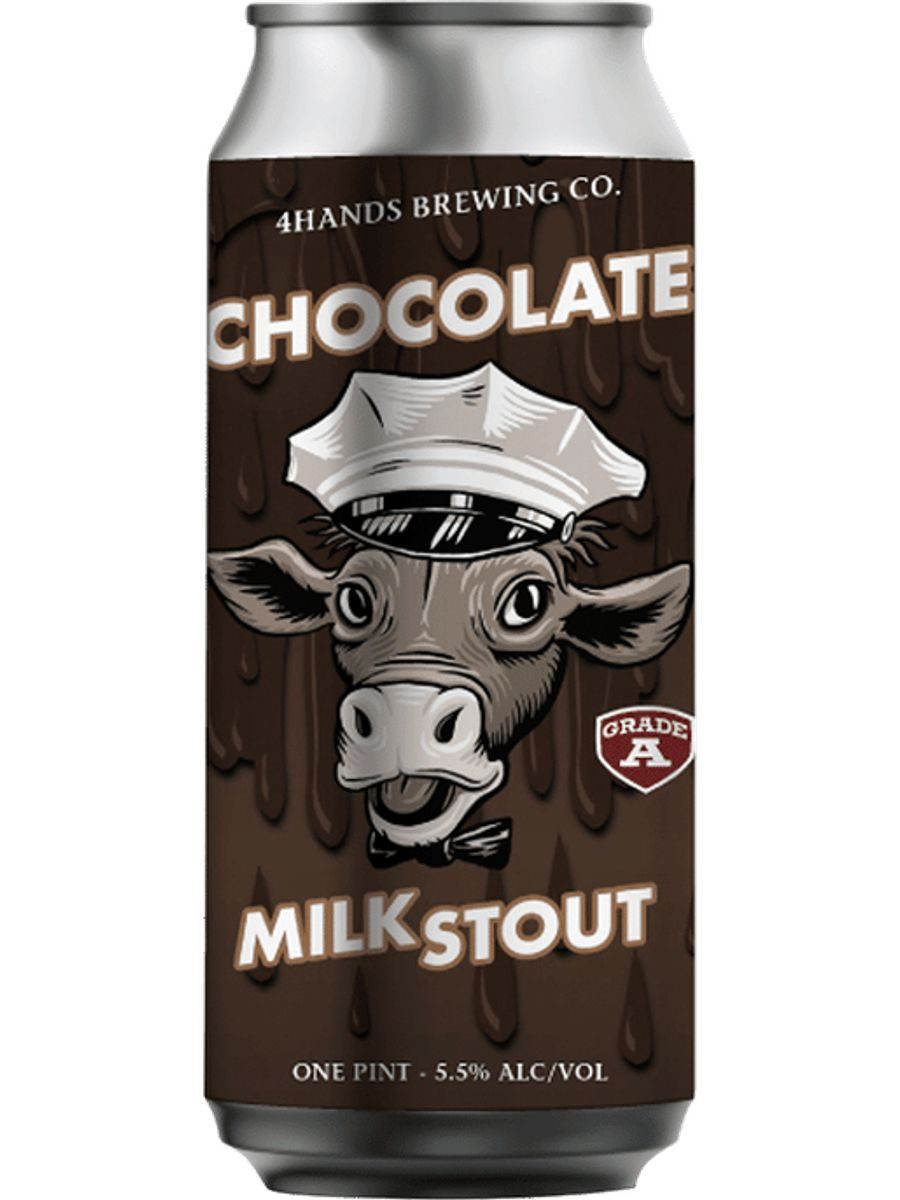
Chocolate Milk Stout
Brewed by 4 Hands Brewing Co.
Cacao nibs add dry chocolate while milk sugar gives a rounded body without imperial weight.
BAR NOTES
Why it earns a place: Chocolate Milk Stout brings Cacao nibs add dry chocolate while milk sugar gives a rounded body without imperial weight. The chocolate milk stout base gives that sweetness a recognizable beer structure instead of letting the added flavors drift into syrup.
How to drink it: Serve at 8–11°C in a stout glass; too-cold service hides the chocolate, coffee, and creamy body. Pair it with cookies, tiramisu, or salty pretzels; salt, roast, tang, or savory richness gives the beer a useful counterweight.
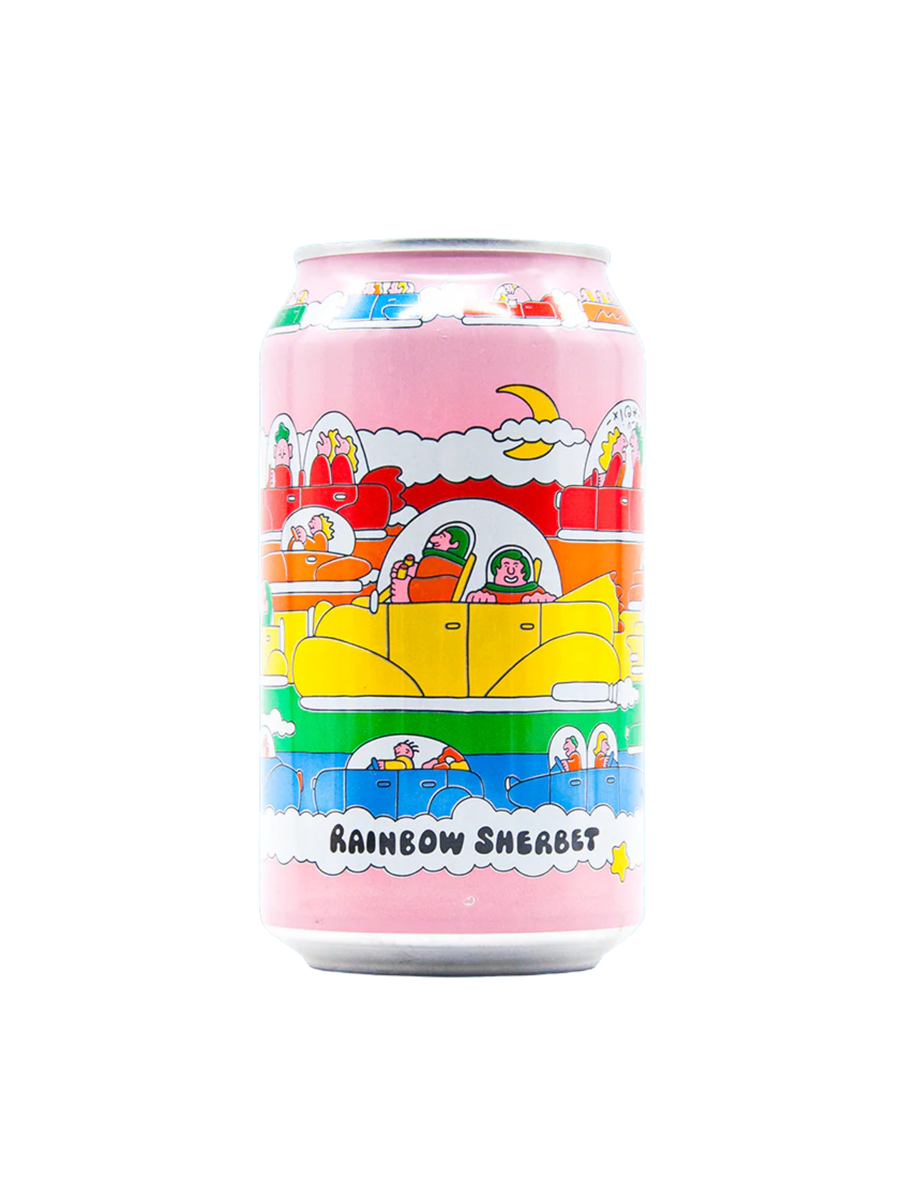
Prairie Rainbow Sherbet
Brewed by Prairie Artisan Ales
Kettle sour + citrus and berries: raspberry, pineapple, orange, lime, and candy-like tartness.
BAR NOTES
Why it earns a place: Prairie Rainbow Sherbet brings Kettle sour + citrus and berries: raspberry, pineapple, orange, lime, and candy-like tartness. The fruited sour ale base gives that sweetness a recognizable beer structure instead of letting the added flavors drift into syrup.
How to drink it: Serve at 5–8°C in a stemmed glass to keep fruit bright and carbonation active. Pair it with cheesecake, fruit tart, or spicy glazed wings; salt, roast, tang, or savory richness gives the beer a useful counterweight.
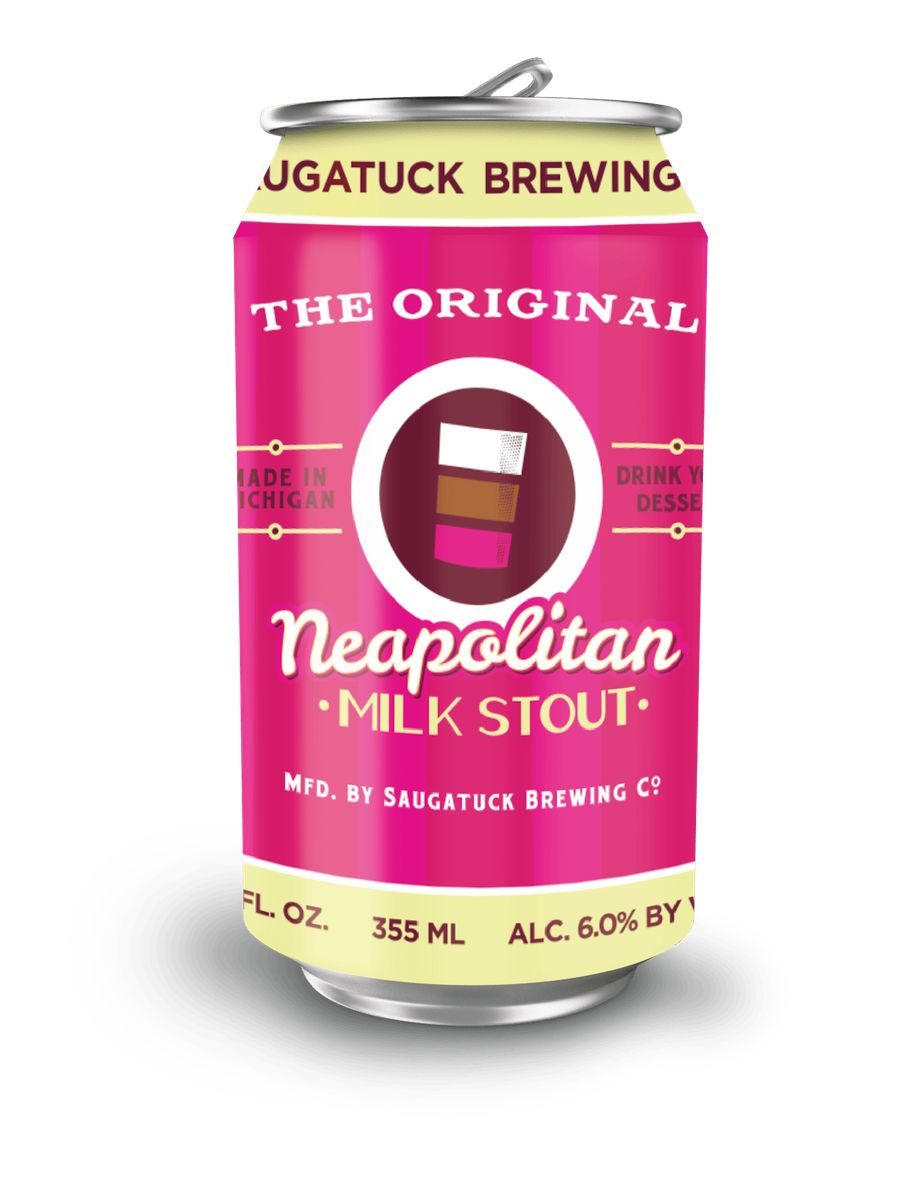
Neapolitan Milk Stout
Brewed by Saugatuck Brewing Company
The three-flavor ice-cream carton translated into a surprisingly balanced Michigan stout.
BAR NOTES
Why it earns a place: Neapolitan Milk Stout brings The three-flavor ice-cream carton translated into a surprisingly balanced Michigan stout. The flavored milk stout base gives that sweetness a recognizable beer structure instead of letting the added flavors drift into syrup.
How to drink it: Serve at 10–13°C in a snifter or tulip; warmth opens the pastry, spice, barrel, and dark-malt layers. Pair it with brownies, vanilla ice cream, or sharp blue cheese; salt, roast, tang, or savory richness gives the beer a useful counterweight.
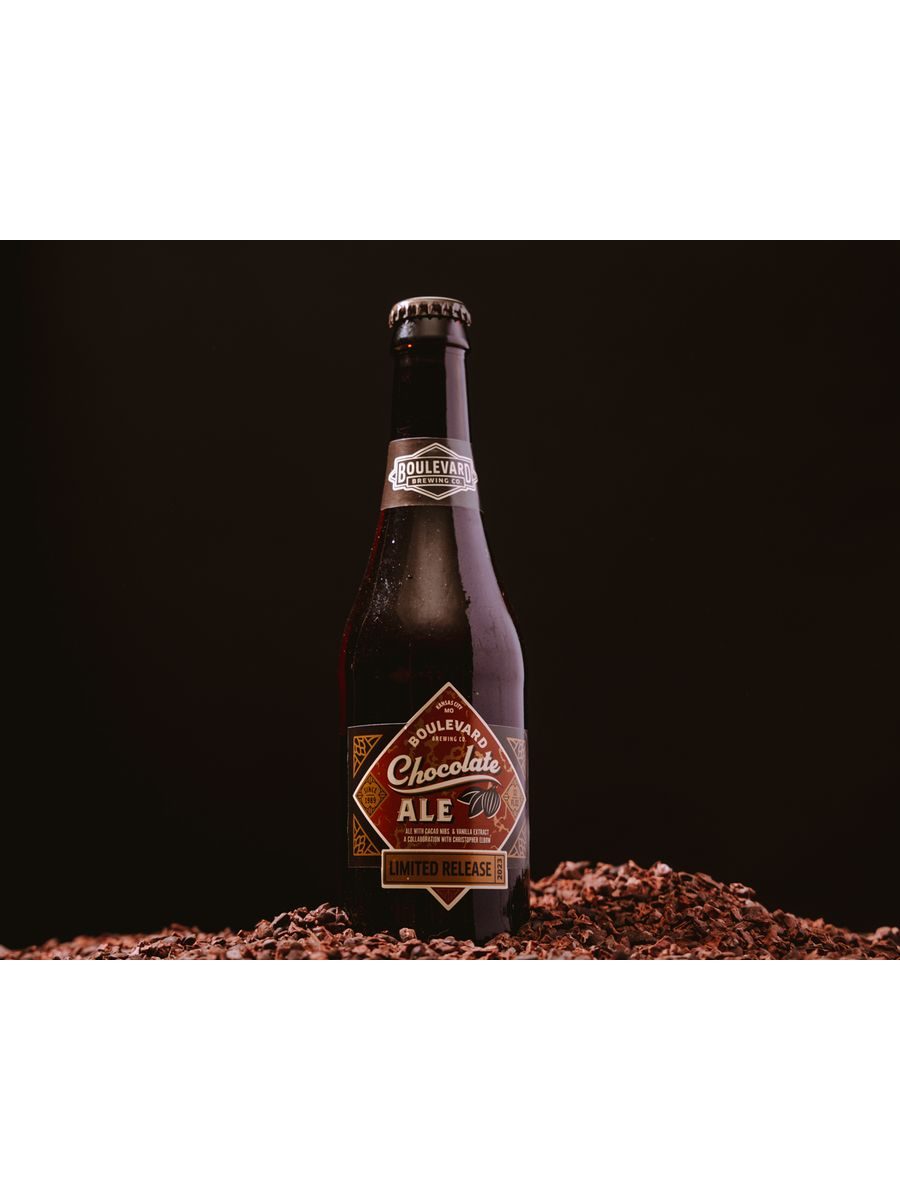
Boulevard Chocolate Ale
Brewed by Boulevard Brewing Co.
Valrhona cacao nibs and vanilla.
BAR NOTES
Why it earns a place: Boulevard Chocolate Ale brings Valrhona cacao nibs and vanilla. The cacao ale base gives that sweetness a recognizable beer structure instead of letting the added flavors drift into syrup.
How to drink it: Serve at 9–12°C in a tulip or stout glass so cocoa aroma and roasted malt stay distinct. Pair it with chocolate cake, aged cheddar, or smoked nuts; salt, roast, tang, or savory richness gives the beer a useful counterweight.
Big dessert pours
These are richer, stronger, or more flavor-loaded beers built for slow drinking rather than lawn-mower duty.
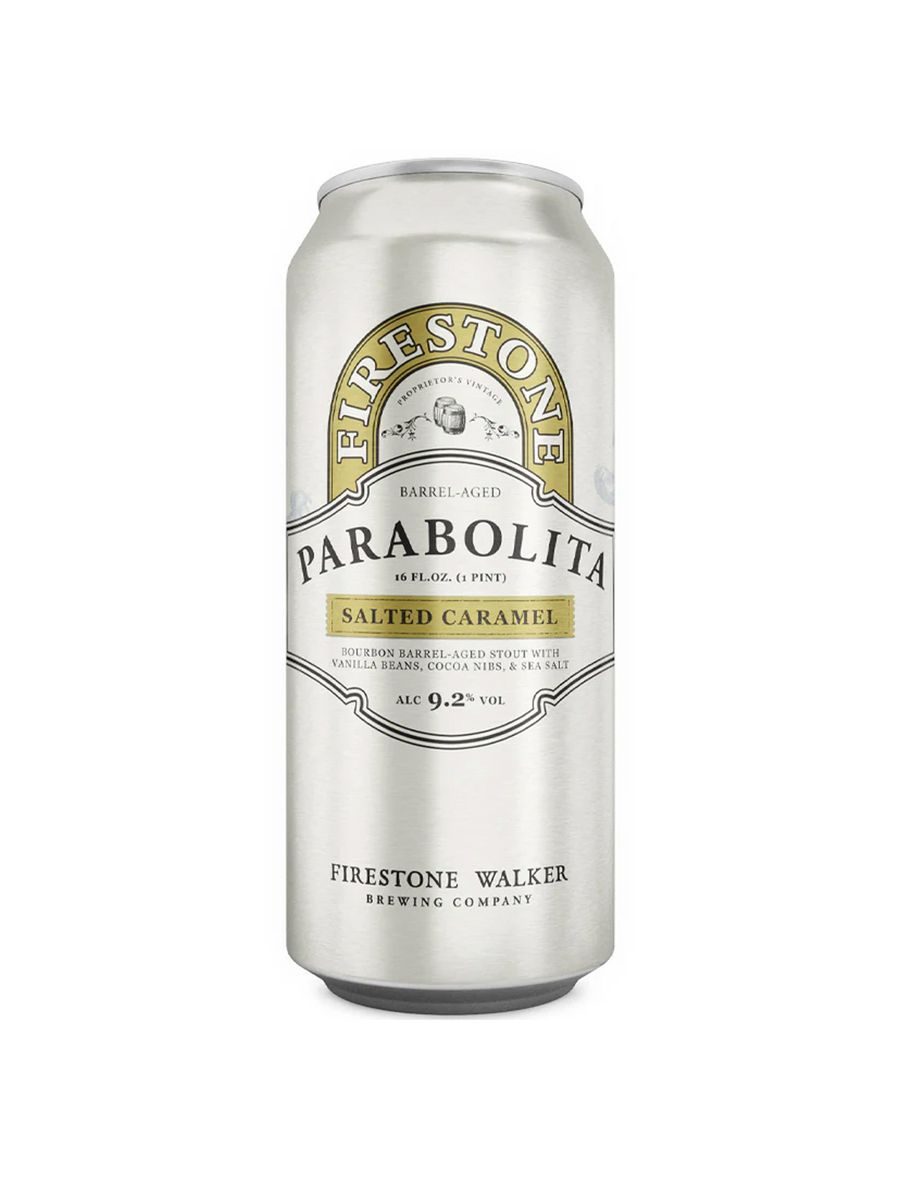
Parabolita
Brewed by Firestone Walker Brewing Company
Barrel-aged stout, softer oatmeal stout, cocoa, vanilla, and sea salt assembled for caramel clarity.
BAR NOTES
Why it earns a place: Parabolita brings Barrel-aged stout, softer oatmeal stout, cocoa, vanilla, and sea salt assembled for caramel clarity. The salted caramel barrel stout base gives that sweetness a recognizable beer structure instead of letting the added flavors drift into syrup.
How to drink it: Serve at 10–13°C in a snifter or tulip; warmth opens the pastry, spice, barrel, and dark-malt layers. Pair it with brownies, vanilla ice cream, or sharp blue cheese; salt, roast, tang, or savory richness gives the beer a useful counterweight.
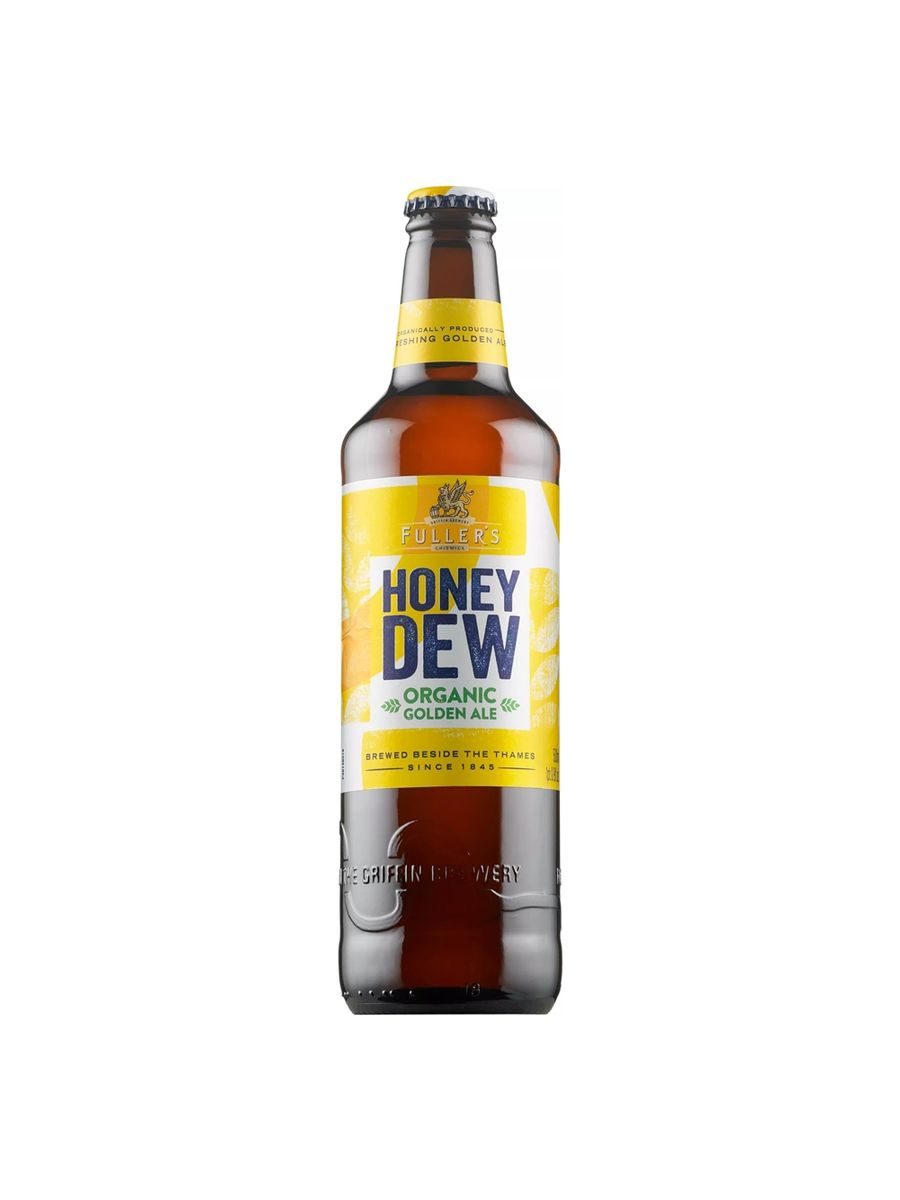
Fuller’s Organic Honey Dew
Brewed by Fuller’s Brewery
floral honey, biscuit, orange marmalade, herbs, and soft hops
BAR NOTES
Why it earns a place: Fuller’s Organic Honey Dew brings floral honey, biscuit, orange marmalade, herbs, and soft hops. The organic golden ale base gives that sweetness a recognizable beer structure instead of letting the added flavors drift into syrup.
How to drink it: Serve at 6–9°C in a tulip; moderate warmth helps floral honey and malt register together. Pair it with roast chicken, Brie, or almond cake; salt, roast, tang, or savory richness gives the beer a useful counterweight.
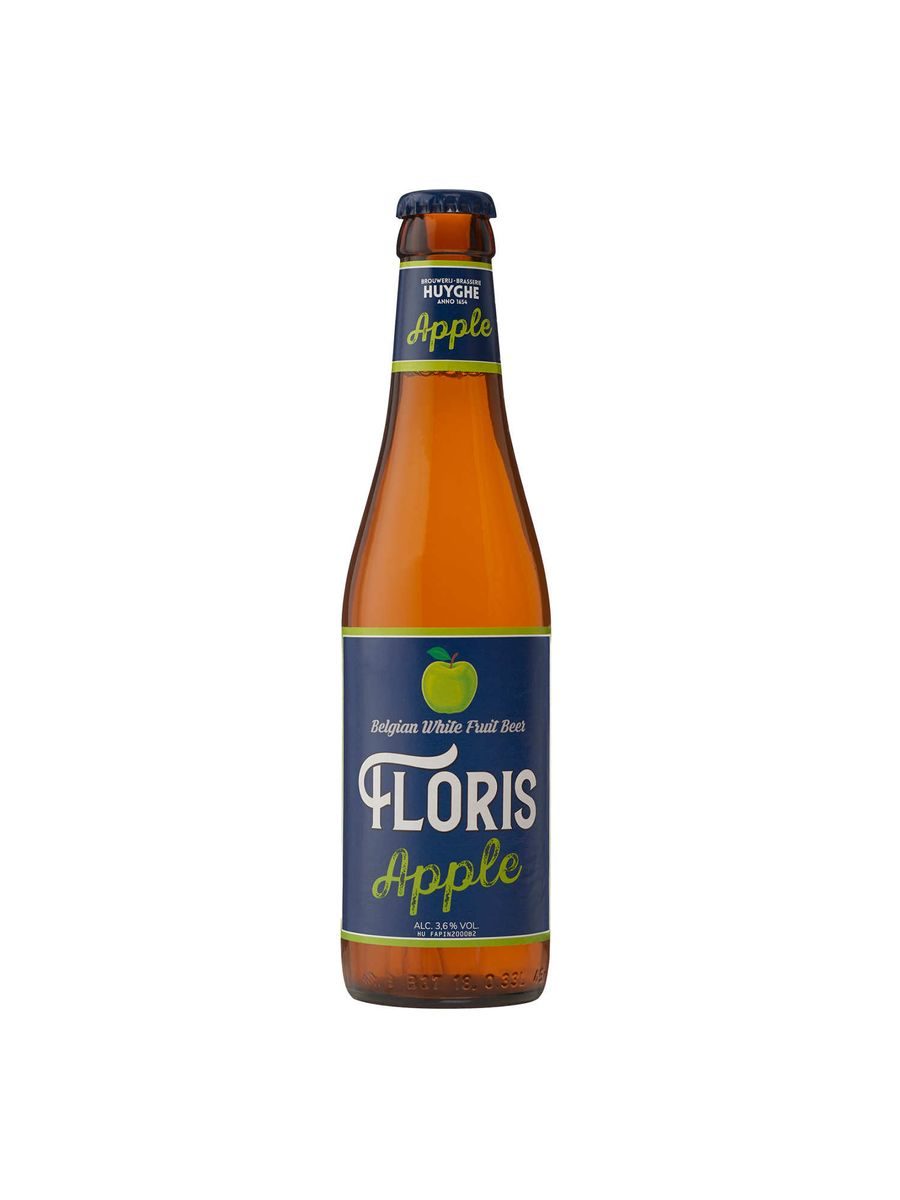
Floris Apple
Brewed by Huyghe Brewery
ripe apple, wheat, citrus, faint spice, and creamy sweetness
BAR NOTES
Why it earns a place: Floris Apple brings ripe apple, wheat, citrus, faint spice, and creamy sweetness. The apple wheat beer base gives that sweetness a recognizable beer structure instead of letting the added flavors drift into syrup.
How to drink it: Serve at 5–8°C in a stemmed glass; a cool pour keeps the fruit lively without flattening the malt. Pair it with apple tart, pork chops, or mature cheddar; salt, roast, tang, or savory richness gives the beer a useful counterweight.

Single Shot
Brewed by Tree House Brewing Company
Fresh coffee, milk chocolate, and cream sit over a plush but disciplined milk-stout base.
BAR NOTES
Why it earns a place: Single Shot brings Fresh coffee, milk chocolate, and cream sit over a plush but disciplined milk-stout base. The coffee milk stout base gives that sweetness a recognizable beer structure instead of letting the added flavors drift into syrup.
How to drink it: Serve at 8–11°C in a stout glass; too-cold service hides the chocolate, coffee, and creamy body. Pair it with cookies, tiramisu, or salty pretzels; salt, roast, tang, or savory richness gives the beer a useful counterweight.
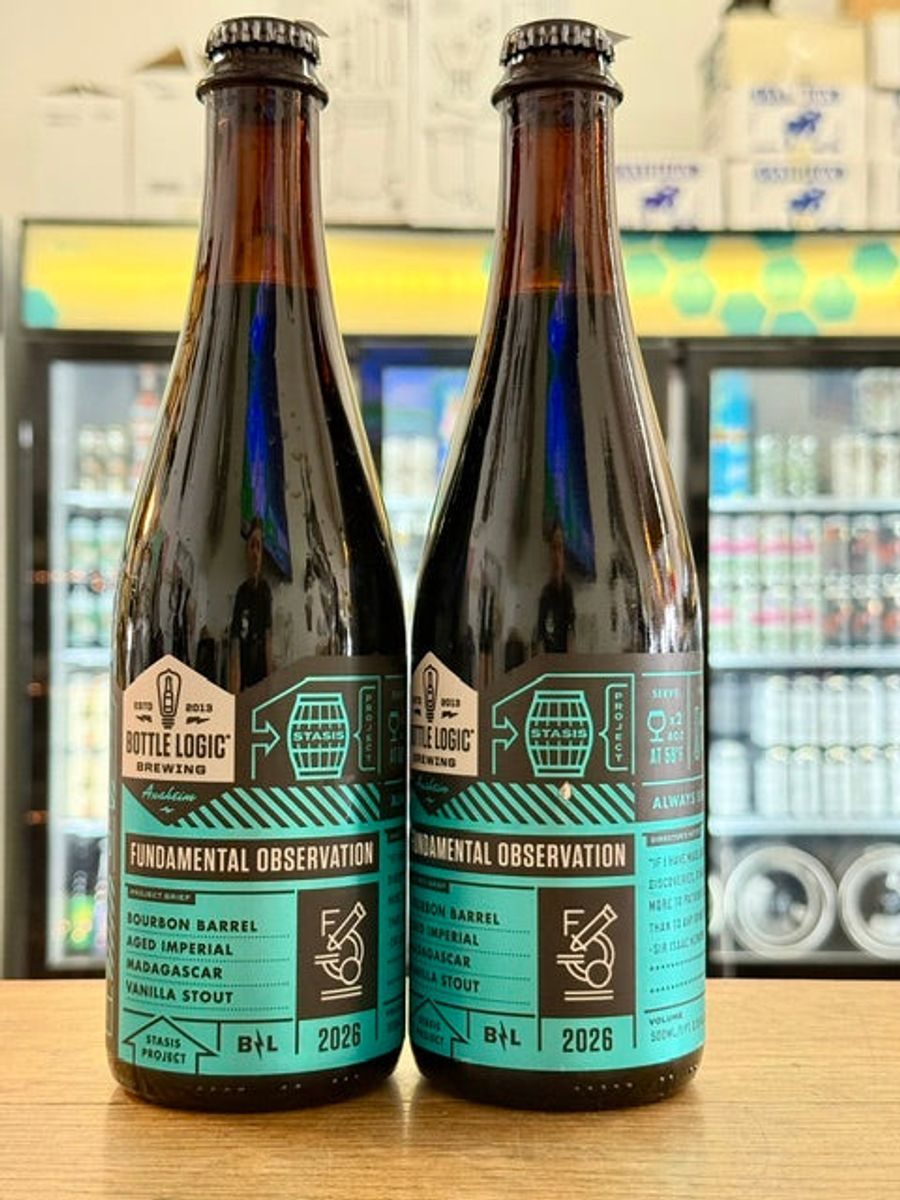
Fundamental Observation 2026
Brewed by Bottle Logic Brewing
A vanilla-forward prestige stout with enough roast, chocolate, and tannin to make the sweetness behave.
BAR NOTES
Why it earns a place: Fundamental Observation 2026 brings A vanilla-forward prestige stout with enough roast, chocolate, and tannin to make the sweetness behave. The bourbon barrel-aged vanilla imperial stout base gives that sweetness a recognizable beer structure instead of letting the added flavors drift into syrup.
How to drink it: Serve at 10–13°C in a snifter or tulip; warmth opens the pastry, spice, barrel, and dark-malt layers. Pair it with brownies, vanilla ice cream, or sharp blue cheese; salt, roast, tang, or savory richness gives the beer a useful counterweight.
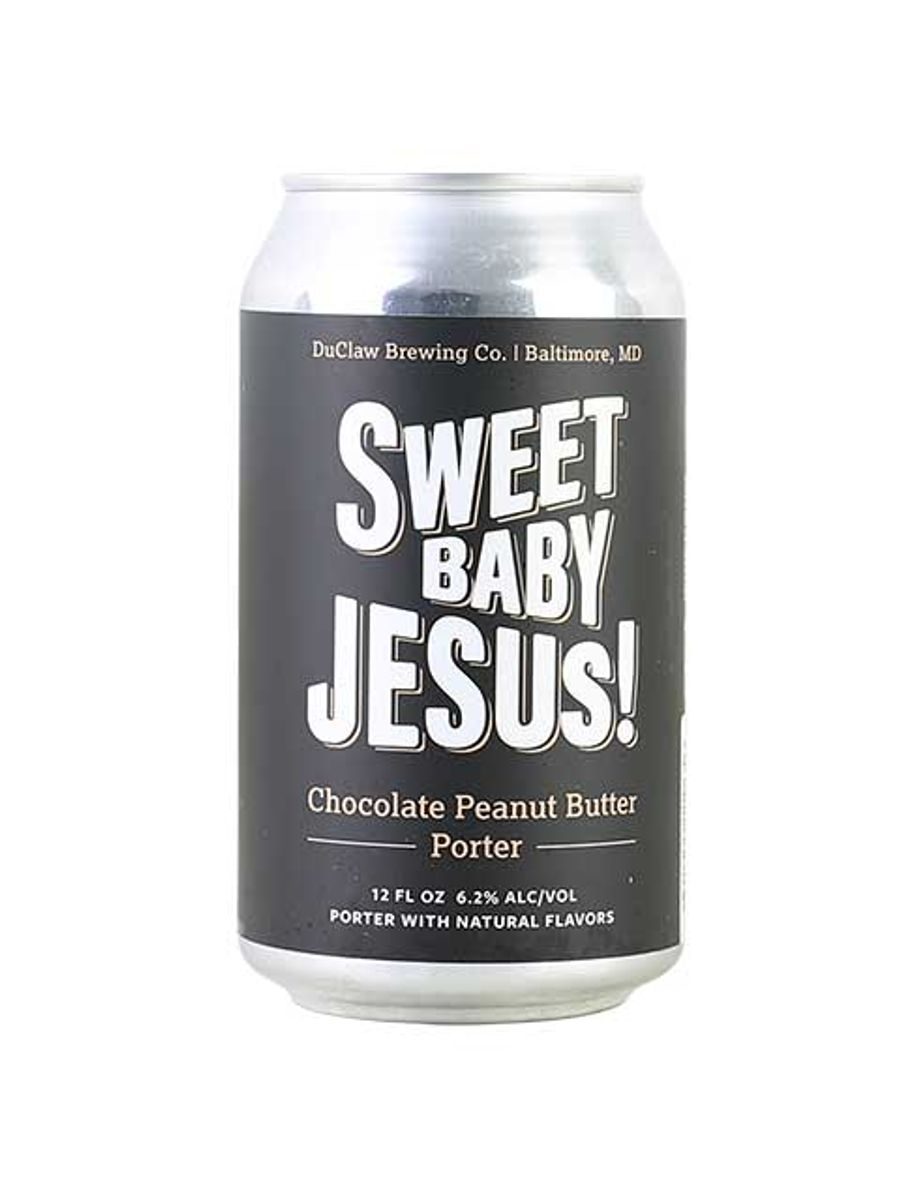
DuClaw Sweet Baby Jesus!
Brewed by DuClaw Brewing Company
chocolate and peanut butter flavor.
BAR NOTES
Why it earns a place: DuClaw Sweet Baby Jesus! brings chocolate and peanut butter flavor. The chocolate peanut butter porter base gives that sweetness a recognizable beer structure instead of letting the added flavors drift into syrup.
How to drink it: Serve at 9–12°C in a tulip or stout glass so cocoa aroma and roasted malt stay distinct. Pair it with chocolate cake, aged cheddar, or smoked nuts; salt, roast, tang, or savory richness gives the beer a useful counterweight.
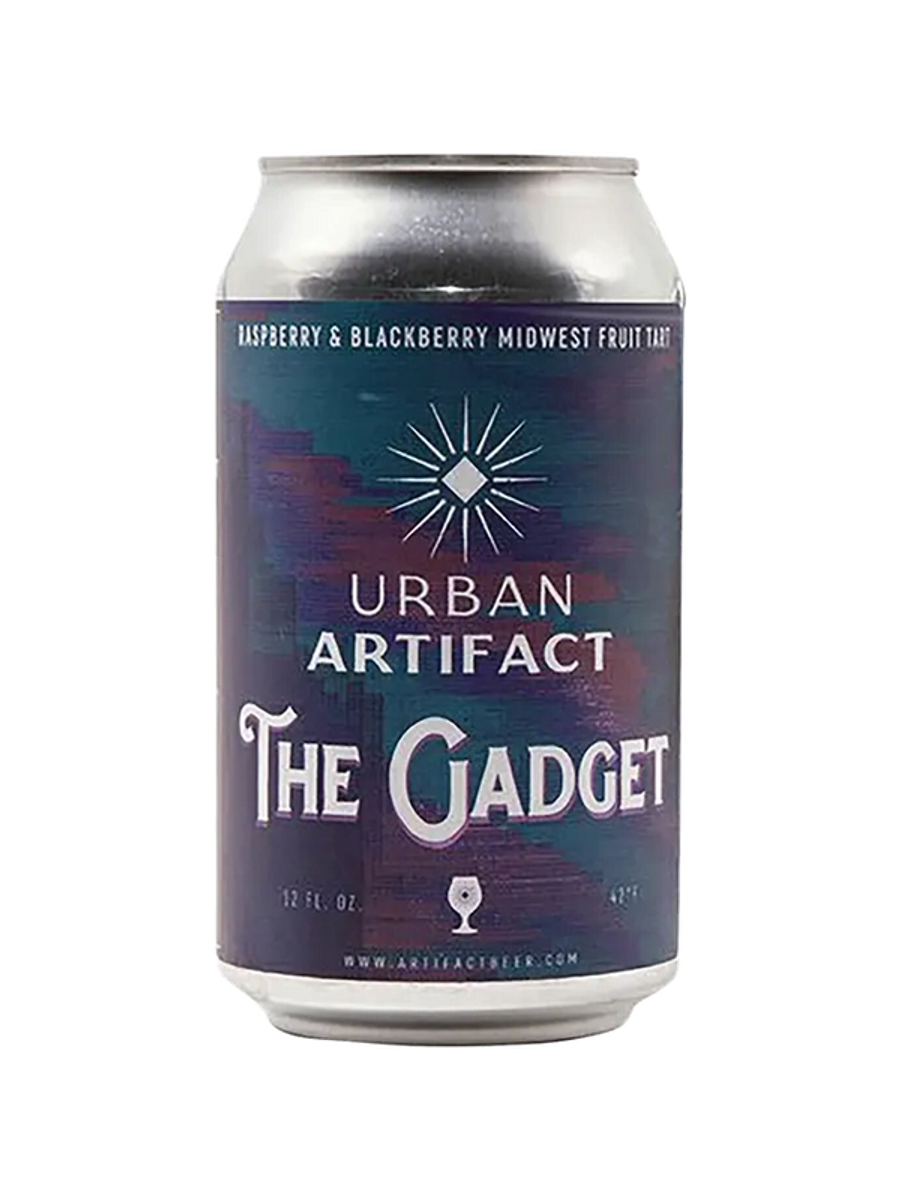
Urban Artifact The Gadget
Brewed by Urban Artifact
Fruit tart + berries: blackberry, raspberry, vanilla, jam, and forceful acidity.
BAR NOTES
Why it earns a place: Urban Artifact The Gadget brings Fruit tart + berries: blackberry, raspberry, vanilla, jam, and forceful acidity. The midwest fruit tart base gives that sweetness a recognizable beer structure instead of letting the added flavors drift into syrup.
How to drink it: Serve at 5–8°C in a stemmed glass to keep fruit bright and carbonation active. Pair it with cheesecake, fruit tart, or spicy glazed wings; salt, roast, tang, or savory richness gives the beer a useful counterweight.
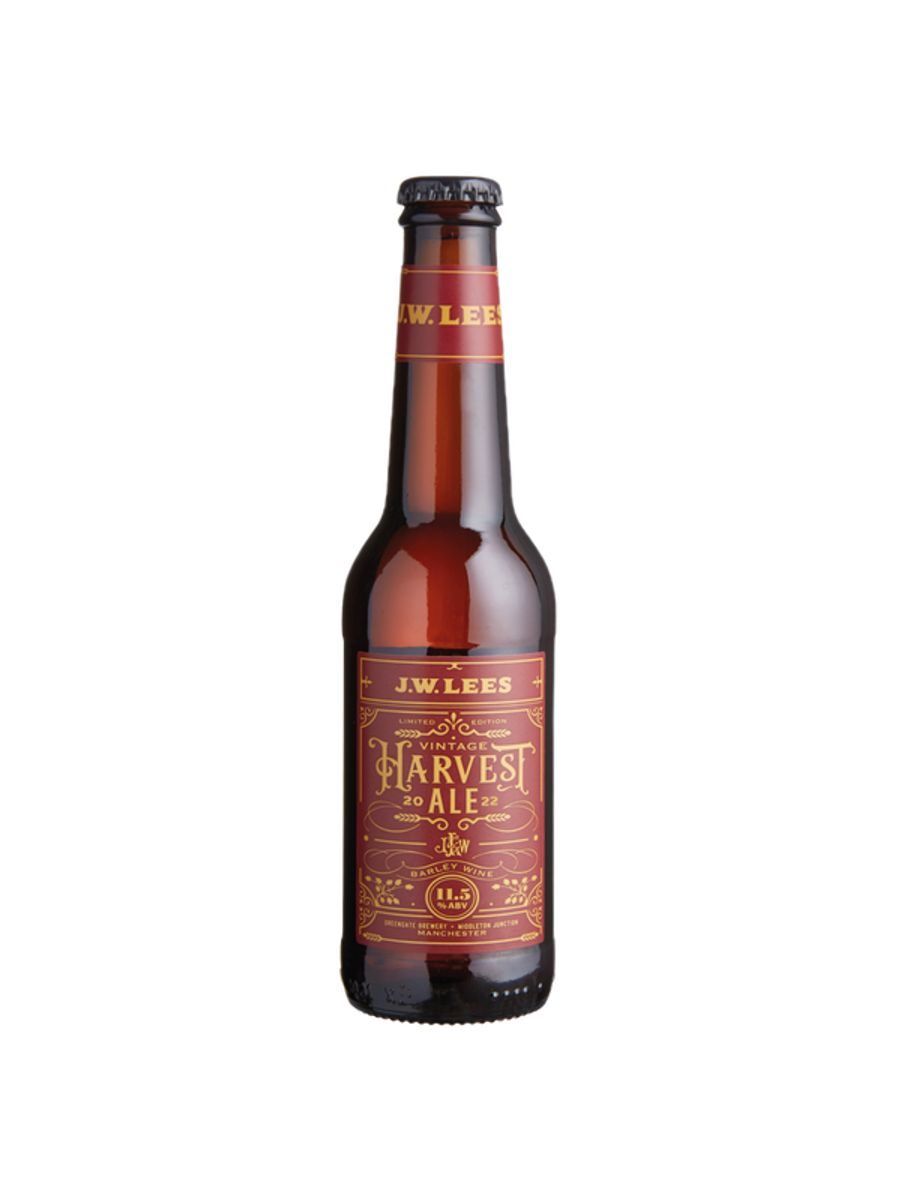
Harvest Ale
Brewed by J.W. Lees
Molasses, toffee, cherry, sherry, and ripe fruit make this the clearest English counterpoint to fresh, hop-driven Bigfoot.
BAR NOTES
Why it earns a place: Harvest Ale brings Molasses, toffee, cherry, sherry, and ripe fruit make this the clearest English counterpoint to fresh, hop-driven Bigfoot. The english barleywine base gives that sweetness a recognizable beer structure instead of letting the added flavors drift into syrup.
How to drink it: Serve at 11–14°C in a small snifter and pour slowly; these are concentrated after-dinner beers. Pair it with blue cheese, bread pudding, or roasted nuts; salt, roast, tang, or savory richness gives the beer a useful counterweight.
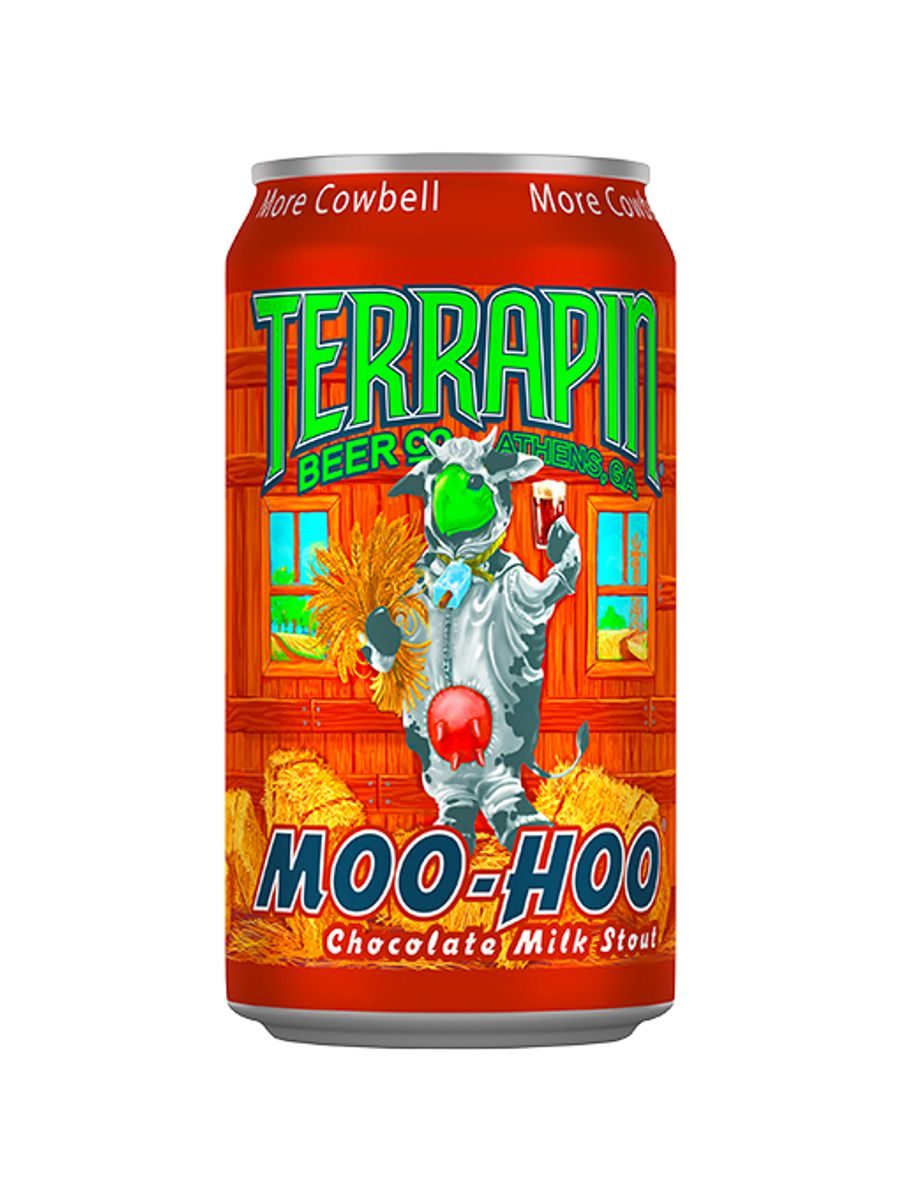
Terrapin Moo-Hoo Chocolate Milk Stout
Brewed by Terrapin Beer Co.
cocoa nibs and lactose.
BAR NOTES
Why it earns a place: Terrapin Moo-Hoo Chocolate Milk Stout brings cocoa nibs and lactose. The chocolate milk stout base gives that sweetness a recognizable beer structure instead of letting the added flavors drift into syrup.
How to drink it: Serve at 9–12°C in a tulip or stout glass so cocoa aroma and roasted malt stay distinct. Pair it with chocolate cake, aged cheddar, or smoked nuts; salt, roast, tang, or savory richness gives the beer a useful counterweight.

Milk Truck Latte Stout
Brewed by Mother Earth Brew Co.
Coffee, vanilla, oats, and milk sugar produce a creamy latte profile without heavyweight alcohol.
BAR NOTES
Why it earns a place: Milk Truck Latte Stout brings Coffee, vanilla, oats, and milk sugar produce a creamy latte profile without heavyweight alcohol. The latte stout base gives that sweetness a recognizable beer structure instead of letting the added flavors drift into syrup.
How to drink it: Serve at 8–11°C in a stout glass; too-cold service hides the chocolate, coffee, and creamy body. Pair it with cookies, tiramisu, or salty pretzels; salt, roast, tang, or savory richness gives the beer a useful counterweight.
After-dinner beers and wild cards
The final ten move through honey tripel, apple pie, fruit ale, barrel-aged barleywine, and creamy stout.
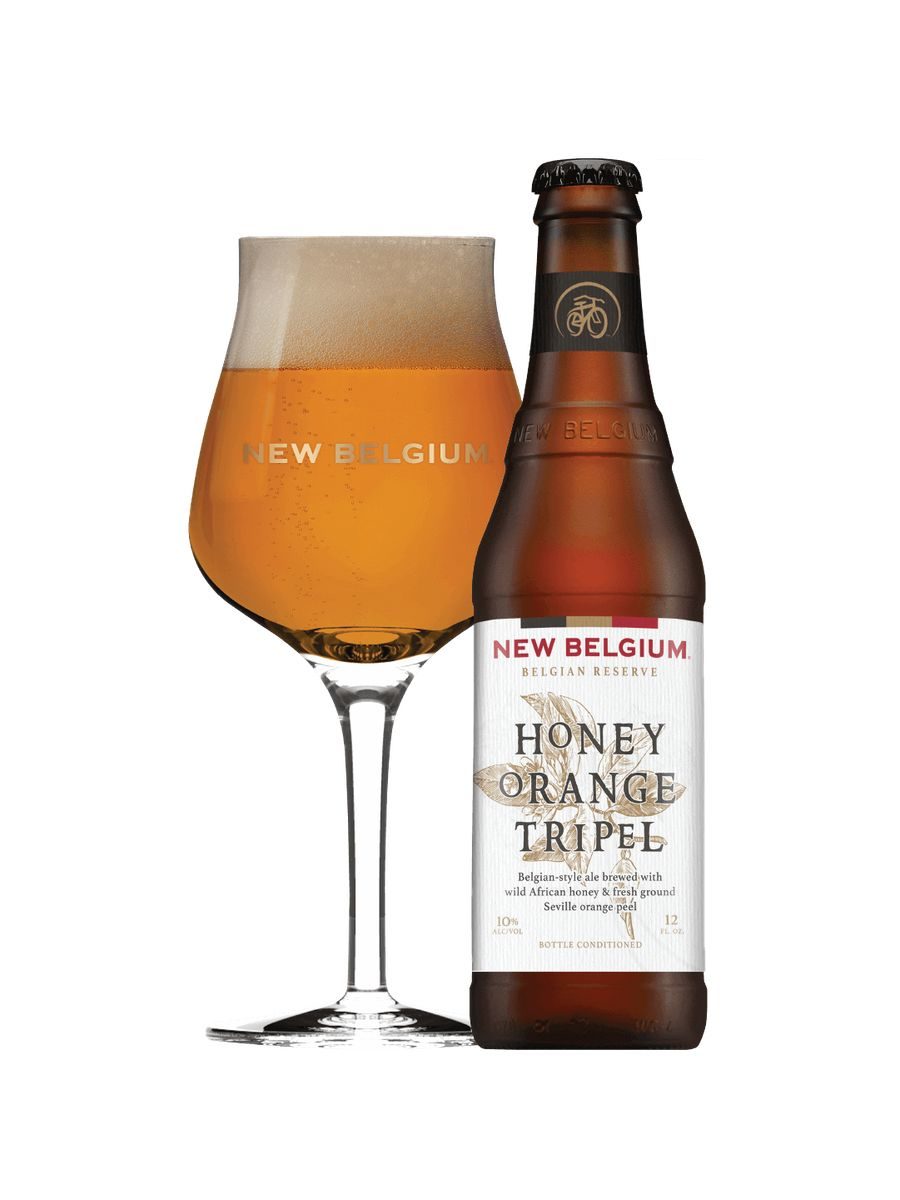
New Belgium Honey Orange Tripel
Brewed by New Belgium Brewing
orange peel, wild honey, pear, clove, biscuit, and warmth
BAR NOTES
Why it earns a place: New Belgium Honey Orange Tripel brings orange peel, wild honey, pear, clove, biscuit, and warmth. The belgian-style tripel base gives that sweetness a recognizable beer structure instead of letting the added flavors drift into syrup.
How to drink it: Serve at 6–9°C in a tulip; moderate warmth helps floral honey and malt register together. Pair it with roast chicken, Brie, or almond cake; salt, roast, tang, or savory richness gives the beer a useful counterweight.
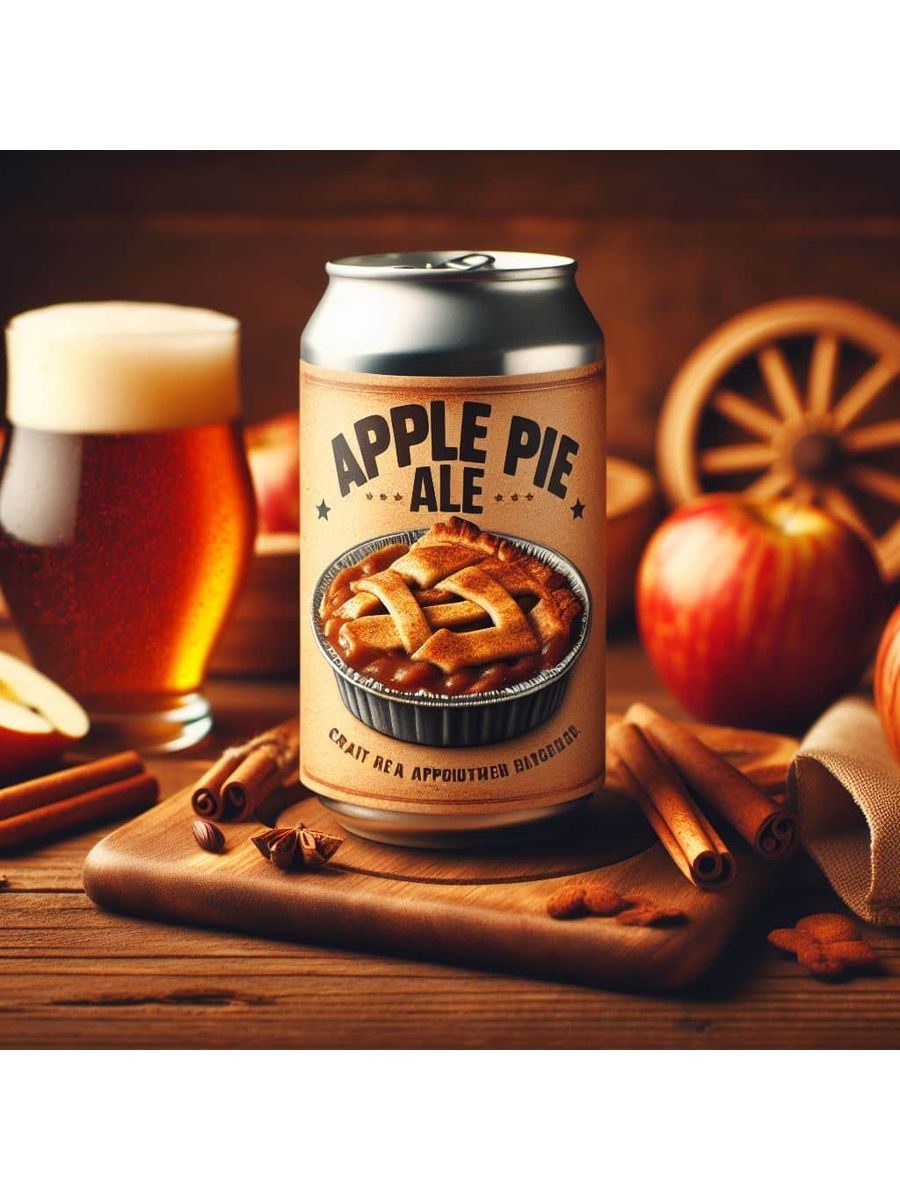
Apple Pie Ale
Brewed by Cape May Brewing
baked apple, cinnamon, pastry malt, vanilla, and gentle spice
BAR NOTES
Why it earns a place: Apple Pie Ale brings baked apple, cinnamon, pastry malt, vanilla, and gentle spice. The spiced fruit ale base gives that sweetness a recognizable beer structure instead of letting the added flavors drift into syrup.
How to drink it: Serve at 5–8°C in a stemmed glass; a cool pour keeps the fruit lively without flattening the malt. Pair it with apple tart, pork chops, or mature cheddar; salt, roast, tang, or savory richness gives the beer a useful counterweight.
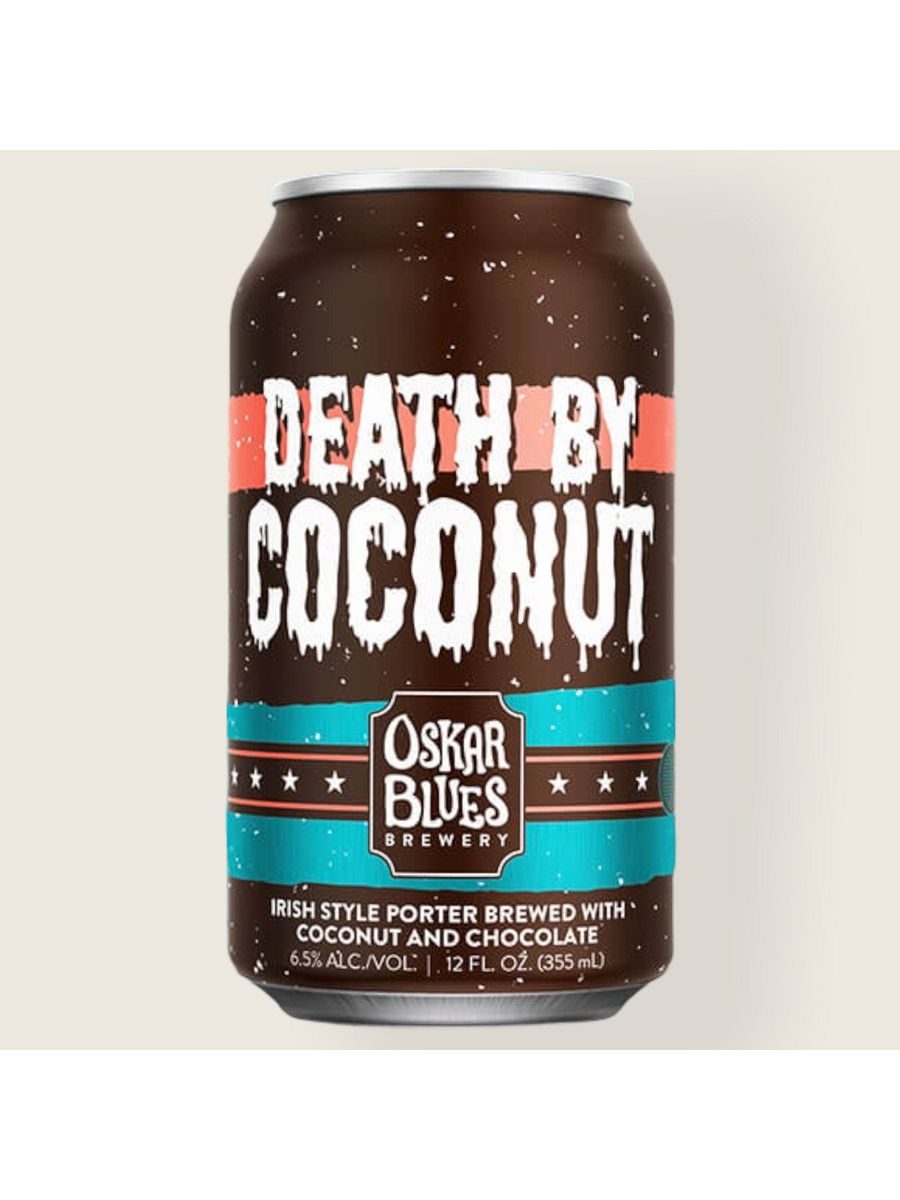
Oskar Blues Death by Coconut
Brewed by Oskar Blues Brewery
desiccated coconut and dark chocolate.
BAR NOTES
Why it earns a place: Oskar Blues Death by Coconut brings desiccated coconut and dark chocolate. The coconut chocolate porter base gives that sweetness a recognizable beer structure instead of letting the added flavors drift into syrup.
How to drink it: Serve at 9–12°C in a tulip or stout glass so cocoa aroma and roasted malt stay distinct. Pair it with chocolate cake, aged cheddar, or smoked nuts; salt, roast, tang, or savory richness gives the beer a useful counterweight.
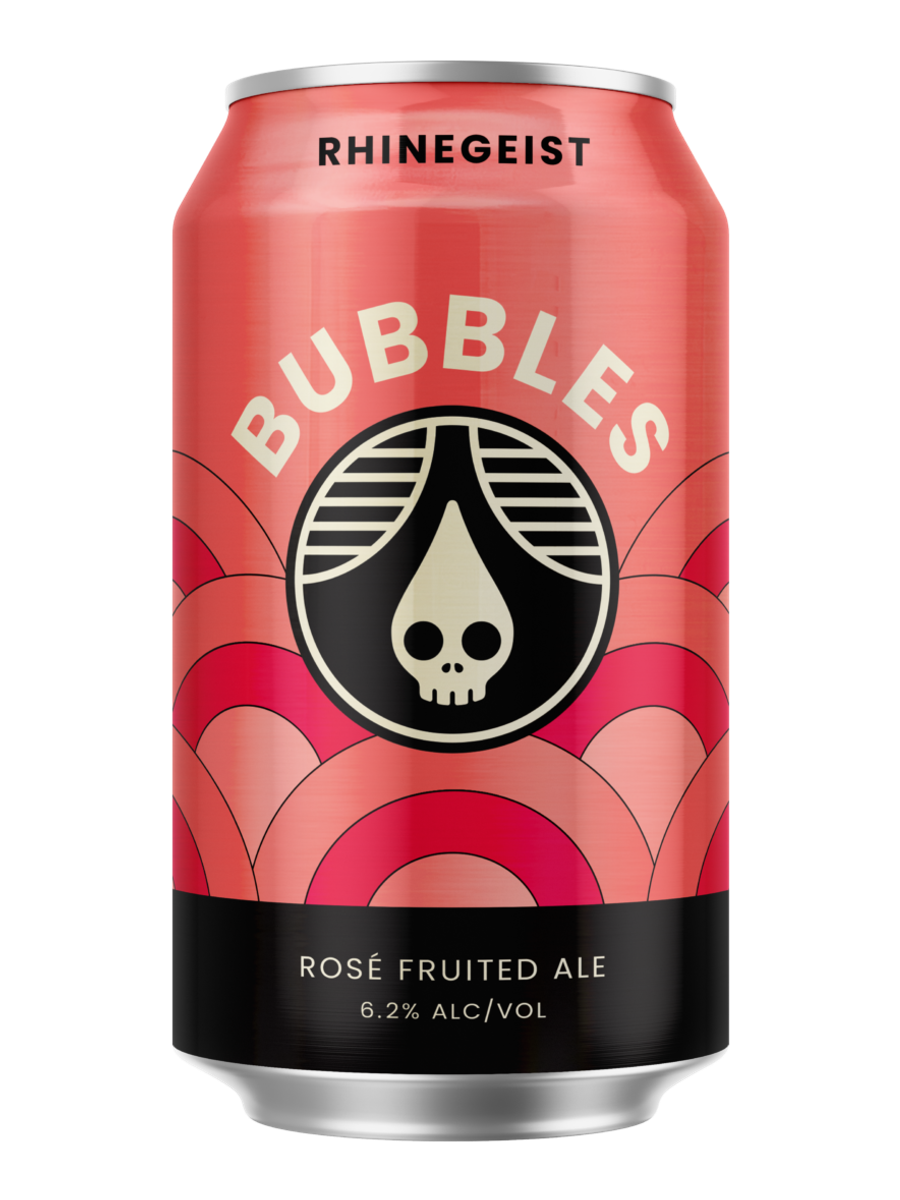
Rhinegeist Bubbles
Brewed by Rhinegeist Brewery
Fruit + sparkling finish: apple, peach, cranberry, citrus, and lively carbonation.
BAR NOTES
Why it earns a place: Rhinegeist Bubbles brings Fruit + sparkling finish: apple, peach, cranberry, citrus, and lively carbonation. The rosé ale base gives that sweetness a recognizable beer structure instead of letting the added flavors drift into syrup.
How to drink it: Serve at 5–8°C in a stemmed glass to keep fruit bright and carbonation active. Pair it with cheesecake, fruit tart, or spicy glazed wings; salt, roast, tang, or savory richness gives the beer a useful counterweight.
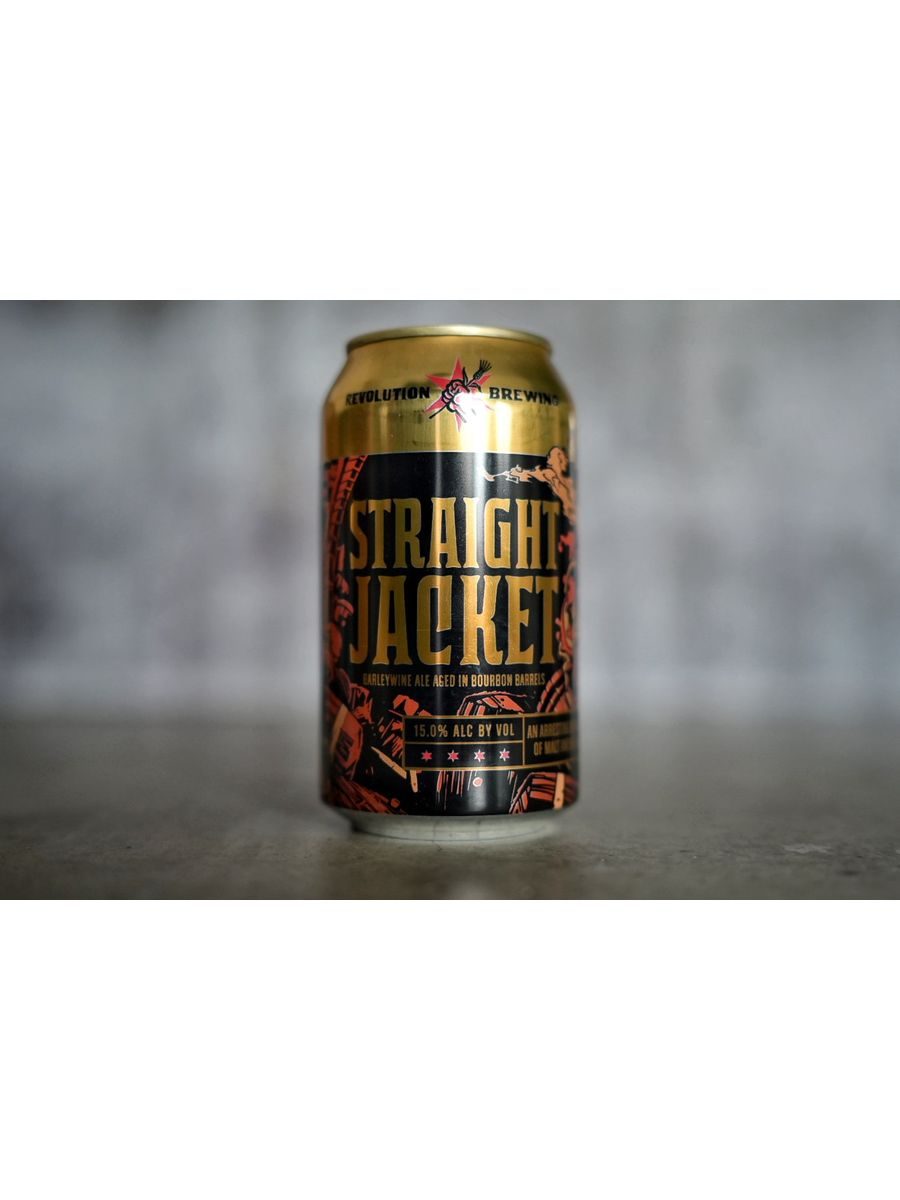
Straight Jacket
Brewed by Revolution Brewing
A modern barrel-room benchmark whose brown sugar, vanilla, oak, and dark fruit remain recognizably barleywine beneath the whiskey.
BAR NOTES
Why it earns a place: Straight Jacket brings A modern barrel-room benchmark whose brown sugar, vanilla, oak, and dark fruit remain recognizably barleywine beneath the whiskey. The bourbon barrel-aged barleywine base gives that sweetness a recognizable beer structure instead of letting the added flavors drift into syrup.
How to drink it: Serve at 11–14°C in a small snifter and pour slowly; these are concentrated after-dinner beers. Pair it with blue cheese, bread pudding, or roasted nuts; salt, roast, tang, or savory richness gives the beer a useful counterweight.
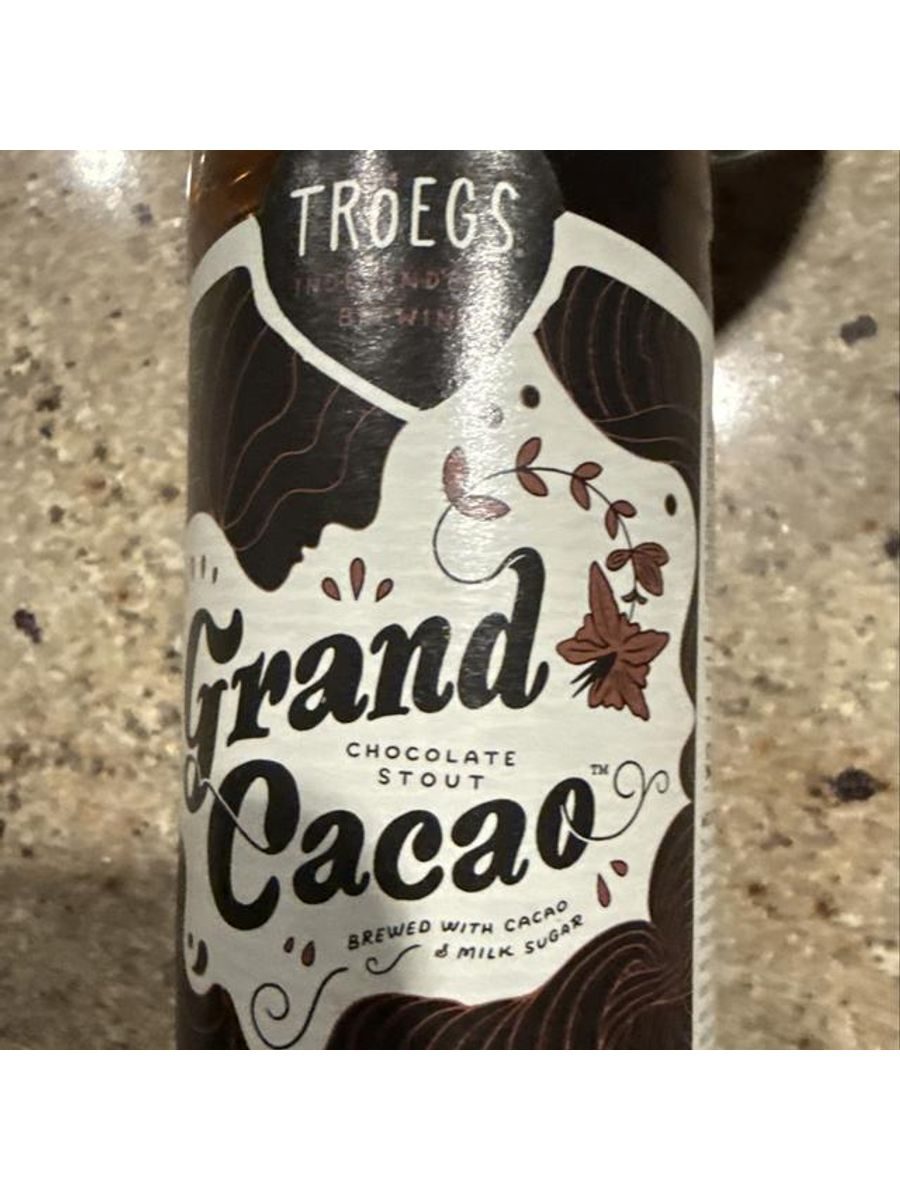
Troegs Grand Cacao
Brewed by Troegs Independent Brewing
cacao, chocolate and milk sugar.
BAR NOTES
Why it earns a place: Troegs Grand Cacao brings cacao, chocolate and milk sugar. The chocolate stout base gives that sweetness a recognizable beer structure instead of letting the added flavors drift into syrup.
How to drink it: Serve at 9–12°C in a tulip or stout glass so cocoa aroma and roasted malt stay distinct. Pair it with chocolate cake, aged cheddar, or smoked nuts; salt, roast, tang, or savory richness gives the beer a useful counterweight.
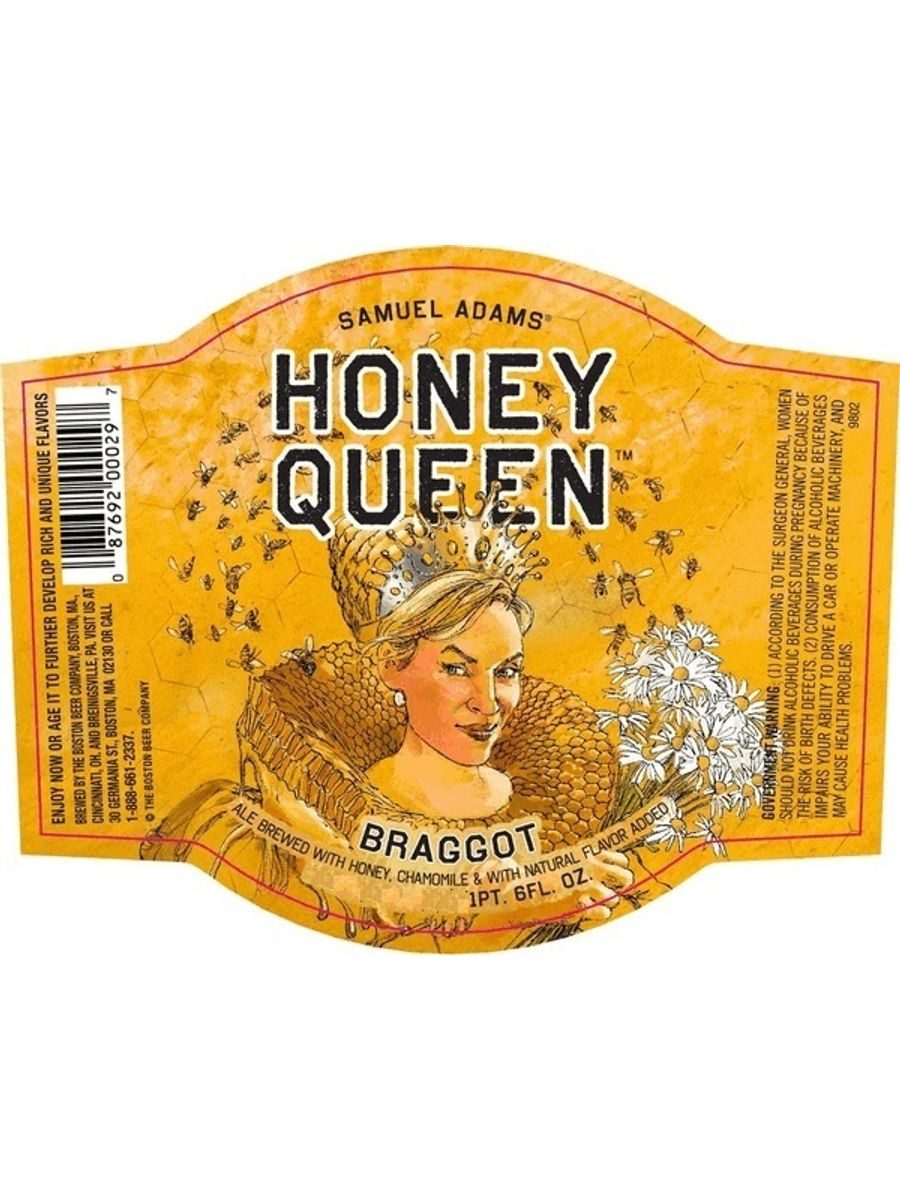
Samuel Adams Honey Queen
Brewed by Samuel Adams
wildflower honey, chamomile, citrus, malt, and floral hops
BAR NOTES
Why it earns a place: Samuel Adams Honey Queen brings wildflower honey, chamomile, citrus, malt, and floral hops. The braggot base gives that sweetness a recognizable beer structure instead of letting the added flavors drift into syrup.
How to drink it: Serve at 6–9°C in a tulip; moderate warmth helps floral honey and malt register together. Pair it with roast chicken, Brie, or almond cake; salt, roast, tang, or savory richness gives the beer a useful counterweight.
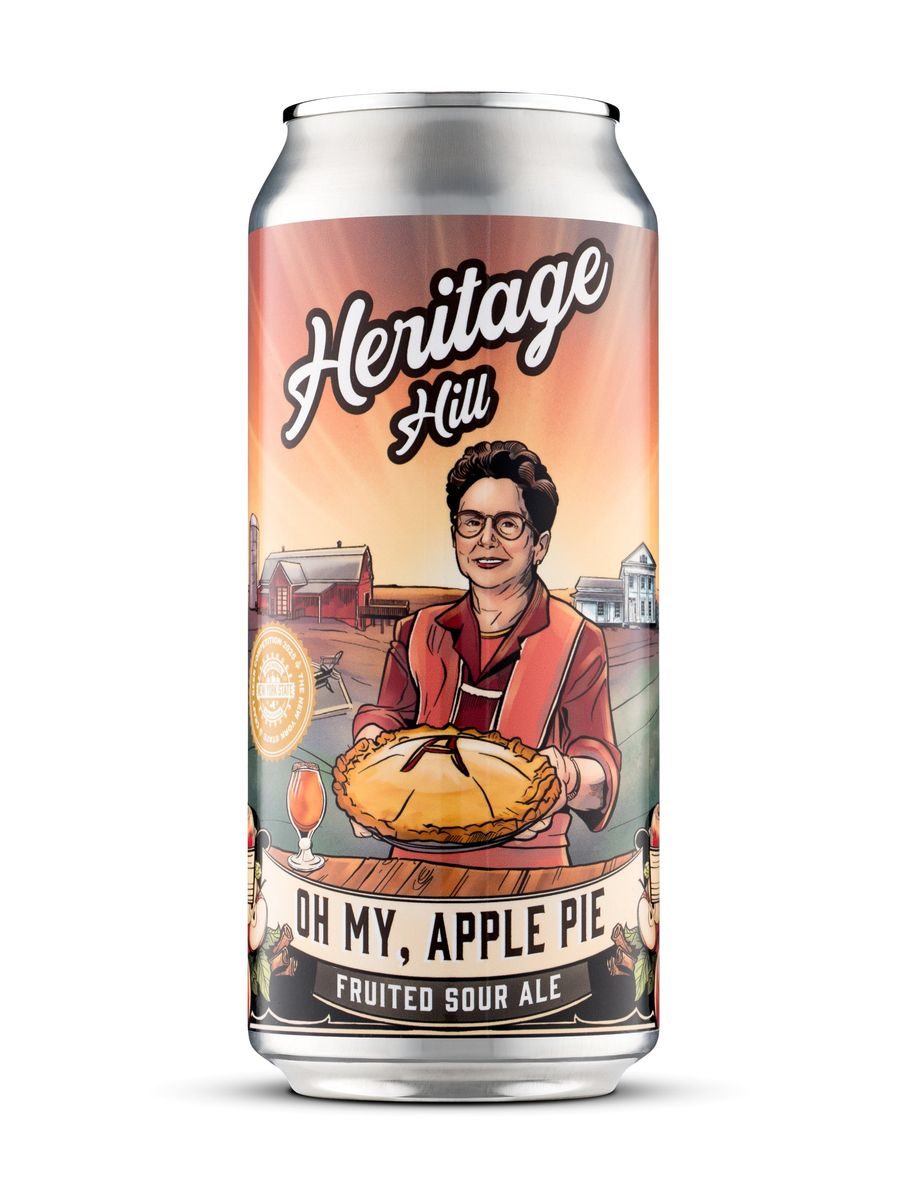
Oh My, Apple Pie
Brewed by Heritage Hill Brewhouse
orchard apple, cinnamon, biscuit malt, vanilla, and soft spice
BAR NOTES
Why it earns a place: Oh My, Apple Pie brings orchard apple, cinnamon, biscuit malt, vanilla, and soft spice. The apple pie ale base gives that sweetness a recognizable beer structure instead of letting the added flavors drift into syrup.
How to drink it: Serve at 5–8°C in a stemmed glass; a cool pour keeps the fruit lively without flattening the malt. Pair it with apple tart, pork chops, or mature cheddar; salt, roast, tang, or savory richness gives the beer a useful counterweight.
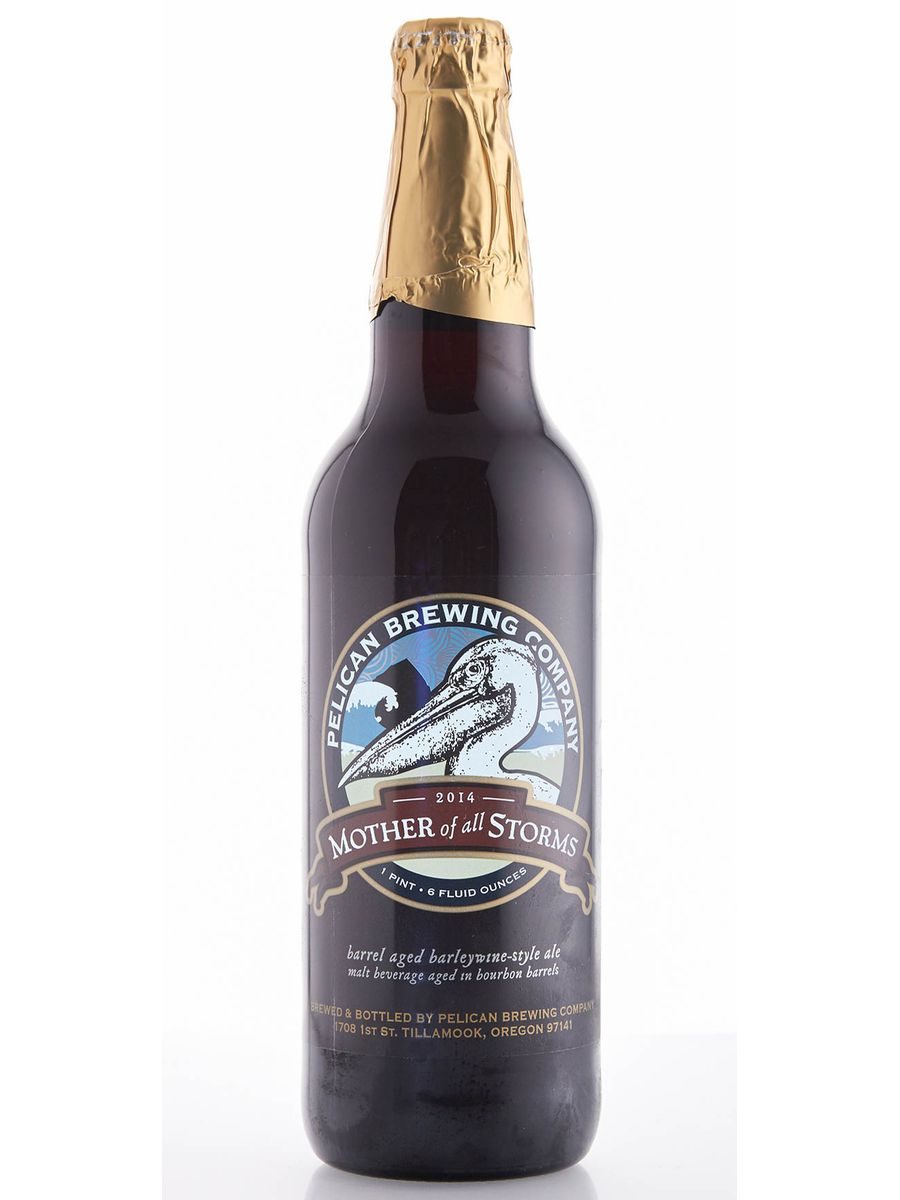
Mother of All Storms
Brewed by Pelican Brewing Company
Toasted malt, bourbon, oak, vanilla, toffee, and caramel arrive with the deliberate calm of a beer given a full year to settle.
BAR NOTES
Why it earns a place: Mother of All Storms brings Toasted malt, bourbon, oak, vanilla, toffee, and caramel arrive with the deliberate calm of a beer given a full year to settle. The bourbon barrel-aged english barleywine base gives that sweetness a recognizable beer structure instead of letting the added flavors drift into syrup.
How to drink it: Serve at 11–14°C in a small snifter and pour slowly; these are concentrated after-dinner beers. Pair it with blue cheese, bread pudding, or roasted nuts; salt, roast, tang, or savory richness gives the beer a useful counterweight.
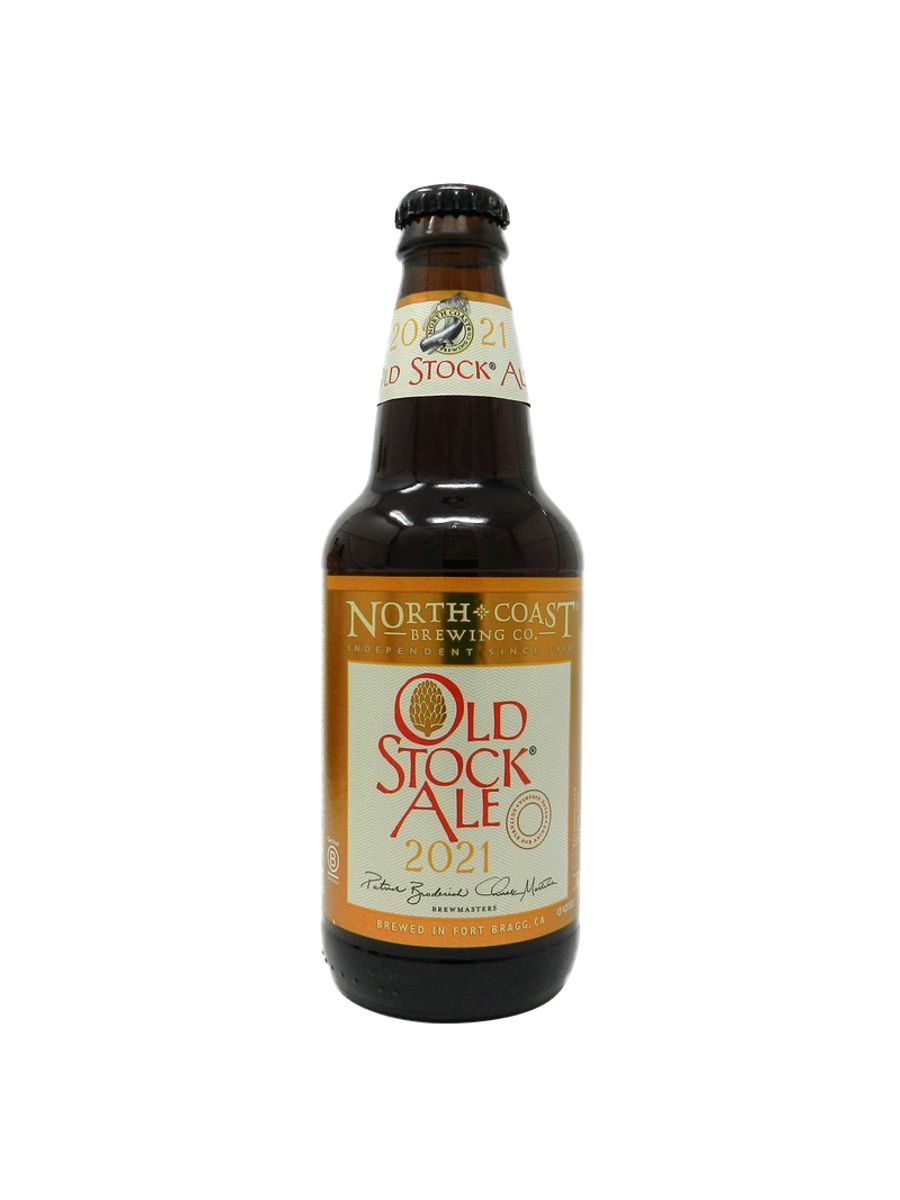
Old Stock Ale
Brewed by North Coast Brewing Company
This boundary bottle explains where old ale ends and English barleywine begins better than a paragraph of rigid style taxonomy.
BAR NOTES
Why it earns a place: Old Stock Ale brings This boundary bottle explains where old ale ends and English barleywine begins better than a paragraph of rigid style taxonomy. The old ale / english barleywine crossover base gives that sweetness a recognizable beer structure instead of letting the added flavors drift into syrup.
How to drink it: Serve at 11–14°C in a small snifter and pour slowly; these are concentrated after-dinner beers. Pair it with blue cheese, bread pudding, or roasted nuts; salt, roast, tang, or savory richness gives the beer a useful counterweight.
Sweet beer is not the same as low bitterness
Bitterness and sweetness are separate controls. A beer can have low hop bitterness and still finish dry, while a strong stout can carry real residual sweetness alongside roast and bitterness. Look at the full flavor structure instead of treating IBU as a sugar meter.
How to pick the right sweet beer
- Want approachable sweetness? Start with apple ale, raspberry lambic, honey ale, or a moderate-strength milk stout.
- Want liquid dessert? Choose pastry stout, peanut-butter porter, maple stout, or apple-pie beer.
- Want richness without candy flavor? Try English barleywine, old ale, doppelbock, or a malt-forward Belgian strong ale.
- Want sweet and tart together? Look for fruit lambic, fruit tart ale, or pastry sour.
- Want a slow nightcap? Barrel-aged stout and barleywine bring concentrated caramel, vanilla, dark fruit, and warming alcohol.
How brewers make beer taste sweeter
Brewers can leave more residual extract by choosing a less-attenuative yeast, designing a dextrin-rich wort, or using ingredients ordinary brewer’s yeast cannot fully ferment. Lactose is the classic example in milk stout. Maltodextrin can add body, although body and sweetness are not identical.
Fruit, honey, maple syrup, and table sugar are usually fermentable. Adding them does not automatically make finished beer sweeter; yeast may simply convert their sugar into alcohol and carbon dioxide. To preserve sweetness, a brewer must control fermentation, stabilize the beer where appropriate, blend carefully, or rely on unfermentable components.
Crystal and caramel malts deepen caramel-like flavor, while a longer or more intense boil can concentrate wort and create richer melanoidin character. Neither method is a free pass: too much specialty malt or boil intensity can make a beer heavy, muddy, or tiring.
Sweet beer FAQ
What beer tastes the sweetest?
Pastry stouts, heavily fruited ales, dessert sours, and some fruit lambics usually deliver the most obvious sweetness. Barleywines and old ales can taste richly sweet through caramelized malt and dark-fruit character even when they are not candy-like.
Does adding sugar make beer sweet?
Not necessarily. Standard yeast ferments common sugars, often making beer stronger and drier. Lasting sweetness requires residual extract, unfermentable sugar, controlled fermentation, stabilization, or blending.
Are all fruit beers sweet?
No. Fruit lambic, wild ale, and many modern fruit sours can finish sharply tart or bone dry. Check whether the producer describes the beer as dry, sweet-tart, pastry-style, smoothie-like, or traditionally fermented.
What food goes with sweet beer?
Use contrast. Salty cheese, smoked meat, roast, coffee, nuts, and tart fruit keep sweetness from piling up. For dessert pairings, choose a beer at least as sweet as the food or the beer may taste thin.
Pick your next dessert-beer rabbit hole
Follow sweetness into chocolate, coffee, honey, fruit, milk stout, pastry stout, or a stronger malt-driven nightcap.
DRINK DEEPER
BREW IT YOURSELF

better beer.