30 Best Caramel Beers: Porters, Bocks, Brown Ales & Barrel Beers
Caramel beer is bigger than caramel flavoring. The same impression can come from specialty malt, long kettle reactions, dark sugar, toasted grain, barrels, fruit oxidation, or an actual salted-dessert treatment.
This Top 30 ranks both explicit caramel releases and beers where caramel is a defining structural flavor. The best examples give that sweetness something to fight with: salt, roast, hops, acidity, oak, spice, or clean lager fermentation.
The 30 Best Caramel Beers
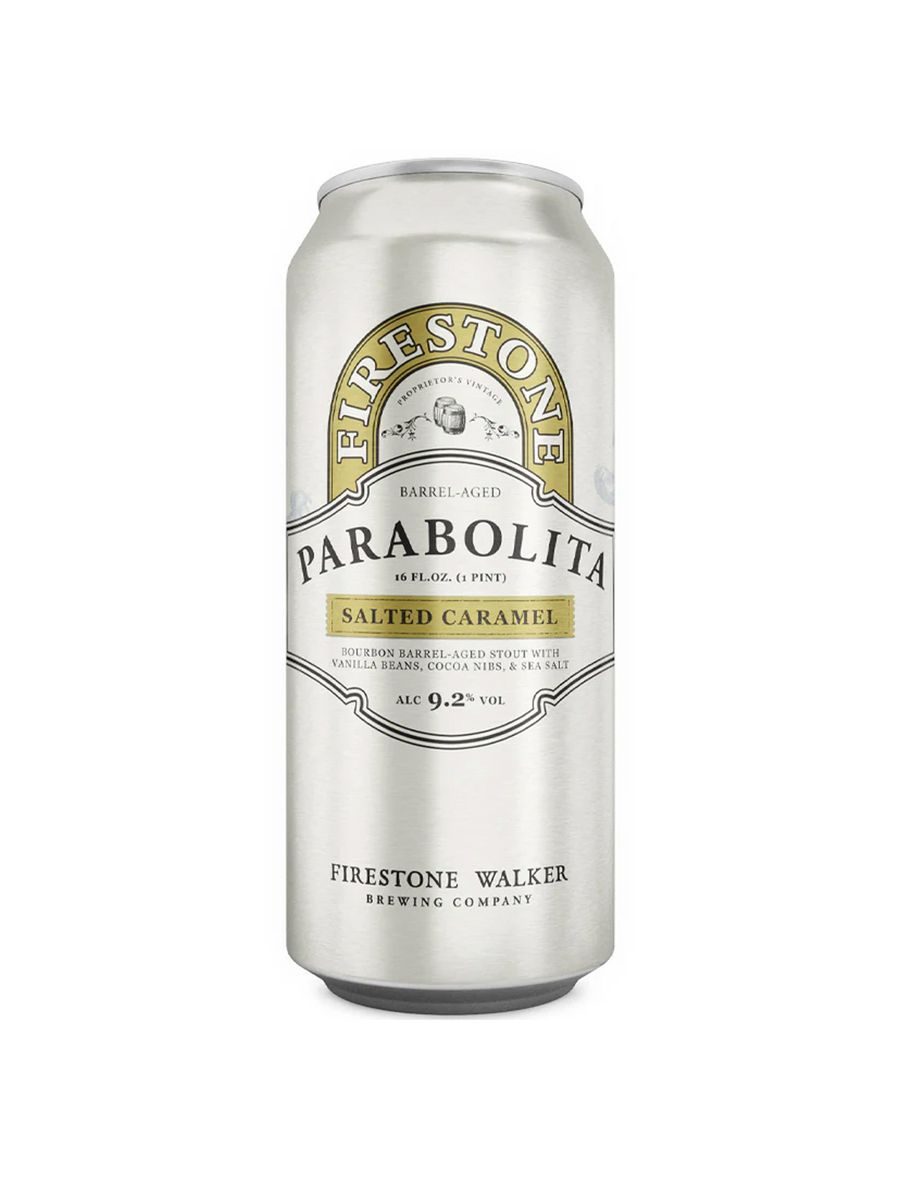
Firestone Walker Parabolita
Brewed by Firestone Walker Brewing Company
Sea salt keeps the caramel vivid while cocoa, vanilla, bourbon, and oak stop the stout from tasting like melted candy. The finish proves caramel needs contrast, not just more…
BAR NOTES
Firestone Walker Parabolita earns the #1 position because salted caramel built through blended barrel stout, vanilla, cocoa nibs, and sea salt. Sea salt keeps the caramel vivid while cocoa, vanilla, bourbon, and oak stop the stout from tasting like melted candy. This is the distinction the ranking rewards: caramel contributes shape and connection rather than acting as a generic synonym for sweetness.
Serve a four- to six-ounce pour around 50–55°F in a small snifter, then try it with salted chocolate tart or blue cheese. Check the current package or release before buying; malt-driven caramel can age gracefully, while coffee, fruit, hops, and delicate added aromas usually fade first.
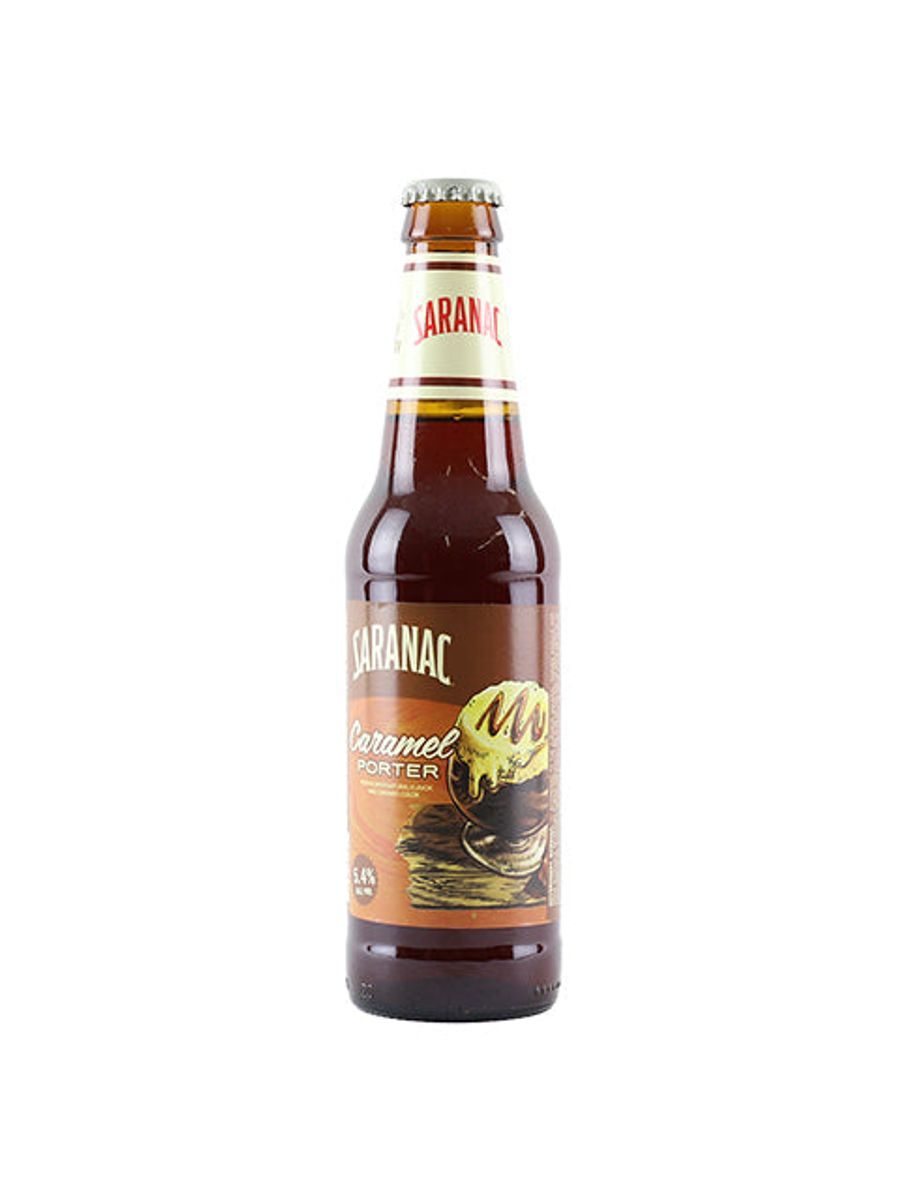
Caramel Porter
Brewed by Saranac Brewery
Caramel sweetness rides a manageable porter body, offering the most direct everyday expression on the list. Its structure keeps the caramel expressive instead of sticky.
BAR NOTES
Caramel Porter earns the #2 position because caramel flavor carried by a classic-strength porter rather than imperial alcohol. Caramel sweetness rides a manageable porter body, offering the most direct everyday expression on the list. This is the distinction the ranking rewards: caramel contributes shape and connection rather than acting as a generic synonym for sweetness.
Serve a full pour around 44–49°F in a nonic pint or tulip, then try it with apple crisp or smoked cheddar. Check the current package or release before buying; malt-driven caramel can age gracefully, while coffee, fruit, hops, and delicate added aromas usually fade first.
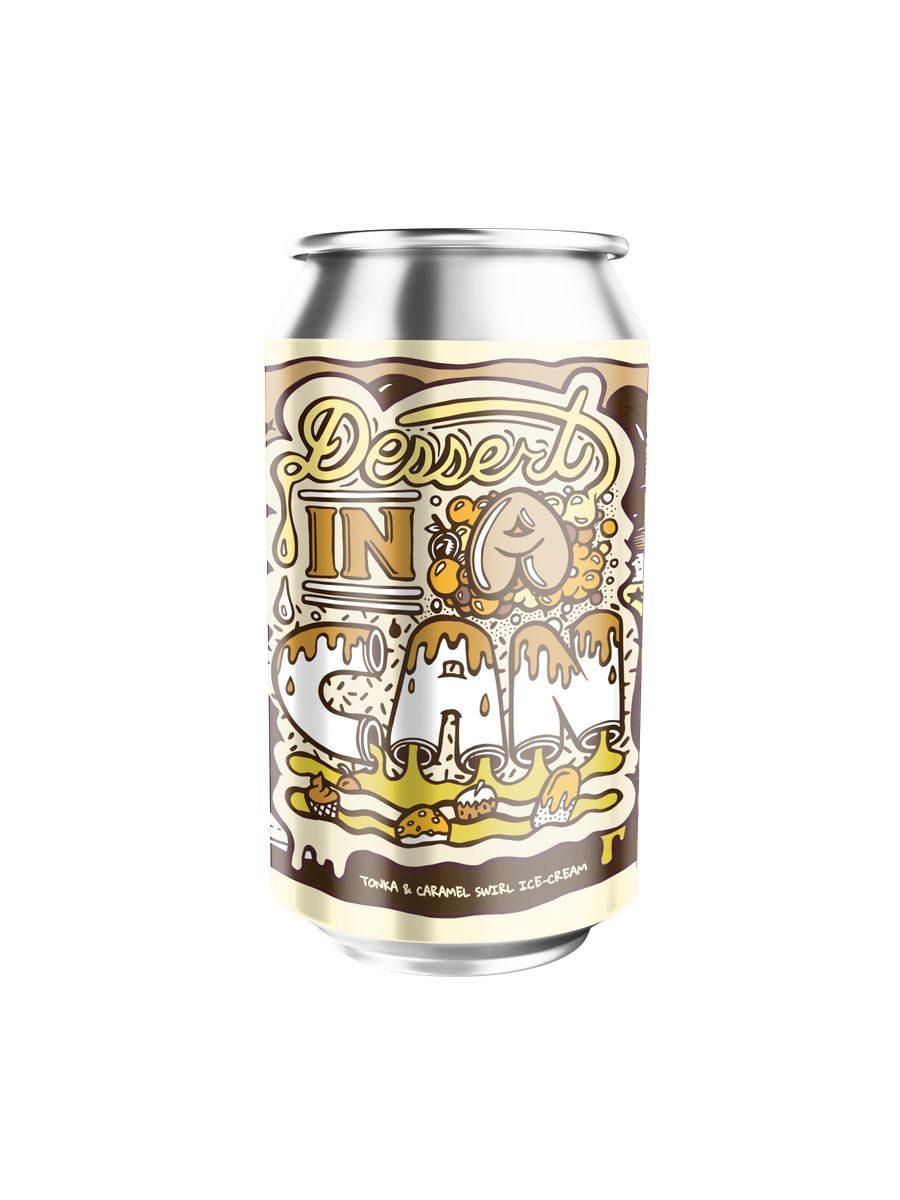
Amundsen Dessert in a Can: Tonka & Caramel
Brewed by Amundsen Brewery
Tonka, vanilla, chocolate, and caramel create aromatic excess, with roast providing the dark edge the recipe needs. That balance makes the sweetness worth returning to.
BAR NOTES
Amundsen Dessert in a Can: Tonka & Caramel earns the #3 position because tonka bean and caramel turning roasted imperial stout toward aromatic dessert. Tonka, vanilla, chocolate, and caramel create aromatic excess, with roast providing the dark edge the recipe needs. This is the distinction the ranking rewards: caramel contributes shape and connection rather than acting as a generic synonym for sweetness.
Serve a four- to six-ounce pour around 50–55°F in a small snifter, then try it with espresso cake or salted hazelnuts. Check the current package or release before buying; malt-driven caramel can age gracefully, while coffee, fruit, hops, and delicate added aromas usually fade first.
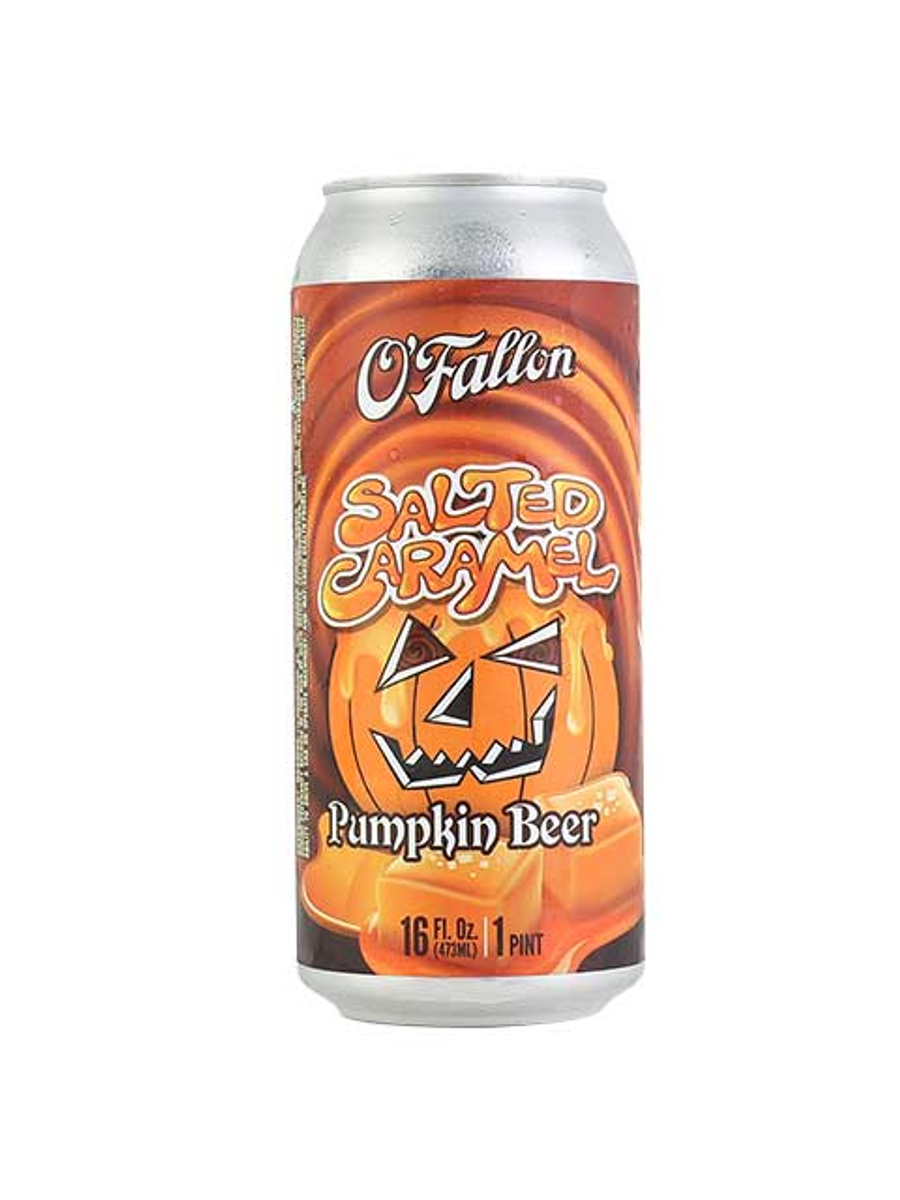
O'Fallon Salted Caramel Pumpkin
Brewed by O'Fallon Brewery
Pumpkin spice and vanilla turn toward pie, while a light saline edge prevents the caramel from finishing completely flat. The base style remains visible beneath the caramel…
BAR NOTES
O’Fallon Salted Caramel Pumpkin earns the #4 position because salted caramel, pumpkin spice, vanilla, and lactose in a seasonal ale. Pumpkin spice and vanilla turn toward pie, while a light saline edge prevents the caramel from finishing completely flat. This is the distinction the ranking rewards: caramel contributes shape and connection rather than acting as a generic synonym for sweetness.
Serve a full pour around 44–49°F in a nonic pint or tulip, then try it with roast turkey or pumpkin bread. Check the current package or release before buying; malt-driven caramel can age gracefully, while coffee, fruit, hops, and delicate added aromas usually fade first.
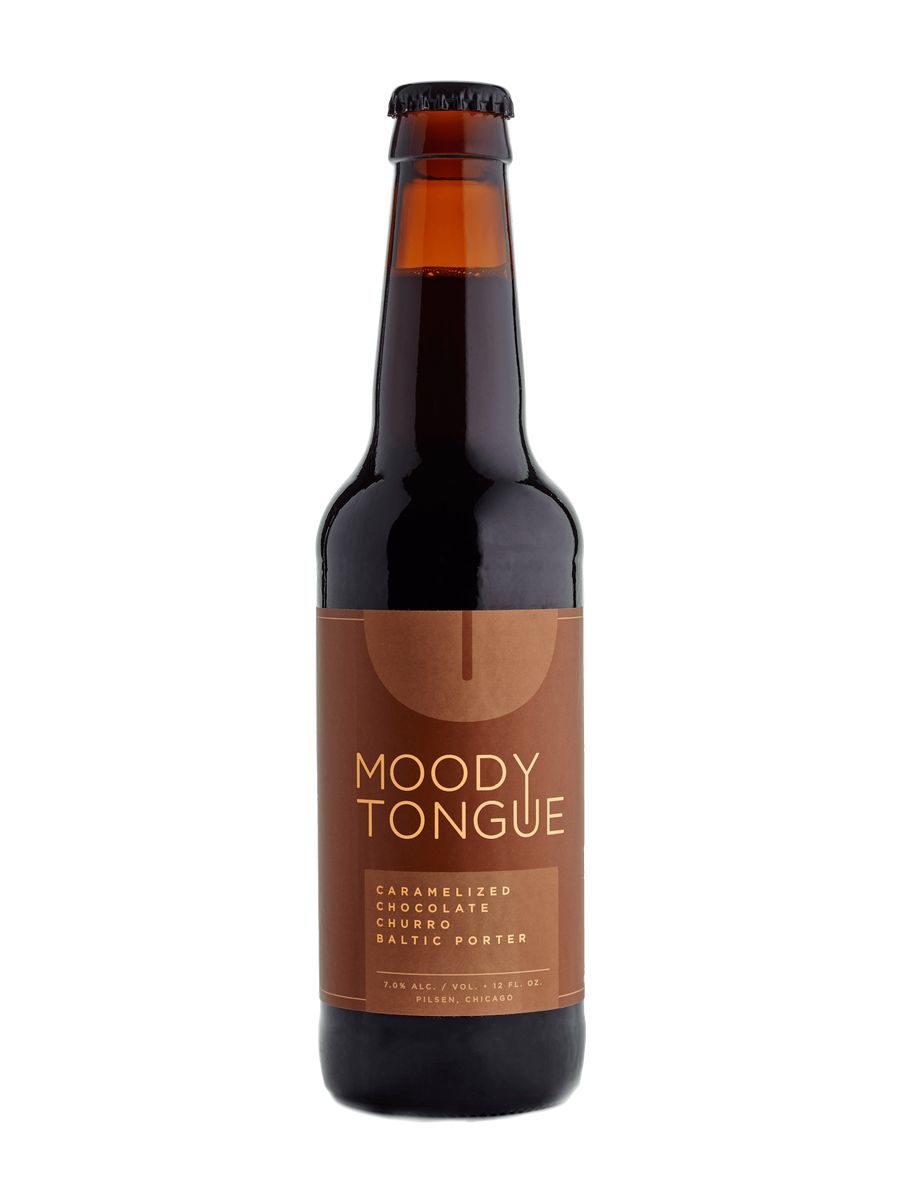
Caramelized Chocolate Churro Porter
Brewed by Moody Tongue
Chocolate and caramelized churro character meet roasted porter in a beer designed with a chef's sense of contrast. The finish proves caramel needs contrast, not just more sugar.
BAR NOTES
Caramelized Chocolate Churro Porter earns the #5 position because caramelized pastry and chocolate framed by culinary-minded porter roast. Chocolate and caramelized churro character meet roasted porter in a beer designed with a chef’s sense of contrast. This is the distinction the ranking rewards: caramel contributes shape and connection rather than acting as a generic synonym for sweetness.
Serve a full pour around 44–49°F in a nonic pint or tulip, then try it with cinnamon churros or mole. Check the current package or release before buying; malt-driven caramel can age gracefully, while coffee, fruit, hops, and delicate added aromas usually fade first.
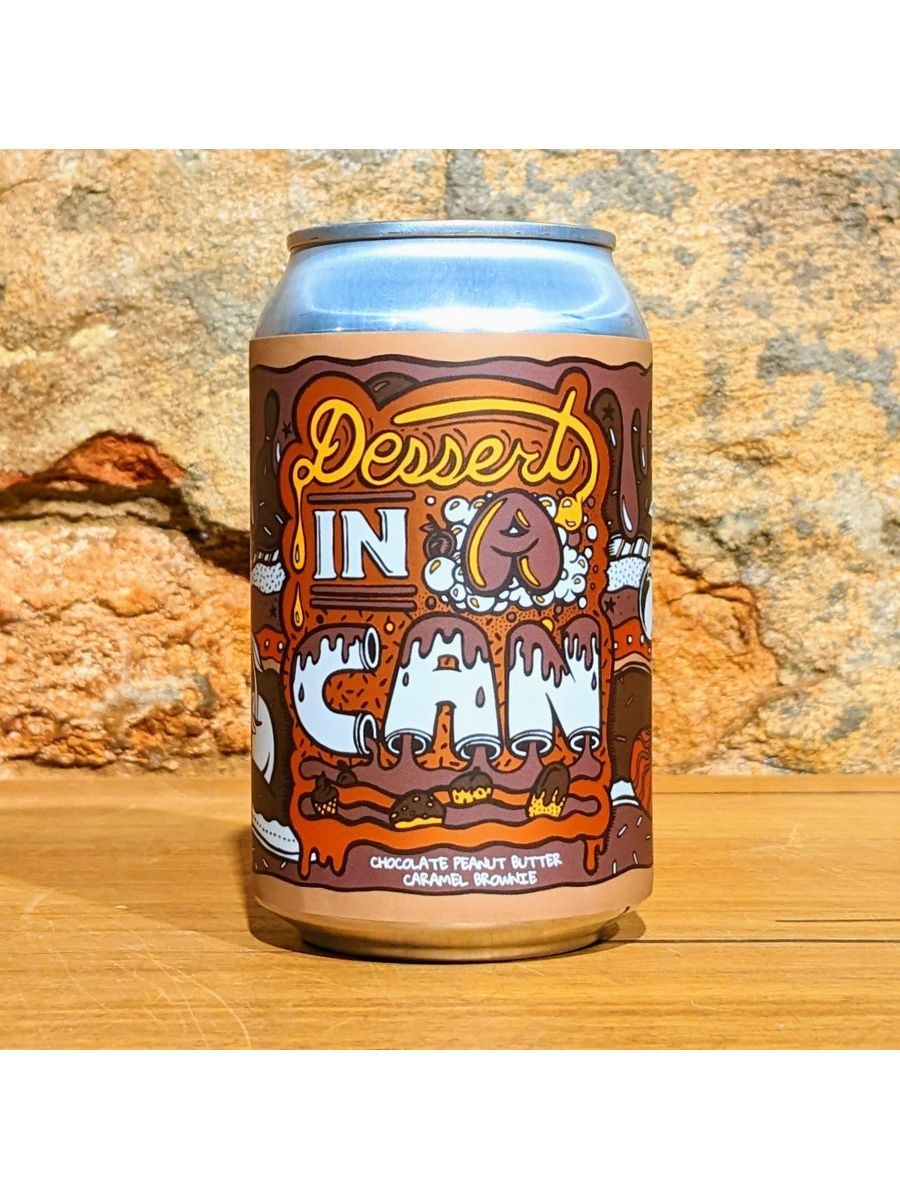
Dessert In A Can: Chocolate Peanut Butter Caramel Brownie
Brewed by Amundsen Brewery
Brownie batter, peanut butter, and caramel make this intentionally maximal, but roasted malt keeps a recognizable stout underneath. Its structure keeps the caramel expressive…
BAR NOTES
Dessert In A Can: Chocolate Peanut Butter Caramel Brownie earns the #6 position because peanut butter and caramel brownie flavors stacked over imperial stout. Brownie batter, peanut butter, and caramel make this intentionally maximal, but roasted malt keeps a recognizable stout underneath. This is the distinction the ranking rewards: caramel contributes shape and connection rather than acting as a generic synonym for sweetness.
Serve a four- to six-ounce pour around 50–55°F in a small snifter, then try it with plain shortbread or salted peanuts. Check the current package or release before buying; malt-driven caramel can age gracefully, while coffee, fruit, hops, and delicate added aromas usually fade first.
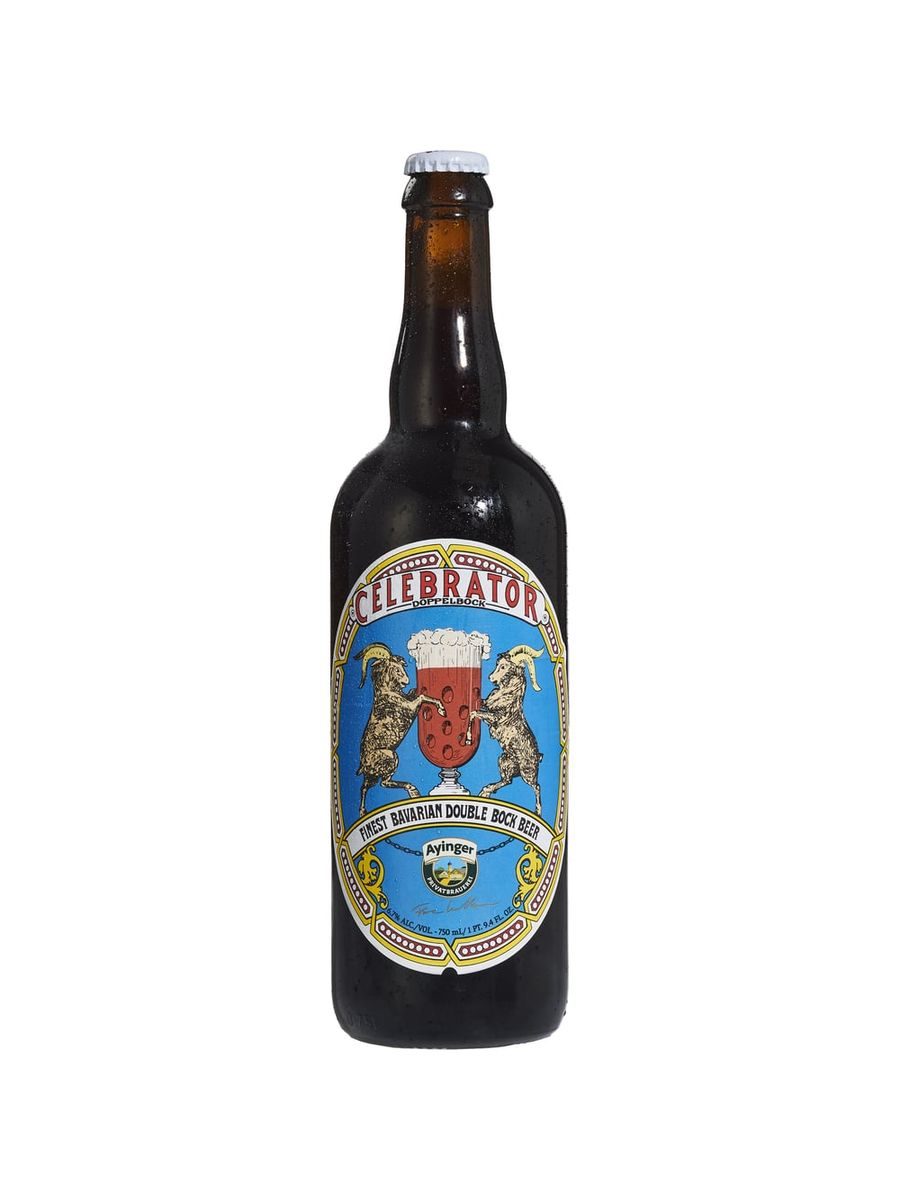
Ayinger Celebrator
Brewed by Ayinger Privatbrauerei
Celebrator proves caramel can emerge from malt technique alone, accompanied by dark bread, fig, and restrained roast. That balance makes the sweetness worth returning to.
BAR NOTES
Ayinger Celebrator earns the #7 position because decoction-rich doppelbock malt expressing dark bread, caramel, and fig. Celebrator proves caramel can emerge from malt technique alone, accompanied by dark bread, fig, and restrained roast. This is the distinction the ranking rewards: caramel contributes shape and connection rather than acting as a generic synonym for sweetness.
Serve a measured pour around 45–50°F in a tulip or handled mug, then try it with roast duck or aged Gouda. Check the current package or release before buying; malt-driven caramel can age gracefully, while coffee, fruit, hops, and delicate added aromas usually fade first.
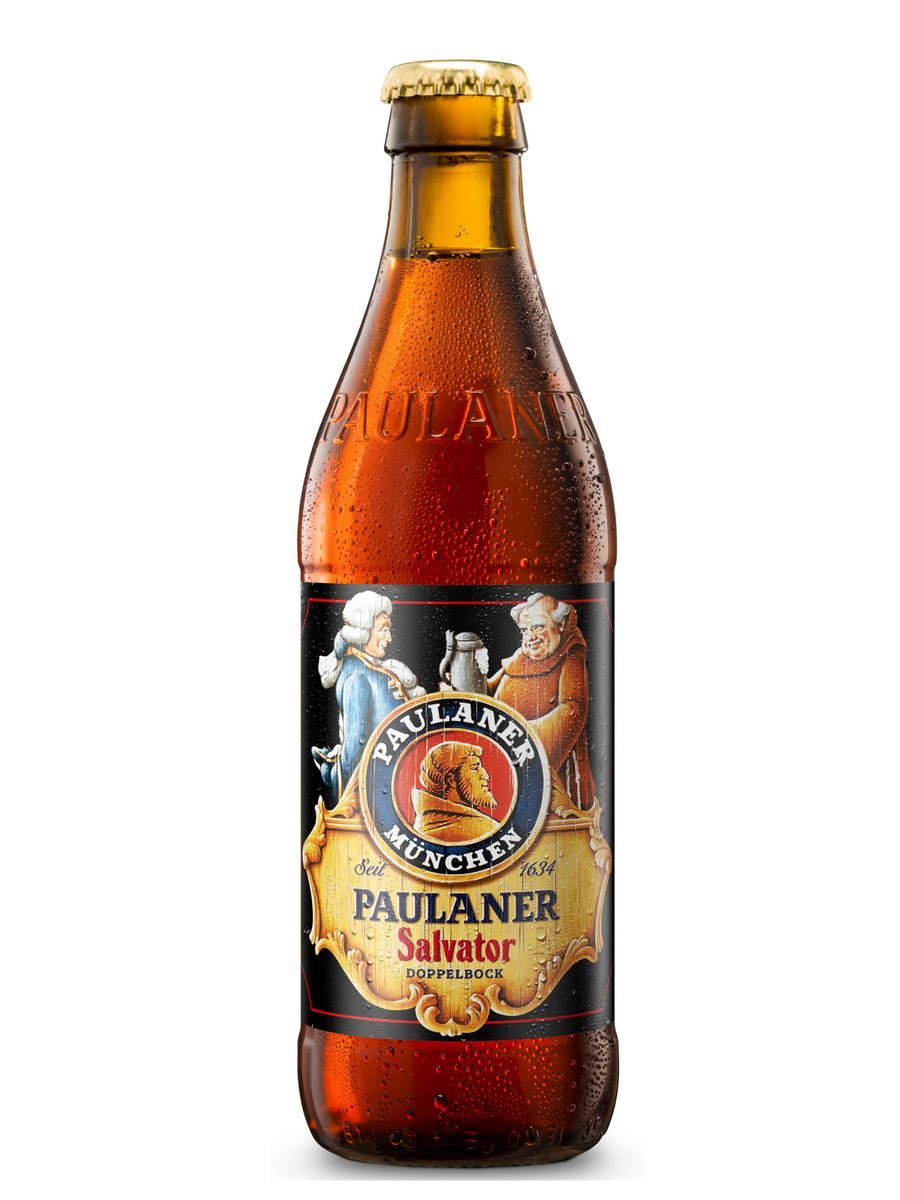
Paulaner Salvator
Brewed by Paulaner Brauerei
Salvator is the historic malt-first answer: bread crust, caramelized grain, chocolate, and warming strength without adjunct flavoring. The base style remains visible beneath…
BAR NOTES
Paulaner Salvator earns the #8 position because caramelized malt and bread crust defining the original doppelbock tradition. Salvator is the historic malt-first answer: bread crust, caramelized grain, chocolate, and warming strength without adjunct flavoring. This is the distinction the ranking rewards: caramel contributes shape and connection rather than acting as a generic synonym for sweetness.
Serve a measured pour around 45–50°F in a tulip or handled mug, then try it with pork schnitzel or rye bread. Check the current package or release before buying; malt-driven caramel can age gracefully, while coffee, fruit, hops, and delicate added aromas usually fade first.
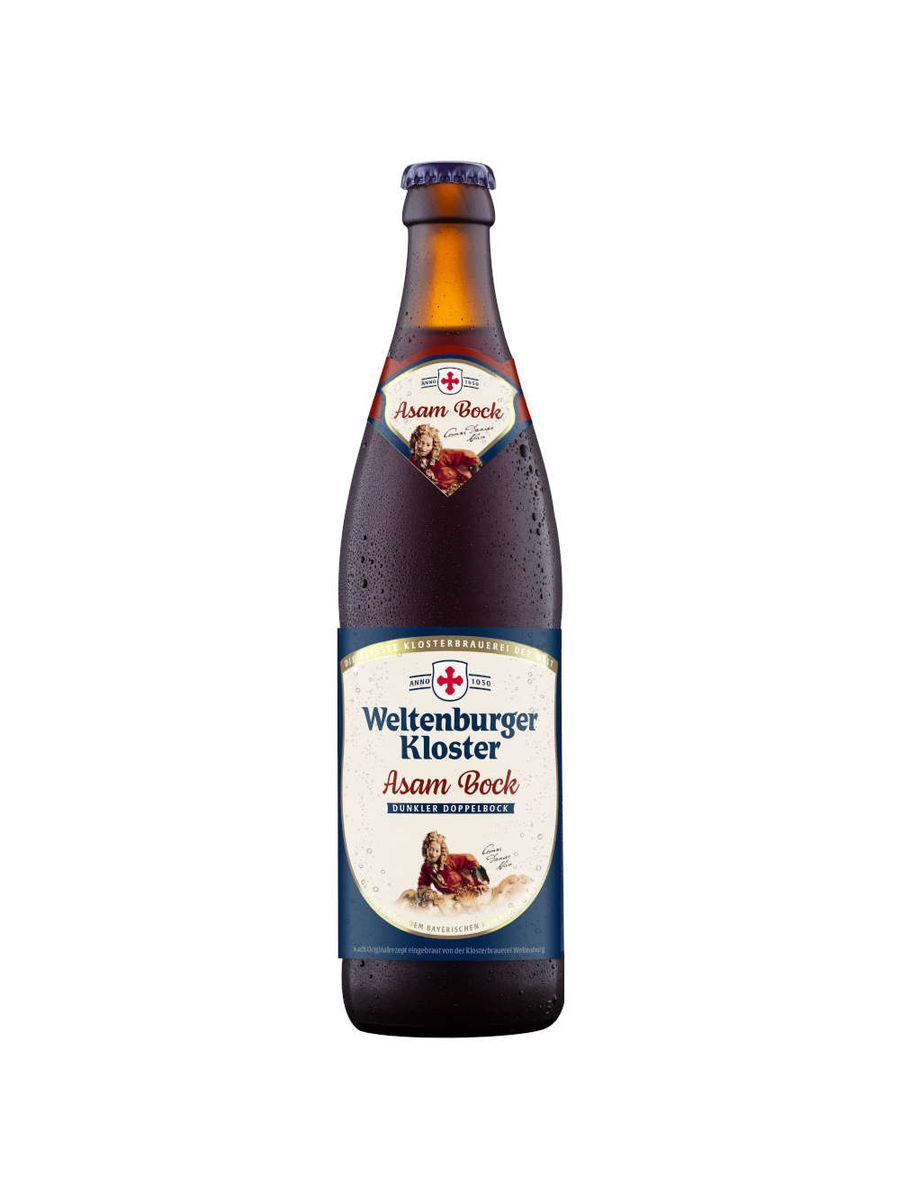
Weltenburger Kloster Asam Bock
Brewed by Klosterbrauerei Weltenburg
Asam Bock layers dark caramel with bread, cocoa, and dried fruit, then finishes with the polish of strong lager fermentation. The finish proves caramel needs contrast, not just…
BAR NOTES
Weltenburger Kloster Asam Bock earns the #9 position because dark caramel, cocoa, dried fruit, and monastic-strength lager smoothness. Asam Bock layers dark caramel with bread, cocoa, and dried fruit, then finishes with the polish of strong lager fermentation. This is the distinction the ranking rewards: caramel contributes shape and connection rather than acting as a generic synonym for sweetness.
Serve a measured pour around 45–50°F in a tulip or handled mug, then try it with braised beef or plum tart. Check the current package or release before buying; malt-driven caramel can age gracefully, while coffee, fruit, hops, and delicate added aromas usually fade first.
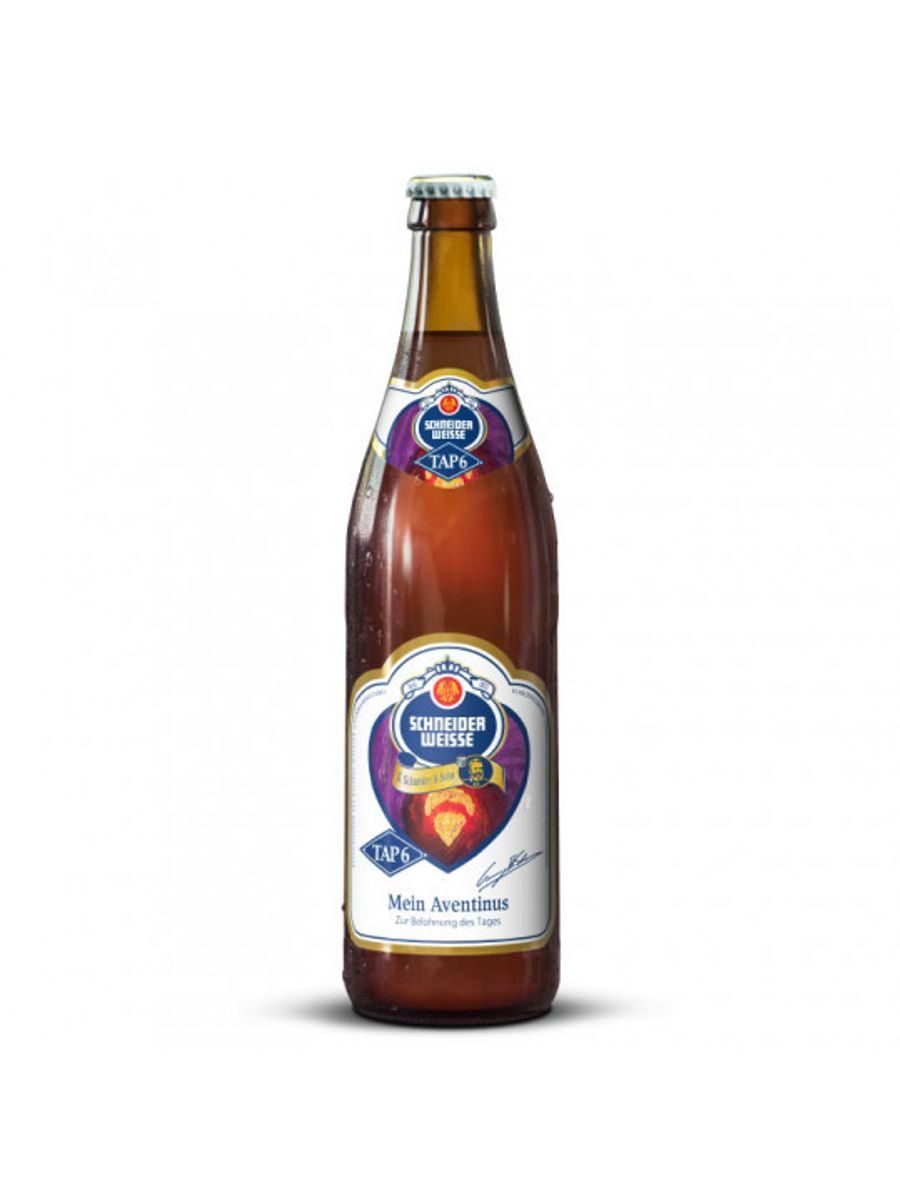
Schneider Weisse Aventinus TAP6
Brewed by G. Schneider & Sohn
Aventinus folds dark caramel into banana, clove, plum, and wheat, making fermentation character as important as the malt. Its structure keeps the caramel expressive instead of…
BAR NOTES
Schneider Weisse Aventinus TAP6 earns the #10 position because dark caramel joined by wheat, banana, plum, and clove fermentation. Aventinus folds dark caramel into banana, clove, plum, and wheat, making fermentation character as important as the malt. This is the distinction the ranking rewards: caramel contributes shape and connection rather than acting as a generic synonym for sweetness.
Serve a measured pour around 45–50°F in a tulip or handled mug, then try it with roast pork or banana bread. Check the current package or release before buying; malt-driven caramel can age gracefully, while coffee, fruit, hops, and delicate added aromas usually fade first.
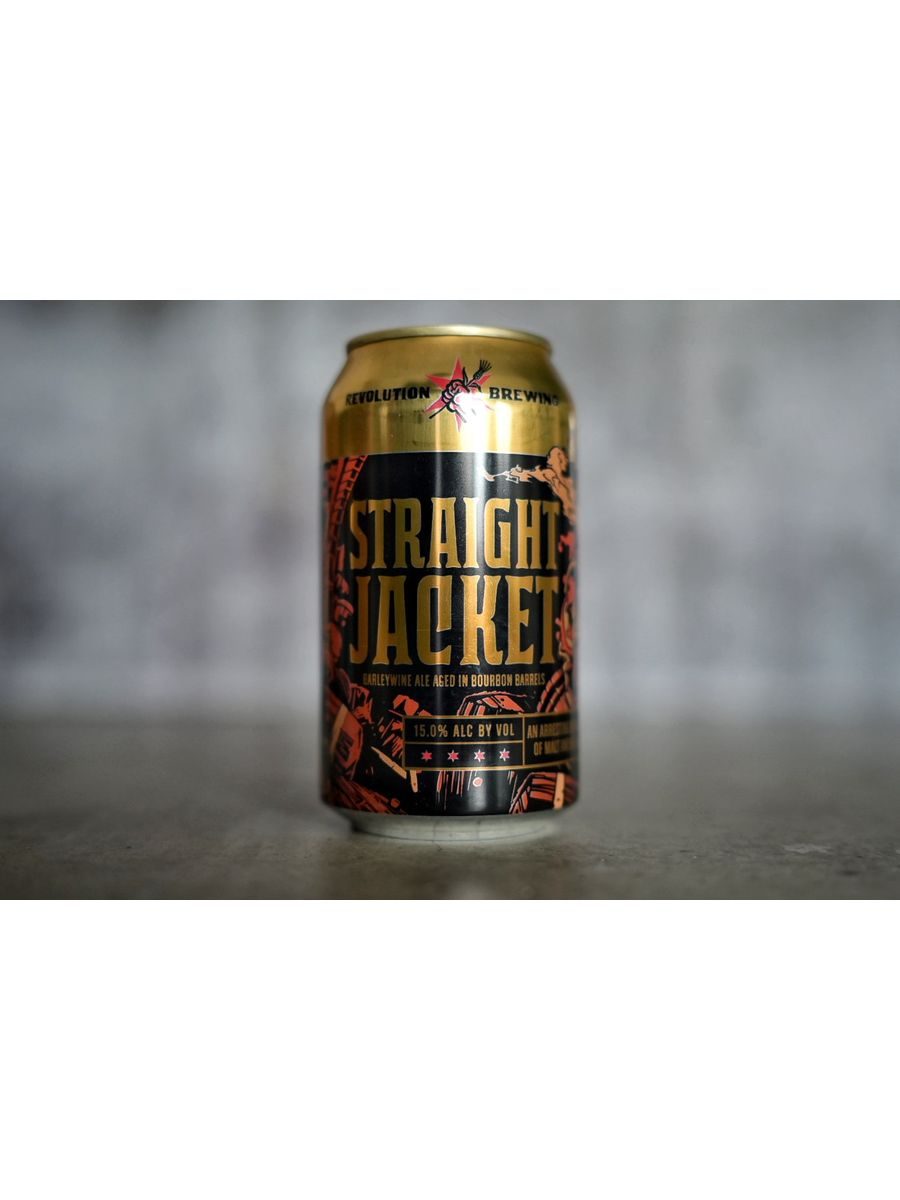
Straight Jacket
Brewed by Revolution Brewing
Straight Jacket concentrates brown sugar and caramel, then uses bourbon oak and dark fruit to turn sweetness into slow-sipping depth. That balance makes the sweetness worth…
BAR NOTES
Straight Jacket earns the #11 position because bourbon barrels stretching barleywine caramel into vanilla, oak, and stone fruit. Straight Jacket concentrates brown sugar and caramel, then uses bourbon oak and dark fruit to turn sweetness into slow-sipping depth. This is the distinction the ranking rewards: caramel contributes shape and connection rather than acting as a generic synonym for sweetness.
Serve a four- to six-ounce pour around 50–55°F in a small snifter, then try it with pecan pie or blue cheese. Check the current package or release before buying; malt-driven caramel can age gracefully, while coffee, fruit, hops, and delicate added aromas usually fade first.
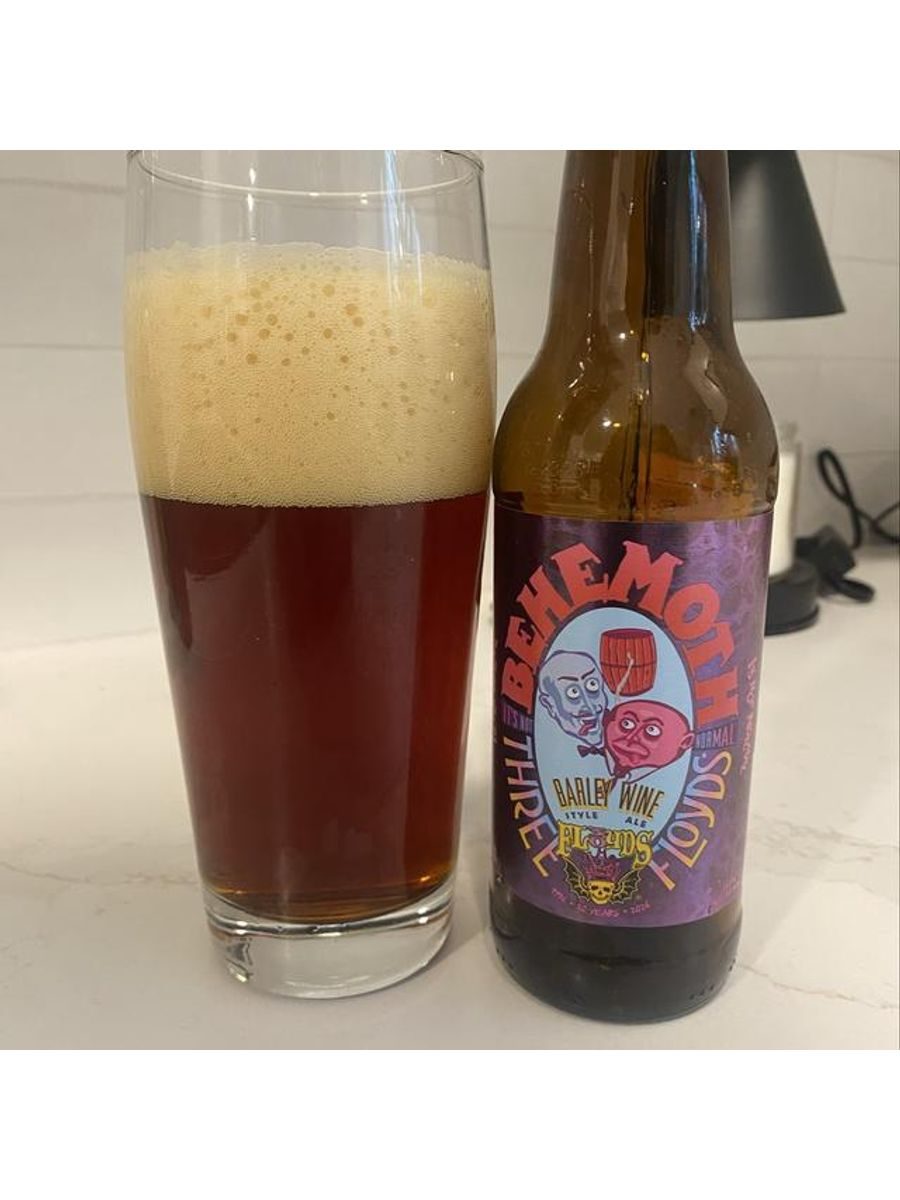
Behemoth
Brewed by 3 Floyds Brewing
Behemoth brings enormous caramel malt and dark fruit, but unapologetic American hopping keeps the barleywine from becoming syrup. The base style remains visible beneath the…
BAR NOTES
Behemoth earns the #12 position because huge caramel malt checked by assertive American hops and dark fruit. Behemoth brings enormous caramel malt and dark fruit, but unapologetic American hopping keeps the barleywine from becoming syrup. This is the distinction the ranking rewards: caramel contributes shape and connection rather than acting as a generic synonym for sweetness.
Serve a four- to six-ounce pour around 50–55°F in a small snifter, then try it with sharp cheddar or bread pudding. Check the current package or release before buying; malt-driven caramel can age gracefully, while coffee, fruit, hops, and delicate added aromas usually fade first.
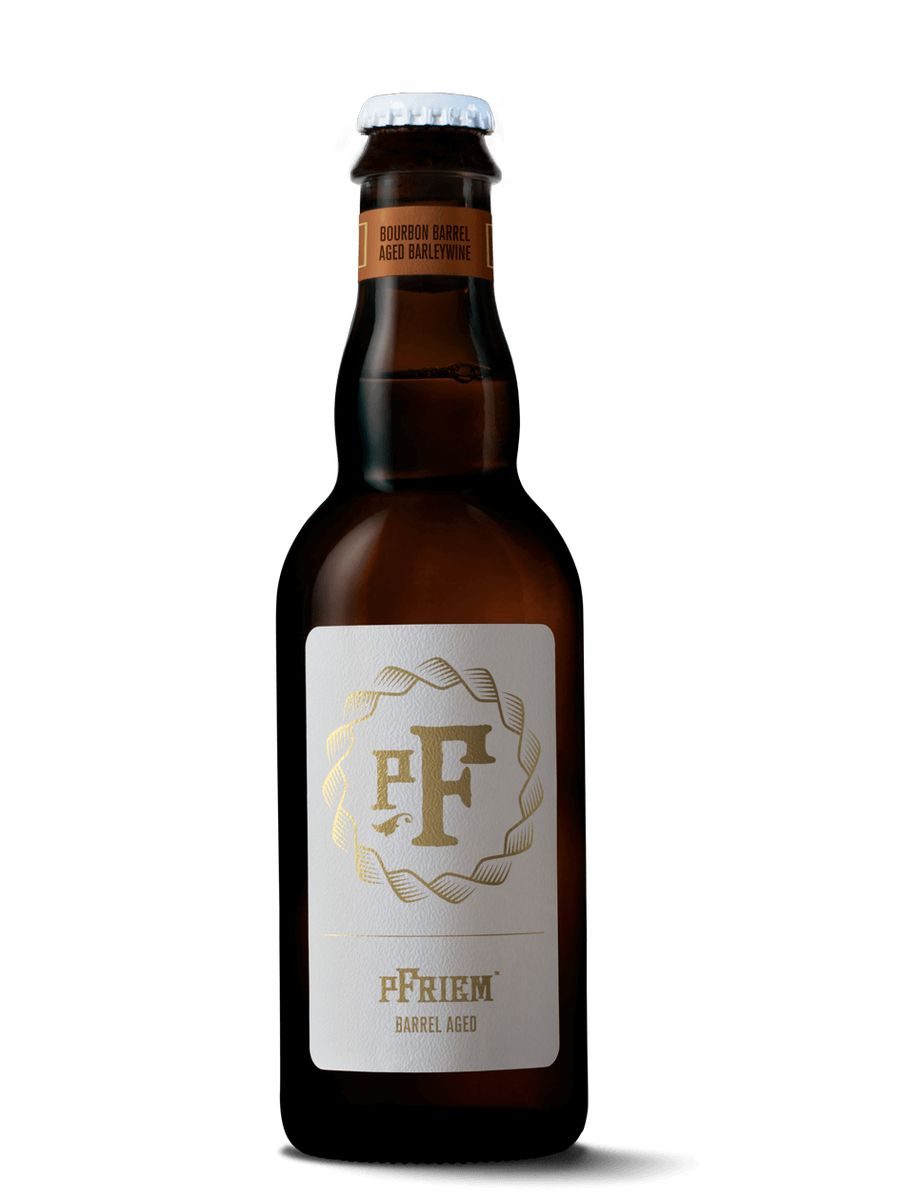
Bourbon Barrel Aged Barleywine
Brewed by pFriem Family Brewers
pFriem begins with English malt logic, then bourbon casks add vanilla, baking spice, and oak around the caramel center. The finish proves caramel needs contrast, not just more…
BAR NOTES
Bourbon Barrel Aged Barleywine earns the #13 position because English-style barleywine caramel matured for ten months in bourbon casks. pFriem begins with English malt logic, then bourbon casks add vanilla, baking spice, and oak around the caramel center. This is the distinction the ranking rewards: caramel contributes shape and connection rather than acting as a generic synonym for sweetness.
Serve a four- to six-ounce pour around 50–55°F in a small snifter, then try it with aged Gouda or roast lamb. Check the current package or release before buying; malt-driven caramel can age gracefully, while coffee, fruit, hops, and delicate added aromas usually fade first.
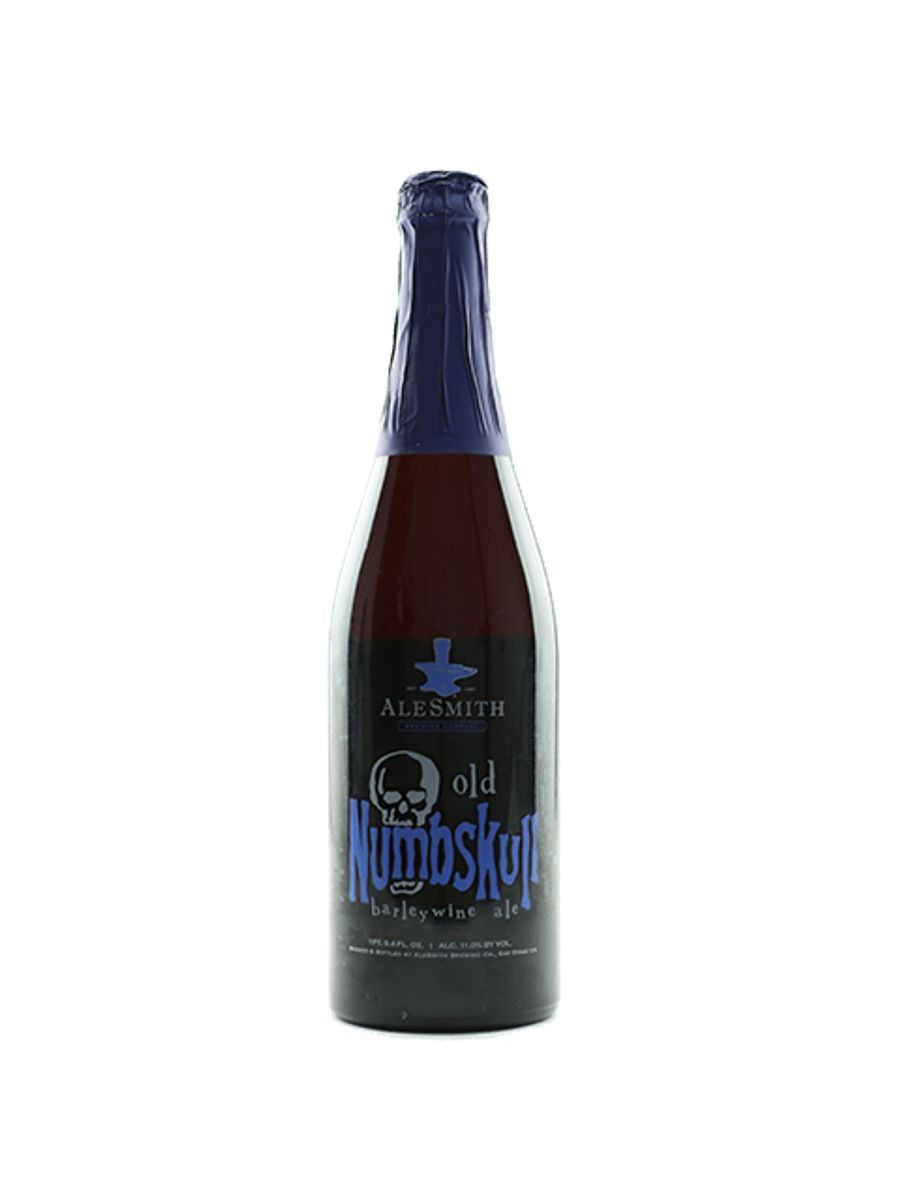
Old Numbskull
Brewed by AleSmith Brewing Company
Old Numbskull shows the dry, bitter San Diego version of barleywine, where caramel and dark fruit still carry hop pressure. Its structure keeps the caramel expressive instead…
BAR NOTES
Old Numbskull earns the #14 position because caramel malt and dark fruit sharpened by classic West Coast hopping. Old Numbskull shows the dry, bitter San Diego version of barleywine, where caramel and dark fruit still carry hop pressure. This is the distinction the ranking rewards: caramel contributes shape and connection rather than acting as a generic synonym for sweetness.
Serve a four- to six-ounce pour around 50–55°F in a small snifter, then try it with date cake or smoked almonds. Check the current package or release before buying; malt-driven caramel can age gracefully, while coffee, fruit, hops, and delicate added aromas usually fade first.
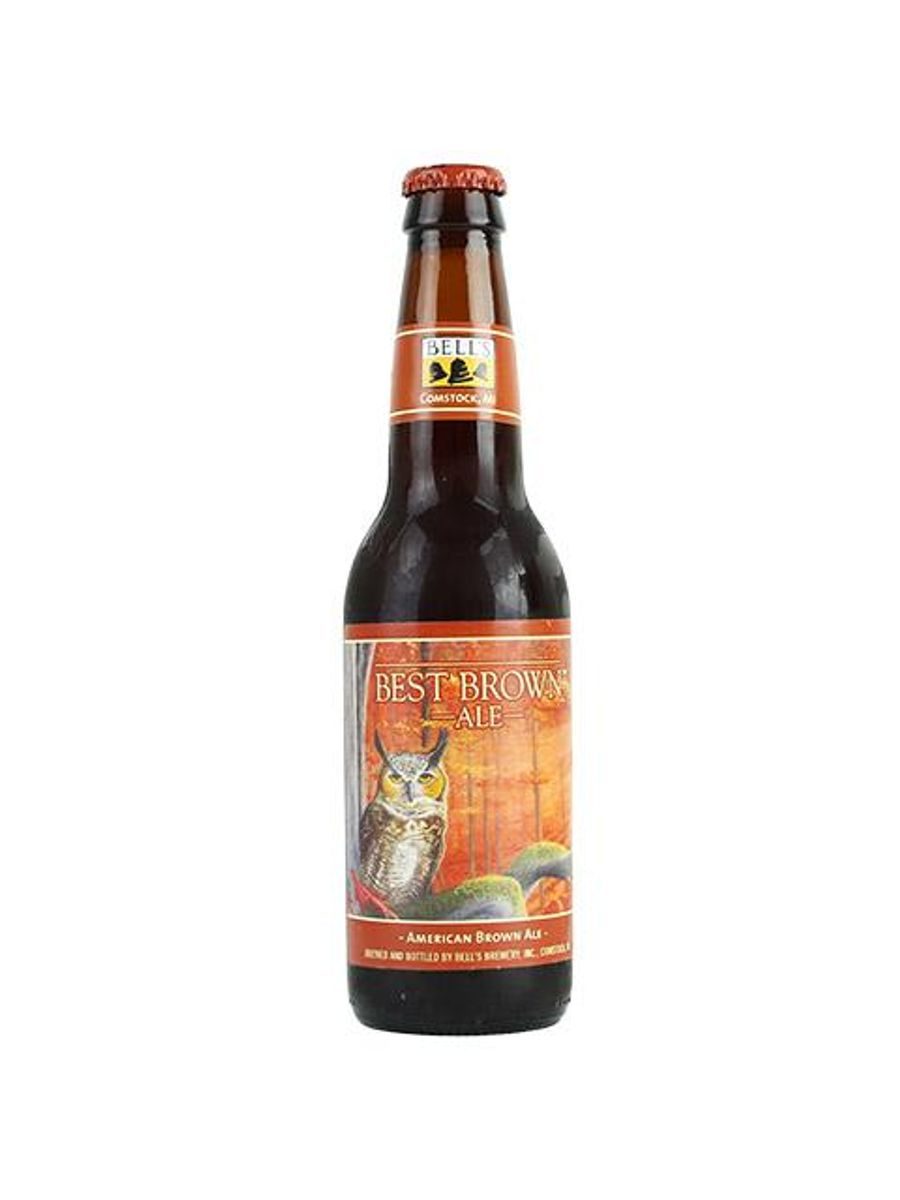
Bell's Best Brown Ale
Brewed by Bell's Brewery
Best Brown is a complete autumn pint: cocoa, caramel, toast, and enough American hop character to keep the malt lively. That balance makes the sweetness worth returning to.
BAR NOTES
Bell’s Best Brown Ale earns the #15 position because cocoa and caramel meeting a clean, autumnal American brown-ale finish. Best Brown is a complete autumn pint: cocoa, caramel, toast, and enough American hop character to keep the malt lively. This is the distinction the ranking rewards: caramel contributes shape and connection rather than acting as a generic synonym for sweetness.
Serve a full pour around 44–49°F in a nonic pint or tulip, then try it with grilled sausage or nutty cheese. Check the current package or release before buying; malt-driven caramel can age gracefully, while coffee, fruit, hops, and delicate added aromas usually fade first.
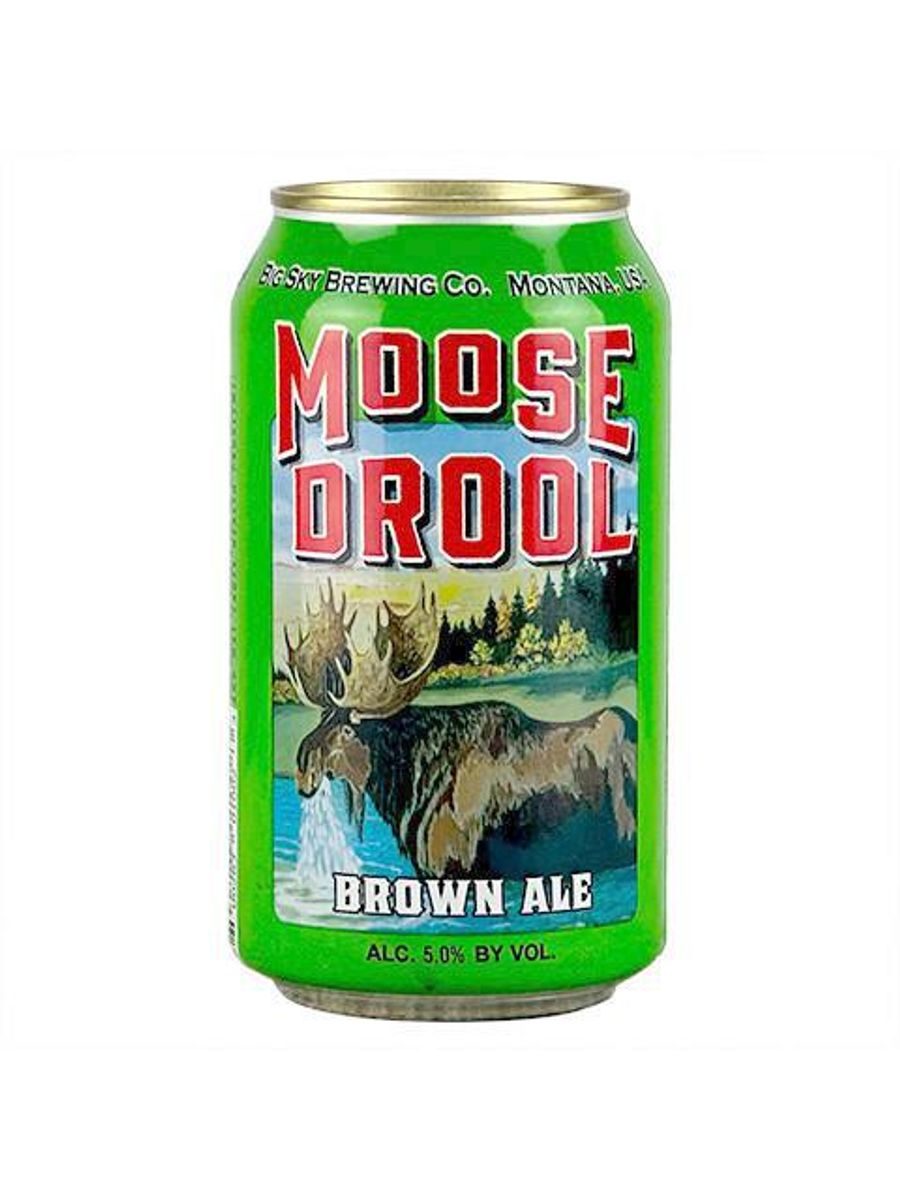
Moose Drool
Brewed by Big Sky Brewing Co.
Moose Drool remains a useful gateway because caramel and chocolate arrive clearly without imperial strength or pastry-stout density. The base style remains visible beneath the…
BAR NOTES
Moose Drool earns the #16 position because caramel and chocolate in an accessible, widely distributed brown ale. Moose Drool remains a useful gateway because caramel and chocolate arrive clearly without imperial strength or pastry-stout density. This is the distinction the ranking rewards: caramel contributes shape and connection rather than acting as a generic synonym for sweetness.
Serve a full pour around 44–49°F in a nonic pint or tulip, then try it with a burger or walnut bread. Check the current package or release before buying; malt-driven caramel can age gracefully, while coffee, fruit, hops, and delicate added aromas usually fade first.
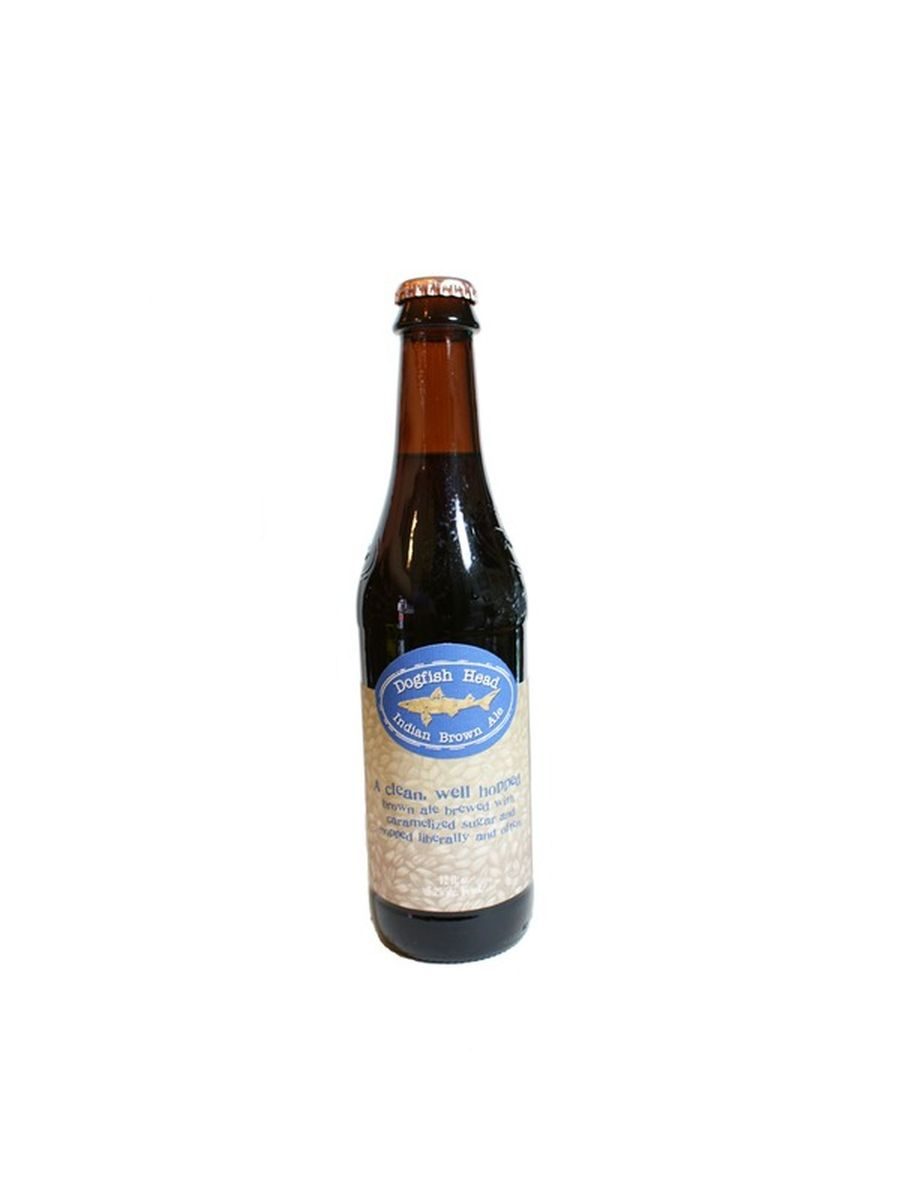
Indian Brown Ale
Brewed by Dogfish Head Craft Brewery
Indian Brown Ale connects caramel-rich brown ale, dark sugar, and IPA bitterness in a hybrid that still feels purposeful. The finish proves caramel needs contrast, not just…
BAR NOTES
Indian Brown Ale earns the #17 position because caramel malt and dark sugar balanced by IPA-like hopping. Indian Brown Ale connects caramel-rich brown ale, dark sugar, and IPA bitterness in a hybrid that still feels purposeful. This is the distinction the ranking rewards: caramel contributes shape and connection rather than acting as a generic synonym for sweetness.
Serve a full pour around 44–49°F in a nonic pint or tulip, then try it with barbecue pork or aged cheddar. Check the current package or release before buying; malt-driven caramel can age gracefully, while coffee, fruit, hops, and delicate added aromas usually fade first.
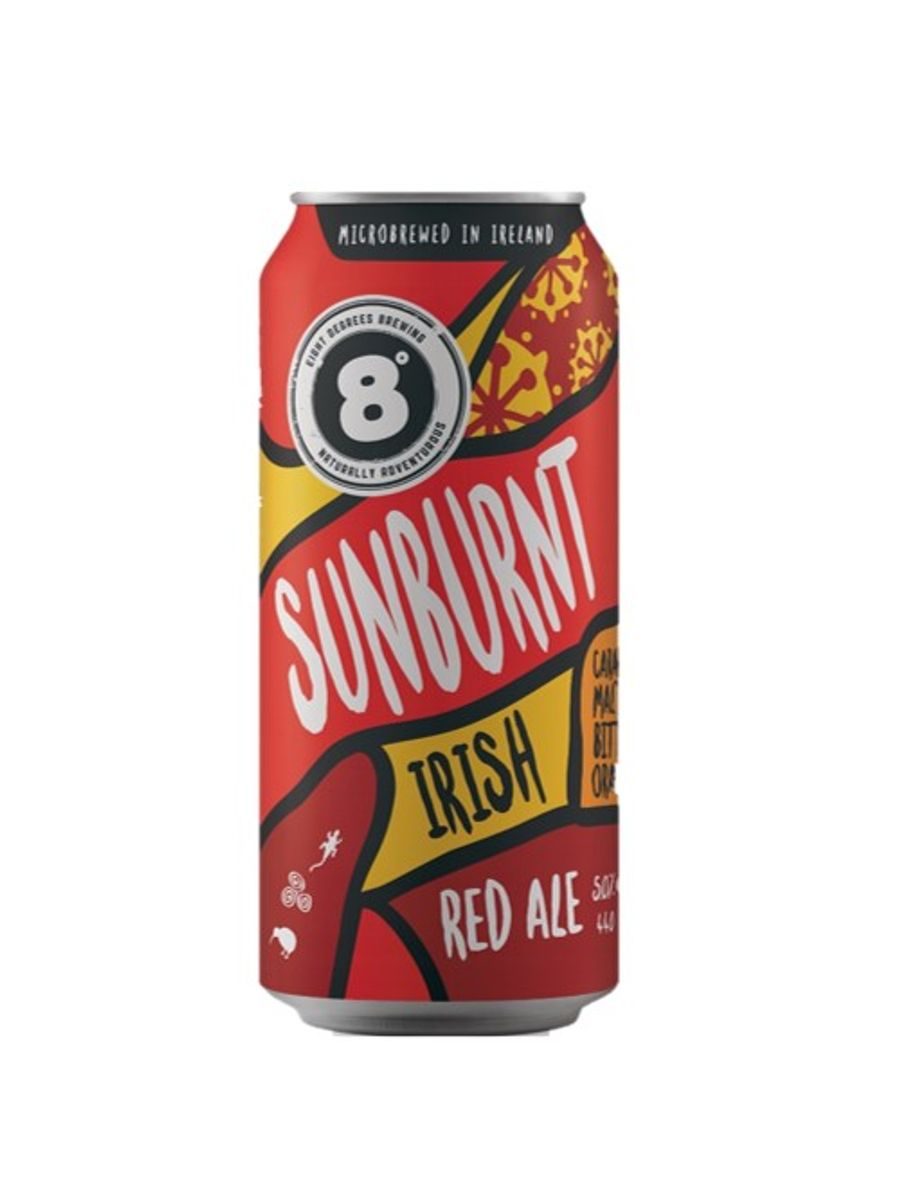
Sunburnt Irish Red
Brewed by Eight Degrees Brewing
Sunburnt modernizes Irish red with citrus-bright hops, keeping caramel and toast from settling into soft pub-ale sweetness. Its structure keeps the caramel expressive instead…
BAR NOTES
Sunburnt Irish Red earns the #18 position because caramel and toast brightened by citrus-edged modern hops. Sunburnt modernizes Irish red with citrus-bright hops, keeping caramel and toast from settling into soft pub-ale sweetness. This is the distinction the ranking rewards: caramel contributes shape and connection rather than acting as a generic synonym for sweetness.
Serve a full pour around 44–49°F in a nonic pint or tulip, then try it with roast chicken or soda bread. Check the current package or release before buying; malt-driven caramel can age gracefully, while coffee, fruit, hops, and delicate added aromas usually fade first.
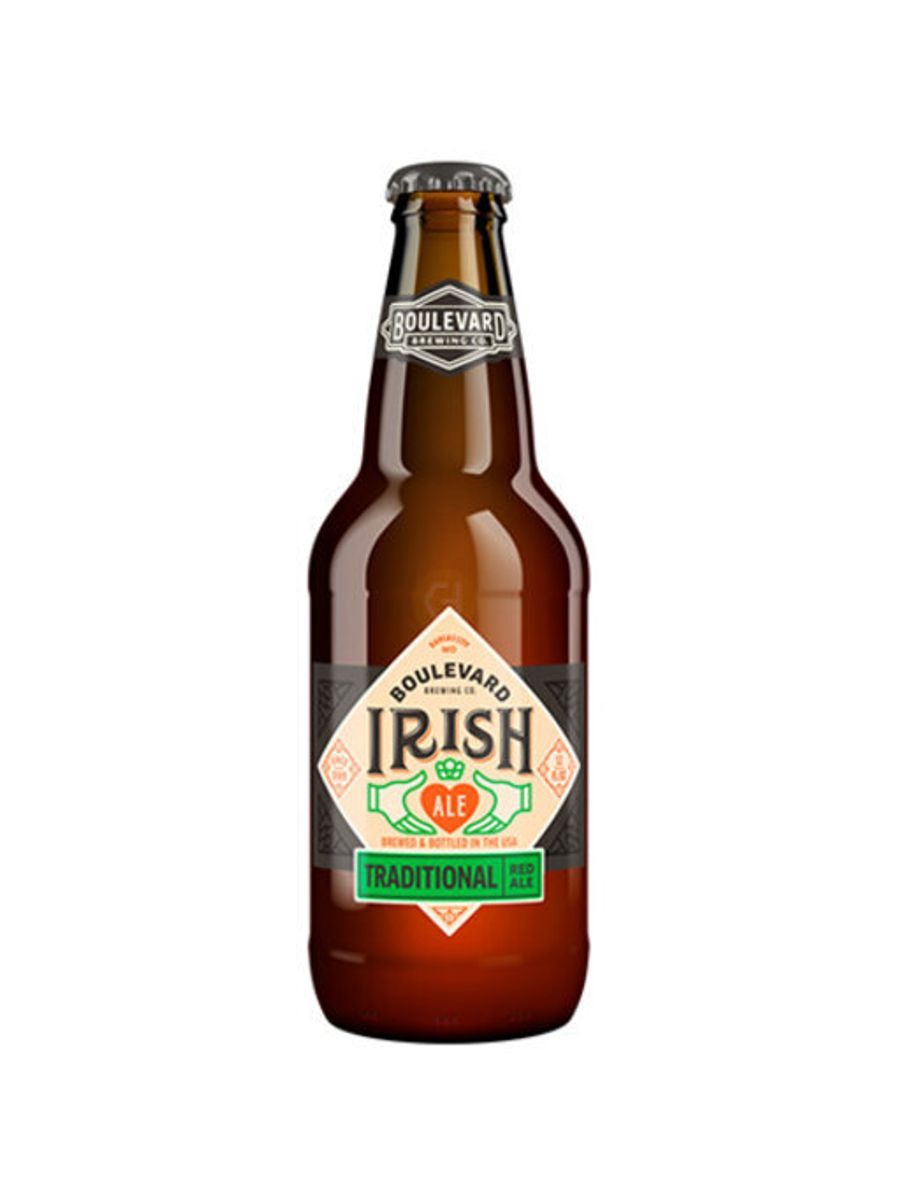
Boulevard Irish Ale
Brewed by Boulevard Brewing Company
Boulevard builds a fuller Midwestern red around caramel malt, faint roast, and enough bitterness to stand beside barbecue. That balance makes the sweetness worth returning to.
BAR NOTES
Boulevard Irish Ale earns the #19 position because rich caramel malt finished with a faint roasted edge and useful bitterness. Boulevard builds a fuller Midwestern red around caramel malt, faint roast, and enough bitterness to stand beside barbecue. This is the distinction the ranking rewards: caramel contributes shape and connection rather than acting as a generic synonym for sweetness.
Serve a full pour around 44–49°F in a nonic pint or tulip, then try it with brisket or sharp cheddar. Check the current package or release before buying; malt-driven caramel can age gracefully, while coffee, fruit, hops, and delicate added aromas usually fade first.
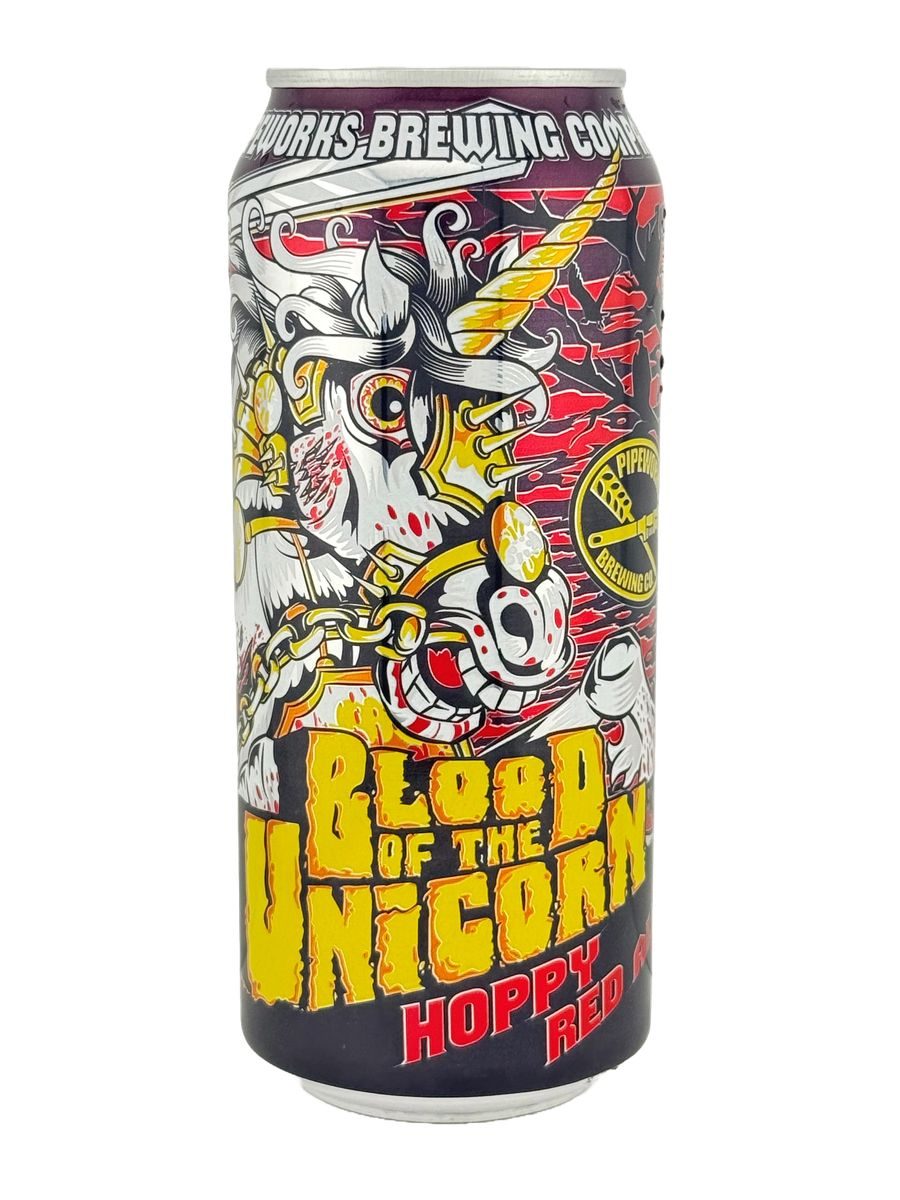
Blood of the Unicorn
Brewed by Pipeworks Brewing Company
Blood of the Unicorn lets pine and citrus carve through roasted caramel, demonstrating why hoppy red ale deserves its own lane. The base style remains visible beneath the…
BAR NOTES
Blood of the Unicorn earns the #20 position because roasted caramel cut by pine and citrus in a cult hoppy red ale. Blood of the Unicorn lets pine and citrus carve through roasted caramel, demonstrating why hoppy red ale deserves its own lane. This is the distinction the ranking rewards: caramel contributes shape and connection rather than acting as a generic synonym for sweetness.
Serve a full pour around 44–49°F in a nonic pint or tulip, then try it with smoked wings or caramelized onions. Check the current package or release before buying; malt-driven caramel can age gracefully, while coffee, fruit, hops, and delicate added aromas usually fade first.
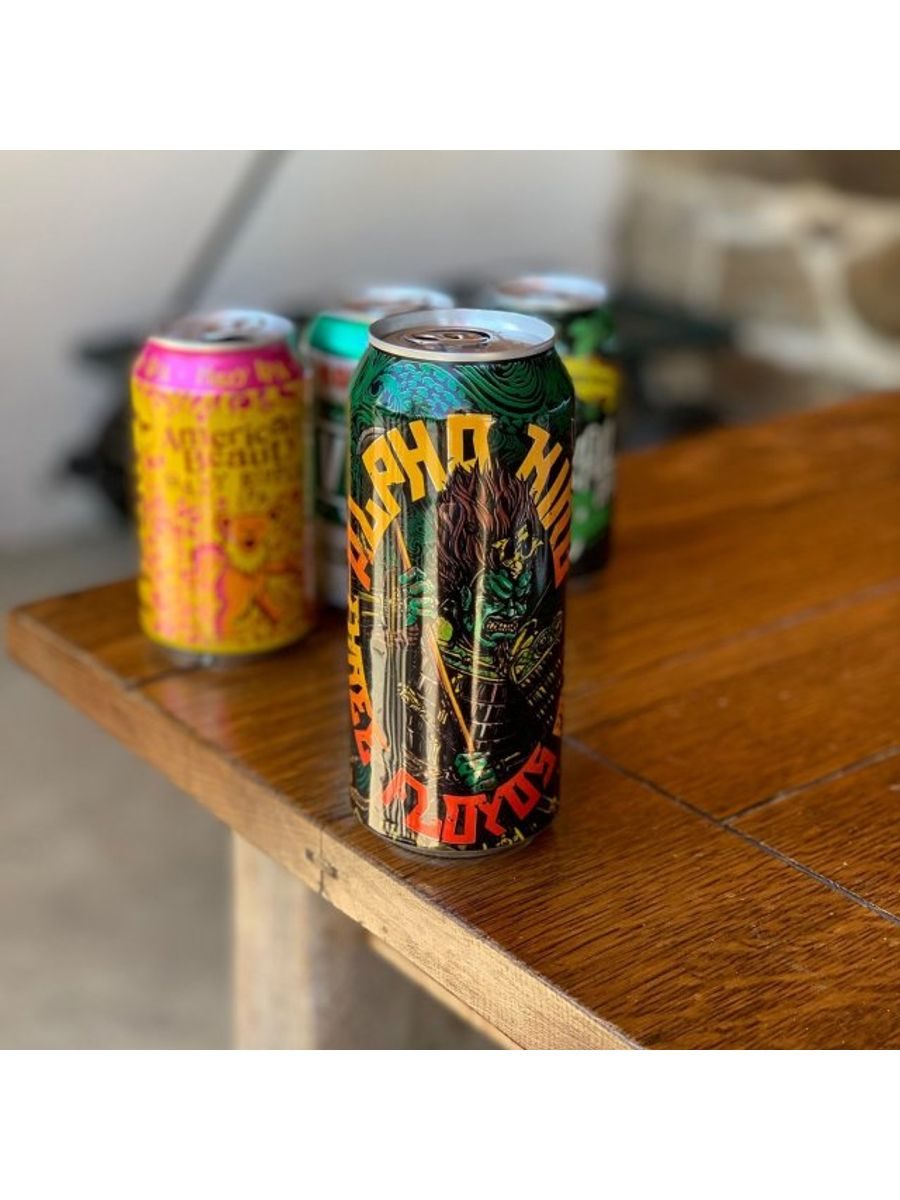
Alpha King
Brewed by 3 Floyds Brewing Co.
Alpha King is a broad-shouldered pale ale whose caramel foundation gives orange and pine enough weight without dulling the finish. The finish proves caramel needs contrast, not…
BAR NOTES
Alpha King earns the #21 position because burly caramel malt supporting orange, pine, and firm pale-ale bitterness. Alpha King is a broad-shouldered pale ale whose caramel foundation gives orange and pine enough weight without dulling the finish. This is the distinction the ranking rewards: caramel contributes shape and connection rather than acting as a generic synonym for sweetness.
Serve a full pour around 44–49°F in a nonic pint or tulip, then try it with a bacon cheeseburger or orange-glazed pork. Check the current package or release before buying; malt-driven caramel can age gracefully, while coffee, fruit, hops, and delicate added aromas usually fade first.
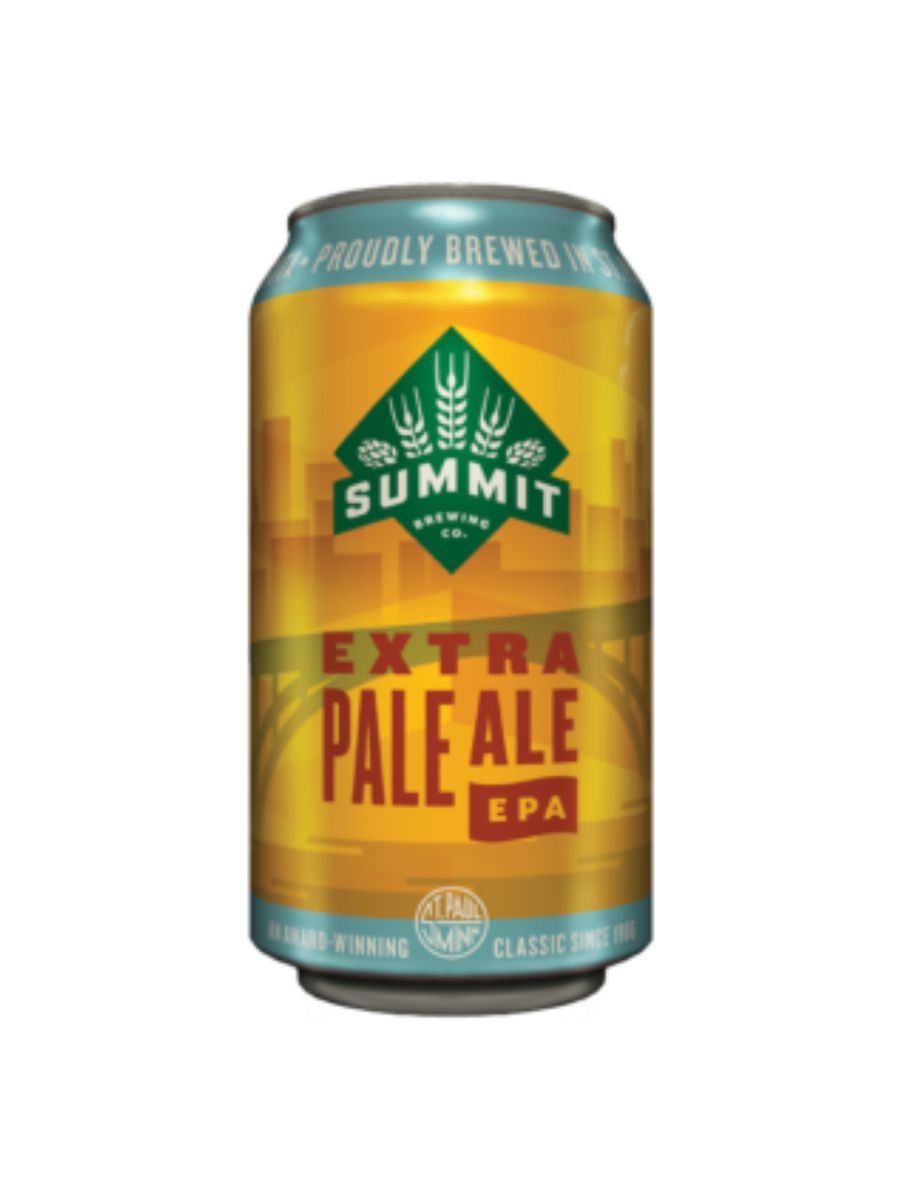
Summit Extra Pale Ale
Brewed by Summit Brewing Company
Summit preserves an older American equilibrium: biscuit and caramel malt below orange, pine, and a clean decisive bitterness. Its structure keeps the caramel expressive instead…
BAR NOTES
Summit Extra Pale Ale earns the #22 position because biscuit and caramel preserving the balanced pre-IPA American pale-ale lane. Summit preserves an older American equilibrium: biscuit and caramel malt below orange, pine, and a clean decisive bitterness. This is the distinction the ranking rewards: caramel contributes shape and connection rather than acting as a generic synonym for sweetness.
Serve a full pour around 44–49°F in a nonic pint or tulip, then try it with grilled bratwurst or cheddar. Check the current package or release before buying; malt-driven caramel can age gracefully, while coffee, fruit, hops, and delicate added aromas usually fade first.
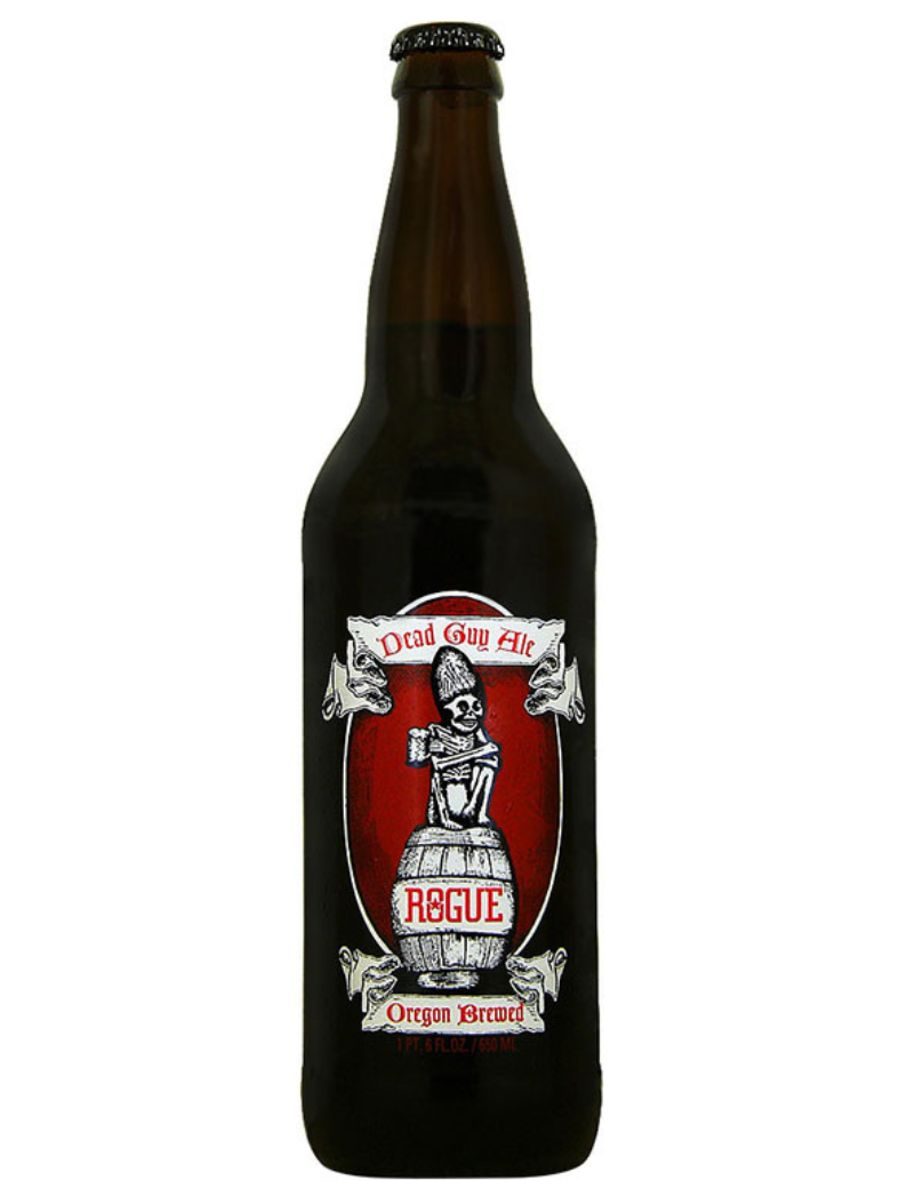
Rogue Dead Guy Ale
Brewed by Rogue Ales
Dead Guy translates maibock toast and caramel through an American ale fermentation, finishing earthy rather than sugary. That balance makes the sweetness worth returning to.
BAR NOTES
Rogue Dead Guy Ale earns the #23 position because toast and caramel carried by a maibock-inspired American ale. Dead Guy translates maibock toast and caramel through an American ale fermentation, finishing earthy rather than sugary. This is the distinction the ranking rewards: caramel contributes shape and connection rather than acting as a generic synonym for sweetness.
Serve a measured pour around 45–50°F in a tulip or handled mug, then try it with roast pork or pretzels. Check the current package or release before buying; malt-driven caramel can age gracefully, while coffee, fruit, hops, and delicate added aromas usually fade first.
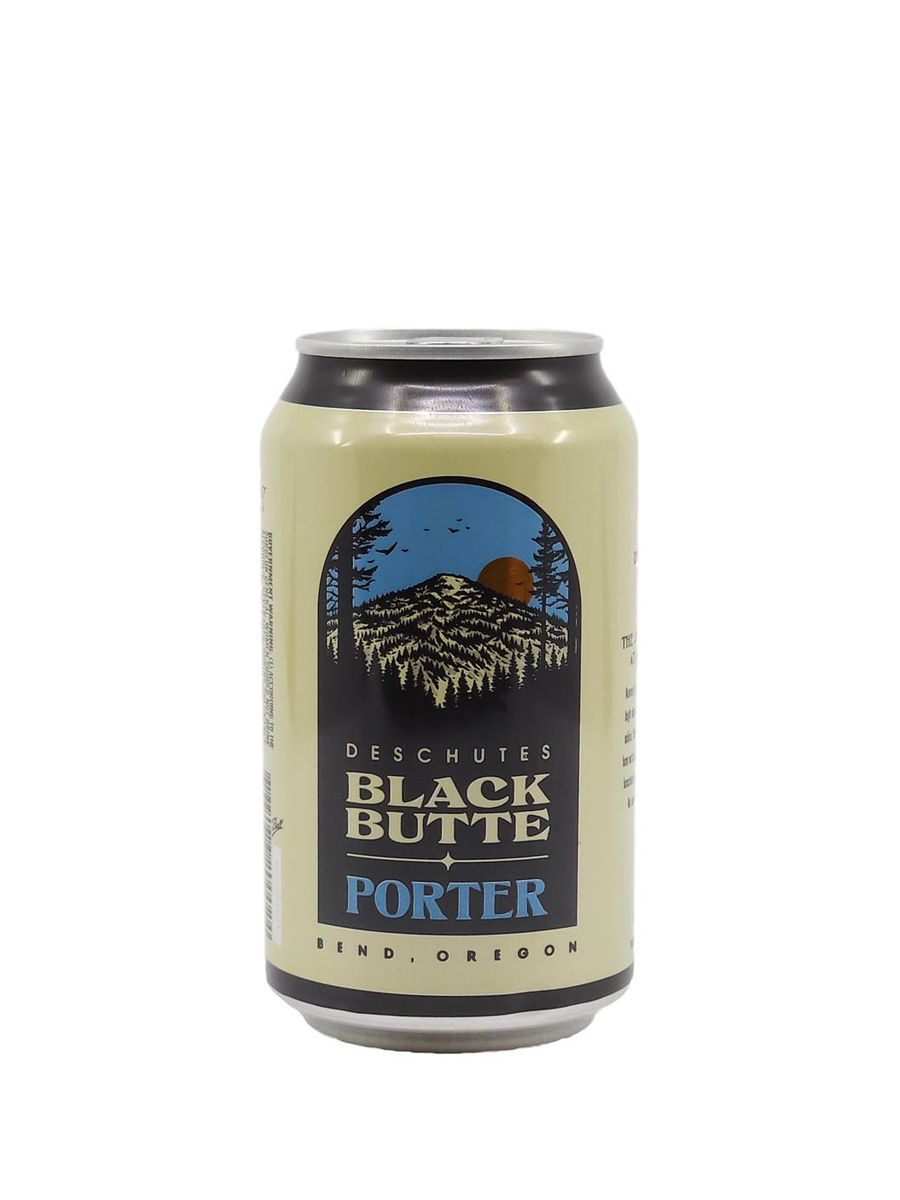
Deschutes Black Butte Porter
Brewed by Deschutes Brewery
Black Butte derives cocoa and caramel from specialty malt, proving an everyday porter can feel rich without added dessert flavors. The base style remains visible beneath the…
BAR NOTES
Deschutes Black Butte Porter earns the #24 position because four specialty malts producing cocoa and caramel without flavoring. Black Butte derives cocoa and caramel from specialty malt, proving an everyday porter can feel rich without added dessert flavors. This is the distinction the ranking rewards: caramel contributes shape and connection rather than acting as a generic synonym for sweetness.
Serve a full pour around 44–49°F in a nonic pint or tulip, then try it with chocolate cake or smoked beef. Check the current package or release before buying; malt-driven caramel can age gracefully, while coffee, fruit, hops, and delicate added aromas usually fade first.
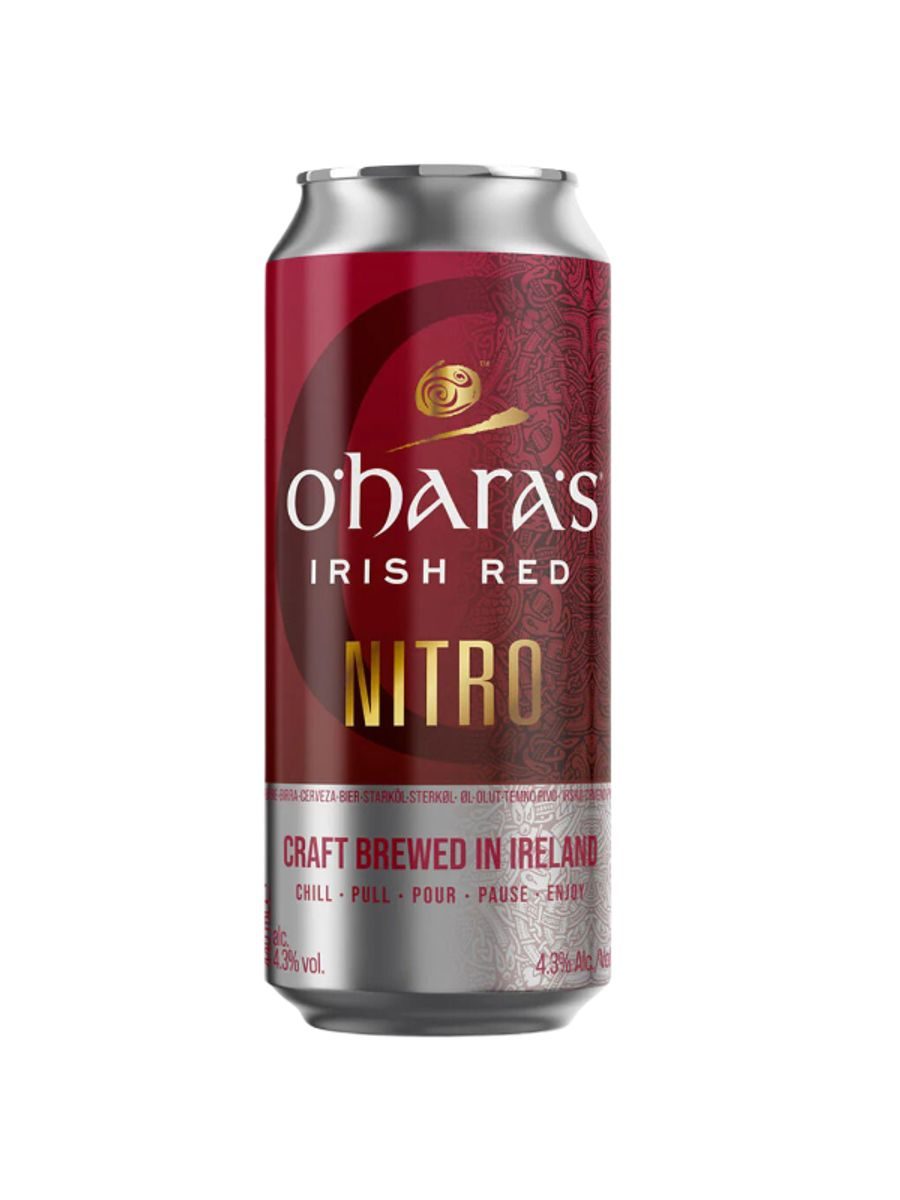
O'Hara's Irish Red Nitro
Brewed by Carlow Brewing Company
O'Hara's nitrogen pour turns caramel and biscuit creamy, then a small roasted-barley bite keeps the Irish red recognizable. The finish proves caramel needs contrast, not just…
BAR NOTES
O’Hara’s Irish Red Nitro earns the #25 position because nitrogen smoothing caramel, biscuit, and roasted barley in Irish red ale. O’Hara’s nitrogen pour turns caramel and biscuit creamy, then a small roasted-barley bite keeps the Irish red recognizable. This is the distinction the ranking rewards: caramel contributes shape and connection rather than acting as a generic synonym for sweetness.
Serve a full pour around 44–49°F in a nonic pint or tulip, then try it with corned beef or brown bread. Check the current package or release before buying; malt-driven caramel can age gracefully, while coffee, fruit, hops, and delicate added aromas usually fade first.
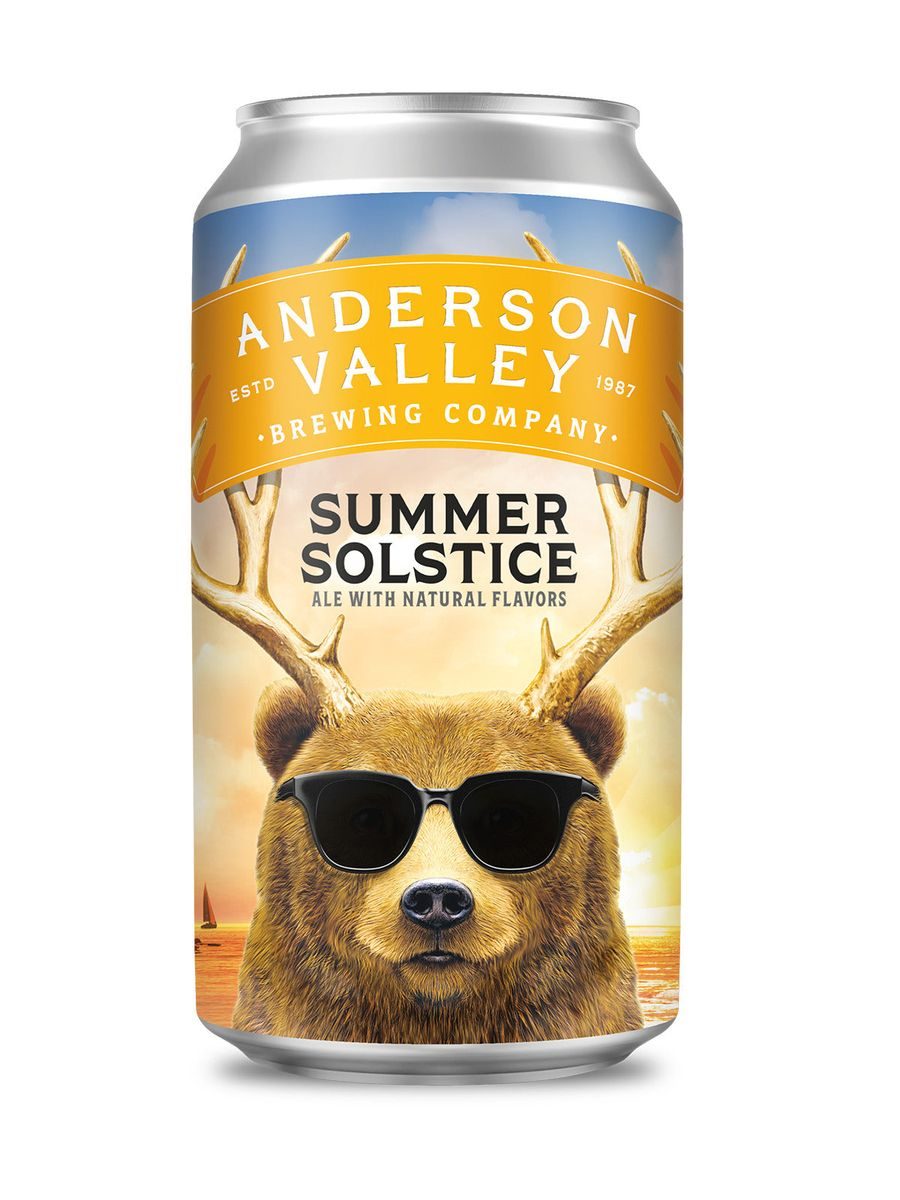
Summer Solstice
Brewed by Anderson Valley Brewing Co.
Summer Solstice makes caramel unexpectedly warm-weather friendly by pairing it with vanilla, soft body, and modest strength. Its structure keeps the caramel expressive instead…
BAR NOTES
Summer Solstice earns the #26 position because caramel and vanilla giving cream ale an unusually copper-colored summer profile. Summer Solstice makes caramel unexpectedly warm-weather friendly by pairing it with vanilla, soft body, and modest strength. This is the distinction the ranking rewards: caramel contributes shape and connection rather than acting as a generic synonym for sweetness.
Serve a full pour around 44–49°F in a nonic pint or tulip, then try it with grilled peaches or vanilla-free pound cake. Check the current package or release before buying; malt-driven caramel can age gracefully, while coffee, fruit, hops, and delicate added aromas usually fade first.
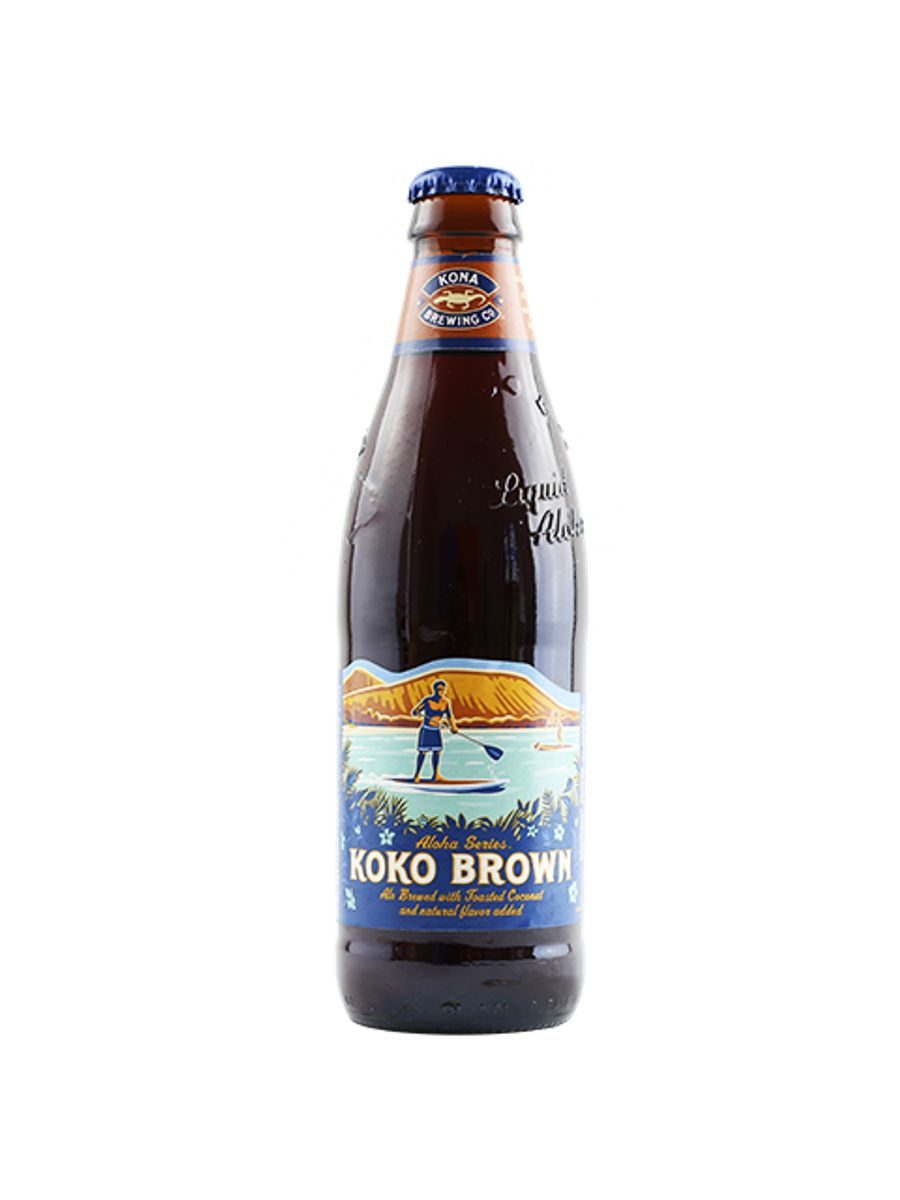
Koko Brown Ale
Brewed by Kona Brewing Co.
Koko Brown uses toasted coconut to echo the nutty, caramelized malt beneath it, remaining lighter than coconut porter or stout. That balance makes the sweetness worth returning to.
BAR NOTES
Koko Brown Ale earns the #27 position because toasted coconut amplifying caramelized brown-ale malt. Koko Brown uses toasted coconut to echo the nutty, caramelized malt beneath it, remaining lighter than coconut porter or stout. This is the distinction the ranking rewards: caramel contributes shape and connection rather than acting as a generic synonym for sweetness.
Serve a full pour around 44–49°F in a nonic pint or tulip, then try it with teriyaki pork or toasted macadamias. Check the current package or release before buying; malt-driven caramel can age gracefully, while coffee, fruit, hops, and delicate added aromas usually fade first.
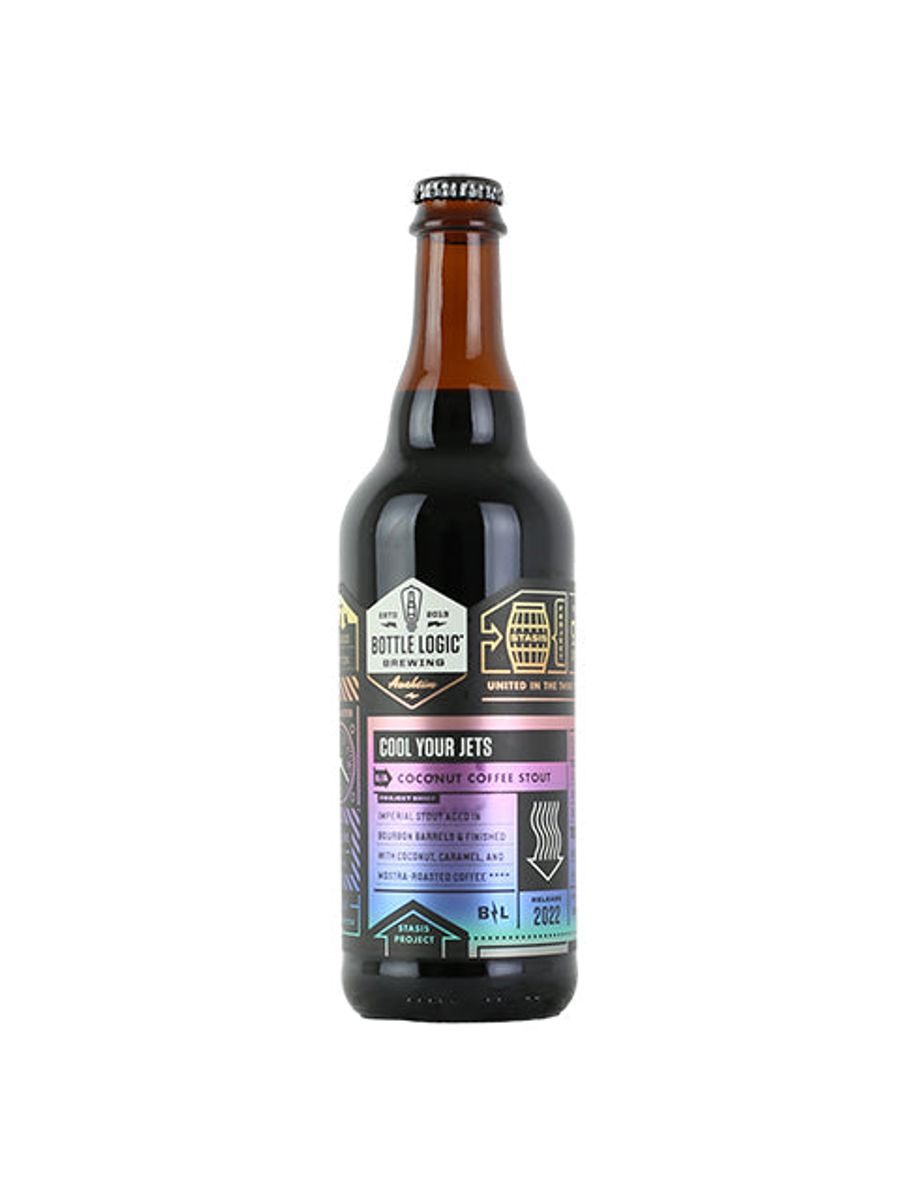
Cool Your Jets
Brewed by Bottle Logic Brewing
Cool Your Jets pushes caramelized coconut and coffee across bourbon, chocolate, and oak in a deliberately oversized barrel stout. The base style remains visible beneath the…
BAR NOTES
Cool Your Jets earns the #28 position because caramelized coconut and coffee layered over bourbon-barrel stout. Cool Your Jets pushes caramelized coconut and coffee across bourbon, chocolate, and oak in a deliberately oversized barrel stout. This is the distinction the ranking rewards: caramel contributes shape and connection rather than acting as a generic synonym for sweetness.
Serve a four- to six-ounce pour around 50–55°F in a small snifter, then try it with coffee-rubbed beef or coconut macaroons. Check the current package or release before buying; malt-driven caramel can age gracefully, while coffee, fruit, hops, and delicate added aromas usually fade first.
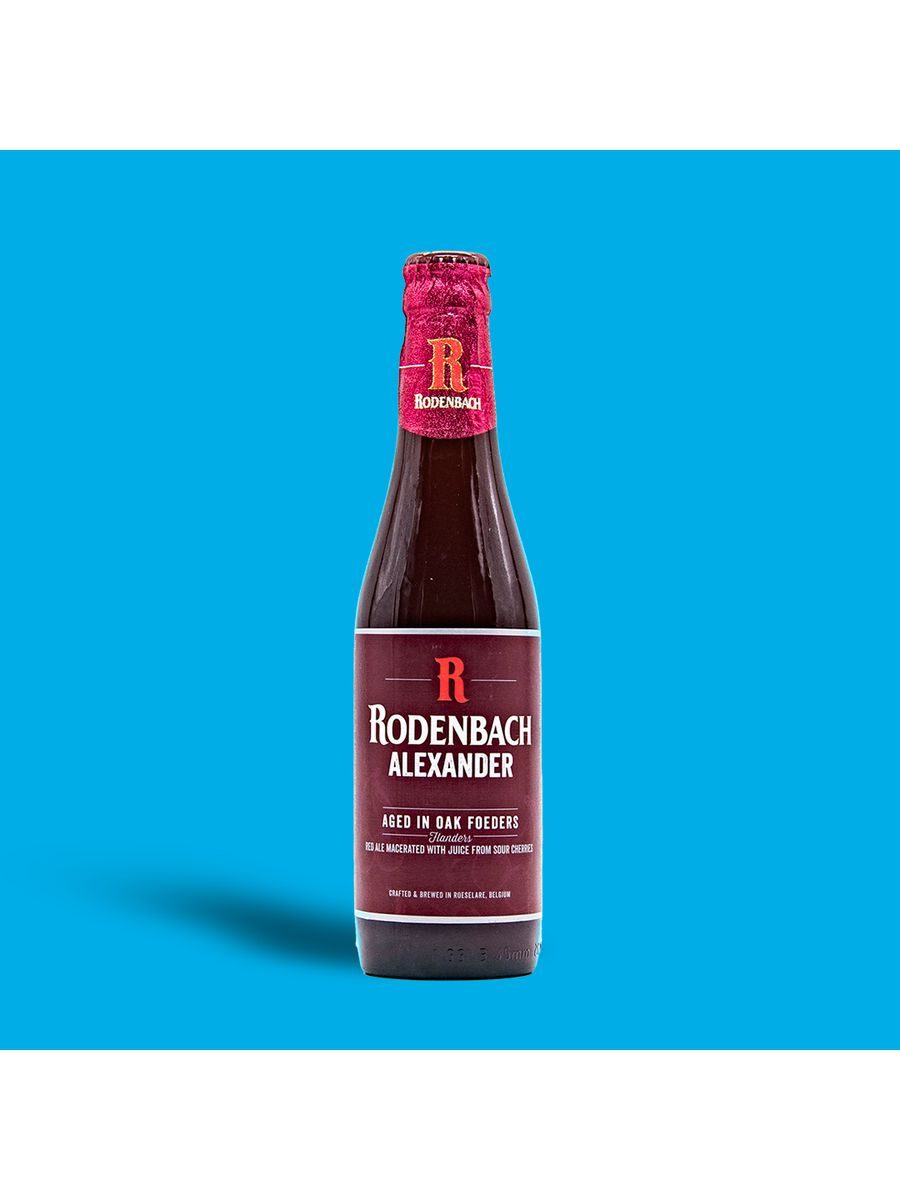
Rodenbach Alexander
Brewed by Brouwerij Rodenbach
Alexander uses sour cherry and foeder acidity to sharpen red-malt caramel, creating a wine-like sweet-sour counterpoint. The finish proves caramel needs contrast, not just more…
BAR NOTES
Rodenbach Alexander earns the #29 position because foeder-aged red malt caramel sharpened by sour cherries and balsamic acidity. Alexander uses sour cherry and foeder acidity to sharpen red-malt caramel, creating a wine-like sweet-sour counterpoint. This is the distinction the ranking rewards: caramel contributes shape and connection rather than acting as a generic synonym for sweetness.
Serve a small pour around 46–50°F in a tulip or wine glass, then try it with duck confit or aged Comté. Check the current package or release before buying; malt-driven caramel can age gracefully, while coffee, fruit, hops, and delicate added aromas usually fade first.
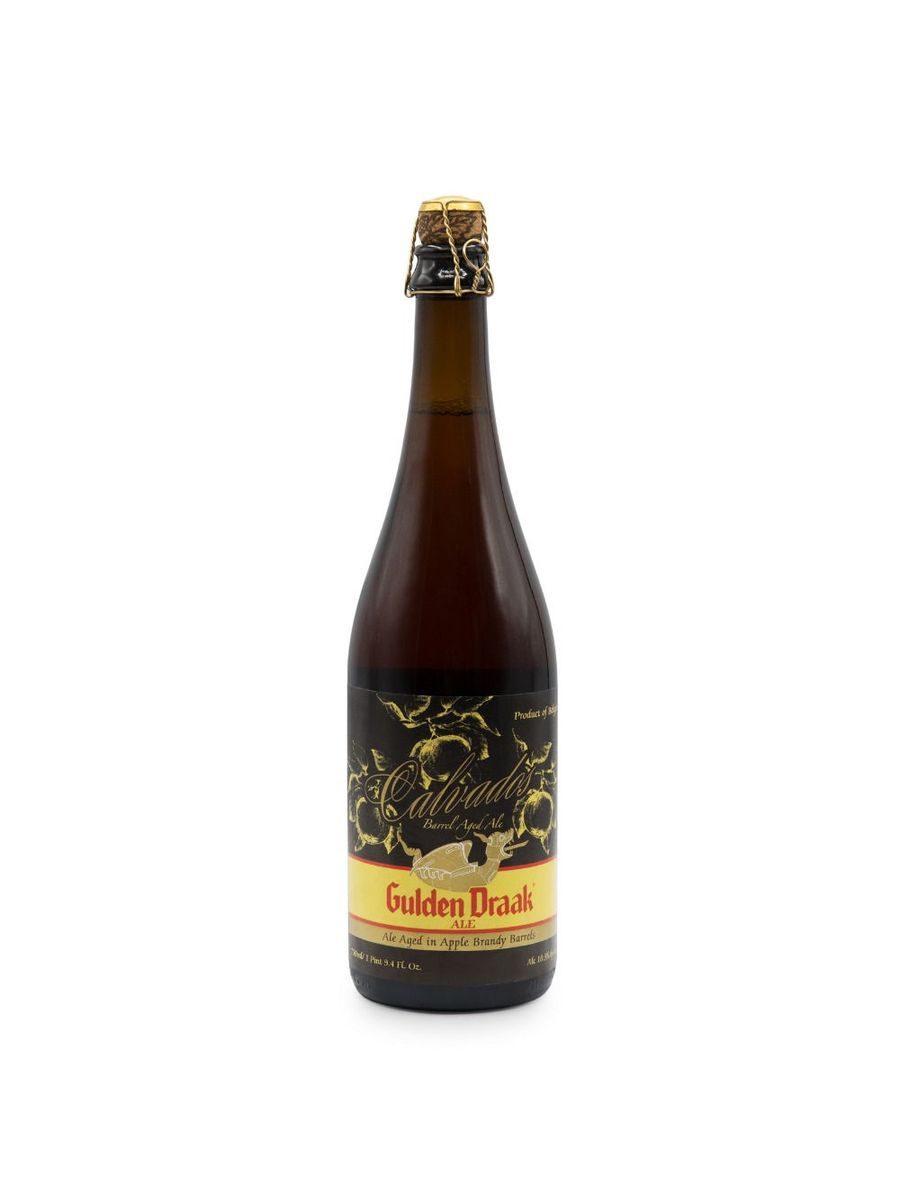
Gulden Draak Calvados
Brewed by Brouwerij Van Steenberge
Calvados barrels pull dark Belgian caramel toward baked apple, vanilla, oak, and warming fruit-brandy complexity. Its structure keeps the caramel expressive instead of sticky.
BAR NOTES
Gulden Draak Calvados earns the #30 position because dark Belgian caramel and fruit deepened by Calvados barrels, apple, and oak. Calvados barrels pull dark Belgian caramel toward baked apple, vanilla, oak, and warming fruit-brandy complexity. This is the distinction the ranking rewards: caramel contributes shape and connection rather than acting as a generic synonym for sweetness.
Serve a four- to six-ounce pour around 50–55°F in a small snifter, then try it with apple tart or washed-rind cheese. Check the current package or release before buying; malt-driven caramel can age gracefully, while coffee, fruit, hops, and delicate added aromas usually fade first.
Where caramel flavor comes from in beer
Crystal and caramel malts are the obvious route, but they are not the only one. Decoction, long boils, dark brewing sugars, oxidation, toasted grain, fruit, and oak can all create overlapping impressions of caramel, toffee, burnt sugar, bread crust, or molasses.
The word can also be misleading. A pale lager with excessive caramel flavor may simply be stale, while a well-made doppelbock builds similar depth intentionally through malt selection and process. Context matters more than sweetness alone.
How to choose and serve caramel beer
Choose explicit salted-caramel and pastry beers when you want dessert. Choose brown ale, red ale, porter, or bock when you want caramel integrated into a full pint. Barleywine and barrel-aged versions belong in smaller pours and benefit from gradual warming.
Useful pairings bring salt, char, acidity, smoke, or sharp cheese. More caramel on top of caramel often becomes exhausting; contrast is what makes the flavor feel deliberate rather than merely sweet.
Keep the Flight Going
Caramel can come from an added flavor, dark sugar, toasted malt, long boiling, barrels, or the way fruit and oak reshape sweetness. Follow those paths into the styles that use it best.
DRINK DEEPER

better beer.


