14 Best Maple Beers: Stouts, Porters, Brown Ales & Sours
Maple beer is not one style. Brewers ferment syrup into brown ale, fold it into coffee stout, age beer in maple-seasoned barrels, or use berry acidity to keep the sweetness from sitting still.
This Top 14 only includes beers where maple is an ingredient, named treatment, or essential part of the concept. A bourbon stout that merely suggests maple does not qualify, and neither does a beer brewed in Maplewood.
The 14 Best Maple Beers

Mornin' Delight
Brewed by Toppling Goliath Brewing Co.
Espresso, maple syrup, fudge, and toasted malt arrive at luxury-stout intensity, yet firm roast keeps the finish from becoming breakfast syrup.
BAR NOTES
Mornin’ Delight remains the reference point for maple breakfast stout because the syrup does more than add sweetness. It amplifies caramelized malt while coffee supplies bitterness, aroma, and enough dryness to keep the beer dimensional.
Pour four to six ounces near 52°F in a snifter and give it time to open. Pair it with pecan pie, smoked bacon, or salty blue cheese; all three keep the maple from owning every inch of the palate.

KBS Maple Mackinac Fudge
Brewed by Founders Brewing Co.
Maple, fudge coffee, bourbon, oak, and chocolate make this Michigan-minded KBS variant indulgent without hiding the stout underneath.
BAR NOTES
Founders takes the familiar KBS framework—imperial stout, coffee, chocolate, and bourbon oak—and steers it toward a Mackinac Island candy counter. Maple connects the fudge-flavored coffee to the barrel’s caramel and vanilla tones.
This is a small-pour beer, best around 50–55°F with salted nuts or a plain butter cookie. Check the exact release year before buying because coffee brightness and barrel heat change noticeably with package age.

Double Stack
Brewed by Great Notion Brewing
Whole-bean coffee cuts through a dense maple-pancake profile, giving this famously excessive breakfast stout an actual shape and finish.
BAR NOTES
Double Stack makes no attempt at restraint: maple syrup, coffee, chocolate-like dark malt, and imperial strength all arrive together. What saves the concept is separation—you can still identify roasted coffee against the sweet pancake impression.
Serve a modest pour in a tulip rather than treating it like a pint of porter. A salty breakfast sandwich, maple-free coffee cake, or sharp cheddar provides contrast; another sugary dessert usually makes the beer feel heavier.

Funky Buddha Maple Bacon Coffee Porter
Brewed by Funky Buddha Brewery
Coffee, maple, cocoa, and smoke recreate a diner breakfast while the porter base keeps the bacon idea suggestive instead of greasy.
BAR NOTES
This cult Florida porter helped prove a novelty name could still lead to a carefully structured beer. Coffee supplies roast, maple supplies aroma and roundness, and smoke creates the bacon suggestion without putting meat in the glass.
Let it rise toward 48–52°F, when the smoke and coffee become easier to separate. Pair it with smoked cheddar, chocolate-covered pretzels, or brunch food; avoid intensely smoky barbecue, which can make the beer taste ashy.

Untitled Art Maple Coffee Stout
Brewed by Untitled Art
Coffee leads, maple rounds the edges, and cocoa-toned malt fills the middle—an unusually legible arrangement for a sweet adjunct stout.
BAR NOTES
The useful trick here is clarity. Fresh coffee arrives first, toasted and cocoa-like malt holds the center, and maple broadens the finish rather than turning the entire stout into one undifferentiated sweet flavor.
Pour it near 50°F and drink it fresher when coffee aroma matters most. Pair with chocolate wafer cookies, breakfast sausage, or Gouda; salt and roast make better partners than frosting for a beer already carrying dessert-level sweetness.

Stranger Than Coffee
Brewed by Collective Arts Brewing
Coffee, maple, chocolate, and toast sit in a moderate-strength porter, making this one of the list’s more practical full-glass pours.
BAR NOTES
Stranger Than Coffee shows that maple beer does not require double-digit alcohol. Its porter base gives fresh coffee and barrel-aged maple syrup roasted and toasted edges, while the moderate strength keeps the combination comparatively nimble.
Serve around 48°F in a nonic pint or small tulip. It works with coffee-rubbed pork, maple-glazed carrots, or a plain doughnut, and it is best consumed while the coffee component still smells vivid.
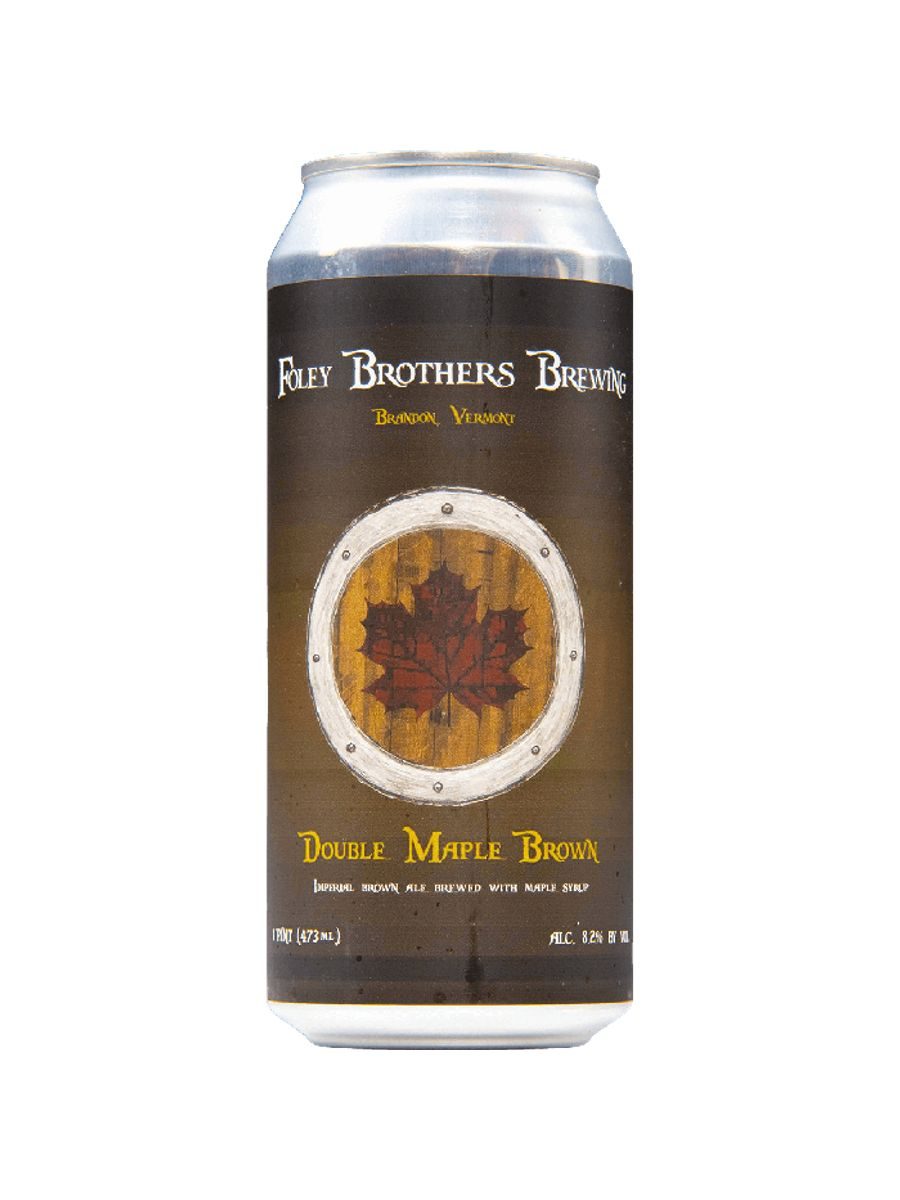
Double Maple Brown
Brewed by Foley Brothers Brewing
Vermont maple reinforces caramel and toasted malt in a strong brown ale, leaving woodland depth instead of cartoon pancake sweetness.
BAR NOTES
Double Maple Brown uses a sturdier brown-ale foundation than most maple beers, trading heavy roast for toast, nuts, and caramel malt. Fermentation removes much of maple syrup’s simple sugar, leaving aroma and dry woodland complexity behind.
A 48–52°F pour reveals more nutty malt than refrigerator-cold service. Try it with roast chicken, nutty cheese, or bread pudding, and check the brewery’s current release schedule because this is not a guaranteed year-round shelf beer.
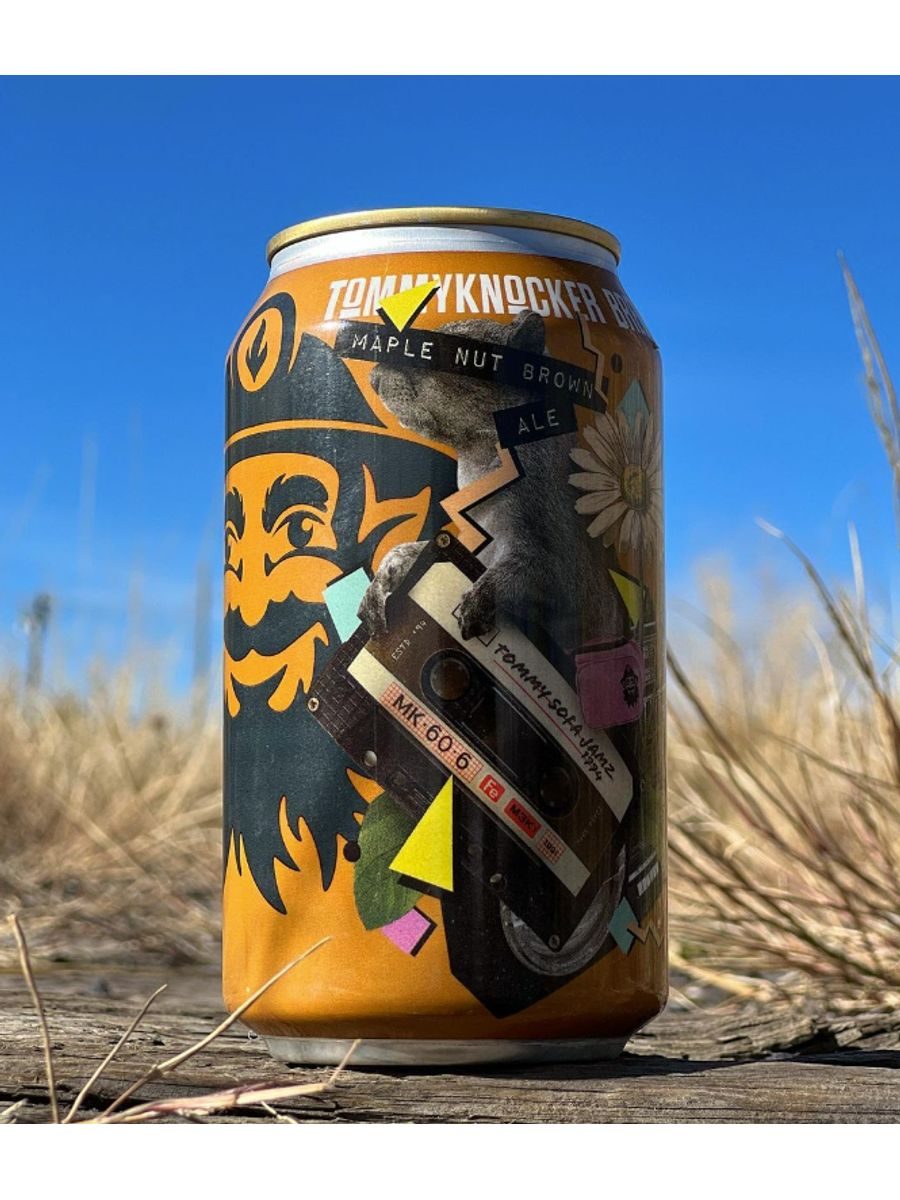
That's 90's Brown
Brewed by Tommyknocker Brewery
A lighter maple-nut brown that favors toasted malt and drinkability over pastry excess—welcome relief in a category full of 11% stouts.
BAR NOTES
Tommyknocker’s maple-nut idea works because brown ale already suggests toast, caramel, and nuts before any flavor addition arrives. At 4.5%, this current can offers the profile without demanding a four-ounce dessert pour.
Serve at roughly 45–48°F with grilled sausage, cheddar, or pancakes if you want to embrace the bit. Freshness matters less than it does for IPA, but old stock can make the nutty malt seem flat and overly sweet.
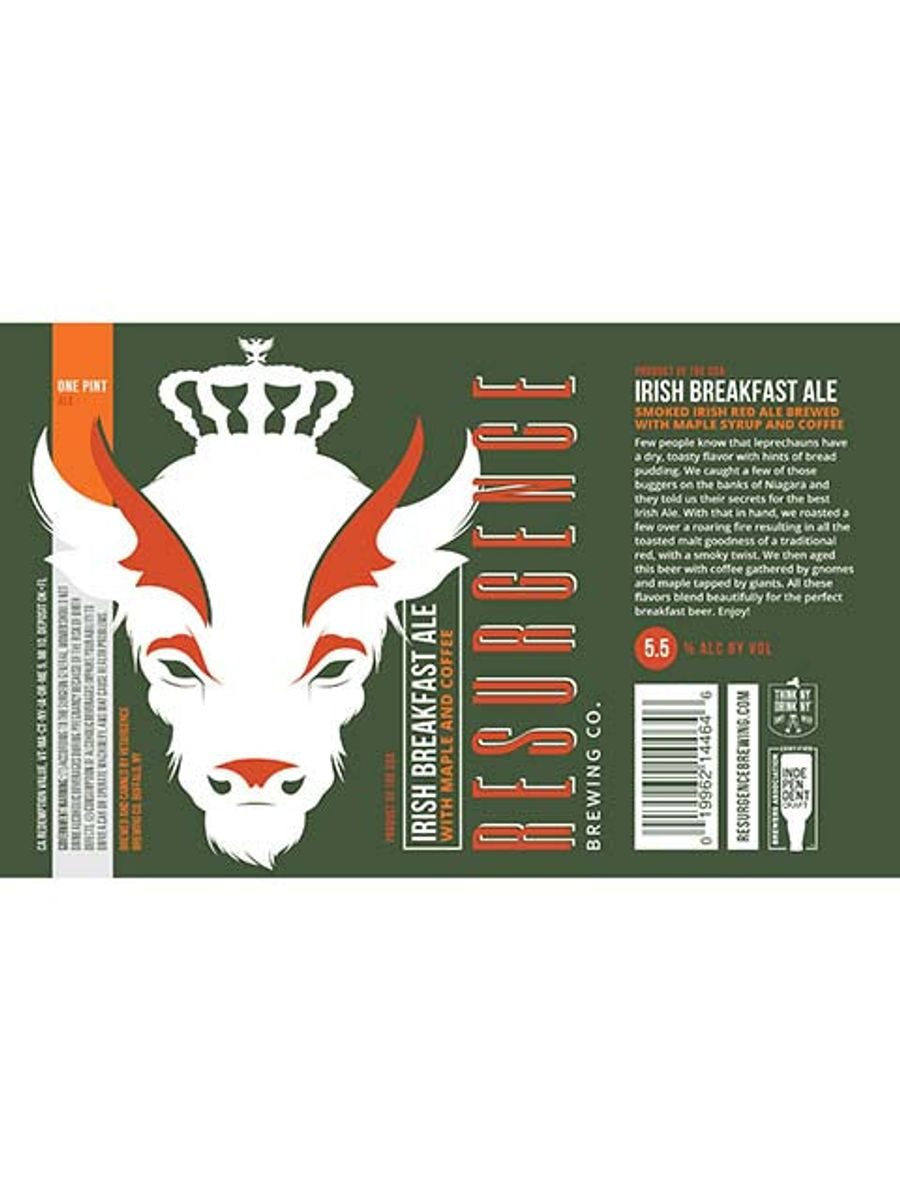
Irish Breakfast Ale
Brewed by Resurgence Brewing Company
Coffee and maple turn a caramel-rich red ale into breakfast beer while smoke and a dry bread-crust finish keep the gimmick disciplined.
BAR NOTES
Irish Breakfast Ale is a useful change from black beer. Its red-ale base contributes caramel and toasted bread, while coffee, maple, and smoke build the breakfast association without relying on imperial alcohol or syrupy body.
Pour it around 46–50°F and try it with bacon, smoked cheddar, or French toast. Coffee aroma fades, so buy the newest package available and store it cold even though the malt profile feels built for cool weather.
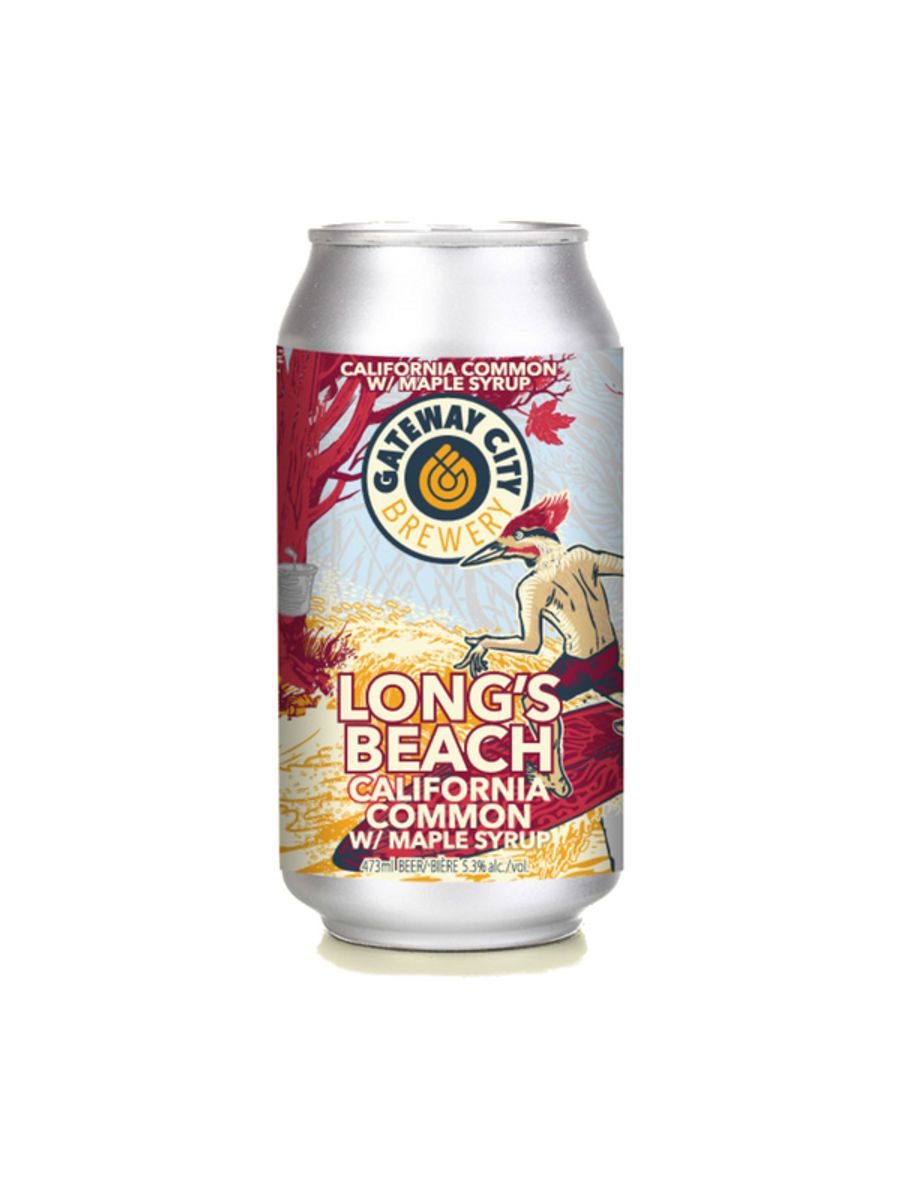
Long's Beach
Brewed by Gateway City Brewery
Maple ferments mostly dry while rye adds peppery grain, producing a creative steam-beer cousin that lands nowhere near pastry stout.
BAR NOTES
Long’s Beach stretches the California common template with wheat, rye, and maple syrup. Much of the syrup ferments away, so the final beer emphasizes grain spice and a dry woodland suggestion rather than sticky sweetness.
Serve at 46–50°F with roast squash, smoked meat, or sharp cheddar. Its moderate strength makes a full pour reasonable, while the rye and firm bitterness reset the palate more effectively than most dessert-driven maple releases.
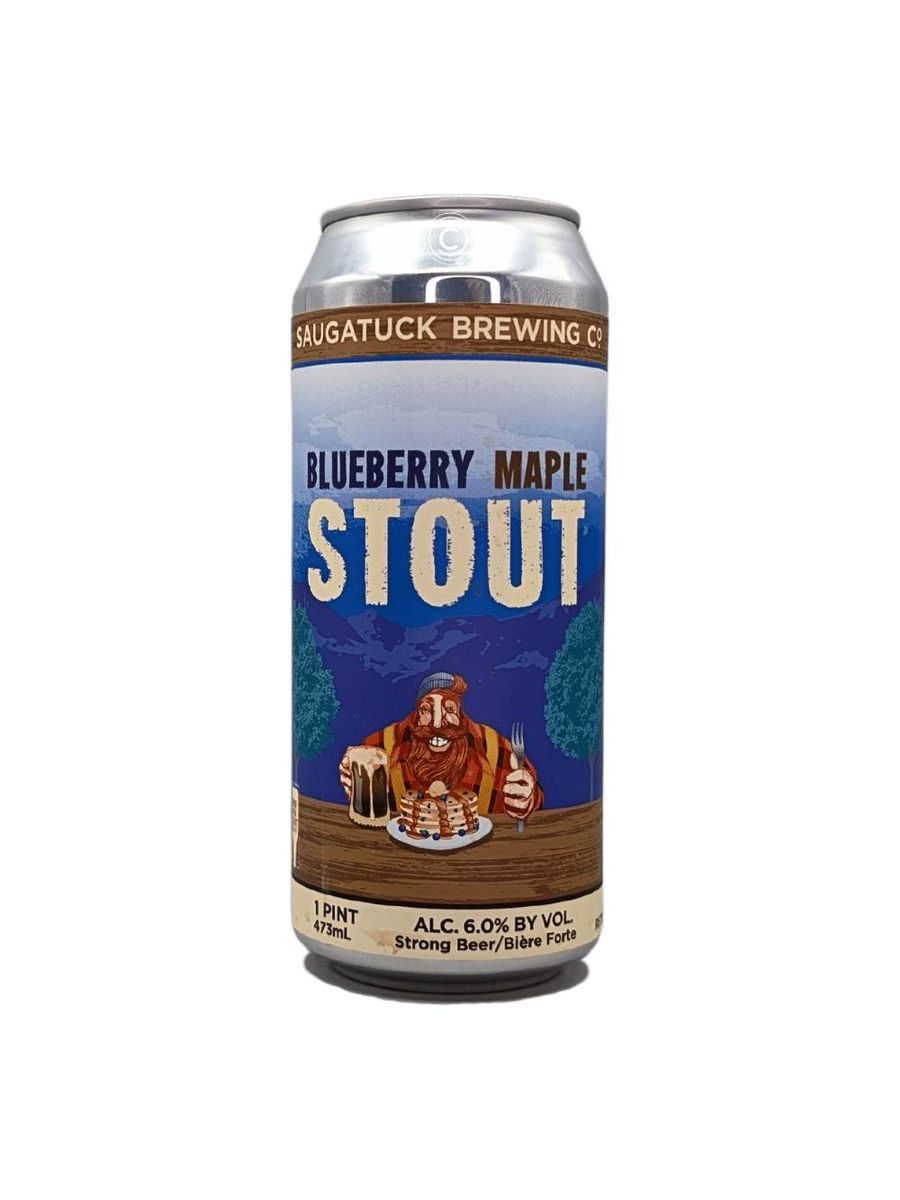
Blueberry Maple Stout
Brewed by Saugatuck Brewing Company
Blueberry acidity and roast keep the maple-pancake concept moving, making this year-round Michigan stout easier to revisit than expected.
BAR NOTES
Saugatuck’s year-round stout is intentionally direct: blueberry pancakes covered in maple syrup. The milk-stout base supplies body and chocolate-like roast, while berry character gives the sweetness a brighter edge and recognizable shape.
Serve around 46–50°F in a pint or tulip with cheesecake, breakfast sausage, or salty pretzels. It is one of the easier beers here to find, and its moderate 6% strength makes it more practical than the barrel-aged heavyweights.
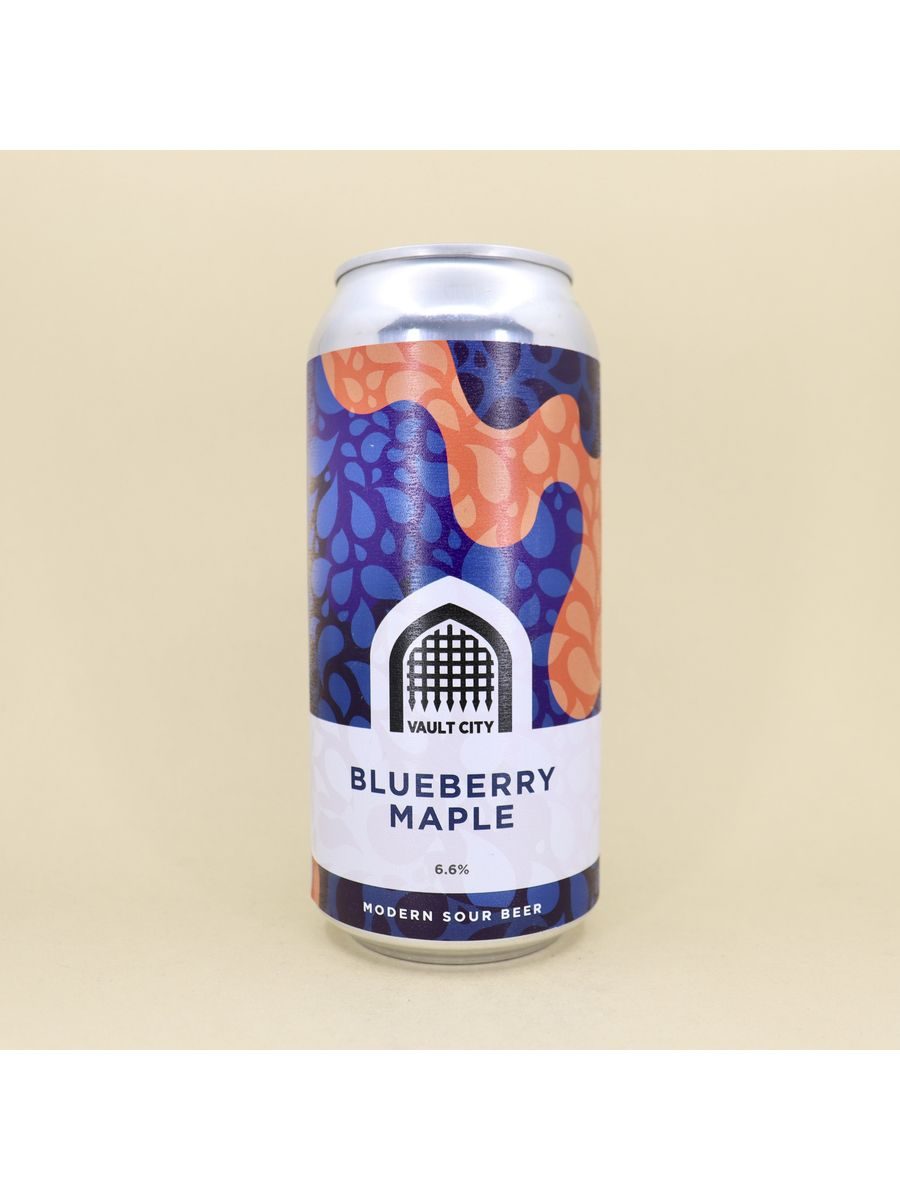
Blueberry Maple
Brewed by Vault City Brewing
Jammy blueberry and sharp acidity stop maple from becoming flat, turning a breakfast flavor pairing into a bright modern dessert sour.
BAR NOTES
Vault City brings maple into sour beer, where acidity changes the ingredient’s role completely. Blueberry contributes jammy fruit and tannic depth, while tart fermentation pulls the finish away from the heaviness of breakfast stout.
Serve cold in a small tulip and let it warm only slightly. Cheesecake, blue cheese, or salted almonds work well; verify the current package strength because Vault City’s small-batch fruit releases and recipes can change between runs.
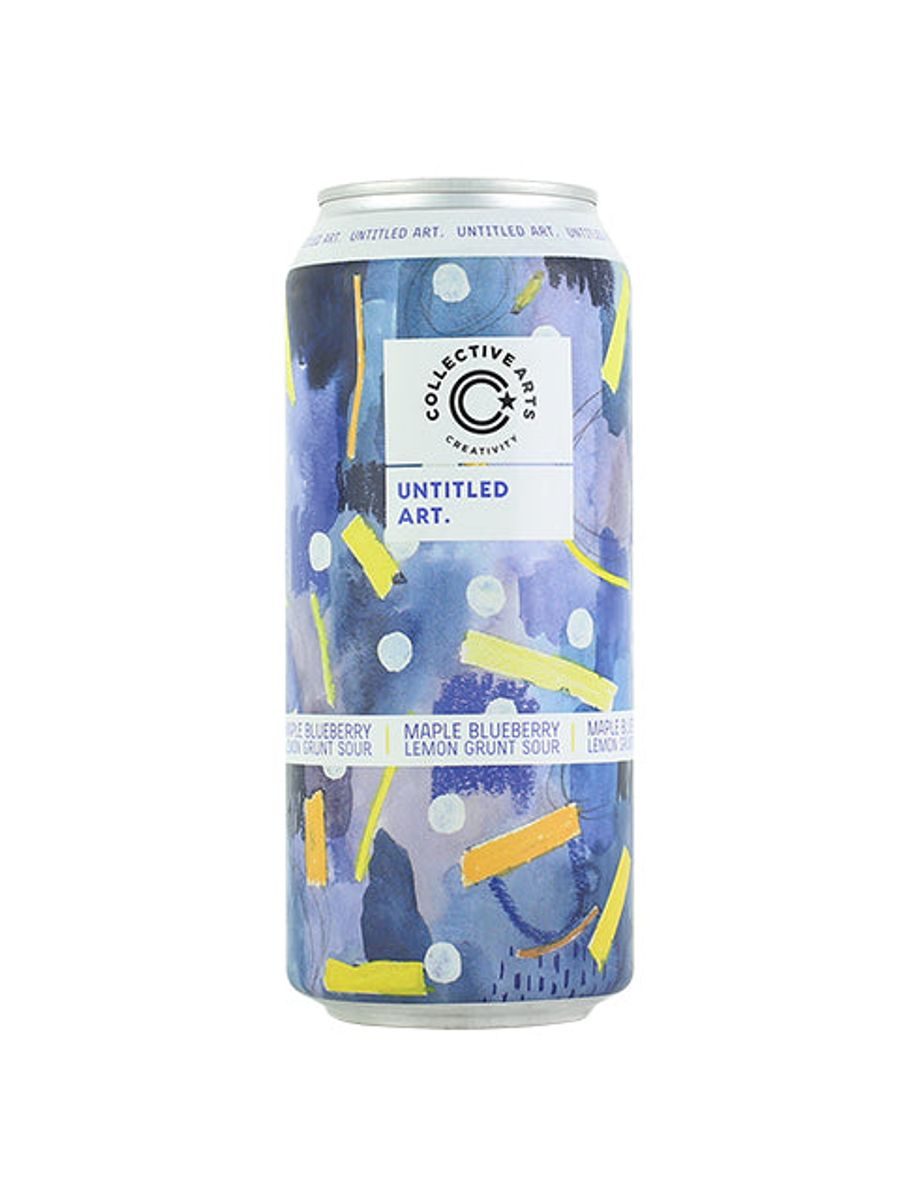
Maple Blueberry Lemon Grunt
Brewed by Untitled Art
Lemon brightens blueberry and maple, preventing this breakfast-dessert sour from collapsing into one loud spoonful of sweetness.
BAR NOTES
This pastry sour borrows the flavors of a fruit grunt rather than another stack of pancakes. Blueberry supplies depth, lemon adds the necessary high note, and maple links the fruit to a baked-dessert impression.
Pour it cold and consider sharing the can if the texture is intense. Pair with a plain shortbread cookie, goat cheese, or salted nuts, and confirm the current package details because Untitled Art rotates recipes quickly.
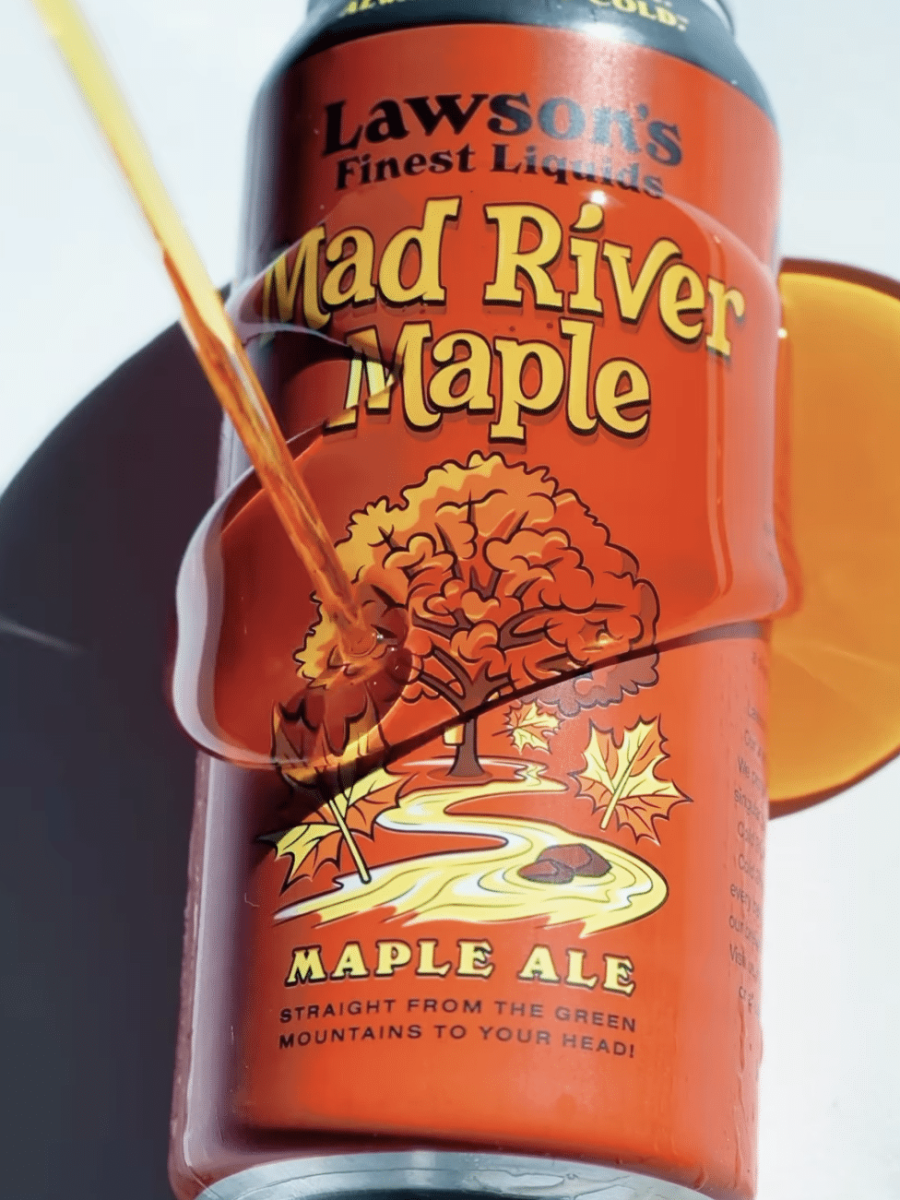
Mad River Maple Ale
Brewed by Lawson's Finest Liquids
Lawson’s treats maple as a regional brewing ingredient, pairing woodland sweetness with sturdy malt and a smooth, gently sweet finish.
BAR NOTES
Mad River Maple closes the ranking as a reminder that maple beer existed before pastry stout became an arms race. Pure Vermont syrup meets a robust ale base, allowing fermentation and malt to share the work with sweetness.
Look for the current limited release rather than assuming every older Lawson’s maple label is still available. Serve at 48–52°F with beef stew, aged cheese, or apple dessert and let the aroma open.
Why maple is harder to brew with than it looks
Maple syrup is mostly fermentable sugar. Add it early and yeast can consume much of the sweetness, leaving alcohol plus subtle woody, mineral, and caramelized aromas. Add it later and the maple reads more clearly, but stability and sweetness become harder to manage.
That is why coffee, roasted malt, rye, smoke, fruit acidity, and barrel tannin appear so often in this roundup. Each gives maple a contrasting edge. Without one, a maple beer can smell promising and finish like anonymous brown sugar.
How to serve maple beer
Serve moderate-strength brown ales, porters, and sours around 45–50°F. Imperial and barrel-aged stouts show more detail around 50–55°F in four- to six-ounce pours. Refrigerator-cold service hides maple aroma; room temperature exaggerates alcohol and sugar.
Salt, roast, smoke, sharp cheese, and tart fruit are better partners than frosting. Maple beer already supplies dessert energy, so the most useful pairing usually pushes back instead of adding another layer of sweetness.
Keep the Flight Going
Maple rarely drinks alone. Follow it into coffee stout, pastry stout, brown ale, and fruit-beer territory—or take the idea back to your own brew kettle.
DRINK DEEPER

better beer.


