12 Best Oatmeal Stouts to Drink in 2026
Oatmeal stout is proof that texture can be a flavor decision. Oats rarely make the beer taste like a breakfast bowl; they contribute proteins and beta-glucans that build body, stabilize foam, and soften the sharper edges of roasted grain.
This Top 12 moves from an English reference pint through American classics, coffee stouts, imperial bruisers, nitro pours, and one genuinely useful non-alcoholic wildcard. Every pick uses oats as part of the beer’s structure, not as a decorative word on the label.
What oats actually do in stout
Flaked or rolled oats add gums, proteins, and lipids that make beer feel fuller and smoother. Used carefully, they soften roast and improve head retention without adding obvious sweetness. Used carelessly, they can create haze, slow runoff in the mash, and leave the body dull or slick.
Oatmeal stout is not automatically milk stout. Oats change texture; lactose leaves residual sweetness because ordinary brewing yeast cannot fully ferment it. A brewery can use either ingredient, both, or neither, which is why “creamy” on a label is not a dependable ingredient list.
How to serve oatmeal stout
Standard-strength examples usually open up around 48–54°F in a nonic or imperial pint. Coffee versions benefit from moderate warmth but not age. Imperial oatmeal stouts belong in smaller tulips near cellar temperature, where the grain texture can be felt without alcohol dominating the glass.
Pair the soft body with contrast: charred meat, sharp cheese, mushrooms, salted nuts, coffee, or fruit acidity. Rich desserts can work, but an oatmeal stout often shows more detail beside savory food than when buried under another layer of sugar.
The 12 best oatmeal stouts
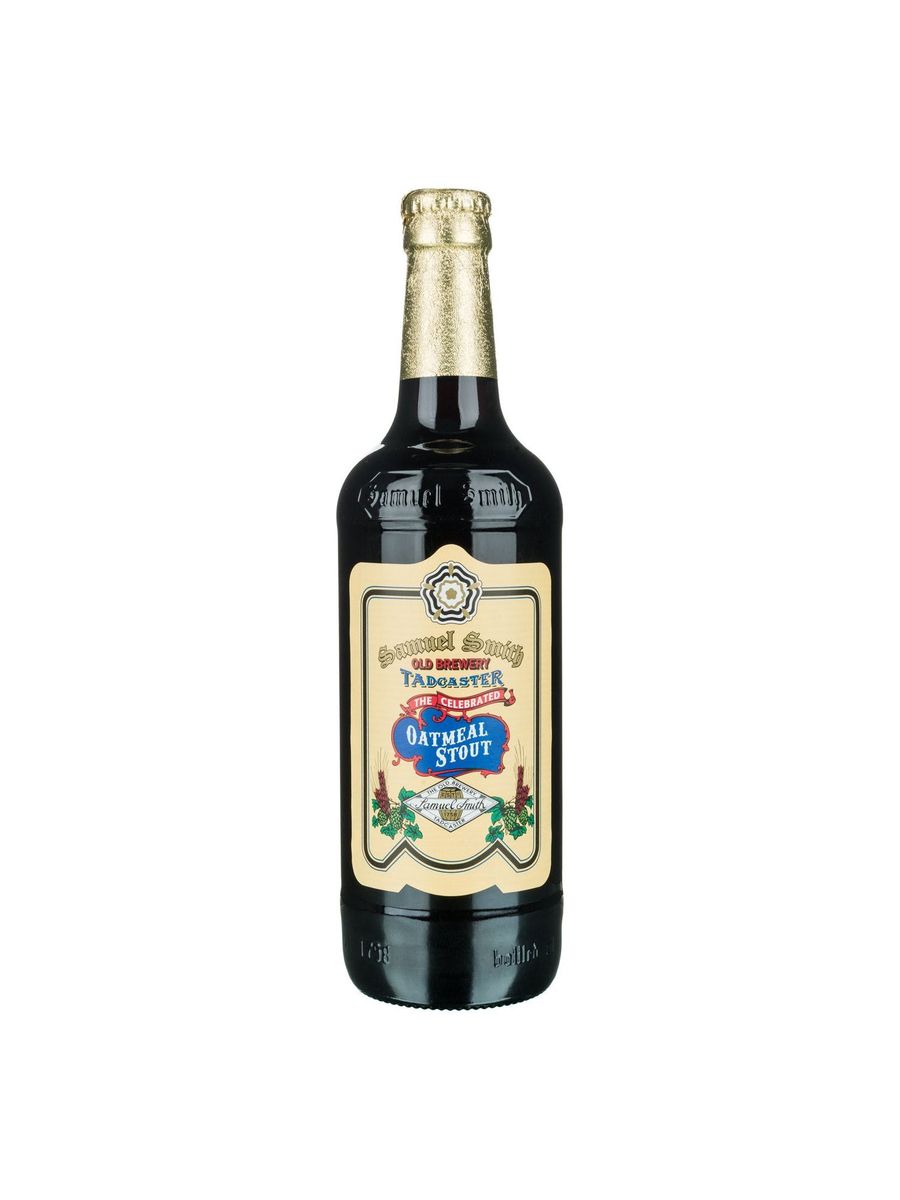
Samuel Smith's Oatmeal Stout
Brewed by Samuel Smith's Old Brewery
Mineral structure, roasted grain, cocoa, and quiet oat softness in an old-school bottle-conditioned frame.
BAR NOTES
Samuel Smith gives the style a historical center of gravity. Oatmeal softens the palate, but Yorkshire water, roasted malt, earthy hops, and gentle fruit keep the beer from tasting sweet or heavy. It is composed rather than showy.
Serve around 50–55°F in a nonic pint with roast beef, Stilton, or an oat biscuit. The brewery lists oatmeal among the ingredients and marks the beer vegan, a useful reminder that oatmeal texture does not require lactose.
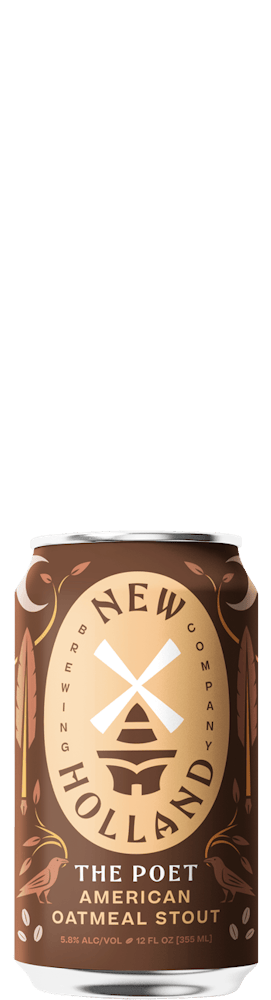
The Poet
Brewed by New Holland Brewing
Soft oats support roast, dark chocolate, and coffee in a balanced stout built for a full pint.
BAR NOTES
The Poet is one of the clearest American answers to the English model. Oats smooth the roast without muting it, and the moderate strength allows coffee, cocoa, and grain to unfold without the alcohol or adjuncts becoming the story.
Pour at 48–52°F with smoked sausage, chili, or sharp cheddar. It is officially year-round, which matters in a style increasingly crowded with one-off releases: this is a benchmark you can actually learn and revisit.

Breakfast Stout
Brewed by Founders Brewing Co.
Two coffees, chocolate, and abundant flaked oats create a rich breakfast stout with firm roasted structure.
BAR NOTES
Breakfast Stout became a craft-era landmark because every breakfast cue has a structural job. Two coffee types sharpen the roast, chocolate fills the middle, and flaked oats give the stronger base a dense, coating body without relying on lactose.
Serve around 50°F in a stout glass with bacon, pancakes, or chocolate cake. Founders currently lists it as year-round. Coffee is still volatile, so a recent can will show more definition than one forgotten warm on a shelf.
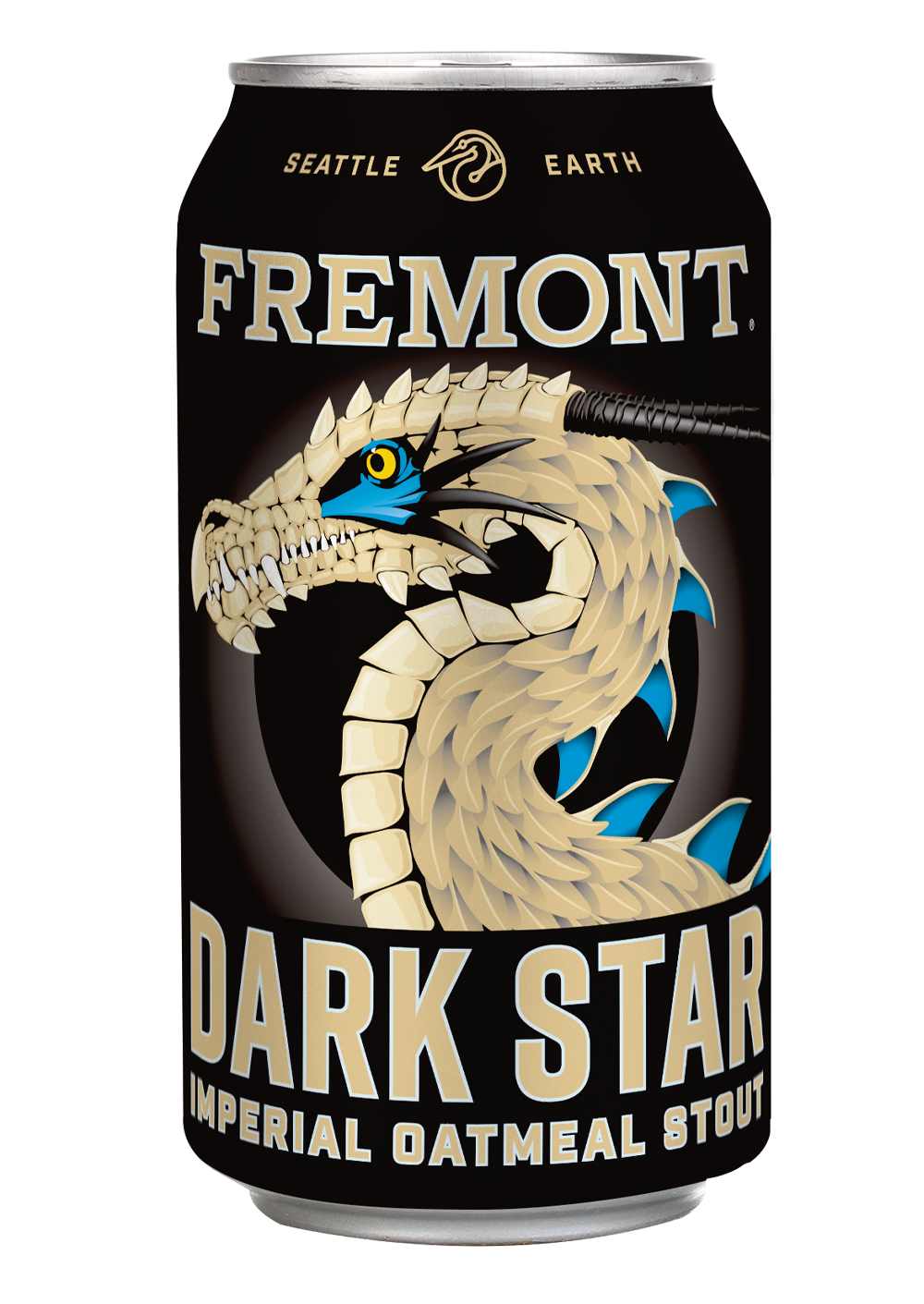
Dark Star
Brewed by Fremont Brewing
Baking chocolate, coffee, toast, dried fruit, and flaked oats meet enough bitterness to hold the line.
BAR NOTES
Dark Star enlarges oatmeal stout without turning it into pastry. Flaked oats make the body dense and smooth, while roasted barley, chocolate malt, dark fruit, and a fifty-IBU hop structure give the finish shape and restraint.
Serve around 52–55°F in a tulip with braised beef, aged Gouda, or flourless chocolate cake. Fremont lists the base beer as year-round; its barrel-aged descendants are separate, stronger experiences and should not replace learning the original.
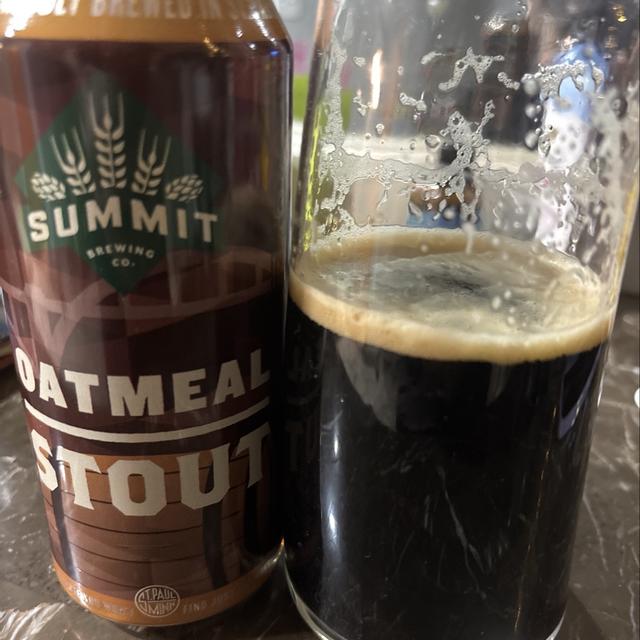
Oatmeal Stout
Brewed by Summit Brewing Co.
Hazelnut, caramel, chocolate, and roast arrive beneath a fine-bubbled draft-like head.
BAR NOTES
Summit builds texture twice. British naked oats contribute nutty grain and body, while nitrogen tightens the bubbles and makes the finish feel even smoother. At five percent, the beer remains a stout rather than an endurance event.
Serve at 50–55°F in an imperial pint or nonic tumbler with pot roast, mushrooms, or nutty cheese. Follow the package or taproom pour instructions; nitrogen creates theater, but a settled head and warmer middle reveal the malt.
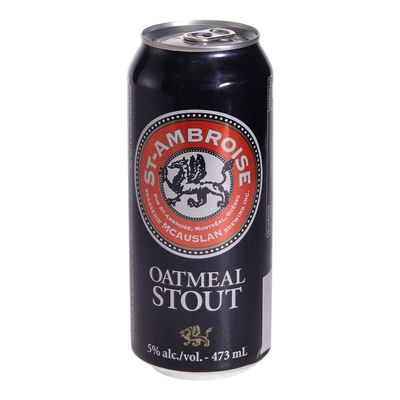
St-Ambroise Oatmeal Stout
Brewed by McAuslan Brewing
Espresso, chocolate, roasted barley, and oatmeal body finish with a notably firm hop edge.
BAR NOTES
St-Ambroise is darker and more assertive than the style’s soft reputation suggests. A large dark-malt presence supplies espresso and bitter chocolate, oatmeal sustains the body and head, and the hop finish prevents the beer from becoming sleepy.
Serve around 48–52°F with poutine, smoked meat, or chocolate-orange dessert. Its five-percent strength makes the roast feel direct rather than alcoholic, and the bitter finish is especially useful beside rich food.
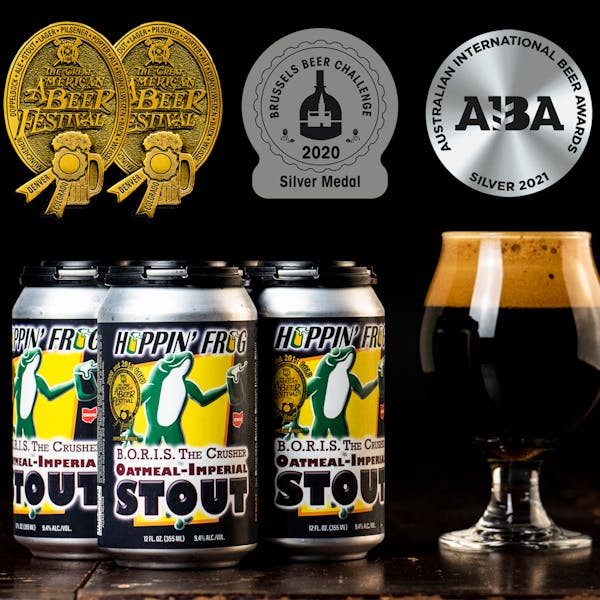
B.O.R.I.S. The Crusher
Brewed by Hoppin' Frog Brewery
Massive roasted malt and hop bitterness ride on a full, silky base without collapsing into dessert flavoring.
BAR NOTES
B.O.R.I.S.—the Bodacious Oatmeal Russian Imperial Stout—uses oats to manage scale rather than simply add sweetness. The grain softens an intensely roasted, full-bodied base, while robust hopping keeps the finish from becoming a dark syrup.
Pour four to six ounces around 52–55°F with smoked brisket, blue cheese, or flourless cake. Hoppin’ Frog lists it as a year-round beer, but its strength is easy to underestimate when the oatmeal smooths the alcohol.

Wake-n-Bake
Brewed by Terrapin Beer Co.
Jittery Joe’s coffee joins chocolate, caramel, and oatmeal texture in a substantial Southern breakfast stout.
BAR NOTES
Wake-n-Bake works because the collaboration is specific. Coffee from Athens roaster Jittery Joe’s intensifies the base beer’s roast, while oatmeal gives the imperial stout enough body to carry that aroma without turning thin or sharp.
Serve near 52°F with pecan pie, barbecue, or breakfast sausage. Terrapin still offers the beer through its brewery shop, but coffee aroma is not improved by neglect; check the vintage and choose the freshest sound package available.

Beer Geek Breakfast
Brewed by Mikkeller
Specialty coffee sharpens a dryish, silky stout and helped turn Mikkeller into an international name.
BAR NOTES
Beer Geek Breakfast began with the simple, influential idea of adding French-press coffee to oatmeal stout. The result put roast on top of roast while oats buffered the edges, helping establish Mikkeller far beyond Copenhagen beer circles.
Serve around 50–53°F with cinnamon rolls, aged cheese, or smoked pork. Packaging and production arrangements have changed over the years, so verify the current can and drink it fresh enough that coffee still leads.

Mocha Merlin
Brewed by Firestone Walker Brewing Company
Coffee, cacao nibs, vanilla, and oats make a vivid mocha without imperial alcohol or pastry-stout weight.
BAR NOTES
Mocha Merlin shows why oatmeal stout is such a useful adjunct platform. Oats support the body, coffee supplies aromatic roast, cacao adds bitterness, and vanilla rounds the middle—all at a strength suited to more than a tasting pour.
Serve around 46–50°F with doughnuts, barbecue, or toasted nuts. Firestone Walker rotates its Merlin descendants, so treat availability as seasonal and check the current package; coffee and cacao are most articulate when fresh.

Black House
Brewed by Modern Times Beer
Chocolate-covered espresso, cocoa, and oats made a highly drinkable West Coast coffee-stout benchmark.
BAR NOTES
Black House was designed around coffee that would read as chocolate-covered espresso rather than generic char. Oats gave the modest-strength stout a plush center, allowing roast aroma and cocoa-like malt to remain clear without an imperial chassis.
Serve at 48–51°F with breakfast tacos, brownies, or smoked almonds. Distribution and release status have shifted with the brewery, so consider this an archive benchmark unless a current package or tap listing confirms a fresh batch.
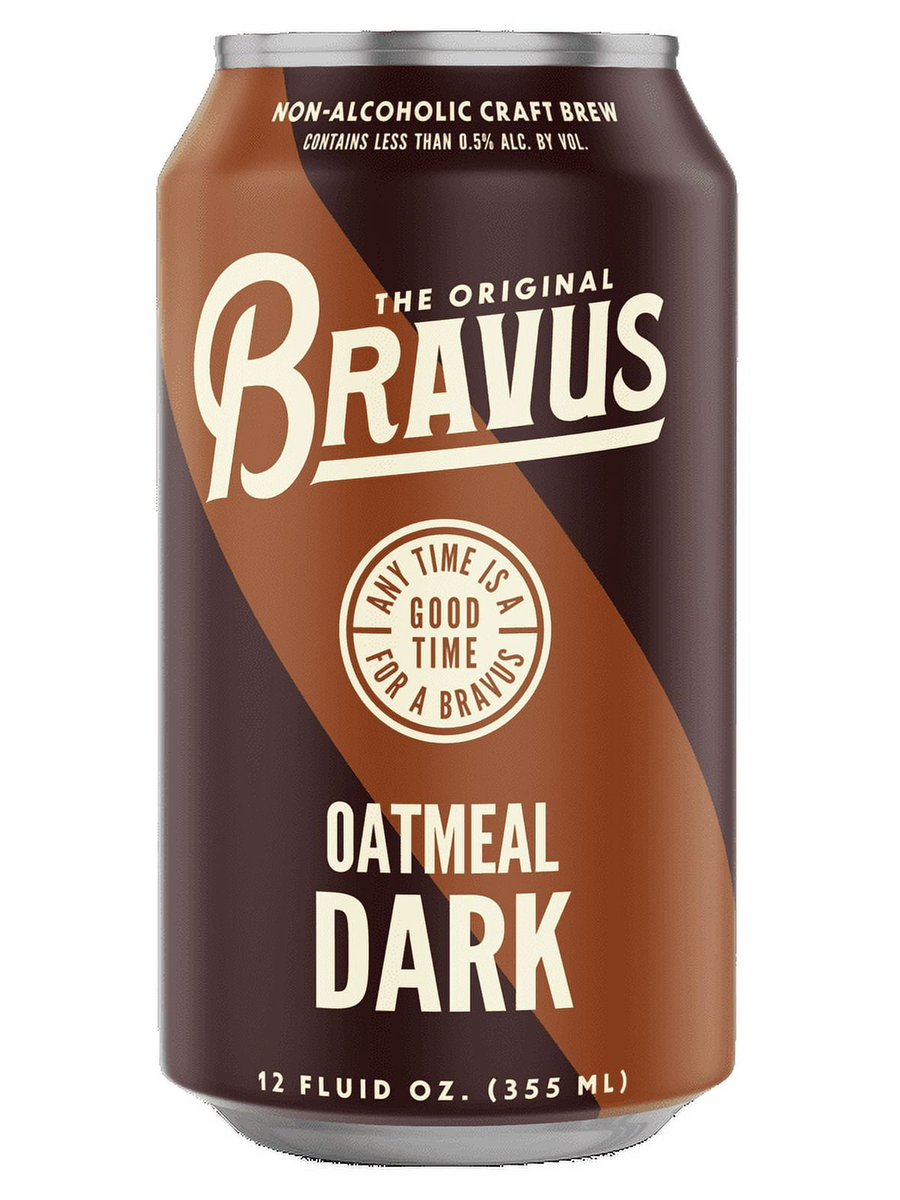
Oatmeal Dark
Brewed by Bravus Brewing Company
Chocolate, caramel, smoke, coffee, and oat softness show what the style can retain below half a percent.
BAR NOTES
Bravus earns the wildcard by solving a real structural problem: non-alcoholic dark beer can feel thin. Oatmeal provides body and continuity, while chocolate, caramel, coffee, and smoke create enough dark-beer language to keep the glass interesting.
Serve around 44–48°F with barbecue, brownies, or blue cheese. The brewery sells it as a current non-alcoholic option. Anyone avoiding alcohol completely should still read the label because “non-alcoholic” can mean less than 0.5% ABV.
How we ranked these oatmeal stouts
Texture mattered, but balance mattered more. The highest picks use oats to make roasted malt more coherent, not to disguise weak fermentation or pile on sweetness. We rewarded stout identity, repeatability, influence, ingredient clarity, and a useful range from five-percent pints to stronger special releases.
Beer availability changes faster than style history. Current brewery listings carried the most weight, while a small number of influential rotating or archive beers remain because they explain where modern coffee oatmeal stout came from. Those entries are labeled honestly rather than presented as guaranteed shelf finds.
Oatmeal stout FAQ
Does oatmeal stout taste like oatmeal?
Usually no. Oats are mild compared with roasted barley, chocolate malt, hops, yeast, and coffee. Their main contribution is body and foam. Toasted or naked oats may add a nutty grain note, but breakfast flavors usually come from coffee, maple, spice, or marketing.
Is oatmeal stout sweeter than dry stout?
Often it feels rounder and less sharp, but oats do not leave sweetness the way lactose does. Recipe strength, crystal malt, mash temperature, attenuation, and bitterness decide whether the finished beer tastes dry, balanced, or sweet.
Do oats make stout creamy?
They can. Oat proteins and beta-glucans increase viscosity and help build a stable head. Nitrogen can amplify that impression by producing smaller bubbles, but a well-made non-nitro oatmeal stout can still feel silky and full.
Should oatmeal stout be aged?
Most standard-strength bottles and cans are best fresh. Strong imperial versions may evolve, but coffee aroma and hop balance fade. Age a duplicate only when the base beer has enough alcohol and malt structure to benefit from time.
The final bowl—without the spoon
Begin with Samuel Smith or The Poet to learn the style without adjunct noise. Move to Summit for nitro texture, Breakfast Stout or Beer Geek Breakfast for coffee, and Dark Star or B.O.R.I.S. when you want to feel how oats carry a larger beer.
Follow the dark board from silky to brutal
Compare the neighboring stout families, chase coffee and chocolate, or put oats to work in your own mash.
DRINK DEEPER

better beer.