50 Best Wheat Beers to Drink in 2026
Wheat beer is not one flavor. It can be banana-and-clove Bavarian hefeweizen, citrus-spiced Belgian witbier, clean American wheat, dark dunkelweizen, muscular weizenbock, or a fruit-led summer crusher that still remembers the grain underneath.
This Top 50 rewards fermentation character, balance, freshness, and historical importance—not haze for haze’s sake. The ranking moves from world benchmarks through American originals, dark and strong specialties, filtered and alcohol-free branches, and fruit beers that keep the wheat base intact.
Fifty beers is the list. This is the map.
Go banana-and-clove, citrus-spiced, clean American, dark and malty, bock-strength, or fruit-forward. These are the six wheat-beer branches we have built out in full.
OPEN A WHEAT BEER ROUNDUP
The 50 Best Wheat Beers to Drink in 2026
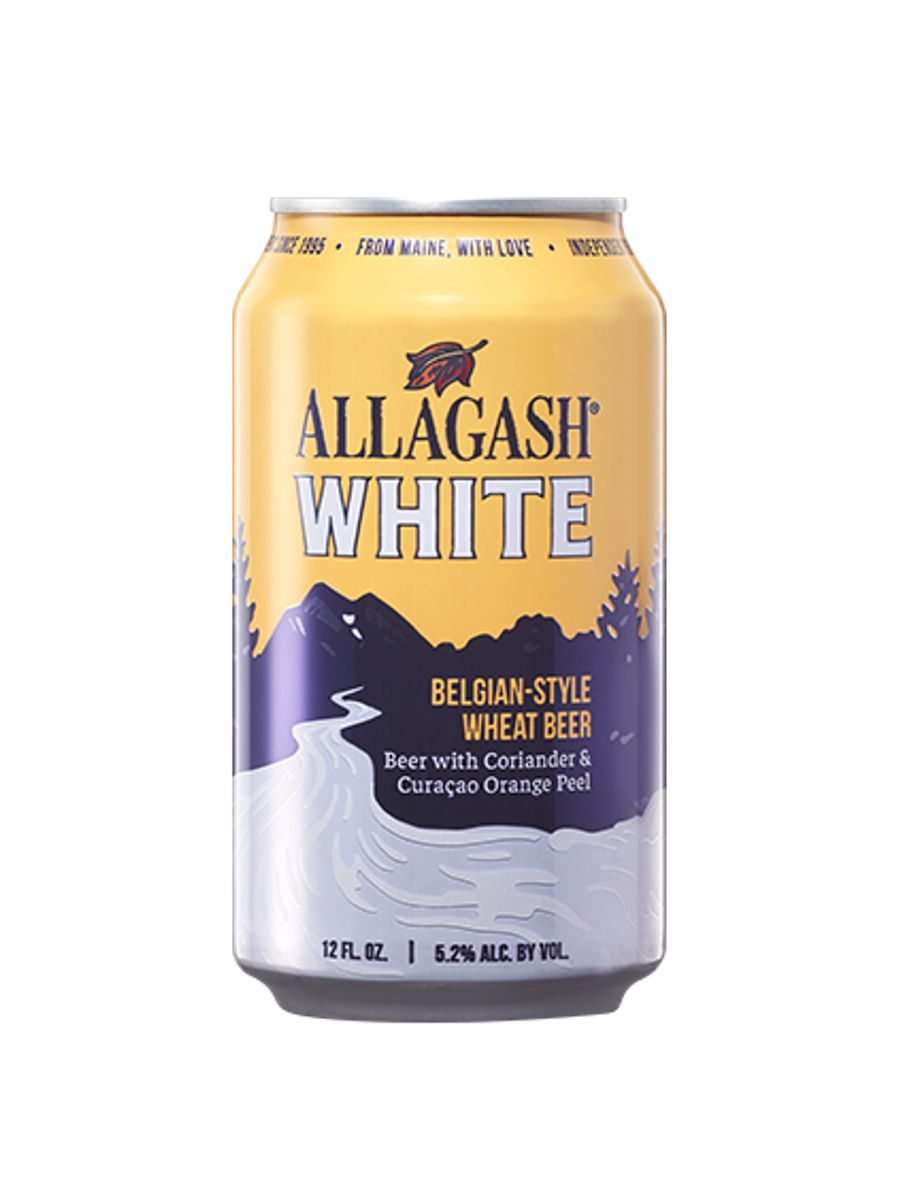
Allagash White
Brewed by Allagash Brewing Company
malted and raw wheat plus oats: coriander, Curaçao orange peel, lemon, soft pepper.
BAR NOTES
Its blend of raw wheat, malted wheat, and oats gives the haze real texture rather than cosmetic cloudiness. Allagash helped re-establish Belgian-style white beer in American craft brewing, and the spice stays integrated instead of tasting like flavored soda.
Serve at 40–45°F in a tulip or wheat glass; the citrus and brisk carbonation are excellent with mussels, chèvre, grilled shrimp, or a coriander-heavy curry.
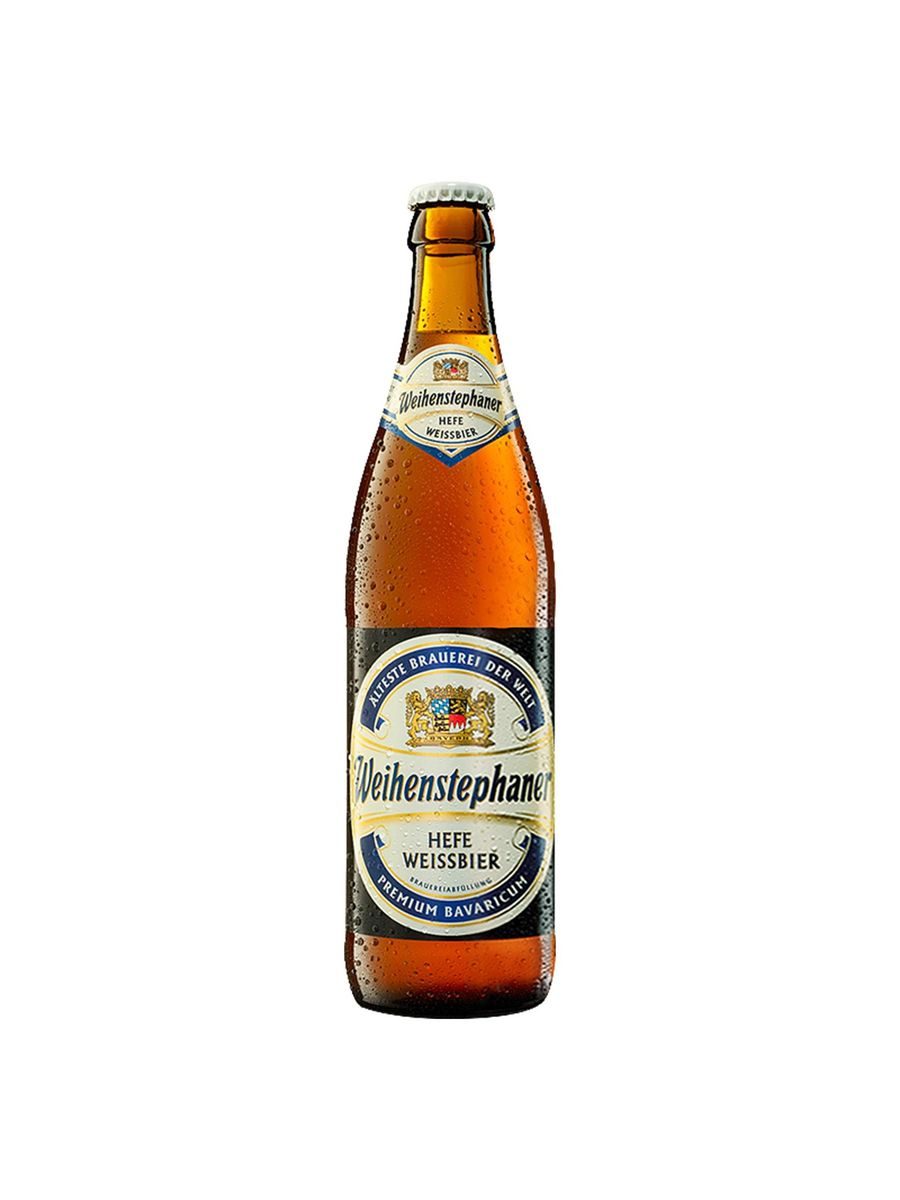
Weihenstephaner Hefeweissbier
Brewed by Bayerische Staatsbrauerei Weihenstephan
more than 50% wheat malt: ripe banana, clove, bread dough, lemon.
BAR NOTES
This is the benchmark for the Bavarian yeast balance: banana-like isoamyl acetate and clove-like 4-vinyl guaiacol land together over soft bread and lively carbonation. It demonstrates how expressive fermentation can be without spices or fruit additions.
Pour gently at 45–50°F, then swirl the final ounce to lift the yeast before topping the glass. Weisswurst, roast chicken, pretzels, and mild alpine cheese all fit its fruit-and-spice profile.
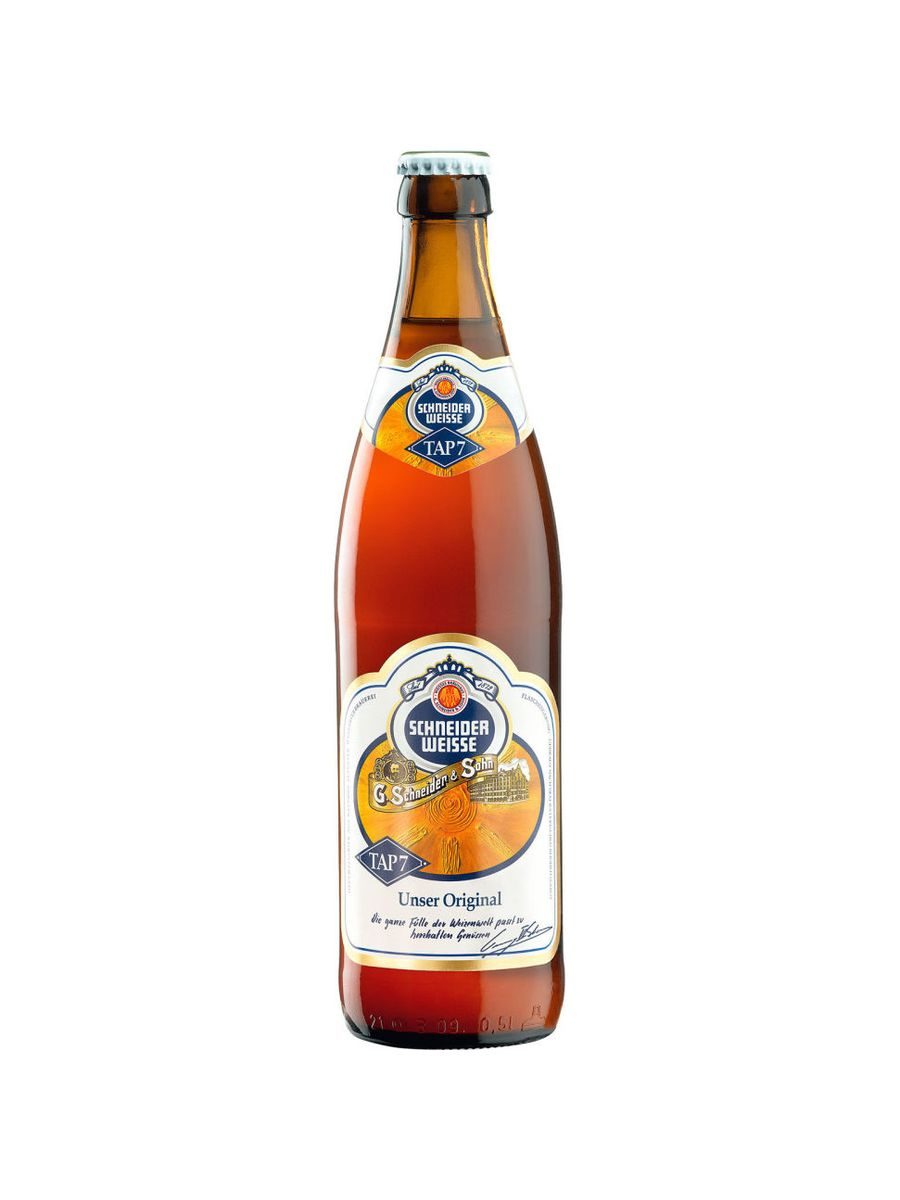
Schneider Weisse TAP7 Mein Original
Brewed by G. Schneider & Sohn
wheat and roasted barley malts: banana bread, clove, nutmeg, caramel.
BAR NOTES
TAP7 is darker and maltier than the standard pale hefeweizen model, preserving the character of Schneider’s nineteenth-century original. The amber malt supplies toast and caramel while the house yeast keeps the finish fruity, spicy, and buoyant.
Give it a tall wheat glass and a slightly warmer 48–52°F pour. Roast pork, mushroom dishes, smoked sausage, and aged Gouda meet the malt without burying the fermentation character.
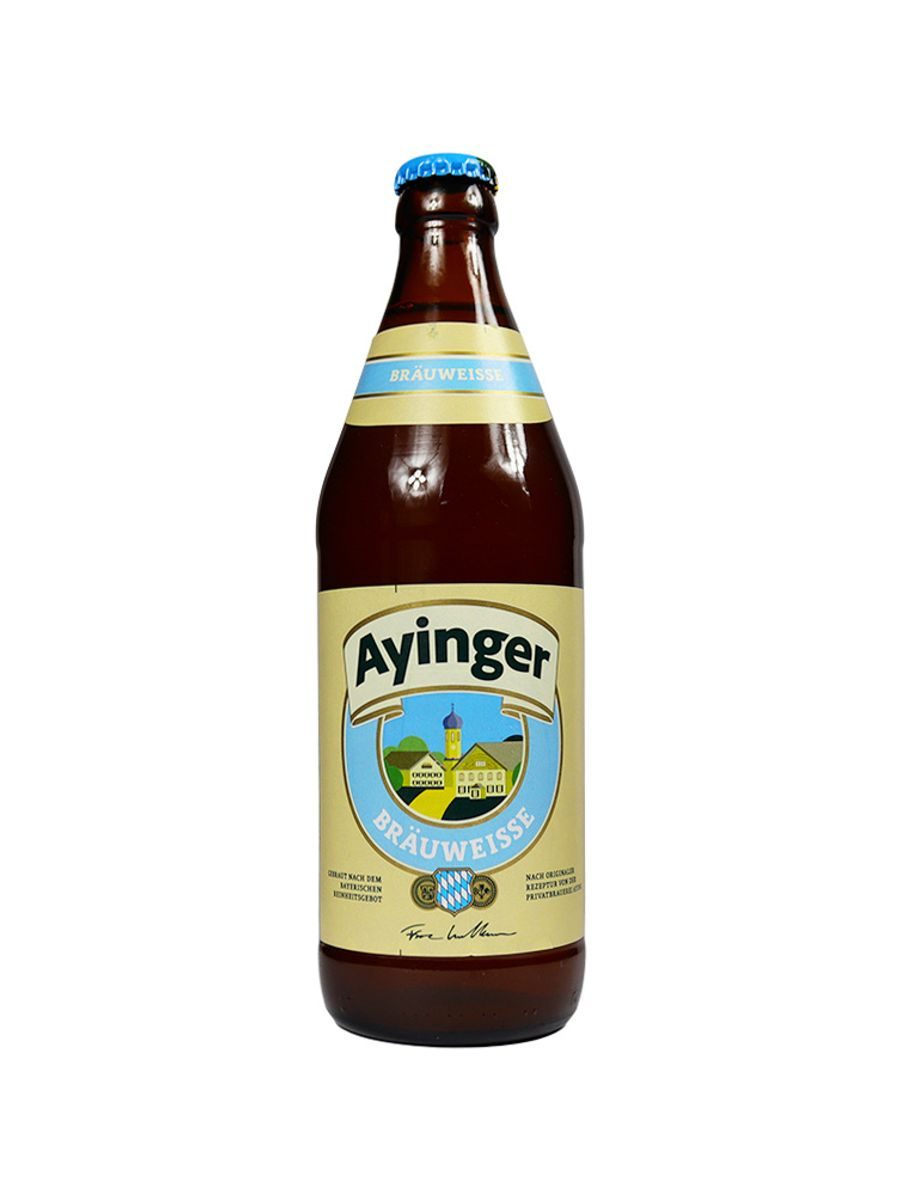
Ayinger Bräuweisse
Brewed by Privatbrauerei Ayinger
traditional Bavarian wheat grist: banana, vanilla, clove, fresh dough.
BAR NOTES
Ayinger’s version is unusually polished: creamy wheat, floral yeast, restrained banana, and fine carbonation arrive in tight proportion. It is a useful bottle for learning that great hefeweizen is about balance, not maximizing a single ester.
Serve fresh at 43–48°F and rouse the yeast only if you enjoy a fuller texture. Grilled bratwurst, roast chicken, soft pretzels, and mild washed-rind cheese are dependable matches.
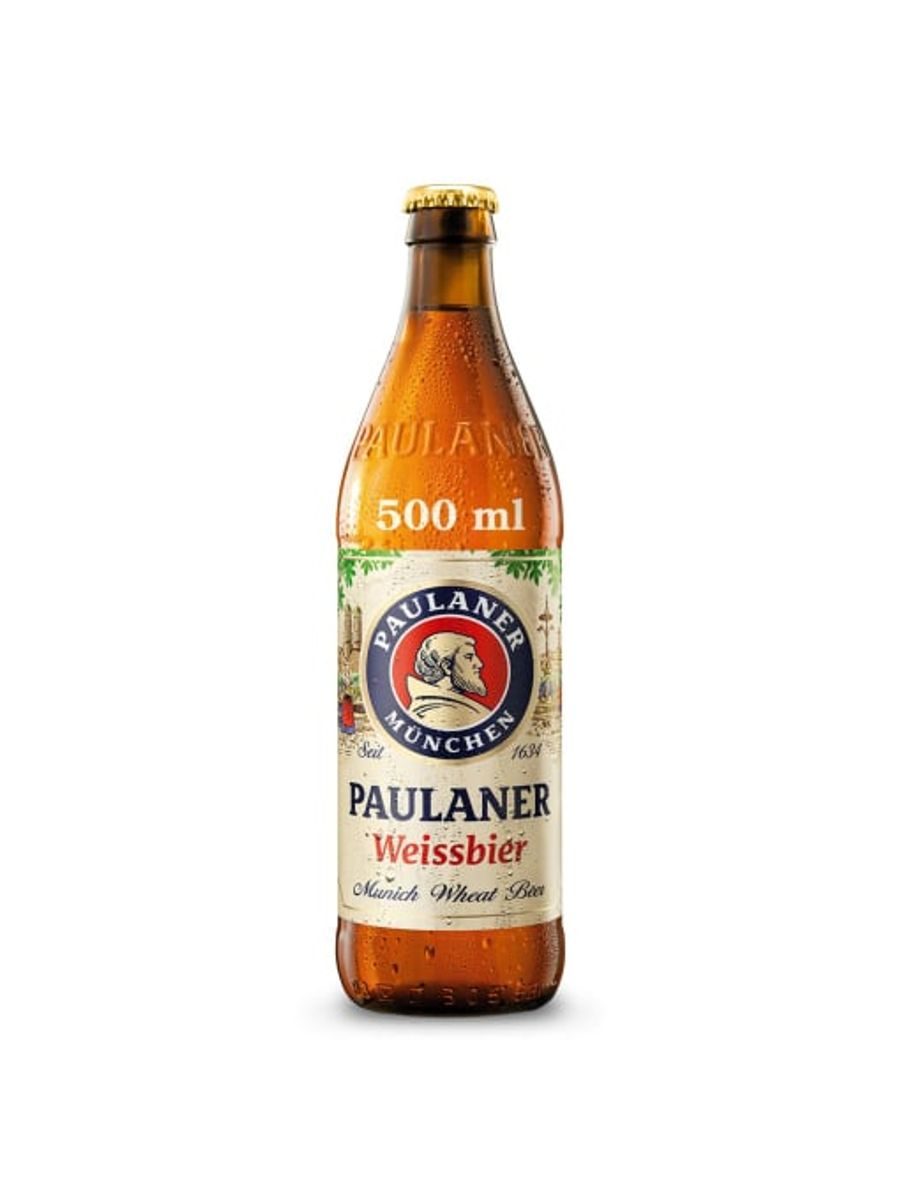
Paulaner Weissbier
Brewed by Paulaner Brauerei
wheat malt with Bavarian yeast: banana, mango, yeast, gentle spice.
BAR NOTES
Paulaner delivers the broad, approachable side of Munich weissbier: silky body, ripe fruit, soft yeast, and enough tart lift to avoid heaviness. Its global reach makes it a practical reference point for the traditional style.
Use a clean wheat glass at roughly 45°F, leaving room for the towering foam. The mild sweetness works with pork schnitzel, sausages, roast poultry, and buttery seafood.
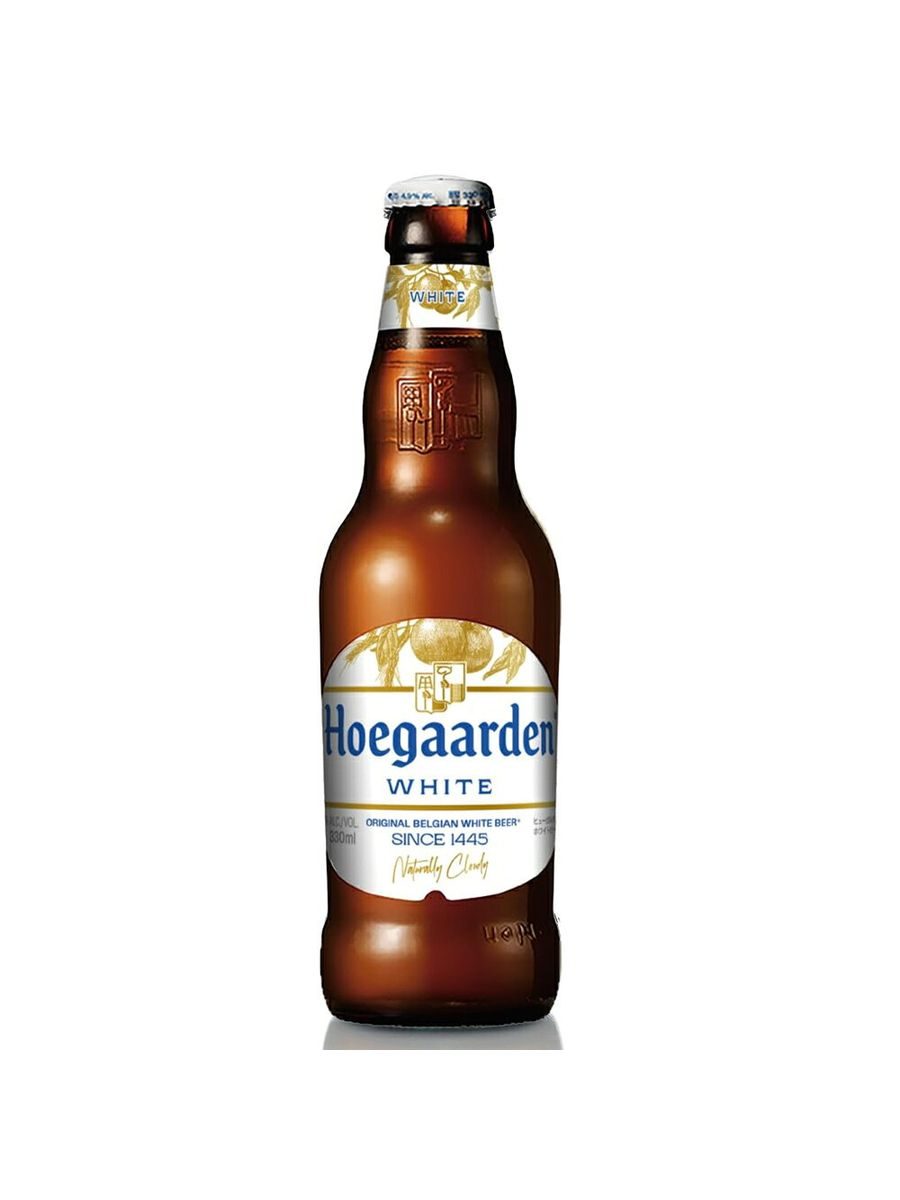
Hoegaarden White
Brewed by Hoegaarden Brewery
unmalted wheat with oats: orange peel, coriander, lemon, white pepper.
BAR NOTES
Pierre Celis revived Hoegaarden’s nearly vanished local white-beer tradition in the 1960s. The beer remains the essential commercial reference for pale, spiced witbier, where unmalted wheat and oats create softness beneath bright citrus and coriander.
Serve around 40–44°F in its heavy tumbler or a tulip. Salads, shellfish, sushi, feta, and lemony chicken echo the citrus while lively carbonation resets the palate.
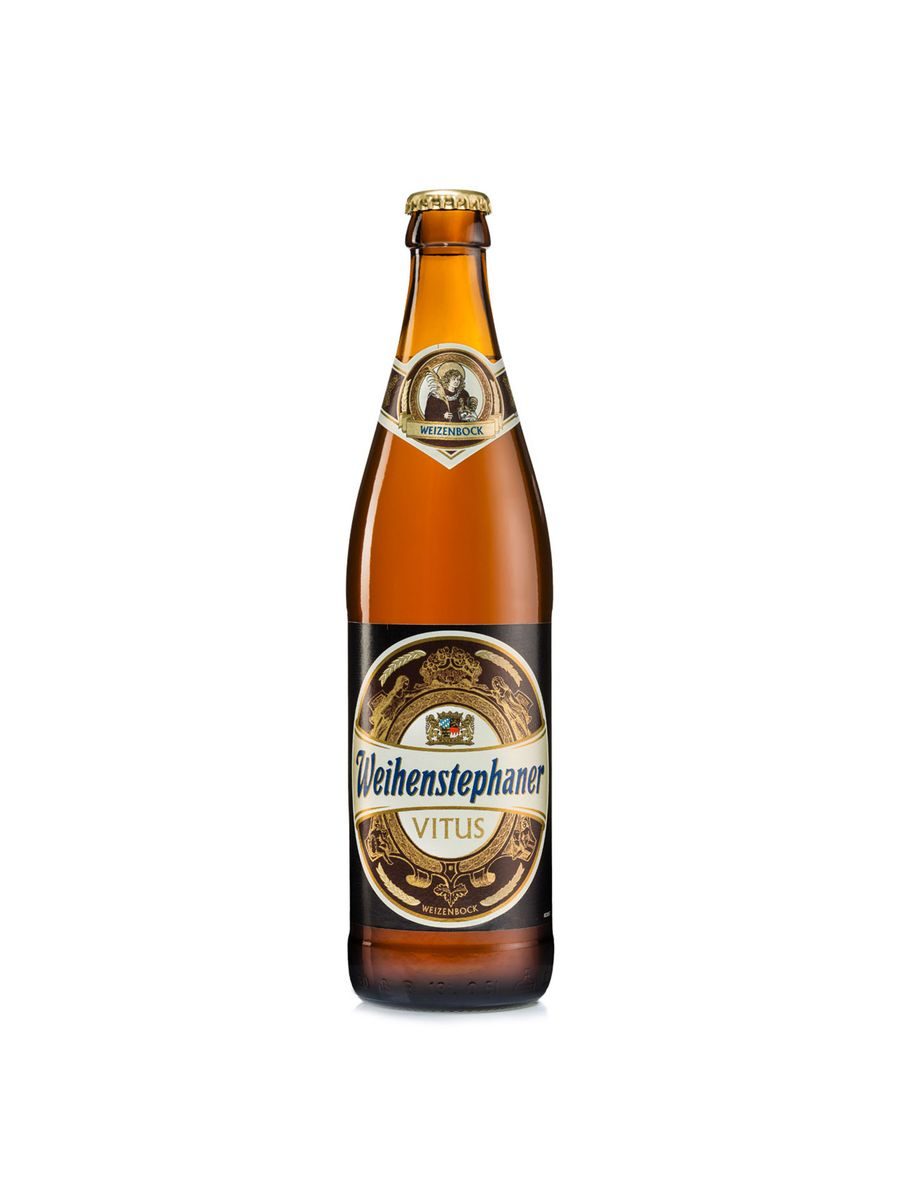
Weihenstephaner Vitus
Brewed by Bayerische Staatsbrauerei Weihenstephan
strong pale wheat bock grist: apricot, banana, clove, honey.
BAR NOTES
Vitus proves that weizenbock need not be dark. Its pale strength carries orchard fruit, honeyed malt, and classic Bavarian spice with deceptive drinkability, showing how wheat and yeast character can scale into a stronger beer.
Pour at 48–52°F in a tulip and let it warm slowly. Roast pork, duck, nutty cheese, and fruit-based desserts can handle the weight without flattening its carbonation.
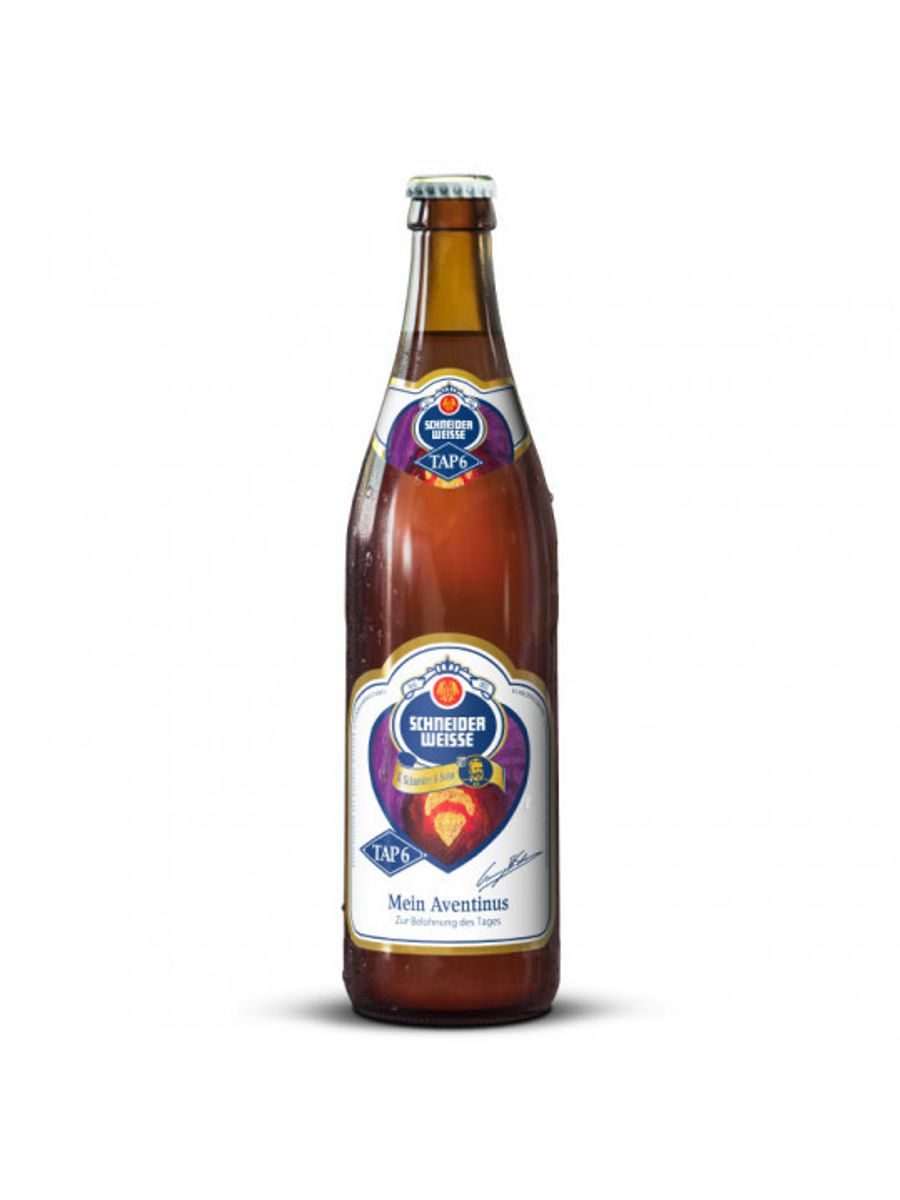
Schneider Weisse Aventinus TAP6
Brewed by G. Schneider & Sohn
wheat doppelbock grist: dark fruit, banana, clove, caramel.
BAR NOTES
First brewed in 1907, Aventinus is the dark weizenbock blueprint: concentrated banana and clove folded into raisin, plum, caramel, and bread crust. Strength is obvious, yet wheat and bottle conditioning prevent the beer from becoming syrupy.
Serve near 50–55°F in a tulip or small wheat glass. Braised beef, venison, blue cheese, bread pudding, and dark chocolate all find a useful counterpoint here.
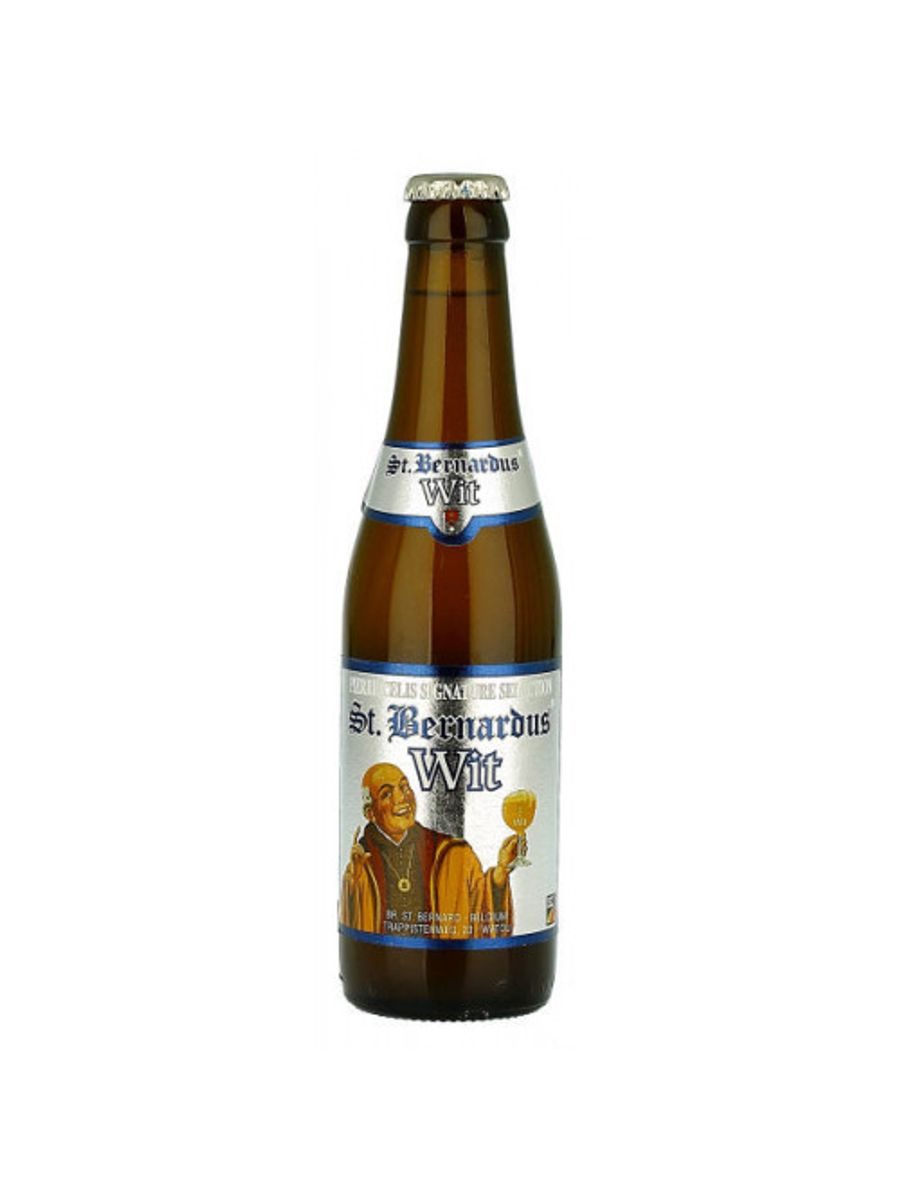
St. Bernardus Wit
Brewed by Brouwerij St. Bernardus
unmalted wheat and traditional spices: lemon, coriander, chamomile, soft yeast.
BAR NOTES
Developed with legendary brewer Pierre Celis, this witbier leans rustic and herbal rather than candy-sweet. Its grainy wheat center and soft fermentation character keep coriander and citrus peel in a supporting role.
A 42–46°F tulip pour opens the spice without losing snap. Pair it with steamed mussels, grilled white fish, goat cheese, or herb-heavy roast chicken.
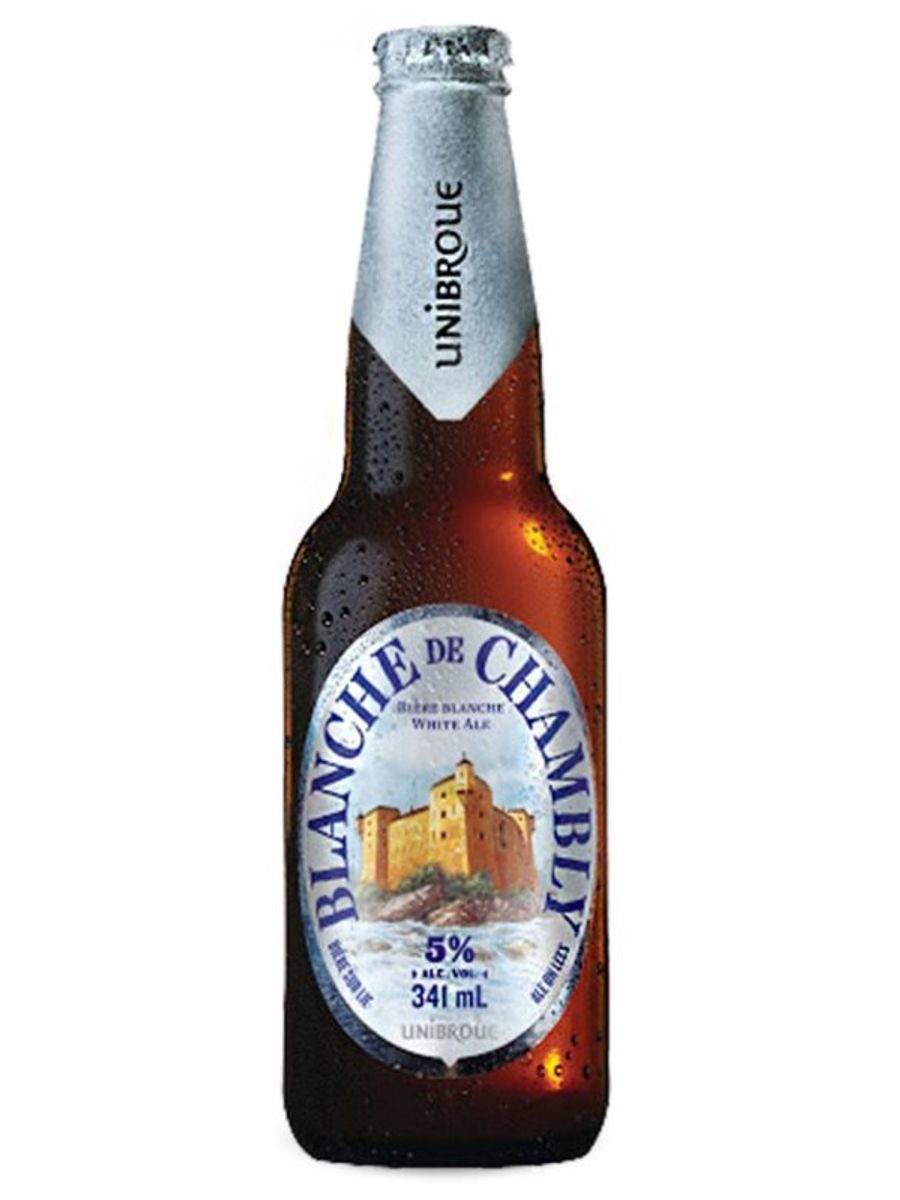
Blanche de Chambly
Brewed by Unibroue
wheat with bottle refermentation: citrus peel, coriander, bread, pepper.
BAR NOTES
Blanche de Chambly was a foundational North American bottle-conditioned witbier, proving Belgian-inspired fermentation could become a regional craft identity. Its fine mousse, bready yeast, and dry citrus-spice finish still feel purposeful rather than nostalgic.
Pour at 42–46°F and include the sediment for more body. Sushi, chèvre, fried seafood, and lightly spiced chicken benefit from the bright carbonation and lemony finish.
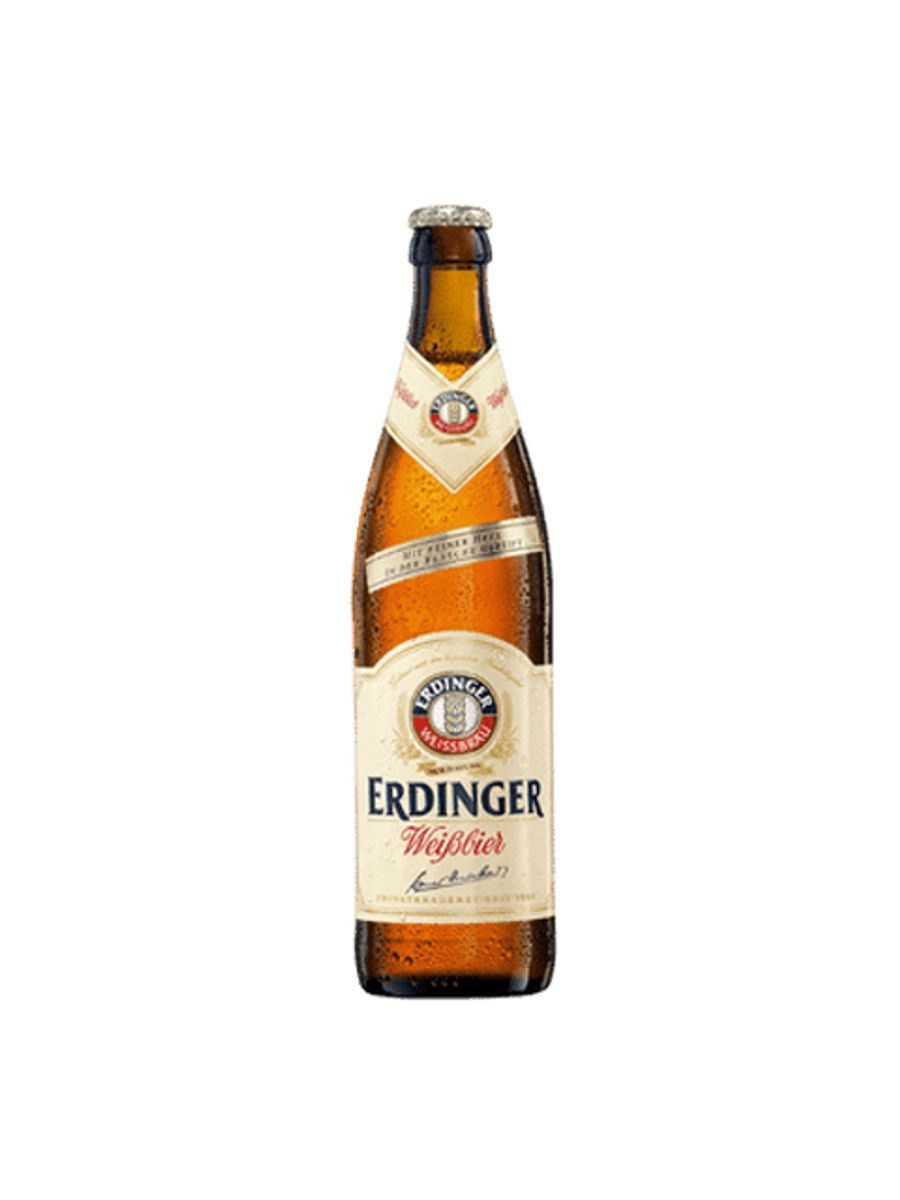
Erdinger Weissbier
Brewed by Erdinger Weissbräu
wheat malt with bottle conditioning: banana, clove, bread, vanilla.
BAR NOTES
Erdinger emphasizes smoothness and a fine, persistent sparkle, with bottle conditioning supplying both texture and shelf stability. Its banana-and-clove signature is gentler than some Bavarian peers, making it an easy entry point.
Serve at 43–48°F in a tall glass and roll the bottle before the final pour if you want the full yeast haze. Try it with pork, poultry, pasta, or mild cheese.
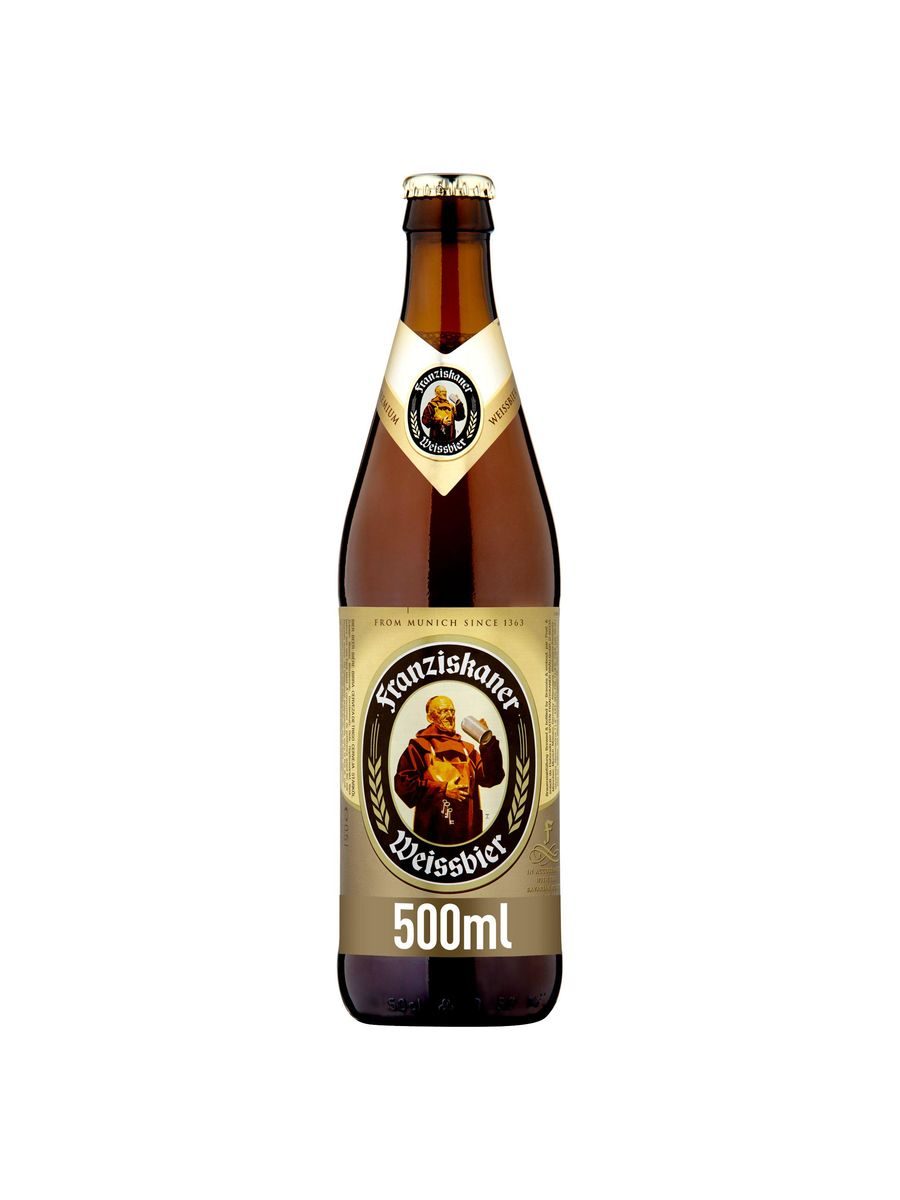
Franziskaner Hefe-Weissbier
Brewed by Spaten-Franziskaner-Bräu
at least 50% wheat malt: banana, citrus, clove, fresh bread.
BAR NOTES
Franziskaner is a classic Munich expression with creamy foam, ripe fruit, and a light tart edge that keeps the palate moving. It rewards freshness: the yeast aromatics are most vivid before long warm storage dulls them.
Pour at 44–48°F and leave generous headspace. The combination of soft wheat and spice is particularly good with weisswurst, roast chicken, salads, and young Gouda.
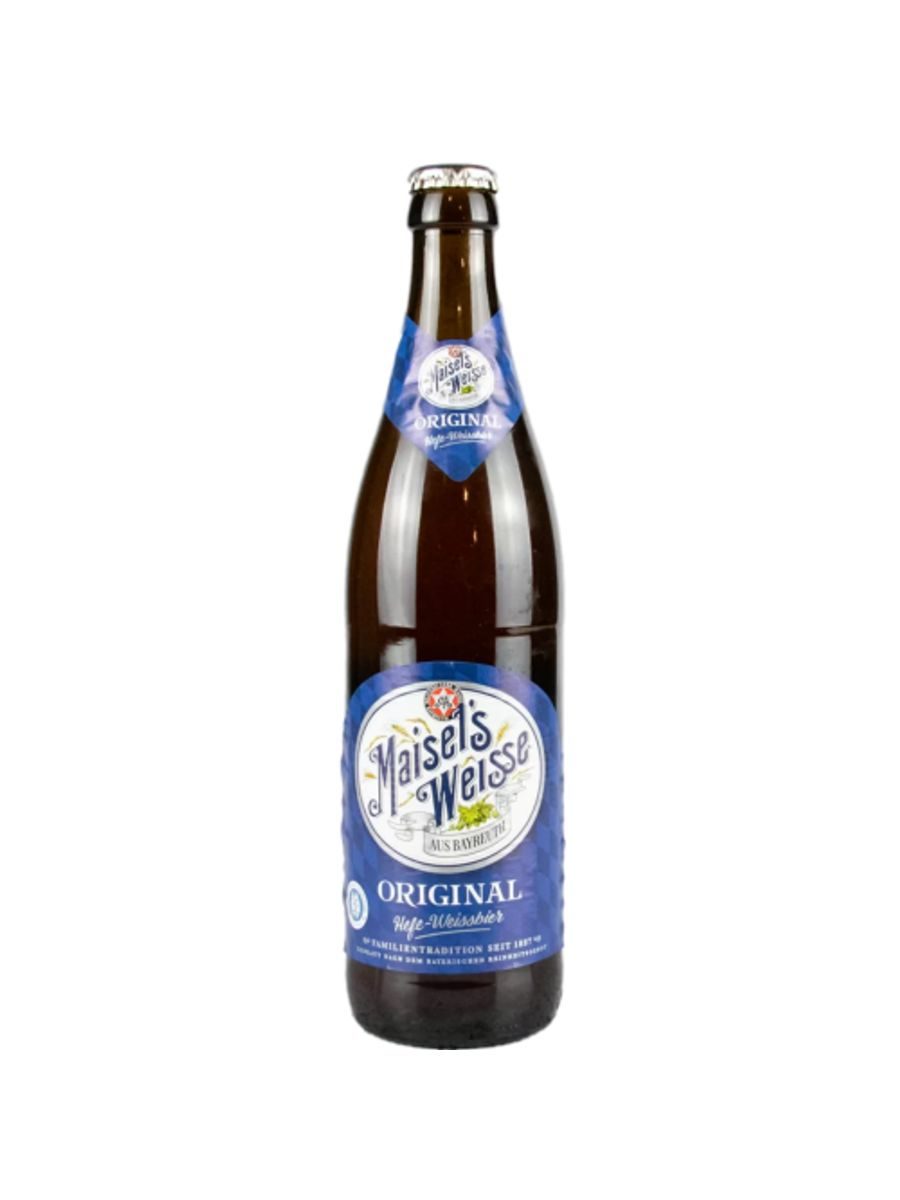
Maisel's Weisse Original
Brewed by Brauerei Gebr. Maisel
traditional wheat malt grist: banana, clove, nutmeg, malt.
BAR NOTES
Maisel’s carries a rounder malt profile than many pale weissbiers, but active carbonation and peppery yeast keep it nimble. The balance makes it an instructive midpoint between lean refreshment and richer Bavarian examples.
Serve near 46°F in a wheat glass, lifting the yeast with the final pour. Roast poultry, soft cheese, sausages, and simple bread dumplings suit its nutmeg-and-banana profile.
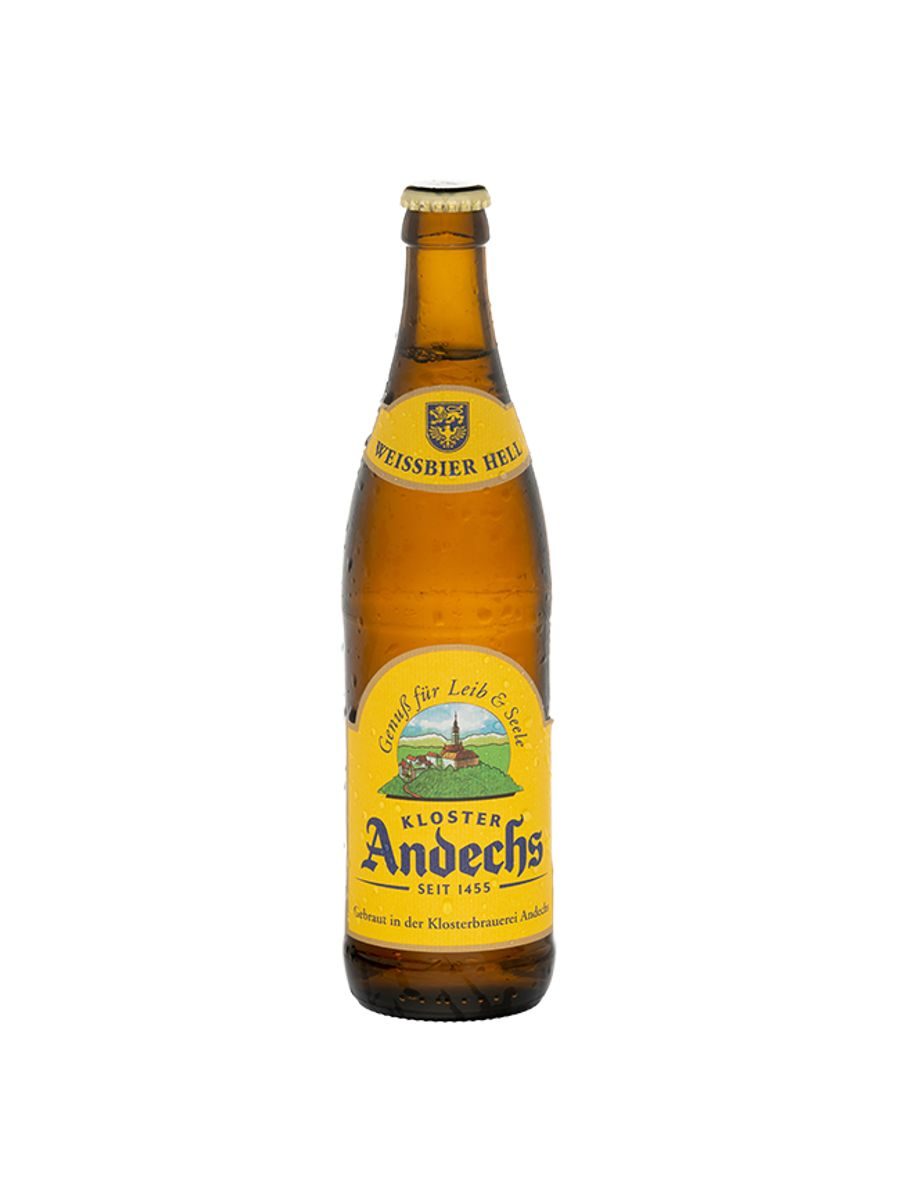
Andechser Weissbier Hell
Brewed by Klosterbrauerei Andechs
pale wheat and barley malt: banana, honeydew, clove, honey.
BAR NOTES
Brewed at the Benedictine monastery brewery on the Holy Mountain, this pale weissbier combines melon-like fruit, clove, and a restrained honey note. It stays refreshing despite a fuller body and substantial foam.
A 45–49°F pour highlights its balance. Pair with roast pork, grilled chicken, alpine cheese, or a pretzel plate; excessive chilling will hide the delicate fruit.
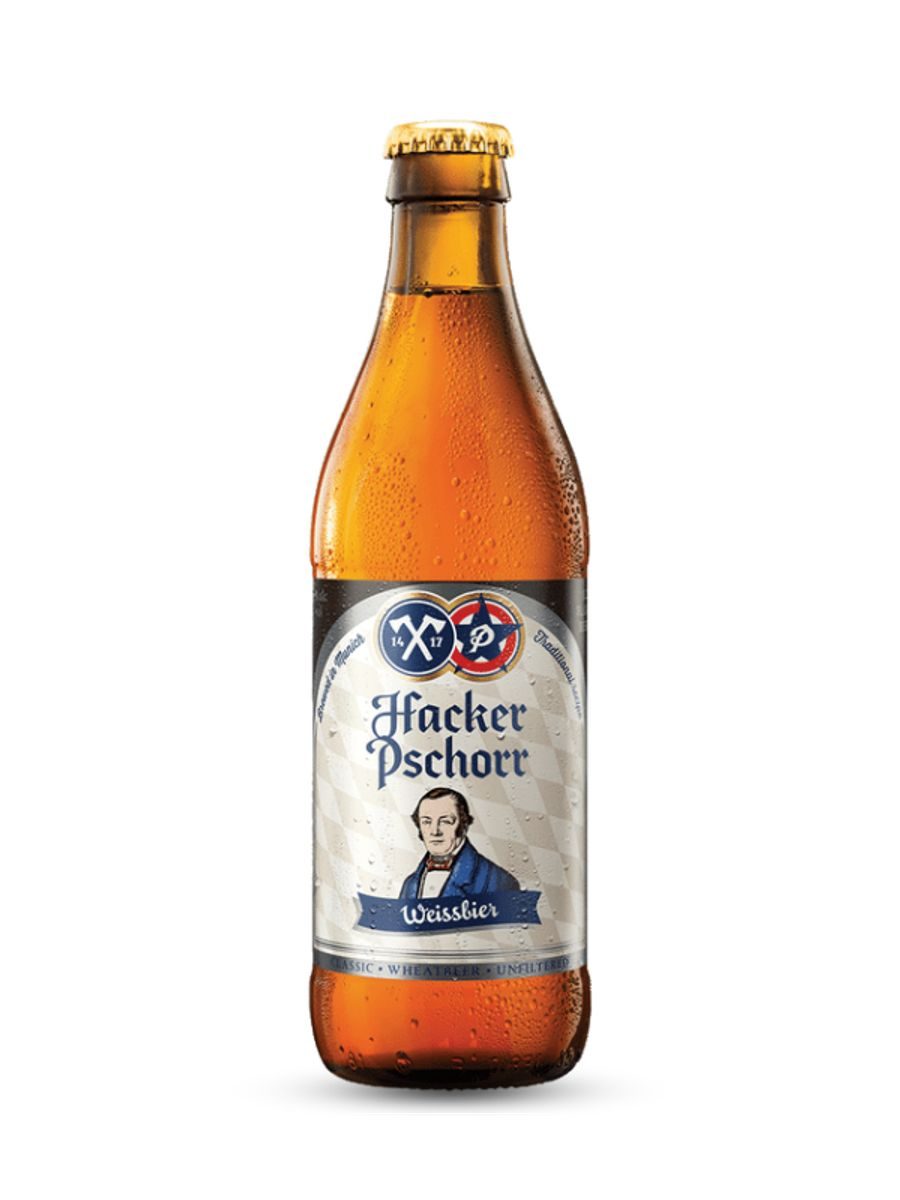
Hacker-Pschorr Weisse
Brewed by Hacker-Pschorr
Bavarian wheat malt grist: banana, citrus, honey, nutmeg.
BAR NOTES
This Munich classic lands on the fruitier side of hefeweizen, with banana and honey rounded by citrus and nutmeg. Creamy foam and moderate fullness make it satisfying without sacrificing the style’s expected refreshment.
Serve at about 46°F in a tall glass. Pork schnitzel, grilled sausages, roast chicken, and Emmental are strong choices because salt and browning temper the beer’s fruit.
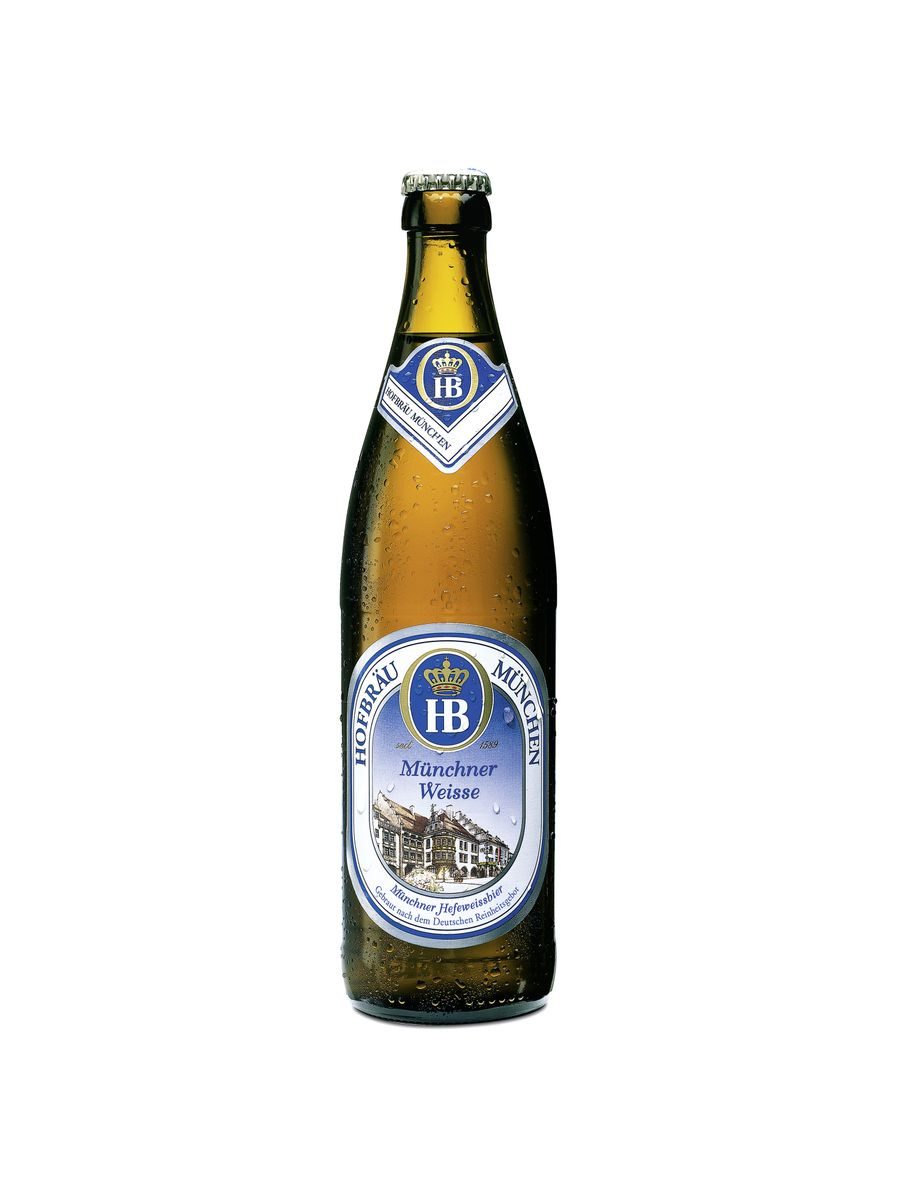
Hofbräu Münchner Weisse
Brewed by Hofbräu München
pale wheat malt grist: banana, lemon, clove, bread.
BAR NOTES
Hofbräu’s weissbier is bright and direct, presenting familiar banana, lemon, and clove over a lightly bready base. It belongs here as a dependable Munich beer-hall reference rather than an experimental outlier.
Pour fresh at 43–47°F with a tall cap of foam. Weisswurst, pretzels, roast chicken, and mild cheese work because the beer brings both palate-cleansing bubbles and soft malt.
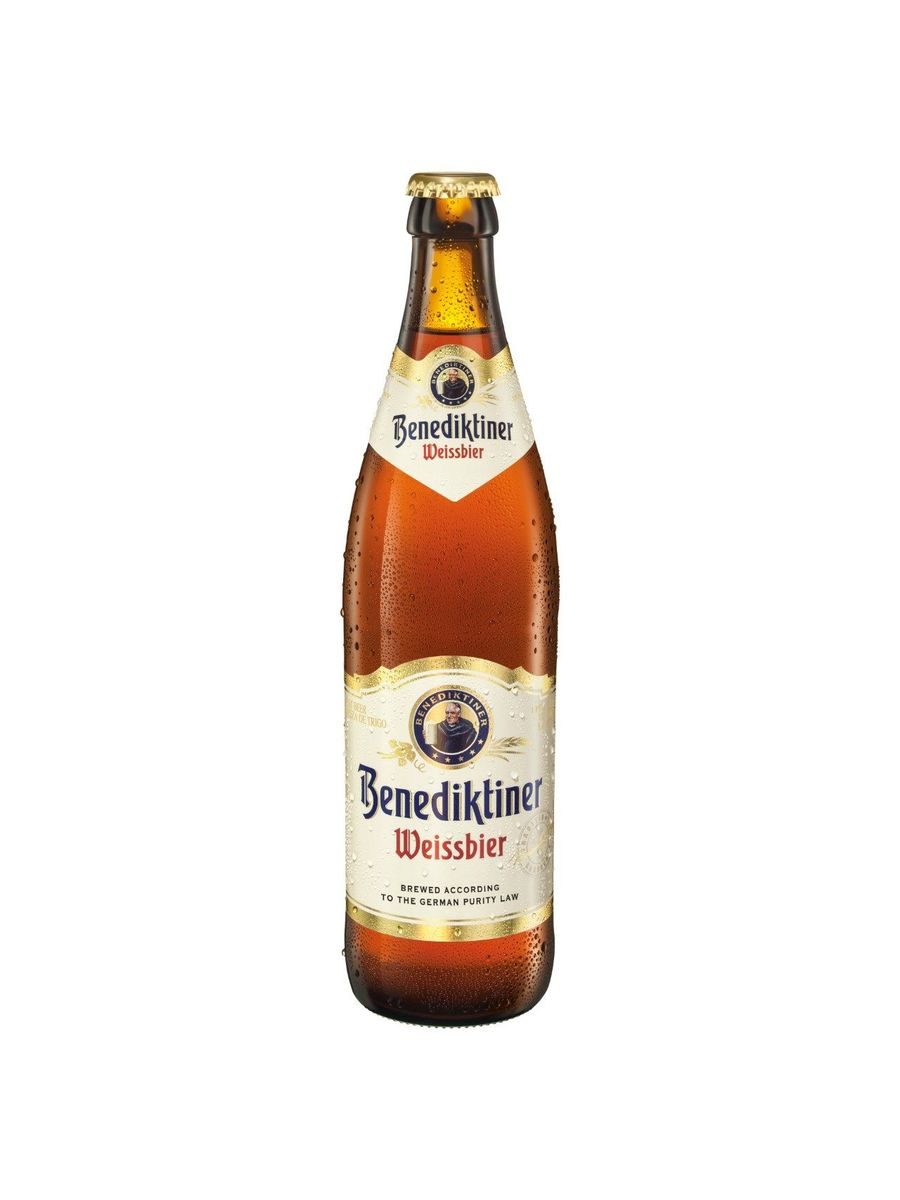
Benediktiner Weissbier
Brewed by Benediktiner Weissbräu
wheat-forward Bavarian grist: banana, raisin, clove, bread.
BAR NOTES
Benediktiner offers a soft, rounded weissbier profile with a subtle raisin note alongside banana and clove. Its creamy body and relatively gentle finish make it less sharp than many leaner Bavarian examples.
Serve at 45–49°F and avoid an ice-cold pour. Roast pork, chicken, soft-ripened cheese, or a simple sausage plate gives the malt and yeast enough savory contrast.
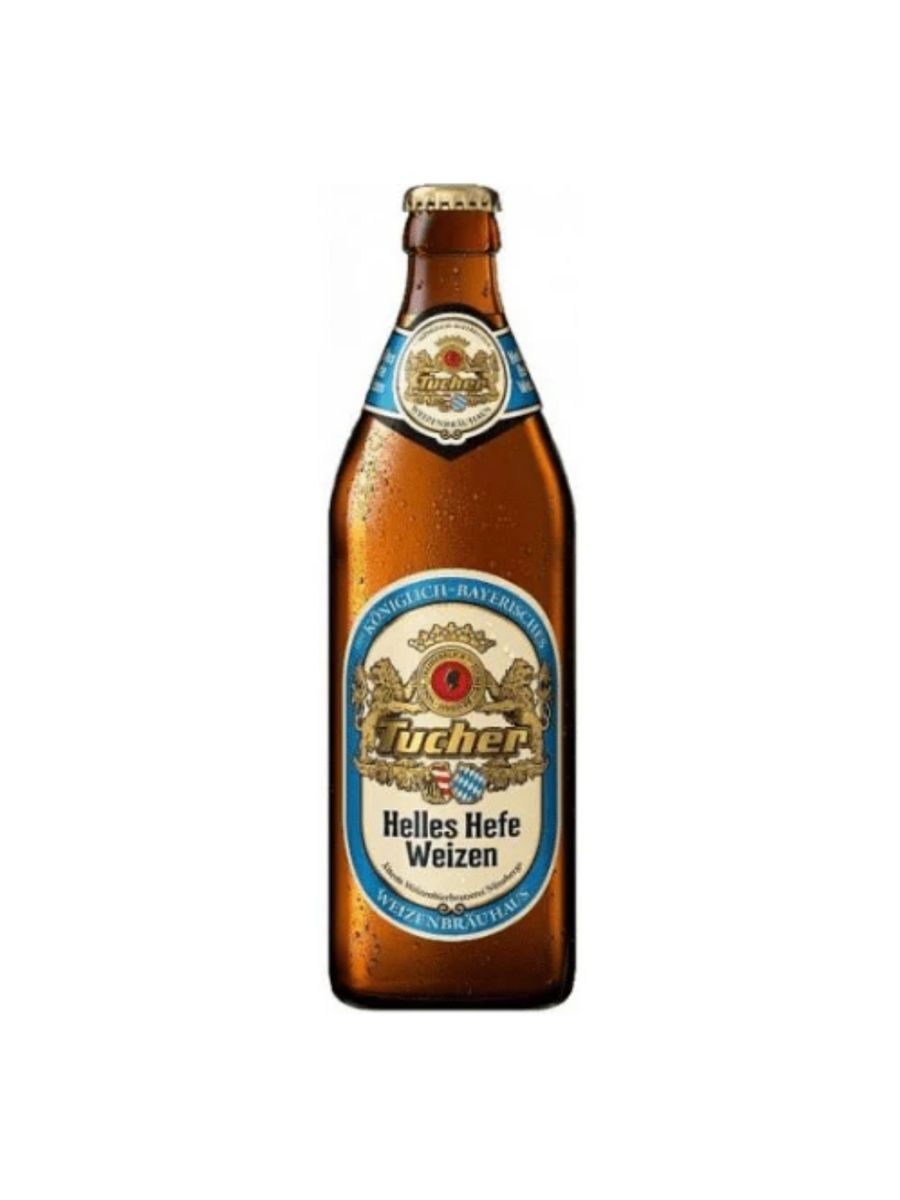
Tucher Helles Hefe Weizen
Brewed by Tucher Privatbrauerei
pale wheat and barley malt: banana, citrus, clove, grain.
BAR NOTES
Tucher’s pale hefeweizen is leaner and more citrus-led than the plushest Bavarian versions. Grainy wheat, bright carbonation, and measured clove make it an effective warm-weather pour with real fermentation character.
A 43–47°F wheat-glass pour keeps the citrus lively. Pair with grilled fish, chicken, fresh cheeses, or sausages; the beer’s dry edge handles salt especially well.
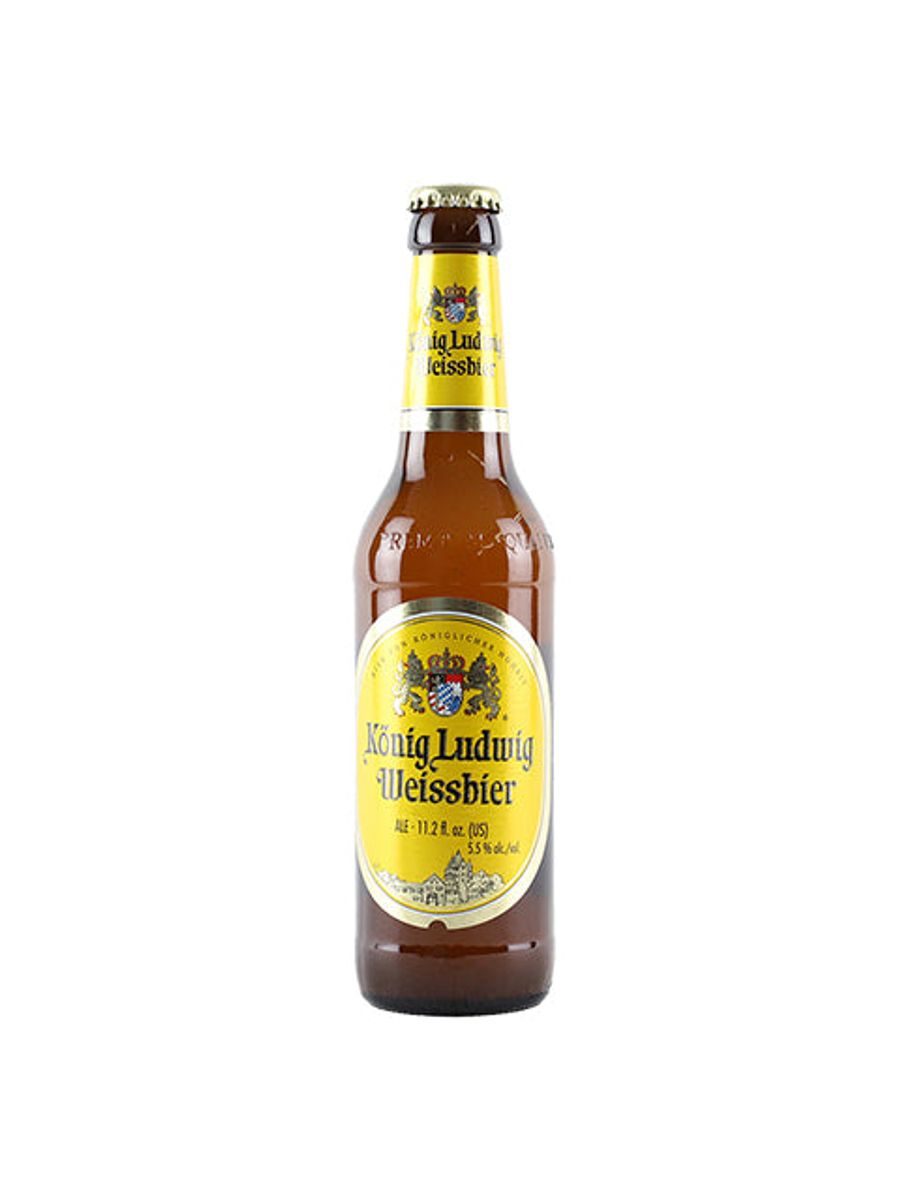
König Ludwig Weissbier
Brewed by König Ludwig Schlossbrauerei Kaltenberg
royal Bavarian wheat-beer grist: banana, clove, honey, pepper.
BAR NOTES
König Ludwig delivers classic Bavarian markers with a noticeable honeyed malt center and peppery close. The result is traditional but not interchangeable, sitting slightly richer than the driest examples in this ranking.
Serve around 46–50°F in a tall glass. Pretzels, pork, nutty cheese, and roast poultry complement its bread-and-honey core while carbonation clears the palate.
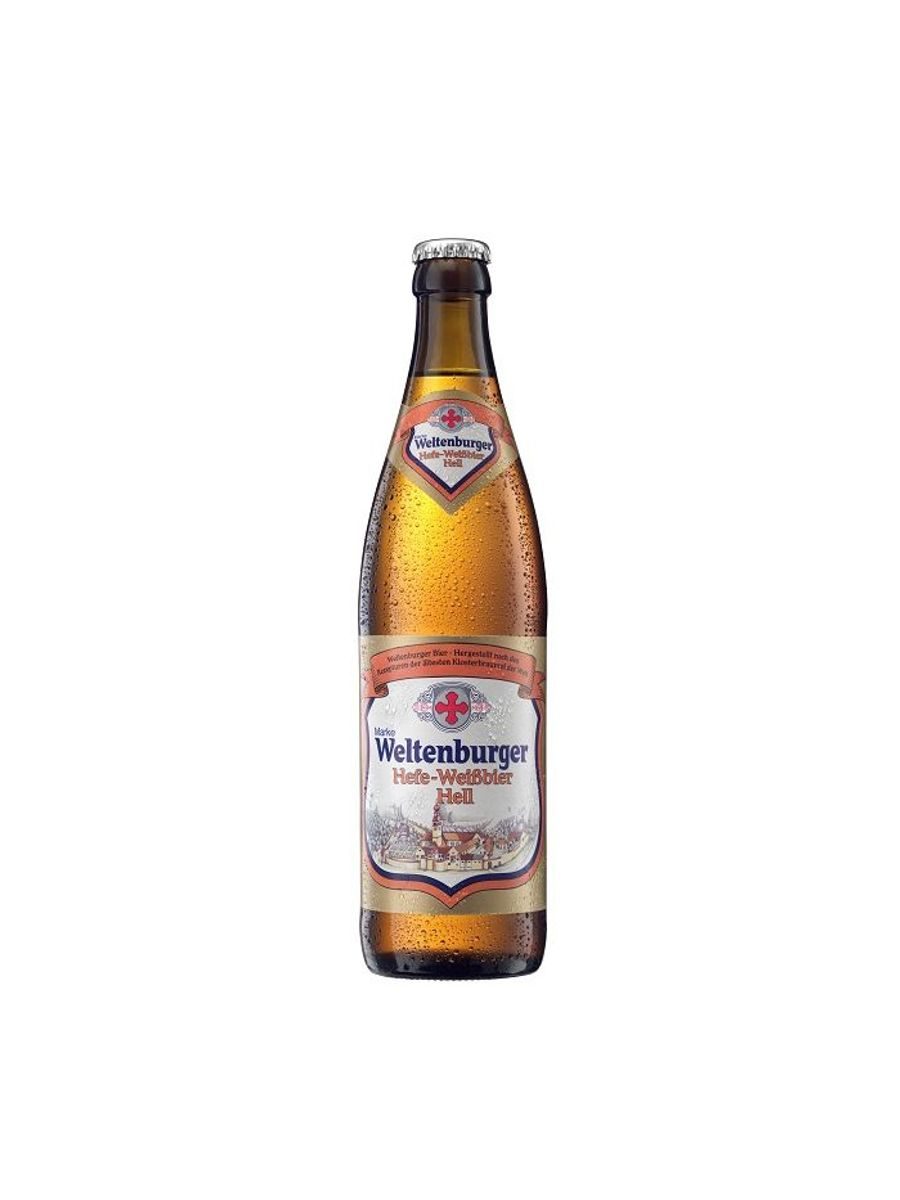
Weltenburger Hefe-Weissbier Hell
Brewed by Klosterbrauerei Weltenburg
monastery-brewed pale wheat grist: yeast, banana, citrus, soft spice.
BAR NOTES
From one of the world’s oldest monastic breweries, Weltenburger’s pale weissbier is yeast-forward, lightly fruity, and finely carbonated. Its appeal is precision and easy drinkability rather than exaggerated banana or sweetness.
Pour at 44–48°F and allow a robust head. It is especially good with sausages, grilled chicken, mild cheese, and beer-garden fare where bubbles and soft spice do useful work.
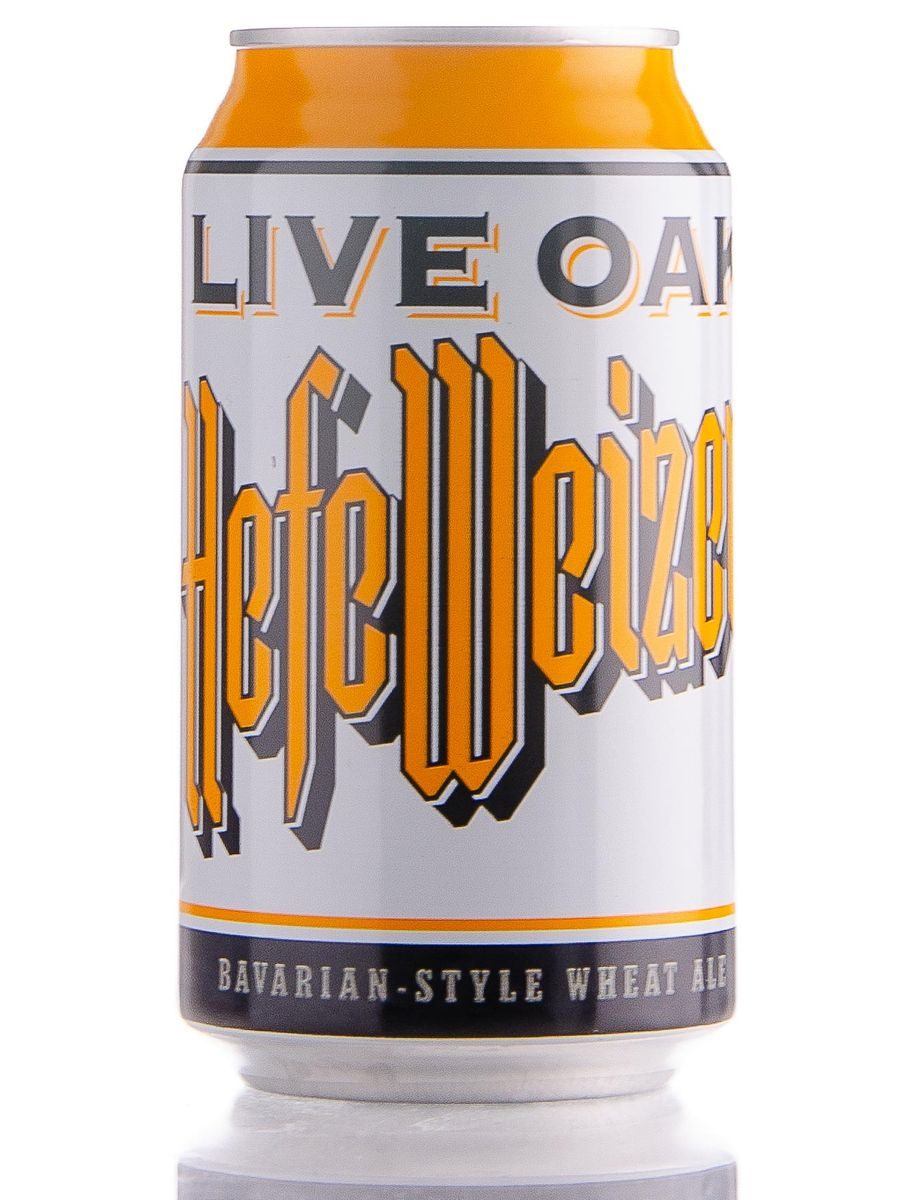
Live Oak HefeWeizen
Brewed by Live Oak Brewing Company
traditional wheat decoction profile: banana, clove, vanilla, bread.
BAR NOTES
Live Oak is one of America’s most convincing Bavarian-style hefeweizens, built around expressive yeast, soft wheat, and a famously fresh draft presence. It avoids the citrus-garnish treatment and lets fermentation carry the beer.
Drink it as fresh as possible at 44–48°F. Central Texas sausage, smoked chicken, pretzels, and soft cheese all work, but the first priority is preserving its delicate yeast aroma.
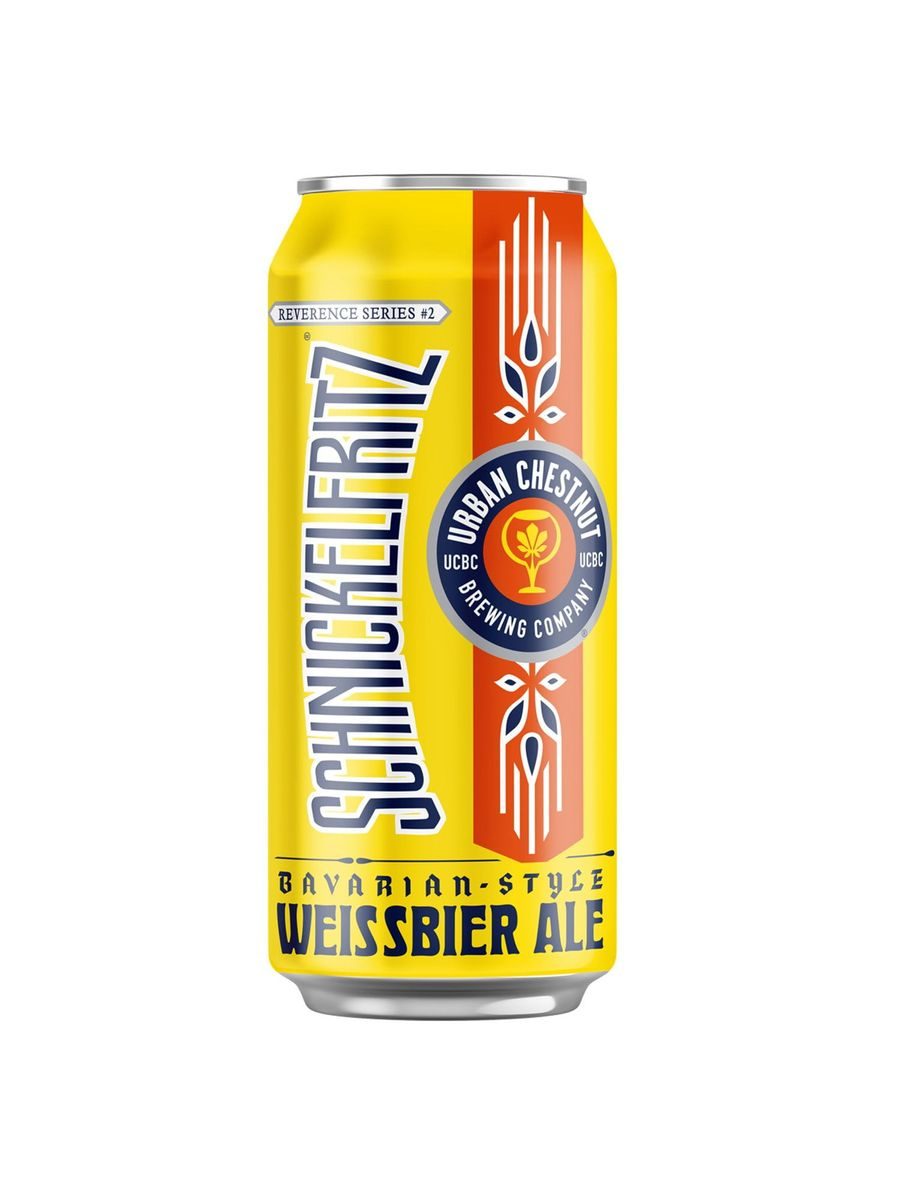
Urban Chestnut Schnickelfritz
Brewed by Urban Chestnut Brewing Company
traditional wheat malt and weizen yeast: banana, clove, vanilla, dough.
BAR NOTES
Schnickelfritz comes from Urban Chestnut’s tradition-minded Reverence series and treats weissbier with unusual discipline. Banana, clove, vanilla, and bread arrive in balance, backed by lively carbonation rather than American hop flavor.
Serve at 44–48°F in a wheat glass. Bratwurst, roast chicken, pretzels, and mild cheeses mirror its Bavarian intent and let the fermentation remain central.
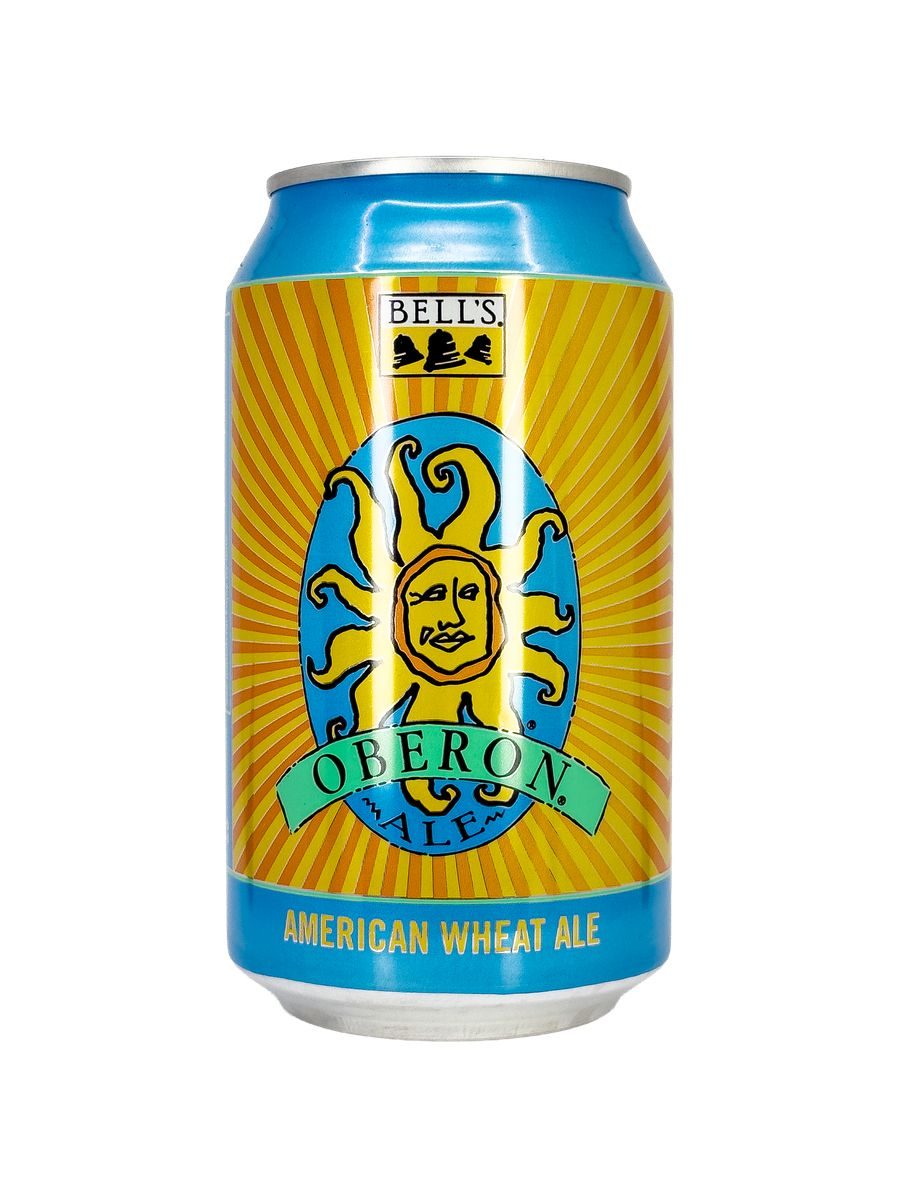
Bell's Oberon
Brewed by Bell's Brewery
wheat malt with house ale yeast: citrus, stone fruit, wheat, gentle spice.
BAR NOTES
Oberon became a seasonal ritual by showing how an American wheat ale could be fruity and hazy without copying Bavarian yeast character. The house fermentation brings citrus and stone fruit over a smooth, lightly grainy body.
Serve fresh at 40–45°F in a nonic pint or wheat glass. Grilled chicken, fish tacos, salads, and young cheddar fit the beer’s clean bitterness and sunny fruit.
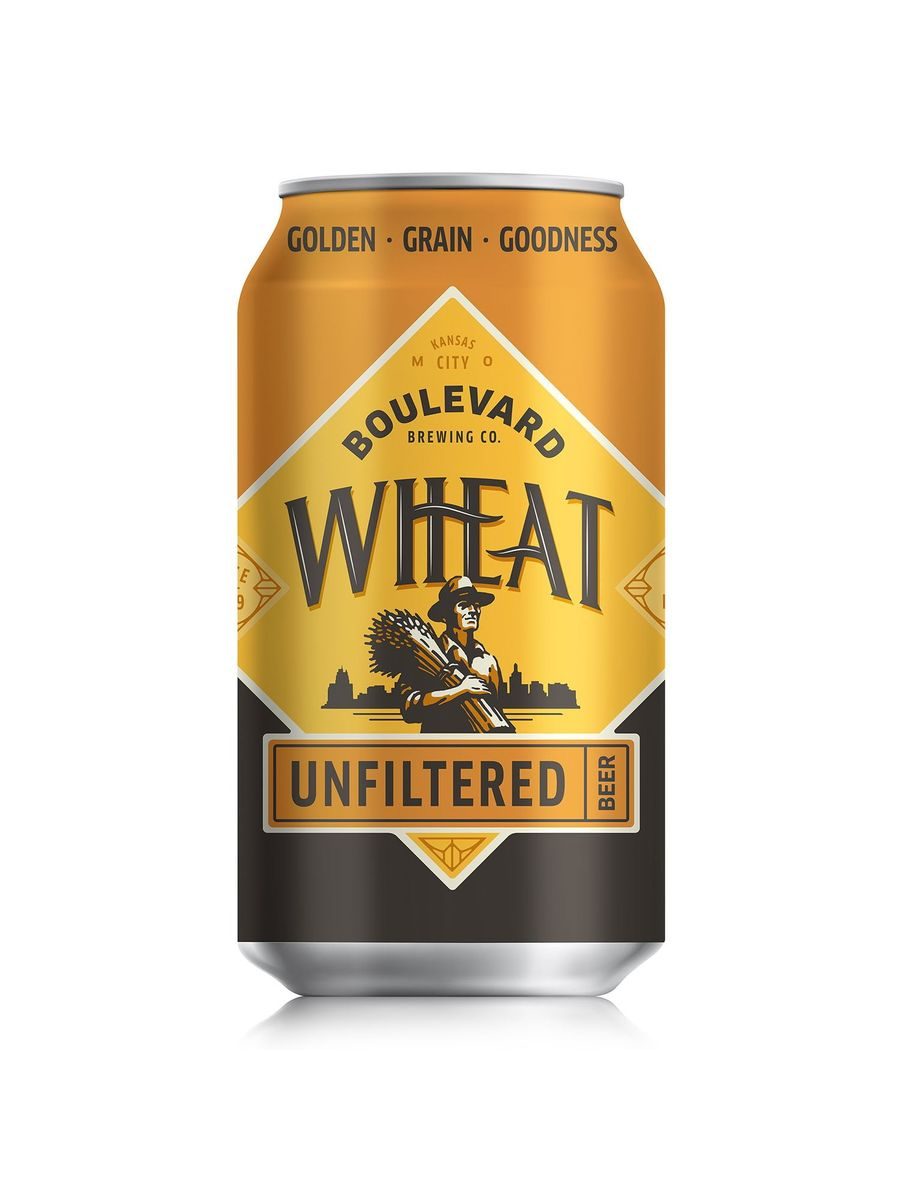
Boulevard Unfiltered Wheat
Brewed by Boulevard Brewing Company
unfiltered wheat and barley malt: grain, lemon, soft bread, clean yeast.
BAR NOTES
Boulevard’s flagship wheat beer is deliberately modest: low bitterness, clean fermentation, grainy softness, and enough lemony lift for another pint. It helped establish unfiltered American wheat as a distinct bar staple.
Pour at 40–44°F in a pint glass, with or without the traditional lemon garnish. Barbecue, fried chicken, nachos, and grilled fish benefit from its restrained flavor and cleansing carbonation.
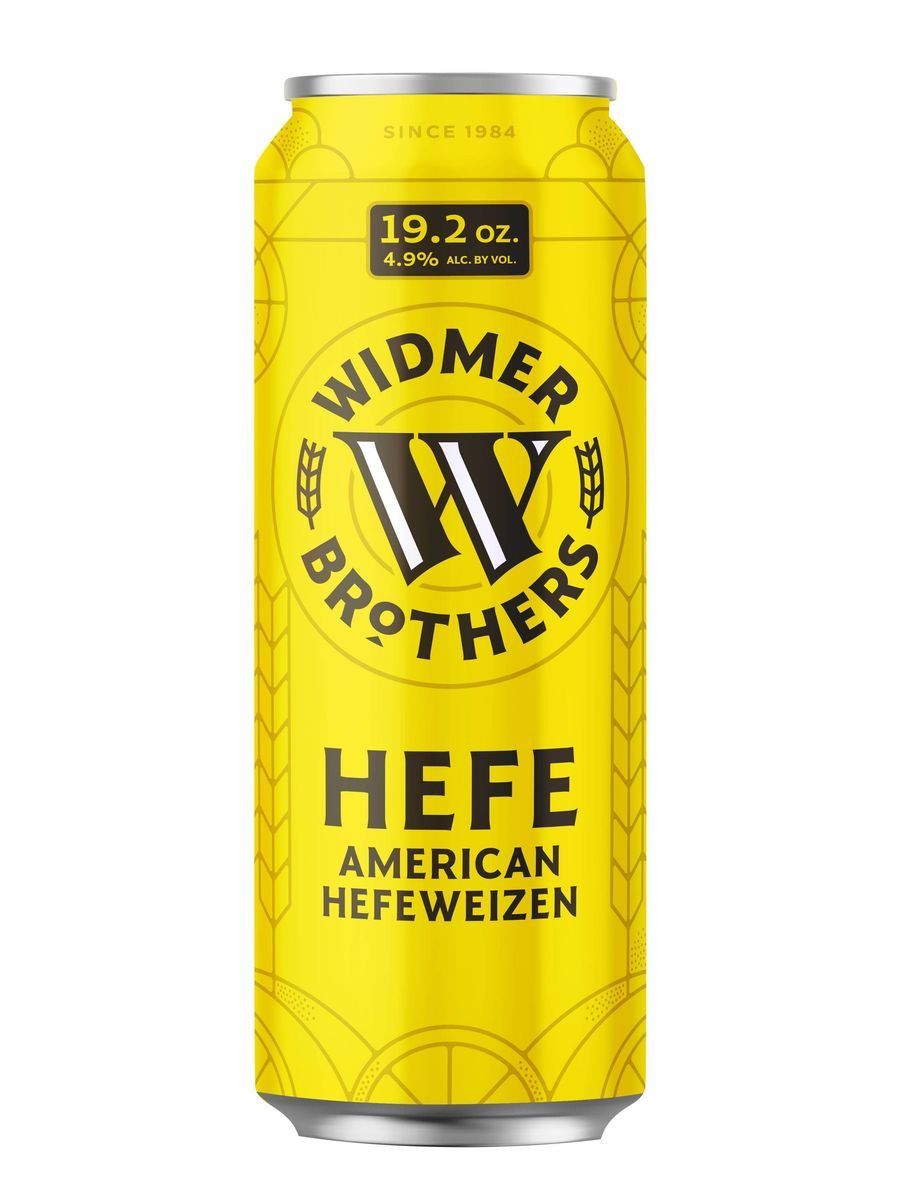
Widmer Hefe
Brewed by Widmer Brothers Brewing
wheat malt with clean ale yeast: bread, citrus, light hop spice, yeast.
BAR NOTES
Widmer Hefe helped define American hefeweizen as something different from Bavaria: cloudy wheat texture paired with a cleaner fermentation and a customary lemon wedge. Its historical importance outweighs its apparent simplicity.
Serve at 40–44°F in a pint or wheat glass. Pub burgers, fish and chips, salads, and grilled sausage suit the crisp grain; taste it once without lemon before adding one.
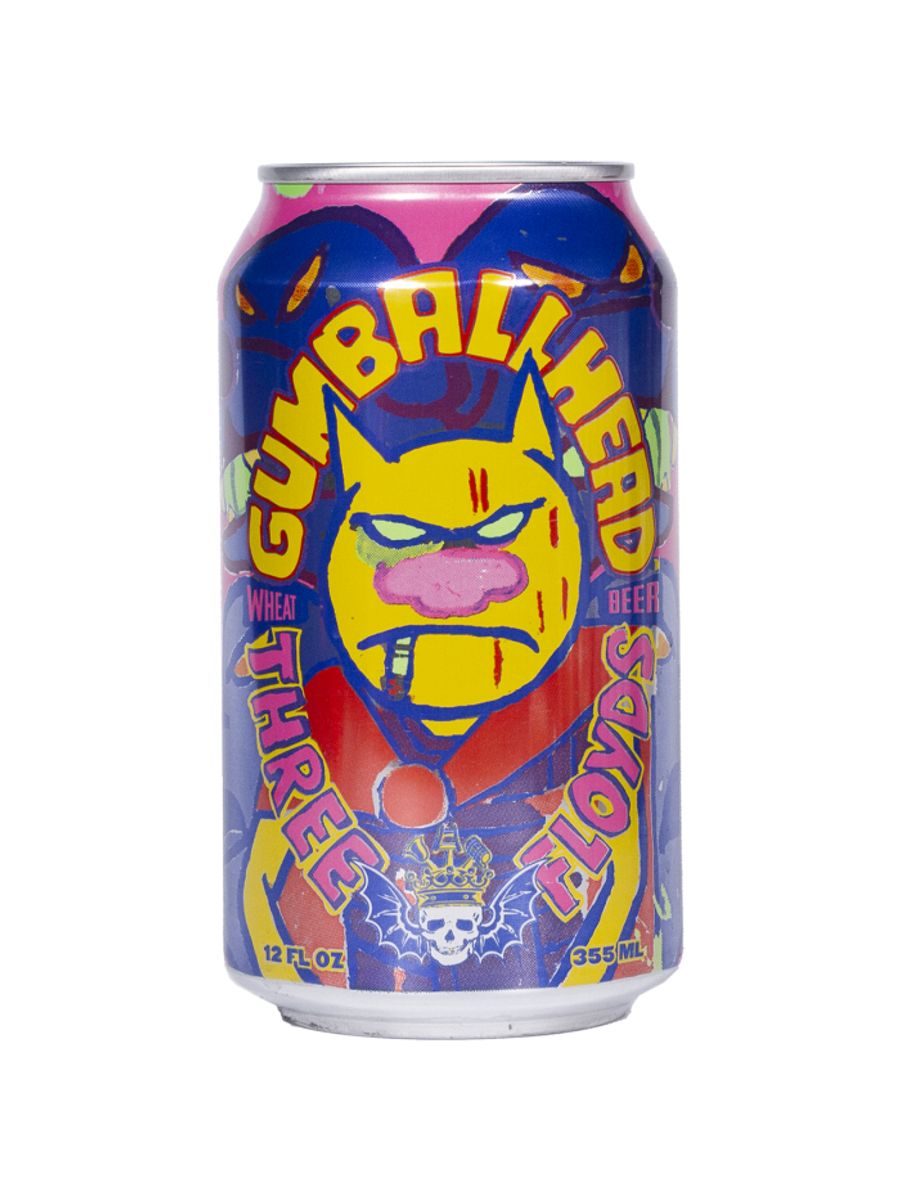
Three Floyds Gumballhead
Brewed by 3 Floyds Brewing
white wheat with American hops: lemon, grapefruit, wheat, resin.
BAR NOTES
Gumballhead rewired expectations for American wheat by dry-hopping a soft white-wheat base with assertive American hop character. It remains bright and drinkable, but lemon, grapefruit, and resin make it a different animal from hefeweizen.
Serve very fresh at 40–45°F in a pint glass. Tacos, barbecue, grilled salmon, and sharp cheddar can meet the hops, while wheat keeps the bitterness from feeling abrasive.
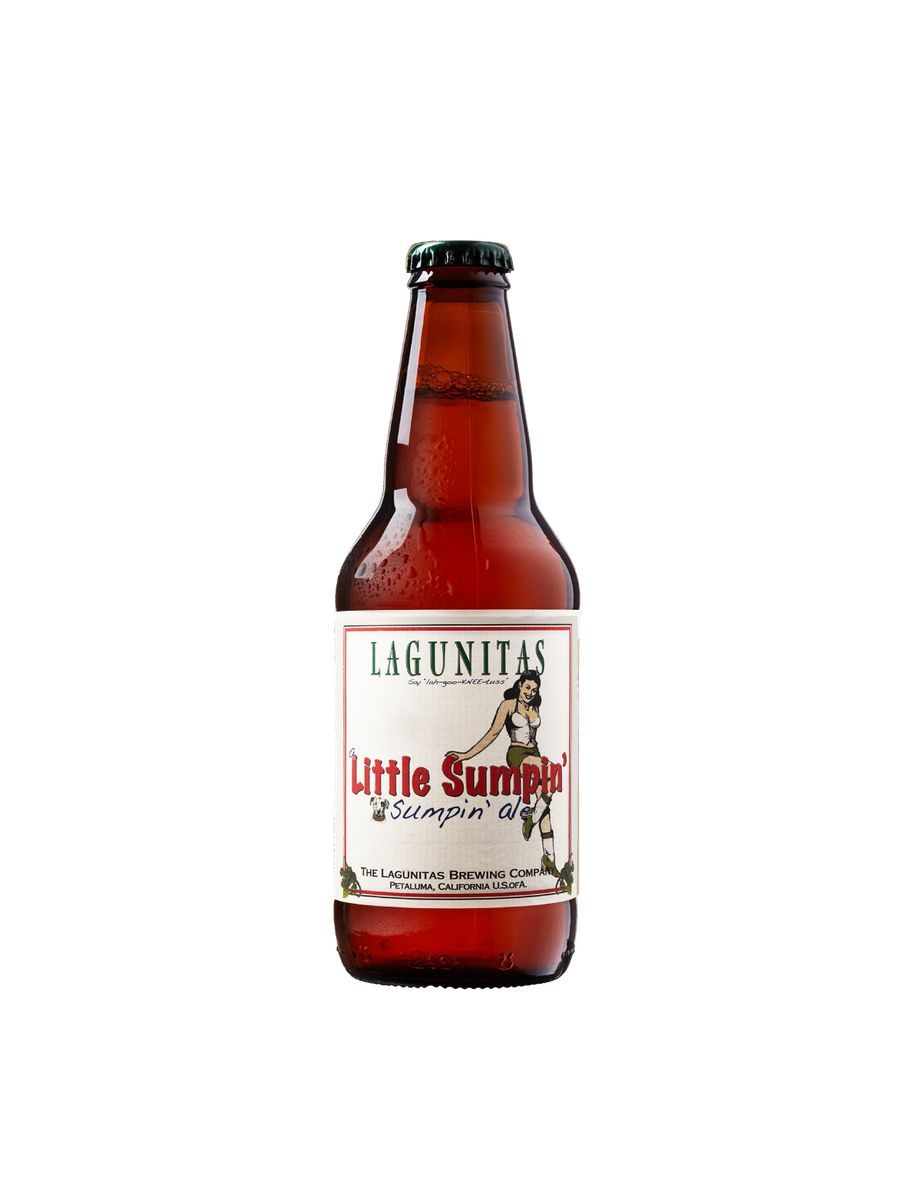
Lagunitas A Little Sumpin' Sumpin'
Brewed by Lagunitas Brewing Company
wheat-rich pale ale grist: citrus hops, pine, wheat, tropical fruit.
BAR NOTES
Little Sumpin’ Sumpin’ uses wheat for a silky body beneath a strong American hop charge. It drinks like a bridge between wheat ale and IPA, with substantial strength that is easy to underestimate.
Serve at 42–46°F in an IPA glass or tulip. Spicy tacos, grilled burgers, barbecue, and aged cheddar handle the hops and alcohol; freshness matters more than cellar time.
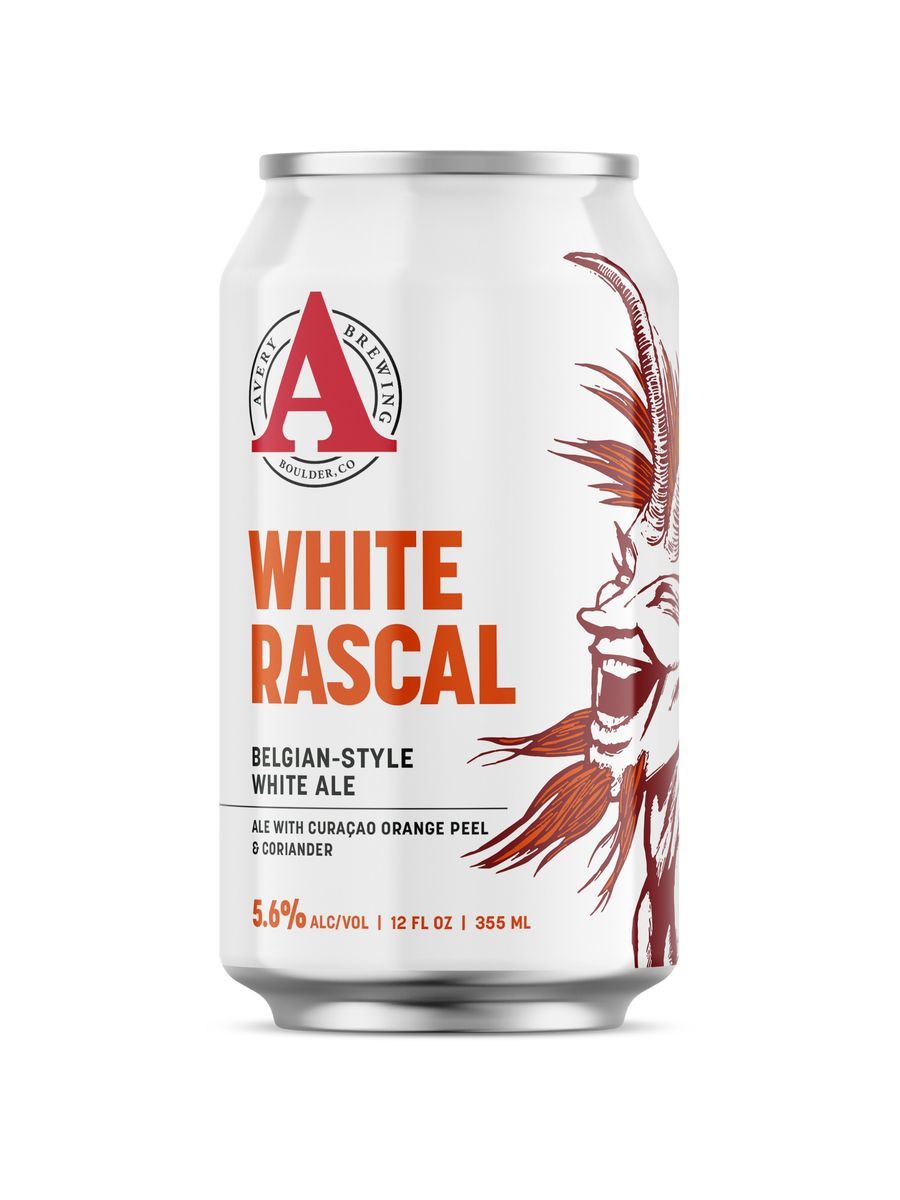
Avery White Rascal
Brewed by Avery Brewing Company
unfiltered wheat with orange peel and coriander: orange, coriander, pepper, yeast.
BAR NOTES
White Rascal helped make Belgian-style witbier a durable American taproom category. The beer is unapologetically hazy and yeast-forward, with orange peel and coriander supporting a dry, peppery finish rather than dominating it.
Pour at 40–45°F in a tulip and rouse the yeast for maximum texture. Shellfish, fish tacos, goat cheese, and herb-roasted chicken all suit the citrus-spice profile.
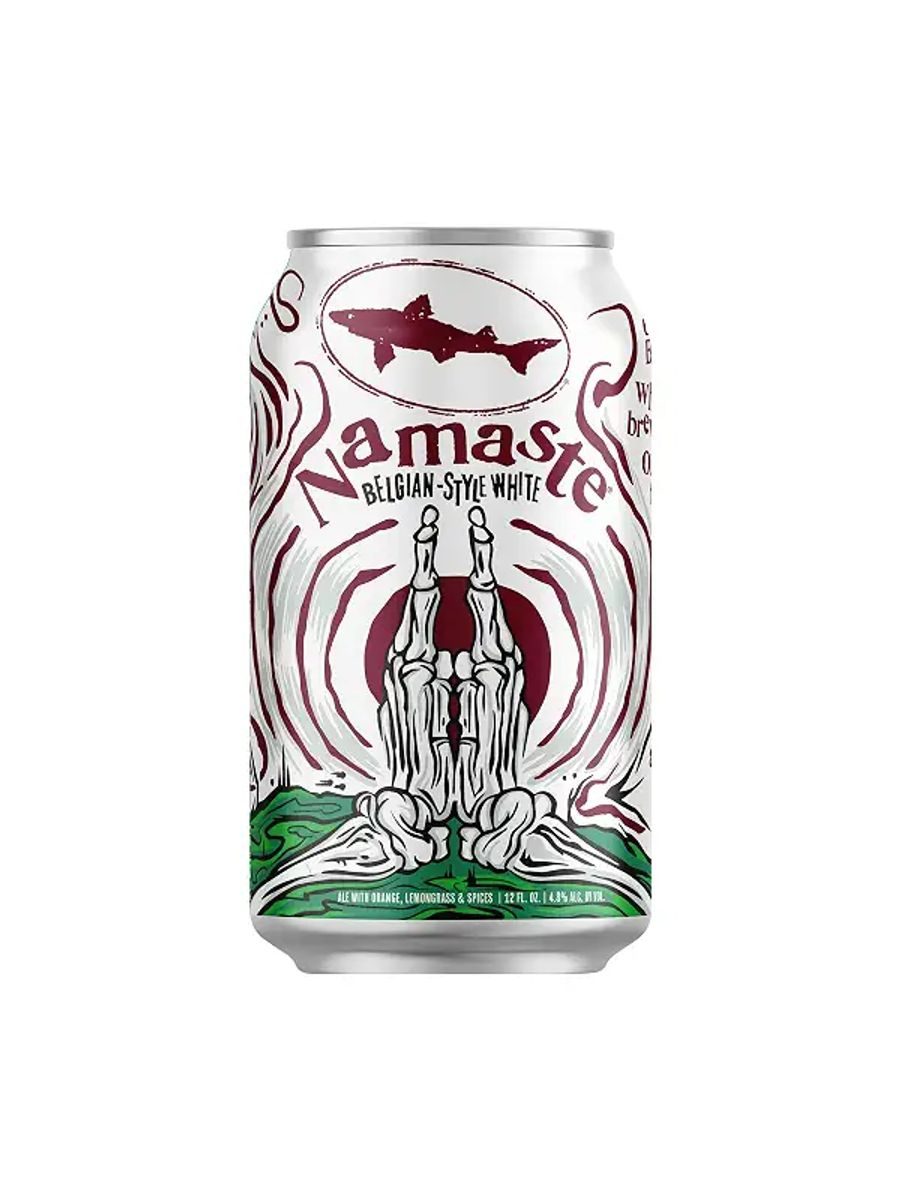
Dogfish Head Namaste White
Brewed by Dogfish Head Craft Brewery
wheat with citrus, lemongrass, and pepper: orange, lemongrass, coriander, pepper.
BAR NOTES
Namaste White stretches the witbier spice cabinet with lemongrass and pepper alongside citrus and coriander. The additions remain readable because the base is light, dry, and softly wheaty rather than sugary.
Serve at 40–44°F in a tulip. Thai salads, grilled shrimp, sushi, and citrus-marinated chicken connect with the lemongrass and orange while carbonation handles heat.
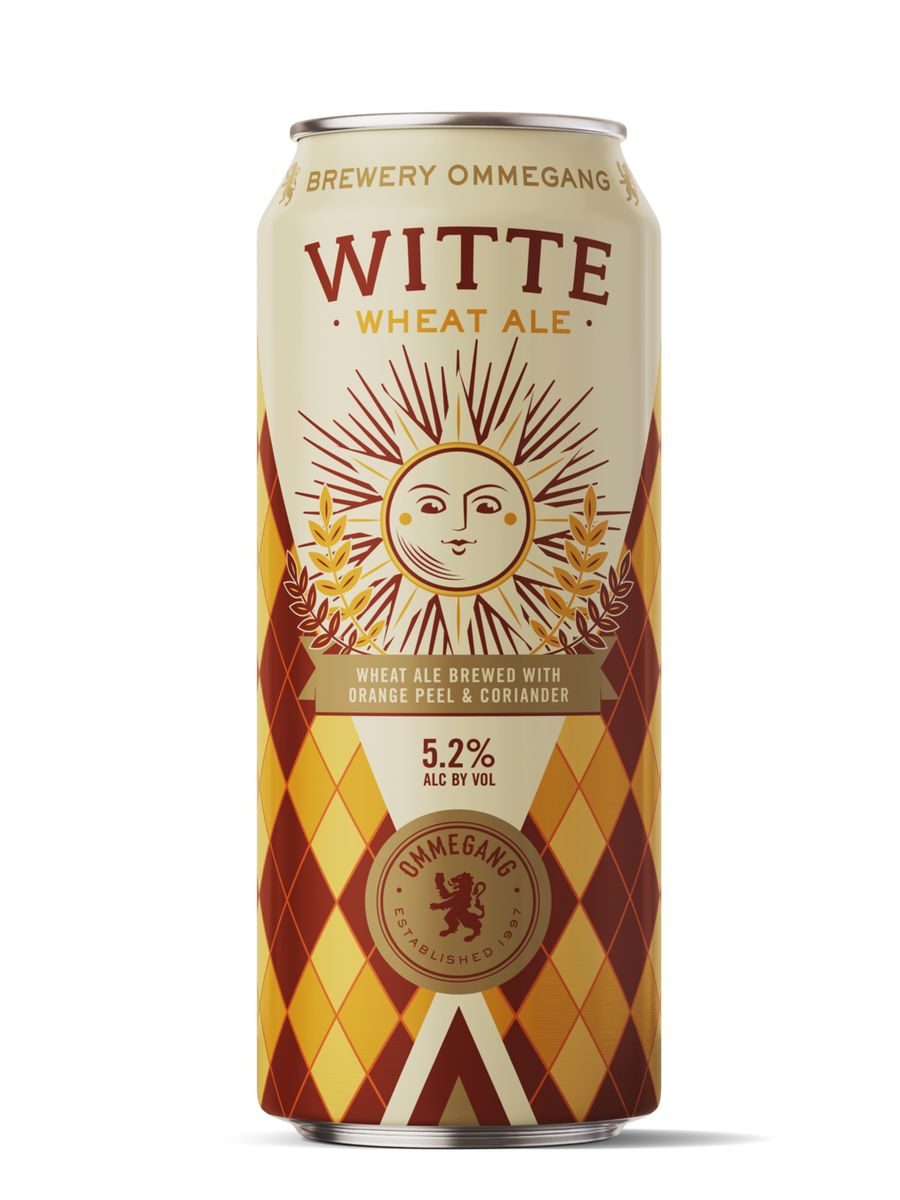
Ommegang Witte
Brewed by Brewery Ommegang
malted and unmalted wheat with oats: orange peel, coriander, clove, cream.
BAR NOTES
Ommegang’s Belgian brewing focus gives Witte a layered yeast-and-spice profile with a particularly smooth grain texture. Oats and wheat build creaminess, while orange peel and coriander keep the finish aromatic and clean.
A 42–46°F tulip pour is ideal. Mussels, roast chicken, goat cheese, and flaky white fish benefit from the beer’s combination of soft body and brisk carbonation.
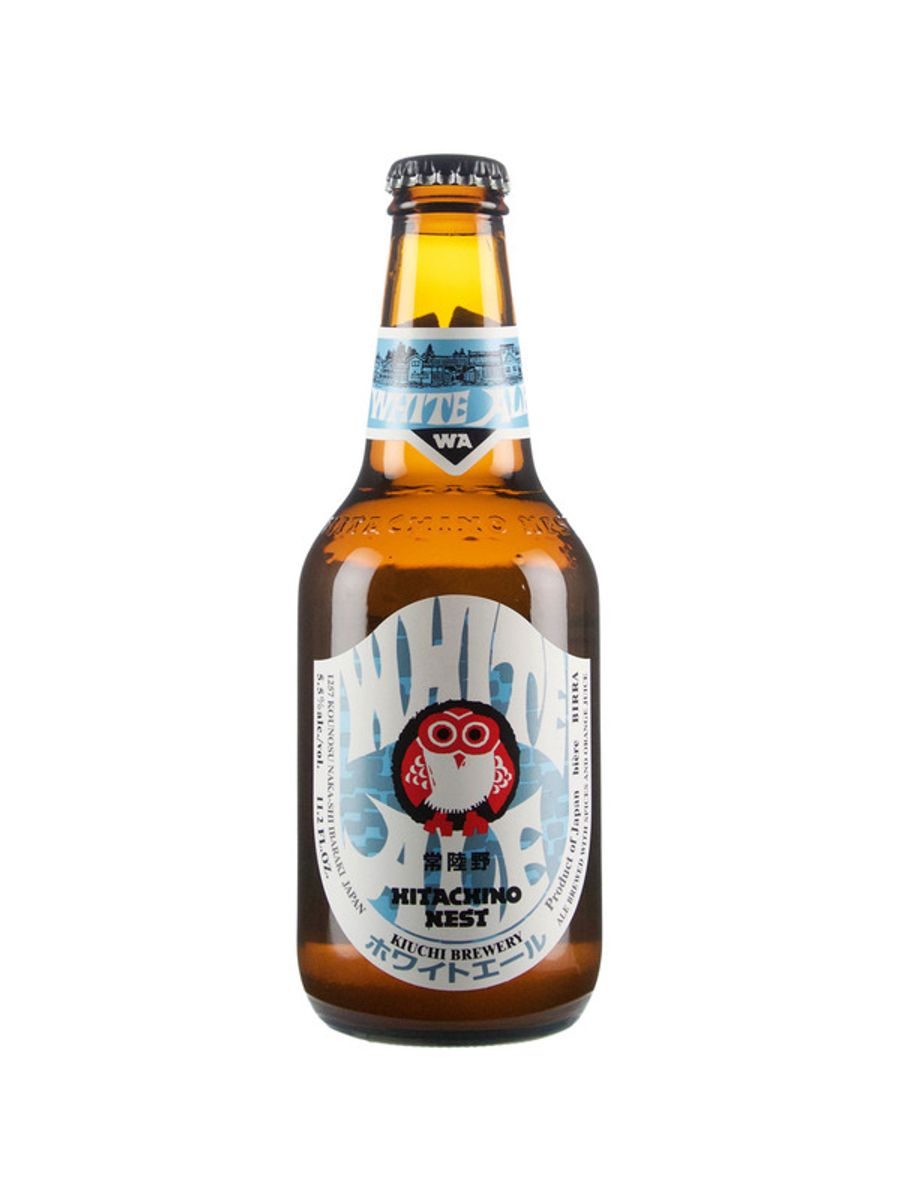
Hitachino Nest White Ale
Brewed by Kiuchi Brewery
wheat with citrus and spices: orange, coriander, nutmeg, wheat.
BAR NOTES
Hitachino’s White Ale interprets witbier through a Japanese brewery’s meticulous lens, adding nutmeg and a vivid citrus impression to the familiar wheat-and-coriander frame. It is aromatic but finishes composed rather than sticky.
Serve at 42–46°F in a tulip. Sushi, tempura, grilled fish, and mild curry pair naturally; the beer’s spice can become perfumy if served too warm.
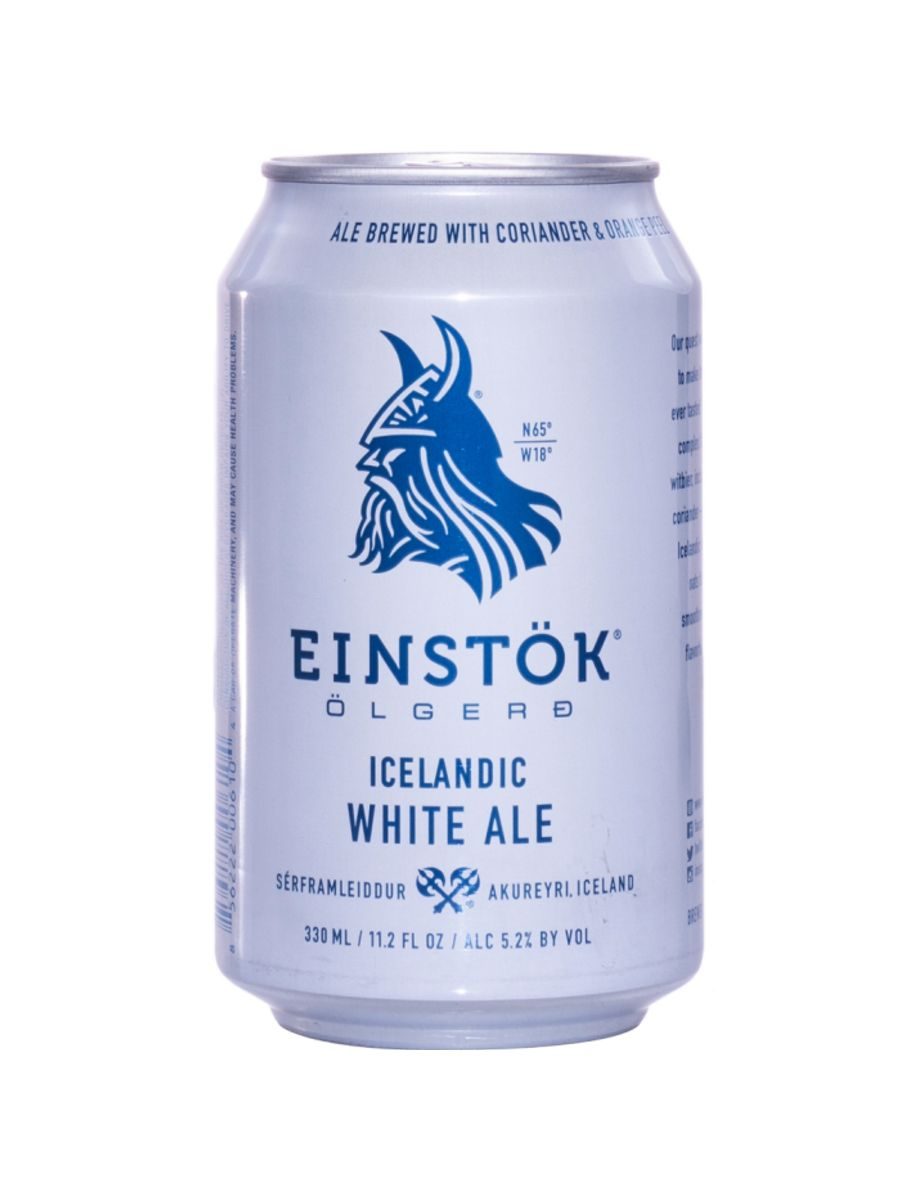
Einstök Icelandic White Ale
Brewed by Einstök Beer Company
wheat and oats with orange peel and coriander: orange, coriander, oats, clean malt.
BAR NOTES
Einstök’s white ale is a polished, accessible witbier with rolled oats adding a plush middle to the clean citrus-spice profile. The presentation is modern, but the flavor architecture remains recognizably Belgian-inspired.
Serve at 40–44°F in a tulip or wheat glass. Shellfish, salads, grilled cod, and fresh cheese complement the clean finish and restrained coriander.
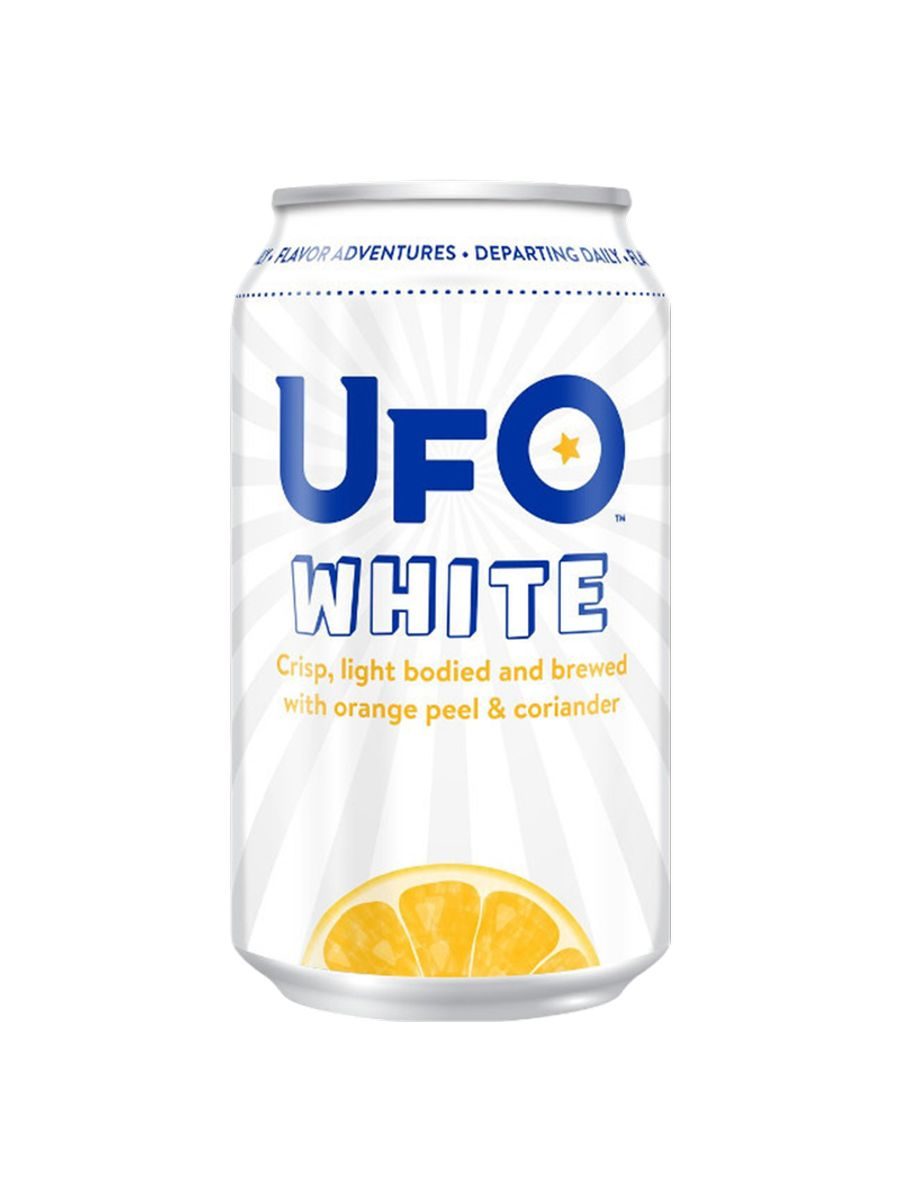
UFO White
Brewed by Harpoon Brewery
unfiltered wheat with orange peel and coriander: orange, coriander, wheat, crisp yeast.
BAR NOTES
UFO White is a straightforward American witbier that values refreshment over fermentation fireworks. A light body, visible haze, and clear orange-coriander signal make it useful for drinkers crossing over from mainstream lager.
Pour at 39–43°F in a pint or wheat glass. Fried seafood, salads, pizza, and grilled chicken all welcome its crispness; an orange slice is optional, not required.
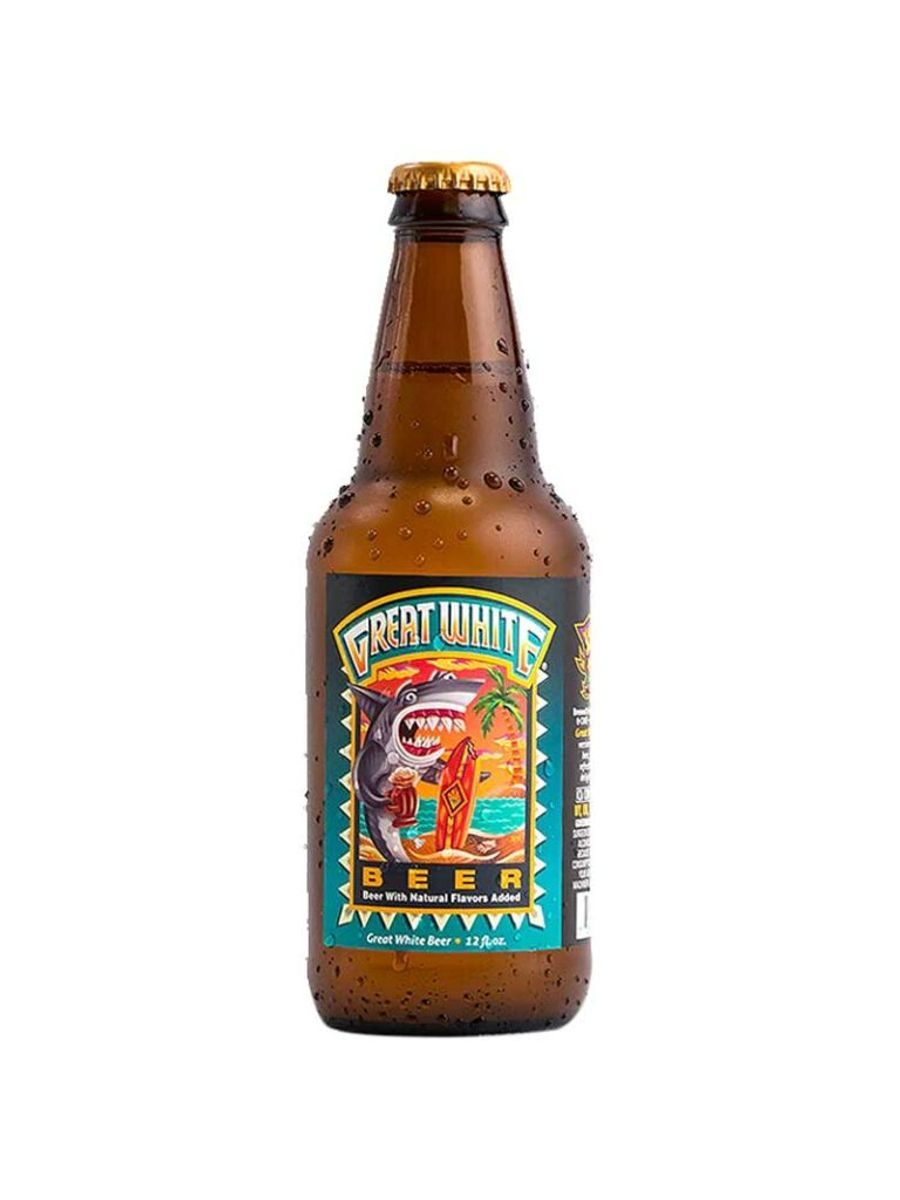
Lost Coast Great White
Brewed by Lost Coast Brewery
unfiltered wheat with citrus and herbs: citrus, coriander, herbs, soft wheat.
BAR NOTES
Great White pairs a soft, cloudy wheat base with coriander, citrus, and a quiet herbal note. It is fuller than the palest mass-market witbiers but still keeps bitterness low and refreshment high.
Serve at 40–44°F in a wheat glass. Fish tacos, crab cakes, salads, and herb-roasted chicken echo its citrus-herbal profile without overwhelming the beer.
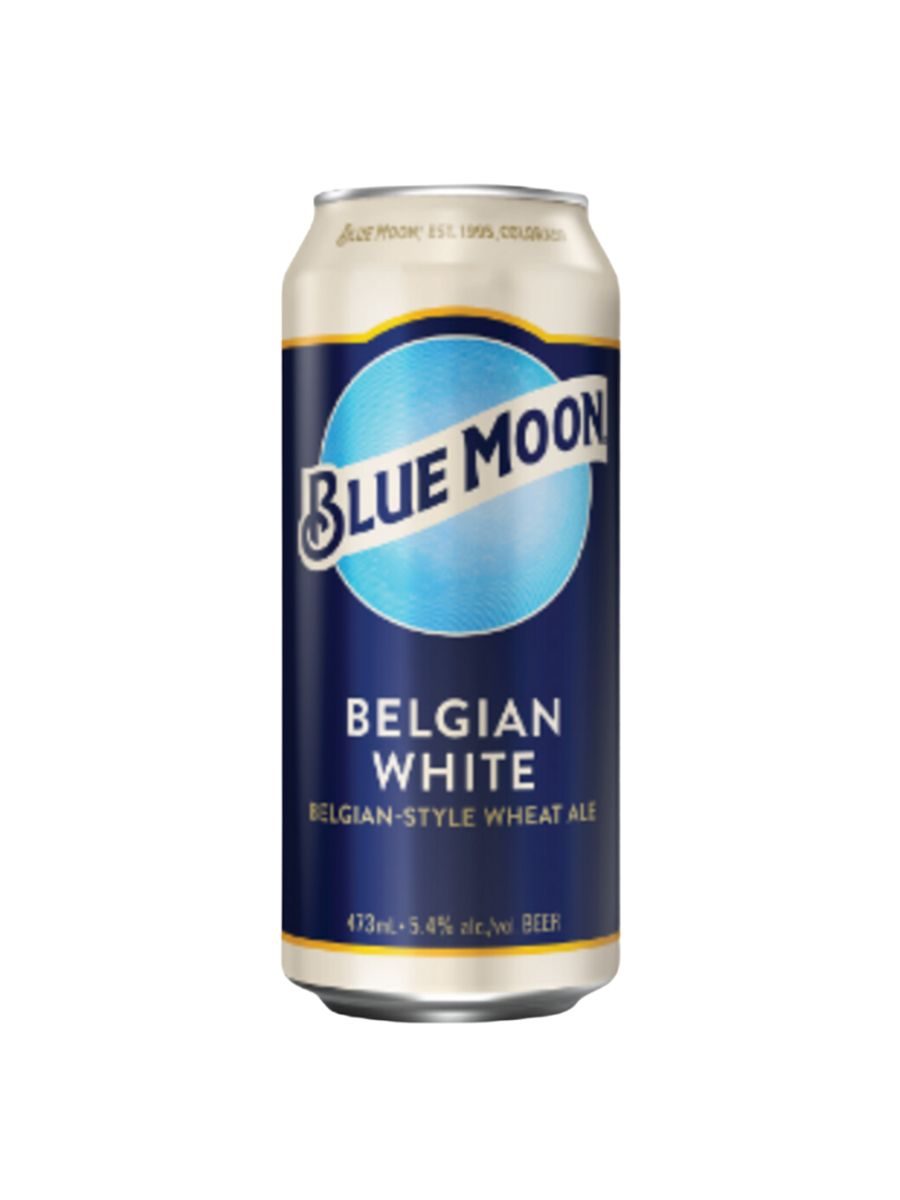
Blue Moon Belgian White
Brewed by Blue Moon Brewing Company
wheat and oats with orange peel and coriander: orange, coriander, oats, soft malt.
BAR NOTES
Blue Moon brought Belgian-style wheat ale to an enormous American audience and made the orange garnish nearly inseparable from the category. Beneath the ritual is a smooth, oat-softened beer with modest spice and bitterness.
Serve at 39–43°F in a wide glass; taste before garnishing so the beer’s own orange peel remains visible. Wings, pizza, salads, and grilled chicken are easy matches.
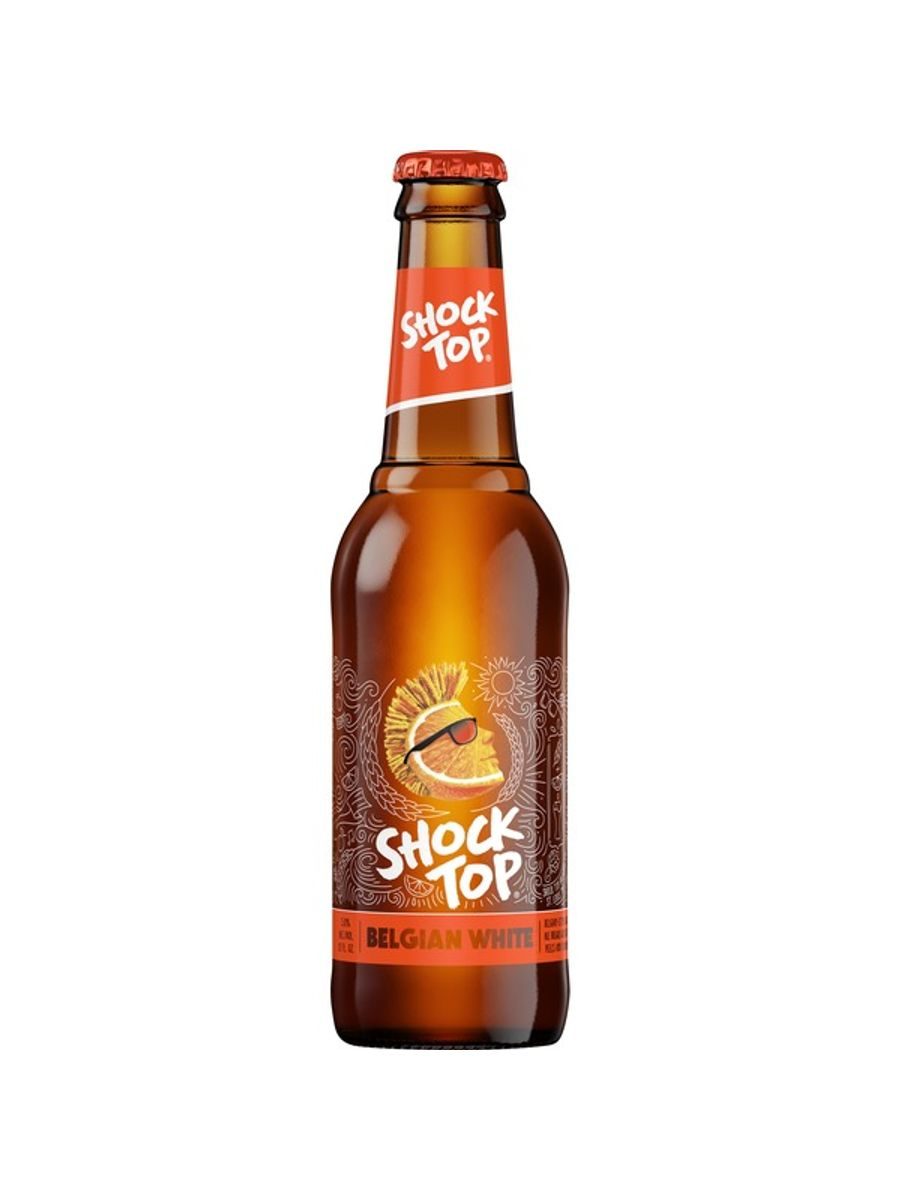
Shock Top Belgian White
Brewed by Shock Top Brewing Company
wheat with orange, lemon, lime, and coriander: orange, lemon, lime, coriander.
BAR NOTES
Shock Top pushes citrus harder than most witbier-inspired beers, layering orange, lemon, and lime peel over a cloudy wheat base. It is deliberately broad and approachable, with spice kept low and the finish smooth.
Pour cold at 39–43°F in a wheat glass. Tacos, fried seafood, grilled chicken, and pepper jack cheese work because carbonation and citrus cut through salt and fat.
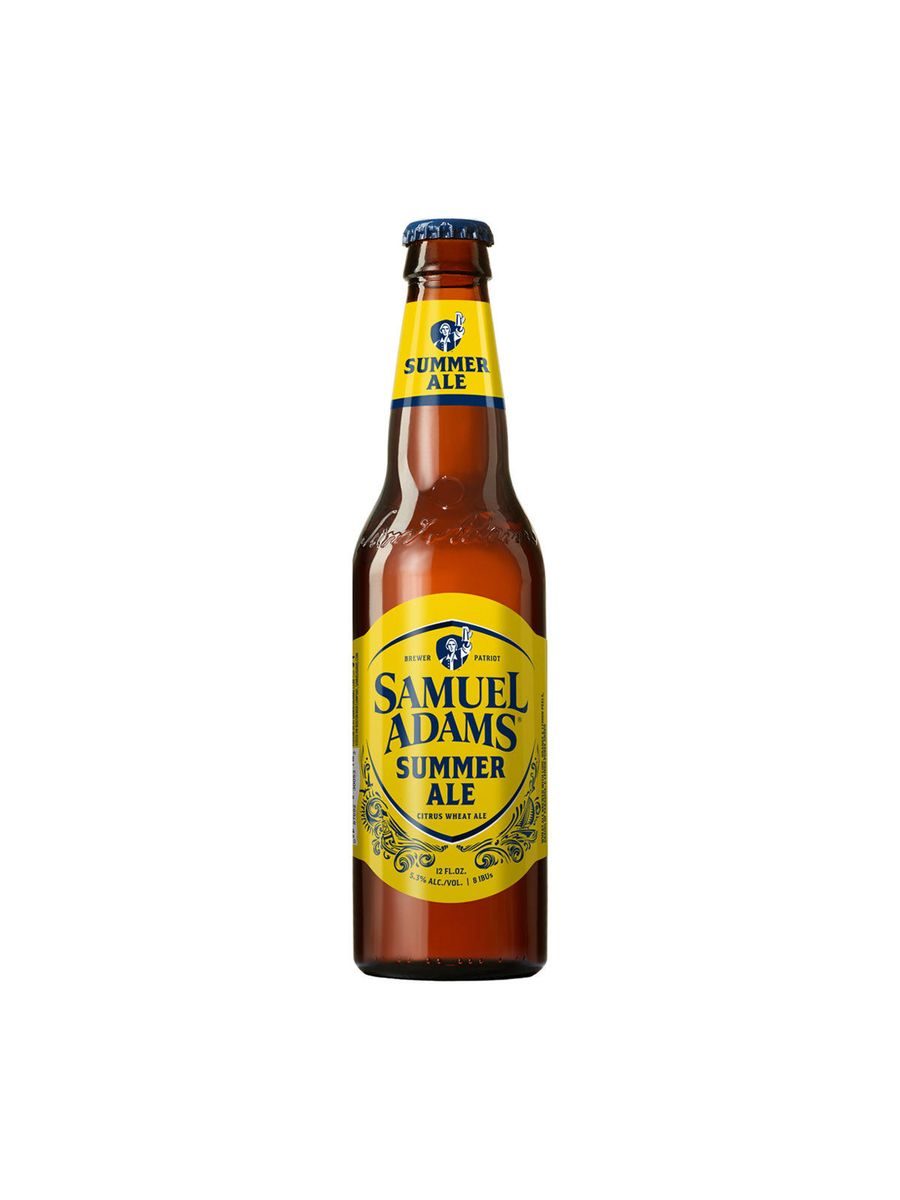
Samuel Adams Summer Ale
Brewed by Boston Beer Company
wheat ale with citrus peel and grains of paradise: lemon, orange, lime, peppery spice.
BAR NOTES
Summer Ale applies a distinctly American recipe to wheat beer, combining several citrus peels with grains of paradise. The result is cleaner than a Belgian witbier and more aromatic than a plain American wheat.
Serve at 40–44°F in a pint glass. Lobster rolls, grilled chicken, salads, and fish tacos match the lemony snap; buy it fresh during its seasonal release.
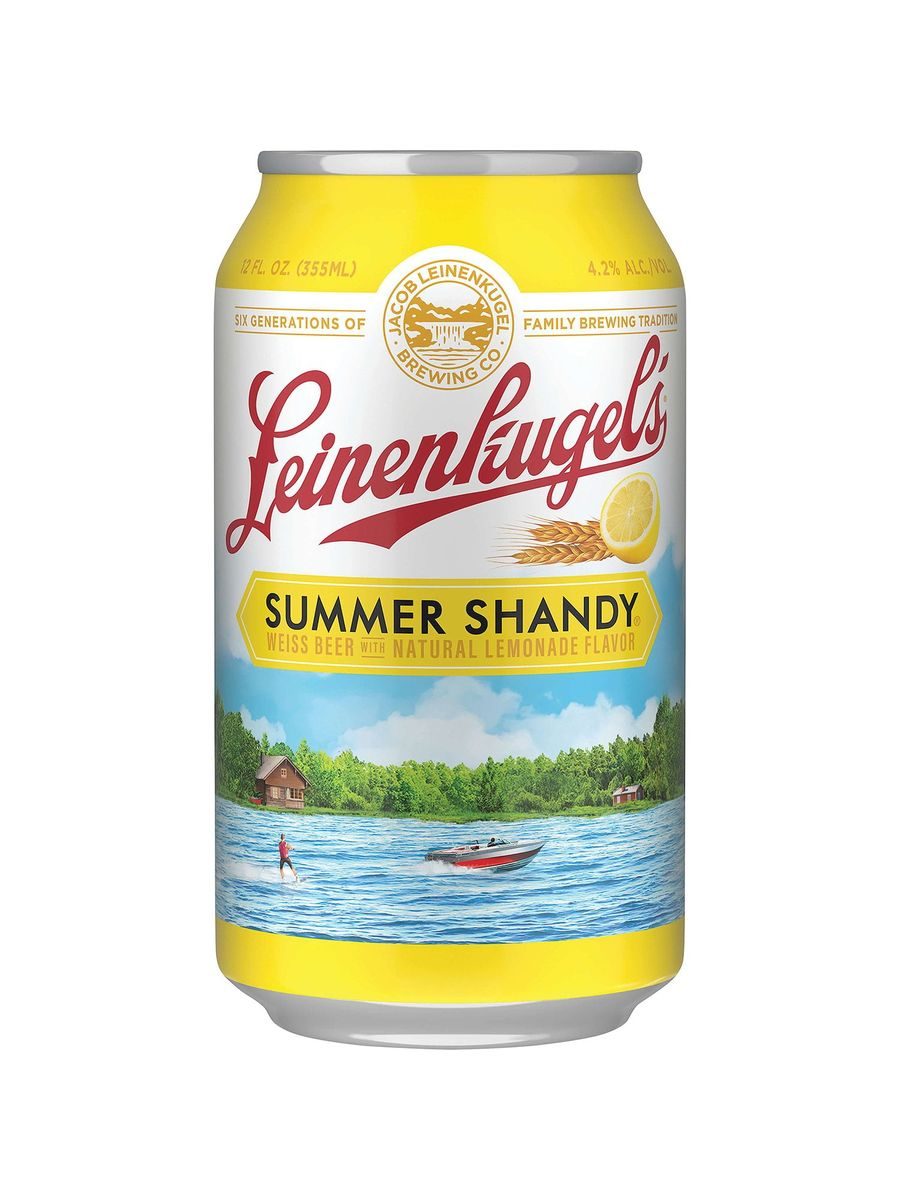
Leinenkugel's Summer Shandy
Brewed by Jacob Leinenkugel Brewing Company
weiss beer blended with lemonade flavor: lemonade, wheat, sweet citrus, light malt.
BAR NOTES
Summer Shandy sits at the populist edge of wheat beer, blending a weiss base with assertive lemonade character. It matters because it turned shandy into a major American seasonal category, even if purists prefer drier examples.
Serve very cold at 36–40°F in a pint glass. Brats, picnic sandwiches, fried fish, and salty chips suit its sweet-tart lemon profile better than delicate cuisine.
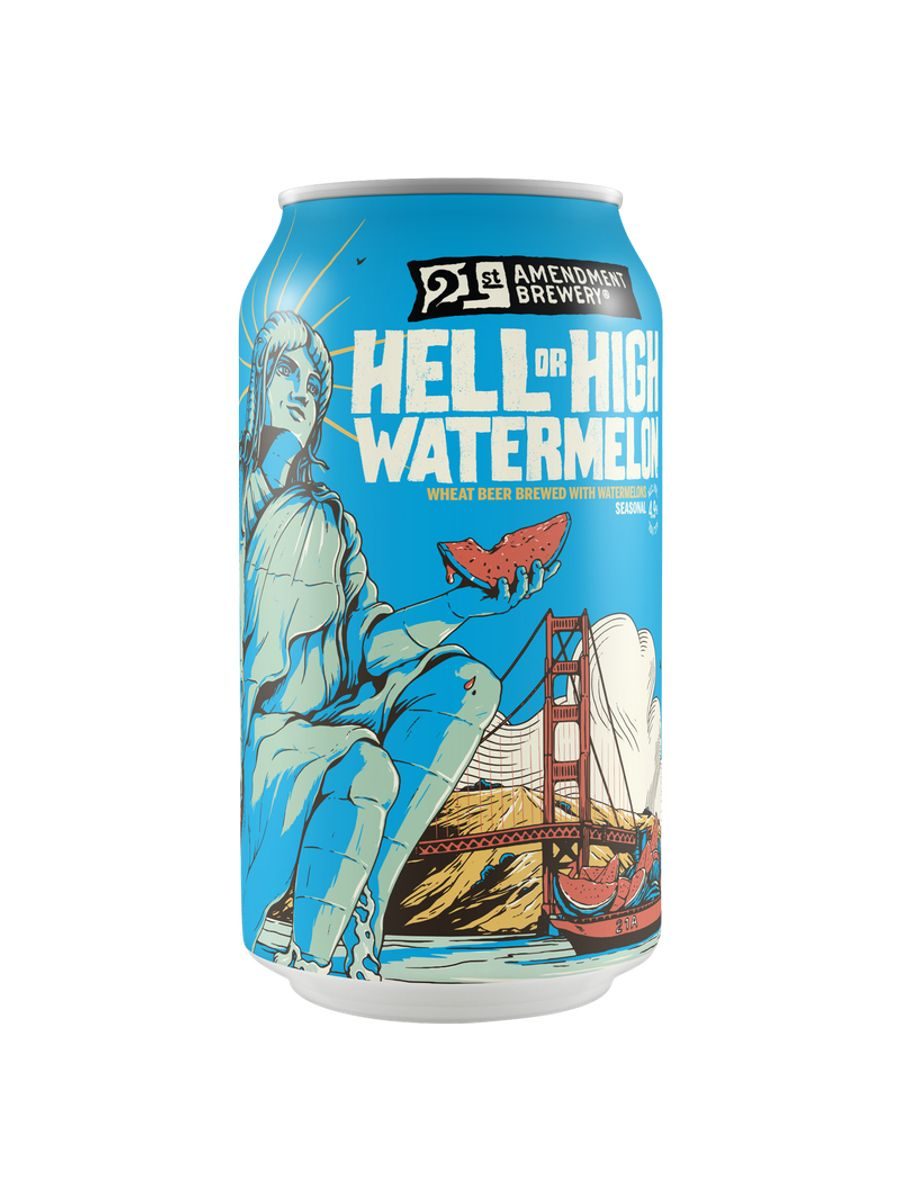
21st Amendment Hell or High Watermelon
Brewed by 21st Amendment Brewery
pale wheat ale with watermelon: fresh watermelon, grain, light citrus, clean yeast.
BAR NOTES
Hell or High Watermelon uses fruit as an aroma and finishing accent rather than burying the wheat base in syrup. Its clean fermentation and restrained bitterness let the watermelon read fresh and surprisingly dry.
Serve at 38–42°F in a pint glass. Spicy tacos, grilled chicken, feta salad, and barbecue play well with its cooling fruit; this seasonal beer is best young.
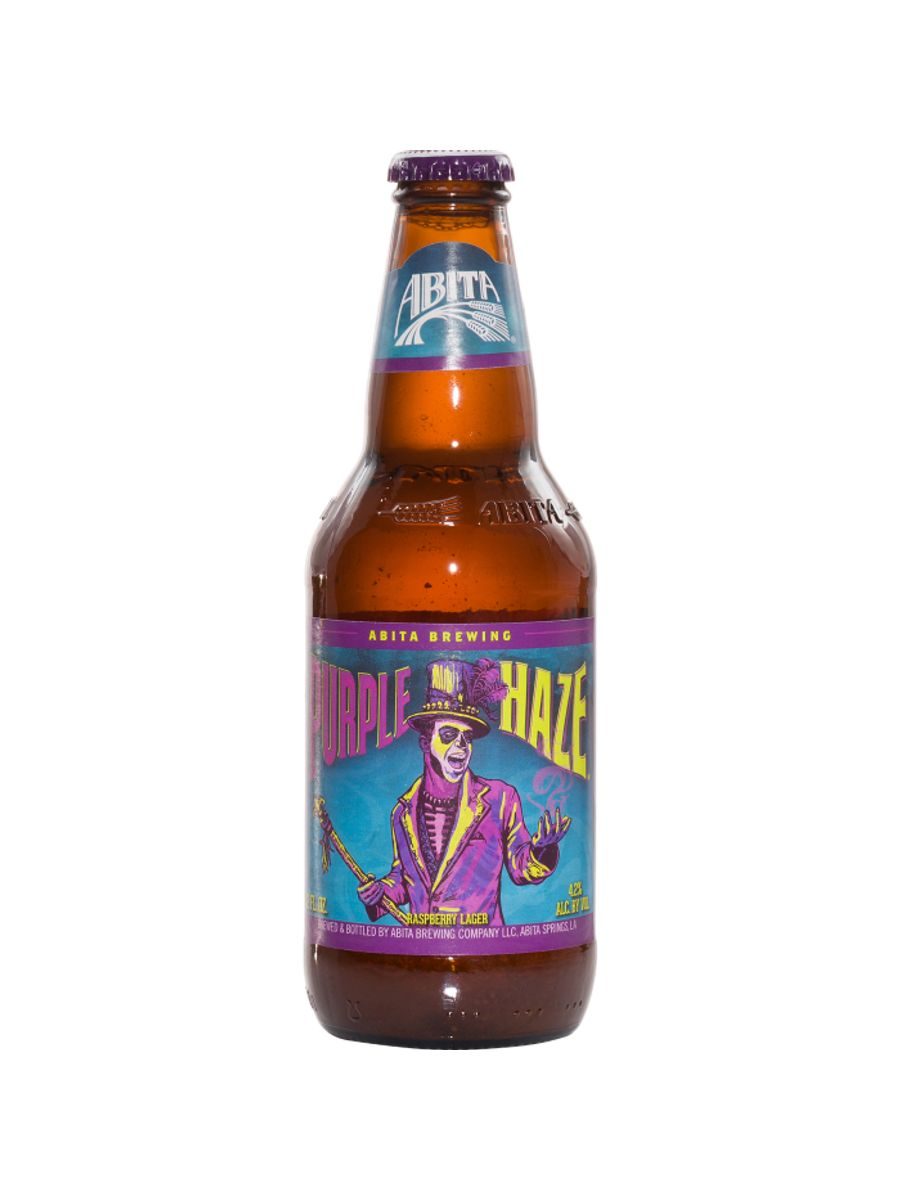
Abita Purple Haze
Brewed by Abita Brewing Company
wheat beer with raspberries: raspberry, grain, gentle tartness, clean malt.
BAR NOTES
Purple Haze adds raspberries after filtration, creating aroma, a faint blush, and a light tart impression without becoming a dessert beer. The neutral wheat base is intentionally simple enough to frame the fruit.
Serve at 38–42°F in a flute or pint. Salads, goat cheese, grilled chicken, and chocolate desserts can all work; avoid an extra fruit garnish until tasting it plain.
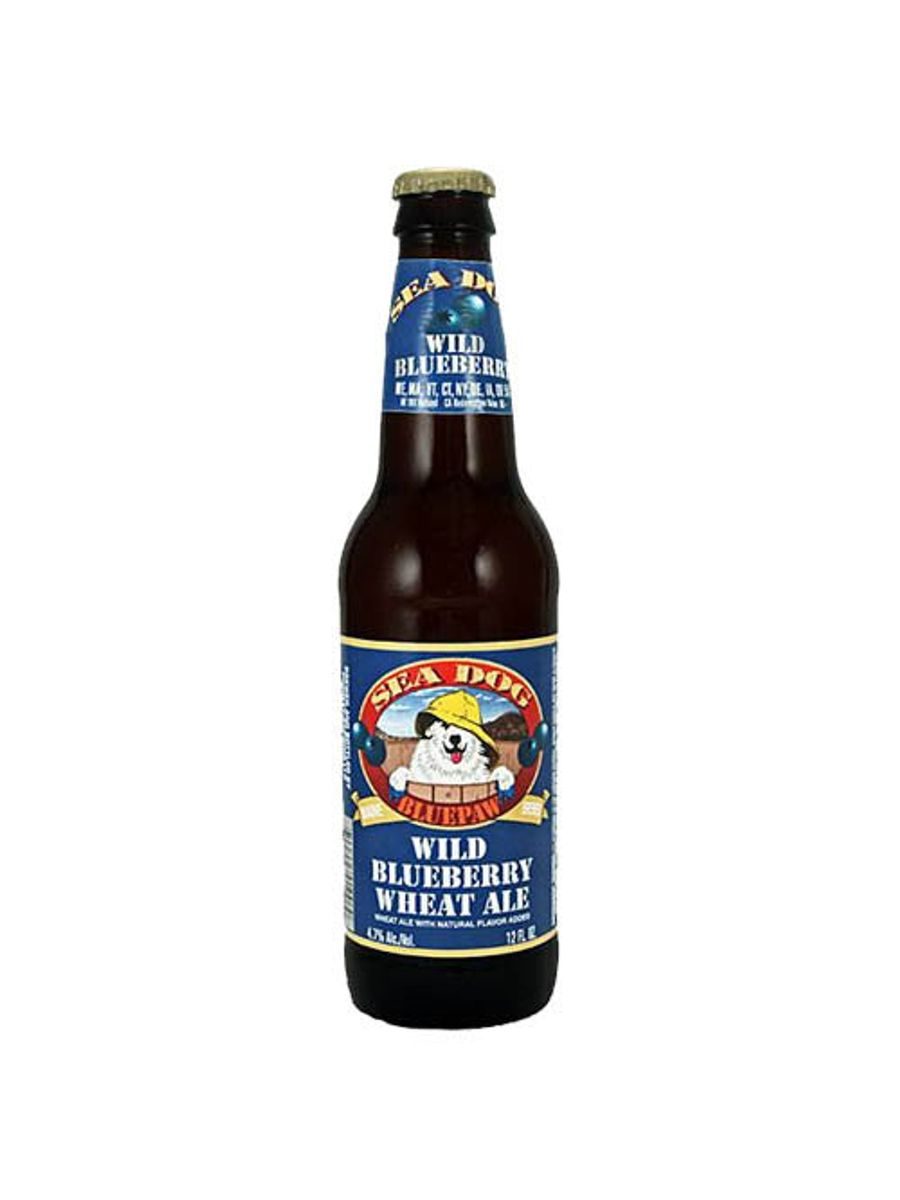
Sea Dog Wild Blueberry Wheat Ale
Brewed by Sea Dog Brewing Company
wheat ale with Maine blueberry character: blueberry, wheat, light malt, gentle sweetness.
BAR NOTES
Sea Dog’s blueberry wheat is an enduring New England fruit-beer reference, built for clear berry aroma and easy drinking rather than acidity or barrel complexity. A clean wheat base prevents the flavor from becoming heavy.
Serve cold at 38–42°F in a pint glass. Brunch dishes, chèvre, grilled pork, and vanilla desserts fit the blueberry; freshness preserves the most convincing fruit aroma.
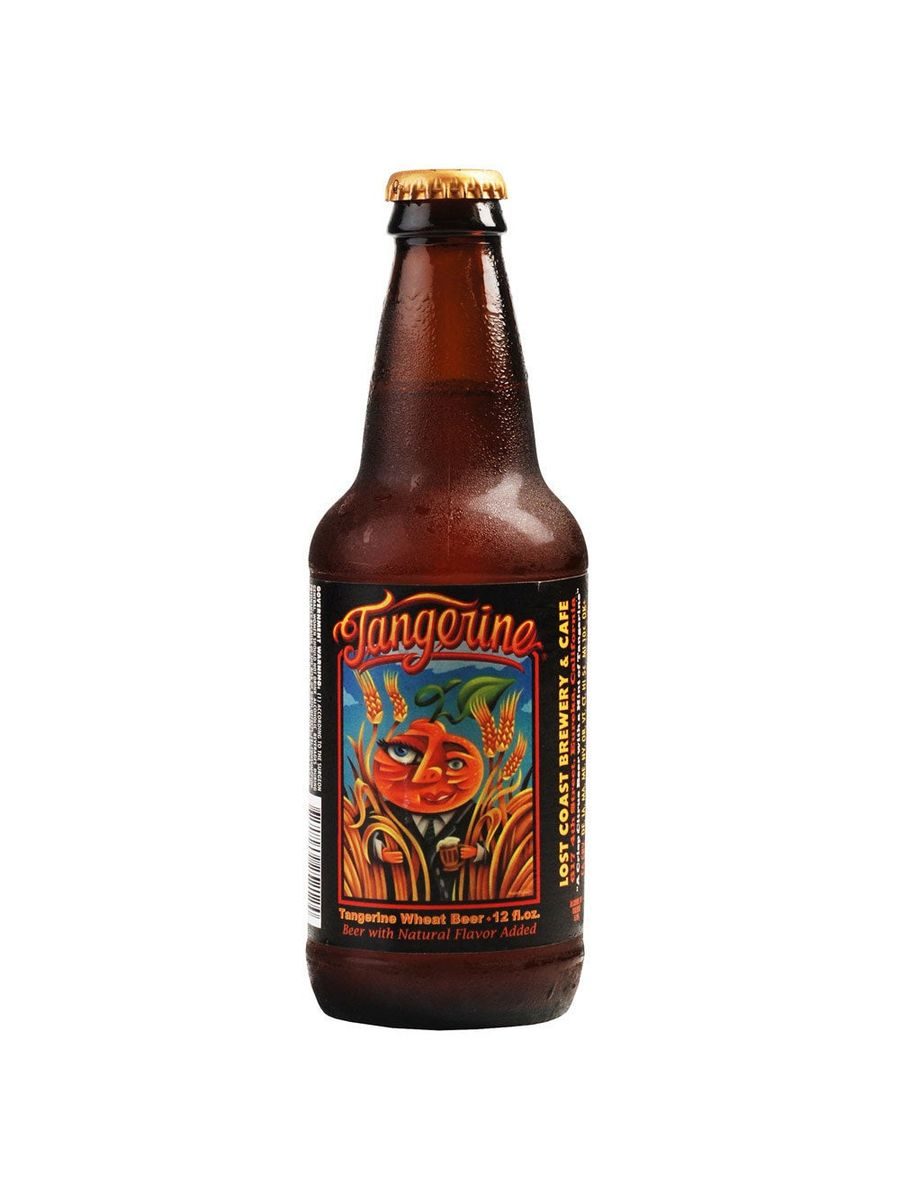
Lost Coast Tangerine Wheat
Brewed by Lost Coast Brewery
wheat and crystal malt with tangerine: tangerine, wheat, soft caramel, citrus zest.
BAR NOTES
Tangerine Wheat uses a slightly richer malt base than many fruit wheats, giving the citrus a soft caramel platform. The recognizable tangerine aroma lands brightly while the finish remains closer to beer than juice.
Serve at 39–43°F in a pint or wheat glass. Fish tacos, grilled chicken, spicy noodles, and soft cheese benefit from the sweet citrus and light malt.
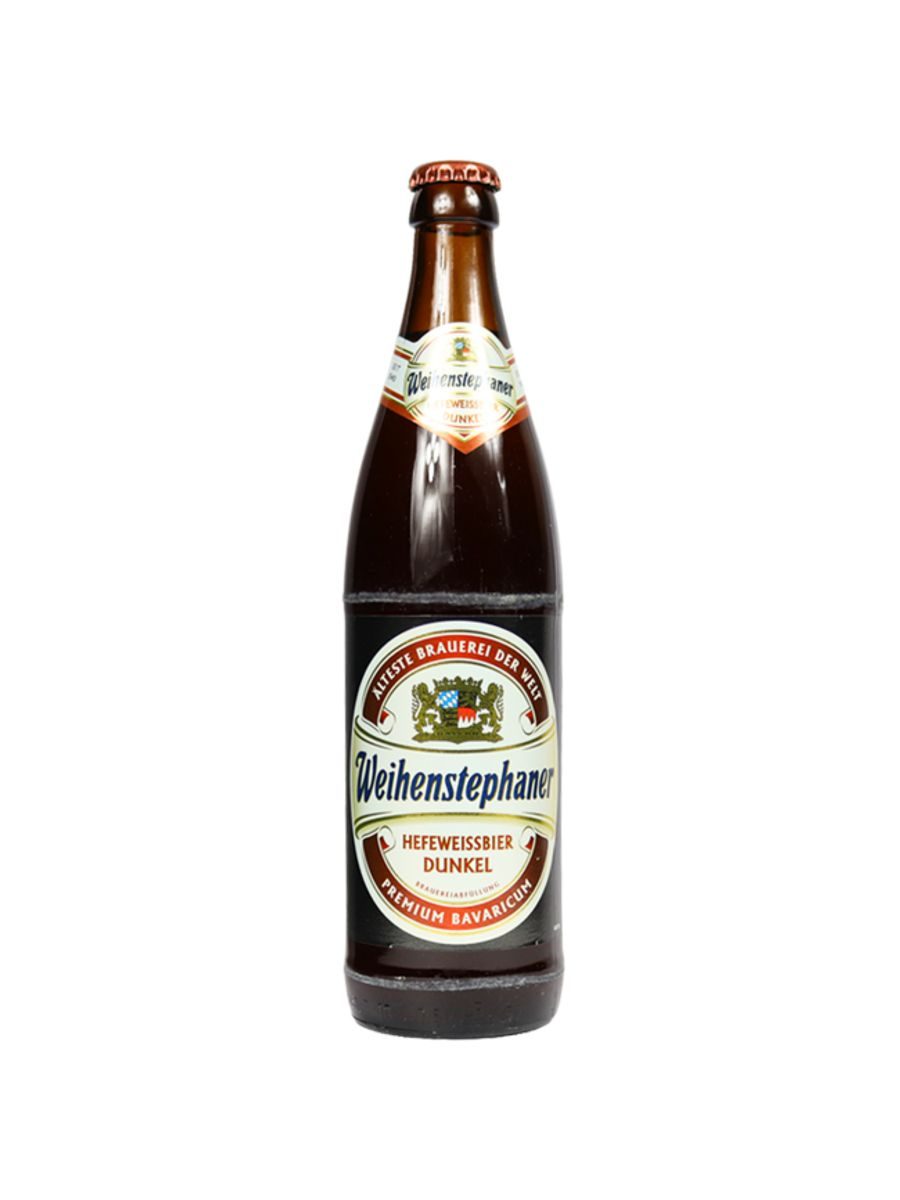
Weihenstephaner Hefeweissbier Dunkel
Brewed by Bayerische Staatsbrauerei Weihenstephan
dark wheat and Munich-style malts: banana, clove, caramel, cocoa.
BAR NOTES
This dunkel retains Weihenstephaner’s precise banana-and-clove fermentation while adding caramel, brown bread, and a cocoa-like malt shade. It teaches the crucial point that dark wheat beer need not taste roasted or stout-like.
Serve at 47–52°F in a wheat glass. Roast pork, mushrooms, sausages, and nutty cheese meet the malt, while carbonation keeps the pairing from becoming ponderous.
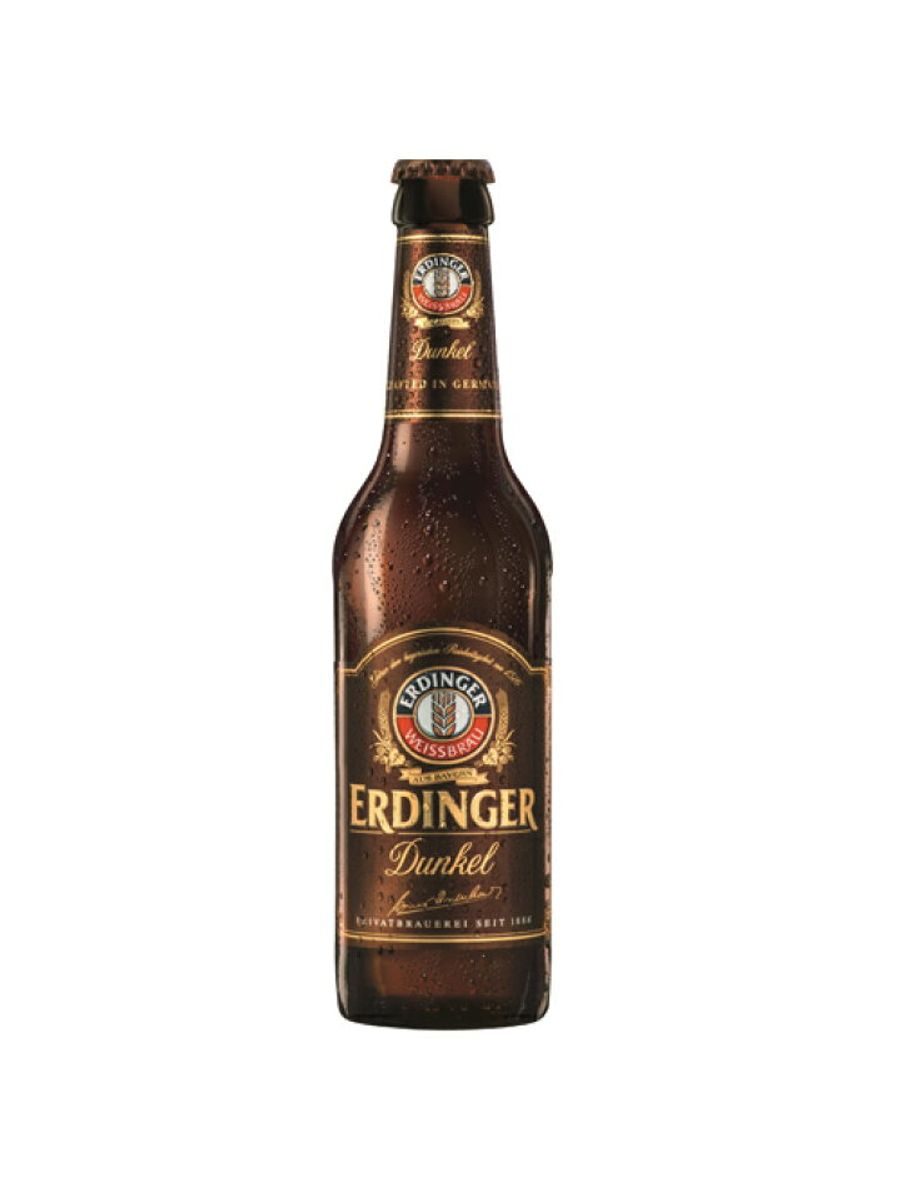
Erdinger Dunkel
Brewed by Erdinger Weissbräu
dark wheat malt with bottle conditioning: caramel, banana, bread crust, cocoa.
BAR NOTES
Erdinger Dunkel builds its dark color and flavor from richer malt while keeping the brewery’s signature smooth texture and fine sparkle. Banana and bread crust remain more prominent than roast bitterness.
Pour at 47–51°F in a tall wheat glass, including the yeast for extra body. Steak, roast pork, mushroom dishes, and alpine cheese suit the caramelized malt.
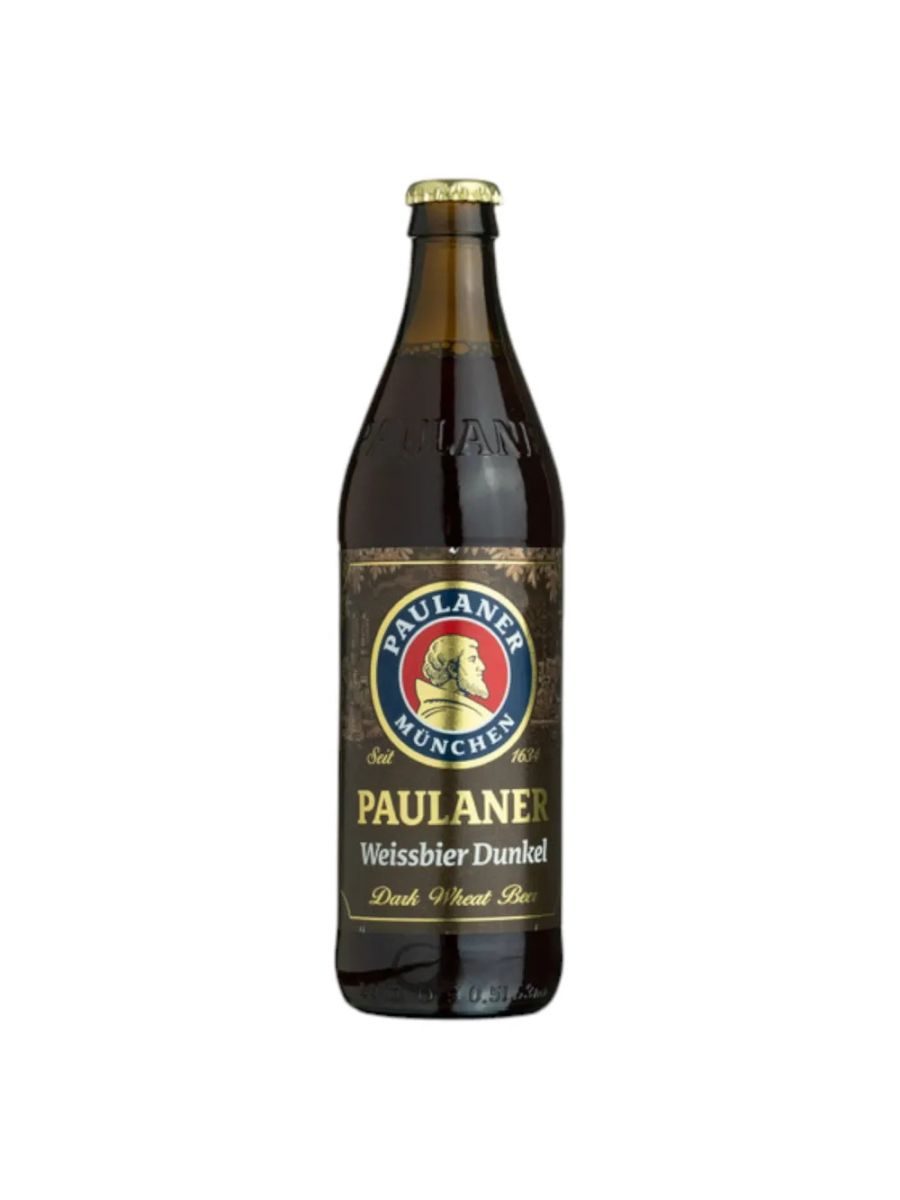
Paulaner Weissbier Dunkel
Brewed by Paulaner Brauerei
wheat malt with a high share of Munich malt: chocolate, banana, tropical fruit, toast.
BAR NOTES
A generous portion of Munich malt gives Paulaner Dunkel cocoa, toast, and deep bread flavors without erasing its fruity weissbier yeast. The contrast between dark malt and lively carbonation makes it unusually food-friendly.
Serve around 48–52°F in a wheat glass. Roast meats, sausages, mushrooms, and aged cheese match the malt, while tropical fruit notes brighten the plate.
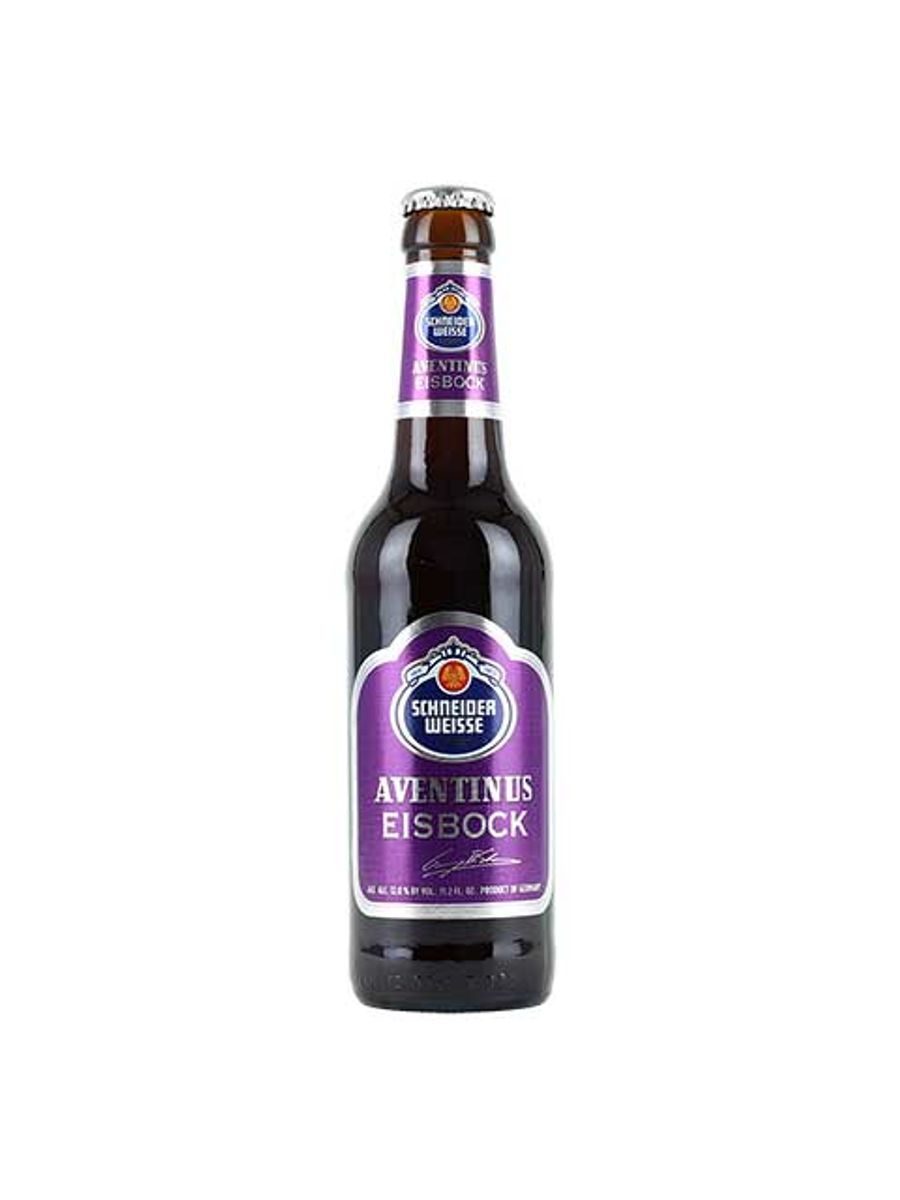
Schneider Weisse Aventinus Eisbock
Brewed by G. Schneider & Sohn
freeze-concentrated wheat doppelbock: plum, raisin, banana, chocolate.
BAR NOTES
Aventinus Eisbock concentrates a wheat doppelbock by partially freezing it and removing ice, intensifying alcohol, malt, and fruit. It is a small-pour meditation beer, with raisin, plum, banana, and chocolate layered densely.
Serve 52–58°F in a small tulip, not a full wheat glass. Blue cheese, fruitcake, dark chocolate, or slow sipping after dinner can absorb its considerable strength.
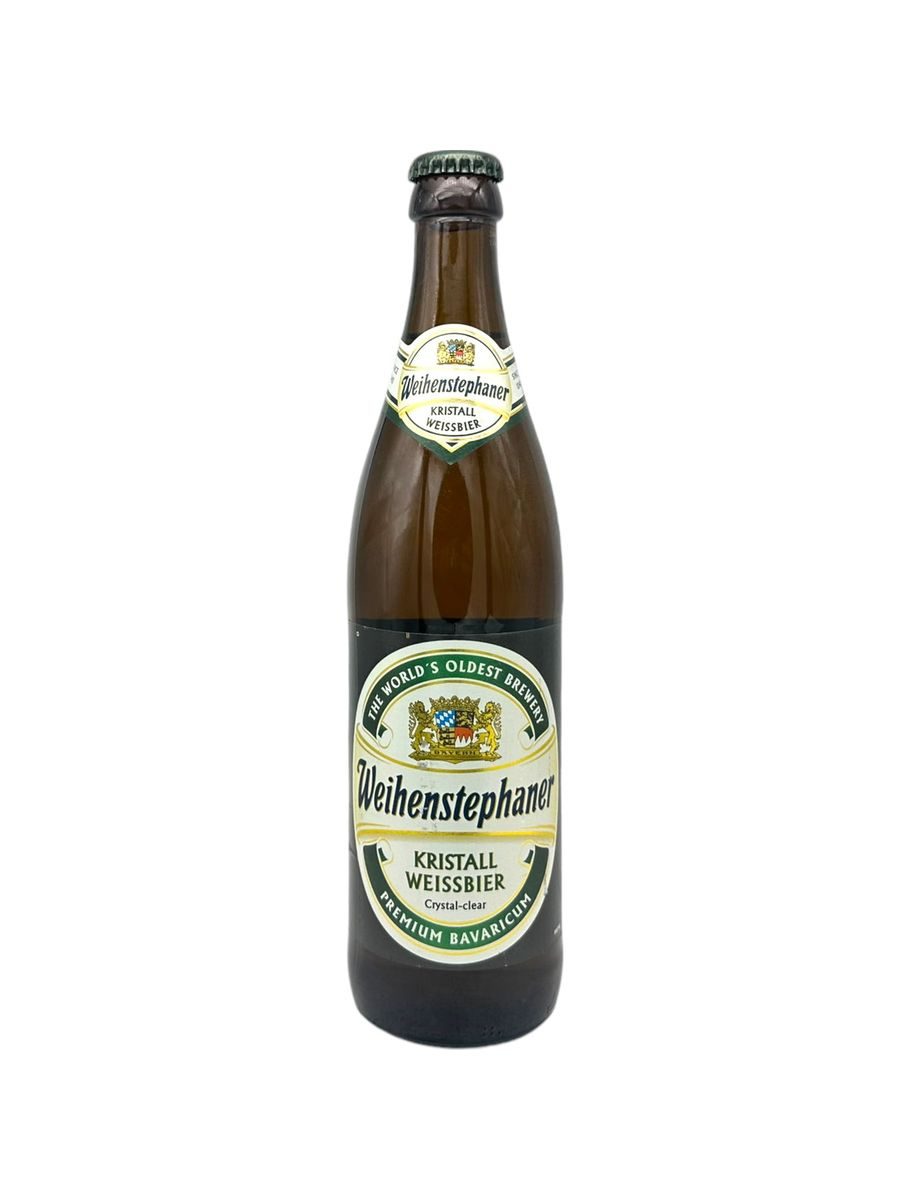
Weihenstephaner Kristallweissbier
Brewed by Bayerische Staatsbrauerei Weihenstephan
filtered wheat beer: citrus, banana, clove, brisk grain.
BAR NOTES
Filtering removes the yeast haze but not the style’s wheat base or fermentation signature. Weihenstephaner’s Kristall shows the tradeoff clearly: less creamy and yeasty, but exceptionally bright, sparkling, and aperitif-like.
Serve at 41–45°F in a tall clean glass. Seafood, white fish, light salads, and fresh cheese reward its clarity and brisk carbonation; do not look for sediment to rouse.
Brewed by Bierbrouwerij De Koningshoeven wheat ale brewed under Trappist supervision: citrus, clove, soft malt, gentle tartness.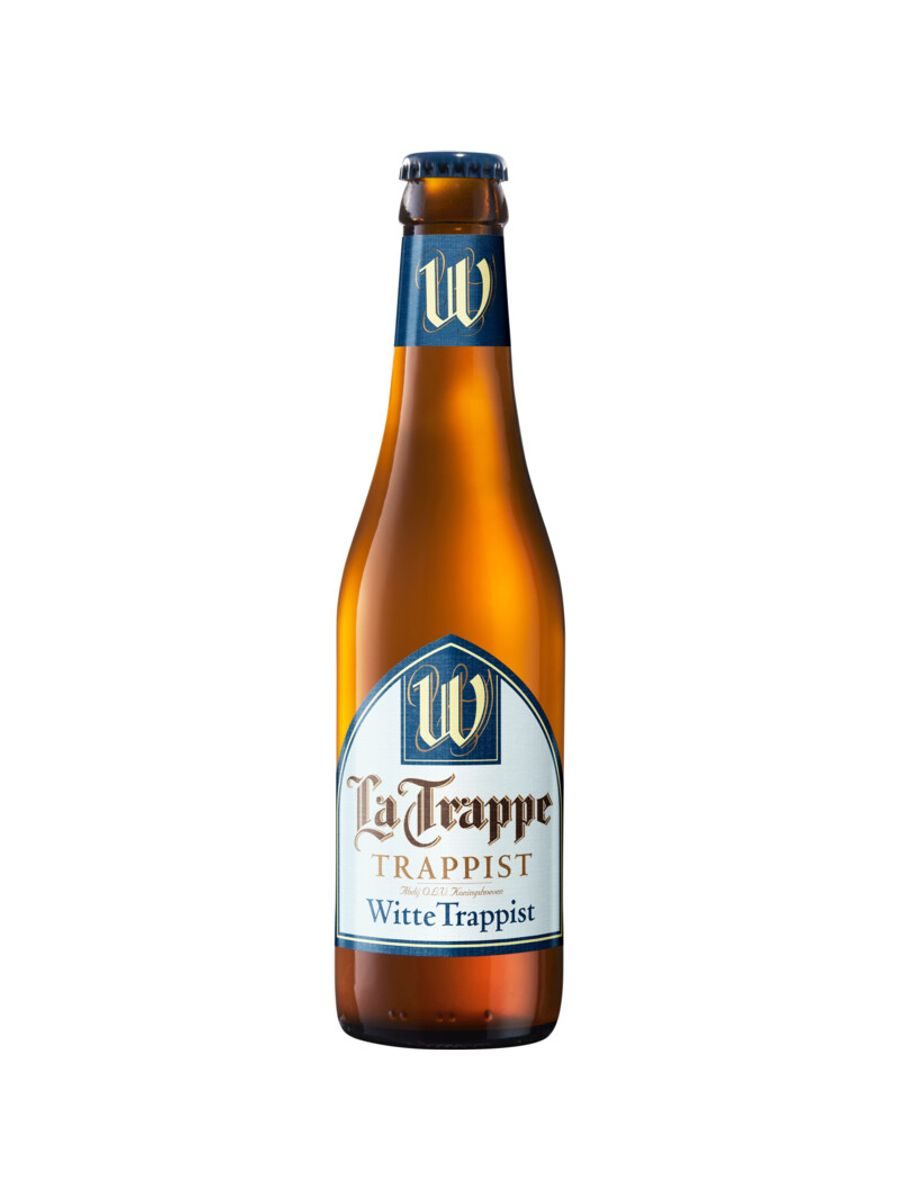
La Trappe Witte Trappist
BAR NOTES
La Trappe makes the rare Trappist witbier, combining monastic production standards with a pale, cloudy, gently tart wheat beer. The profile is less overtly spiced than many Belgian whites and emphasizes yeast and soft malt.
Serve at 42–46°F in a chalice or tulip. Shellfish, goat cheese, salads, and roast chicken suit its gentle acidity and lively carbonation.
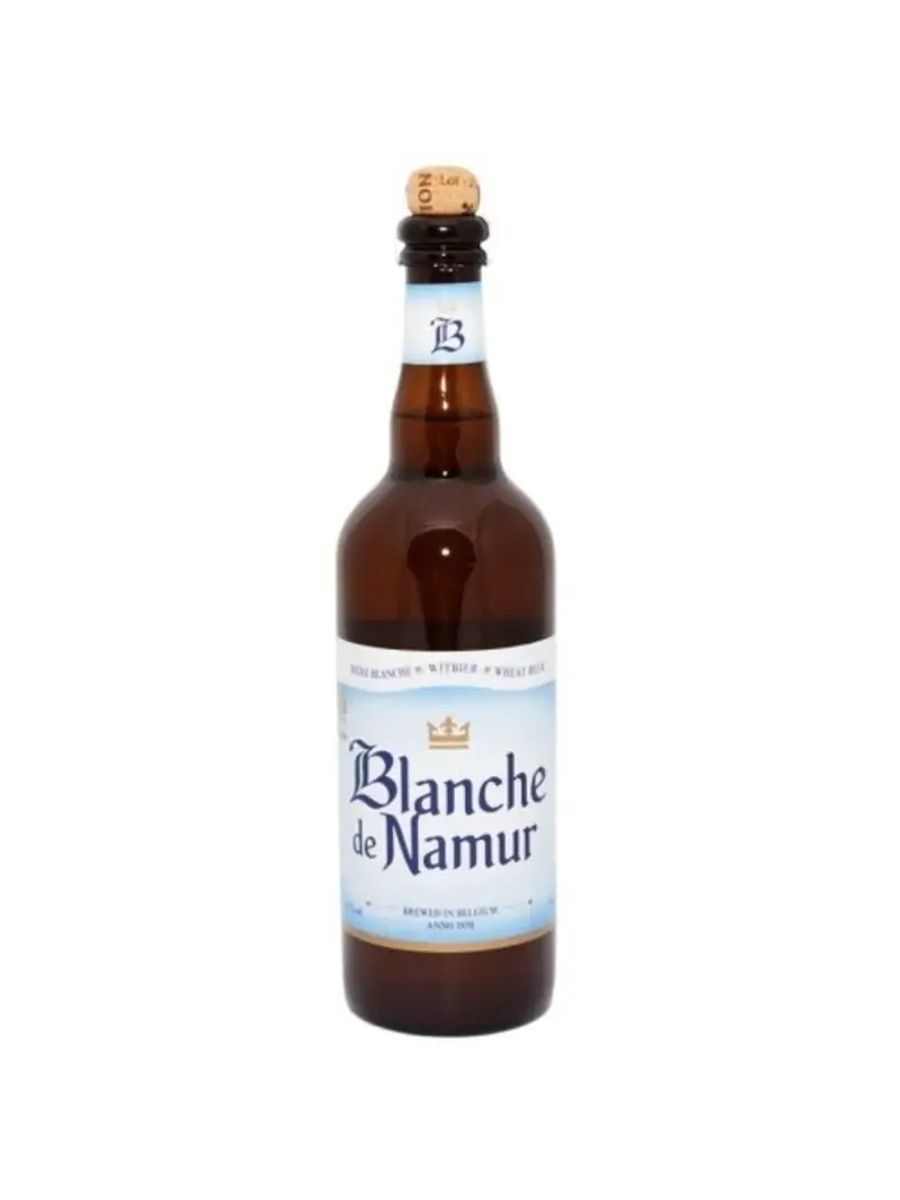
Blanche de Namur
Brewed by Brasserie du Bocq
unmalted wheat with orange peel and coriander: lemon, orange peel, coriander, wheat.
BAR NOTES
Blanche de Namur is a delicate Wallonian witbier whose modest strength, lemony aroma, and restrained coriander make it exceptionally refreshing. It demonstrates that the style gains elegance when spice remains quieter than fermentation and grain.
Pour at 40–44°F in a tulip. Mussels, chèvre, salads, sushi, and grilled white fish all benefit from the citrus, soft wheat, and dry close.
Follow Wheat Beer From Cloudy Classics to the Brew Kettle
Follow wheat beer into Belgian, fruit-led and farmhouse territory, or start a brew day with one of the classic wheat-beer recipes.
DRINK DEEPER

better beer.


