Wood-Aged Beer: Oak, Toast, Tannin & Time
Wood-Aged Beer focuses on the flavor of wood and time without obvious alcohol character from a barrel’s previous use. Think oak, vanilla, toast, coconut, spice, tannin, and gentle oxidation—not a stout that tastes unmistakably of bourbon.
The distinction is sensory rather than logistical. A reused barrel can work if its former contents no longer contribute. A fresh bourbon barrel cannot be treated as neutral simply because the brewer wants to emphasize the oak.
What the wood should contribute
American oak tends to express more vanilla and coconut, while French oak often feels tighter, spicier, and more tannic. Toasted wood can add caramel, bread crust, nuts, coffee, cocoa, or butterscotch. Raw wood tastes green and lumber-like when extraction goes too far.
The wood must support the declared base. Strong ale, porter, stout, barleywine, and other full beers have enough malt and alcohol to absorb a large oak contribution. Pale or delicate beer needs a lighter touch because tannin and vanilla become obvious quickly.
Barrels, foeders, and alternatives
Small barrels extract quickly because more beer touches wood, but they also admit oxygen faster. Large foeders change beer more slowly and can host long-running cultures. Cubes, spirals, chips, and staves offer control without the cost or maintenance of a barrel.
Wood products do not reproduce every feature of a cask. They supply extractable flavor but not the same headspace, oxygen transfer, resident microbiology, or previous-use history. That can be an advantage when the goal is clean, repeatable oak.
Knowing when to stop
Taste on a schedule. Early samples may seem disjointed, then round into balance before tannin, oxidation, or raw wood takes over. Aging longer is not automatically aging better.
After packaging, the beer continues to change. Strong examples can develop dried fruit and sherry notes, but delicate wood aromatics fade. Store bottles cool and dark, then compare dates rather than assuming the oldest bottle wins.
Two wood-aged reference points
Yorkshire Stingo
Brewed by Samuel Smith Old Brewery
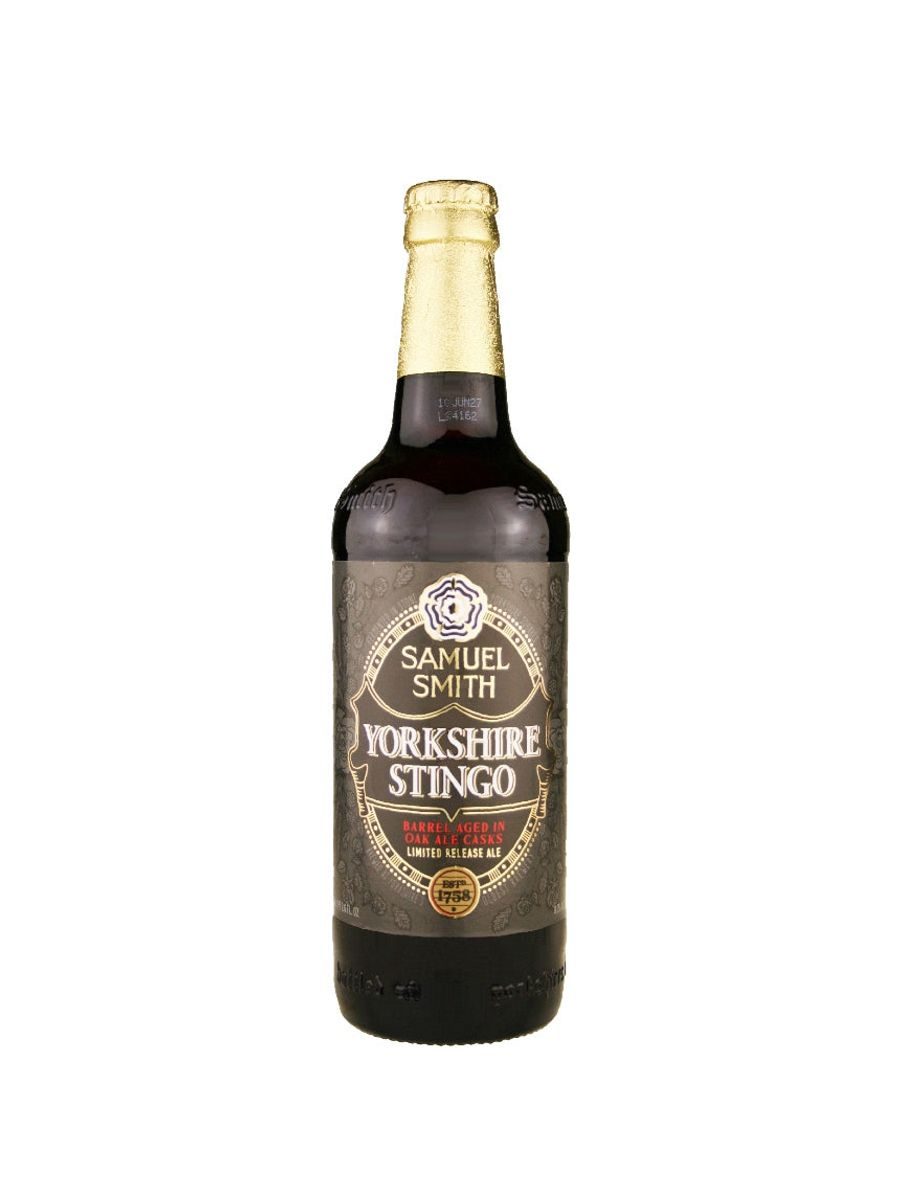
Yorkshire Stingo develops dried fruit, toffee, leather, vanilla, and firm oak during more than a year in the brewery’s old ale casks. The wood deepens the strong ale without adding bourbon or wine.
BAR NOTES
Yorkshire Stingo develops dried fruit, toffee, leather, vanilla, and firm oak during more than a year in the brewery’s old ale casks. The wood deepens the strong ale without adding bourbon or wine.
Serve it around cellar temperature in a small tulip. Its restrained carbonation and long malt finish suit aged cheddar, roast beef, fruitcake, or a quiet comparison with an unaged English strong ale.
Petrus Aged Pale
Brewed by Brouwerij De Brabandere
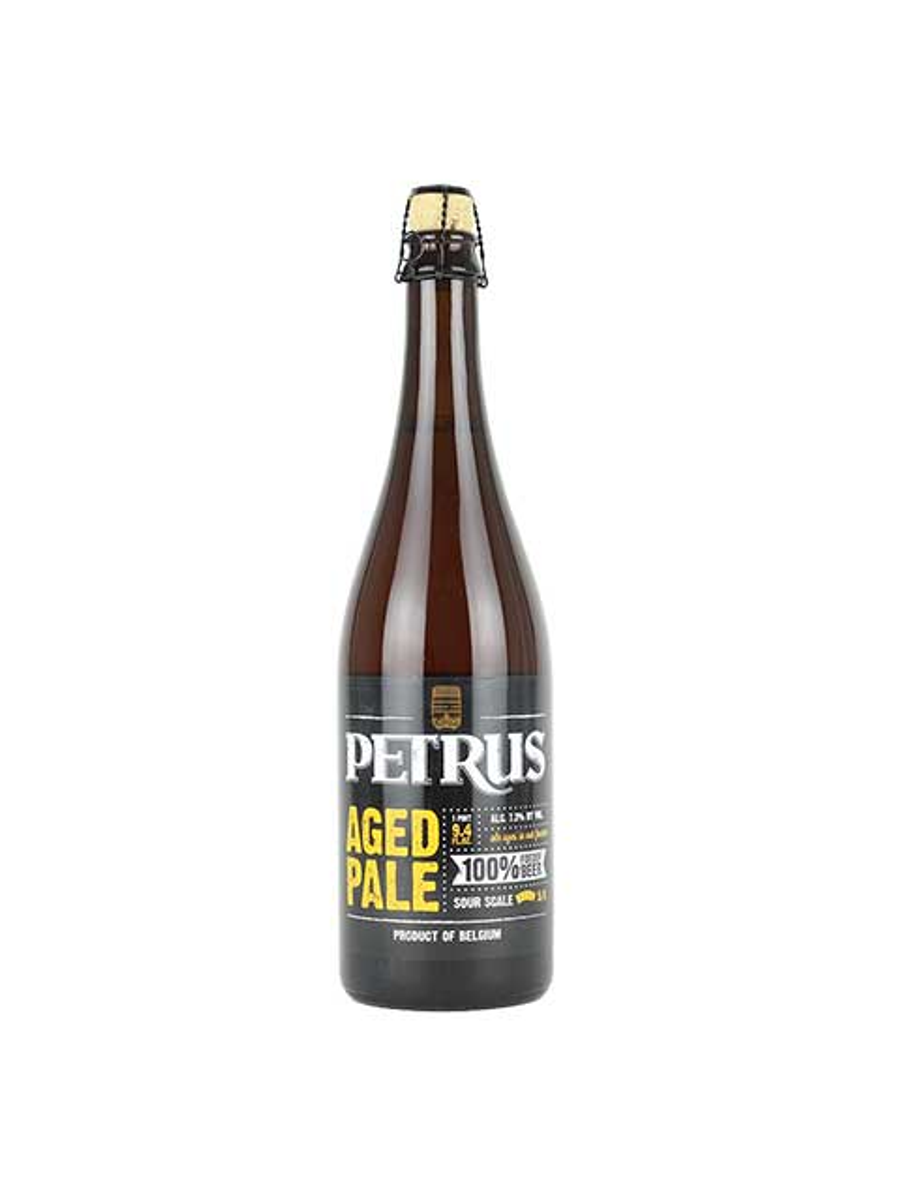
Petrus Aged Pale spends two years in large oak foeders, developing lemony acidity, orchard fruit, tannin, and a dry, vinous finish. The vessel supplies both wood influence and a home for its mature culture.
BAR NOTES
Petrus Aged Pale spends two years in large oak foeders, developing lemony acidity, orchard fruit, tannin, and a dry, vinous finish. The vessel supplies both wood influence and a home for its mature culture.
It is an instructive edge case because wood aging is inseparable from its sour profile. Taste it cool in a tulip with goat cheese, mussels, or a rich dish that benefits from cutting acidity.
Keep Exploring Wood-Aged Beer
Compare clean wood character with spirit-barrel influence, then explore related barrel-aged styles.