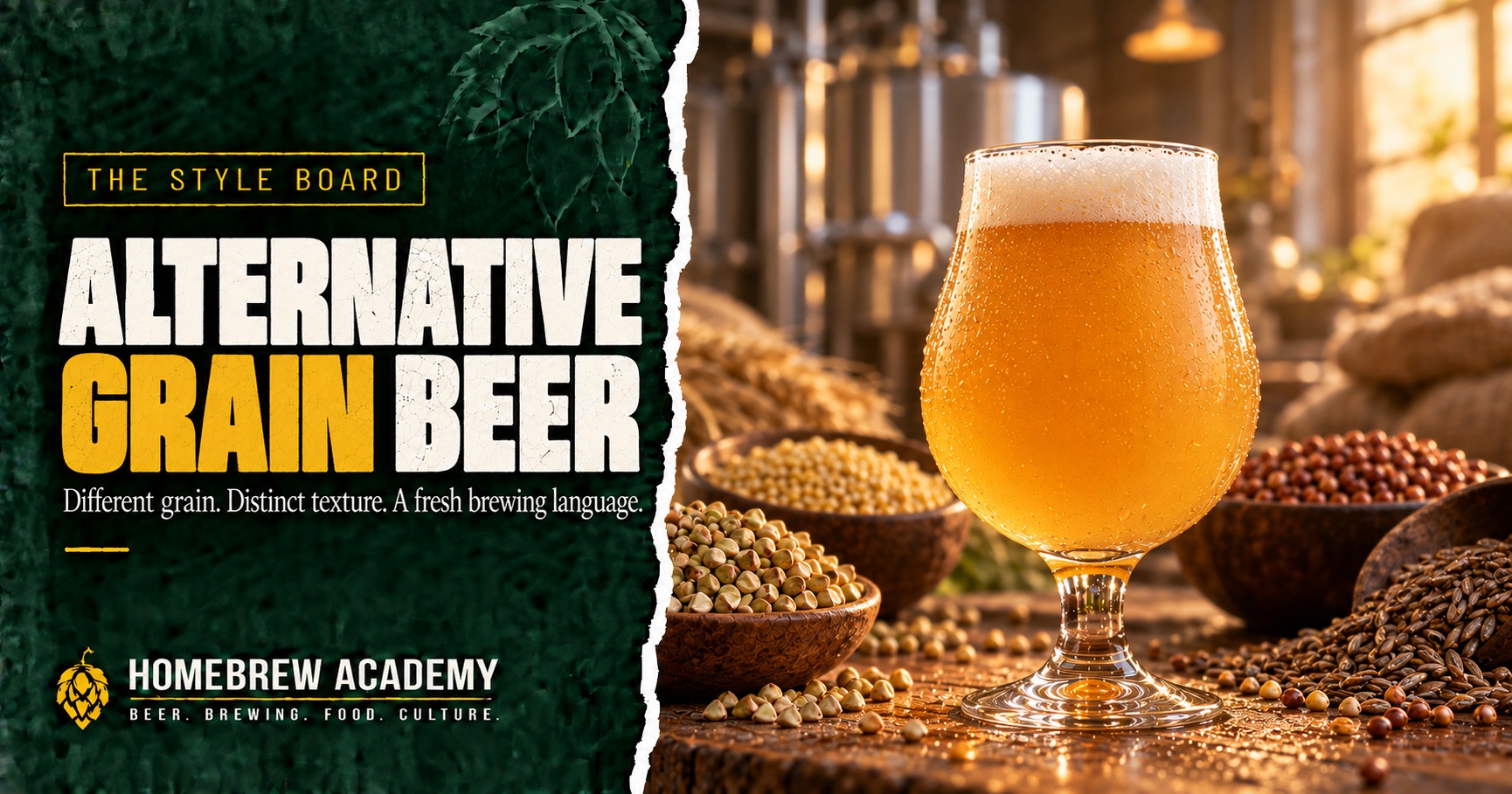
Alternative Grain Beer: Millet, Rice, Sorghum & More
Alternative grain beer is defined by what an unusual grain contributes to the glass. That contribution might be nutty buckwheat, fruity sorghum, crisp rice, earthy millet, a vivid color, or a texture that conventional barley malt would not produce on its own.
Simply using an adjunct is not enough. Many established beer styles use corn or rice for a lighter body and clean finish. The specialty designation becomes useful when the grain is named, perceptible, and central to the brewer’s intent.
Grains and pseudocereals
Millet can be mild, toasted, or nutty. Sorghum often brings fruit and a slightly tangy finish. Buckwheat is earthy and robust despite being a pseudocereal rather than true wheat. Rice ranges from nearly neutral to red-fruited, floral, or sake-like depending on variety and process.
Quinoa and amaranth can add herbal, peppery, or seed-like flavors. Oats and rye are not automatically “alternative” because they belong to established styles; they fit here only when used in an unusual way that defines a specialty beer.
Mash and lautering challenges
Barley malt supplies enzymes and husk material that make conventional brewing straightforward. Alternative grains may lack one or both. Gelatinization temperature, crush, malting, cereal cooking, added enzymes, and rice hulls all influence whether starch becomes fermentable sugar and whether the mash drains successfully.
Small test batches are valuable because raw grain, malted grain, flakes, and syrup can taste very different. The best process preserves the character a brewer actually wants rather than forcing every ingredient through the same mash schedule.
Gluten-free requires more than grain choice
Rice, millet, sorghum, buckwheat, quinoa, and amaranth are naturally gluten-free, but beer made with them is not automatically safe for every gluten-sensitive drinker. Barley additions, shared equipment, yeast handling, and packaging lines can introduce gluten.
Look for an appropriate certification or clear producer statement when health is the reason for choosing the beer. “Gluten-reduced” and “brewed without gluten” are also meaningfully different claims.
Three grain-led examples
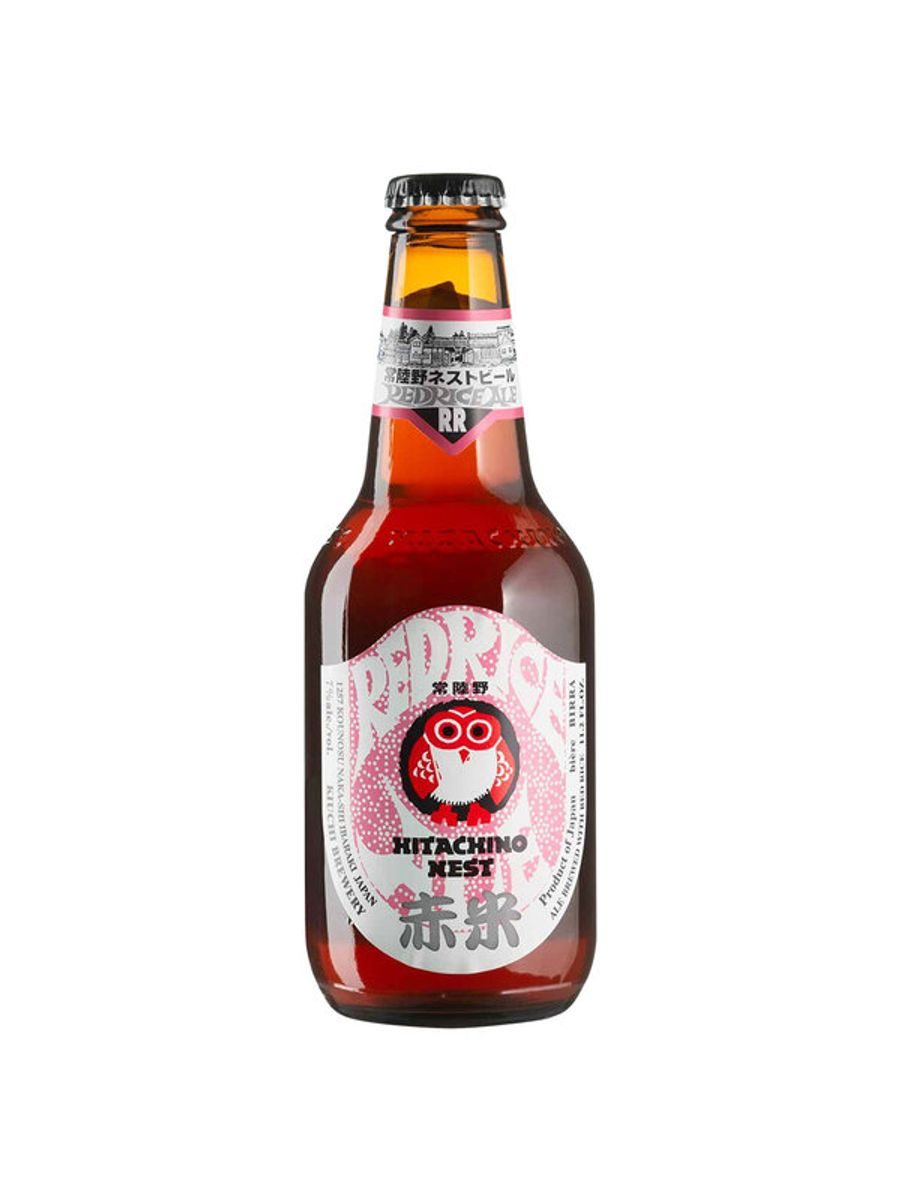
Red Rice Ale
Brewed by Hitachino Nest Beer
Red Rice Ale shows strawberry-like fruit, sake suggestions, soft bread, and light spice from its distinctive rice contribution and fermentation profile.
BAR NOTES
Red Rice Ale shows strawberry-like fruit, sake suggestions, soft bread, and light spice from its distinctive rice contribution and fermentation profile.
Rice is not merely a neutral lightener here; it helps define the aroma, color, and vinous impression. That perceptible role is what makes the beer useful for understanding alternative grain.
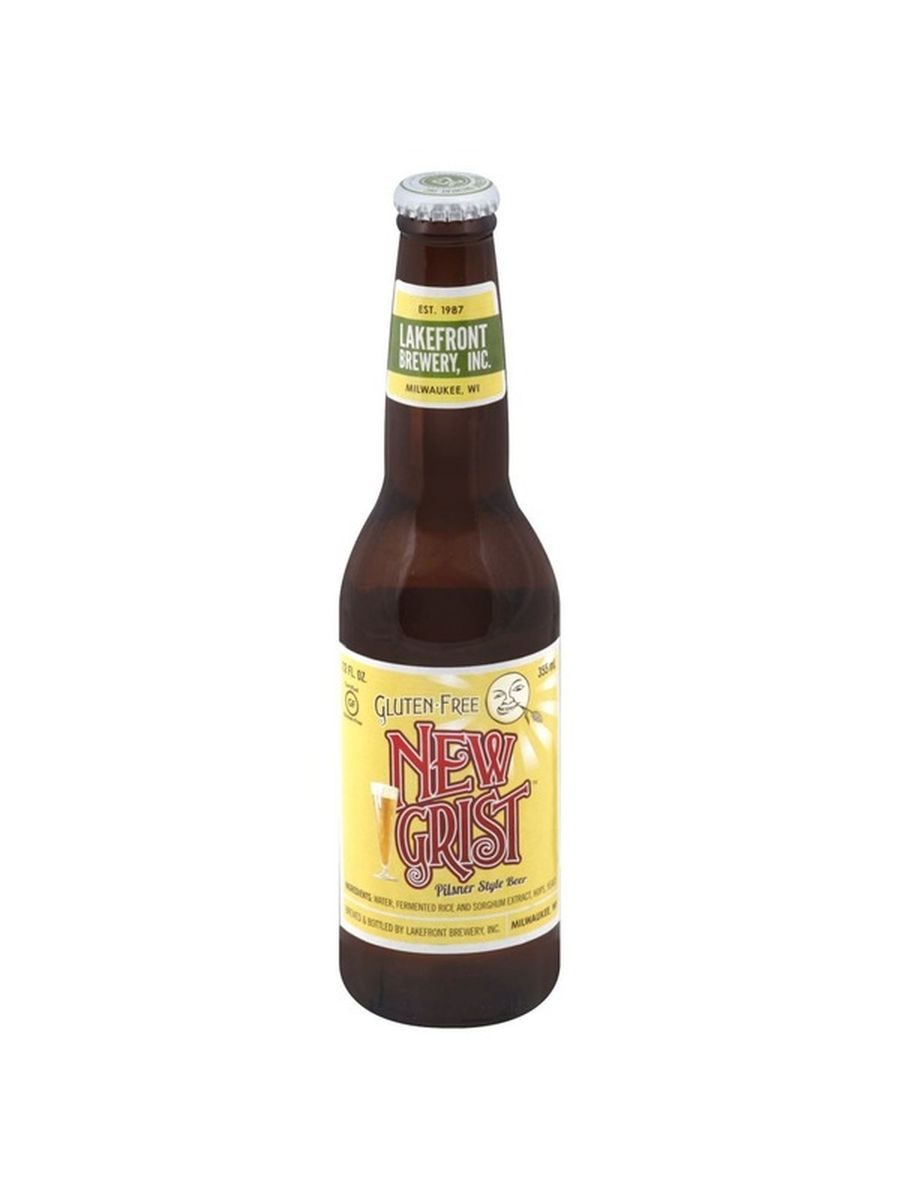
New Grist
Brewed by Lakefront Brewery
New Grist uses rice and sorghum to create a light, crisp beer with rice-cracker grain, gentle fruit, lemon, herbs, and a dry close.
BAR NOTES
New Grist uses rice and sorghum to create a light, crisp beer with rice-cracker grain, gentle fruit, lemon, herbs, and a dry close.
It also illustrates an important distinction: alternative grain and gluten-free often overlap, but they are not synonyms. Ingredient sourcing and cross-contact still matter for anyone avoiding gluten.
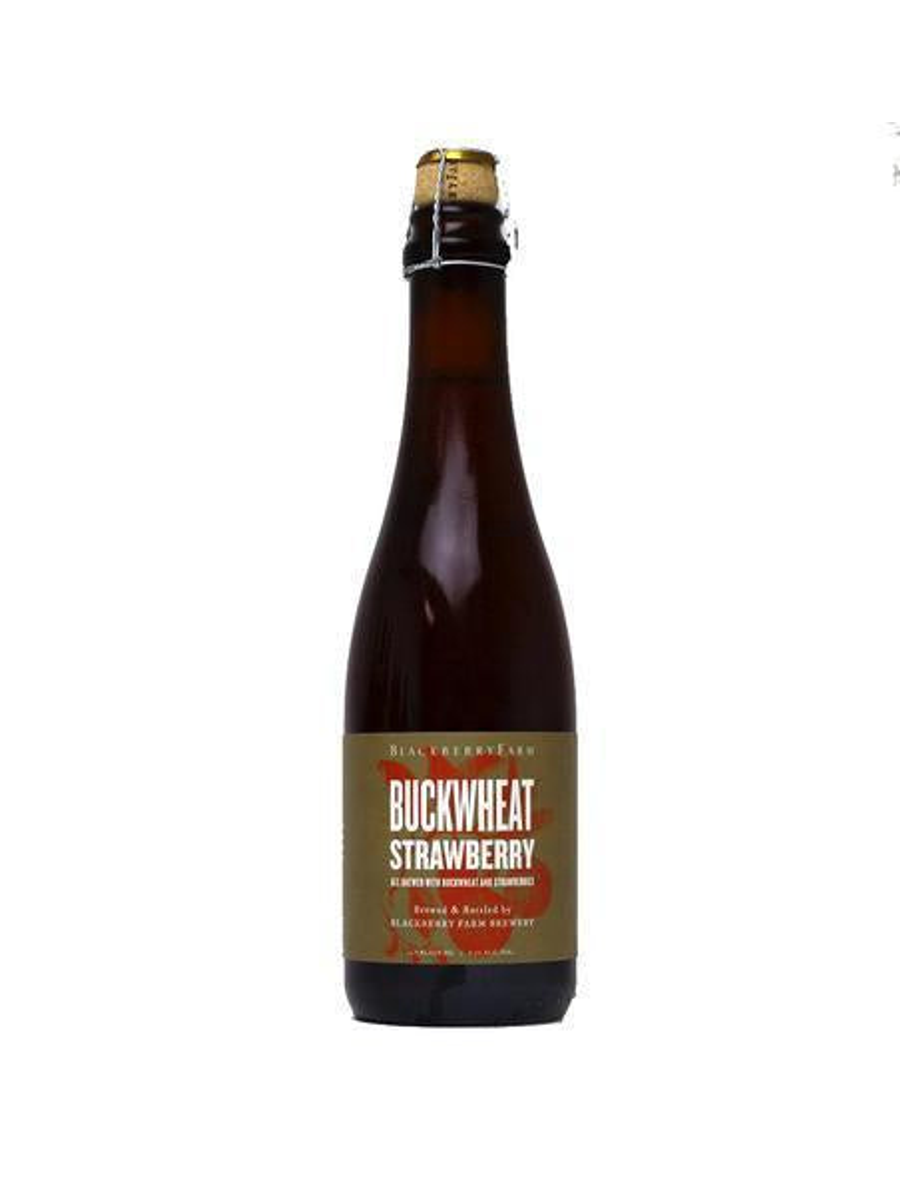
Buckwheat Strawberry Saison
Brewed by Blackberry Farm Brewery
Buckwheat Strawberry Saison joins earthy, nutty grain character with strawberry and peppery farmhouse fermentation. The grain adds identity rather than simply replacing barley.
BAR NOTES
Buckwheat Strawberry Saison joins earthy, nutty grain character with strawberry and peppery farmhouse fermentation. The grain adds identity rather than simply replacing barley.
The fruit makes the buckwheat easier to read by contrasting its rustic flavor. It also shows how an alternative-grain beer can legitimately overlap another specialty category.
Keep Exploring Alternative Fermentables
Compare grain-led and sugar-led specialty beers, then dig into ingredients that change both fermentation and flavor.