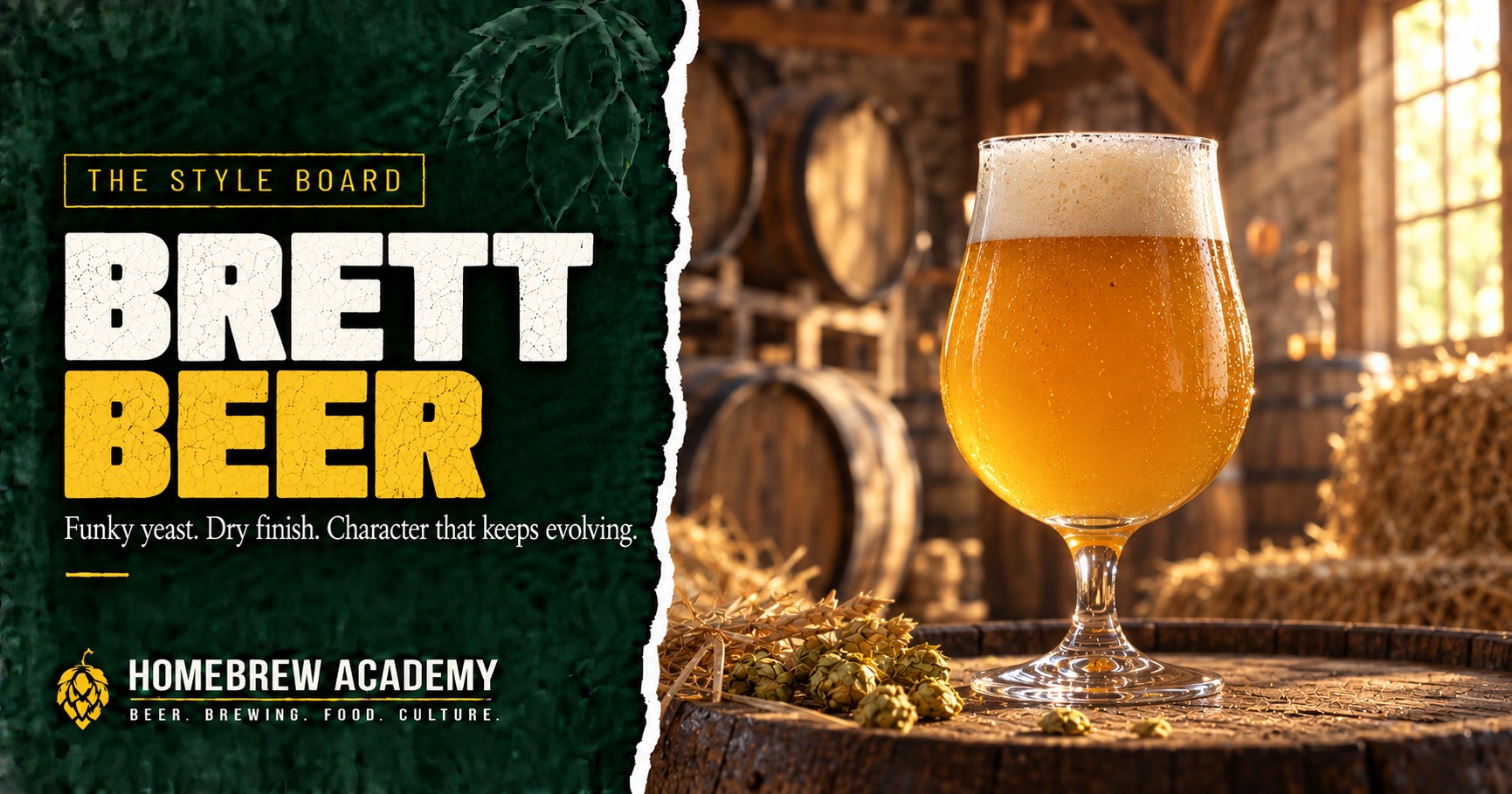
Brett Beer: 10-Beer Comparison Flight and Style Guide
Brett beer is defined by the work of Brettanomyces, not by a required level of sourness. The yeast can ferment sugars that ordinary brewing yeast leaves behind, gradually drying the beer and producing aromas that range from pineapple and citrus to leather, hay, earth, herbs, and cellar.
Used well, Brett creates precision as often as funk. The beer may be pale or dark, hoppy or malt-led, young and fruity or aged and earthy. What matters is that its evolving fermentation character works with the base style.
Brett beer at a glance
| Fermentation | Brett as primary yeast, secondary culture, or bottle-conditioning organism |
|---|---|
| Acidity | Low to noticeable; sourness is not required |
| Bitterness | Determined by the base beer |
| Color | Any color appropriate to the base style |
| Alcohol | Often 4–10% ABV, but not fixed |
Brettanomyces is not a souring bacterium
Brett can produce small amounts of acid under some conditions, but Lactobacillus, Pediococcus, and other bacteria drive most pronounced sourness in mixed-culture beer. A cleanly made Brett beer can be bone-dry and intensely aromatic without tasting sharply acidic.
That distinction matters when buying and brewing. If the label promises only Brett, expect fermentation character and dryness first. If bacteria, fruit, and barrels are also involved, the beer may belong just as naturally under mixed fermentation or wild specialty beer.
How Brett changes with time
Young Brett often expresses bright fruit—pineapple, mango, citrus, pear, or stone fruit. With oxygen exposure and maturation, the profile can move toward leather, hay, tobacco, earth, and dried herbs. The exact direction depends on strain, wort, hops, temperature, oxygen, and packaging.
Time does not automatically improve every bottle. Hop-driven examples may lose their best aroma before secondary fermentation becomes more complex. Cellar only when the beer has enough structure, packaging integrity, and fermentation potential to reward it.
Ten Brett Beer references and comparisons
Orval and Sanctification provide direct Brett references: secondary fermentation in Orval and primary Brett fermentation in Sanctification. Six mixed or spontaneous beers compare Brett alongside bacteria, acidity and wood. Saison Dupont and Far Yeast White are explicitly Saison controls, not claimed Brett beers. Those eight comparisons help isolate sensory differences rather than supply eight more pure Brett examples.
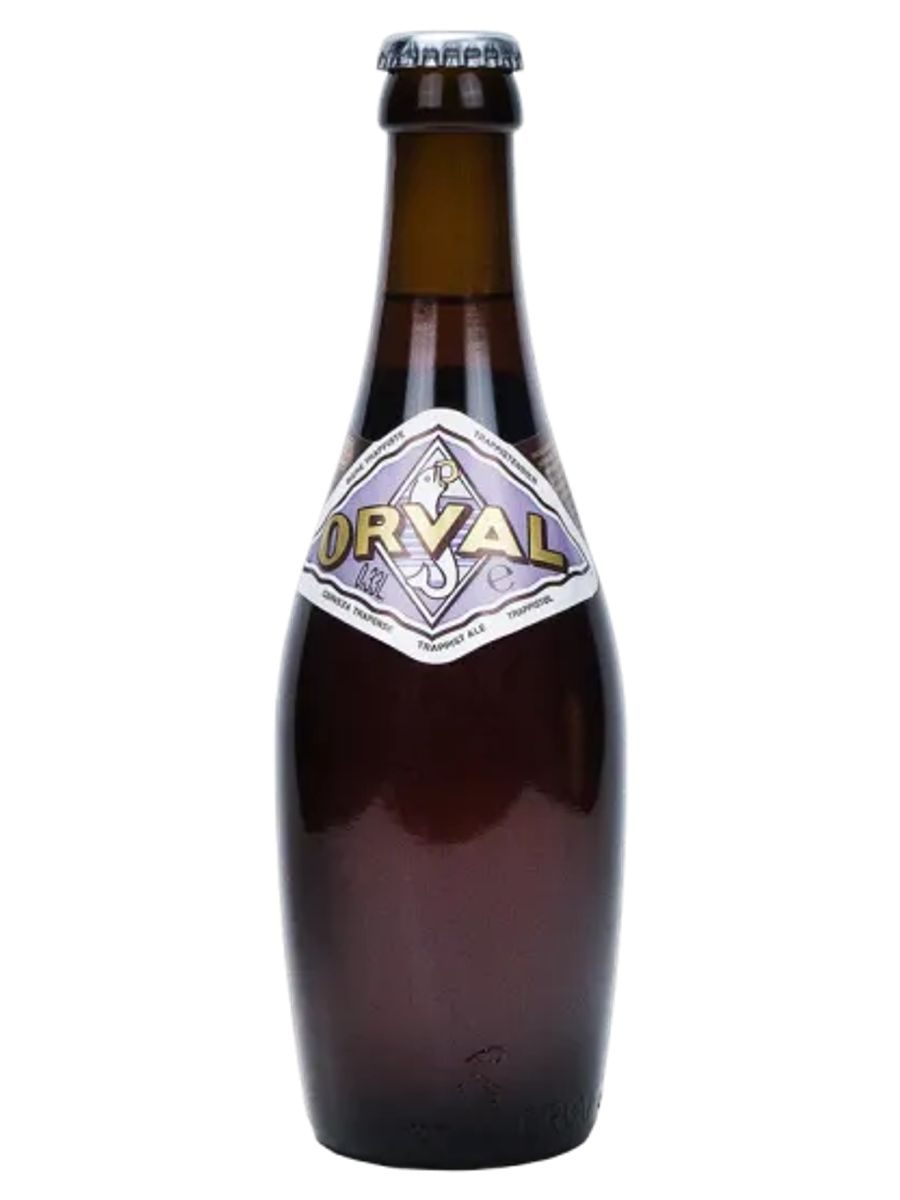
Orval
Brewed by Brasserie d’Orval
Dry hopping and secondary Brett fermentation.
BAR NOTES
Orval is a Belgian Trappist reference with pale and caramel malt, dry hopping and Brettanomyces added during maturation. The producer describes 6.2% after primary fermentation, then bottle refermentation; its dated bottles let a tasting distinguish fresh hops from later fermentation character.
Orval is the Belgian Brett-conditioned reference, not an American producer. Trappist beer traditions supplies the production context; note the bottling date and compare fresh hop aroma with later yeast character without assuming every aged bottle improves or retains the same balance.
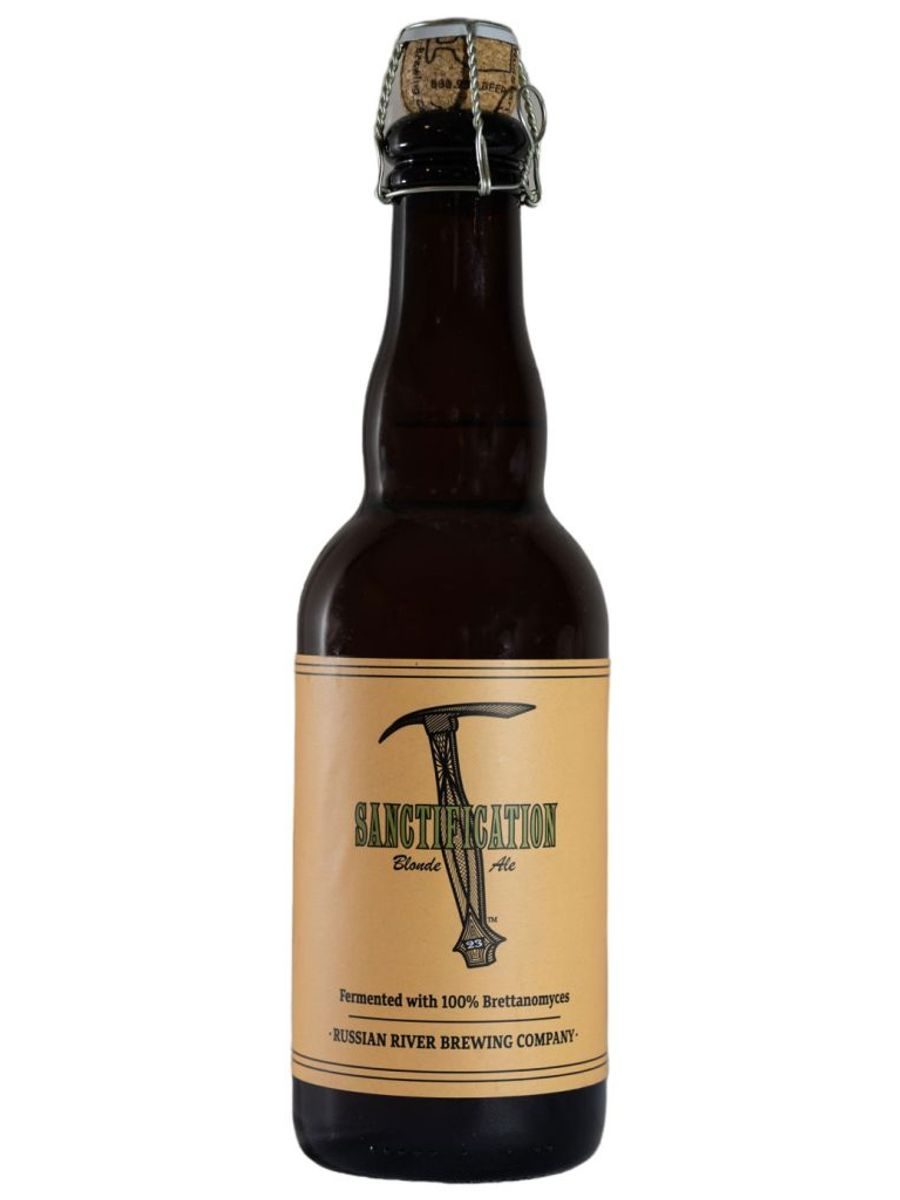
Sanctification
Brewed by Russian River Brewing Company
A lighter American Brett reference.
BAR NOTES
Sanctification uses a golden-ale base recipe with primary fermentation carried out entirely by Brettanomyces. Russian River currently lists 4.75% alcohol and limited-release bottles and draft; its description distinguishes the beer’s tart notes from greater sourness associated with lactic bacteria.
Taste this American primary-Brett beer beside Orval’s secondary-Brett process to separate fermentation method from country. the American Wild Ale family explains the branches; record the lighter strength and tartness without automatically equating Brett with an aggressively bacterial sour beer.
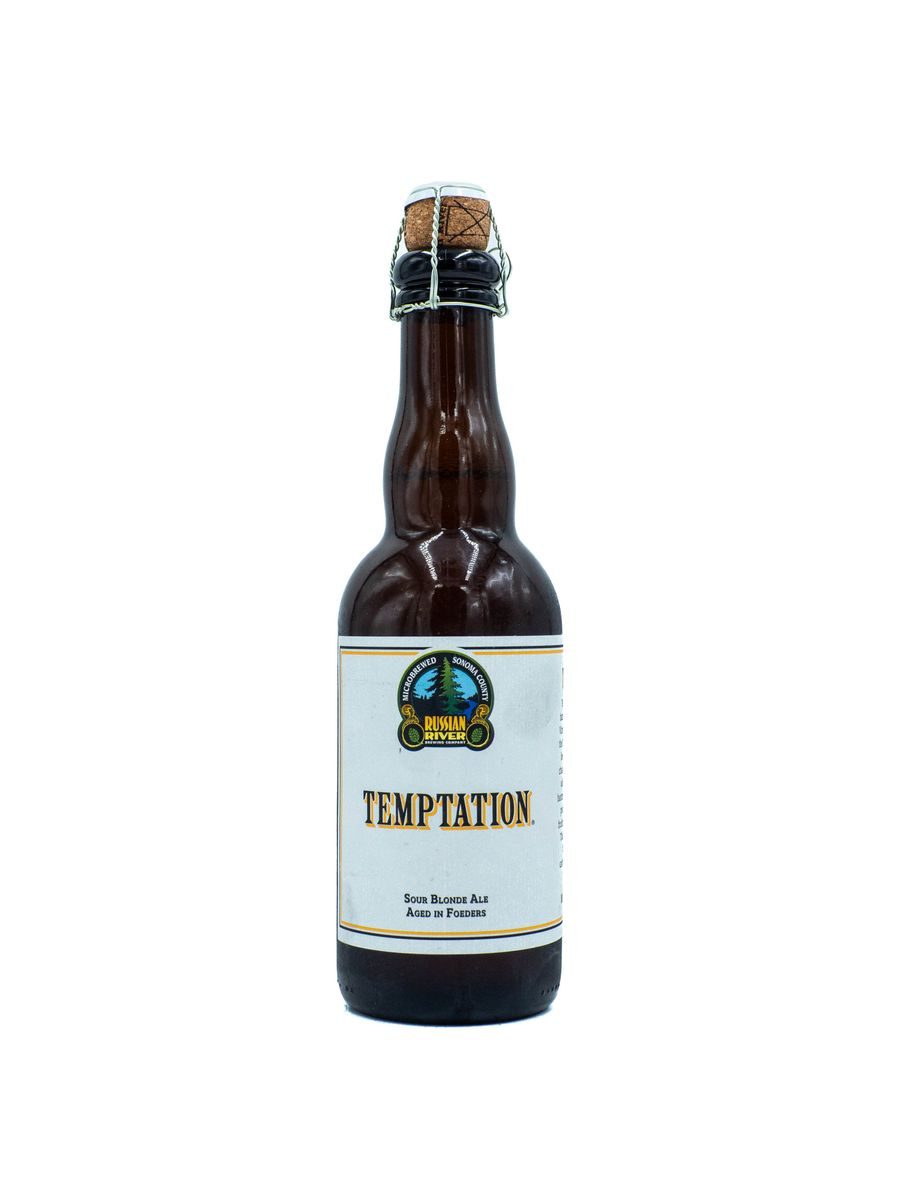
Temptation
Brewed by Russian River Brewing Company
Fruit-like fermentation and subtle oak.
BAR NOTES
Russian River now describes Temptation as aged in large wooden foeders, with Brettanomyces and bacteria added during aging. Its current specification is 5.75%, with natural bottle refermentation; older Chardonnay-barrel descriptions and 7.5% retailer listings describe an earlier version. Check the batch label when comparing bottles.
Temptation is a mixed-culture comparison, included because the producer explicitly adds both Brett and bacteria during aging. Mixed Fermentation is its relevant context; the fuller sour profile should not be used as proof that Brett alone causes the same acidity.
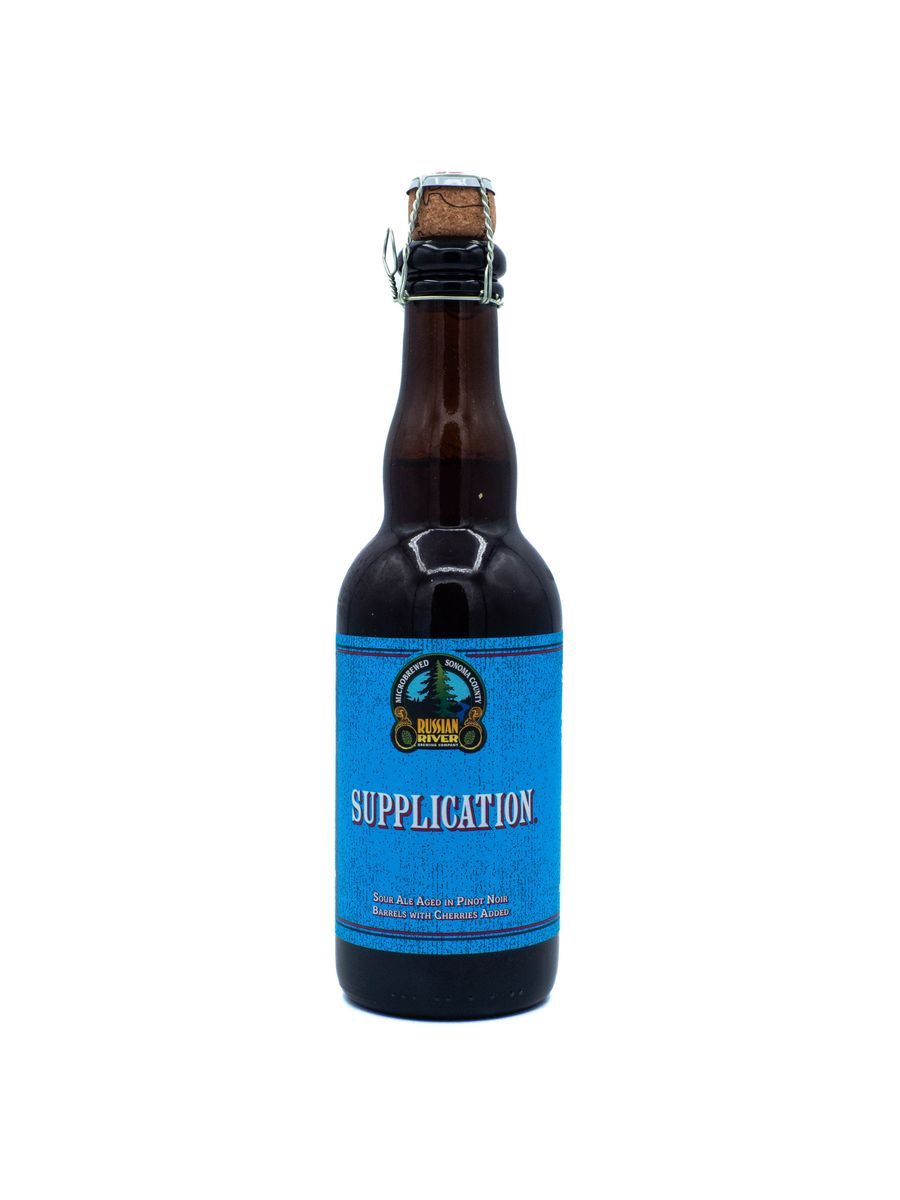
Supplication
Brewed by Russian River Brewing Company
A fruited mixed-culture American reference.
BAR NOTES
Russian River’s current Supplication is 7.75%, a brown ale aged in used Pinot Noir barrels with sour cherries, Brettanomyces and bacteria. Natural bottle refermentation complements the brown-red beer’s cherry, oak and medium sourness; older 7% listings describe a different specification.
The cherry-and-Pinot reference adds bacteria, fruit and used wine barrels alongside Brett. Wild Specialty Beer keeps those additional variables visible; compare fermentation character with the two opening beers without calling every cherry, oak or acidic impression a Brett-derived flavor.
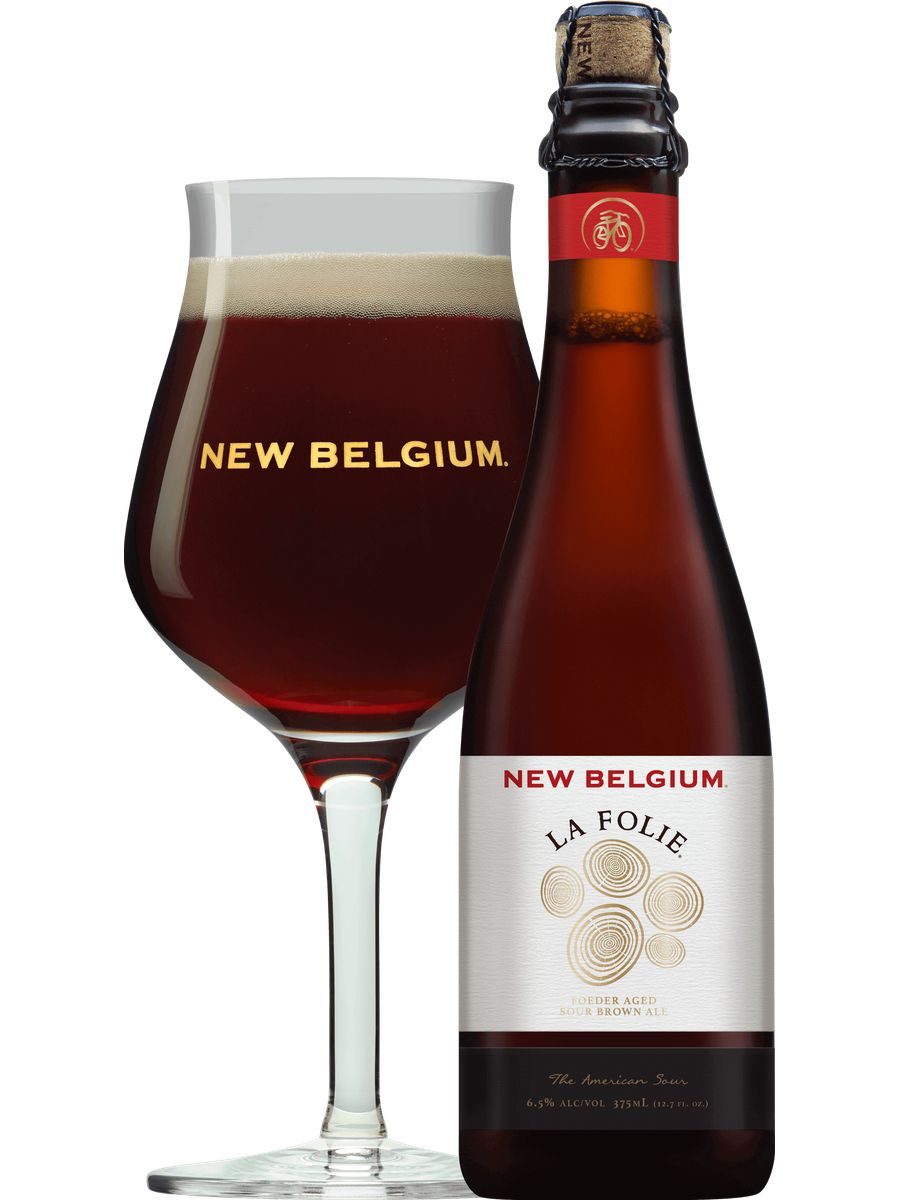
La Folie
Brewed by New Belgium
Sharp green apple, cherry and plum-skin impressions.
BAR NOTES
New Belgium currently lists La Folie at 6.5% and 18 IBU, differing from the older 7.0% card. Its Flanders-style sour brown identity includes several years of maturation in large French oak wine foeders.
La Folie compares a dark American wood-aged sour program with the Brett-focused opening beers. Flanders Red comparisons explains the broader acid-and-wood relationship; the beer’s sharp fruit-like aroma and dark malt are useful controls, not a pure-Brett fermentation claim.
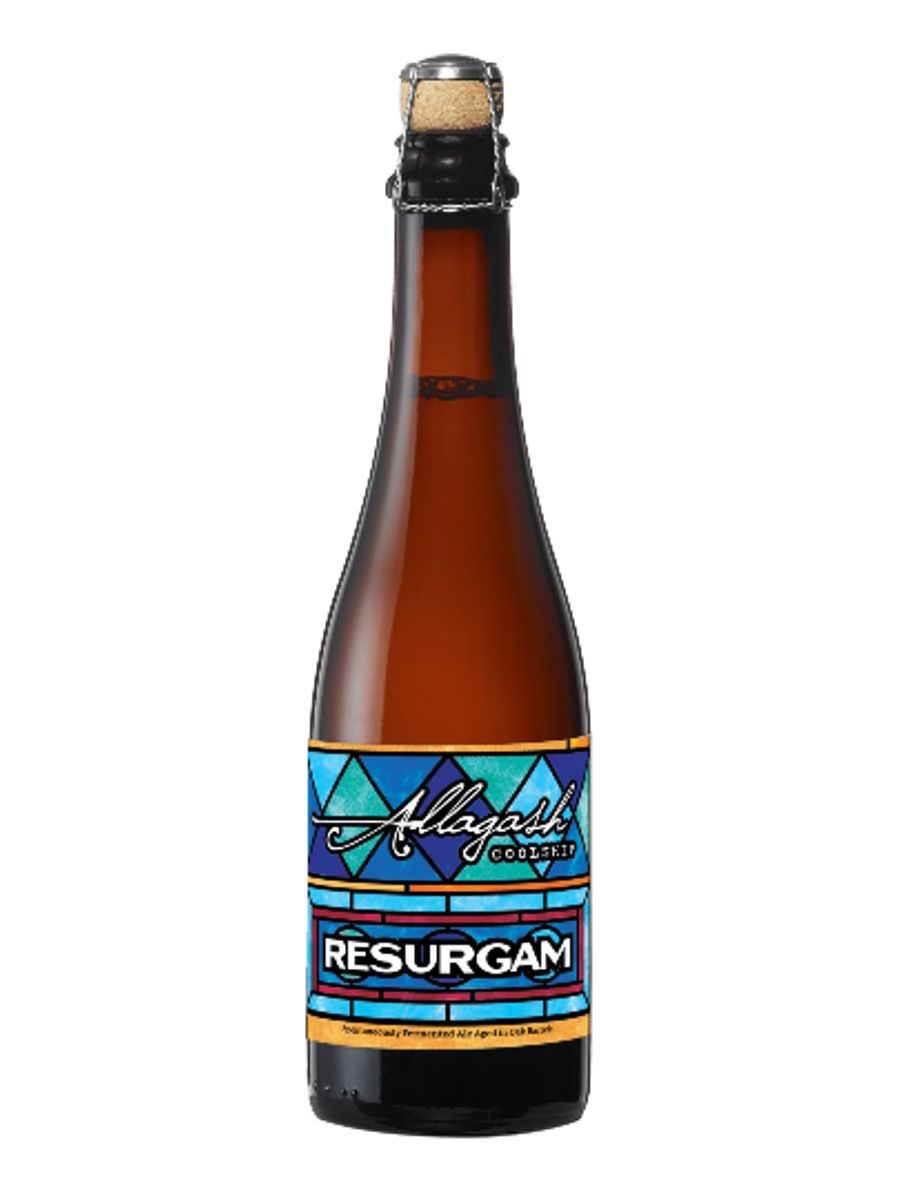
Coolship Resurgam
Brewed by Allagash Brewing Company
A Maine spontaneous reference without added fruit.
BAR NOTES
Coolship Resurgam uses Pilsner malt, raw wheat and aged hops, receiving ambient microorganisms during overnight cooling. Allagash ferments and ages it in French oak wine barrels, then blends one-, two- and three-year beer; the current producer specification is 6.3%.
Spontaneous inoculation brings a community of organisms into this Maine beer, rather than only a controlled Brett addition. Lambic brewing traditions provides the comparison; taste its dry, tart finish while preserving the distinction between one yeast’s role and the whole fermentation process.
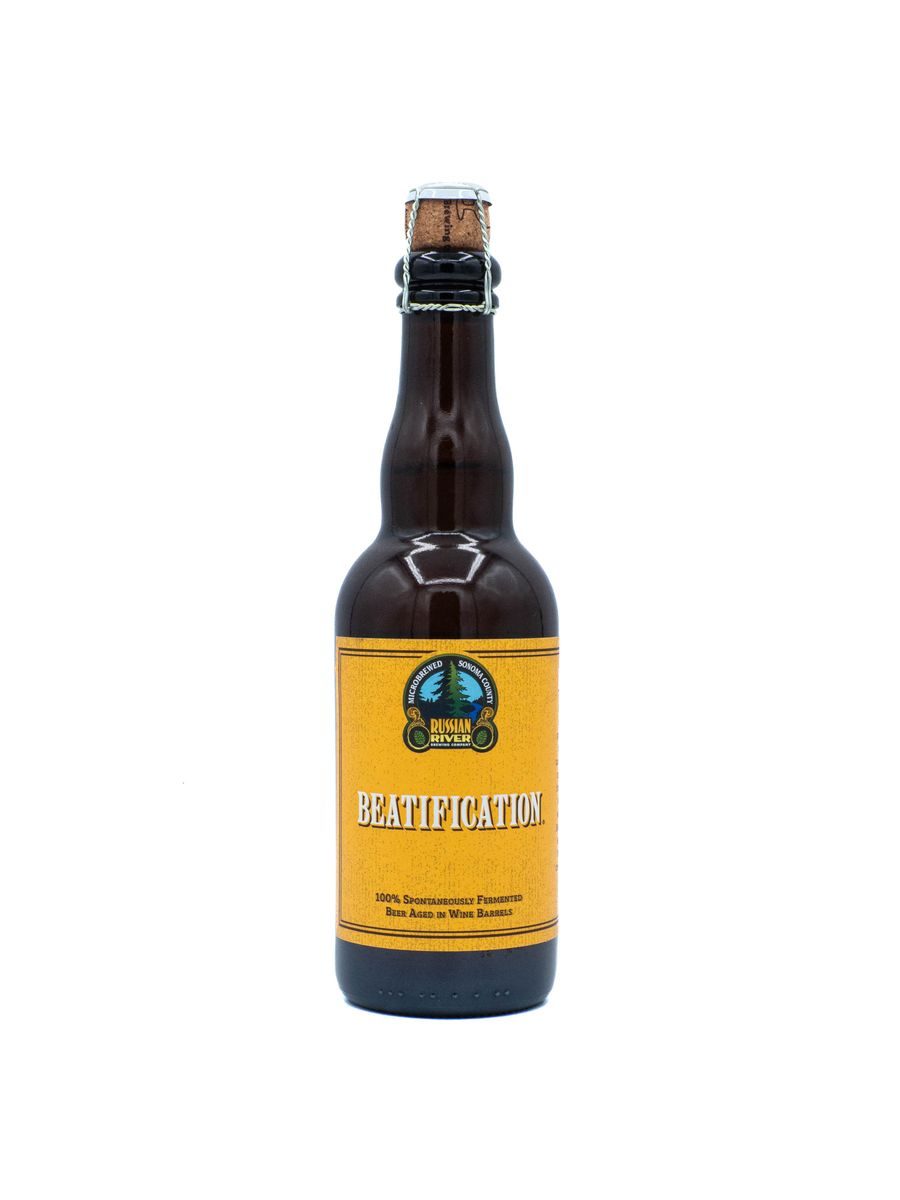
Beatification
Brewed by Russian River Brewing Company
Citrus, earth and a tart finish.
BAR NOTES
Beatification is blended from Russian River’s spontaneously fermented Sonambic beer. Wort rests overnight in a koelschip to receive airborne yeast and bacteria before fermentation and aging in used wine barrels; the current producer lists 6% and natural bottle refermentation.
Beatification adds another spontaneous mixed-community reference with barrel aging and blending. mixed-culture tasting explains the overlap; note earthy fermentation and citrus together, but do not assign every aroma to Brett when the producer’s method also admits airborne bacteria.
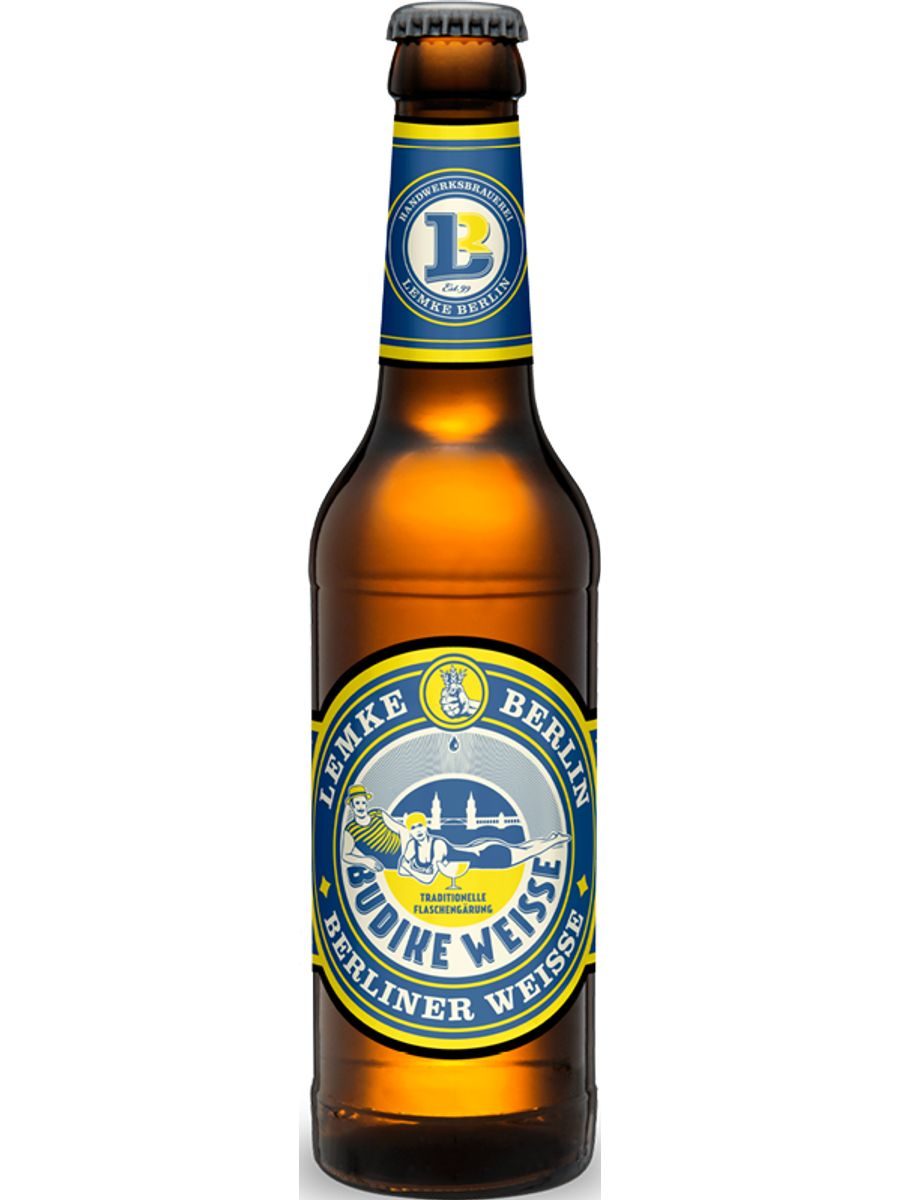
Budike Weisse
Brewed by Lemke Berlin
Fine sparkle, tart apple and a dry wheat-led finish.
BAR NOTES
Budike is Lemke’s plain Berliner Weisse, brewed at 3.5% with Brettanomyces and traditional mixed fermentation. The brewery describes a cider-like apple impression and fine carbonation, giving the flight an unsweetened starting point.
Budike is a lower-strength German Berliner Weisse comparison with documented Brett and mixed fermentation. Berliner Weisse supplies its style identity; the acidity and cider-like fruit demonstrate a different setting for Brett rather than another American Brett-only beer.
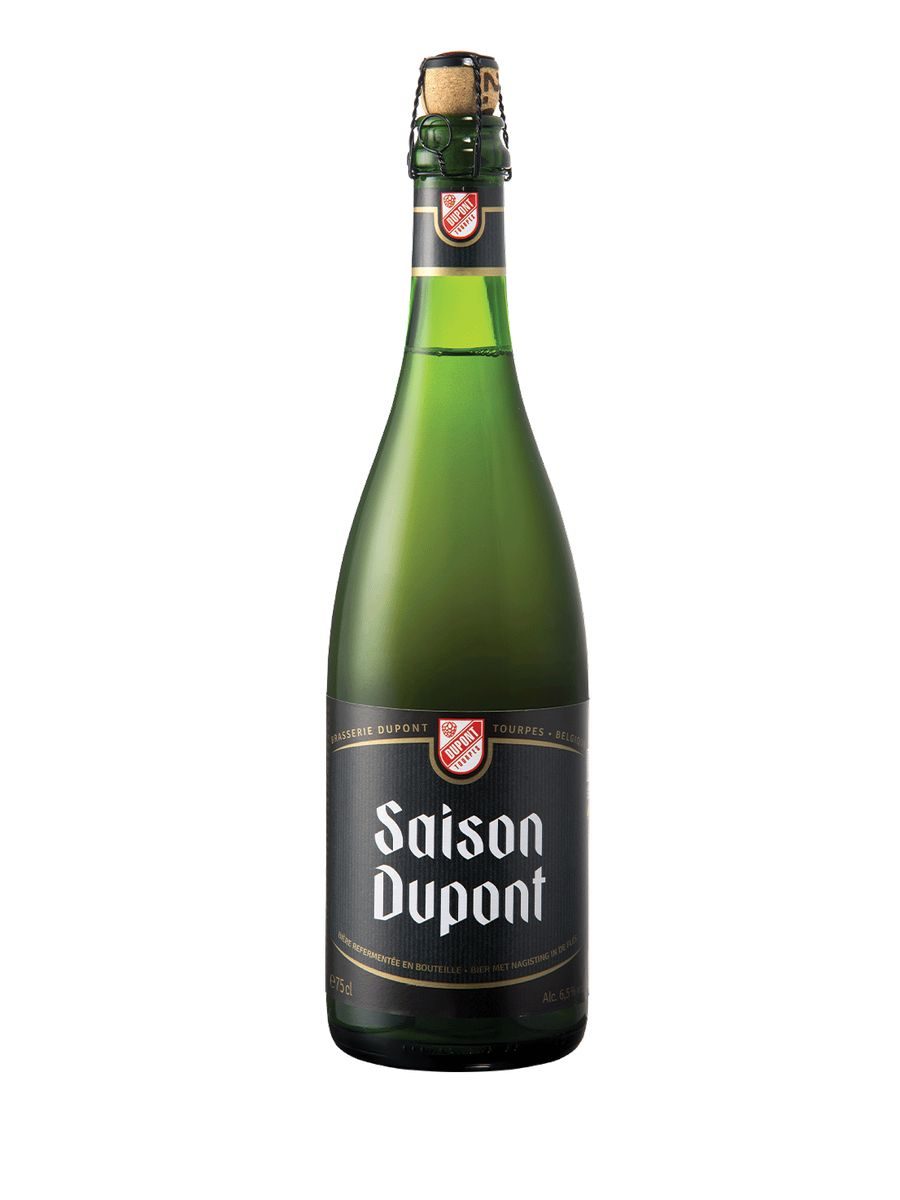
Saison Dupont
Brewed by Brasserie Dupont
Grapefruit, clove-like fermentation and persistent bitterness.
BAR NOTES
Saison Dupont is a 6.5% Belgian farmhouse reference, with grapefruit and clove-like fermentation impressions and a dry-feeling finish. It provides a conventional Saison comparison rather than a claim of Brettanomyces, bacteria or spontaneous inoculation in the selected beer.
Saison Dupont is the conventional fermentation control, with no Brett claim assigned to the selected bottle. Saison explains its own yeast-and-dryness relationship; compare clove-like spice and fruit with Orval before treating expressive farmhouse aroma as proof of wild inoculation.
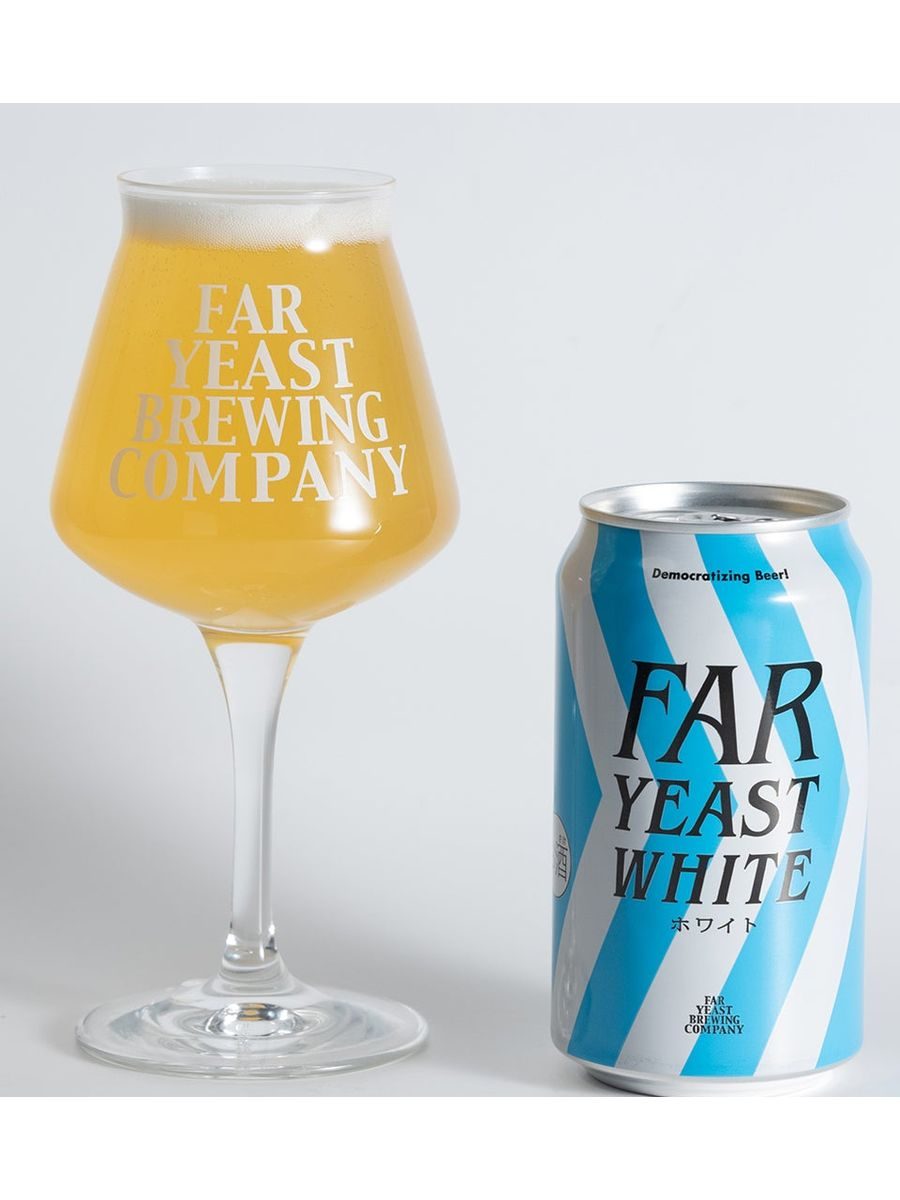
Far Yeast White
Brewed by Far Yeast Brewing
Light wheat-grain texture with a fresh hop accent.
BAR NOTES
Far Yeast White is a 5% Saison at 20 IBU, made with Citra, barley malt, wheat malt, wheat and sugar. The producer’s White name does not establish Witbier spices or document Brettanomyces or bacterial souring in this selected comparison.
Far Yeast White supplies another Saison control, this time with Citra and a wheat-containing recipe. strong Belgian-style fermentation families offers context; the White name and dry finish do not establish Brett, bacteria or Witbier spices, so record the comparison without inventing microorganisms.
Brewing and cellar discipline
Brett requires patience and reliable gravity readings because fermentation can continue long after ordinary ale yeast appears finished. Packaging too early creates overcarbonation and dangerous bottle pressure. Oxygen control is equally important; excess oxygen can push the beer toward acetic sharpness.
Dedicated soft parts—tubing, plastic fermenters, gaskets, and bottling equipment—reduce cross-contamination risk. Stainless steel and glass can be cleaned and sanitized effectively, but scratches and porous materials deserve caution. The goal is controlled culture management, not fear of the organism.
Serving and pairing
Serve around 45–50°F in a tulip or stemmed glass. Goat cheese, roast chicken, washed-rind cheese, mushrooms, charcuterie, and rustic bread all work with Brett’s dry, earthy, fruity range.
The clearest test is whether the fermentation reveals more of the base beer. Great Brett character extends the flavor; it does not simply cover the beer with a generic layer of funk.
Follow the wild side of fermentation
Brettanomyces, bacteria, fruit, oak, and time can reshape a beer long after the clean primary fermentation is finished. Explore the three American wild branches, then compare them with the broader sour-beer family.