
Belgian IPA: 10-Beer Comparison Flight and Style Guide
Belgian IPA combines modern hop intensity with expressive Belgian fermentation. Pepper, pear, citrus and tropical fruit meet firm bitterness in a dry, often deceptively strong beer.
Belgian IPA style profile
| Measure | Typical range |
|---|---|
| Original gravity | 1.058–1.080 |
| Final gravity | 1.008–1.016 |
| Bitterness | 50–100 IBU |
| Color | 5–15 SRM |
| Alcohol | 6.2–9.5% ABV |
What belgian ipa tastes like
Aroma layers American or European hops over fruity and spicy yeast. Grapefruit, flowers, herbs, pear, apple, banana and black pepper can all appear, but clove and candy-like esters should not bury the hops.
High attenuation is essential. The finish is dry and lively, with medium to high bitterness and warming alcohol in stronger examples. Excess sweetness makes yeast, hops and alcohol feel crowded.
How it differs from nearby styles
American IPA uses cleaner yeast, so hop variety is easier to isolate. Belgian tripel may be equally strong and dry but usually carries lower hop intensity. White IPA uses wheat and often coriander or orange peel, producing a softer and paler hybrid.
Ten Belgian IPA references and comparisons
Three direct Belgian IPA references lead this flight: Far Yeast IPA, Chouffe IPA and Duvel Tripel Hop Citra. Chouffe and Duvel are double strength within Belgian IPA’s overall alcohol range; Far Yeast sits just below its alcohol minimum, and Duvel reports bitterness below the usual style band. Two Belgian bitter ales, one witbier, one saison, a wheat-yeast White IPA, a hoppy pale wheat ale and one American IPA provide seven explicitly labeled comparisons.
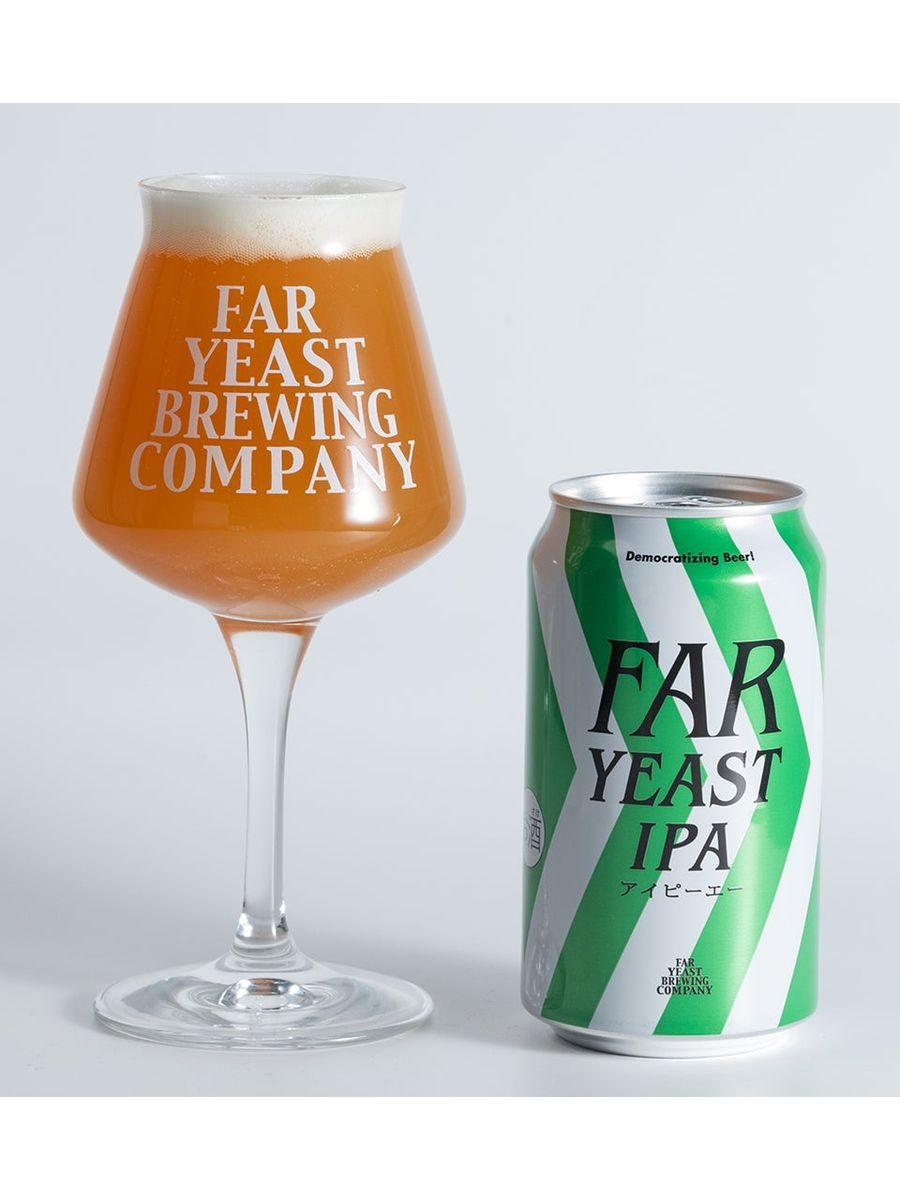
Far Yeast IPA
Brewed by Far Yeast Brewing
Belgian yeast meets Cascade, Comet, Merkur and Columbus.
BAR NOTES
The current Far Yeast IPA continues the Belgian-yeast-and-American-hop concept associated with Tokyo IPA, but uses the updated name and green packaging. The current recipe is 6.0% ABV and 50 IBU, with Cascade, Comet, Merkur and Columbus.
This is a direct Belgian IPA reference brewed in Japan, though its 6.0% ABV falls just below the style’s 6.2% lower boundary. Fermentation character matters more than geography. Distinguish it from the brewery’s White saison and Blonde golden ale, and check the current package and freshness. Belgian IPA brewing requires agreement between yeast and hops.
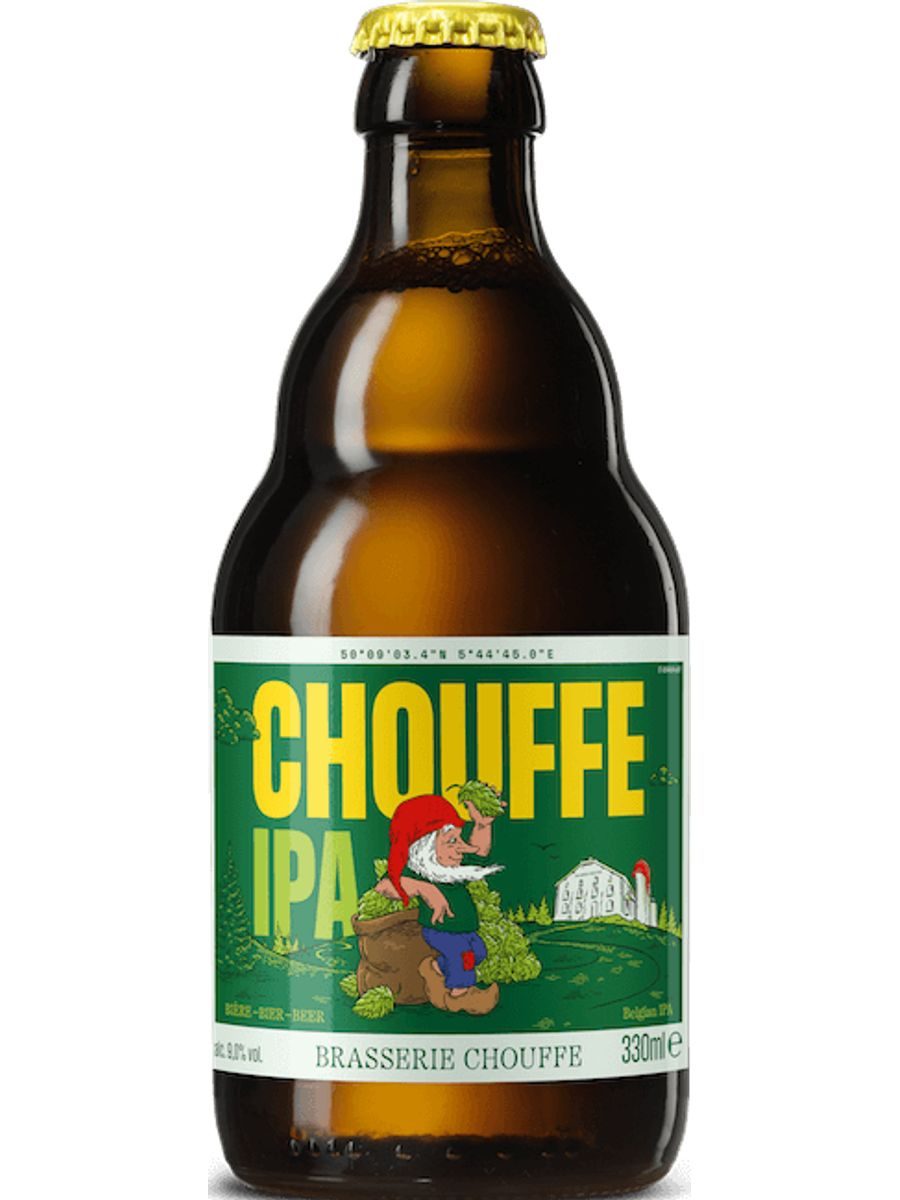
Chouffe IPA
Brewed by Brasserie d’Achouffe
Three hops create fruit and grapefruit over Belgian fermentation.
BAR NOTES
The current Chouffe IPA branding identifies the beer as Belgian IPA at 9.0% ABV. The brewery describes a three-hop blend, fruity notes and grapefruit, with a pale blond, slightly hazy appearance and substantial foam.
Use the current bottle to connect the older Houblon Chouffe reference with today’s packaging. At 9.0%, it is double strength under Specialty IPA entry labels but still within Belgian IPA’s overall 6.2–9.5% range. Keep the pour modest. serving glassware changes how alcohol, yeast and hops present.
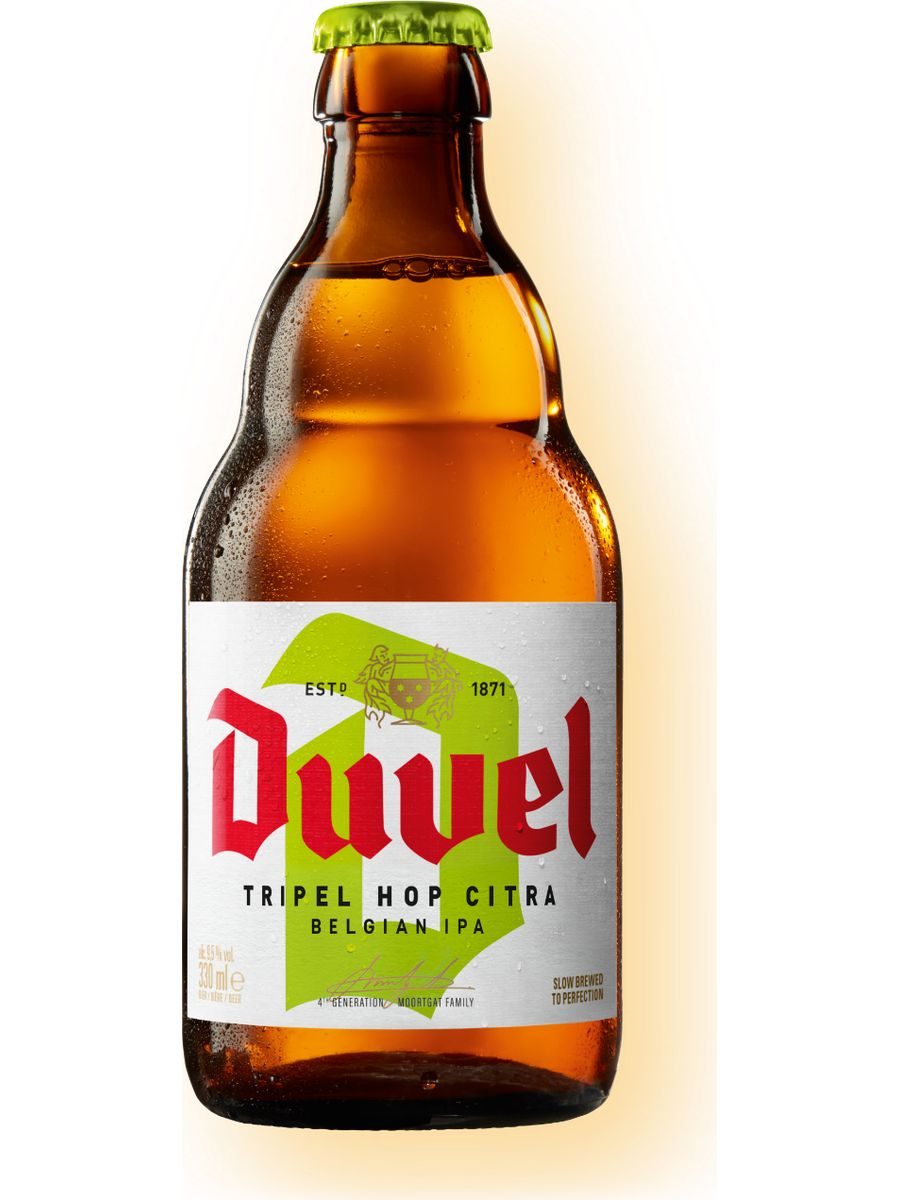
Duvel Tripel Hop Citra
Brewed by Duvel Moortgat
Citra adds grapefruit and tropical fruit to a crisp Belgian base.
BAR NOTES
Duvel Tripel Hop Citra combines Saaz, Styrian Golding and Citra, with the third hop also used for dry hopping. Its current 9.5% ABV is at Belgian IPA’s alcohol ceiling and is double strength under Specialty IPA entry labels. Its reported 40 EBU is below the style’s usual 50–100 IBU bitterness band.
The Citra edition is specifically selected here; Cashmere and other Duvel products are separate beers. The brewery suggests serving at 5°C in a Duvel glass, then aromas unfold as the pour warms. aroma-focused glassware helps separate grapefruit hops from fermentation fruit.
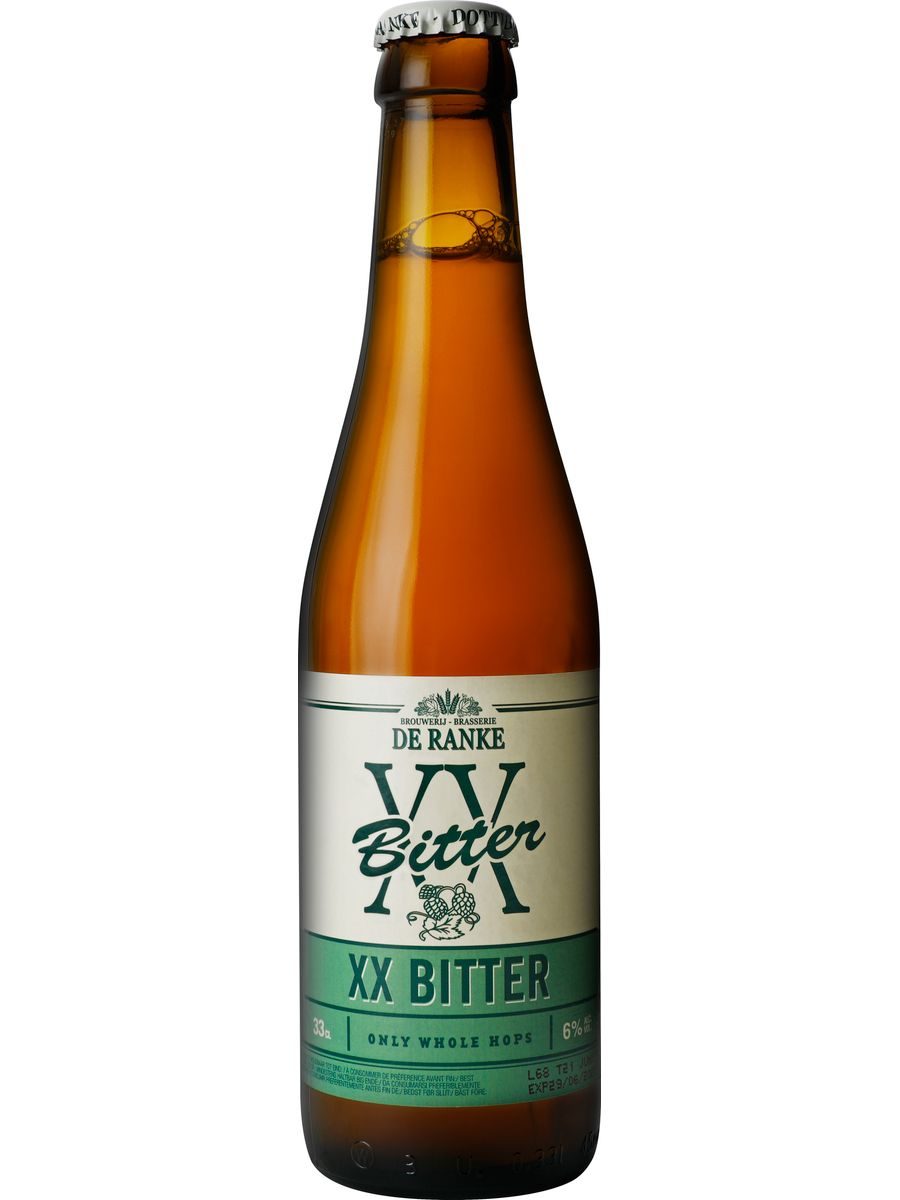
XX-Bitter
Brewed by Brouwerij De Ranke
Brewers Gold and Hallertau Mittelfrüh make a dry, persistent hop comparison.
BAR NOTES
XX-Bitter is continuously available and uses Brewers Gold with Hallertau Mittelfrüh. Its current 6.0% ABV and 60–65 IBU emphasize lasting bitterness and hop flavor in a straw-blond Belgian ale.
It is included as a neighboring Belgian bitter ale, not relabeled as an American-hop Belgian IPA. Compare its European-hop profile and fermentation character with Far Yeast IPA, then with XXX-Bitter’s larger hop addition. Belgian IPA needs an IPA-like overall balance.
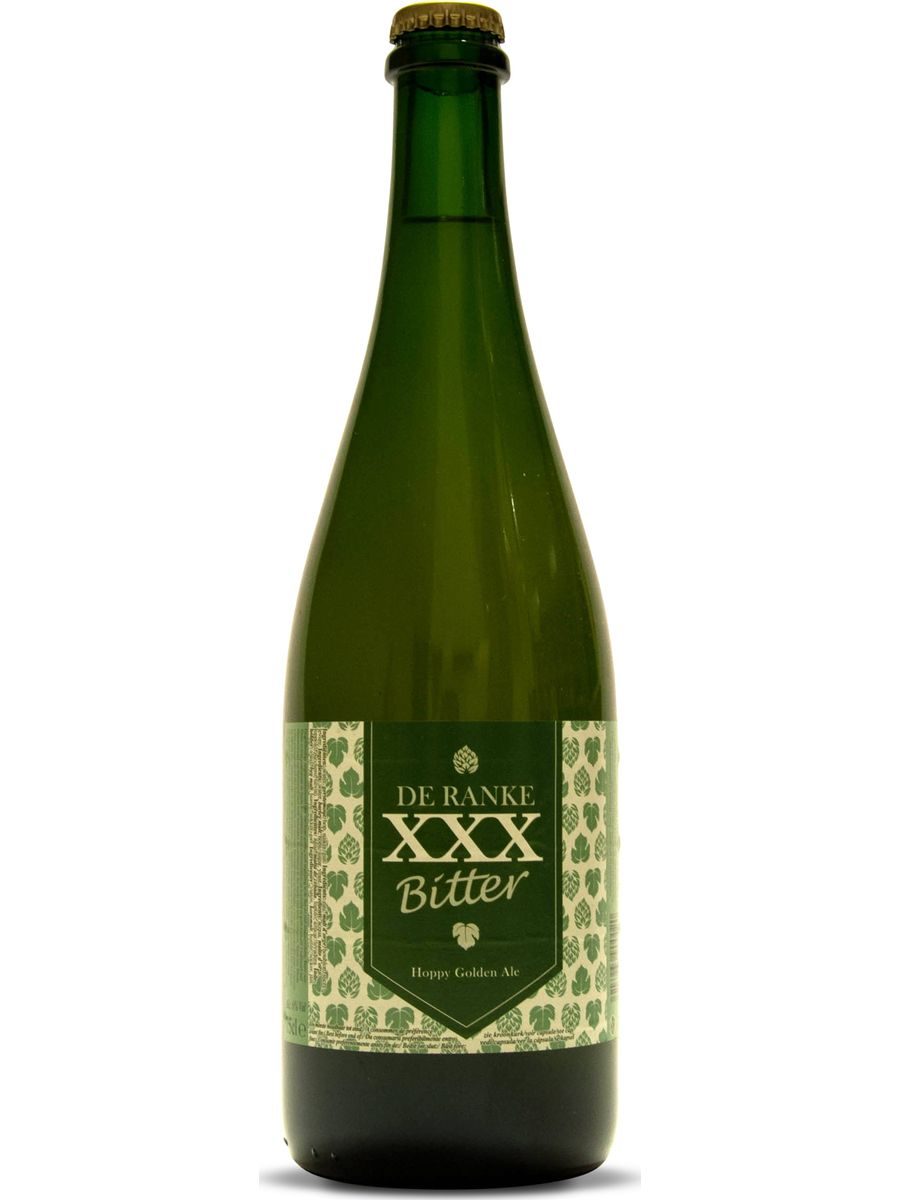
XXX-Bitter
Brewed by Brouwerij De Ranke
More aroma hops distinguish it from XX-Bitter at the same strength.
BAR NOTES
XXX-Bitter is De Ranke’s variation on XX-Bitter with an additional fifty percent more hops. Brewers Gold and Hallertau Mittelfrüh remain the named varieties; the current beer is 6.0% ABV and 70–75 IBU.
The brewery lists availability from December through July, so this seasonal neighbor is not a guaranteed October purchase. Compare it beside XX-Bitter to explore why a larger aroma-hop load can feel smoother despite a higher bitterness specification. IBU calculations cannot predict the entire sensory result.
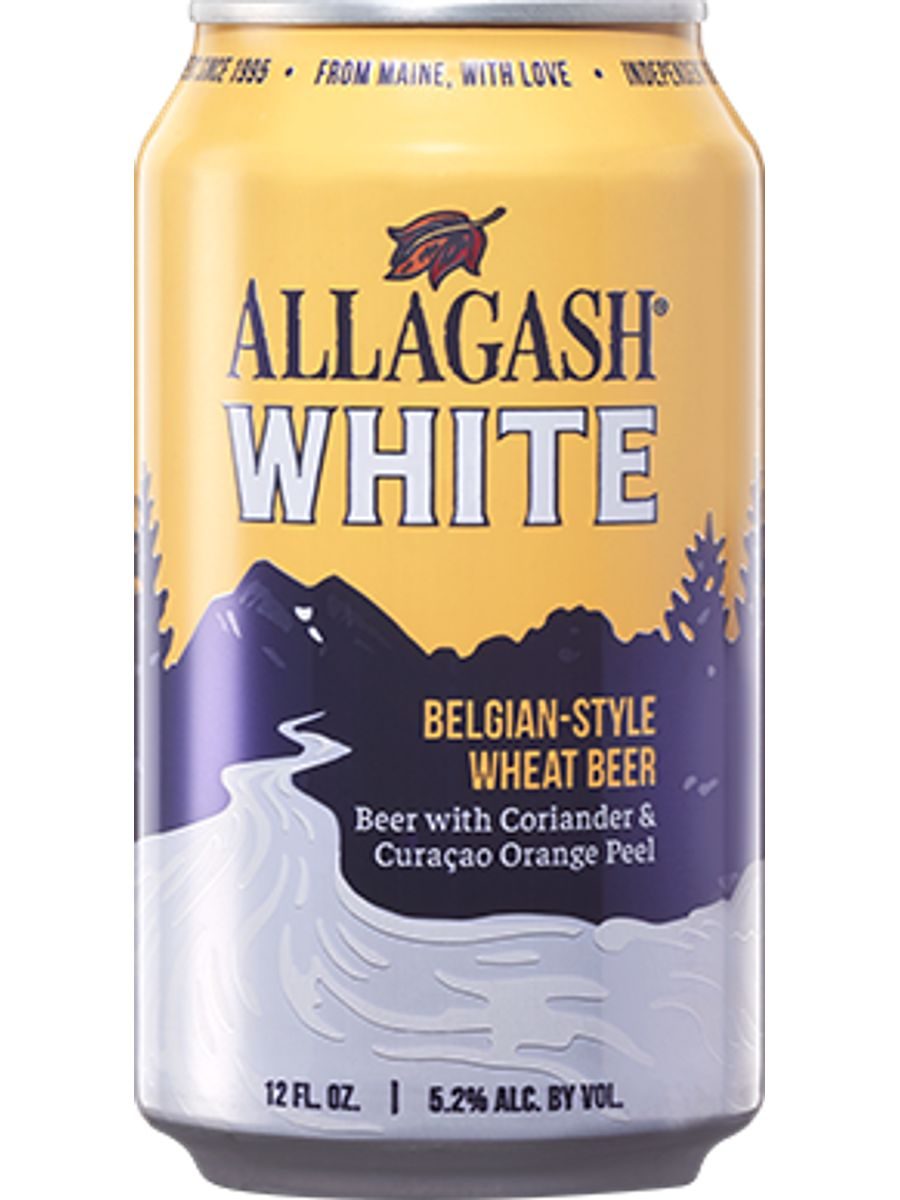
Allagash White
Brewed by Allagash Brewing Company
Raw and malted wheat, oats, coriander and Curaçao orange peel.
BAR NOTES
Allagash White builds its hazy appearance from oats, malted wheat and raw wheat. Coriander and Curaçao orange peel provide the classic witbier spice-and-citrus axis; this is a witbier control rather than another IPA.
Taste it before the White IPA references to establish the wheat-and-spice baseline. The difference should emerge in hop aroma and bitterness, not simply in haze, while Belgian IPA uses a different yeast-and-hop relationship. witbier brewing shows the foundation of this comparison.
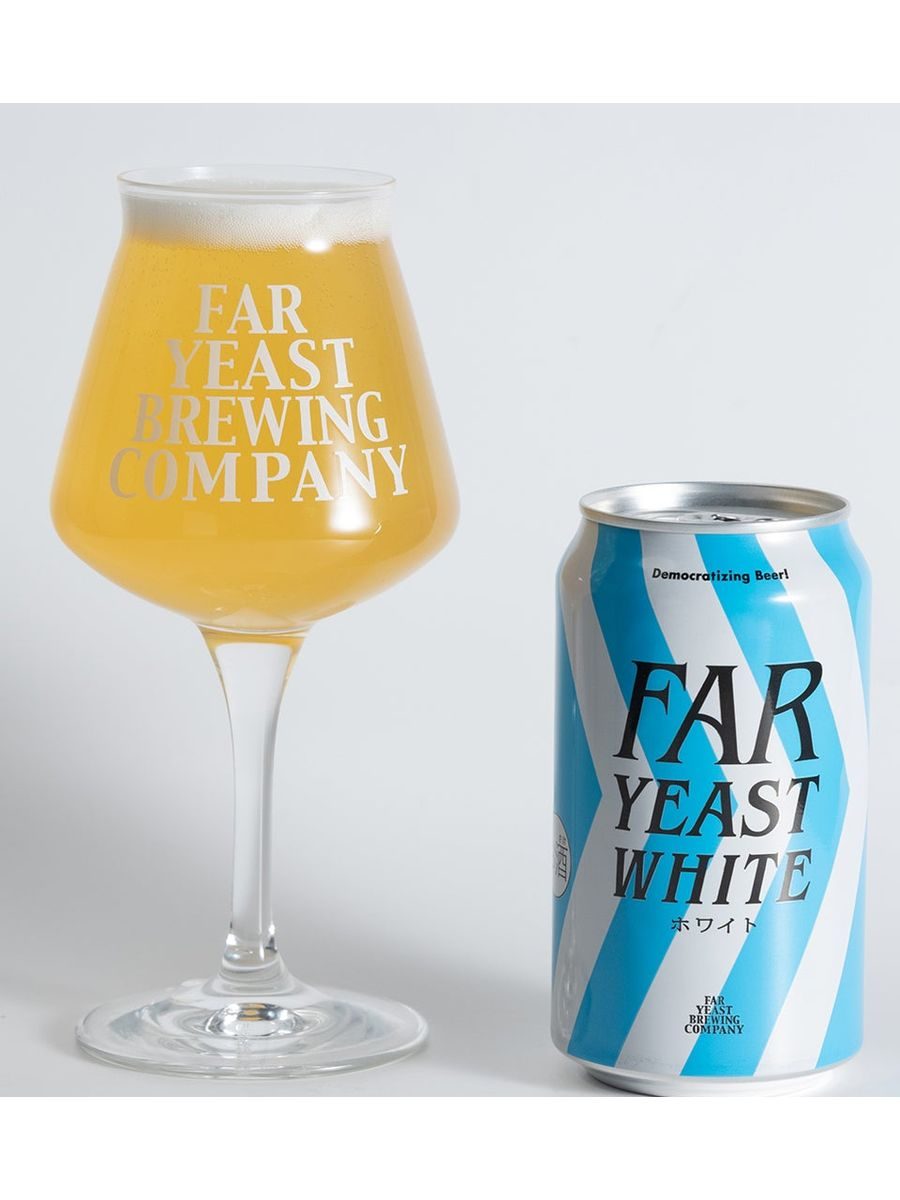
Far Yeast White
Brewed by Far Yeast Brewing
Citra and a dry saison finish distinguish the blue-packaged White.
BAR NOTES
Far Yeast White is explicitly a saison at 5.0% ABV and 20 IBU, with Citra and both malted and unmalted wheat. Its name does not make it White IPA, and the current blue can separates it from green Far Yeast IPA.
Use it as the dry-fermentation neighbor in the Belgian and White IPA flights. Compare its esters, grain and finish before assessing the heavier hop load of an actual IPA, keeping current names and packages distinct. saison brewing explains the fermentation-led route.
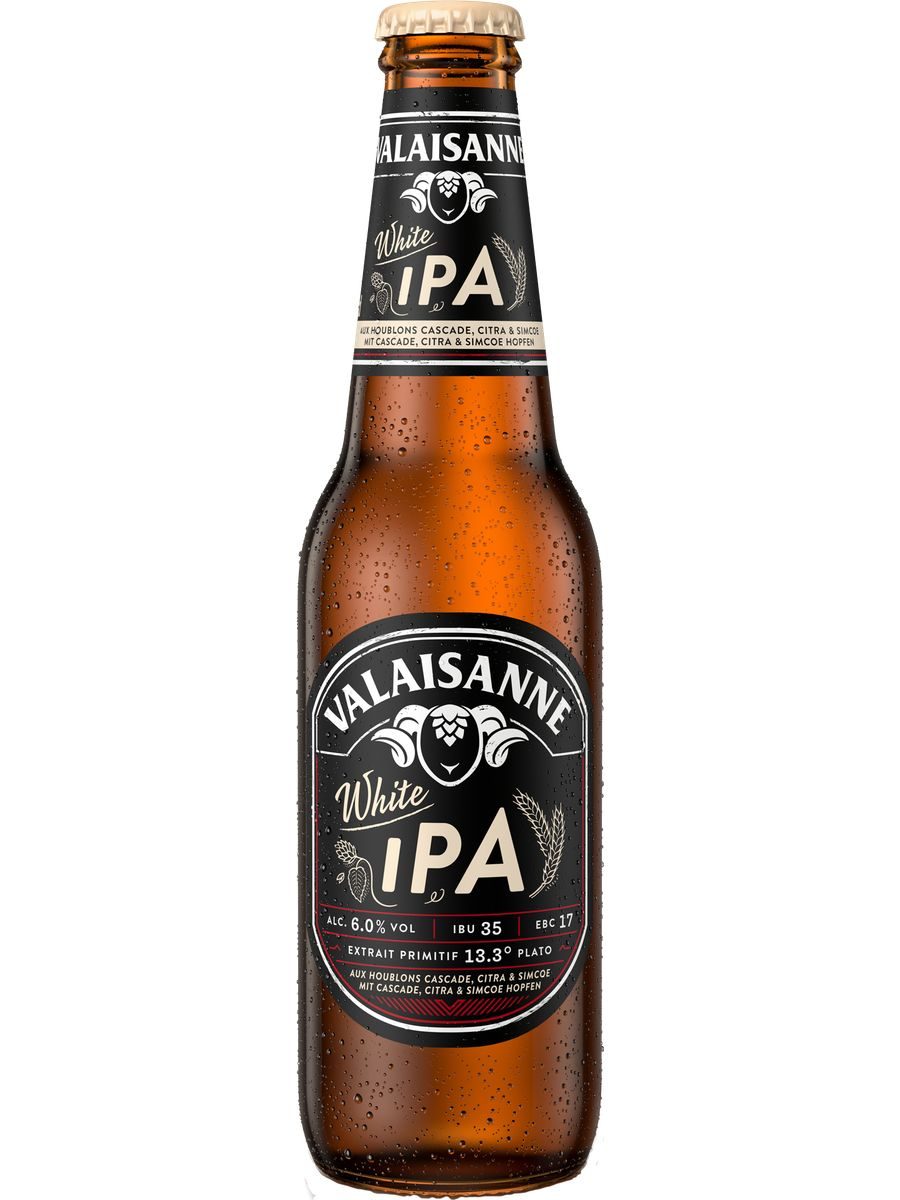
Valaisanne White IPA
Brewed by Brasserie Valaisanne
Banana and clove meet Cascade, Citra and Simcoe.
BAR NOTES
Valaisanne explicitly describes wheat-beer yeast character, including banana and clove, alongside Cascade, Citra and Simcoe. Its current 6.0% ABV fits White IPA’s alcohol band, while its reported 35 bitterness units sit below the usual 40–70 IBU profile.
This Swiss version demonstrates why White IPA should not be reduced to ordinary IPA made cloudy. Yeast aroma is part of its identity; compare it with clean-fermented wheat IPA and a witbier before deciding where the spice impression originates. wheat and other brewing grains affects body as well as appearance.
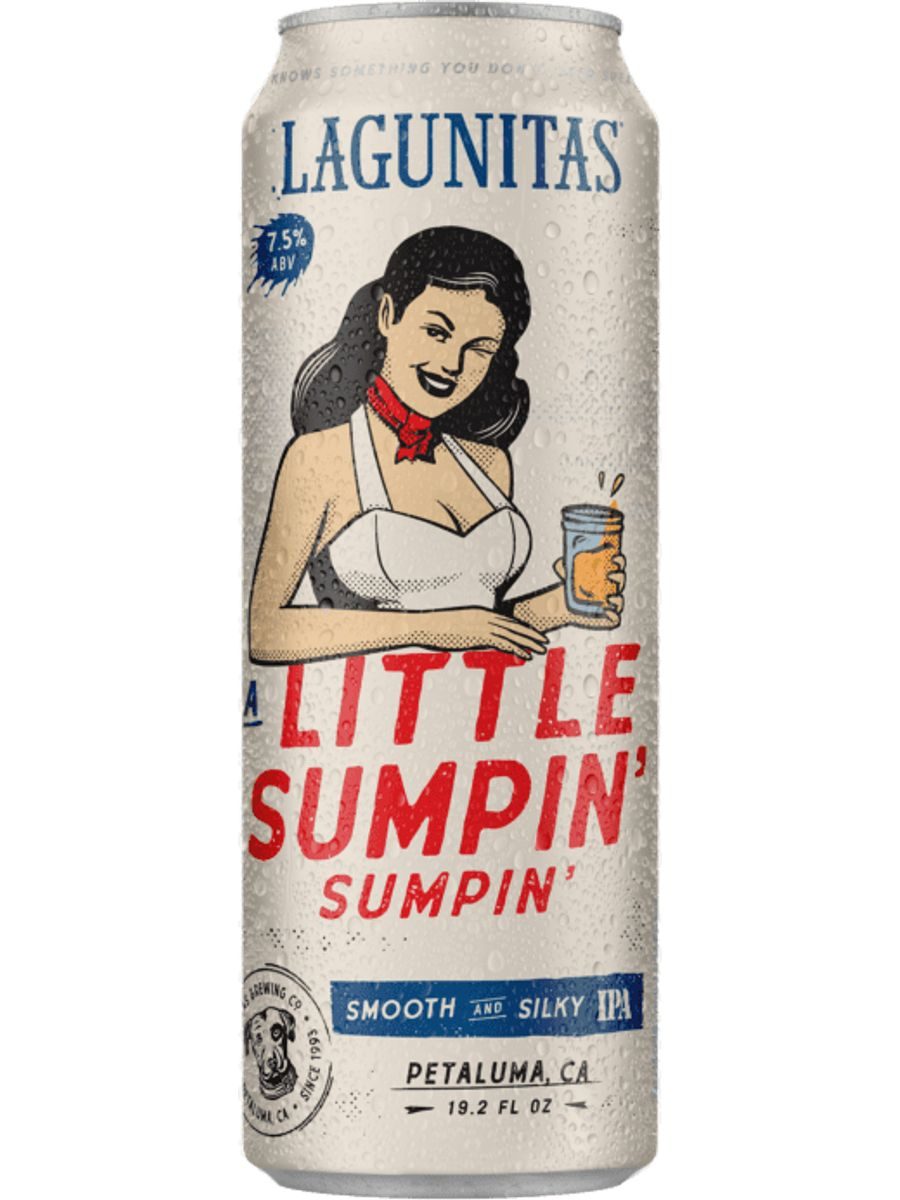
A Little Sumpin’ Sumpin’
Brewed by Lagunitas Brewing Company
A silky half-wheat recipe carries a firm American hop finish.
BAR NOTES
The current beer is 7.5% ABV and 46 IBU, with a grist described as half wheat and half malted barley. Lagunitas calls it a hoppy pale wheat ale; BJCP also lists it among White IPA commercial examples.
That naming overlap makes it useful, but it does not establish a universal Belgian-yeast or added-spice requirement. Its strength is above White IPA’s standard 7.0% ceiling; compare its silky body with a witbier and a yeast-led wheat IPA. White IPA explains the spectrum.
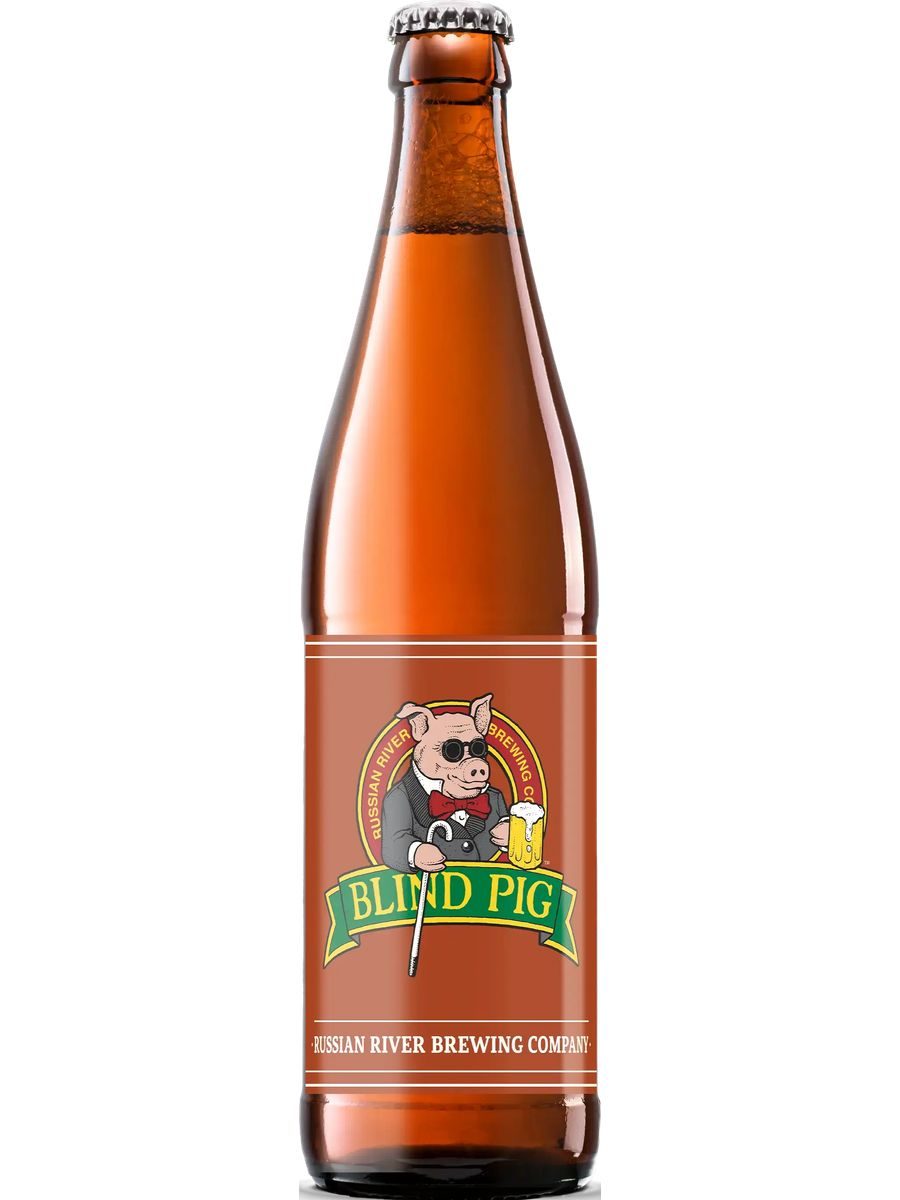
Blind Pig IPA
Brewed by Russian River Brewing Company
A dry, refrigerated West Coast reference with a long bitter finish.
BAR NOTES
Blind Pig connects Russian River’s modern flagship range with Vinnie Cilurzo’s earlier Temecula brewery. The current recipe combines Amarillo, Citra, Cascade, Tangier, Nectaron and CTZ, building citrus, pine and woody character without needing dark malt.
Use it as the clean fermentation control beside Belgian, rye or dark IPAs. Keep the bottle cold and consume it fresh: stale hop aroma makes grain and yeast comparisons much harder to interpret. West Coast IPA explains the broader balance.
Building the recipe
Pilsner or pale malt keeps the base light. Sugar can raise strength while preserving a dry finish. Belgian yeast supplies fruit and pepper, while late and dry hops add citrus, tropical fruit or herbs.
The recipe needs enough bitterness for strength and attenuation, but yeast phenolics can make perceived bitterness sharper. Water and hopping should account for that overlap.
How to brew belgian ipa
- Choose yeast deliberately: expressive does not mean uncontrolled.
- Use sugar for dryness: simple sugar can lighten a high-gravity wort.
- Ferment in stages: start controlled, then allow the yeast to finish fully.
- Match hops to fermentation: citrus and tropical varieties often echo Belgian fruit and spice.
- Condition before judging: young alcohol and yeast character need time to settle.
Serving and food pairing
Serve around 44–50°F in a tulip. The beer suits mussels, roast chicken, washed-rind cheese, spicy sausages and Thai or Indian food.
Drink hop-driven examples fresh, even when the alcohol suggests cellar potential. Aging trades aroma for deeper yeast, malt and oxidation notes.
Belgian IPA FAQ
Is Belgian IPA brewed in Belgium?
It can be brewed anywhere. The name describes Belgian-style yeast character combined with IPA-level hops.
Is Belgian IPA the same as tripel?
No. They overlap in strength and dryness, but Belgian IPA makes hop aroma and bitterness much more prominent.
Can Belgian IPA be hazy?
A light yeast or hop haze is acceptable, though the style is not defined by opacity.
Choose your next IPA direction
Start with American IPA, then follow hops into Belgian fermentation, dark malt, caramel-rich red and brown variants, spicy rye or wheat-and-citrus white IPA.