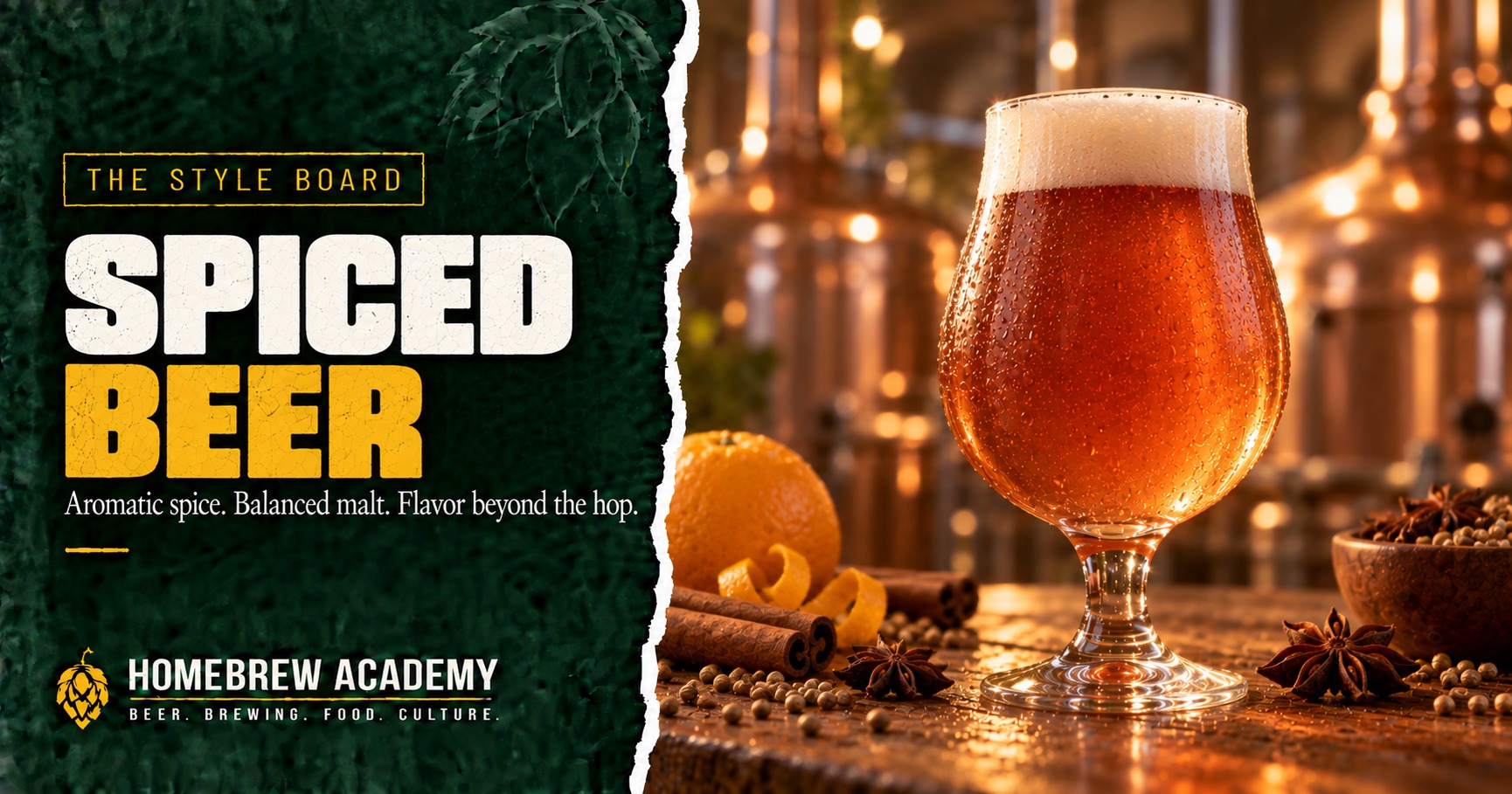
Spiced Beer: Herbs, Vegetables & Seasonal Styles Explained
Spiced beer is at its best when an added ingredient gives the beer a clear direction without making the base disappear. Coriander can lift wheat, ginger can sharpen amber malt, pumpkin can deepen an autumn ale, and chile can turn roast into something warmer and more complex.
The category covers both ingredient-led beers and seasonally framed beers. That distinction matters: a cinnamon stout is not automatically a winter seasonal, and an Oktoberfest lager is not automatically an autumn seasonal. The brewer’s declared concept and what appears in the glass should agree.
The three spiced beer styles in this category
Spice, Herb, or Vegetable Beer
This broad style puts one or more culinary ingredients at the center: coriander, ginger, coffee, cacao, chile, vanilla, herbs, flowers, squash, or even savory vegetables. The base beer should remain identifiable, while the additions contribute a harmonious aroma, flavor, or finish.
Autumn Seasonal Beer
Autumn seasonals evoke harvest and cool weather through malt, pumpkin or squash, brown sugar, and familiar baking spices. Pumpkin is optional. The defining quality is a coherent autumn presentation rather than the presence of any single ingredient.
Winter Seasonal Beer
Winter seasonals range from moderate spiced brown ales to strong, dark holiday beers. Dried fruit, caramel, ginger, cinnamon, orange peel, honey, and warming alcohol are common, but unspiced versions can qualify when their strength and malt profile clearly fit the season.
How to judge balance
Start by identifying the base beer, then ask whether the additions reinforce or fight it. Bright herbs suit lean, dry beers because they remain vivid. Rich spices often need caramelized malt or alcohol for support. Chile heat should build gradually; vanilla should shape aroma and texture rather than flatten every other flavor.
Freshness matters differently across the category. Citrus peel and leafy herbs fade quickly, while cinnamon, clove, and pepper can become harsher with time. Strong winter ales may improve as alcohol settles, but aging cannot restore a vanished top note.
Five bottles that show the range
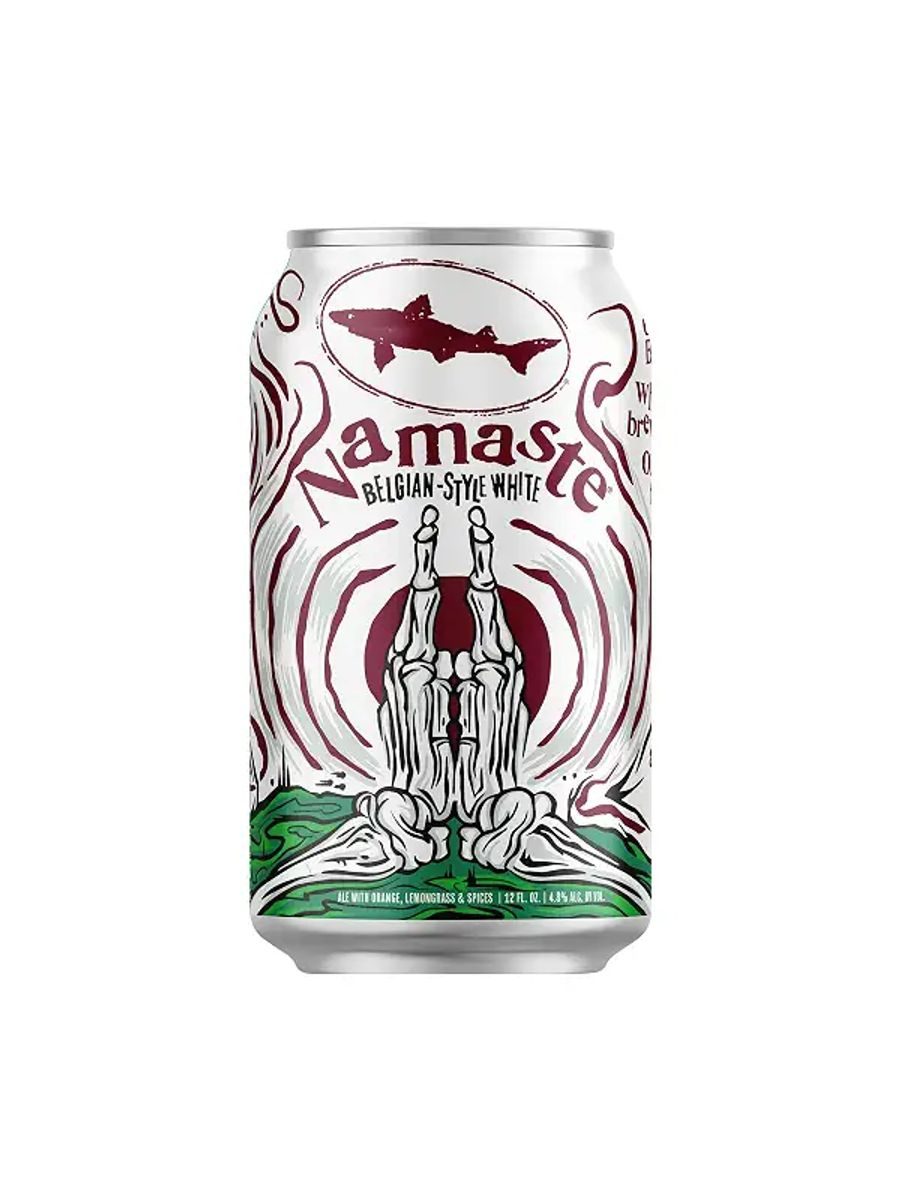
Namaste White
Brewed by Dogfish Head Craft Brewery
Namaste White layers orange, lemongrass, coriander, and pepper over a soft wheat base. The additions read as one bright, citrus-led idea instead of a pantry inventory.
BAR NOTES
Namaste White layers orange, lemongrass, coriander, and pepper over a soft wheat base. The additions read as one bright, citrus-led idea instead of a pantry inventory.
Its light body and lively carbonation show why aromatic ingredients often work best with a restrained base. Serve it fresh with shellfish, salads, or goat cheese.

Xocoveza
Brewed by Stone Brewing
Xocoveza builds coffee, cocoa, cinnamon, vanilla, nutmeg, and pepper heat onto a rich imperial stout. Roast and spice reinforce one another without erasing the beer beneath them.
BAR NOTES
Xocoveza builds coffee, cocoa, cinnamon, vanilla, nutmeg, and pepper heat onto a rich imperial stout. Roast and spice reinforce one another without erasing the beer beneath them.
This is the maximalist end of the category, but the lesson is still balance: sweetness carries aroma, roast supplies bitterness, and chile heat arrives late rather than dominating the first sip.
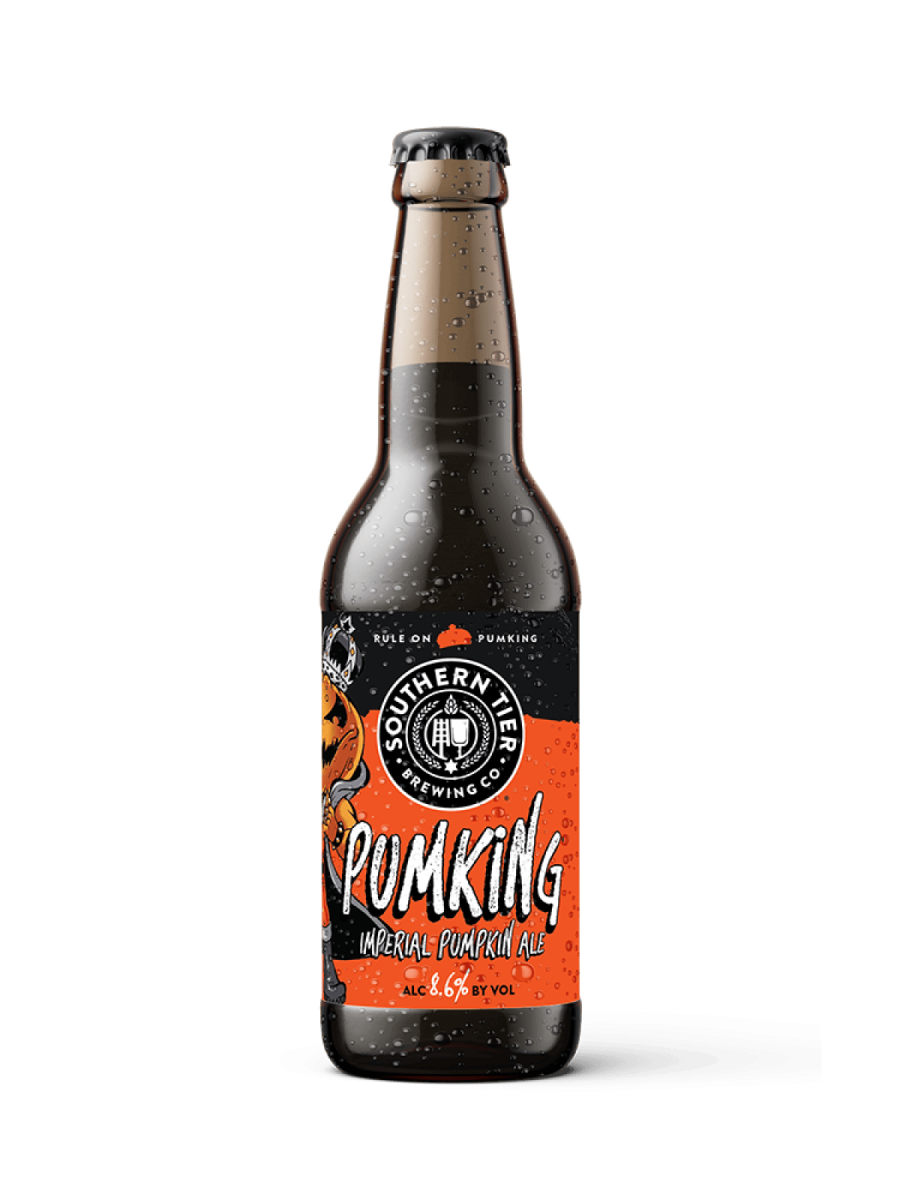
Pumking
Brewed by Southern Tier Brewing Company
Pumking leans into pumpkin pie with vanilla, cinnamon, nutmeg, buttery crust, and a warming malt base. It is unapologetically dessert-like without losing the impression of strong ale.
BAR NOTES
Pumking leans into pumpkin pie with vanilla, cinnamon, nutmeg, buttery crust, and a warming malt base. It is unapologetically dessert-like without losing the impression of strong ale.
Use it as a reference for the rich end of autumn seasonal beer. A small pour near cellar temperature reveals more baked squash and crust-like malt than an ice-cold serving.
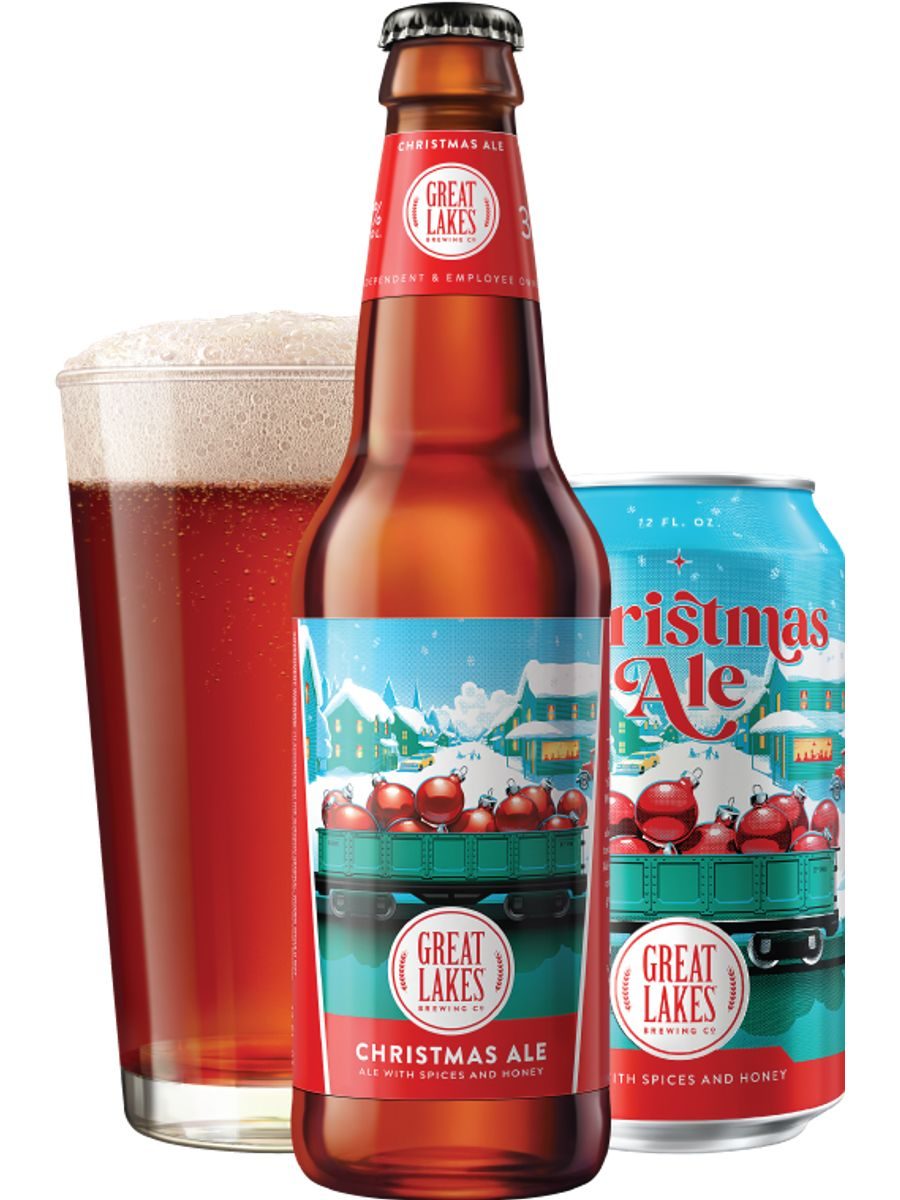
Christmas Ale
Brewed by Great Lakes Brewing Company
Great Lakes Christmas Ale balances cinnamon, ginger, and honey against a rounded amber malt base. The seasoning is distinct but remains integrated with caramel and toast.
BAR NOTES
Great Lakes Christmas Ale balances cinnamon, ginger, and honey against a rounded amber malt base. The seasoning is distinct but remains integrated with caramel and toast.
It is a useful middleweight reference: festive enough to be unmistakable, yet not so sweet or strong that it must wait for dessert. Serve it with glazed ham or gingerbread.
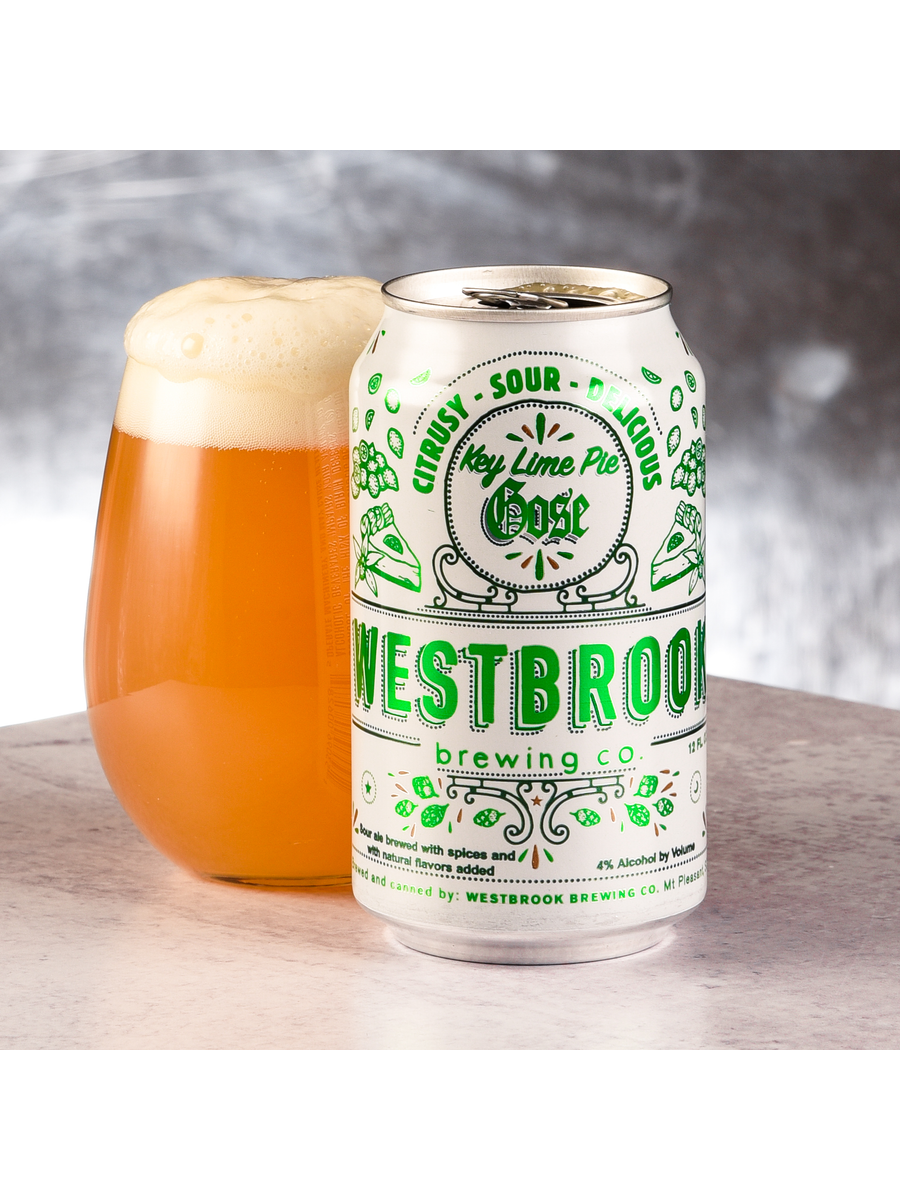
Key Lime Pie Gose
Brewed by Westbrook Brewing Co.
Key Lime Pie Gose turns lime, vanilla, cinnamon, acidity, and salt into a recognizable dessert impression while keeping the beer brisk and refreshing.
BAR NOTES
Key Lime Pie Gose turns lime, vanilla, cinnamon, acidity, and salt into a recognizable dessert impression while keeping the beer brisk and refreshing.
The tart base does much of the structural work. Lime sharpens it, vanilla suggests sweetness, and salt makes the flavors feel fuller without requiring a heavy finish.
Keep Exploring Spiced Beer
Follow the links below to compare the category, its seasonal branches, and ingredient-led roundups.