10 Best Breweries in Illinois with 30 Beers Worth Trying
Illinois rewards a brewery route that extends beyond Chicago. These ten editorial picks combine six Chicago producers with stops in Normal, Urbana, Savoy and Murphysboro. Each brewery comes with three current beer selections, chosen to show useful differences in ingredients, production and style.
The order is an editorial starting point, not an objective statewide tasting score. Thirty numbered beer cards connect the selections to detailed BAR NOTES. Producer pages and current sell sheets supply the specifications; check the batch label and exact taproom menu before traveling for a particular beer.
Illinois brewery picks at a glance
| Brewery | Base | Three beers to explore |
|---|---|---|
| Goose Island Beer Co. | Chicago, Illinois | 312 Urban Wheat Ale · Goose IPA · Full Pocket Pilsner |
| Revolution Brewing | Chicago, Illinois | Anti-Hero IPA · Rev Pils · Fist City |
| Half Acre Beer Company | Chicago, Illinois | Daisy Cutter Pale Ale · Bodem · Pony |
| Dovetail Brewery | Chicago, Illinois | Hefeweizen · Helles · Rauchbier |
| Off Color Brewing | Chicago, Illinois | Apex Predator · Tooth & Claw · Beer for Tacos |
| Maplewood Brewing Company | Chicago, Illinois | Son of Juice · Charlatan · Fat Pug |
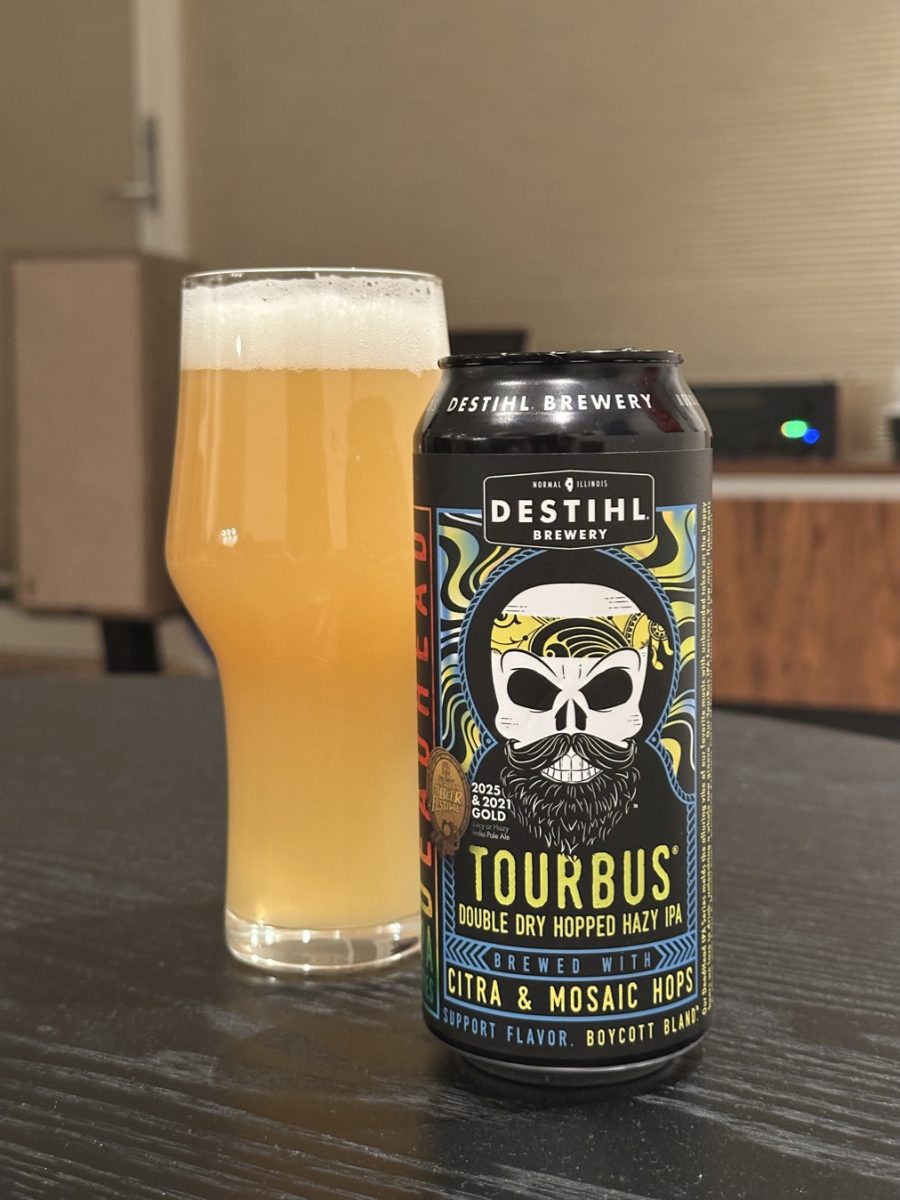
| DESTIHL Brewery | Normal, Illinois | Deadhead IPA Series: West Coast IPA · Deadhead IPA Series: TourBus · Wild Sour Series: Blackberry Gose |
| Riggs Beer Company | Urbana, Illinois | American Lager · Hefeweizen · Red Lager |
| Triptych Brewing | Savoy, Illinois | Dank Meme · Little Secret · Savoy’s Best Mild |
| Big Muddy Brewing | Murphysboro, Illinois | Saluki Dunkeldog · Blueberry Blonde · Vanilla Stout |
1. Goose Island Beer Co.
Goose Island gives the guide a familiar Chicago starting point, with current visitor options at the Fulton Street taproom and Salt Shed Pub. This selection focuses on approachable recurring beers rather than chasing a future Bourbon County release. Wheat ale, IPA and Illinois-listed pilsner show three different sides of the producer’s range.
Choose the venue as carefully as the beer: a taproom visit and a pub meal are different plans. The current producer pages supply the specifications used here, and the exact beer board determines what is pouring when you arrive. Full Pocket’s listed Illinois availability gives the trio an especially local comparison.
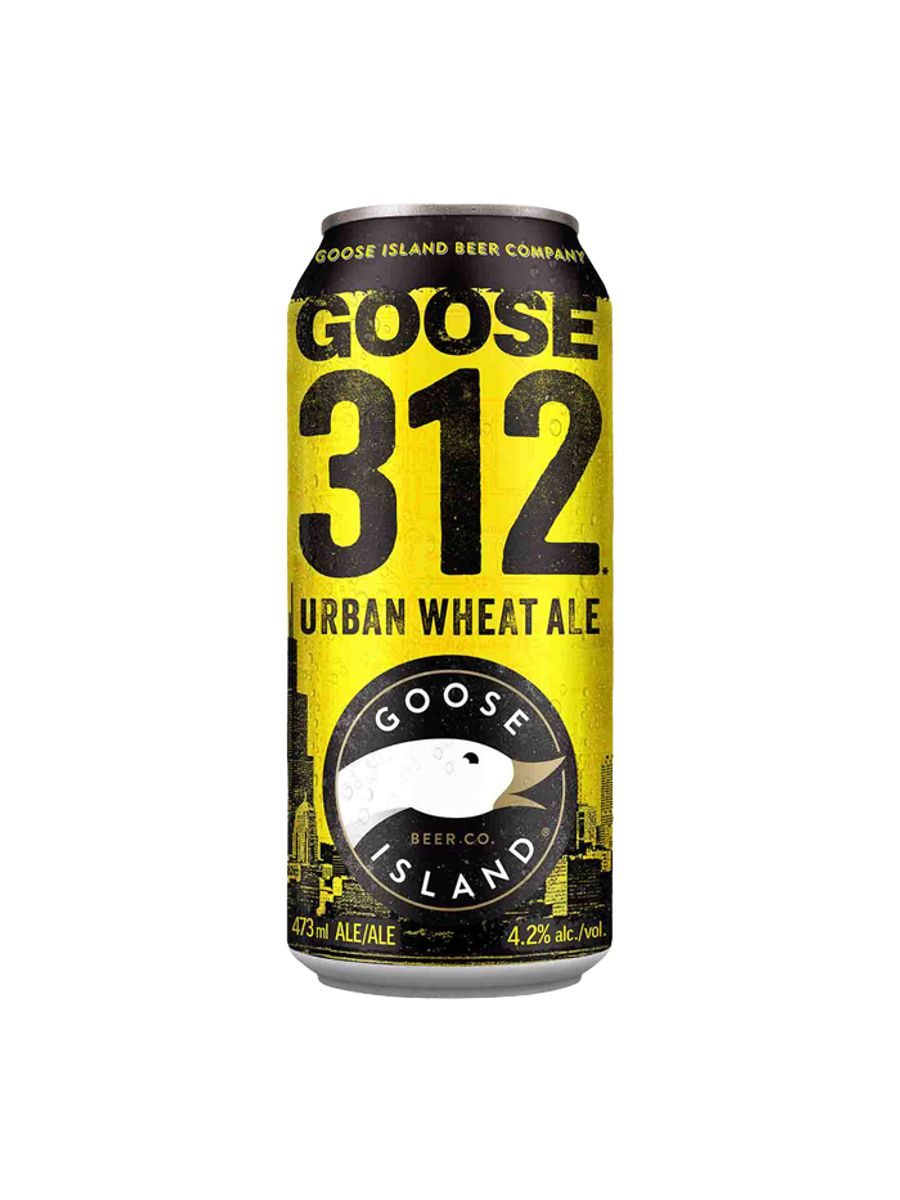
312 Urban Wheat Ale
Brewed by Goose Island Beer Co.
312 is Goose Island’s 4.2% wheat-beer reference, with the producer describing lemon-like brightness and a little haze.
BAR NOTES
312 is Goose Island’s 4.2% wheat-beer reference, with the producer describing lemon-like brightness and a little haze. Wheat is explicitly listed among its allergens. Its lower strength and restrained hop direction make it a useful opening comparison before the brewery’s IPA and pilsner.
Start with an unadorned pour so a citrus garnish does not drive the comparison. A simple grilled chicken sandwich gives the wheat beer room to show its texture. The American wheat beer guide explains the approachable ale framework behind this Chicago staple.
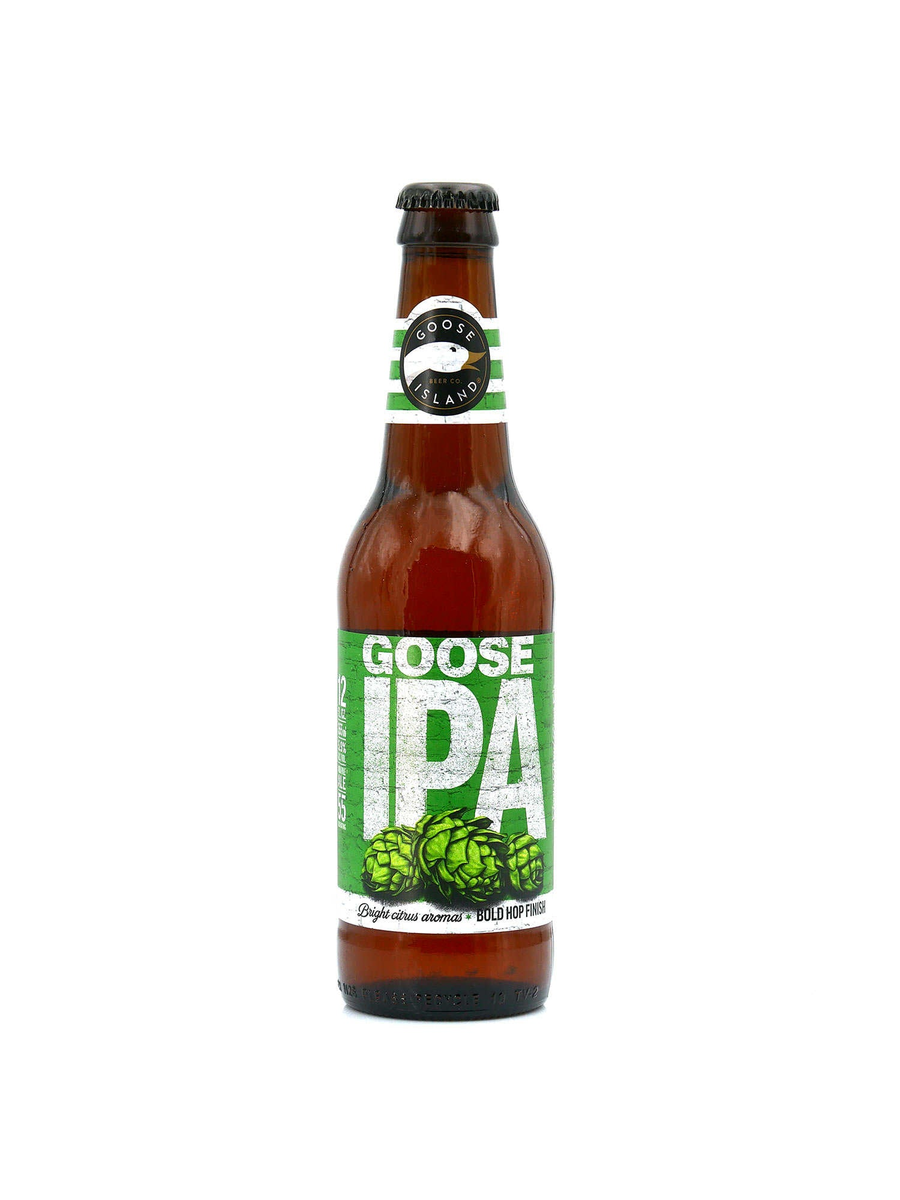
Goose IPA
Brewed by Goose Island Beer Co.
Goose IPA is the brewery’s 5.9% classic hop-led selection.
BAR NOTES
Goose IPA is the brewery’s 5.9% classic hop-led selection. Its current producer page lists Pilgrim, Celeia, Cascade and Centennial hops, with grapefruit among the aroma associations. The recipe offers a bridge between English-style IPA framing and familiar American citrus-hop character.
Check the package date when choosing a can, then compare the finish with Full Pocket in equally sized glasses. Aroma strength and bitterness deserve separate attention. Our English IPA brewing guide puts this interpretation in a broader historical style context.
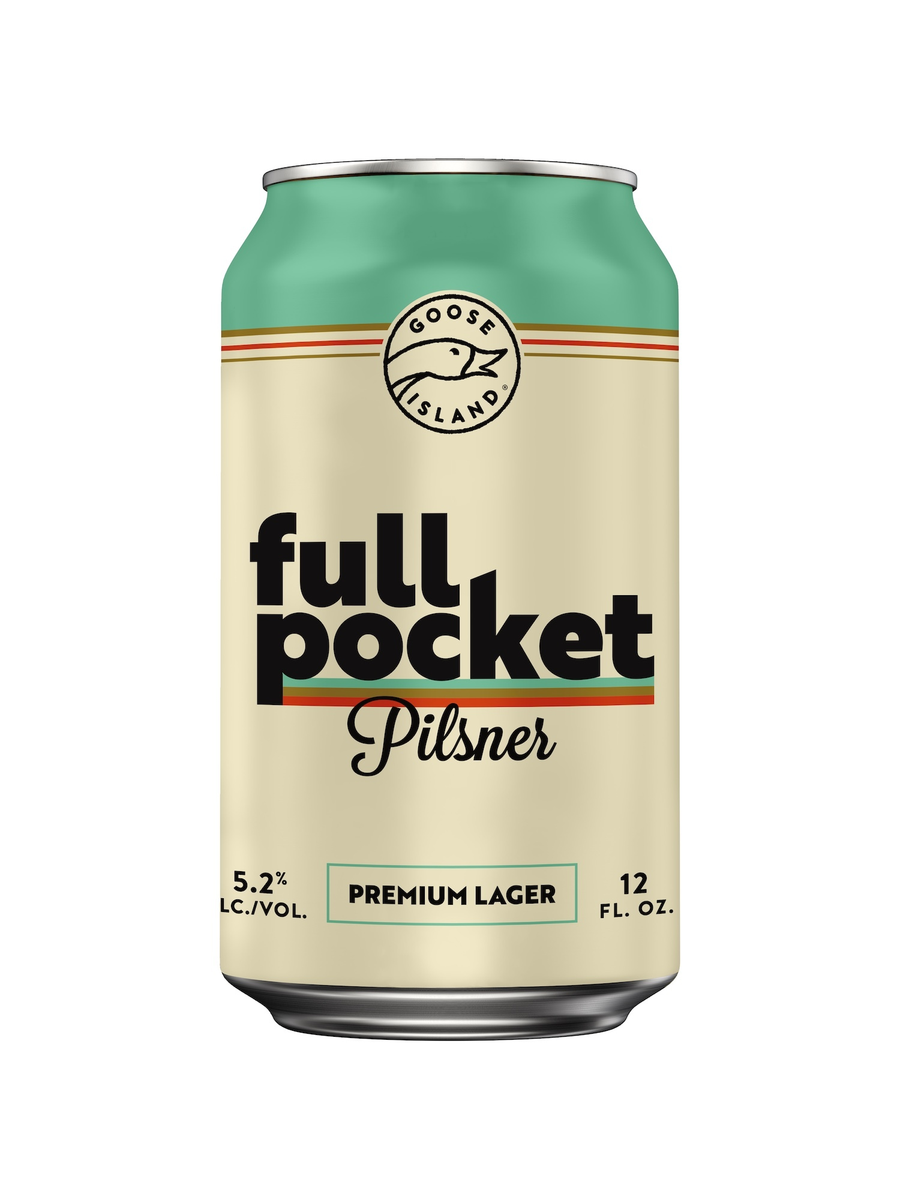
Full Pocket Pilsner
Brewed by Goose Island Beer Co.
Full Pocket is a 5.2% pilsner with Illinois-specific availability on Goose Island’s current product page.
BAR NOTES
Full Pocket is a 5.2% pilsner with Illinois-specific availability on Goose Island’s current product page. Hallertau Mittelfrüh, Hallertau Tradition and Olicana make up the listed hop selection. It adds a clean lager direction beside 312’s wheat-ale texture and Goose IPA’s stronger hop emphasis.
Give the pilsner a fresh, modest pour with plain pretzels before adding mustard or a heavier meal. Follow the grain and hop finish after swallowing. The German pilsner guide helps explain why a pale lager can have detail without a large alcohol level.
2. Revolution Brewing
Revolution’s current visitor page centers the production brewery and taproom at 3340 North Kedzie Avenue in Chicago. Anti-Hero, Rev Pils and Fist City provide a compact introduction to its year-round range. The selection moves from German-style lager through Chicago pale ale into a stronger American IPA.
Older guides may describe different Revolution visitor arrangements or earlier beer specifications. Use the current Kedzie taproom information when planning your stop, and compare the present Anti-Hero figure with the package in hand. A small flight makes the different malt and hop balances easier to notice than three full servings.
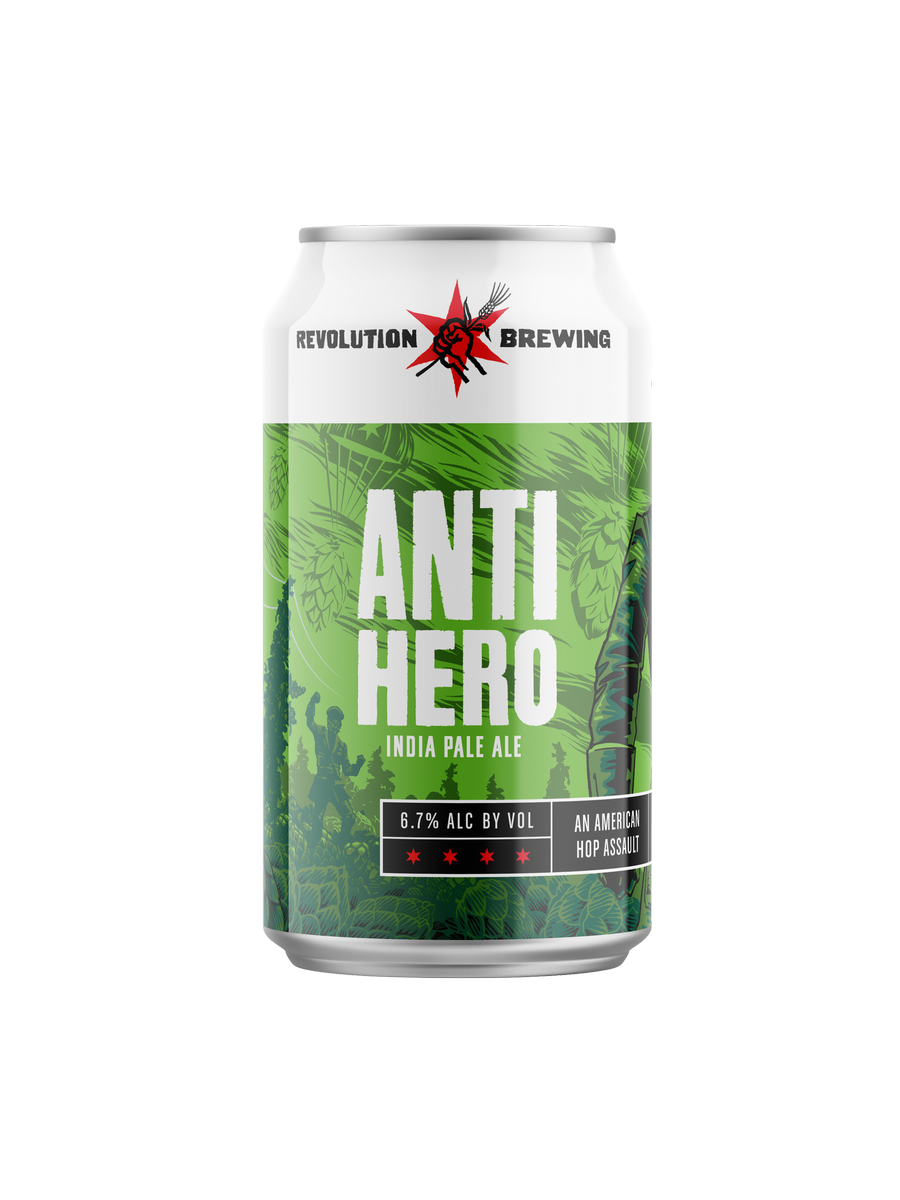
Anti-Hero IPA
Brewed by Revolution Brewing
Anti-Hero is Revolution’s flagship-style American IPA, currently specified at 6.7% and 65 IBU.
BAR NOTES
Anti-Hero is Revolution’s flagship-style American IPA, currently specified at 6.7% and 65 IBU. The producer describes five U.S. hop varieties and citrus, floral and pine associations. Use that current figure when ordering rather than repeating the 6.5% strength found in older beer directories.
Try Anti-Hero after Fist City when building a flight by hop intensity. A small sip with a savory burger can reveal how the malt support changes beside food. Our IPA brewing guide explains the relationship between hopping, aroma and a firm finish.
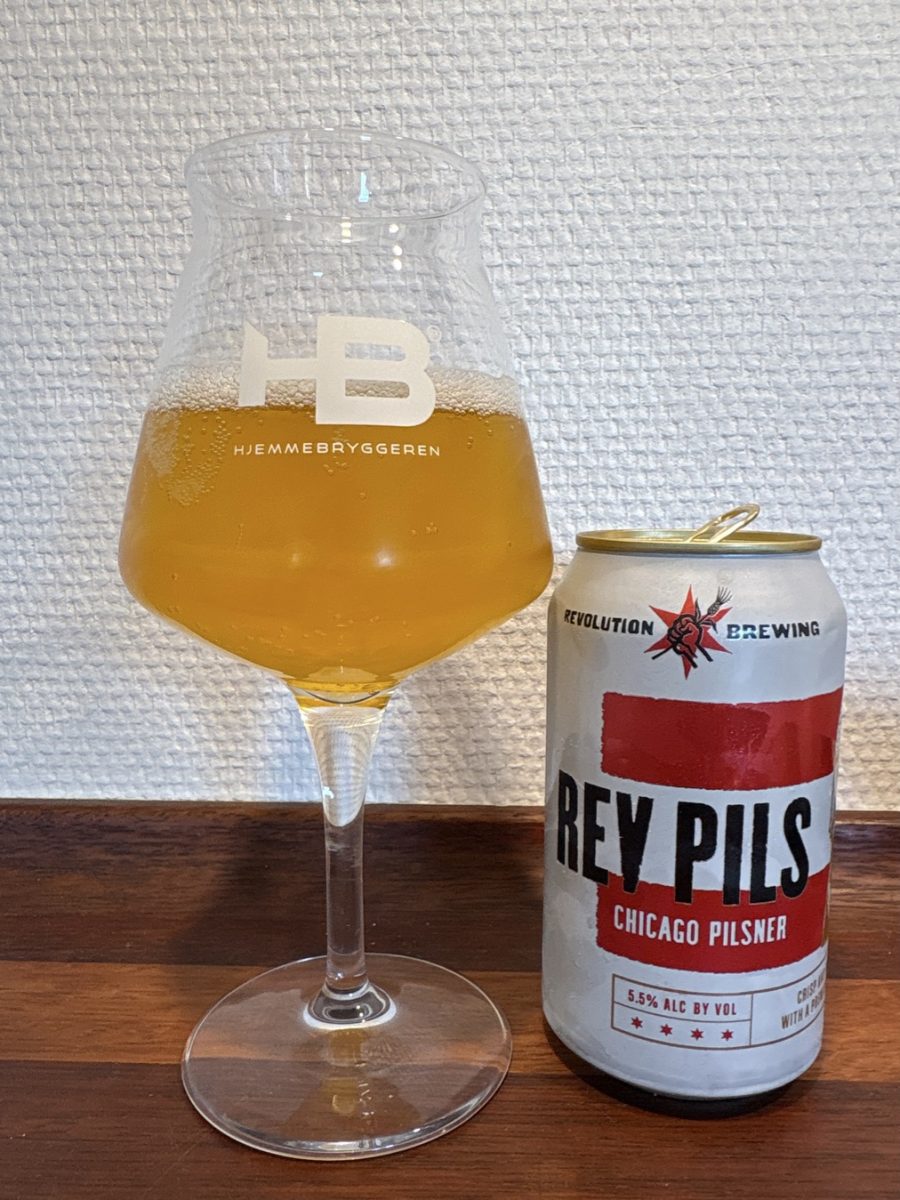
Rev Pils
Brewed by Revolution Brewing
Rev Pils is Revolution’s 5.5% German-style pilsner, built around German malt and hops.
BAR NOTES
Rev Pils is Revolution’s 5.5% German-style pilsner, built around German malt and hops. It supplies a lager reference within this trio, making a useful contrast with the two American ales. Pale color alone will not tell you which glass has the most assertive bitterness.
Pour Rev Pils before Anti-Hero and notice how long the hop finish remains. A bite of lightly salted bread is an easier starting pairing than a hot sauce. The pilsner collection offers other examples for comparing grain character and hop restraint.
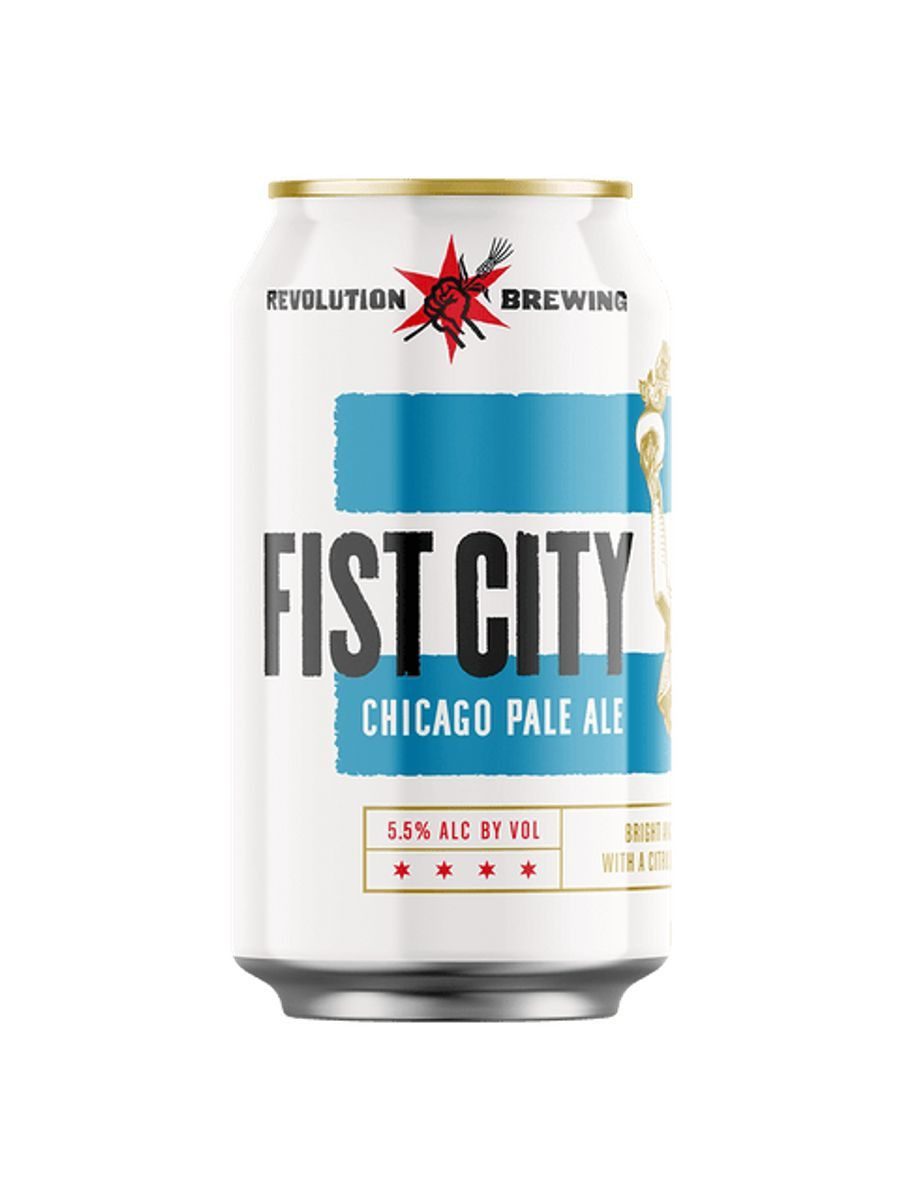
Fist City
Brewed by Revolution Brewing
Fist City is Revolution’s 5.5% Chicago pale ale, named in connection with the Republic statue in Jackson Park.
BAR NOTES
Fist City is Revolution’s 5.5% Chicago pale ale, named in connection with the Republic statue in Jackson Park. The producer lists 45 IBU. It provides the middle position between Rev Pils and Anti-Hero without assuming a pale ale must be a miniature version of the IPA.
Compare its body and finish with Anti-Hero while keeping the servings small and equally cool. Then try a grilled vegetable bite to see which hop quality persists. Our American pale ale guide explores the balance that makes this style so flexible.
3. Half Acre Beer Company
Half Acre’s current beer pages direct visitors to 2050 West Balmoral Avenue in Chicago. Daisy Cutter carries the history of the earlier Lincoln Avenue brewery, while Bodem and Pony broaden the range. All three are producer-listed year-round beers with current packaging and draft options.
Build the flight with Pony first, then Daisy Cutter and Bodem. This gives a clean lager reference before the stronger hop aroma takes over. The original Daisy Cutter is the pale ale intended here; special double versions and family extensions are separate beers with their own specifications.
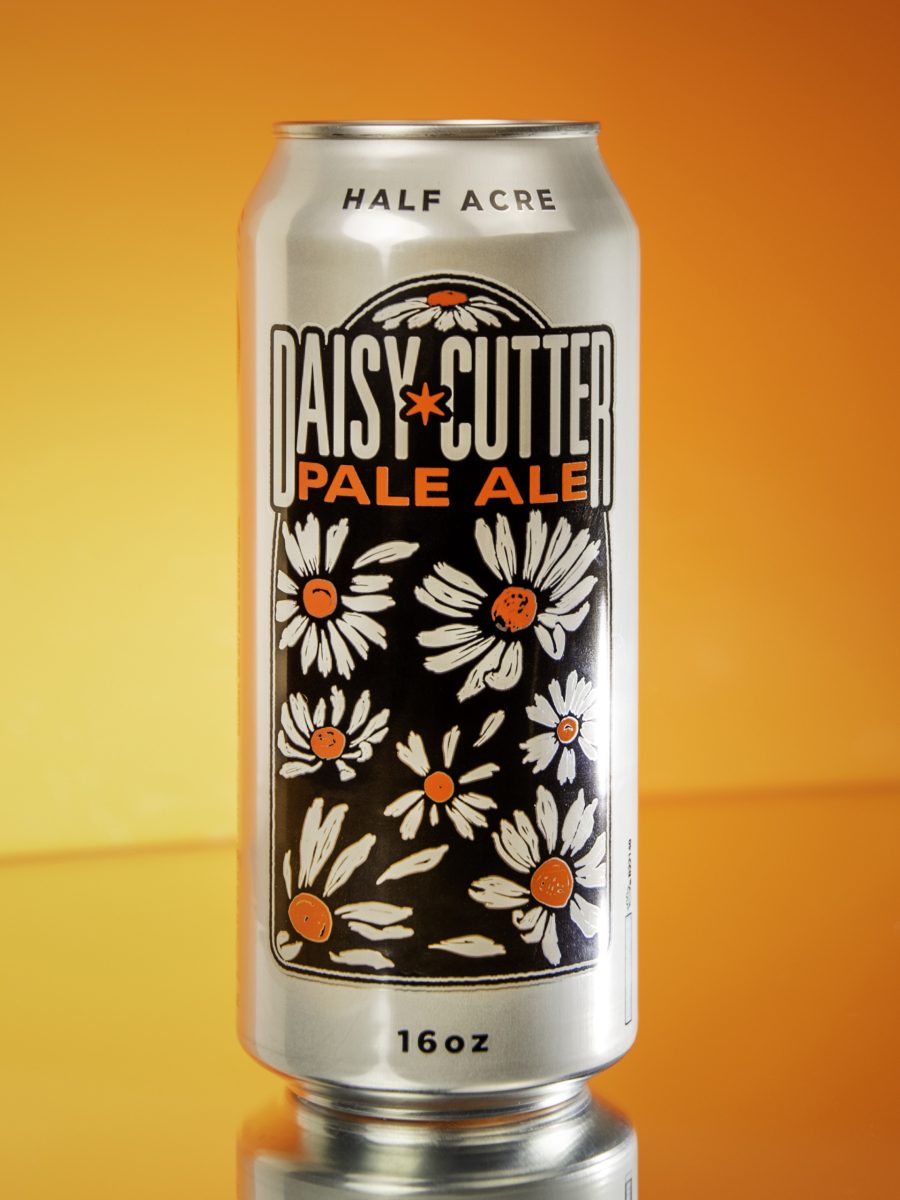
Daisy Cutter Pale Ale
Brewed by Half Acre Beer Company
Daisy Cutter began as a special bomber release at Half Acre’s Lincoln Avenue brewery in 2009.
BAR NOTES
Daisy Cutter began as a special bomber release at Half Acre’s Lincoln Avenue brewery in 2009. The current 5.2% pale ale remains year-round, with the producer describing pine, citrus and tropical-fruit associations over a biscuit-like malt foundation. Its longstanding identity makes it the reference for this Half Acre selection.
Smell a fresh pour before taking a bite of food, then follow how the dry finish changes with a roasted chicken sandwich. The fruit descriptors describe aroma, rather than proving fruit additions. Our American pale ale roundup gives Daisy Cutter useful stylistic company.
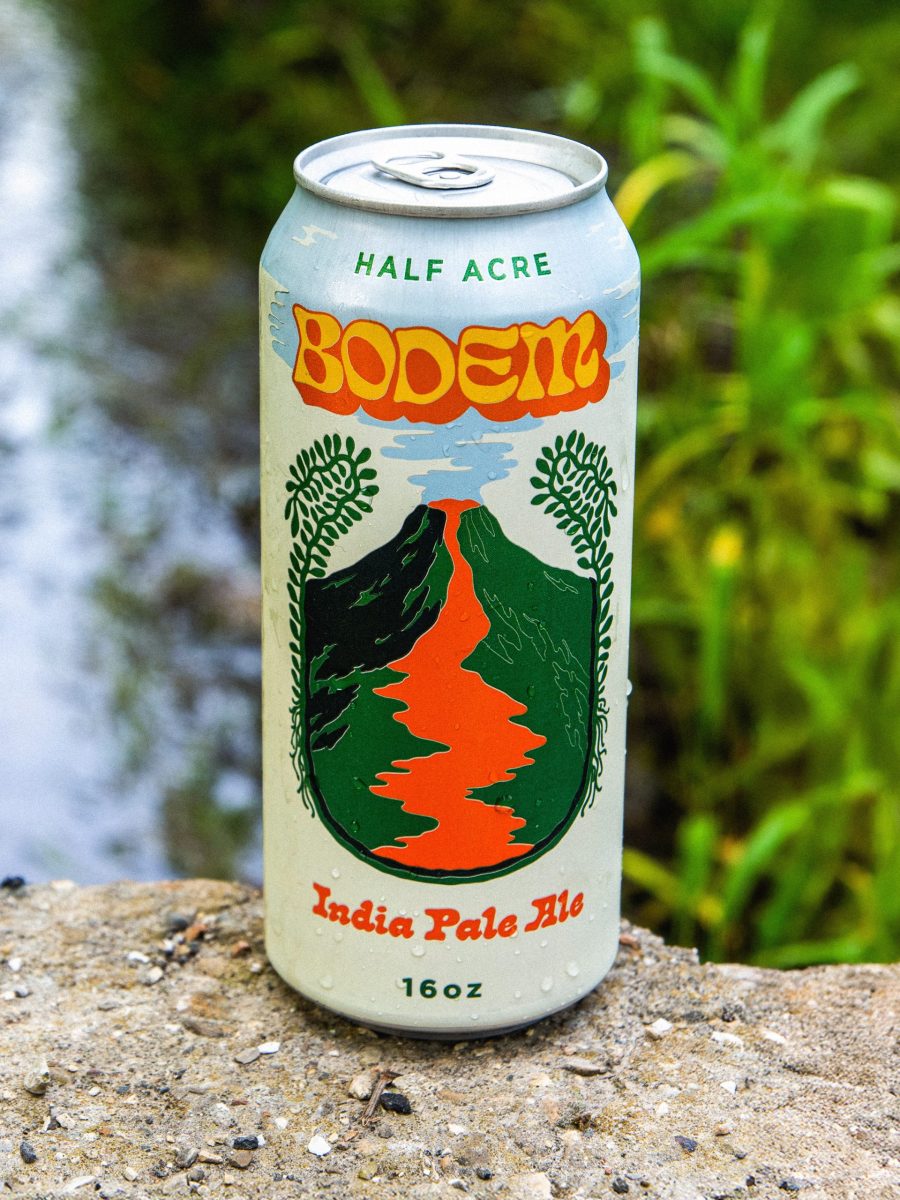
Bodem
Brewed by Half Acre Beer Company
Bodem is Half Acre’s current 6.7% year-round IPA.
BAR NOTES
Bodem is Half Acre’s current 6.7% year-round IPA. Its producer page lists Idaho 7, Mosaic Cryo and Cashmere hops over a texture-focused grain base. The updated strength matters because older listings often give a lower number for a beer with the same familiar name.
Set Bodem beside Daisy Cutter and pay attention to texture as well as hop aroma. Matching the glasses and serving temperature makes that comparison easier to follow. The IPA style guide offers a wider vocabulary for distinguishing bitterness, aroma and body.
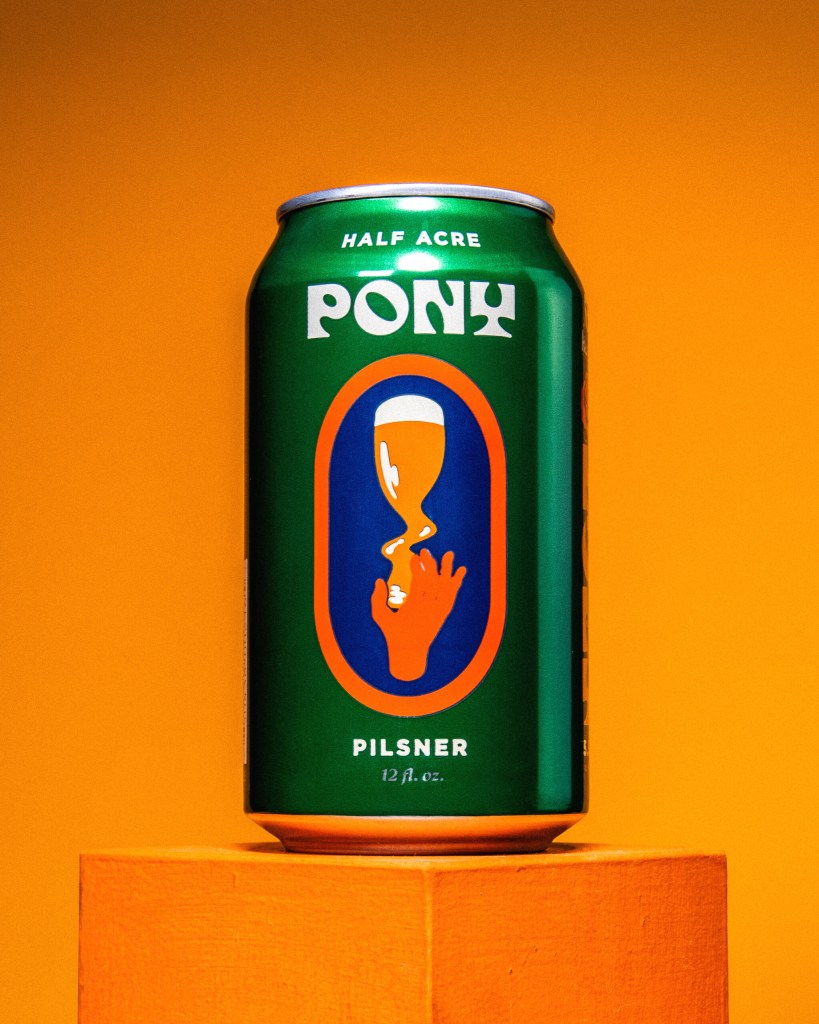
Pony
Brewed by Half Acre Beer Company
Pony is Half Acre’s 5.5% pilsner, described with bready malt and delicate herbal, floral and lightly spicy hop qualities.
BAR NOTES
Pony is Half Acre’s 5.5% pilsner, described with bready malt and delicate herbal, floral and lightly spicy hop qualities. It changes the conversation from the brewery’s pale ale and IPA to a restrained lager. The producer lists it year-round in draft and twelve-ounce six-packs.
Use Pony as the first glass in a Half Acre flight, before the stronger hop aromas occupy your attention. A simple cracker can emphasize its grain character. Our lager selection shows how much variation fits inside the broad pale-lager family.
4. Dovetail Brewery
Dovetail’s Chicago brewery at 1800 West Belle Plaine Avenue emphasizes traditional European brewing processes. Its current core beer page provides unusually helpful production details, including decoction, open fermentation, coolship use and lagering. Hefeweizen, Helles and Rauchbier reveal wheat yeast, restrained pale malt and smoked malt within that approach.
These selections give the guide a brewery section that does not need an IPA to make its point. Start with Helles if you want a quiet baseline, move to the wheat beer, and leave smoke until later. Check the current taproom board and takeaway options for each exact beer.
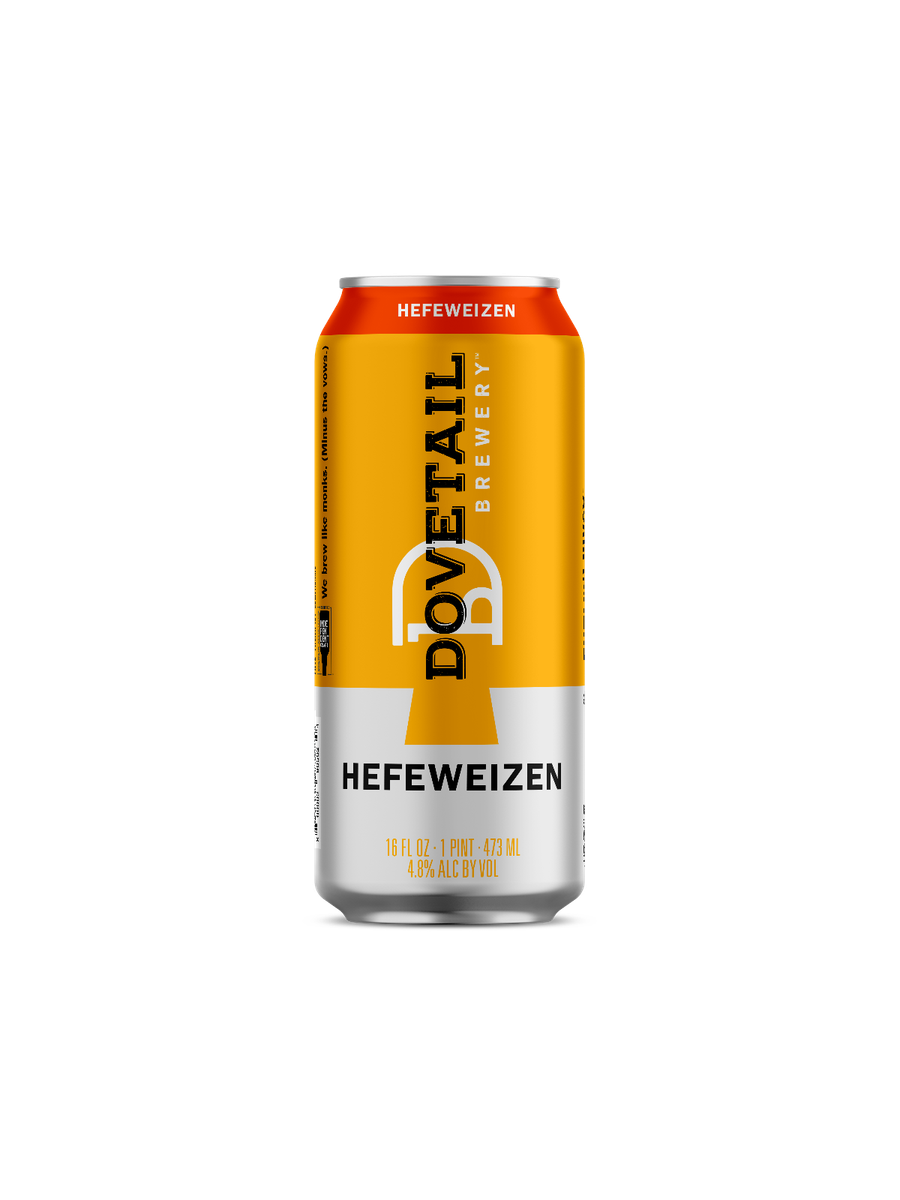
Hefeweizen
Brewed by Dovetail Brewery
Dovetail’s 4.8% Hefeweizen uses a double decoction, open fermentation and a coolship as part of its traditional process.
BAR NOTES
Dovetail’s 4.8% Hefeweizen uses a double decoction, open fermentation and a coolship as part of its traditional process. The producer describes a Bavarian wheat-beer direction. Yeast expression and wheat texture make it a different comparison from the same brewery’s pale and smoked lagers.
Compare a small pour with Riggs Hefeweizen later in the guide, keeping the glasses and temperatures similar. Notice the yeast-led aroma before judging sweetness. Our weissbier brewing guide explains the wheat and fermentation choices that can shape these impressions.
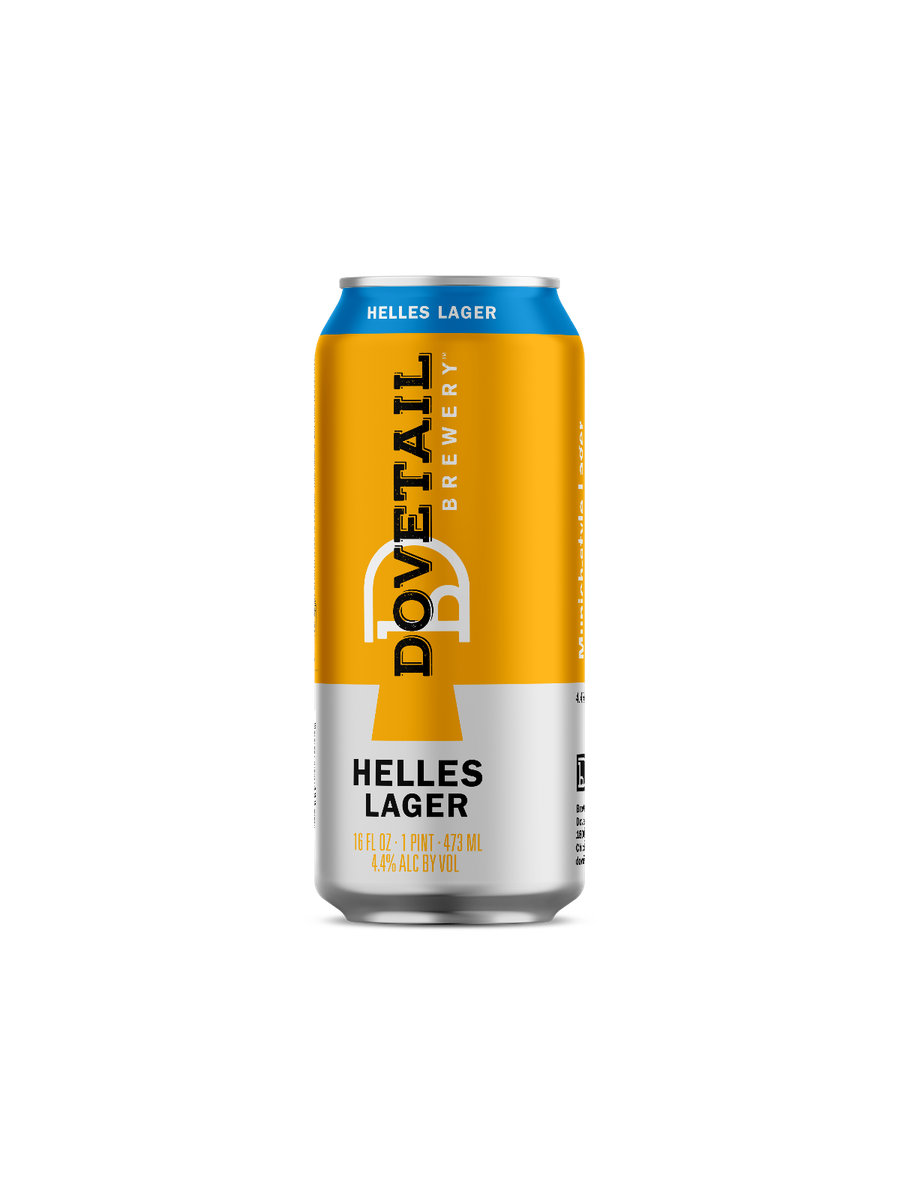
Helles
Brewed by Dovetail Brewery
Dovetail Helles is a 4.4% pale lager with Saphir hops and a grain-led foundation.
BAR NOTES
Dovetail Helles is a 4.4% pale lager with Saphir hops and a grain-led foundation. The producer describes single-decoction brewing, open fermentation, coolship use and horizontal lagering. Those production details give this relatively modest-strength beer an interesting place beside the brewery’s more obviously aromatic wheat and smoked beers.
Taste Helles before Rauchbier to preserve the quieter grain and floral-hop comparison. Lightly roasted vegetables or plain bread make useful first pairings. The Munich helles guide explores the malt-led balance behind this particularly approachable lager style.
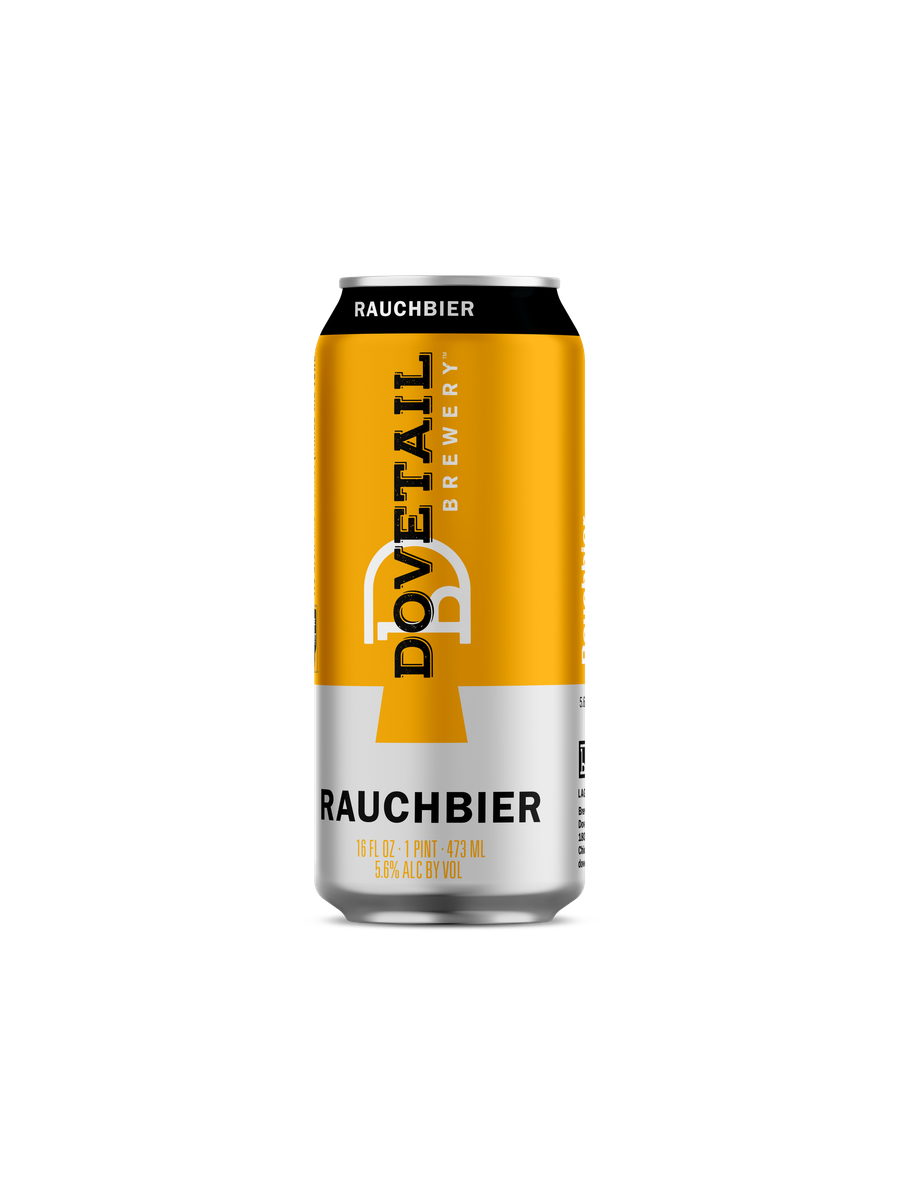
Rauchbier
Brewed by Dovetail Brewery
Dovetail Rauchbier is a 5.3% lager made with beechwood-smoked malt.
BAR NOTES
Dovetail Rauchbier is a 5.3% lager made with beechwood-smoked malt. The producer lists double-decoction brewing and horizontal lagering among its methods. Its smoke comes from the malt treatment, adding a direct ingredient contrast to Helles rather than simply marking a darker or stronger beer.
Give smoke some breathing room by tasting a small pour alone before adding a smoked meat pairing. Then compare it with a roasted mushroom bite. Our rauchbier brewing guide explains how smoked malt can shape aroma without replacing lager structure.
5. Off Color Brewing
Off Color’s Mousetrap taproom brings a different Chicago brewing vocabulary to the route. Its current range includes farmhouse ale, dry-hopped lager and lime gose, the three chosen here. The producer pages explain techniques and ingredients in enough detail to make the comparison more useful than a list of novelty names.
Apex Predator’s fruit associations come from fermentation and hops, while Beer for Tacos explicitly includes lime. Tooth & Claw adds a Field Museum connection and Czech-style lager balance. That trio rewards reading the beer description before ordering; beers with similar color can have very different acidity and yeast expression.
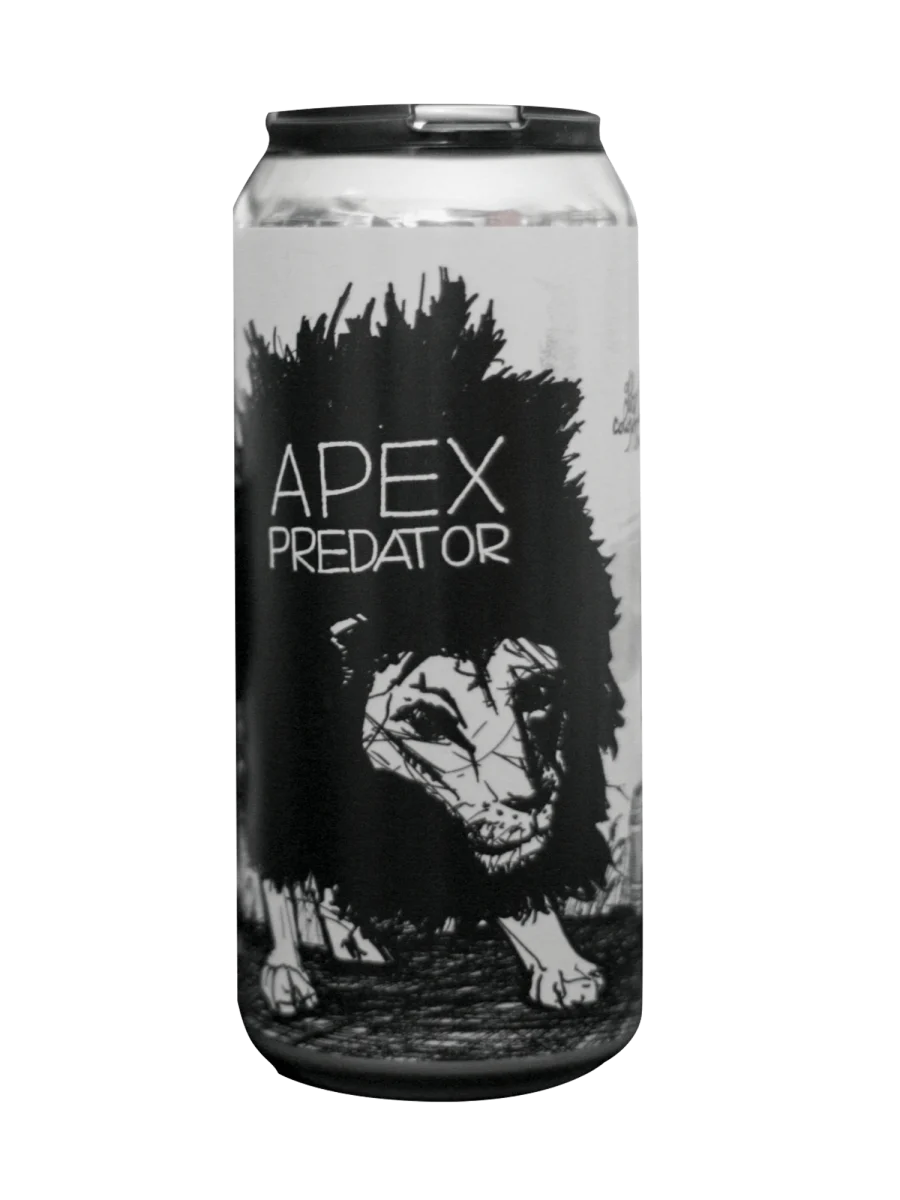
Apex Predator
Brewed by Off Color Brewing
Apex Predator is Off Color’s 6.5% farmhouse ale, pairing saison yeast with American-style dry hopping.
BAR NOTES
Apex Predator is Off Color’s 6.5% farmhouse ale, pairing saison yeast with American-style dry hopping. The producer allows fermentation temperature to rise and later adds Crystal hops. The resulting fruit associations have a yeast-and-hop explanation, rather than establishing pineapple or other fruit as recipe additions.
Let a small serving lose a little refrigerator chill and compare its aroma again before finishing it. A peppery salad provides an interesting second taste after the beer alone. The saison brewing guide puts expressive yeast and a dry finish in context.
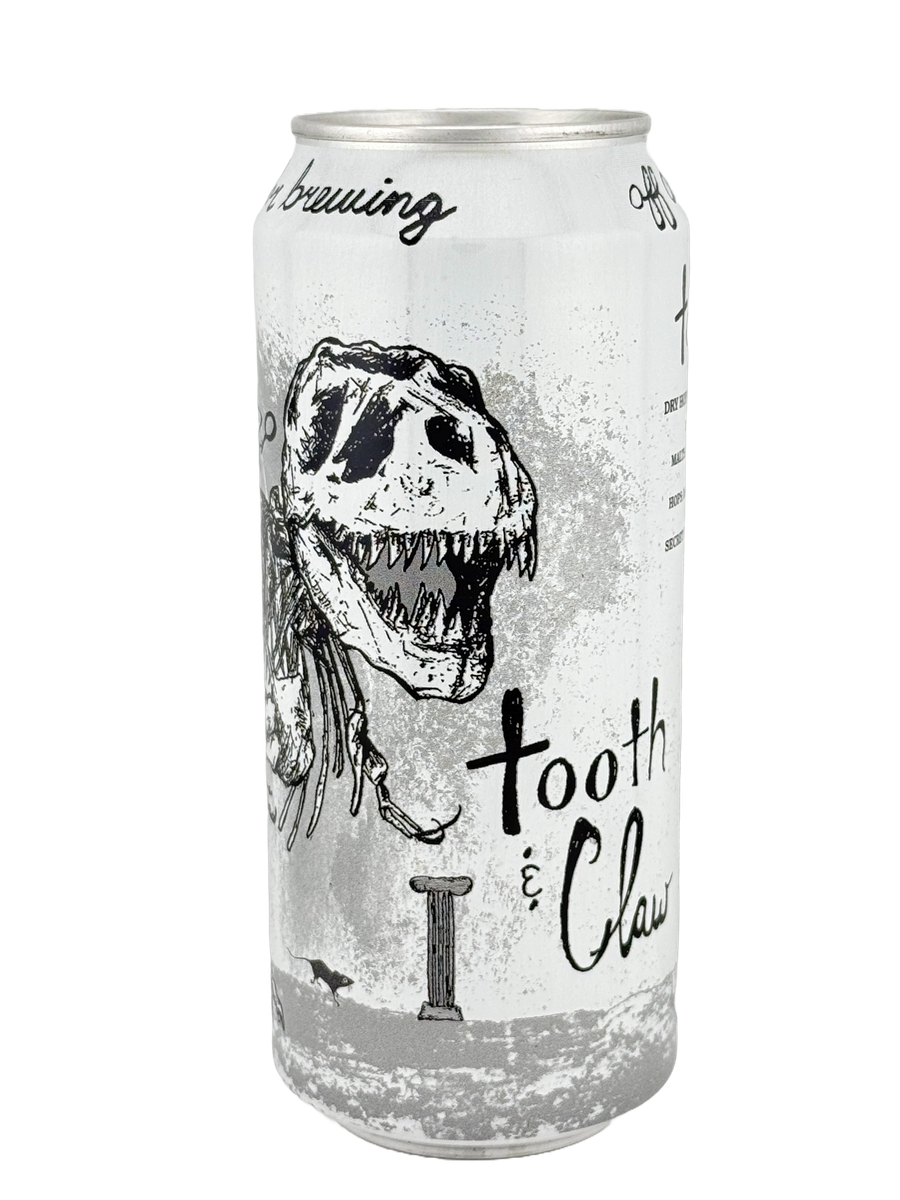
Tooth & Claw
Brewed by Off Color Brewing
Tooth & Claw is Off Color’s 5.0% dry-hopped Czech-style lager, brewed as a house beer for the Field Museum.
BAR NOTES
Tooth & Claw is Off Color’s 5.0% dry-hopped Czech-style lager, brewed as a house beer for the Field Museum. Its listed hops are Magnum, Perle and Tettnanger. The producer describes delicate malt and a semi-dry finish, giving this museum connection a practical beer-style identity.
Set Tooth & Claw beside a German-style pilsner in the guide and follow the malt into the finish. Keep the pours small enough for an attentive comparison. Our Czech pale lager guide helps explain the richer malt balance associated with this tradition.
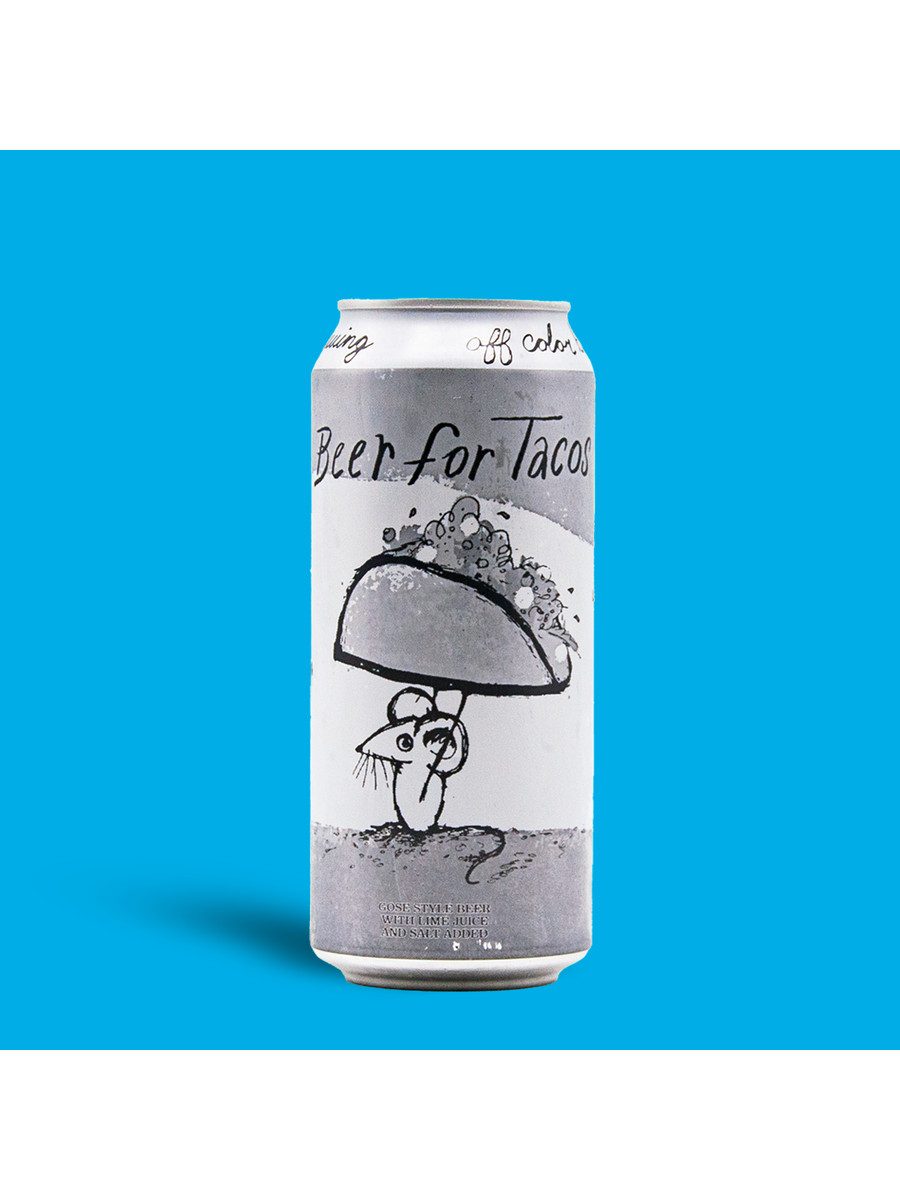
Beer for Tacos
Brewed by Off Color Brewing
Beer for Tacos is Off Color’s 4.5% lime gose with pink Himalayan salt and coriander.
BAR NOTES
Beer for Tacos is Off Color’s 4.5% lime gose with pink Himalayan salt and coriander. The producer blends a Belgian-yeast beer with a Lactobacillus-fermented beer, then referments the blend with lime. That process supplies several distinct sources of tartness rather than relying on a margarita-like name alone.
Taste the beer before adding a squeeze of lime to your taco, so the food does not obscure the recipe’s own acidity. Then compare a plain and sauced bite. The gose brewing guide explains the wheat, salt and sourness framework underneath this version.
6. Maplewood Brewing Company
Maplewood combines Chicago brewing with a distillery identity and also lists a Glen Ellyn visitor location in its current site navigation. This section focuses on beer: Son of Juice, Charlatan and Fat Pug. The three year-round selections contrast hazy hops, more conventional pale-ale balance and lactose-containing dark malt.
Check the location-specific menu before choosing between Chicago and Glen Ellyn. Fat Pug contains lactose, a concrete recipe detail that distinguishes it from the hop-led beers. Son of Juice and Charlatan also show why a pale ale can be close to an IPA in strength without sharing its texture or balance.
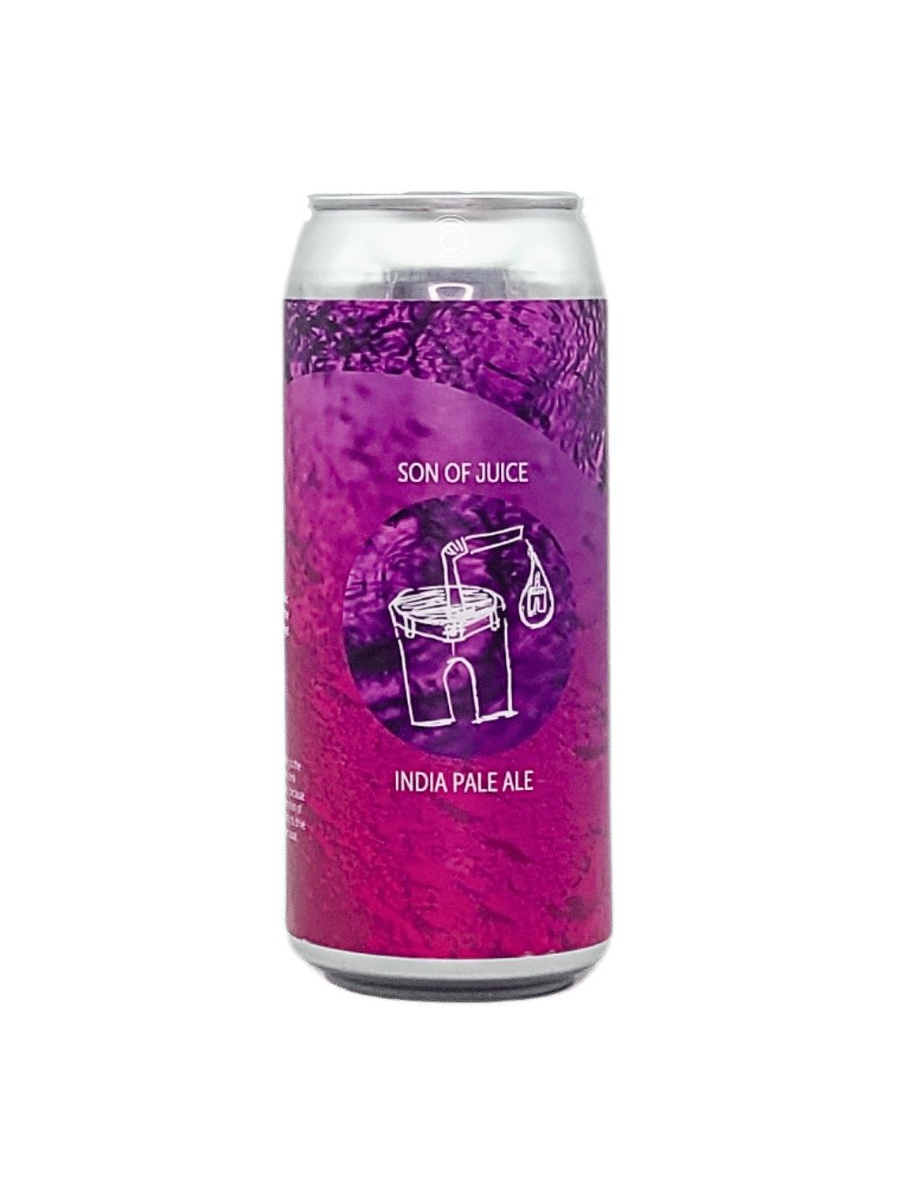
Son of Juice
Brewed by Maplewood Brewing Company
Son of Juice is Maplewood’s year-round 6.3% IPA, using Mosaic, Simcoe and Nugget alongside Cryo versions of the first two.
BAR NOTES
Son of Juice is Maplewood’s year-round 6.3% IPA, using Mosaic, Simcoe and Nugget alongside Cryo versions of the first two. Pilsner malt, oats and wheat support its hazy texture. The brewery describes tropical hop associations and lower bitterness, giving it a different emphasis from Charlatan.
Choose a fresh package and compare a small pour with Bodem, focusing on mouthfeel before deciding which has stronger aroma. Haze does not by itself establish sweetness. Our hazy IPA collection offers more reference points for this softer hop-led direction.
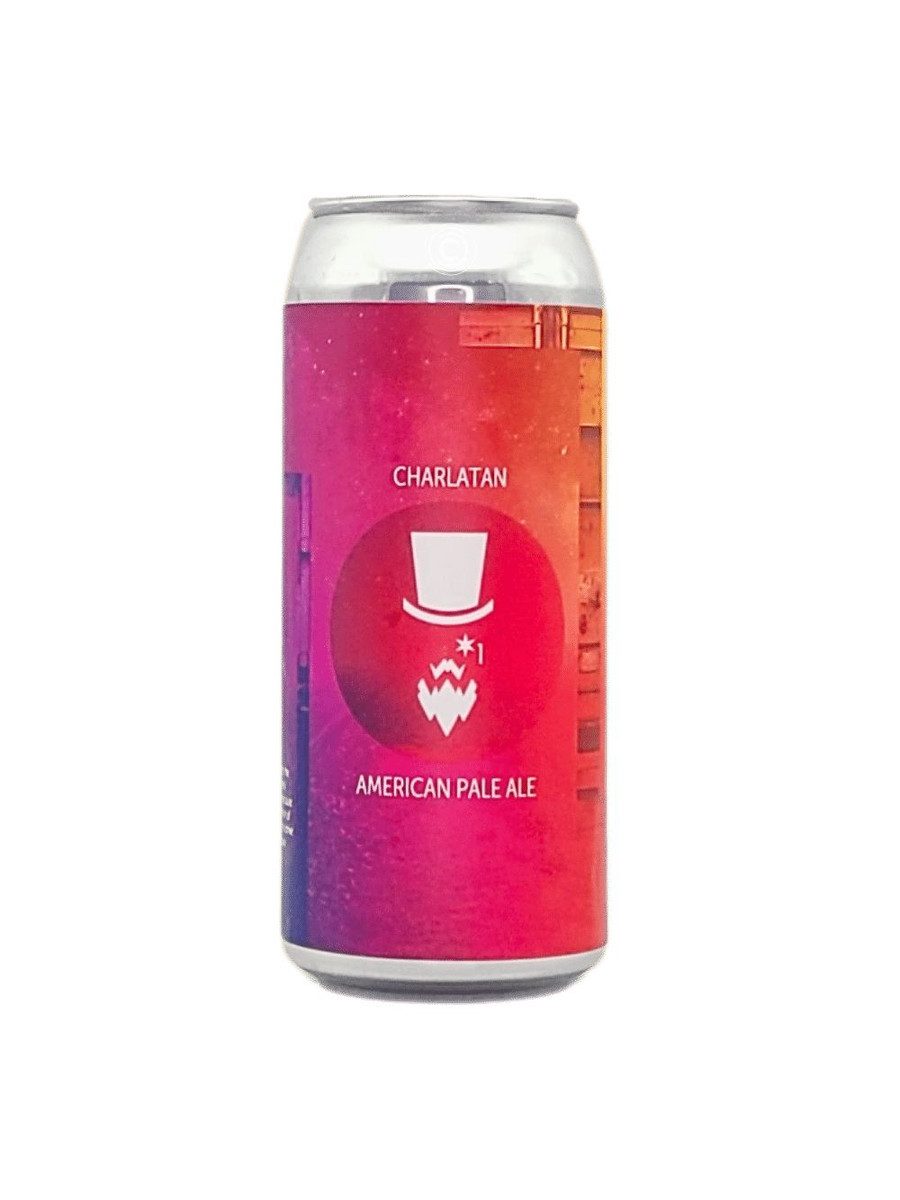
Charlatan
Brewed by Maplewood Brewing Company
Charlatan is Maplewood’s 6.1% American pale ale, with Citra, Centennial and Simcoe prominent in the producer’s description.
BAR NOTES
Charlatan is Maplewood’s 6.1% American pale ale, with Citra, Centennial and Simcoe prominent in the producer’s description. Citrus and earthy-pine associations sit alongside a malt base that includes light Munich. Its strength overlaps many IPAs, showing why style names and alcohol levels deserve separate attention.
Make the comparison with Son of Juice about balance rather than rank or intensity alone. A bite of sharp cheese can change the way the hop finish feels. The pale ale selection extends the exploration of this broad, hop-friendly category.
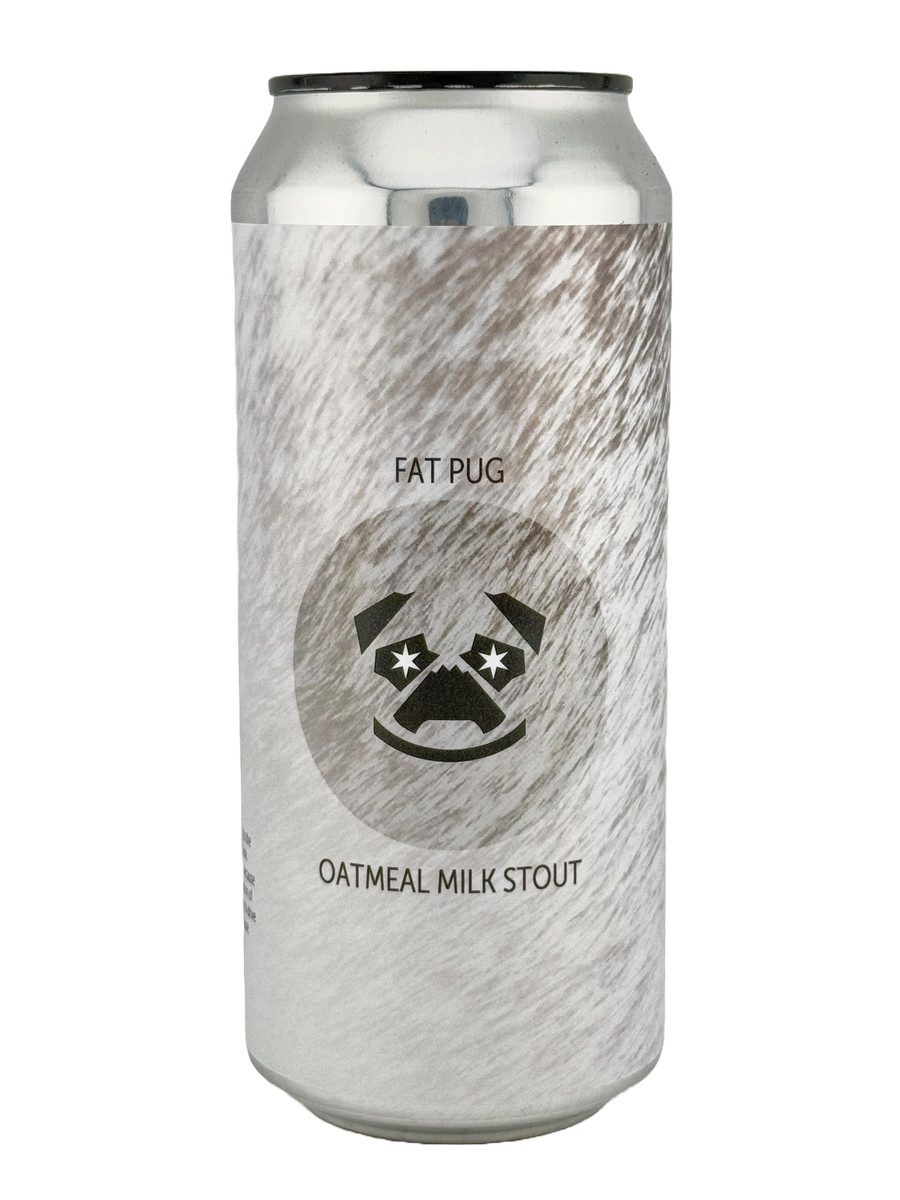
Fat Pug
Brewed by Maplewood Brewing Company
Fat Pug is Maplewood’s 5.9% oatmeal milk stout, named for head brewer Adam’s pug, Otto.
BAR NOTES
Fat Pug is Maplewood’s 5.9% oatmeal milk stout, named for head brewer Adam’s pug, Otto. Roasted grains provide coffee and chocolate associations, while lactose is explicitly included for sweetness. It brings both a darker malt palette and a clear ingredient distinction to the Chicago brewery’s trio.
Try it by itself before moving to dessert, which can change the apparent sweetness and bitterness. Let the small pour warm gently and follow the roasted aroma. Our milk stout brewing guide explains the role of lactose in this style.
7. DESTIHL Brewery
DESTIHL adds Normal and its Beer Hall and Barrel Room to the statewide route. The current main beer page lists the Deadhead IPA and Wild Sour series alongside a much broader portfolio. West Coast IPA, TourBus and Blackberry Gose give this section a clear contrast between firm hops, hazy texture and fruit acidity.
Read the exact series and variant name on the menu or package. TourBus World Tour editions are separate from the standard TourBus beer, and the sour range extends well beyond blackberry. Current main-page ABVs take precedence over older reservation-page numbers, with the batch label providing the final check when ordering.
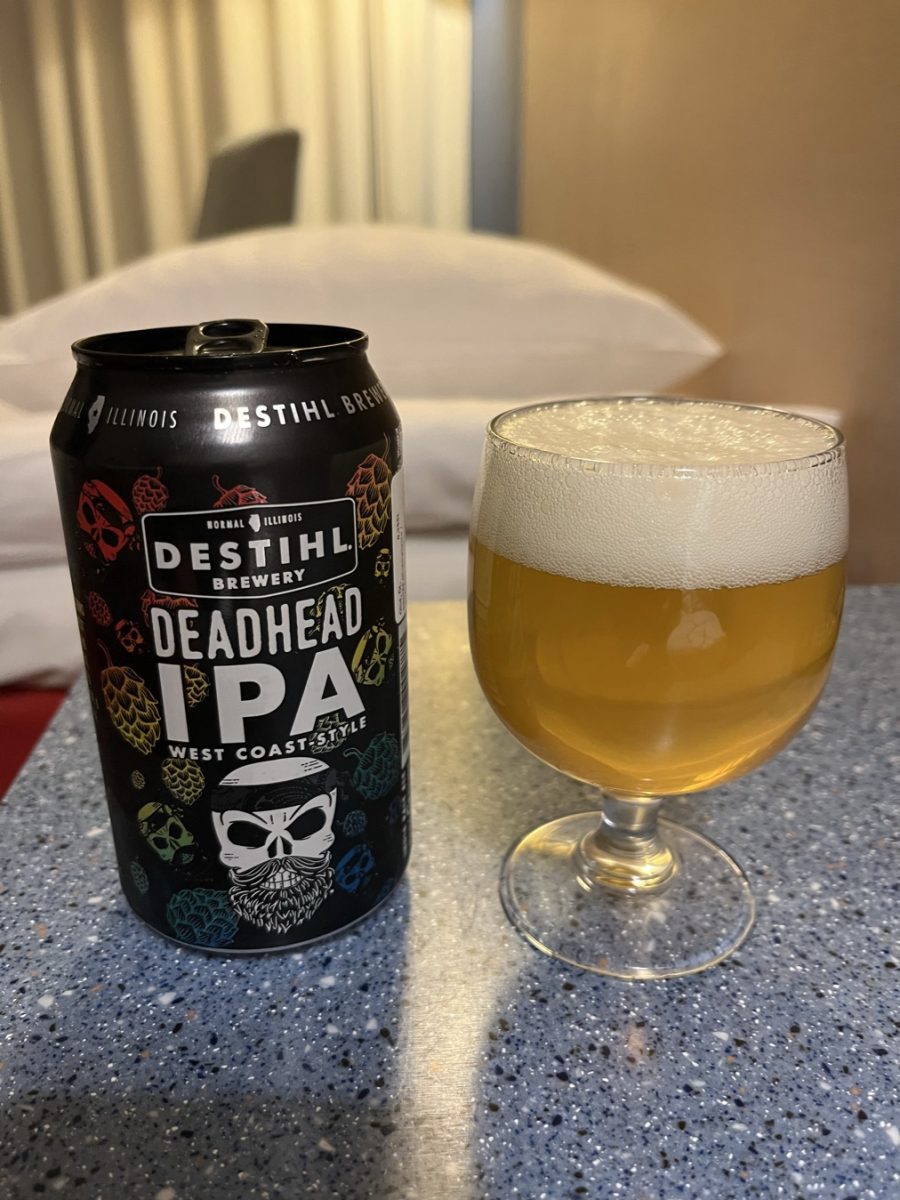
Deadhead IPA Series: West Coast IPA
Brewed by DESTIHL Brewery
DESTIHL’s Deadhead West Coast IPA is currently listed at 7.0% on the producer’s main beer page.
BAR NOTES
DESTIHL’s Deadhead West Coast IPA is currently listed at 7.0% on the producer’s main beer page. Its hop-led West Coast direction contrasts with TourBus’s hazy texture and the sour series. Check the batch label because some older reservation pages retain different alcohol figures for these recurring names.
Choose a fresh can and pay particular attention to the finish after the initial aroma. A savory grilled sandwich gives a useful second tasting after the beer alone. Our West Coast IPA picks provides broader comparisons for this firmer hop direction.