
Cream Ale: Top 10 Current Beers and Style Guide
Cream ale is America’s original lager impersonator: a pale, highly carbonated ale created in the nineteenth century to compete with the new lagers winning drinkers.
The name causes endless confusion. There is no cream requirement, no dairy tradition and no reason for the beer to taste like dessert.
The quick answer
A proper cream ale is pale, smooth, highly carbonated and clean, with light grain, optional corn sweetness and restrained fruit. It has more character than American lager but should remain an easy-drinking lawnmower beer.
| Measure | BJCP range | What it means |
|---|---|---|
| ABV | 4.2–5.6% | Standard strength; historical brands can fall outside the modern competition range. |
| IBU | 8–20 | Low to medium-low bitterness, enough to balance grain and faint sweetness. |
| SRM | 2–5 | Pale straw to light gold. |
| OG / FG | 1.042–1.055 / 1.006–1.012 | Moderate gravity with a well-attenuated, crisp finish. |
What it tastes like
The palate can move from dry and crisp to faintly sweet, but it should never become heavy. Malt is neutral to grainy or crackery, hops stay low and fermentation may contribute a small amount of fruit.
The smooth impression comes from balance, attenuation and carbonation—not lactose. Some modern breweries add vanilla, coffee or fruit, but those are flavored branches built on top of the traditional style rather than the historical definition itself.
Top 10 current cream-ale references
This board combines classic cream ales, regional interpretations and one clearly labeled competition crossover. HBA ranks them for their value in explaining the family, not as a blind-tasting result. Little Kings and Kiwanda differ from the guideline’s numeric ranges; Was Angeles is marketed as lager and has documented cream-ale competition recognition.
For more discovery, use our expanded cream-ale roundup. Read this style within the Standard American Beer family. Availability varies by market; locations identify brewery or brand origins rather than every production facility.
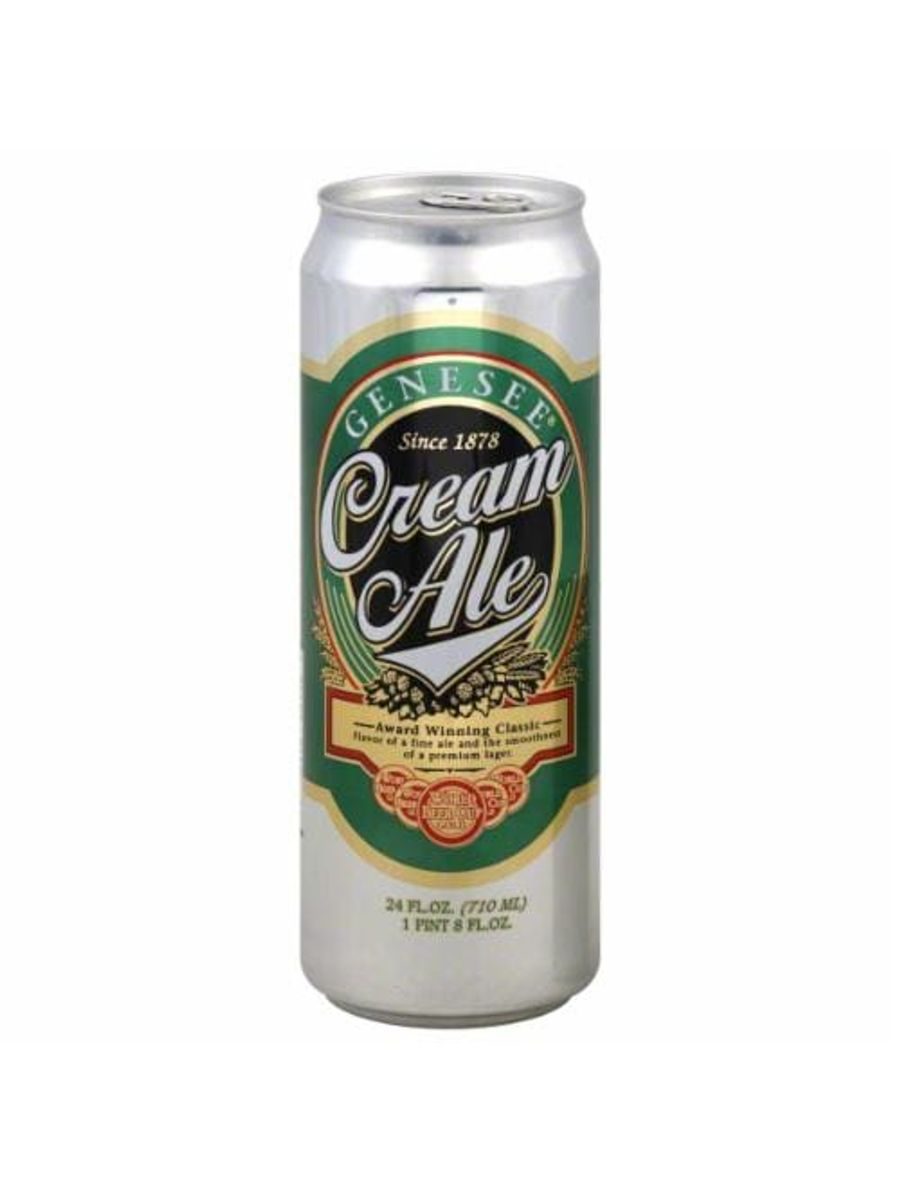
Genesee Cream Ale
Brewed by Genesee Brewing Co.
The blue-collar reference point: lightly fruity, grainy, crisp and still priced like a beer meant to be drunk.
BAR NOTES
Genesee Cream Ale is the reference because it preserves the style’s central trick: ale fermentation with the brisk, polished drinkability people associate with lager. Light grain and restrained fruit appear without slowing the finish.
Serve it cold but not numb, ideally around 40°F, with burgers, fried fish or roast chicken. It is not creamy like a stout and contains no dairy; the name signals smoothness and historical marketing.
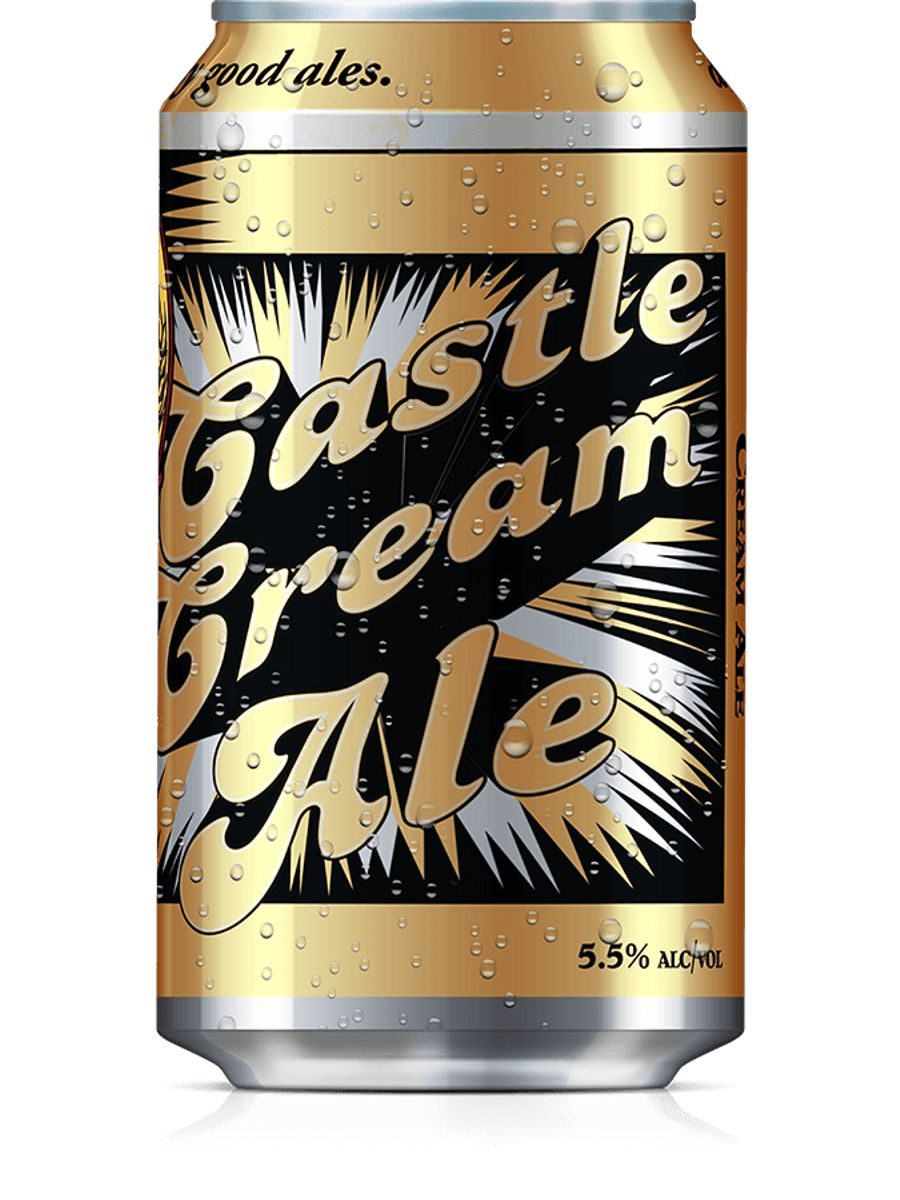
Castle Cream Ale
Brewed by Castle Danger Brewery
A fuller craft interpretation that preserves the style’s clean finish and uncomplicated all-day logic.
BAR NOTES
Castle Cream Ale shows how a craft brewery can add malt presence while retaining the category’s smooth, clean purpose. Castle Danger describes soft malt aroma, a slightly sweet texture and balanced bitterness at 5.5% ABV.
It is a useful bridge beer for drinkers who say they only like lager. Pair it with grilled pork, cheese curds or chicken sandwiches, and notice how the smooth body never becomes sugary or heavy.
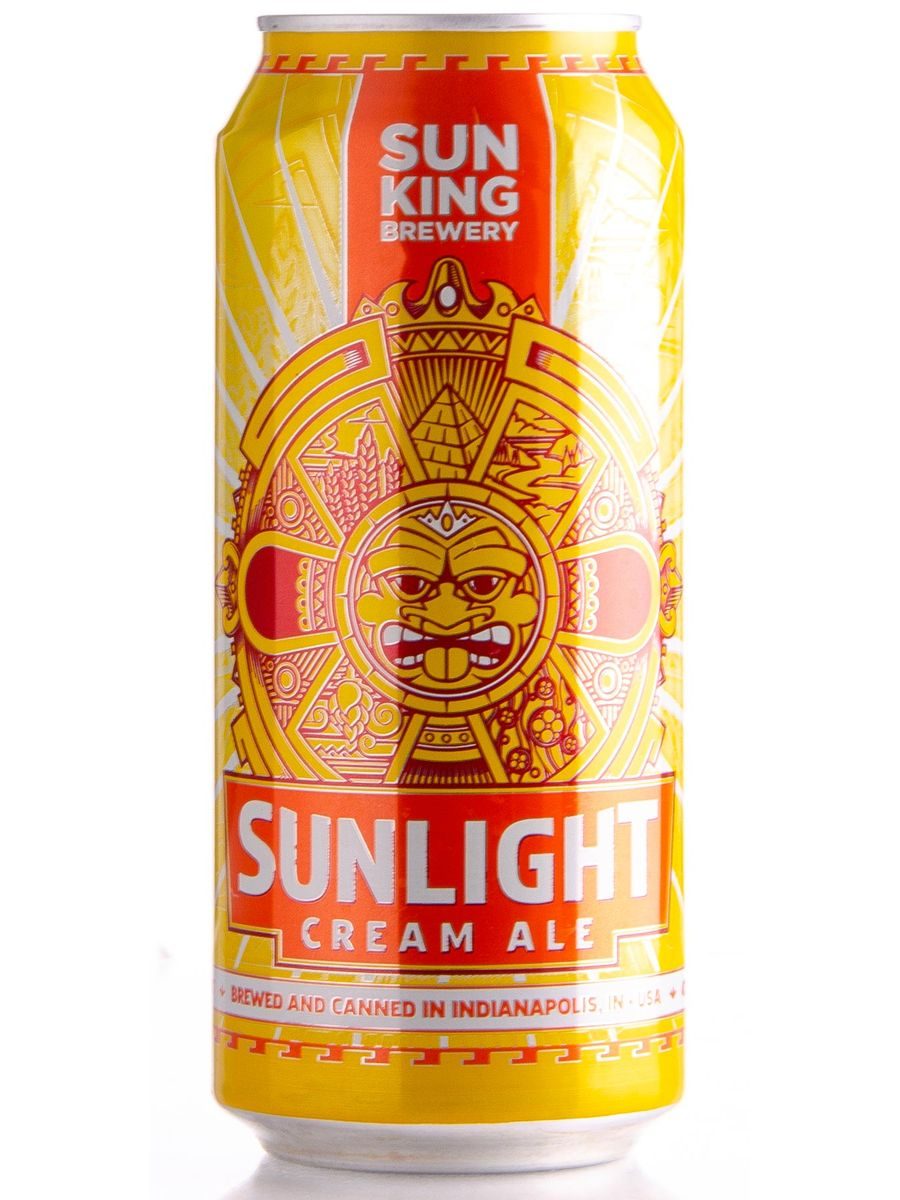
Sunlight Cream Ale
Brewed by Sun King Brewery
A modern Midwestern staple that makes the old lager-chasing cream-ale idea feel entirely current.
BAR NOTES
Sunlight stays close to the historical brief: pale, highly drinkable and clean, with just enough grain and fermentation character to avoid tasting blank. It is a modern regional beer with old American bones.
The high carbonation handles fried food especially well, while the restrained hop profile does not fight spicy mustard or barbecue sauce. This is the cream ale to use when explaining the style to a lager drinker.
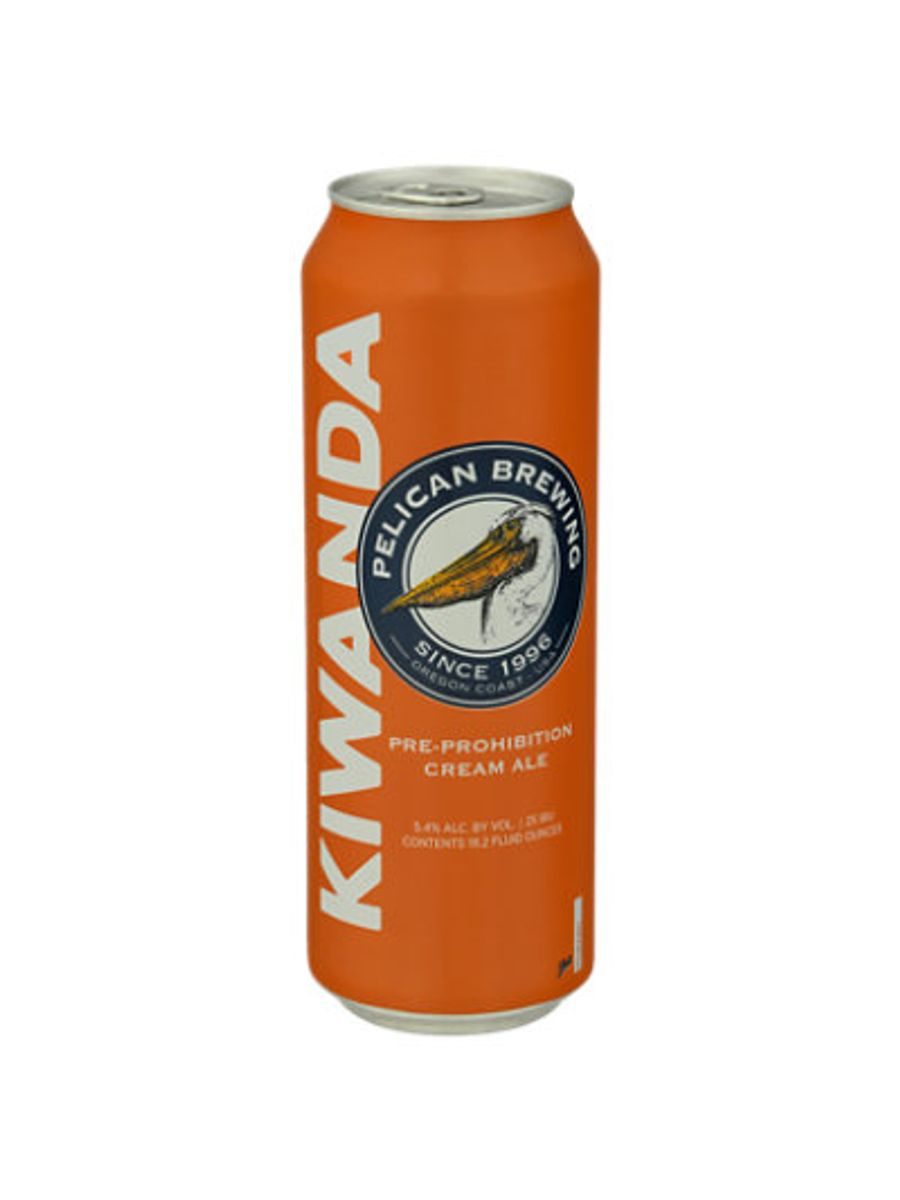
Kiwanda Cream Ale
Brewed by Pelican Brewing Co.
A coastal Oregon classic with unusually expressive pale malt and a tight, lager-like finish.
BAR NOTES
Kiwanda puts more emphasis on polished malt than the leanest cream ales, yet it remains balanced and highly attenuated. The extra character makes it easier to study without breaking the style’s quiet, refreshing purpose. Pelican’s published 25 IBU is above the BJCP 8–20 range, so this named commercial reference is a boundary example rather than an exact numeric template.
A clean pint glass and a temperature around 40–45°F let its malt show while preserving snap. Pair it with fish tacos, grilled salmon or a sharp cheddar sandwich rather than intensely bitter or sugary food.
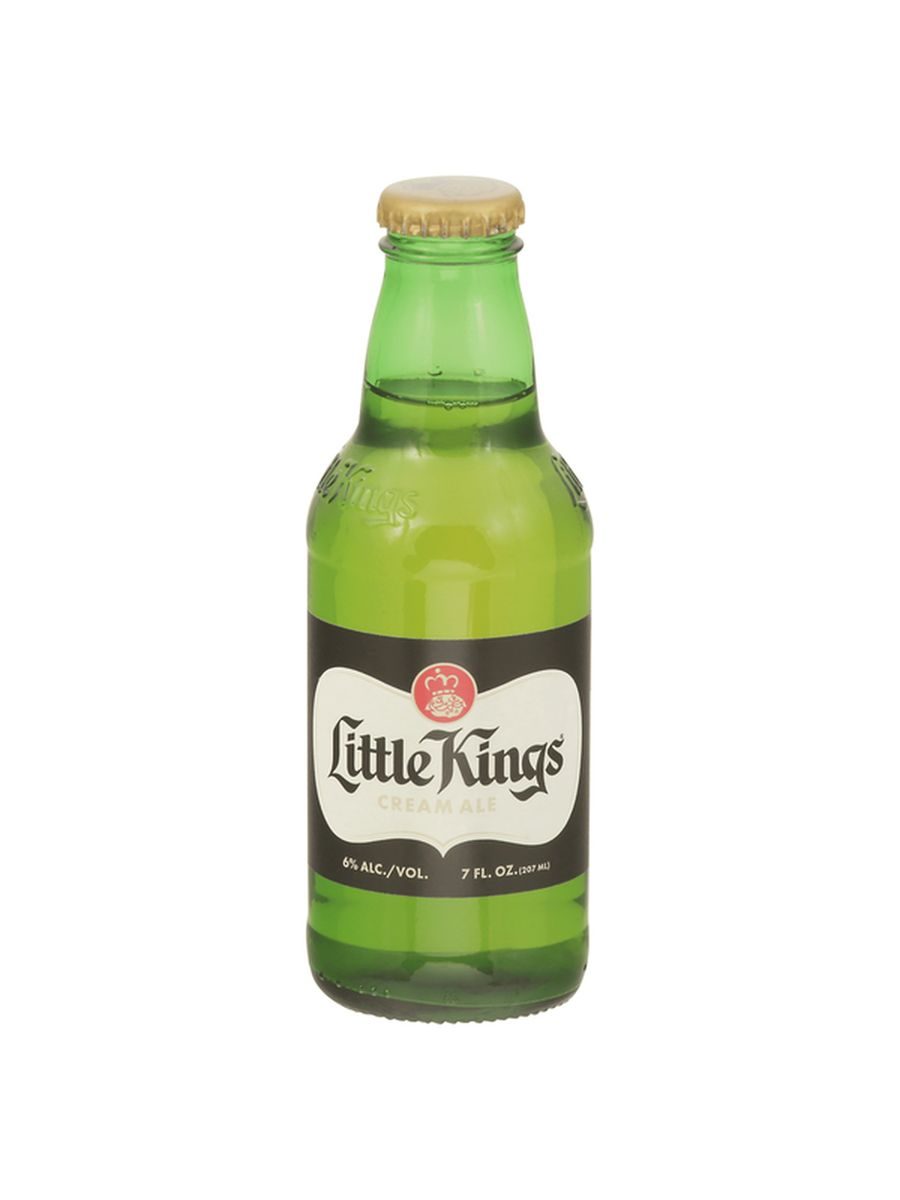
Little Kings Cream Ale
Brewed by Little Kings
The seven-ounce green bottle remains one of American beer’s most charming small-format cream-ale survivors.
BAR NOTES
Little Kings is stronger than the modern BJCP range, but historically important commercial beer rarely follows competition numbers perfectly. Its small green bottle and crisp, slightly sweet profile preserve a distinctly old-school piece of bar culture.
Treat it as a historical branch rather than the exact center of the style. Drink it fresh because green glass offers limited light protection, and pair the compact pour with sliders, salty peanuts or fried appetizers.
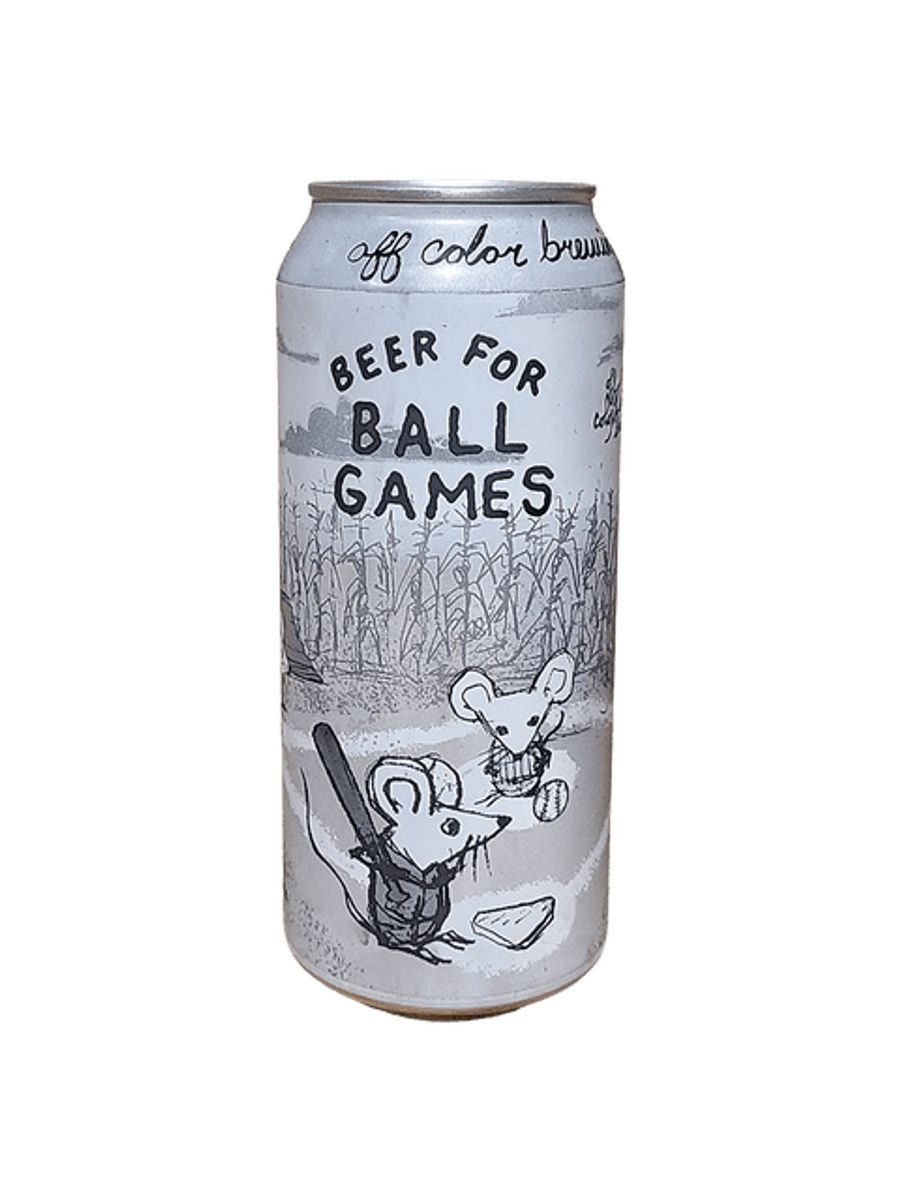
Beer for Ball Games
Brewed by Off Color Brewing
A lower-strength cream ale built around light malt, corn-flake grain and a little yeast texture.
BAR NOTES
Off Color describes this 4.2% cream ale through corn-flake cereal, bread and a light hop aroma. Those are useful style cues: the grain stays recognizable while fruit additions and dessert flavors remain outside the brief.
The brewery also describes yeast remaining in the beer, so a little texture need not mean a heavy finish. Put it beside the American lager selections to compare ale character with similarly modest strength and restrained bitterness.
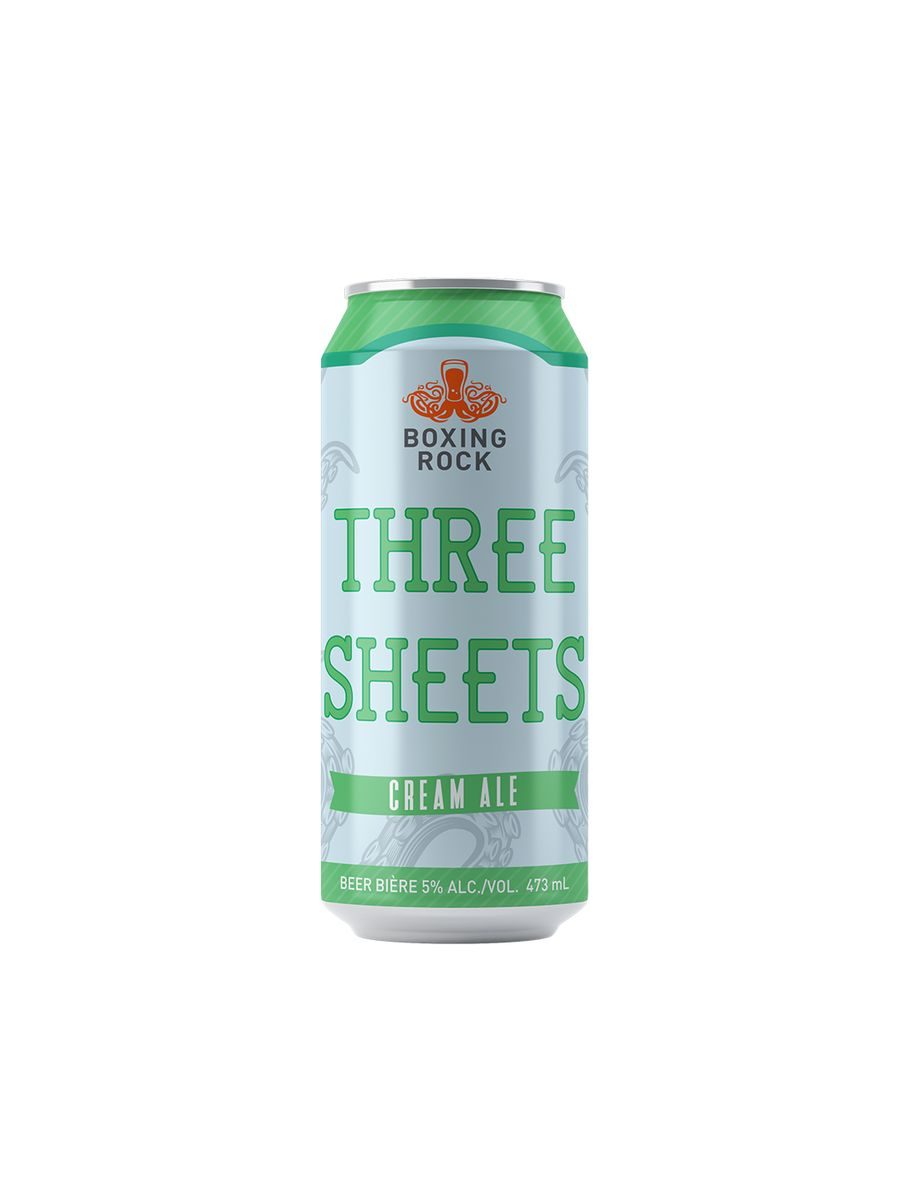
Three Sheets Cream Ale
Brewed by Boxing Rock Brewing Company
A Canadian regional cream ale with bread-and-biscuit malt and a balanced, smooth profile.
BAR NOTES
Boxing Rock’s active shop lists Three Sheets as a 5.0% cream ale, with bread and biscuit malt alongside restrained citrus and spice. Its inclusion makes the North American tradition broader than the familiar U.S. national and regional brands.
This is Boxing Rock’s cream ale, rather than the unrelated Australian Three Sheets pale ale. Expect regional distribution and check local stock; the name alone is not enough to identify either the producer or the style.
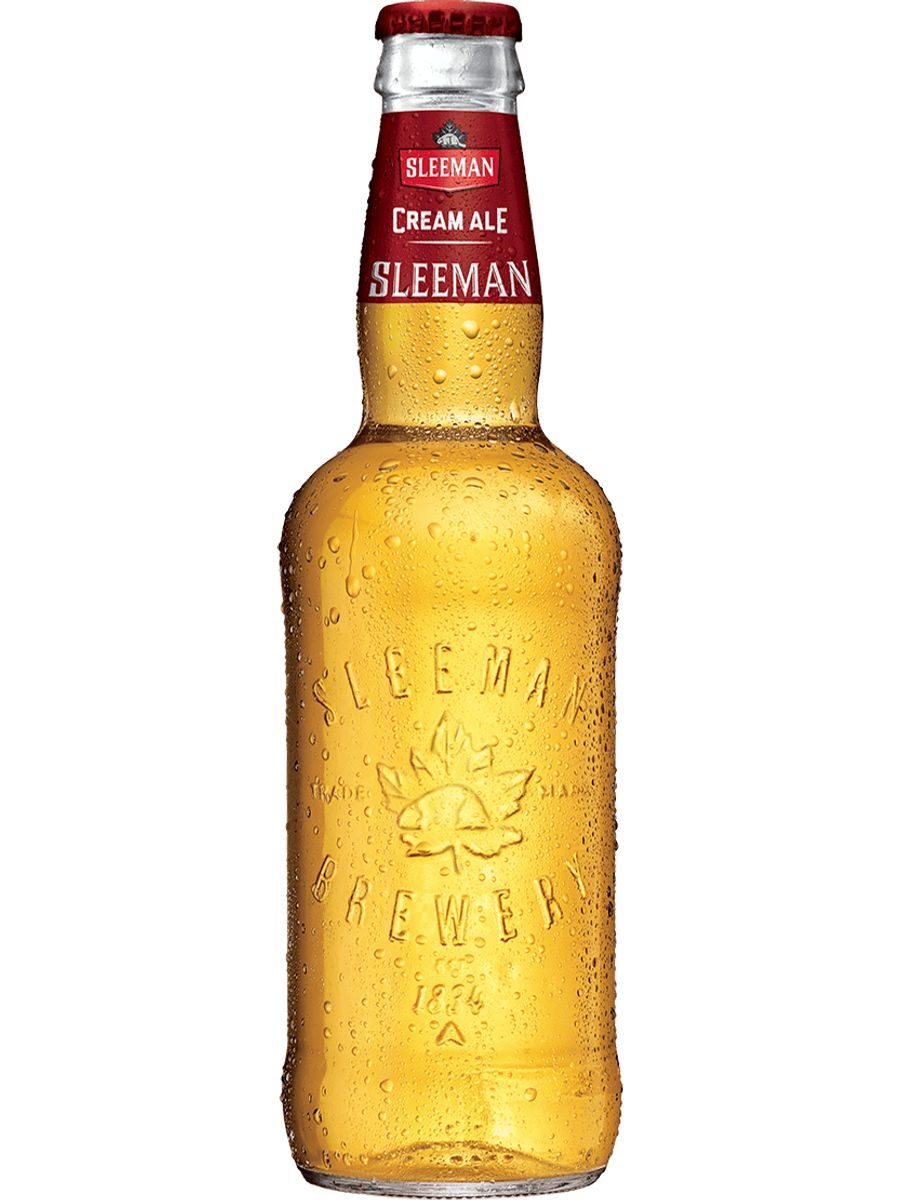
Sleeman Cream Ale
Brewed by Sleeman Breweries
A named BJCP commercial example with a rounder malt and gentle fruit profile.
BAR NOTES
Sleeman Cream Ale appears in the BJCP’s commercial examples and is currently listed at 5.0% by the brewery. Its published pear-or-apple aroma and medium body make it a rounder reference than the leanest U.S. cream ales.
Use this Canadian interpretation to discuss the family’s breadth, rather than making its fuller malt profile a requirement for every competition entry. The blonde-ale roundup offers another useful comparison when approachable beer carries more noticeable malt and fermentation character.
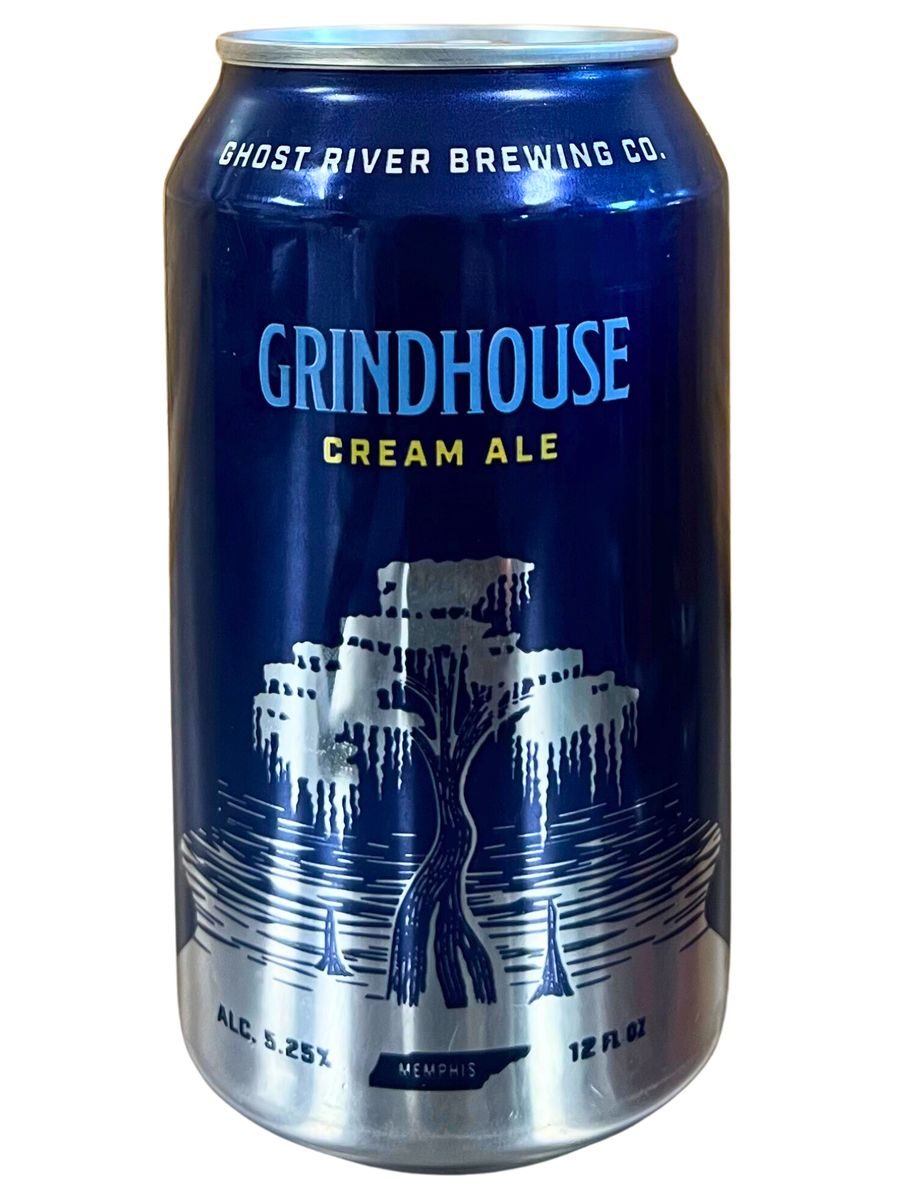
Grindhouse
Brewed by Ghost River Brewing Company
A year-round Memphis cream ale with light malt and restrained bitterness.
BAR NOTES
Ghost River publishes 5.25% ABV and 11 IBU for Grindhouse, placing both measurements inside the BJCP cream-ale ranges. The brewery’s lightly malted, balanced description supports its role as a straightforward base-style selection.
Look for the regular Grindhouse six-pack rather than Grind-N-Shine, the brewery’s separate coffee cream ale. The similar names make this a useful reminder that a shared base beer does not turn a flavored extension into the same style reference.
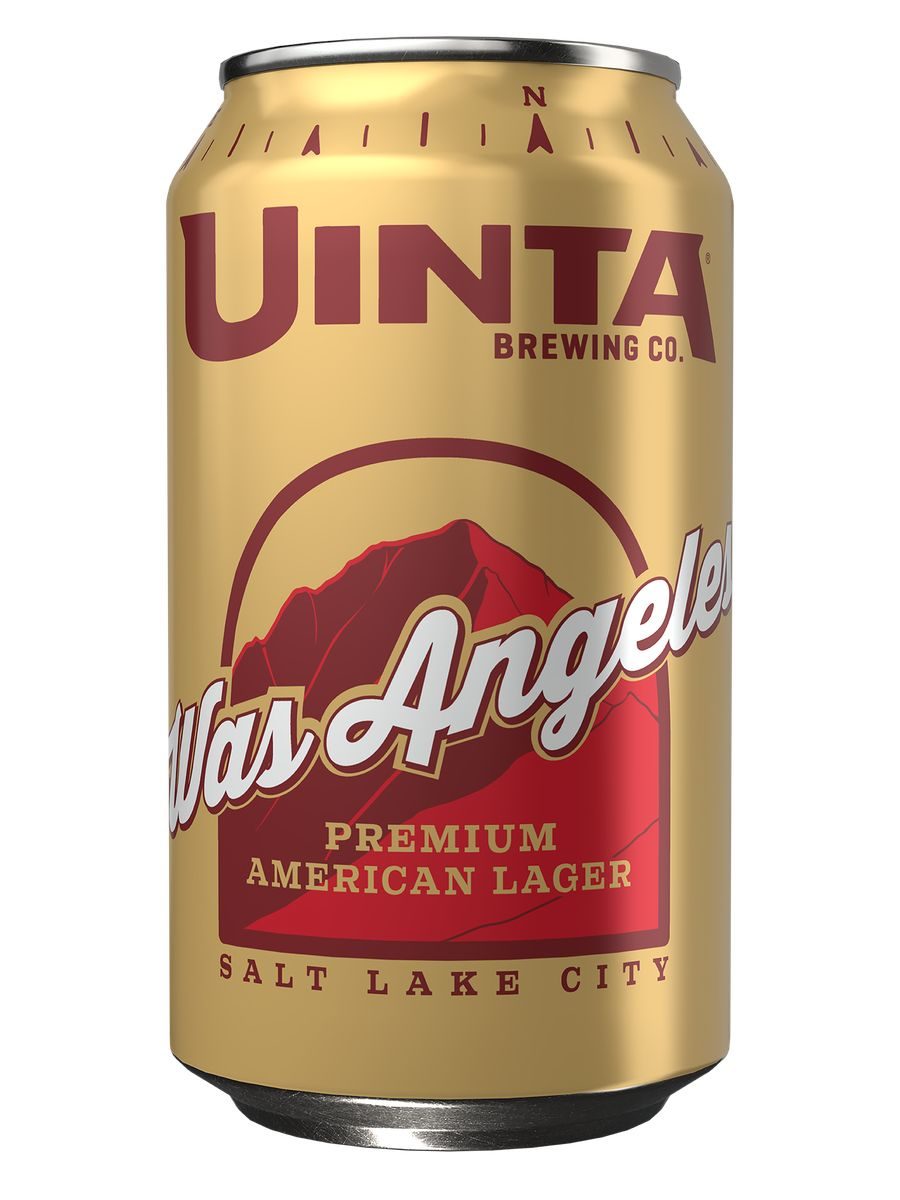
Was Angeles
Brewed by Uinta Brewing Company
Marketed as premium American lager; a documented American Cream Ale competition winner.
BAR NOTES
Was Angeles needs a clear label caveat: Uinta markets it as premium American lager, while the official 2025 Great American Beer Festival results award it gold in American Cream Ale. Its place here is a documented competition crossover, not a claim that the can says cream ale.
Uinta lists 5.0% ABV, 13 IBU and year-round availability. Competition systems and brewery branding serve different purposes, so use this beer to explore their overlap. A GABF result does not by itself certify an exact BJCP 1C recipe or fermentation method.
How it is brewed
Traditional grists often use American six-row malt, modern two-row or a combination, with maize in the mash and sugar in the kettle each potentially reaching about 20%. Those additions help build a pale, dry beer.
Brewers may use clean ale yeast, lager yeast or both. Ale yeast fermented cool is common, followed by cold conditioning for polish. High carbonation and careful attenuation are more important than chasing a literal creamy texture.
History and why the style matters
Cream ale emerged in the second half of the 1800s as ale breweries in the Northeast, Mid-Atlantic and Midwest responded to the rising popularity of lager. They made a quick-turning ale that could deliver similar pale, sparkling refreshment.
The style survived Prohibition through regional breweries and value brands, then found a second life in craft brewing. Modern examples range from faithful lawnmower beer to flavored and imperial experiments, which makes clear labeling especially useful.
How to serve and pair it
Serve around 38–45°F in a nonic pint, stange or simple lager glass. Enough chill preserves crispness, while a small warm-up reveals grain and subtle fruit.
Cream ale is excellent with fried fish, burgers, roast chicken, grilled pork, cheese curds and picnic food. Its soft grain handles mild sweetness, while carbonation clears fat.
What people commonly get wrong
- Cream ale does not traditionally contain cream, lactose or vanilla.
- It is an ale by history and identity, though lager yeast or mixed fermentation may be used.
- A cream ale should not automatically taste sweet; good attenuation and high carbonation are central.
- Cream soda flavors belong to modern specialty versions, not the base style.
Frequently asked questions
Why is it called cream ale?
The name historically suggested smoothness, richness or premium quality rather than a dairy ingredient. Traditional cream ale contains no cream.
Is cream ale an ale or a lager?
It is historically an ale, but brewers may use clean ale yeast, lager yeast or a combination. Cool fermentation and cold conditioning often create its lager-like polish.
What does cream ale taste like?
Expect pale grain, possible light corn sweetness, restrained fruit, low bitterness, high carbonation and a clean finish that may be dry or faintly sweet.
Is cream ale the same as Kölsch?
No. They can seem similar, but cream ale commonly allows adjuncts and corn character, while Kölsch follows a distinct Cologne tradition with its own fermentation and serving culture.
Should cream ale be served with dessert?
Traditional cream ale is more at home with burgers, fried fish and grilled food. Vanilla or pastry-inspired specialty versions may pair with dessert, but they are not the style’s baseline.
Style ranges and technical descriptions follow the BJCP 2021 Beer Style Guidelines.
Keep exploring America’s crisp ale side
Cream ale lives in the useful space between ale and lager expectations. Follow the style into the best bottles, its closest relatives and a practical homebrew.